Title To Trust Assets
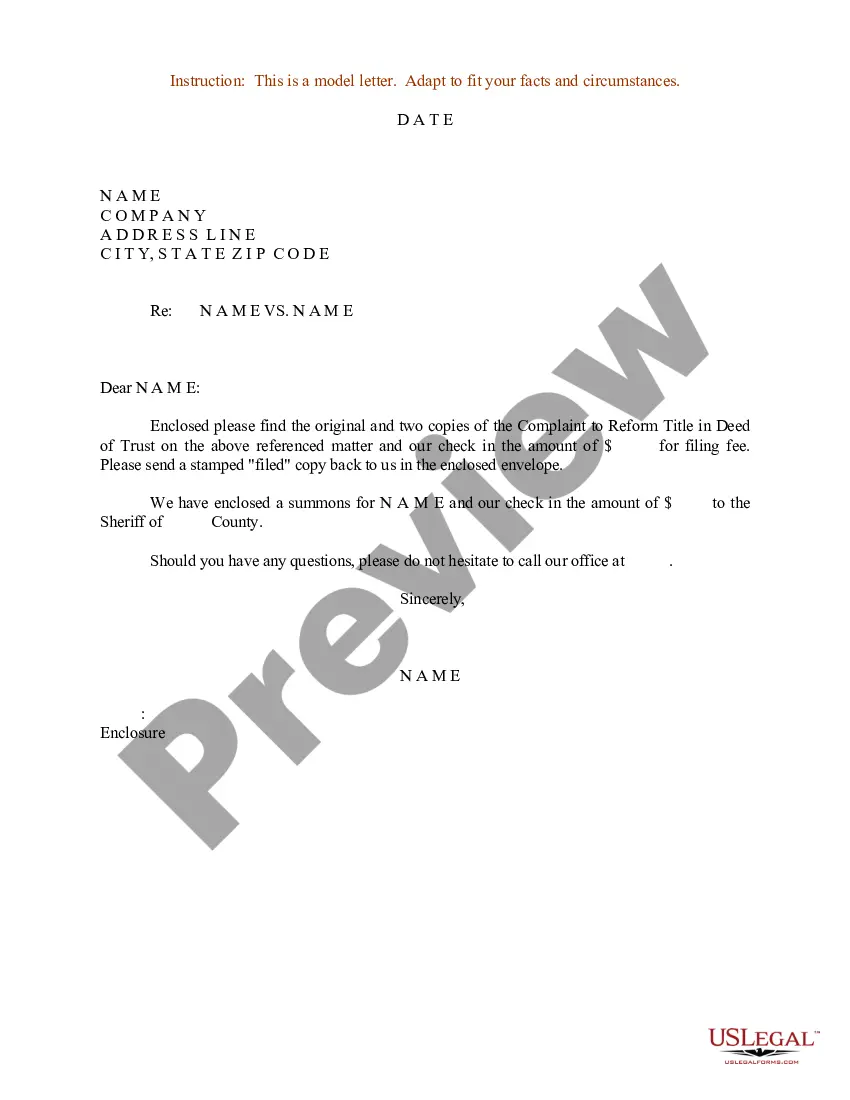
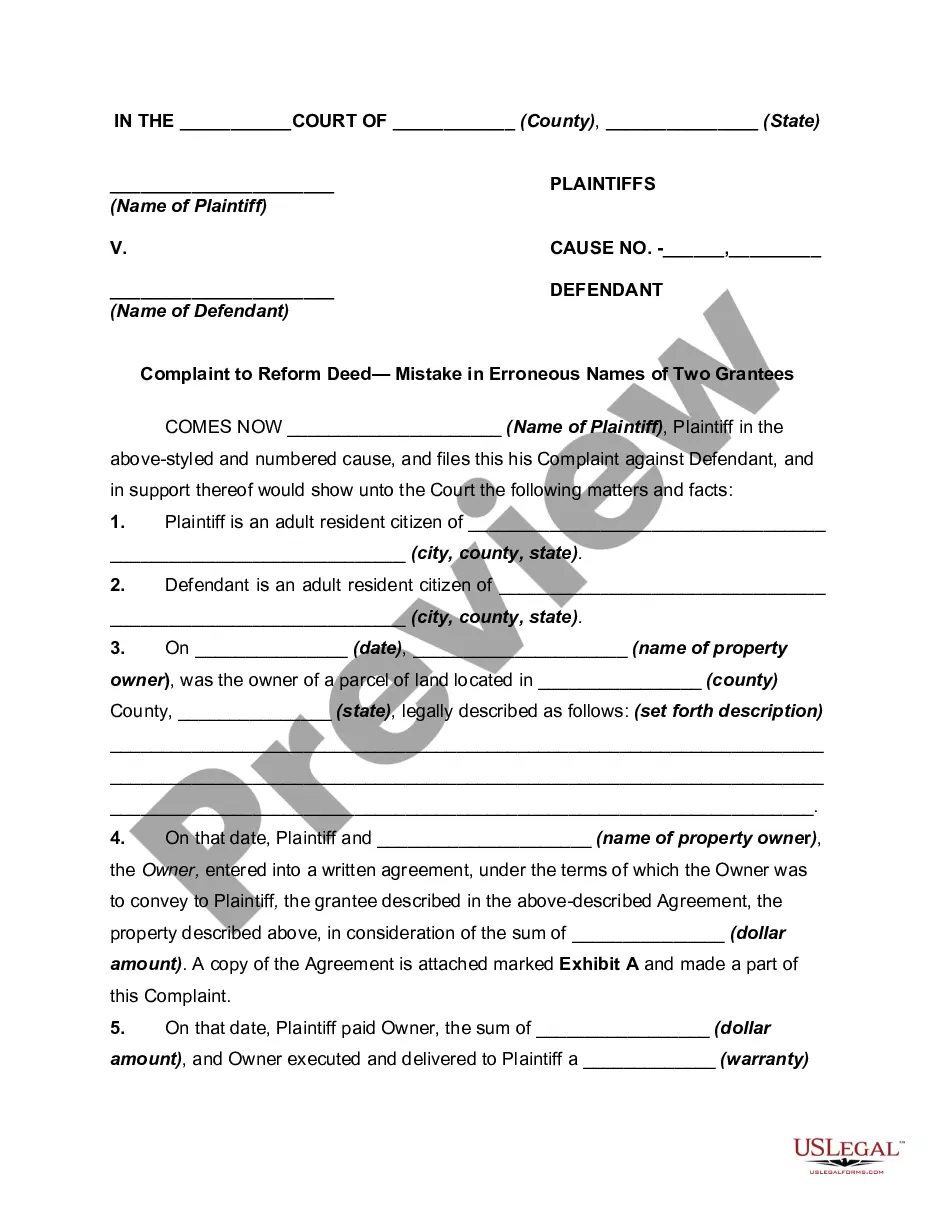
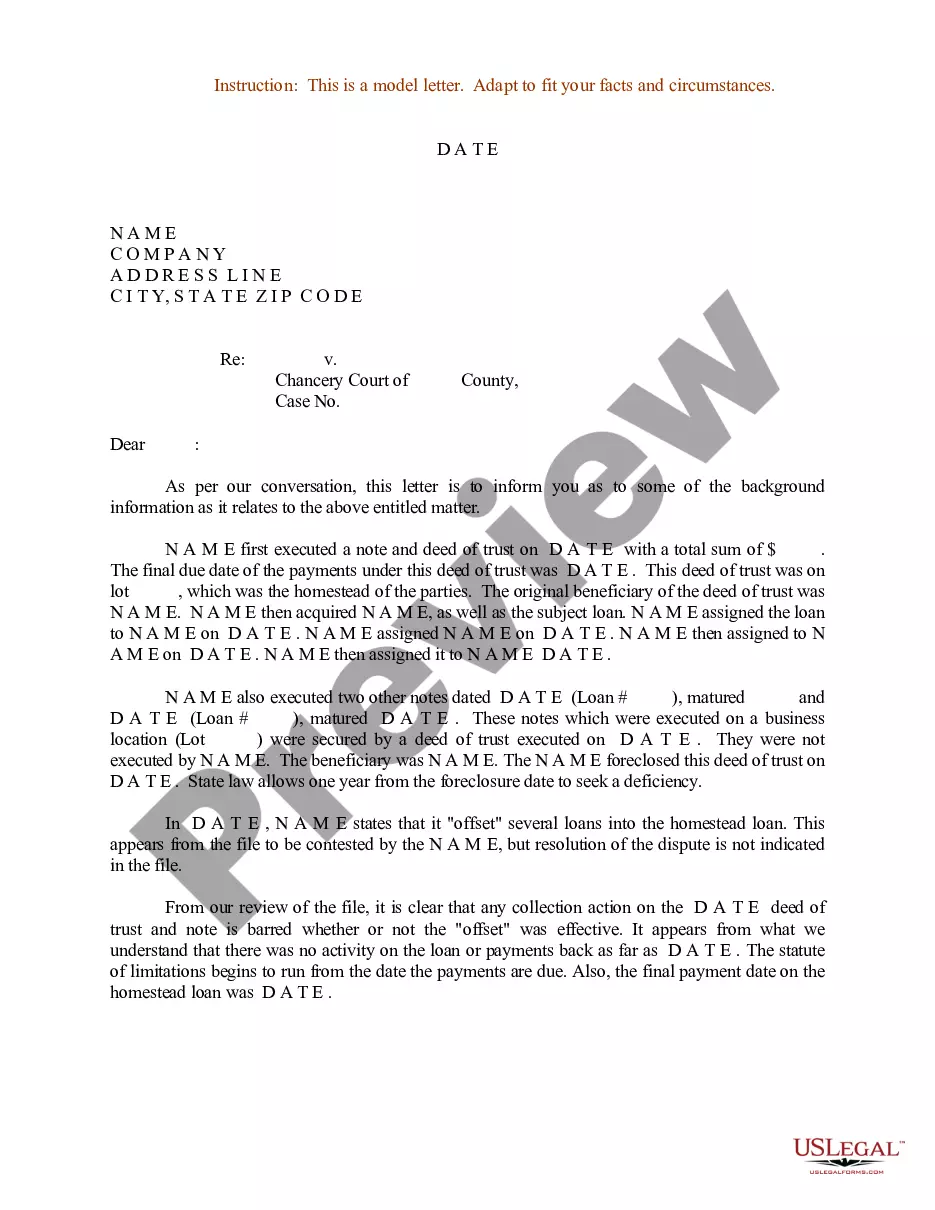
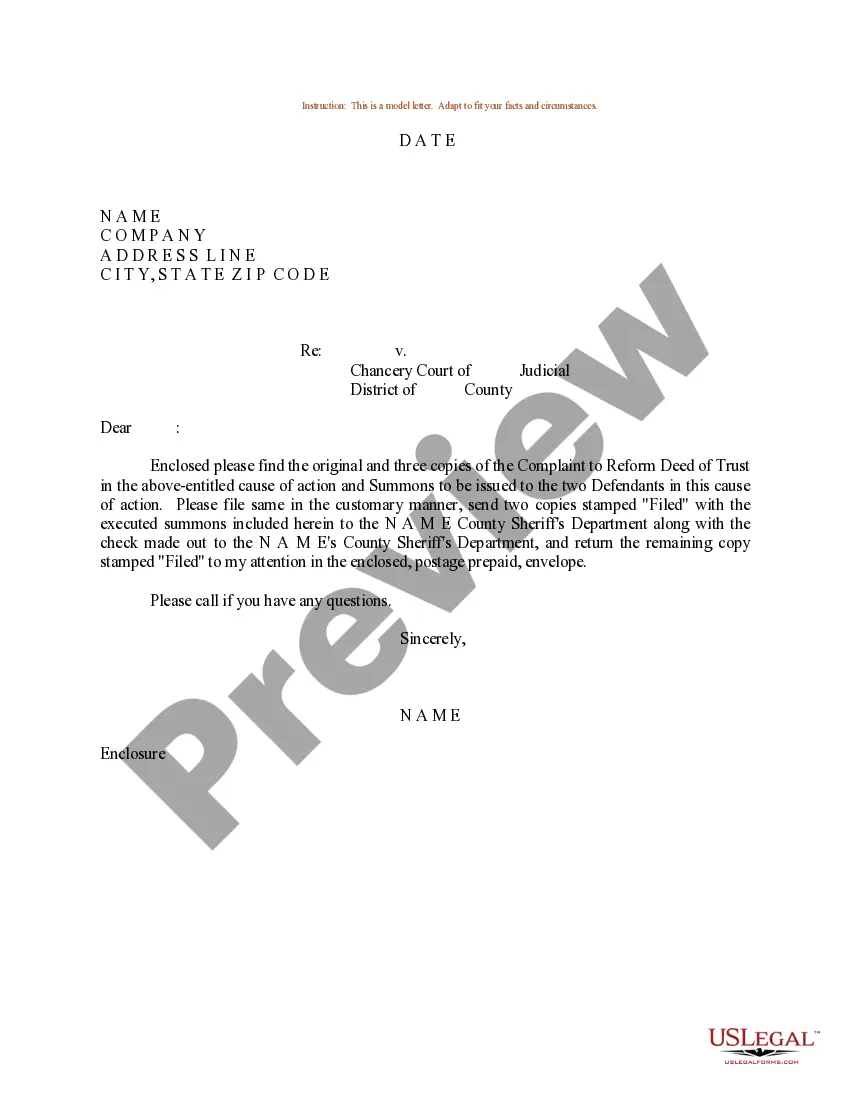
Description
Get your form ready online
Our built-in tools help you complete, sign, share, and store your documents in one place.
Make edits, fill in missing information, and update formatting in US Legal Forms—just like you would in MS Word.
Download a copy, print it, send it by email, or mail it via USPS—whatever works best for your next step.
Sign and collect signatures with our SignNow integration. Send to multiple recipients, set reminders, and more. Go Premium to unlock E-Sign.
If this form requires notarization, complete it online through a secure video call—no need to meet a notary in person or wait for an appointment.
We protect your documents and personal data by following strict security and privacy standards.

Make edits, fill in missing information, and update formatting in US Legal Forms—just like you would in MS Word.

Download a copy, print it, send it by email, or mail it via USPS—whatever works best for your next step.

Sign and collect signatures with our SignNow integration. Send to multiple recipients, set reminders, and more. Go Premium to unlock E-Sign.

If this form requires notarization, complete it online through a secure video call—no need to meet a notary in person or wait for an appointment.

We protect your documents and personal data by following strict security and privacy standards.
Looking for another form?










Form popularity
FAQ
Taking title to assets refers to the legal ownership of property or holdings. When you have title to trust assets, you hold the rights to those assets as specified in the trust agreement. This process ensures clarity in ownership and control, allowing you to manage and distribute the assets according to your wishes. Understanding how to take title to these assets is essential for effective estate planning.
To list assets in a trust, start by compiling a detailed inventory of all the assets you intend to include. You should not only name the asset but also provide relevant details such as location and identification numbers if applicable. This organized list will serve as a draft for your formal trust documentation, ensuring each title to trust asset is accounted for.
When addressing the title of trust assets, you should confirm that the assets are legally owned by the trust. This means executing the necessary documents, such as transfer deeds, to ensure the title reflects the trust as the rightful owner. Clarity in the title to trust assets is crucial for preventing disputes and ensuring proper administration.
Assets in a trust are typically listed in the trust document itself, often within a schedule or attachment. This listing details each asset and specifies how they are to be managed or distributed. Keeping accurate records of your title to trust assets simplifies future management and disbursement.
Creating a list of assets involves identifying and documenting each asset you wish to include in your trust. You can start by categorizing them into real estate, bank accounts, investments, and personal property. This comprehensive list will help ensure that all relevant title to trust assets are accurately represented within the trust.
To put assets in a trust, you first need to create the trust document, which outlines your wishes regarding the assets. Next, you must transfer ownership of the assets to the trust. This often involves changing titles and deeds, and it’s essential to follow your state’s legal requirements to properly title the trust assets.
The primary risk of putting assets in a trust lies in improper titling and management. If assets are not titled correctly, they may not be governed by the trust, leading to potential legal disputes and unintended outcomes. Additionally, if the trust is poorly structured, it may not achieve your intended goals. To mitigate these risks, consider using a platform like uslegalforms, which can guide you through the process of correctly titling trust assets and ensure your estate plan meets your needs.
Trusts are sometimes viewed unfavorably due to misconceptions around their complexity and costs. People may fear that the process of titling trust assets is too complicated or that the fees are too high. Mismanagement or improper setup can lead to disputes among beneficiaries, fostering negative perceptions. Yet, when established correctly, trusts can offer invaluable benefits for managing and safeguarding your assets.
The major disadvantage of a trust is the complexity involved in setting it up and managing it. This process can be time-consuming and may require legal assistance, particularly in correctly titling trust assets. Furthermore, ongoing management and potential tax implications can add to the challenges. However, when effectively executed, the benefits typically outweigh these disadvantages.
A significant mistake parents make when setting up a trust fund is failing to title trust assets correctly. If the assets are not transferred into the trust, they may not provide the intended benefits for your children. Additionally, ignoring the review of your trust over time can lead to unintended consequences. Ensuring that titles to trust assets are accurate and periodically updated is crucial for effective estate planning.