Direct Claim Letter Example For Insurance Claim
Description
Get your form ready online
Our built-in tools help you complete, sign, share, and store your documents in one place.
Make edits, fill in missing information, and update formatting in US Legal Forms—just like you would in MS Word.
Download a copy, print it, send it by email, or mail it via USPS—whatever works best for your next step.
Sign and collect signatures with our SignNow integration. Send to multiple recipients, set reminders, and more. Go Premium to unlock E-Sign.
If this form requires notarization, complete it online through a secure video call—no need to meet a notary in person or wait for an appointment.
We protect your documents and personal data by following strict security and privacy standards.
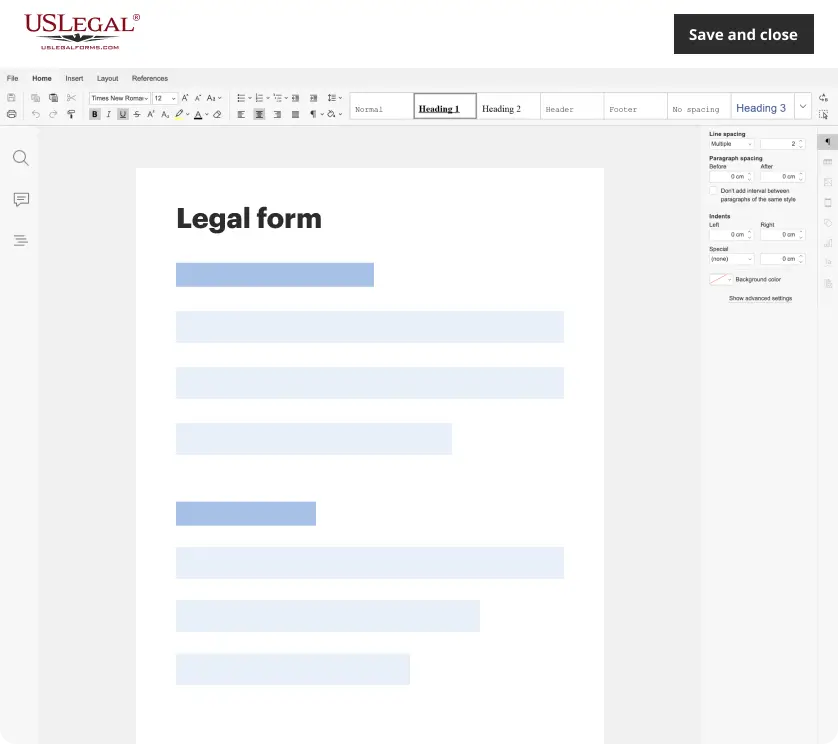
Make edits, fill in missing information, and update formatting in US Legal Forms—just like you would in MS Word.
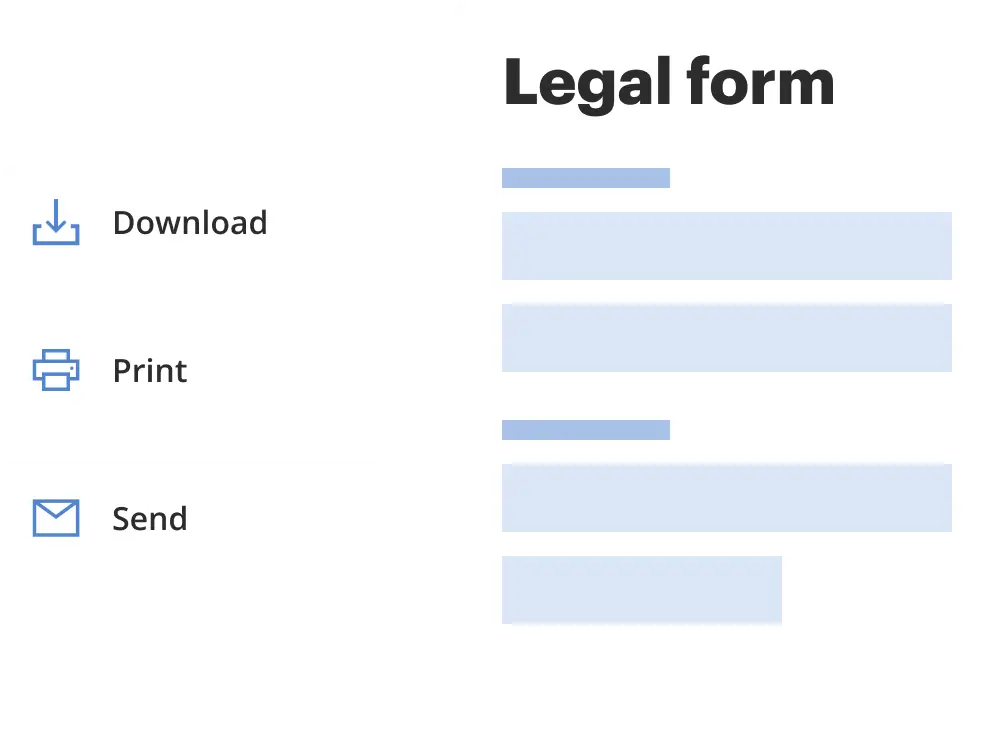
Download a copy, print it, send it by email, or mail it via USPS—whatever works best for your next step.
Sign and collect signatures with our SignNow integration. Send to multiple recipients, set reminders, and more. Go Premium to unlock E-Sign.

If this form requires notarization, complete it online through a secure video call—no need to meet a notary in person or wait for an appointment.
We protect your documents and personal data by following strict security and privacy standards.
Looking for another form?
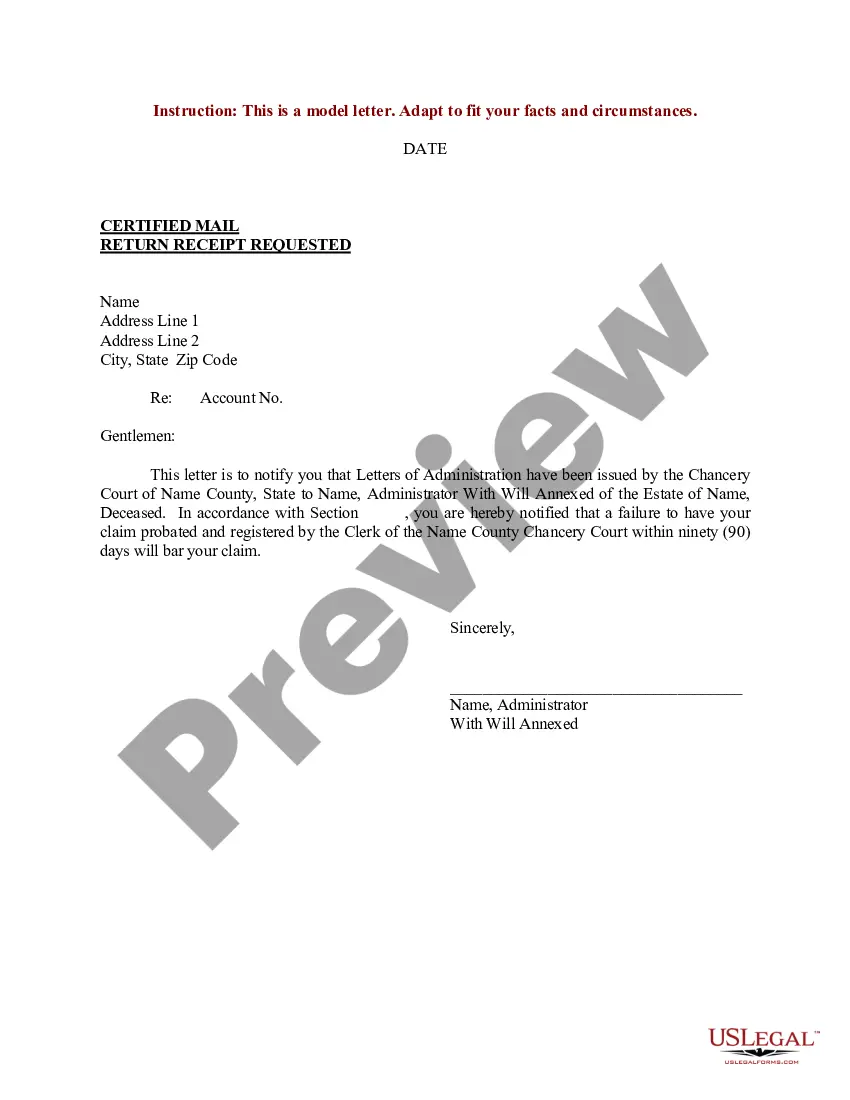
How to fill out Sample Letter For Claim To Funds?
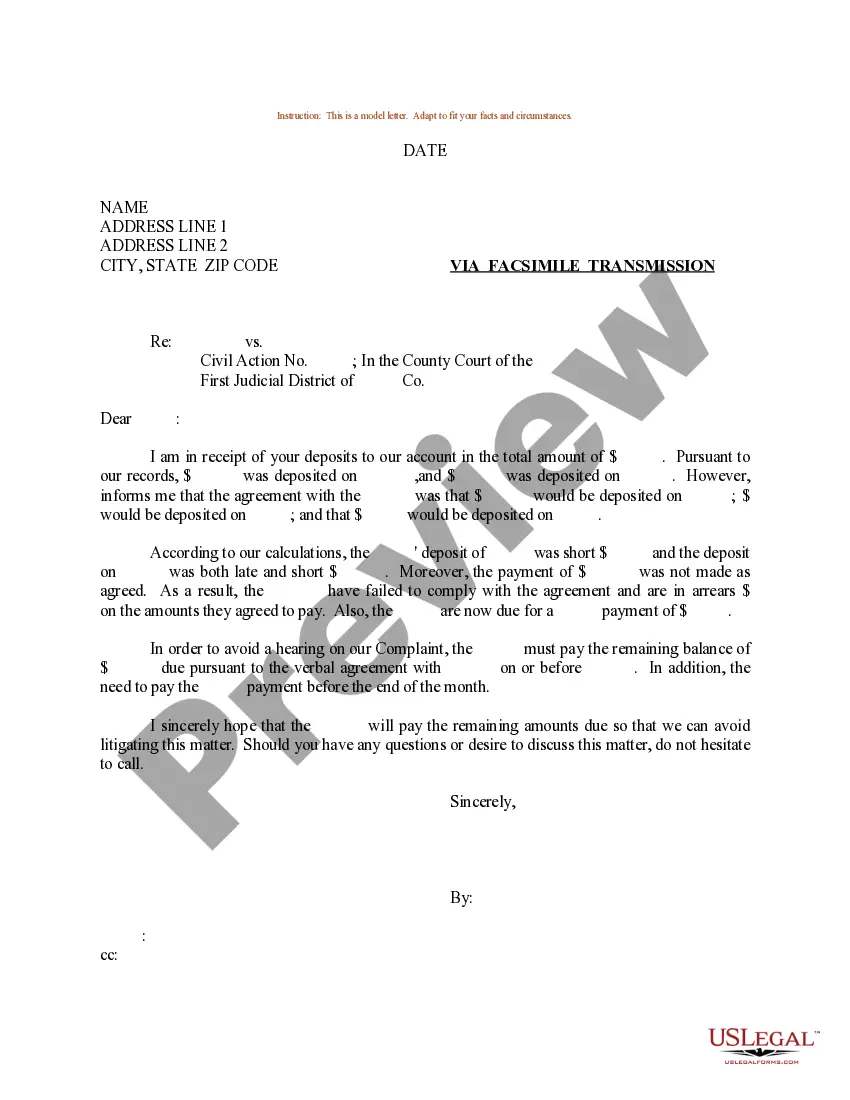
The Direct Claim Letter Template for Insurance Claims displayed on this page is a versatile legal document created by experienced attorneys in compliance with national and local laws.
For over 25 years, US Legal Forms has supplied individuals, enterprises, and legal practitioners with more than 85,000 authenticated, state-specific documents for any business and personal needs.
Register with US Legal Forms to have validated legal templates for every situation in life readily available.
- Search for the document you require and review it.
- Browse through the file you looked up and preview it or examine the form description to confirm it meets your needs. If it doesn’t, use the search feature to find the correct one. Click Buy Now once you have found the template you require.
- Choose and Log Into your account.
- Pick the payment plan that fits you and sign up for an account. Use PayPal or a credit card for a quick transaction. If you already possess an account, Log In and verify your subscription to proceed.
- Acquire the editable template.
- Select the format you prefer for your Direct Claim Letter Template for Insurance Claims (PDF, Word, RTF) and download the sample to your device.
- Fill out and sign the documents.
- Print the template to fill it out by hand. Alternatively, use an online multifunctional PDF editor to swiftly and accurately complete and sign your form with a legally-binding electronic signature.
- Re-download your documents as needed.
- Utilize the same document again whenever required. Access the My documents tab in your account to retrieve any previously saved forms.
Form popularity
FAQ
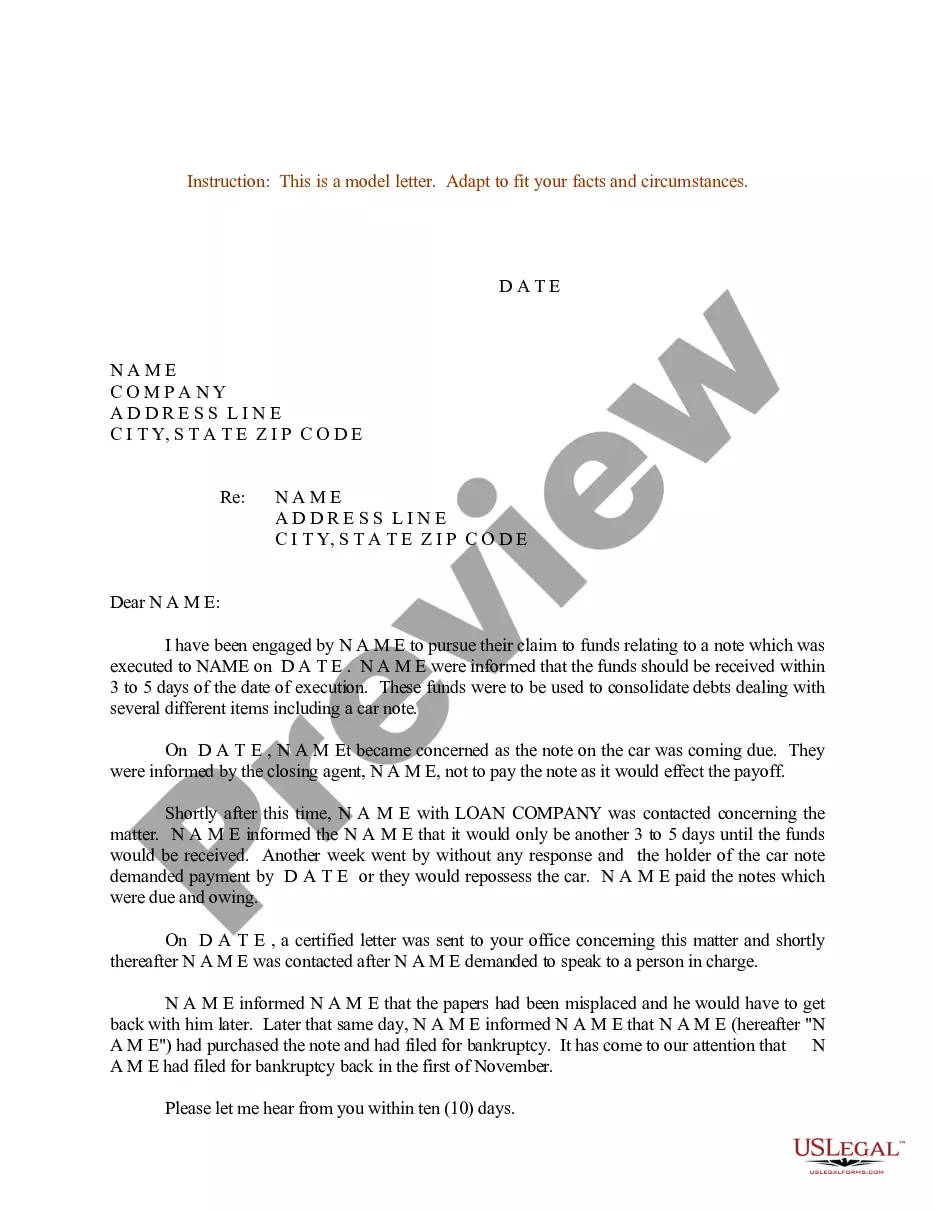
Direct claims are insurance claims that are filed directly with the insurer by the policyholder. This method allows for a more straightforward claims process, often resulting in faster resolutions. To understand how to effectively file such claims, consult a direct claim letter example for insurance claim.
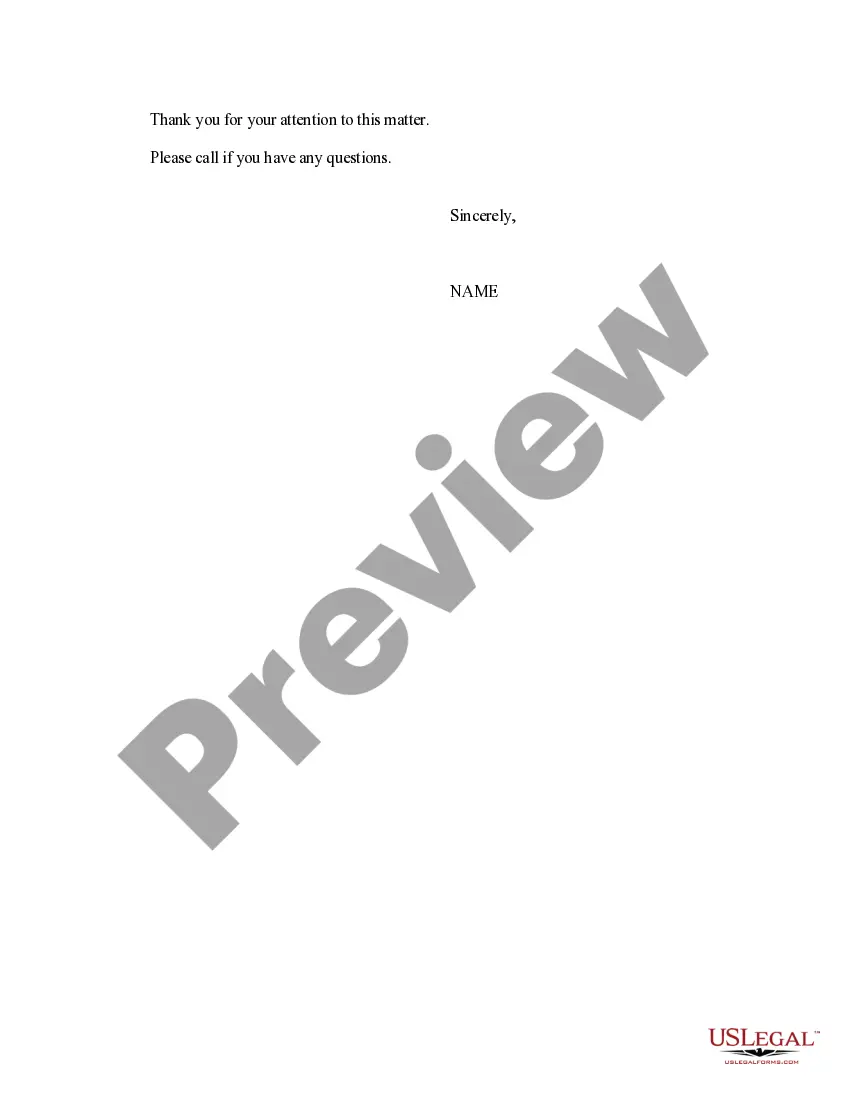
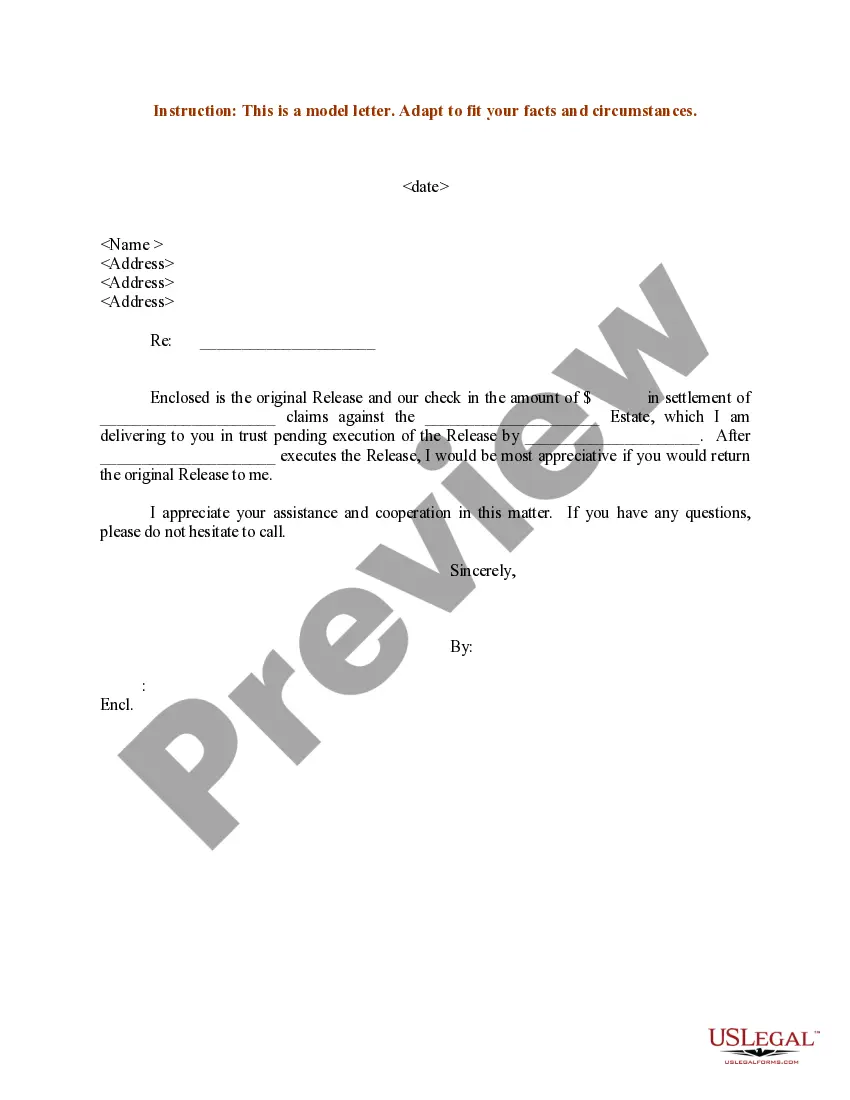
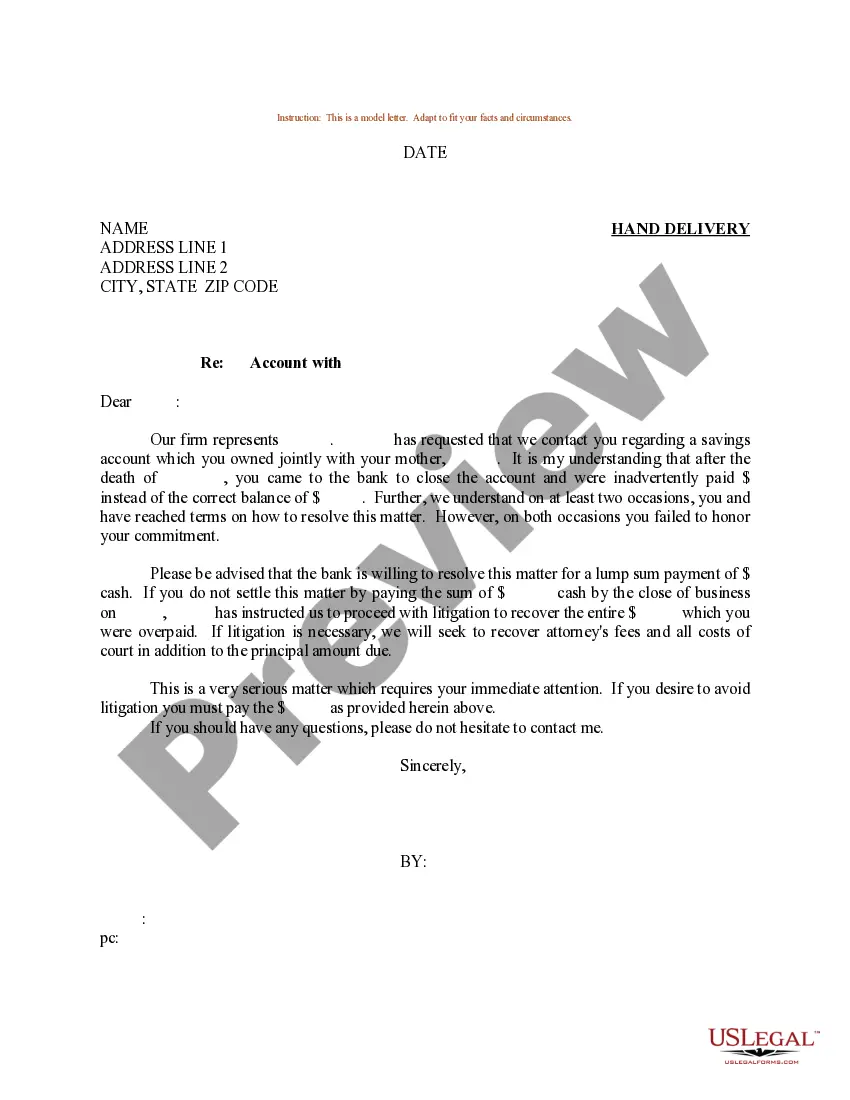
A direct claim letter is a specific type of correspondence sent to an insurance company to file a claim for benefits. This letter typically includes details about the incident, policy information, and the amount being claimed. Reviewing a direct claim letter example for insurance claim can help you format your letter properly.
Writing a good claim letter involves being clear and concise while providing all necessary details. Start with your contact information, followed by the insurance company's details, and clearly state your claim. A direct claim letter example for insurance claim can guide you in creating a strong letter that supports your case.
A direct claim is a request for compensation that you file directly with your insurance company, rather than going through a third party. This approach can simplify the claims process and speed up resolution. To craft your direct claim effectively, look for a direct claim letter example for insurance claim.
Direct claims status refers to the stage of your insurance claim that is handled directly between you and the insurance company, without the involvement of third-party adjusters. This status often leads to a quicker resolution. Utilizing a direct claim letter example for insurance claim can help facilitate this process.
To write a letter for an insurance claim, start by clearly stating your intention to file a claim. Include all relevant details such as the policy number, date of the incident, and a description of the loss. You can refer to a direct claim letter example for insurance claim to help structure your letter effectively.
When speaking with an insurance claim adjuster, avoid making statements that could weaken your claim. Do not admit fault or provide opinions about the incident. Instead, stick to the facts and refer to your direct claim letter example for insurance claim to ensure your communication remains focused and professional.
A claim letter is a document that you send to an insurance company to request benefits or compensation for a loss or damage. It outlines the details of your claim, including the reason for the request and any supporting evidence. By using a direct claim letter example for insurance claim, you can ensure your letter is clear and effective.
To write a letter to an insurance company for a claim, start with a formal greeting and introduce your main purpose. Include all pertinent information such as your policy number, details of the incident, and any evidence attached. Ending with a request for prompt processing can also be beneficial. For a practical reference, see our direct claim letter example for insurance claim.
A letter of claim typically includes your personal information, policy details, and a clear statement of the claim. It should outline the circumstances surrounding the claim and any relevant evidence you are providing. A well-structured letter makes it easier for the insurance company to assess your situation. For a clearer idea, check our direct claim letter example for insurance claim.