State Law For Overtime Pay
Description

Get your form ready online
Our built-in tools help you complete, sign, share, and store your documents in one place.
Make edits, fill in missing information, and update formatting in US Legal Forms—just like you would in MS Word.
Download a copy, print it, send it by email, or mail it via USPS—whatever works best for your next step.
Sign and collect signatures with our SignNow integration. Send to multiple recipients, set reminders, and more. Go Premium to unlock E-Sign.
If this form requires notarization, complete it online through a secure video call—no need to meet a notary in person or wait for an appointment.
We protect your documents and personal data by following strict security and privacy standards.

Make edits, fill in missing information, and update formatting in US Legal Forms—just like you would in MS Word.

Download a copy, print it, send it by email, or mail it via USPS—whatever works best for your next step.

Sign and collect signatures with our SignNow integration. Send to multiple recipients, set reminders, and more. Go Premium to unlock E-Sign.

If this form requires notarization, complete it online through a secure video call—no need to meet a notary in person or wait for an appointment.

We protect your documents and personal data by following strict security and privacy standards.
Looking for another form?


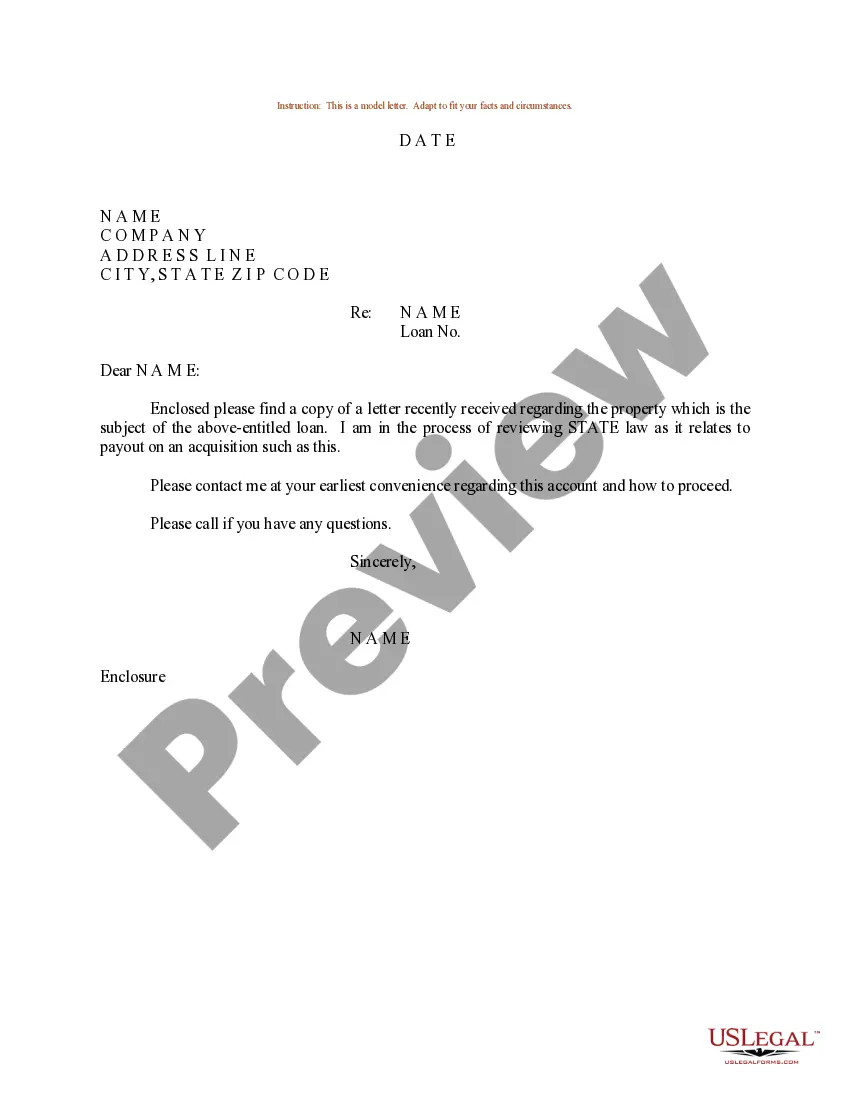
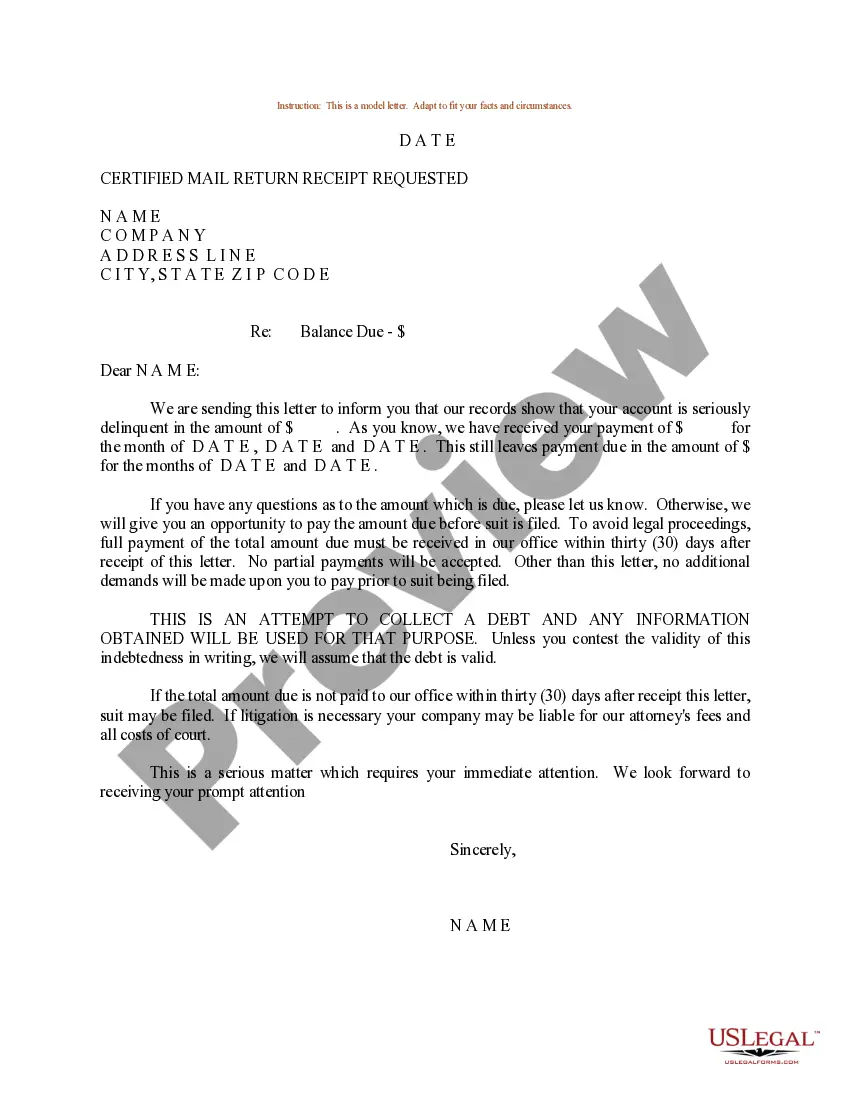
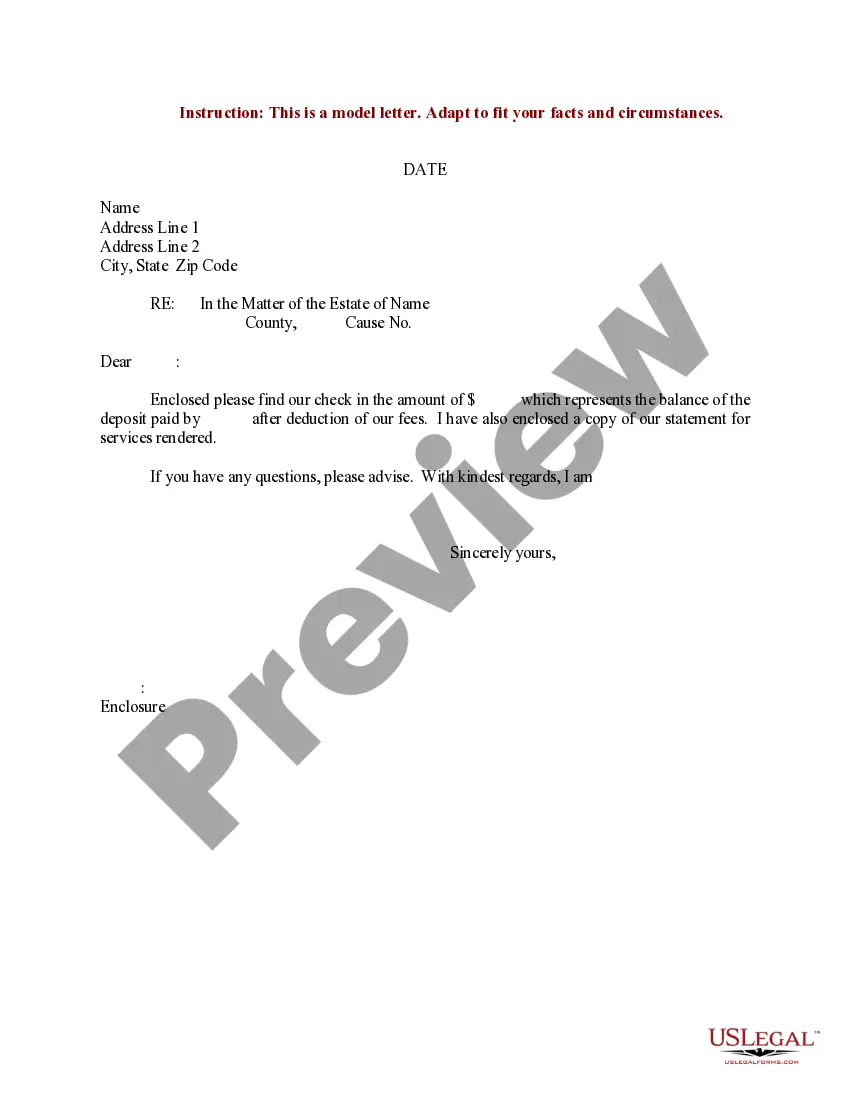
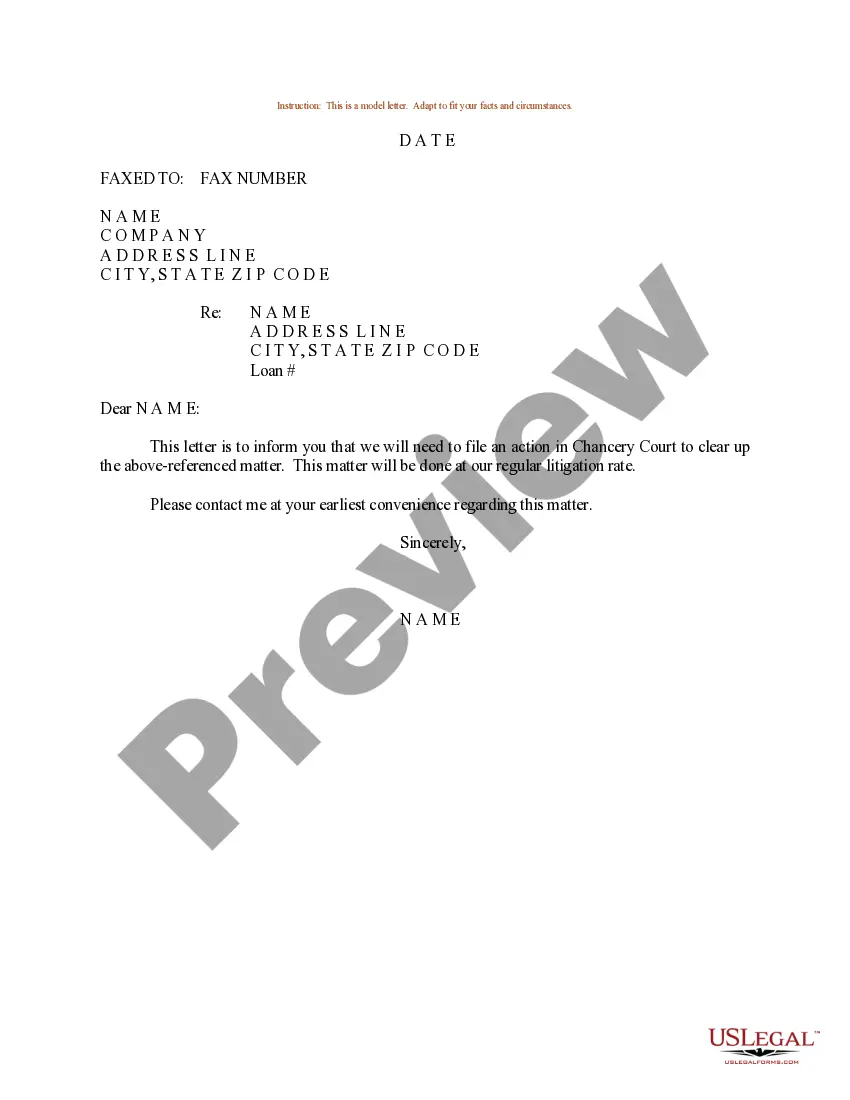
How to fill out Sample Letter For Attorney In Process Of Review State Law For Payout?
The State Legislation Regarding Overtime Compensation you see on this page is a reusable legal template created by experienced attorneys in accordance with federal and local statutes and regulations.
For over 25 years, US Legal Forms has supplied individuals, businesses, and legal practitioners with over 85,000 validated, state-specific documents for any business and personal scenario. It’s the fastest, most direct, and most trustworthy method to acquire the paperwork you require, as the service guarantees the utmost level of data security and anti-malware safeguards.
Select the format you prefer for your State Law Regarding Overtime Compensation (PDF, Word, RTF) and save the document on your device. Print out the template to fill it out by hand. Alternatively, employ an online versatile PDF editor to quickly and accurately complete and sign your form with a legally-binding electronic signature. Reuse the same document whenever required. Access the My documents section in your profile to re-download any previously purchased forms. Register with US Legal Forms to have verified legal templates for all of life’s situations at your fingertips.
- Inspect the document you require and review it.
- Browse through the file you searched and preview it or examine the form description to ensure it meets your requirements. If it doesn’t, utilize the search feature to find the correct one. Click Buy Now when you have identified the template you need.
- Choose and Log Into your account.
- Select the pricing plan that fits you and create an account. Use PayPal or a credit card to make a swift payment. If you already have an account, Log In and review your subscription to proceed.
- Acquire the fillable template.
Form popularity
FAQ
Overtime rules in the USA dictate that non-exempt employees must receive time-and-a-half pay for hours worked over 40 in a week, as specified by state law for overtime pay. Some states have laws offering even more generous overtime provisions. It's important to remain informed about both federal and state regulations, as they can differ. Platforms like USLegalForms can help you understand these rules and ensure you are treated fairly at work.
Yes, you can work 12 hours a day in the USA, but overtime compensation will depend on your classification under state law for overtime pay. If you are a non-exempt employee, you may earn overtime for hours worked beyond 40 in a week, resulting in additional pay. Employers must ensure they follow relevant labor laws regarding hours worked. Understanding these rules can help you navigate your work schedule effectively.
Overtime rules in the US are primarily guided by both federal and state law for overtime pay. Generally, non-exempt employees are entitled to receive at least one and a half times their regular pay for hours worked beyond 40 in a workweek. Additionally, states may have their own regulations that provide greater protections or benefits. Therefore, employers should familiarize themselves with applicable laws to ensure compliance.
Certain employees may be exempt from overtime under state law for overtime pay. Common exemptions include executive, administrative, and professional positions, typically defined by job responsibilities and salary levels. These employees usually earn a set salary that exceeds federal and state thresholds. It is crucial to review your job description and pay structure to determine if you fall into an exempt category.
Eligibility for overtime in the US often depends on specific state law for overtime pay. Generally, non-exempt employees, including those who earn a salary below a certain threshold or work in hourly positions, qualify for overtime pay. Employers must accurately track hours worked to ensure compliance. Thus, understanding your status can help you receive the compensation you deserve.
Minimum overtime law varies from state to state, but it generally means that employers must comply with specific pay rates for overtime hours. Most states align with federal laws, mandating time-and-a-half pay for overtime hours. However, states may offer additional protections or higher minimums, governed by state law for overtime pay. Therefore, it's wise to familiarize yourself with your local regulations for complete compliance.
The minimum amount of overtime typically refers to the pay calculation for hours worked beyond the standard 40-hour workweek. The law generally mandates that any additional hours must be compensated at a rate of at least one and a half times the employee's regular hourly wage. It is important to consider your state's specific regulations, as state law for overtime pay can provide greater benefits. Always consult with a knowledgeable source to ensure accurate pay practices.
The minimum wage overtime law dictates that employees must receive overtime pay for hours worked beyond 40 in a workweek. This is established under the Fair Labor Standards Act (FLSA) and varies by state. In addition to federal requirements, state law for overtime pay may impose stricter conditions, ensuring workers receive fair compensation for extra hours. Understanding both state and federal regulations is crucial for compliant payroll practices.
The overtime process typically begins with confirming your eligibility under state law for overtime pay. Once eligible, you need to track your work hours accurately and report any overtime hours to your employer. Your employer will then calculate the pay based on their payroll procedures and state regulations. For additional guidance and templates, consider using the US Legal Forms platform, which streamlines this process.
Calculating overtime correctly involves understanding your state's laws regarding overtime pay. Generally, you multiply the hours worked over 40 hours in a week by 1.5 times your regular hourly wage. It's essential to account for any state-specific regulations, as they may affect the calculation. You can also use our US Legal Forms platform to find resources and tools that simplify this process.