Operating Agreement With Profits Interest
Description
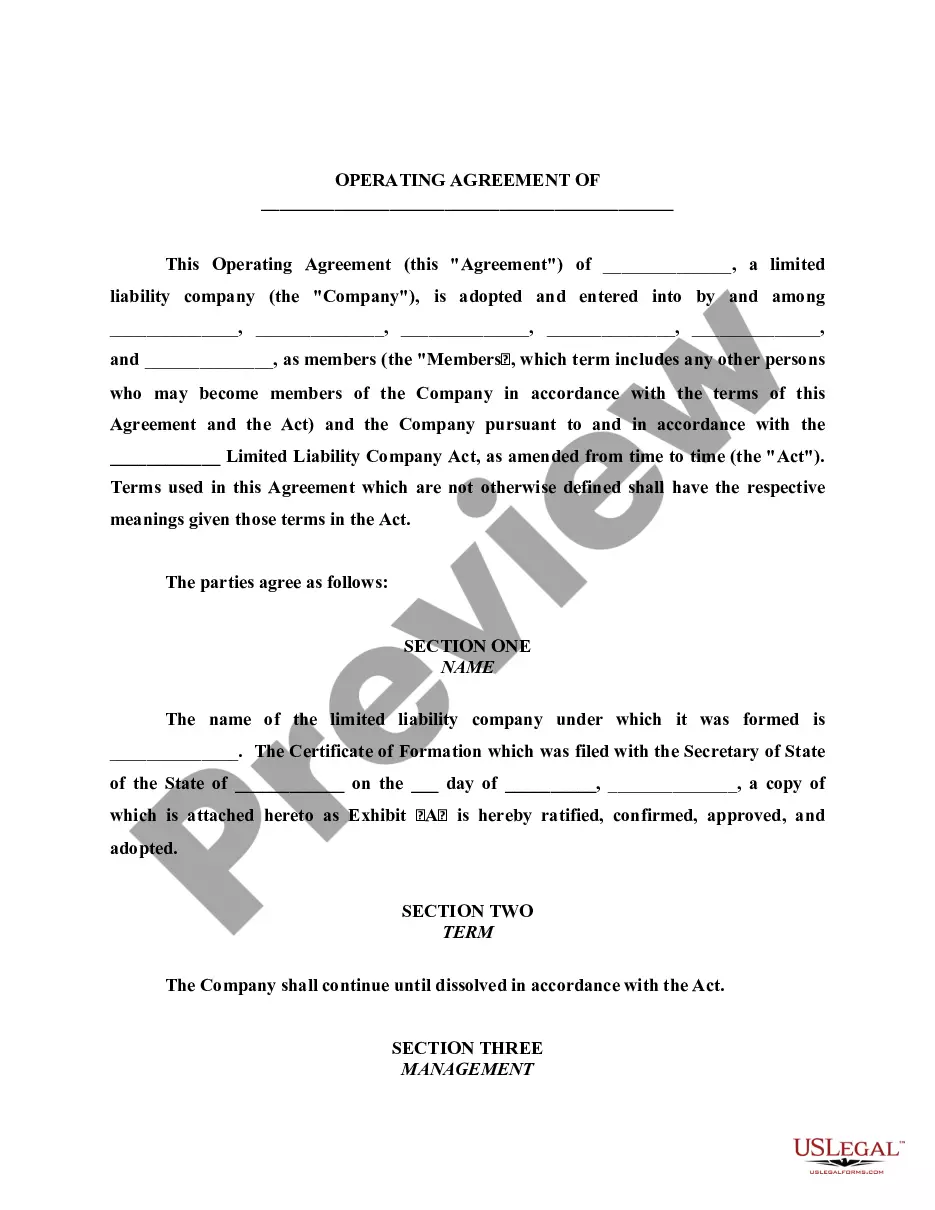
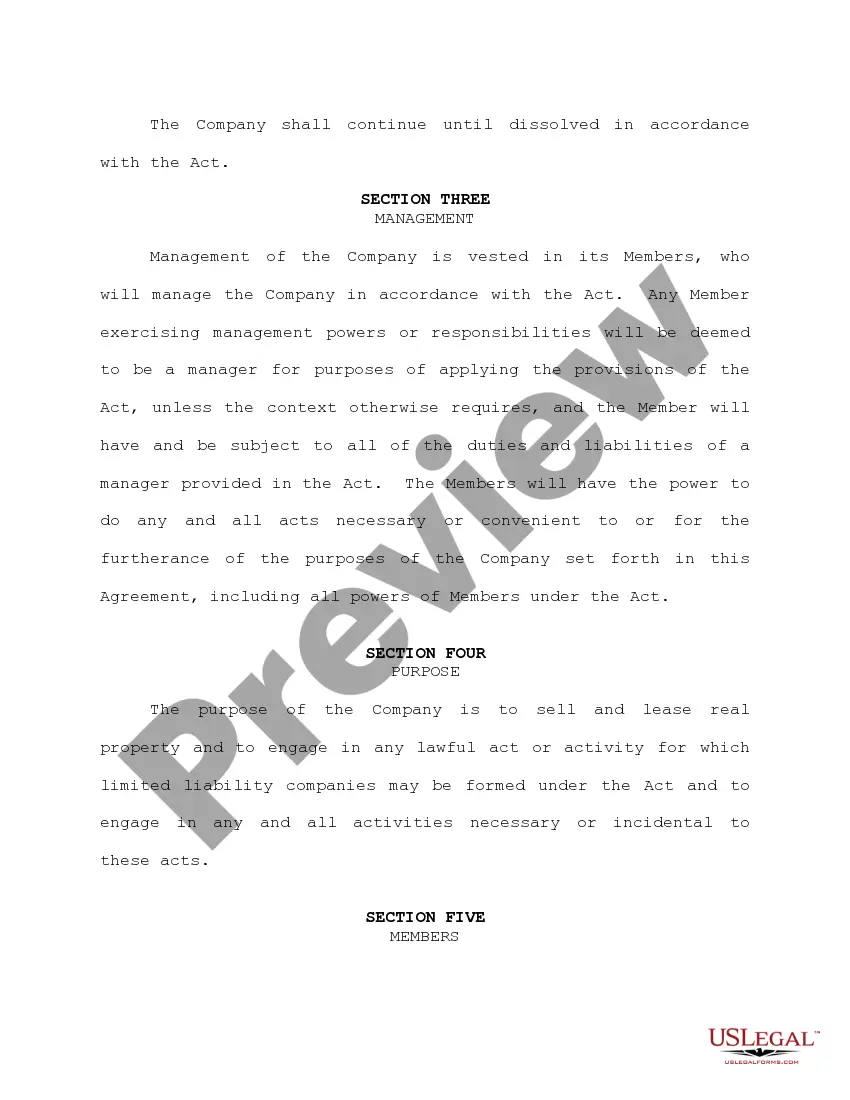
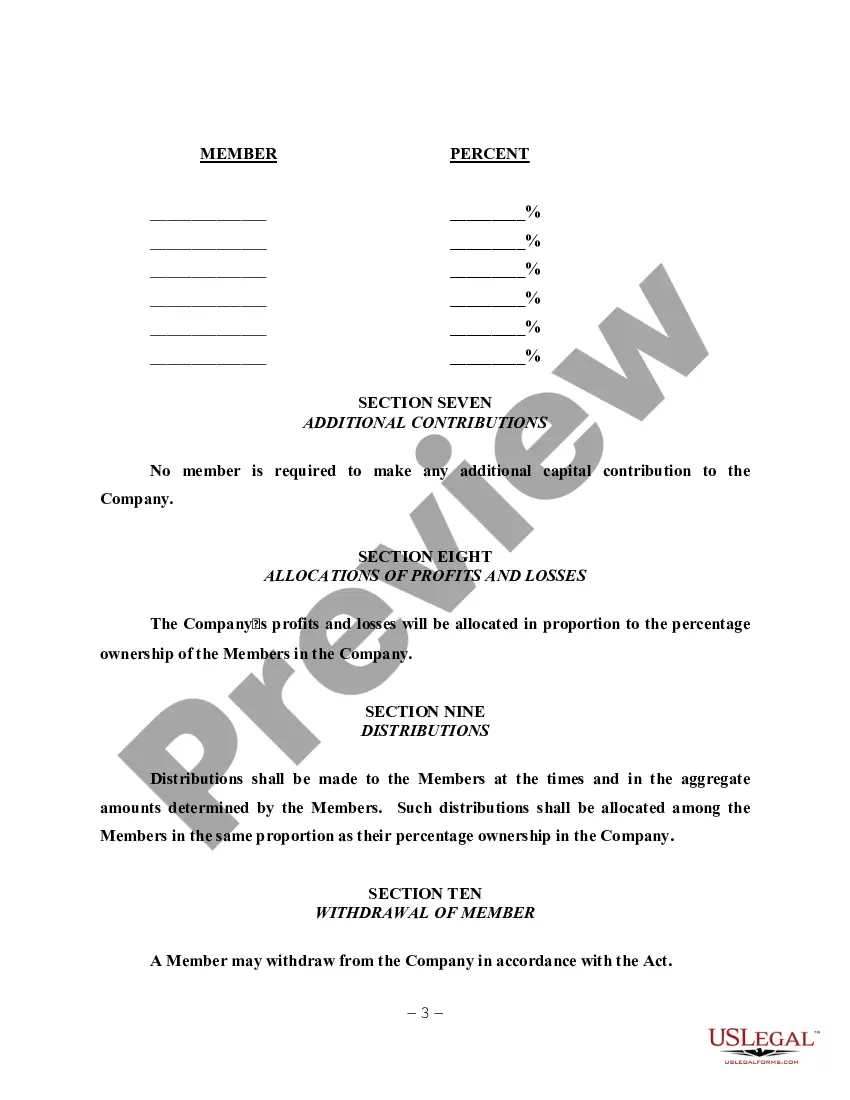
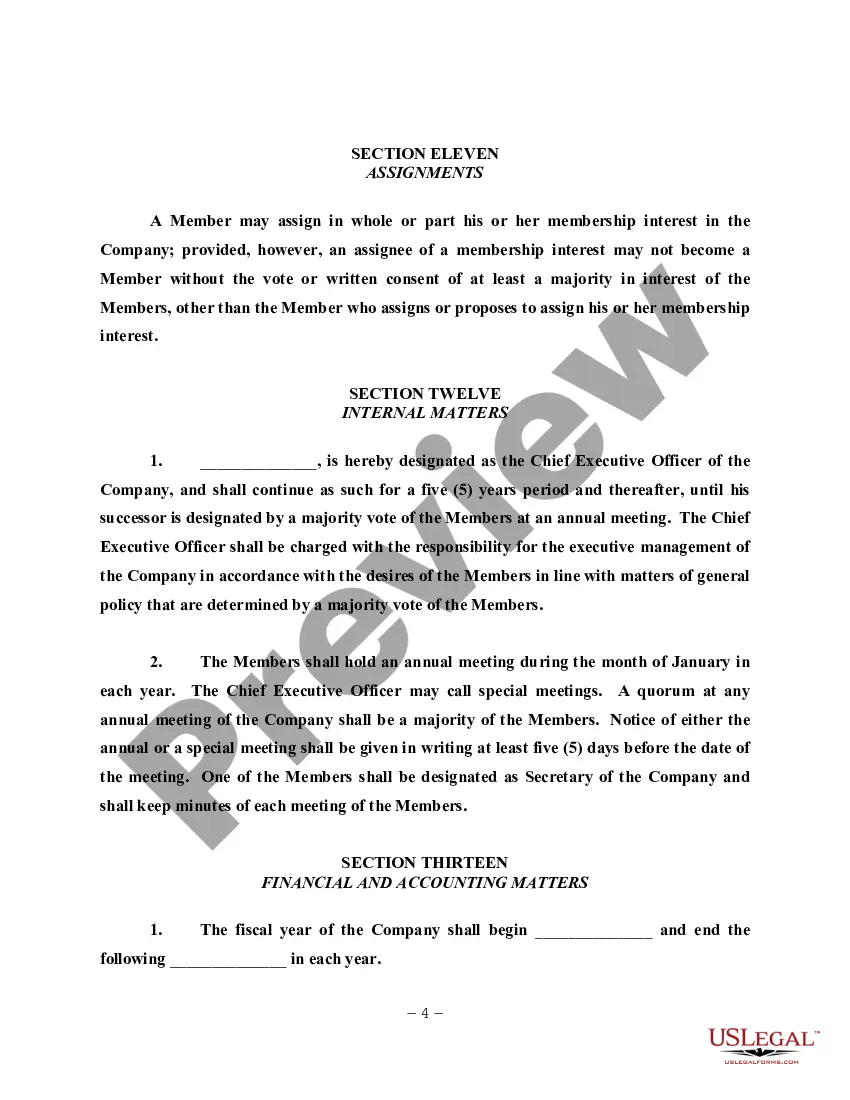




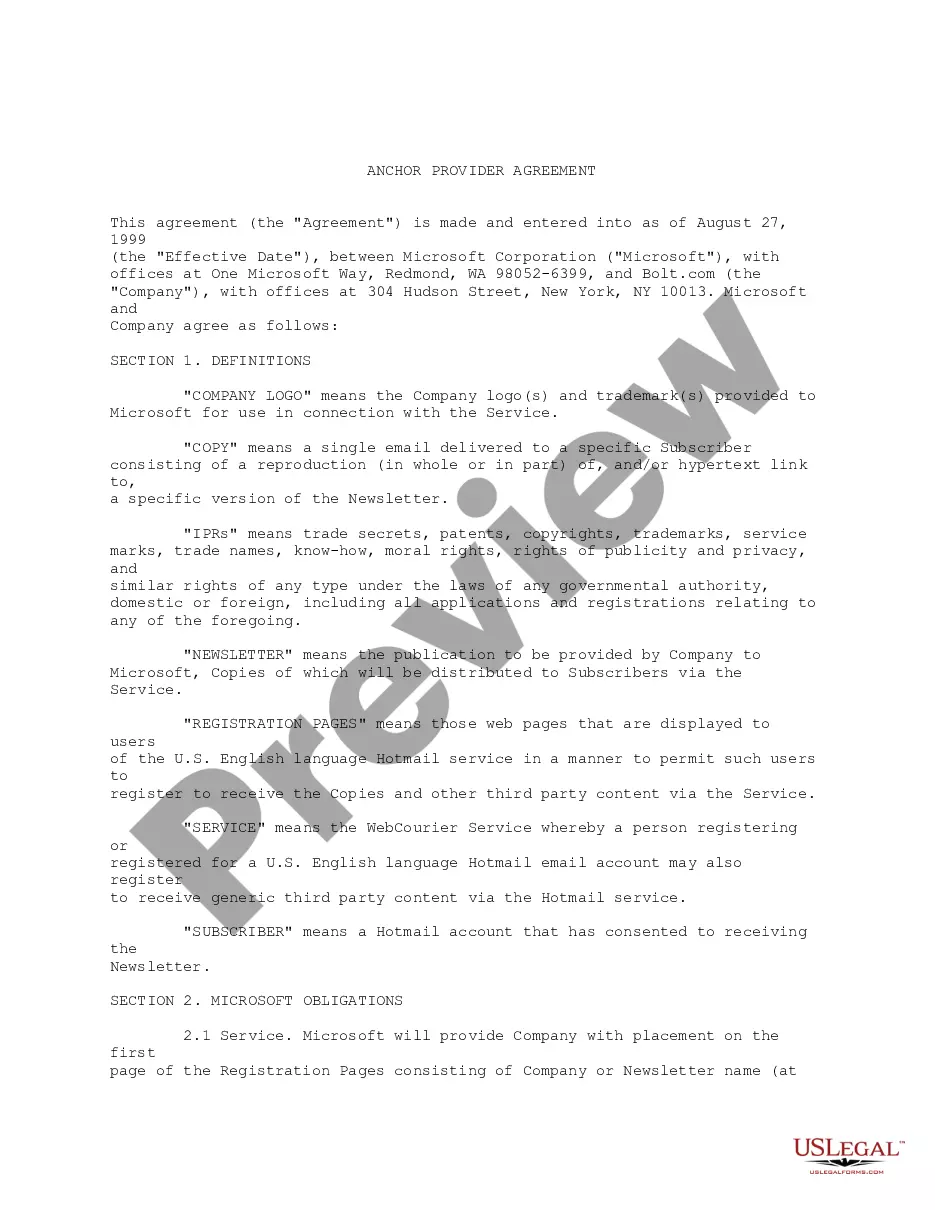

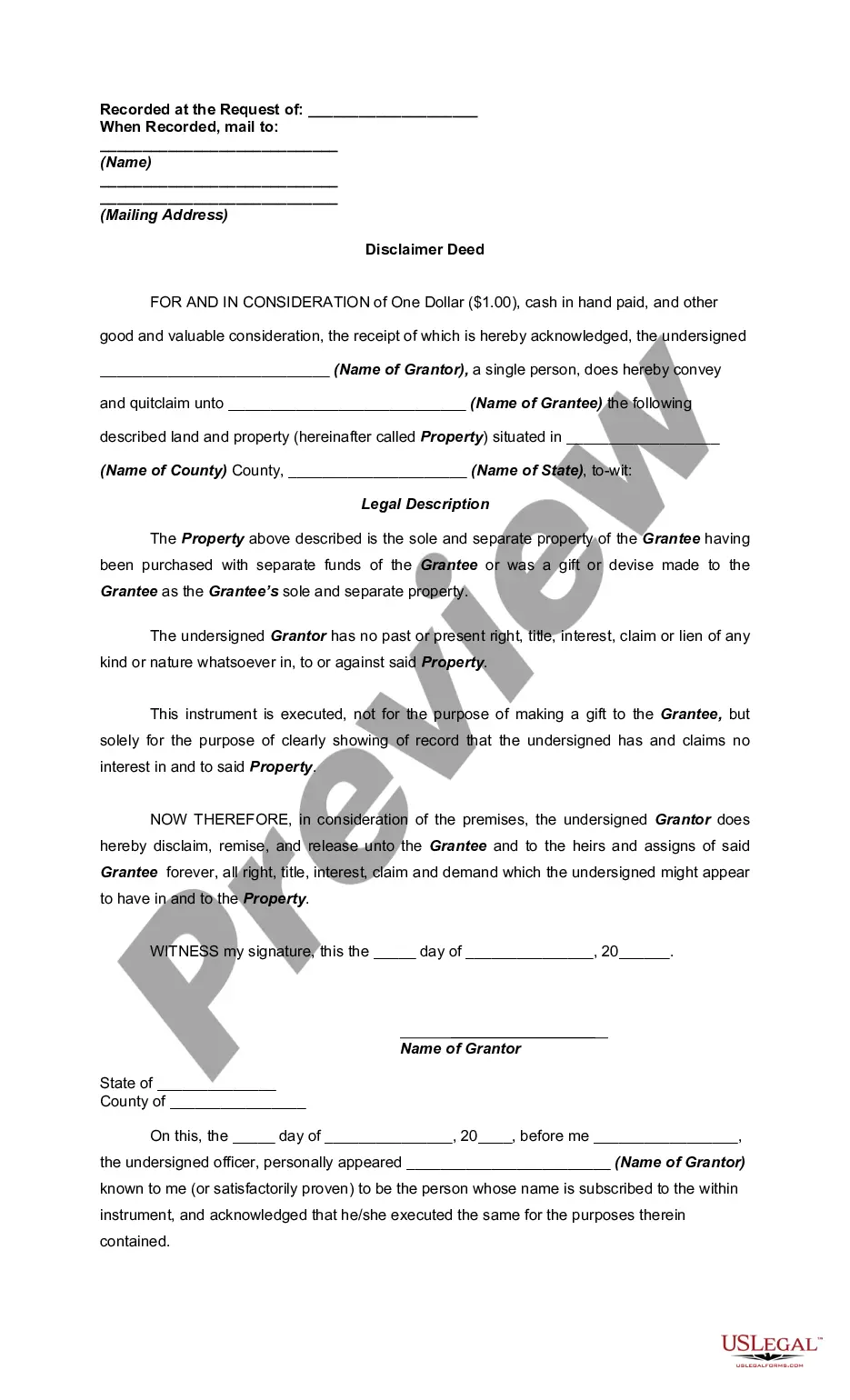
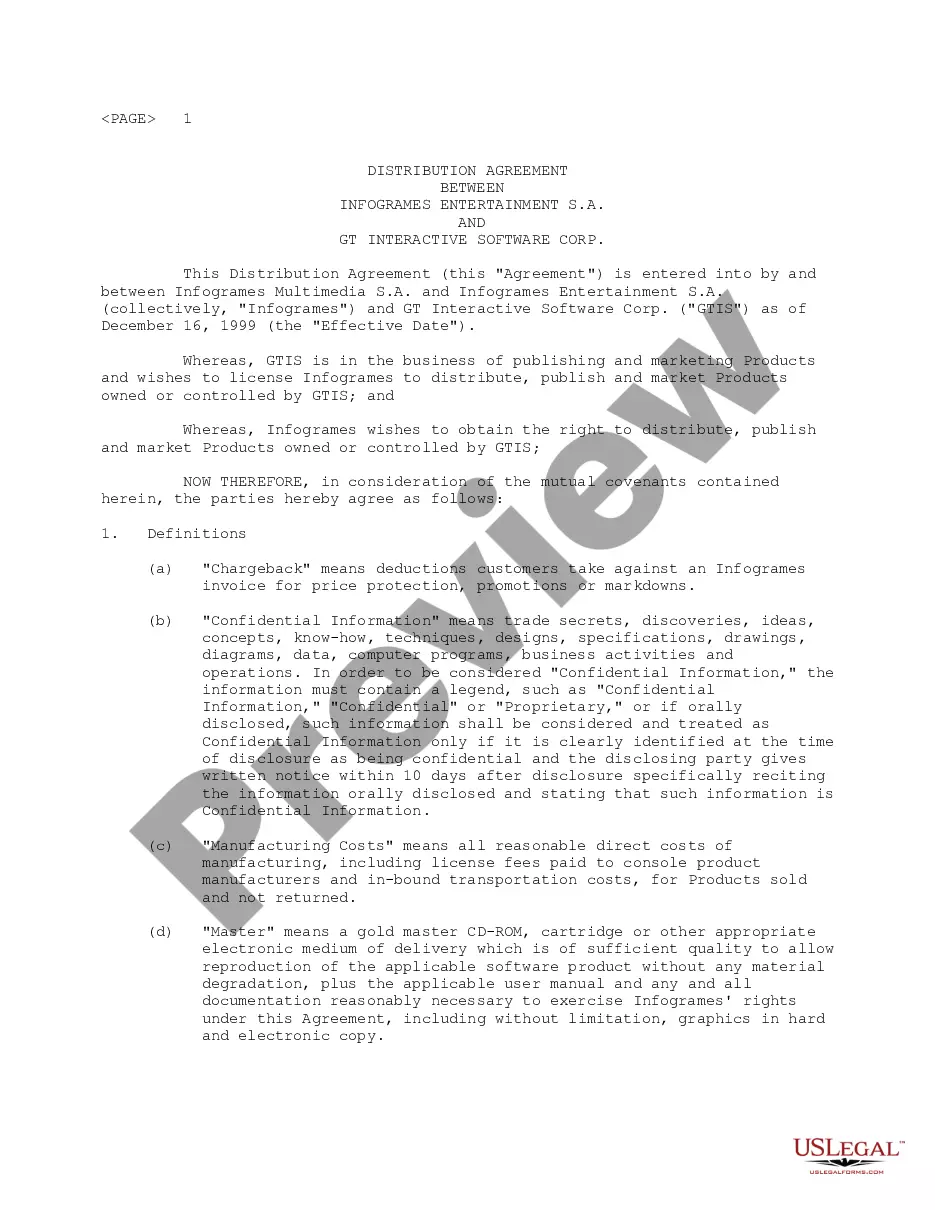


How to fill out LLC Operating Agreement For Single Member?
- If you're a returning user, log in to your account and download your operating agreement template by clicking the Download button. Ensure your subscription is active, or renew it if necessary.
- For first-time users, start by previewing the document description. Confirm that you select the operating agreement that fits your needs and complies with your local regulations.
- If you find that the current template doesn’t meet your requirements, utilize the Search tab to locate a suitable one.
- Once you find the right document, hit the Buy Now button and select your desired subscription plan. You'll need to create an account to access all resources available.
- Complete your purchase by entering your credit card information or using your PayPal account.
- Finally, download your form to your device for completion. You can also access it anytime through the My Forms section of your account.
In conclusion, US Legal Forms offers a robust collection of legal templates designed for ease of use, ensuring that you can execute your operating agreement with profits interest accurately and efficiently.
Don't wait—start your legal drafting process today by visiting US Legal Forms and unlock your access to thousands of legal documents.
Form popularity
FAQ
A profit interest agreement outlines the terms under which an individual will receive a share of future profits from a partnership or LLC. This agreement is typically part of an operating agreement with profits interest. It provides detailed information about the rights and obligations of profit interest holders. Recognizing the importance of this agreement is crucial in ensuring a smooth partnership experience.
Profits interest and carried interest are distinct types of equity compensation. Profits interest usually allows holders to benefit from future profits without initial capital investment, while carried interest compensates fund managers based on the performance of the fund. An operating agreement with profits interest often outlines these differences, providing clarity for all parties involved. Knowing these distinctions can help you choose the right strategy for your investments.
Yes, profit interest holders typically receive a Schedule K-1 from the partnership. This form outlines each holder's share of income, deductions, and credits. An operating agreement with profits interest is essential, as it clarifies how these interests are handled for tax purposes. Understanding the implications of receiving a K-1 can help you manage your investment effectively.
Yes, profits interests typically generate a Schedule K-1 for tax reporting purposes. This form details each partner's share of income, deductions, and credits from the partnership. Including this in your operating agreement with profits interest allows each partner to receive accurate tax documentation. Ensure that your entity complies with IRS requirements to avoid issues during tax season.
A profits interest is a share in the future earnings of a partnership, and it's treated differently by the IRS than a capital interest. When structured correctly, a profits interest can allow partners to avoid immediate taxation upon receipt. If you have an operating agreement with profits interest, it is vital to ensure compliance with IRS guidelines in how profits interests are reported. Always consider professional advice to maximize tax benefits.
Yes, a profits interest can be transferred to a trust, but the process can be complex. When you set up your operating agreement with profits interest, it's important to ensure that the terms allow for this type of transfer. Consulting a legal professional can help navigate the regulations involved. Your operating agreement should explicitly outline how profits interests can be transferred or assigned.
Yes, a profits interest holder can indeed be an employee of the business. When structured properly, having employees hold a profits interest can align their interests with the company's growth and profitability. To ensure clarity and compliance, it is wise to incorporate detailed provisions in your operating agreement with profits interest, specifying the roles and responsibilities of all parties involved.
A profit interest for an LLC is an allocation of future profits to a member, which does not require that member to invest initial capital. This arrangement is attractive for rewarding contributions like services or expertise. Including profit interests in your operating agreement is a straightforward way to motivate members while aligning their interests with the company's success.
A profits interest agreement is a legal document that outlines how profits will be distributed among members of an LLC. This agreement specifies each member's share of the profits and conditions for distribution. A well-crafted operating agreement with profits interest simplifies profit-sharing and helps avoid disputes.
In an LLC, profits are typically distributed among members according to the terms outlined in the operating agreement. These profits can be allocated based on ownership percentages or specific contributions. By clearly defining profit sharing in your operating agreement with profits interest, you can promote fairness and transparency among members.