Rules Shared Vacation House
Description
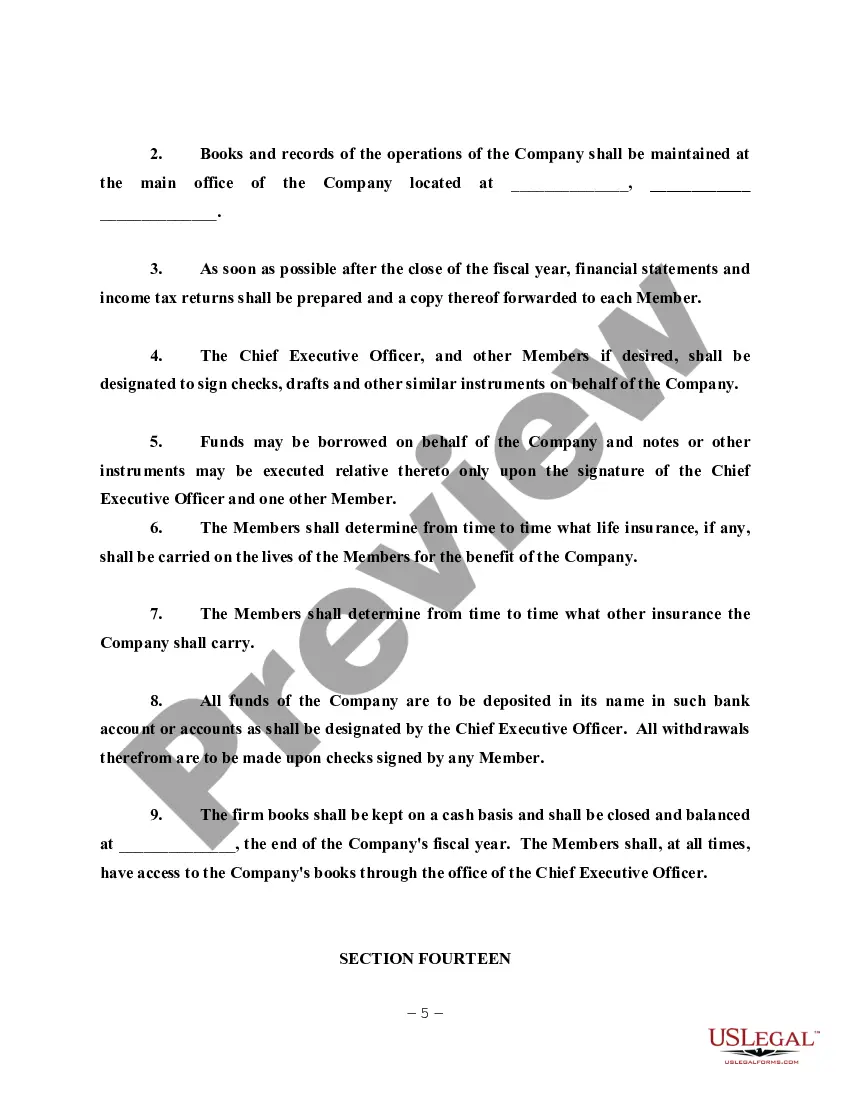
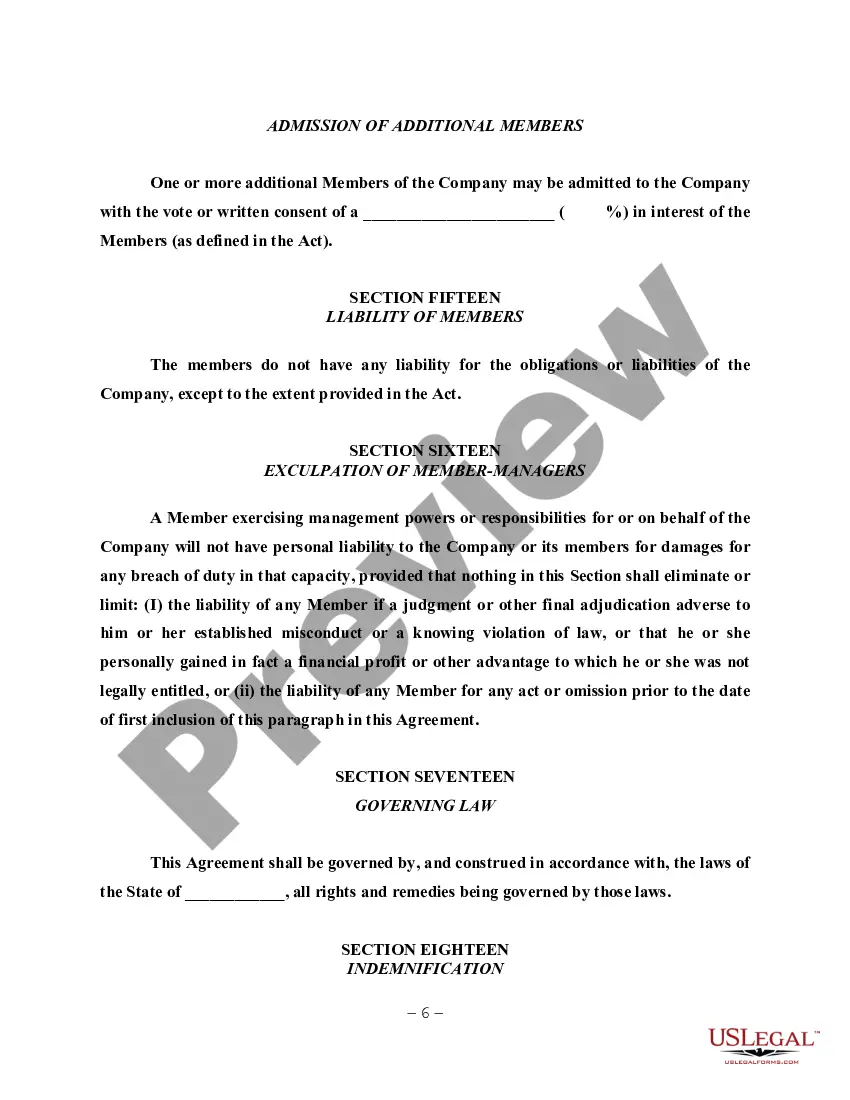
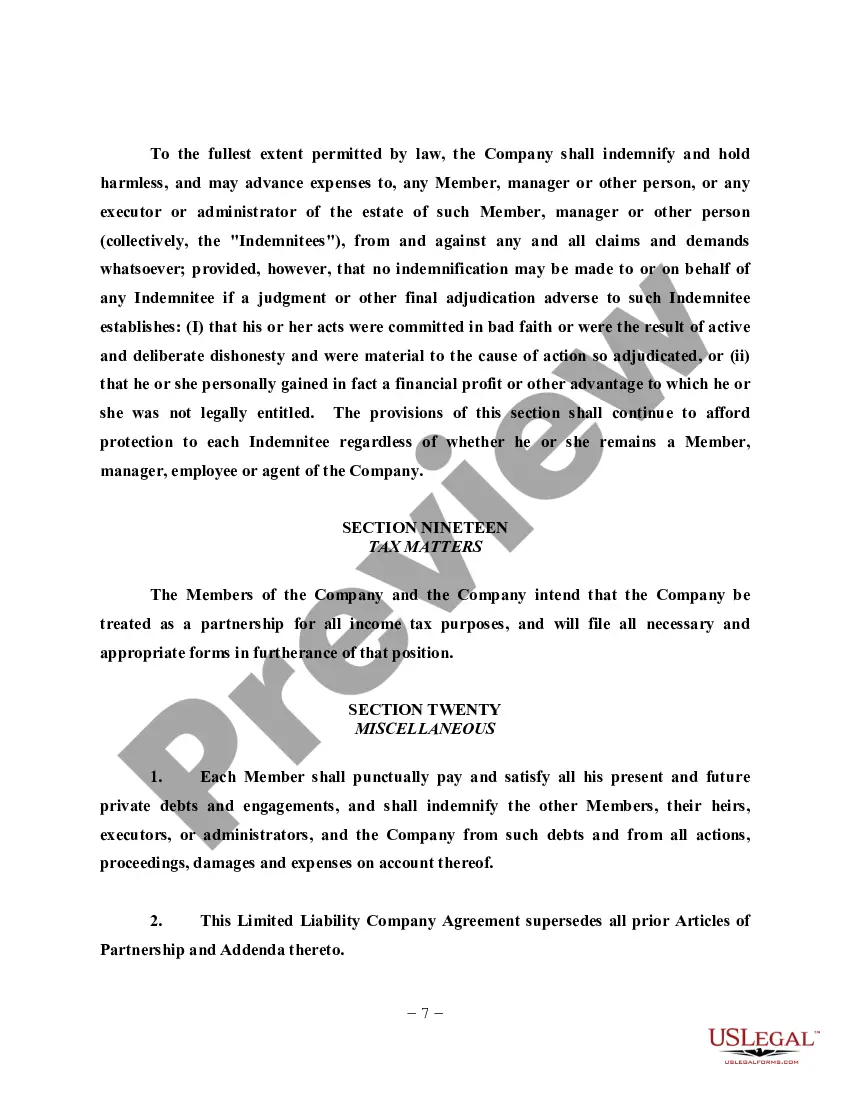
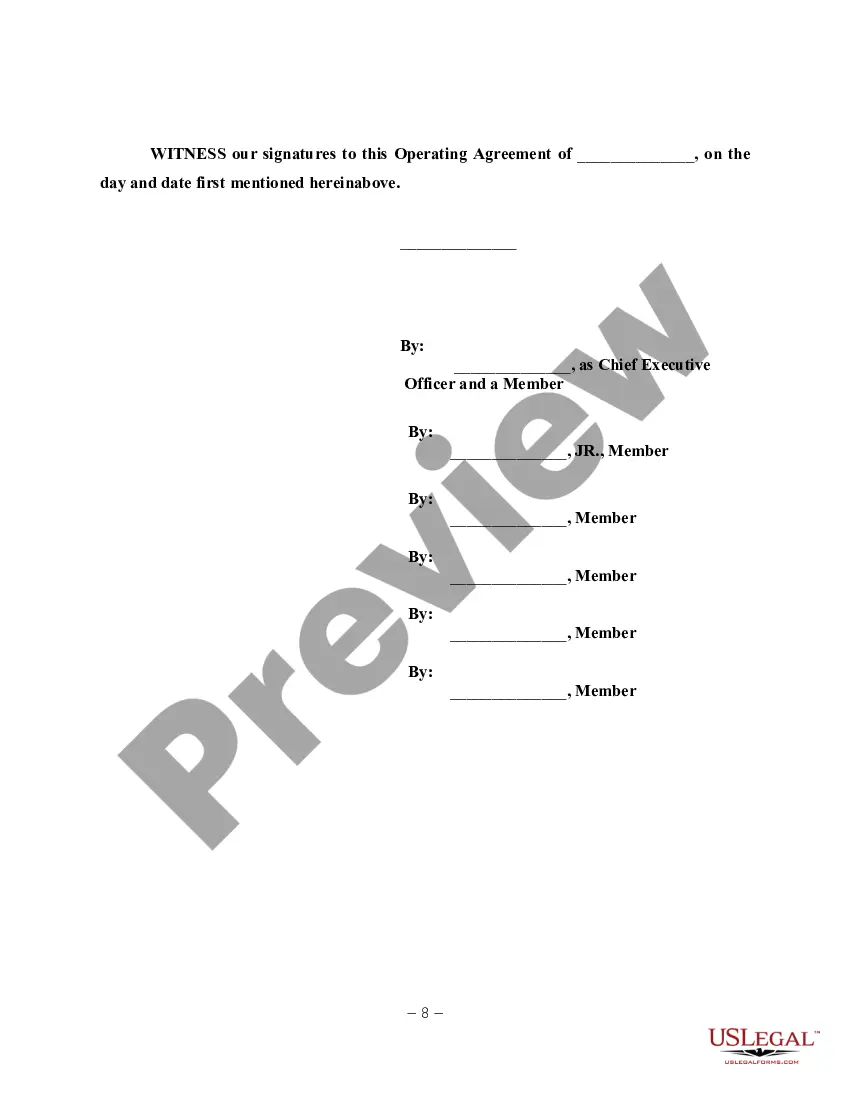
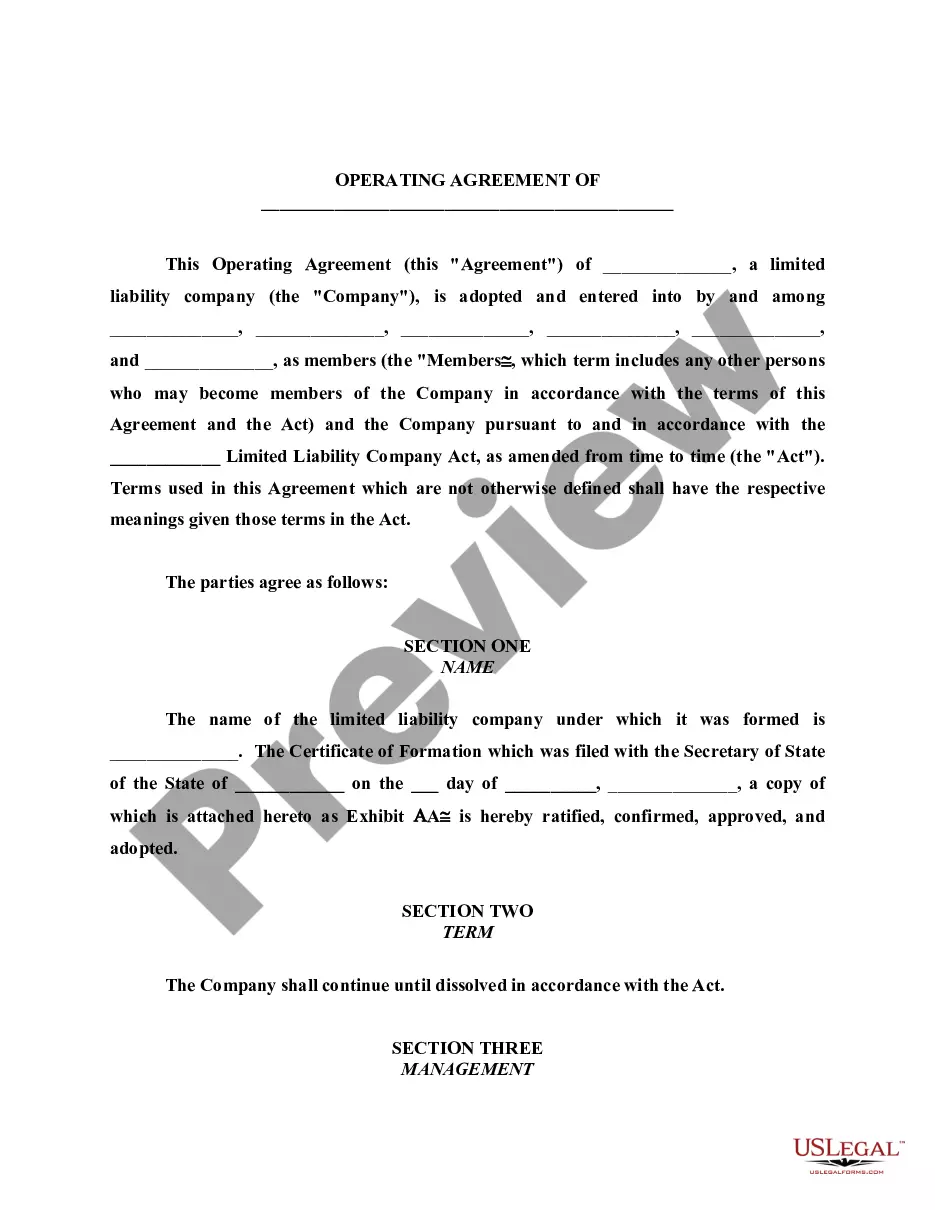
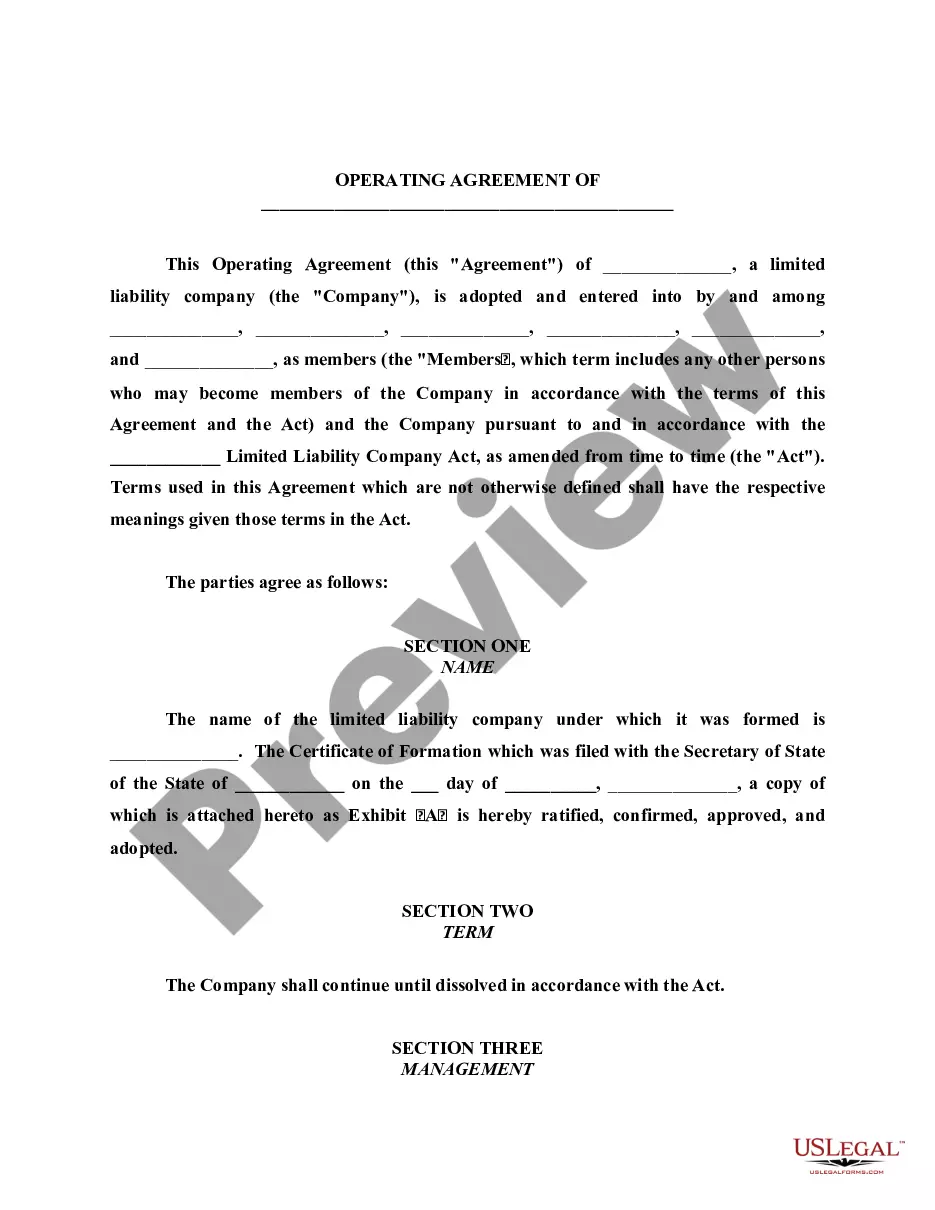
Get your form ready online
Our built-in tools help you complete, sign, share, and store your documents in one place.
Make edits, fill in missing information, and update formatting in US Legal Forms—just like you would in MS Word.
Download a copy, print it, send it by email, or mail it via USPS—whatever works best for your next step.
Sign and collect signatures with our SignNow integration. Send to multiple recipients, set reminders, and more. Go Premium to unlock E-Sign.
If this form requires notarization, complete it online through a secure video call—no need to meet a notary in person or wait for an appointment.
We protect your documents and personal data by following strict security and privacy standards.

Make edits, fill in missing information, and update formatting in US Legal Forms—just like you would in MS Word.

Download a copy, print it, send it by email, or mail it via USPS—whatever works best for your next step.

Sign and collect signatures with our SignNow integration. Send to multiple recipients, set reminders, and more. Go Premium to unlock E-Sign.

If this form requires notarization, complete it online through a secure video call—no need to meet a notary in person or wait for an appointment.

We protect your documents and personal data by following strict security and privacy standards.
Looking for another form?
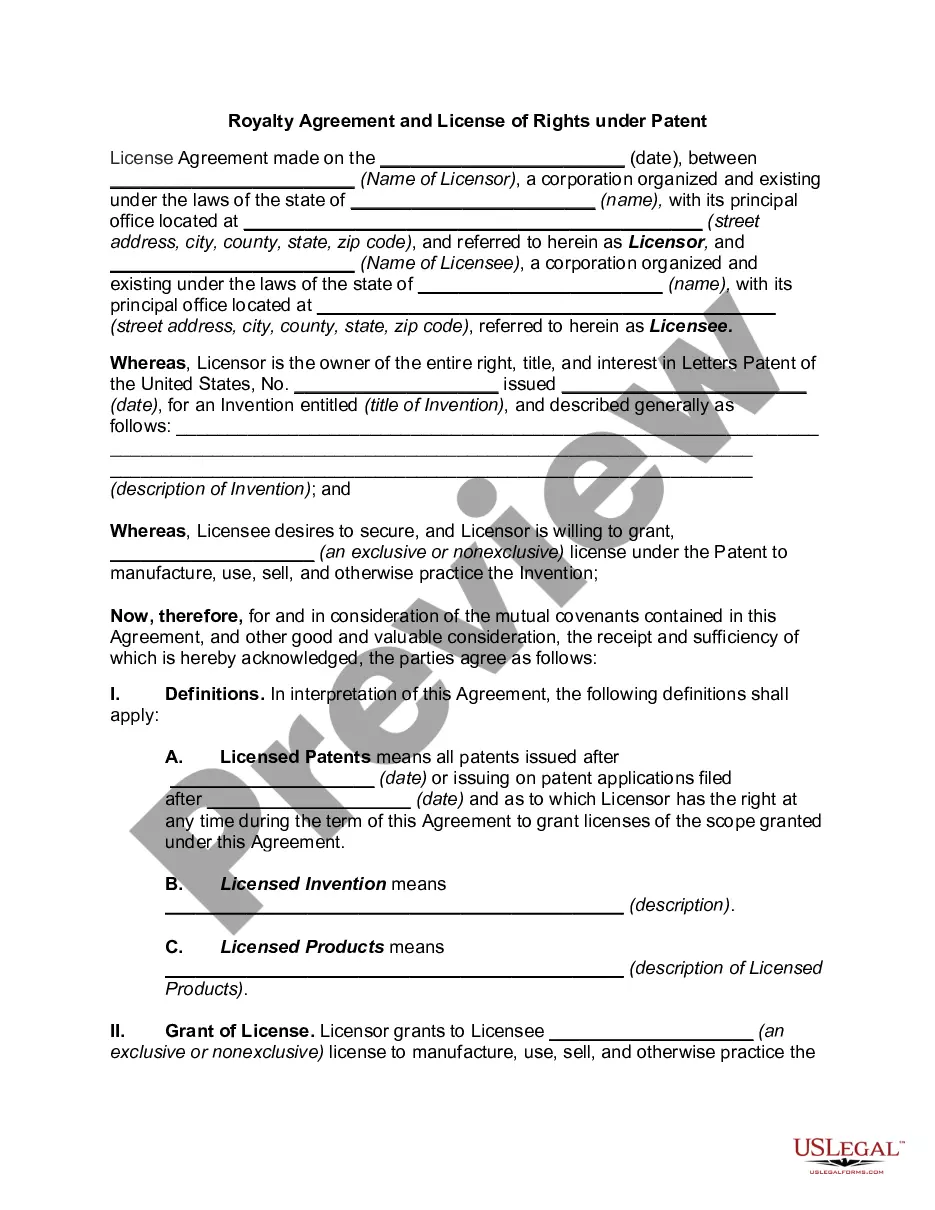
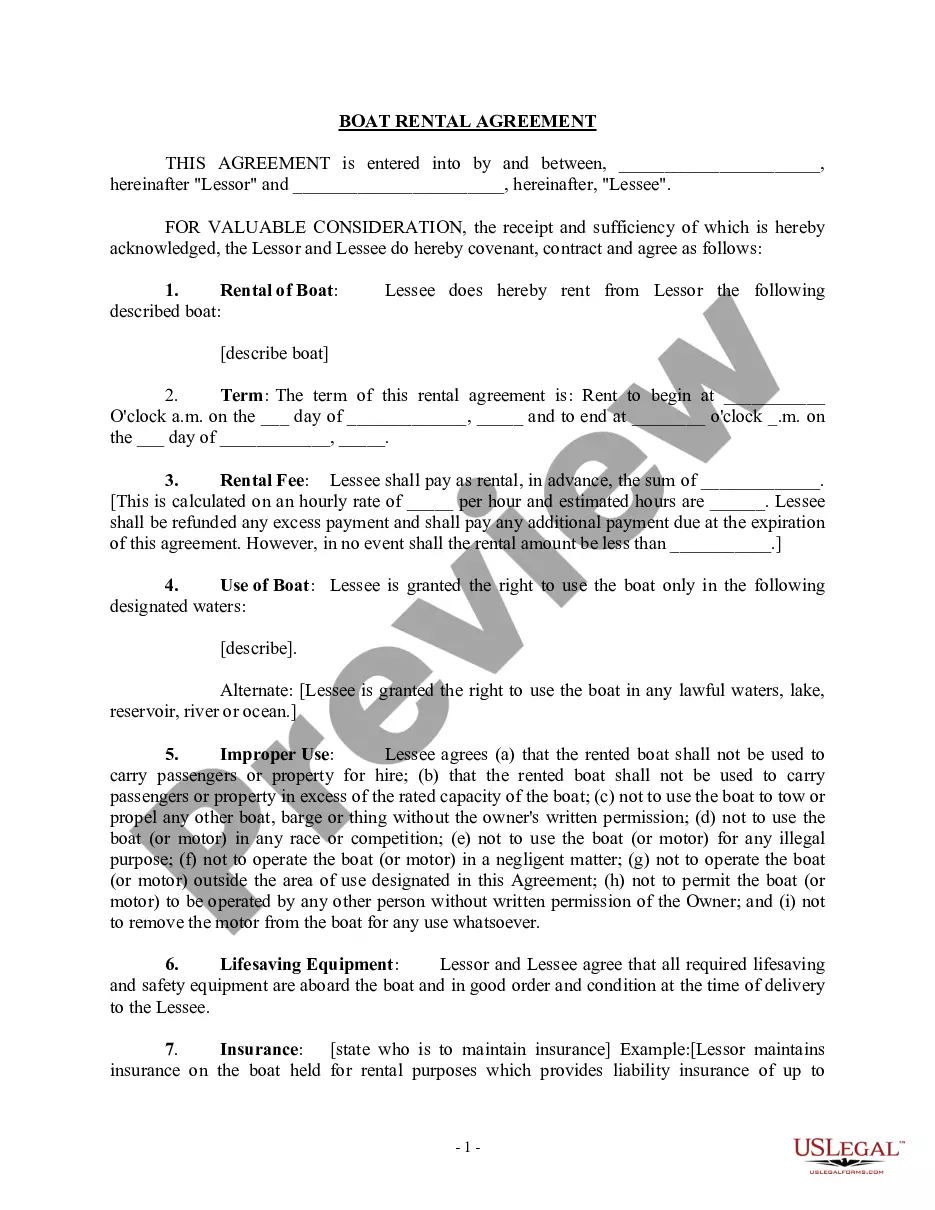


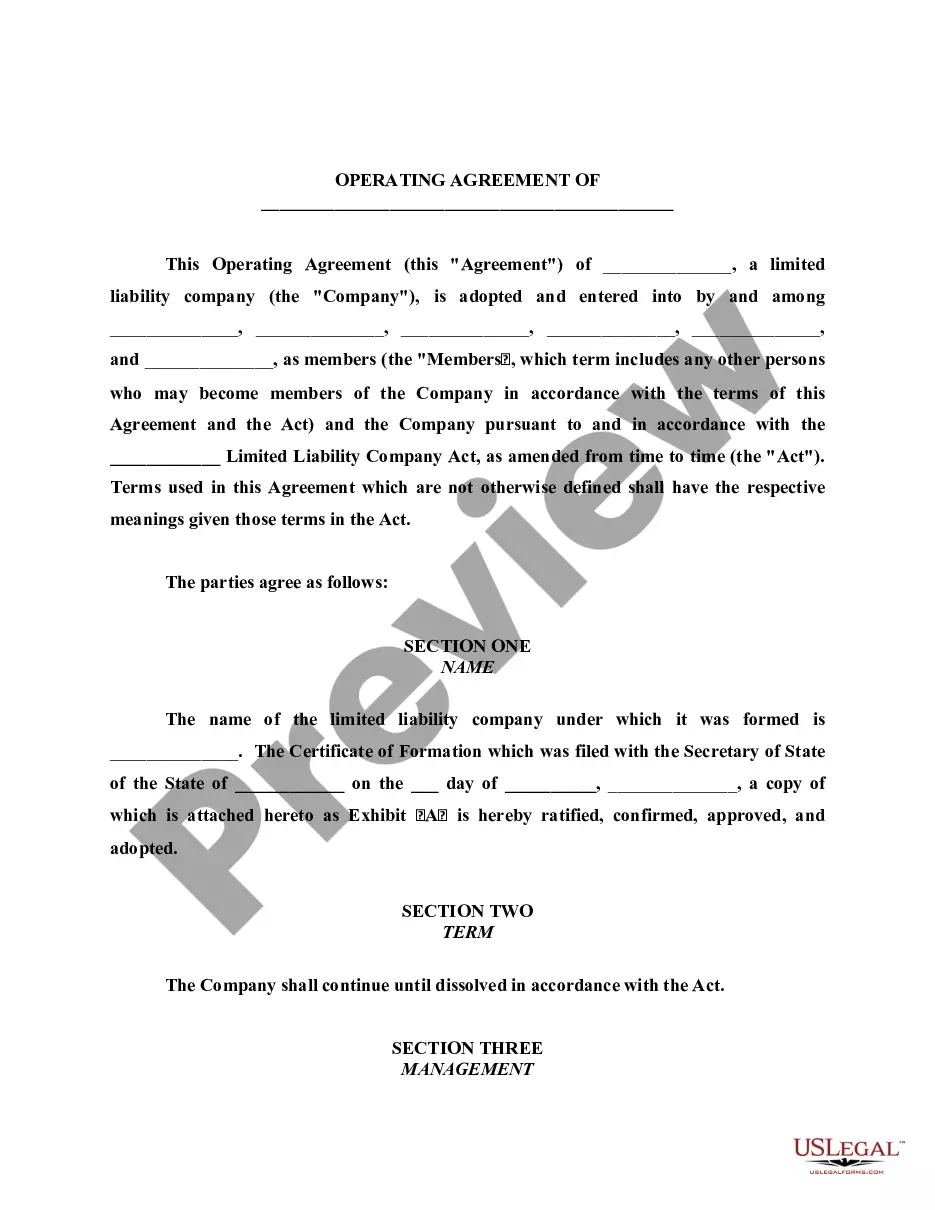
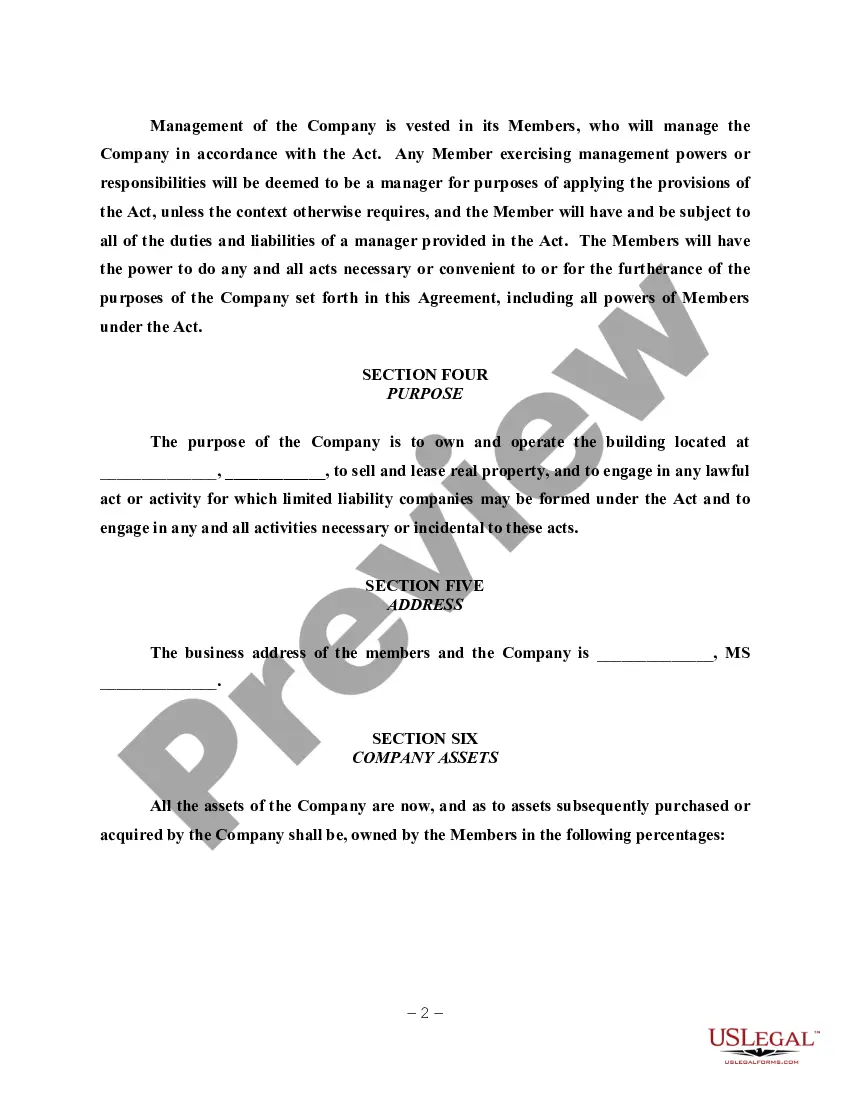
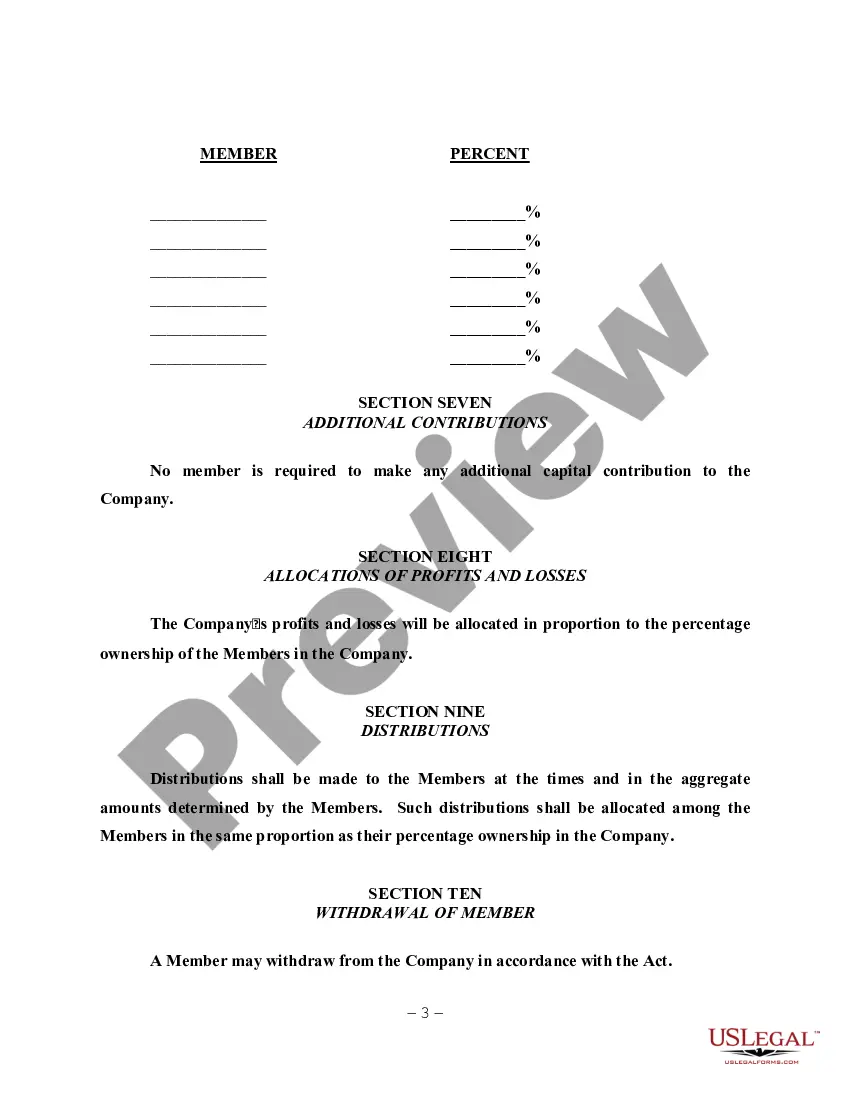
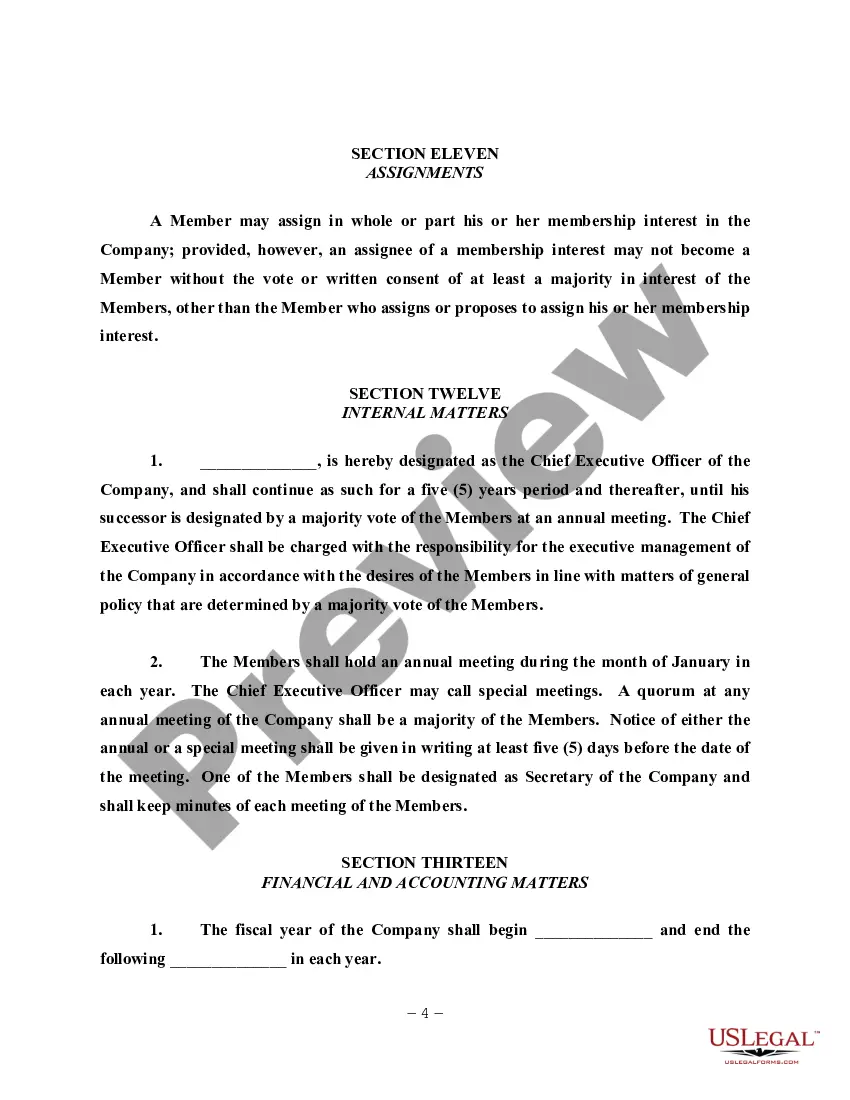
How to fill out LLC Operating Agreement For Shared Vacation Home?
Regardless of whether it's for corporate endeavors or personal issues, everyone eventually encounters legal scenarios in their lifetime.
Completing legal documents demands meticulous care, beginning with selecting the appropriate template.
Once it is saved, you can fill out the form using editing software or print it out and complete it by hand. With a comprehensive catalog of US Legal Forms available, you will never need to waste time searching for the right template on the internet. Take advantage of the library’s straightforward navigation to find the suitable form for any circumstance.
- Locate the template you require using the search option or catalog browsing.
- Review the form’s details to ensure it corresponds to your situation, state, and locality.
- Select the form’s preview to inspect it.
- If it is the incorrect document, return to the search tool to locate the Rules Shared Vacation House template you need.
- Obtain the file once it aligns with your stipulations.
- If you already possess a US Legal Forms account, click Log in to access previously saved forms in My documents.
- If you do not have an account yet, you can download the form by clicking Buy now.
- Select the appropriate pricing option.
- Complete the account registration form.
- Choose your payment method: either a credit card or PayPal account.
- Select the document format you prefer and download the Rules Shared Vacation House.
Form popularity
FAQ
To co-own a vacation home, start by finding a compatible partner or group who shares your vision. Establish a clear agreement on usage, maintenance, and financial responsibilities, ensuring all parties are in sync. Utilizing platforms like uslegalforms can help create legal documents that outline the rules for shared vacation house ownership, providing protection for everyone involved.
Timeshares and co-ownership serve different purposes in vacation home usage. A timeshare allows multiple parties to use a property over a defined time period, but with no ownership stake. In contrast, co-ownership means you share actual ownership of the property, alongside shared responsibilities. Knowing the rules for shared vacation house ownership can guide your decision in choosing the best option.
While fractional ownership provides access to a vacation home, it does carry potential downsides. Shared responsibilities can lead to conflicts, particularly if owners disagree on maintenance or usage. Additionally, the resale of a fractional share may be challenging, which could limit your financial flexibility. Understanding these rules for shared vacation house agreements can help mitigate these risks.
Establishing clear vacation house rules is crucial for shared spaces. Start with guidelines on guest limits, noise levels, shared responsibilities, cleaning protocols, and the process for handling disputes. Emphasizing respectful communication and mutual understanding can improve everyone's experience—keeping in mind the rules shared vacation house helps maintain harmony.
Co-ownership of a vacation home allows multiple individuals to share the costs and benefits of owning a property. Typically, each owner holds a percentage of the title, which relates directly to their financial contributions. Clear rules about usage, maintenance, and responsibilities, as outlined in the rules shared vacation house, can ensure a successful co-ownership experience.
Splitting a shared vacation house can start with dividing the total expenses such as rent, utilities, and cleaning fees. Agree on a payment schedule, and consider each party's usage frequency to create fair contributions. Clear agreements and setting expectations can help maintain smooth relationships among co-owners while respecting the rules shared vacation house.
When embarking on a multi-family vacation, establish a food budget upfront, along with a plan for grocery shopping. Share meals to create community and split the costs evenly, or assign each family a night to cook and cover that evening’s expenses. Make sure everyone understands the agreed-upon guidelines to ensure harmony and adherence to the rules shared vacation house.
To split rent fairly in a shared house, start by determining the total rent amount and dividing it according to the number of residents. Take into account the size of each room and the amenities that may influence value, such as a private bathroom or larger space. Transparent communication is key, and putting your agreement in writing can help everyone understand their responsibilities in accordance with the rules shared vacation house.