Attorney Withholding Information From Client
Description
Get your form ready online
Our built-in tools help you complete, sign, share, and store your documents in one place.
Make edits, fill in missing information, and update formatting in US Legal Forms—just like you would in MS Word.
Download a copy, print it, send it by email, or mail it via USPS—whatever works best for your next step.
Sign and collect signatures with our SignNow integration. Send to multiple recipients, set reminders, and more. Go Premium to unlock E-Sign.
If this form requires notarization, complete it online through a secure video call—no need to meet a notary in person or wait for an appointment.
We protect your documents and personal data by following strict security and privacy standards.

Make edits, fill in missing information, and update formatting in US Legal Forms—just like you would in MS Word.

Download a copy, print it, send it by email, or mail it via USPS—whatever works best for your next step.

Sign and collect signatures with our SignNow integration. Send to multiple recipients, set reminders, and more. Go Premium to unlock E-Sign.

If this form requires notarization, complete it online through a secure video call—no need to meet a notary in person or wait for an appointment.

We protect your documents and personal data by following strict security and privacy standards.
Looking for another form?
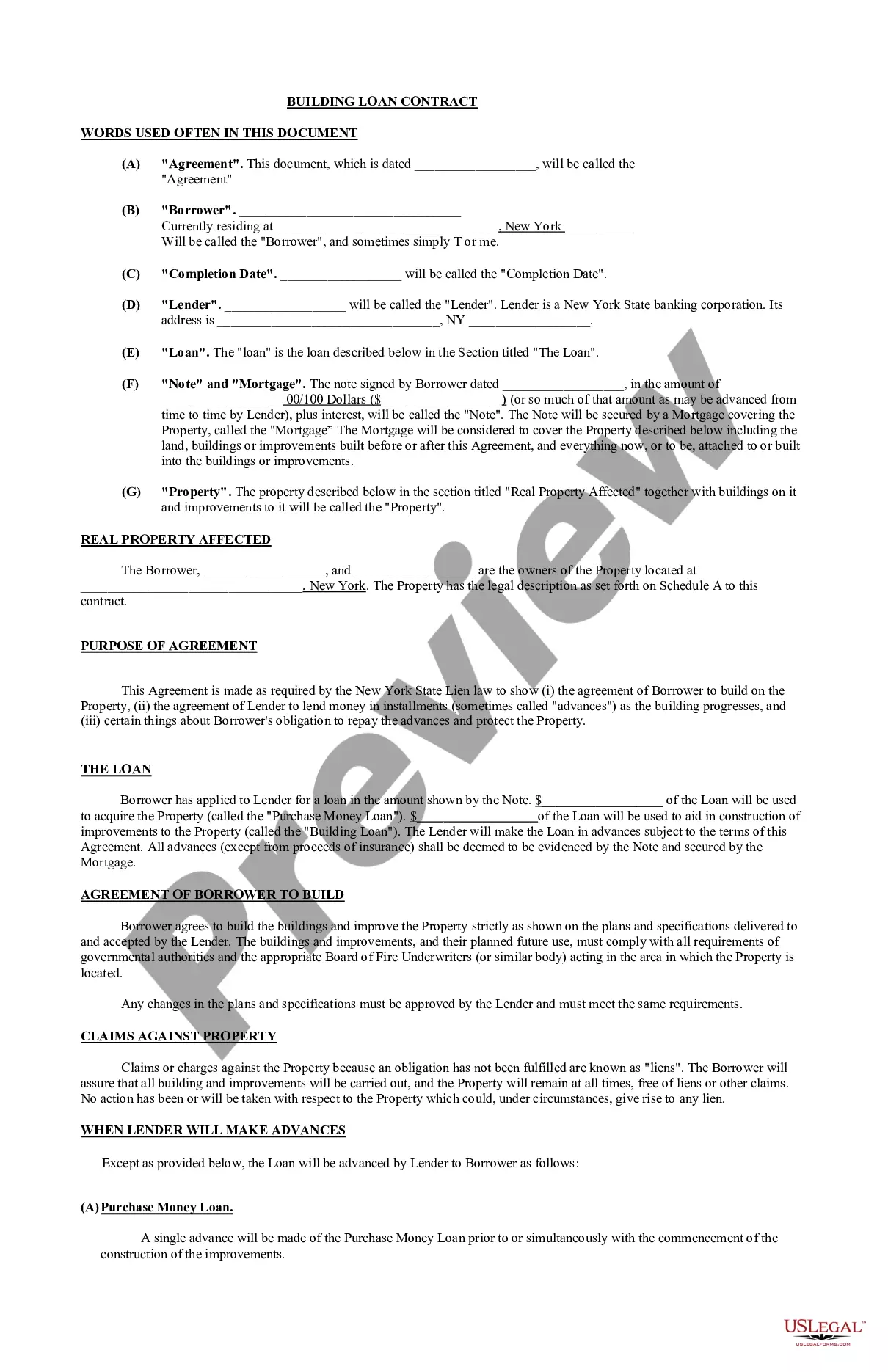
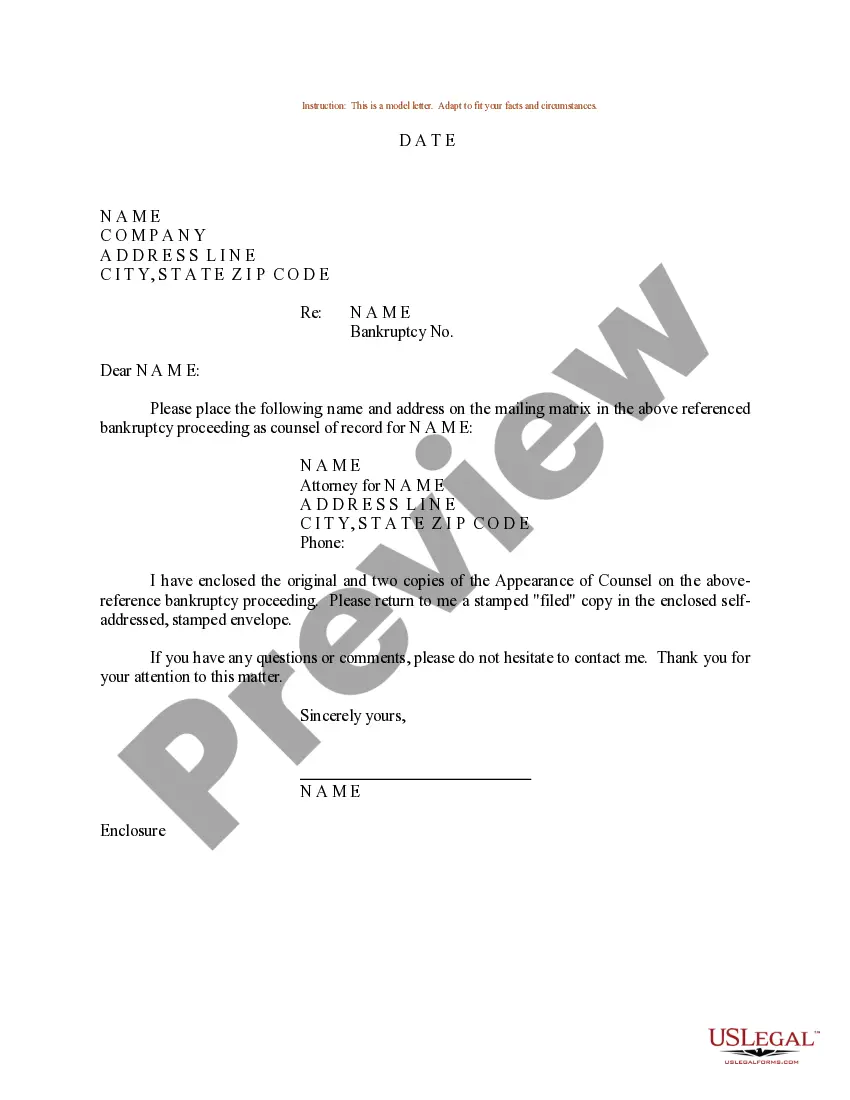
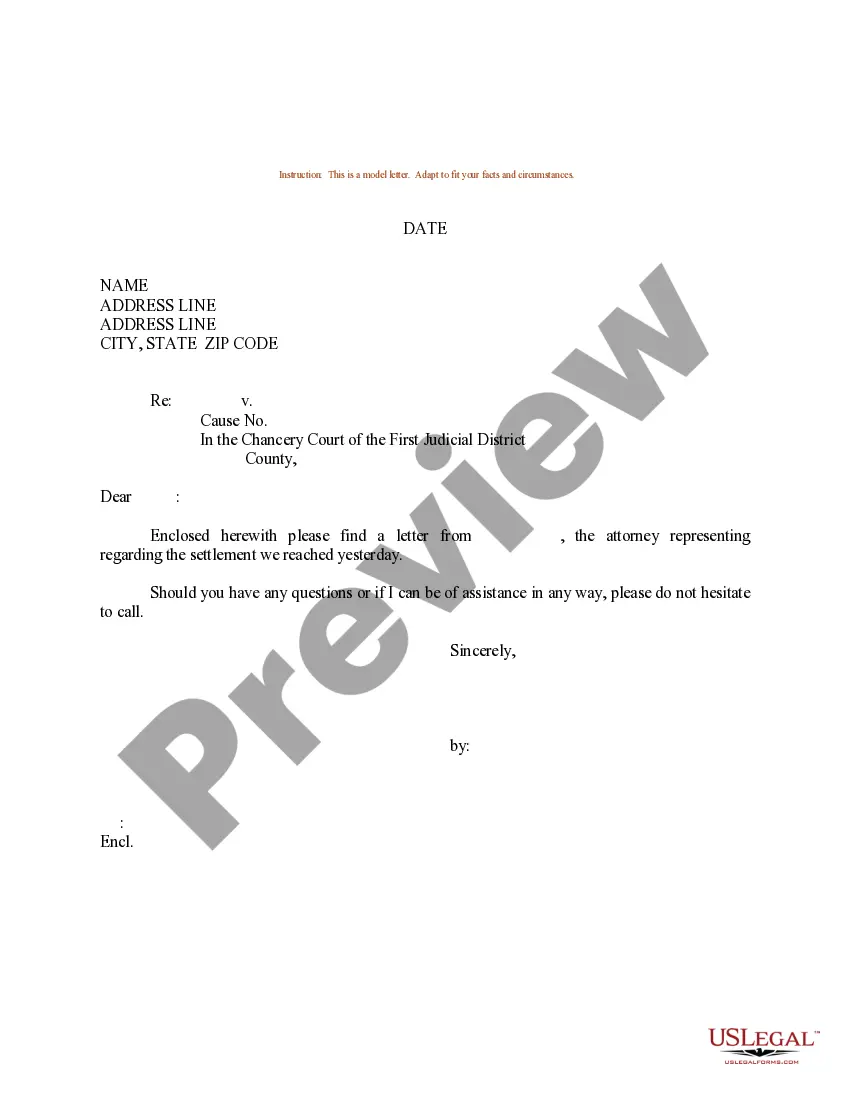
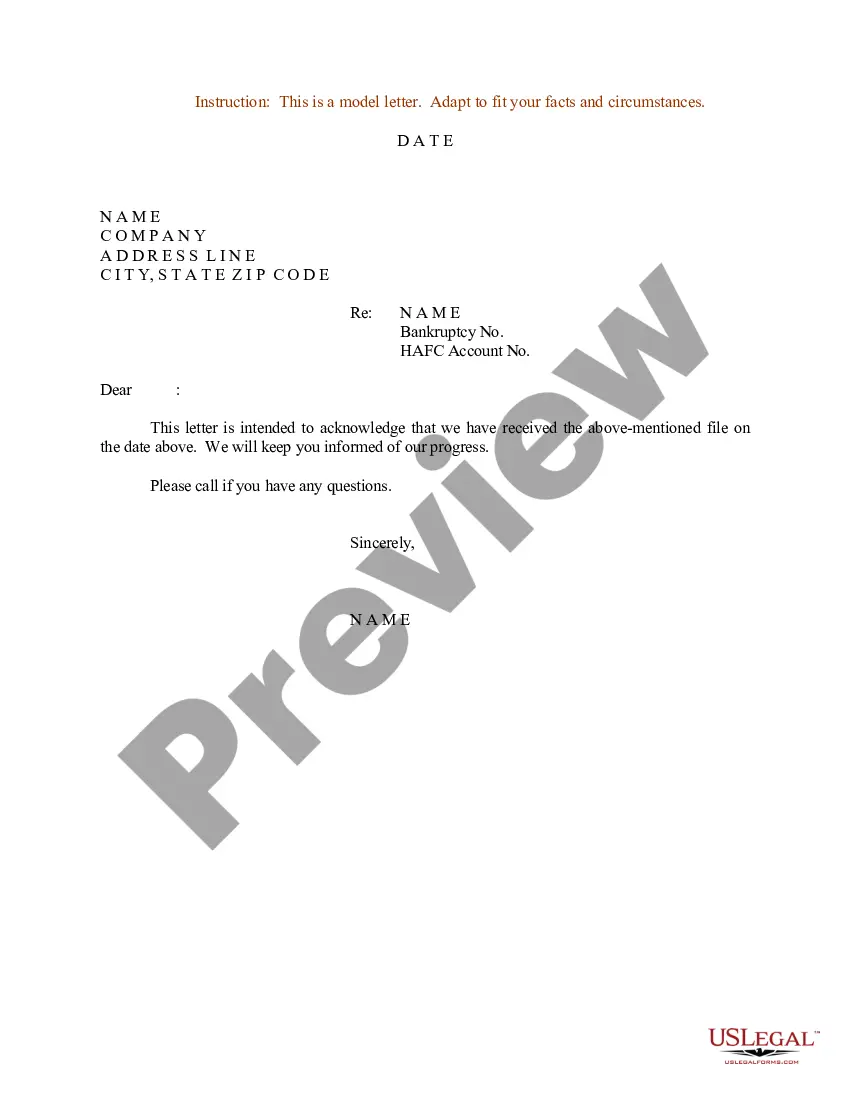
How to fill out Sample Letter For Appointment Of Attorney's Information On Mailing Matrix Concerning Bankruptcy Proceeding?
The Lawyer Retaining Information From Client you observe on this page is a reusable legal template crafted by experienced attorneys in compliance with national and local regulations.
For over 25 years, US Legal Forms has offered individuals, entities, and legal practitioners with more than 85,000 authenticated, state-specific documents for any professional and personal requirement.
Register with US Legal Forms to have authenticated legal templates for all of life’s circumstances at your fingertips.
- Search for the document you require and evaluate it.
- Examine the file you sought and preview it or assess the form description to ensure it meets your needs. If it doesn’t, use the search bar to locate the correct one. Click Buy Now once you have found the template you need.
- Register and Log In.
- Select the pricing package that fits you and establish an account. Use PayPal or a credit card for a rapid payment. If you already possess an account, Log In and verify your subscription to continue.
- Acquire the editable template.
- Choose the format you want for your Lawyer Retaining Information From Client (PDF, DOCX, RTF) and save the document onto your device.
- Fill out and sign the paperwork.
- Print the template to complete it by hand. Alternatively, utilize an online versatile PDF editor to swiftly and accurately fill in and sign your form with a legally-binding electronic signature.
- Download your documents once again.
- Reuse the same document whenever necessary. Access the My documents tab in your profile to redownload any forms you previously downloaded.
Form popularity
FAQ
You should communicate your decision to your attorney directly and promptly, either through a written letter or a phone call. When discussing the matter, it’s important to clearly state that you are no longer engaging their services, as this helps avoid any misunderstandings. If the attorney is withholding information from the client, this should also be mentioned as a reason for your decision, if applicable. Using platforms like USLegalForms can help guide you through this transition smoothly.
Generally, any information that is shared with the attorney for the purpose of committing a crime or fraud is not protected by attorney-client privilege. Additionally, if the lawyer is withholding information from the client, that information may also fall outside of this protection. It's essential for clients to understand that communications not made in confidence or for legal advice may not benefit from this privilege. Therefore, being aware of the boundaries of attorney-client privilege can help you safeguard your rights.
You can pursue legal action against a lawyer for not responding to you, especially if their lack of communication has harmed your case. An attorney withholding information from client can lead to negligence claims. Before taking this step, consider alternative resolutions, such as discussing your issues with the attorney or involving a third party to mediate the situation.
Unethical behavior for a lawyer includes withholding vital information from a client, misrepresenting facts, and failing to communicate adequately. Such actions compromise the attorney-client relationship and can have serious consequences. If you believe your attorney has acted unethically, it may be wise to seek guidance from another professional to explore possible actions.
If your lawyer is withholding information from you, this can lead to misunderstandings and potential repercussions for your case. Your attorney has a duty to keep you informed about significant developments. If communication fails, consider discussing your concerns with them directly or seeking legal advice from another source to ensure your case remains a priority.
When an attorney breaks confidentiality, they risk losing their license and facing legal actions. It is crucial for lawyers to uphold client confidentiality, as any attorney withholding information from client can undermine trust. If you suspect your lawyer has breached confidentiality, consult with another legal professional to understand your rights and options available.
If your attorney is withholding information from you, it can create a breakdown in your relationship and hinder your case progress. You have the right to ask for updates and express your concerns. Consider reaching out in writing to document your communication attempts. If this issue persists, you may need to explore other options or seek advice to protect your interests.
While attorneys have some discretion regarding evidence, they cannot withhold evidence that serves their client's interests. Ethical rules require that attorneys operate with integrity and transparency. If you suspect your attorney is engaging in withholding information from client, you may want to seek guidance or consider alternative legal resources, such as those provided by uslegalforms.
The most frequent complaint against lawyers is lack of communication. Clients often express frustration when they feel uninformed about their cases. When an attorney withholds information, it can contribute to these complaints, as clients expect transparency and regular updates about their situations.
An attorney owes their clients several key duties, including the duty of confidentiality, the duty to communicate, and the duty to represent competently. These responsibilities require attorneys to be open and honest with their clients, ensuring that important information is not withheld. By adhering to these duties, attorneys can avoid instances of attorney withholding information from client.