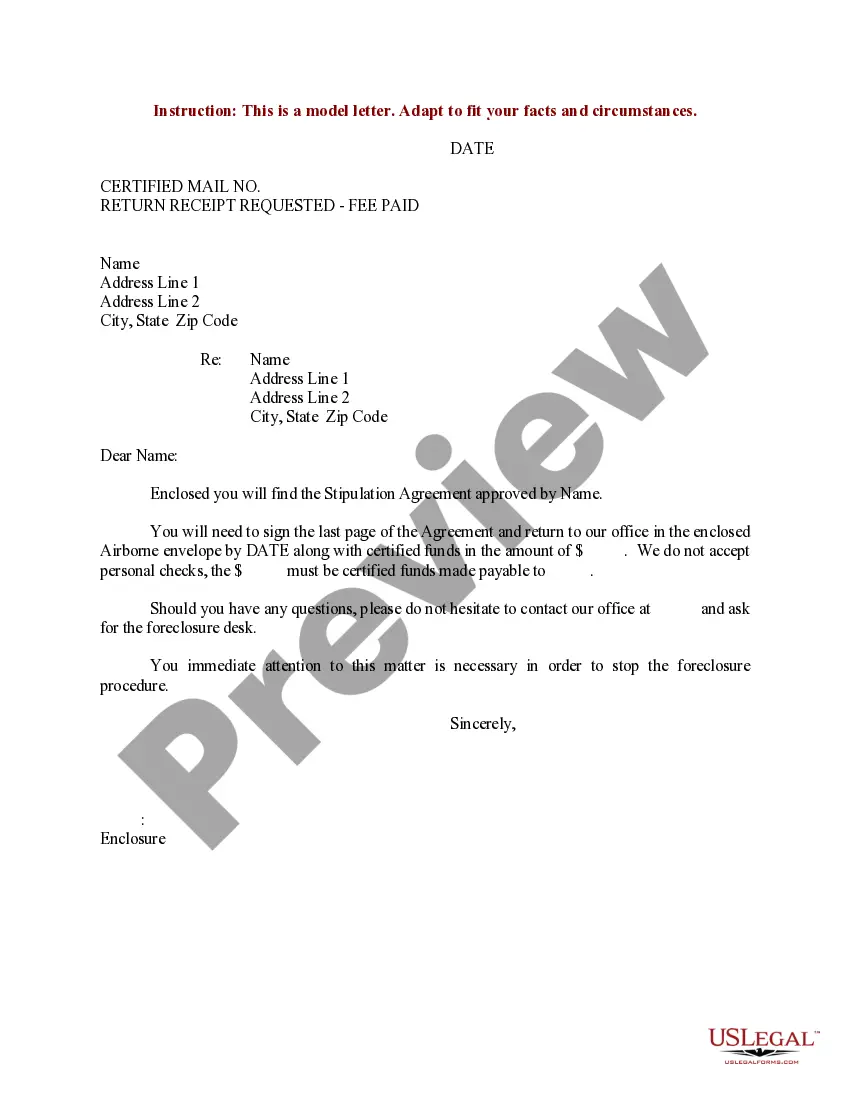
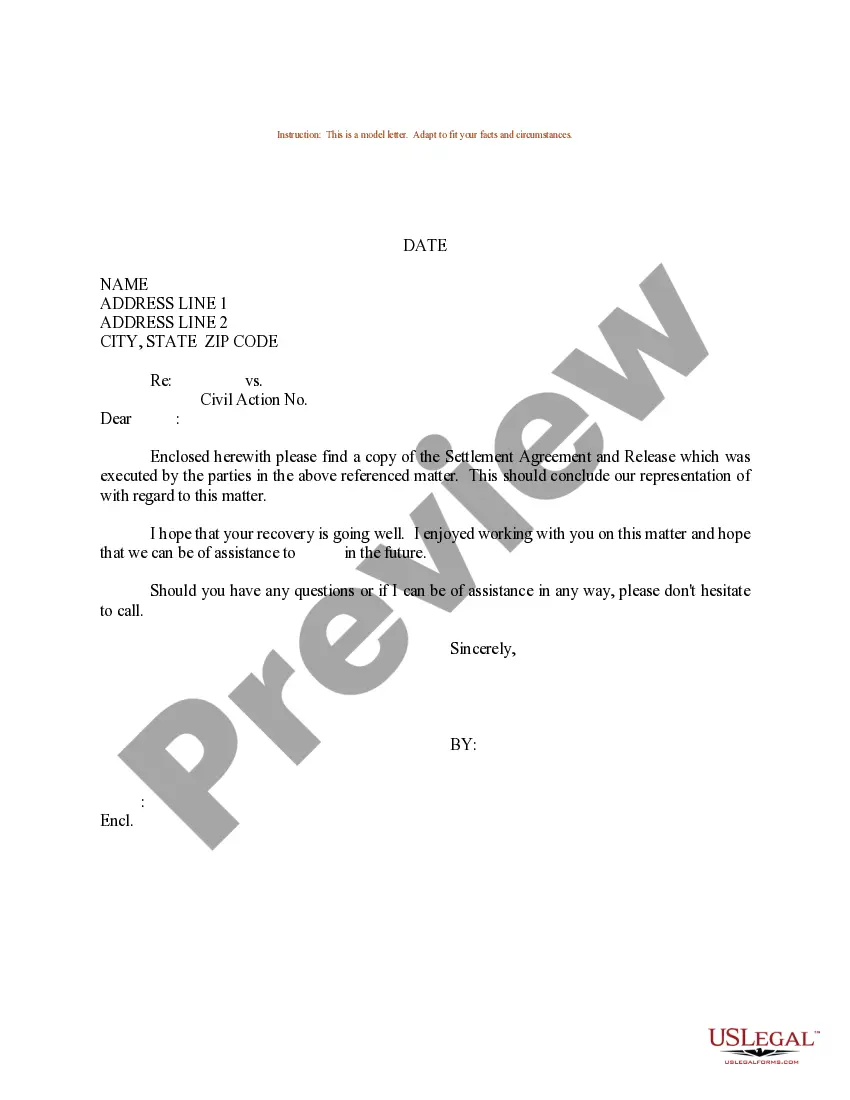
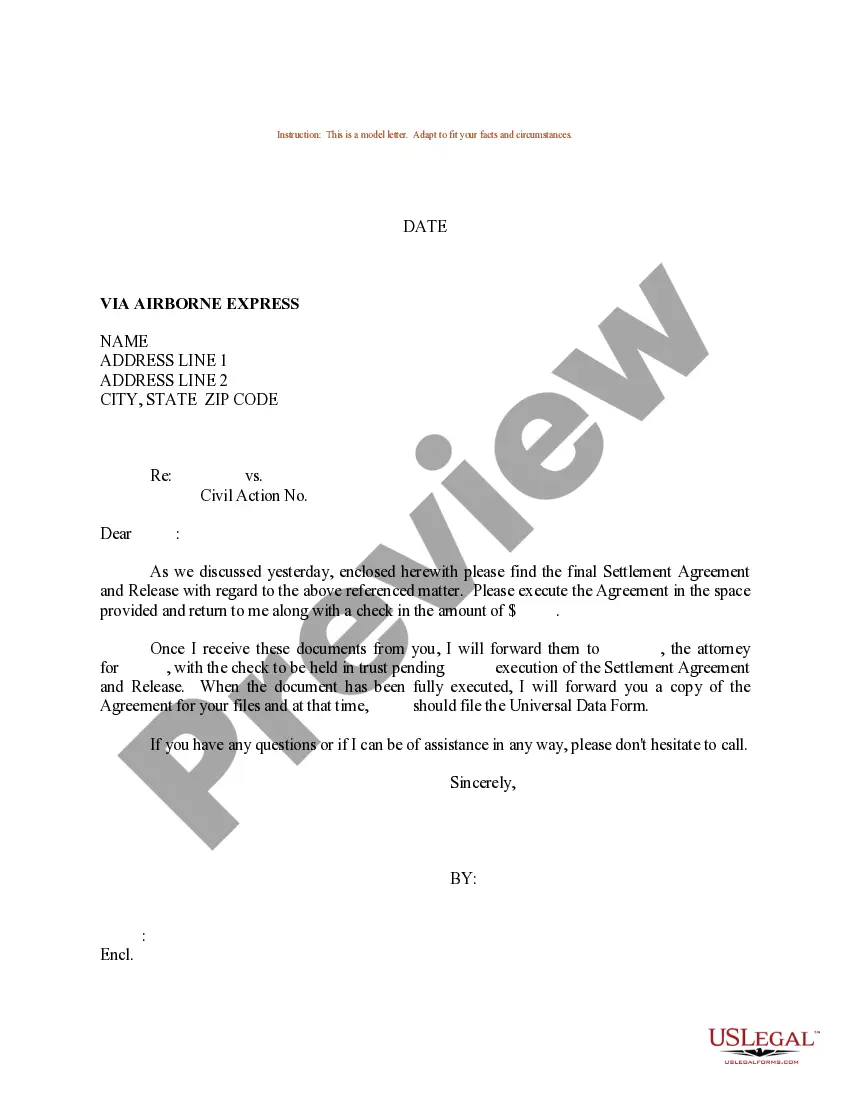
Professional Letter Format With Re
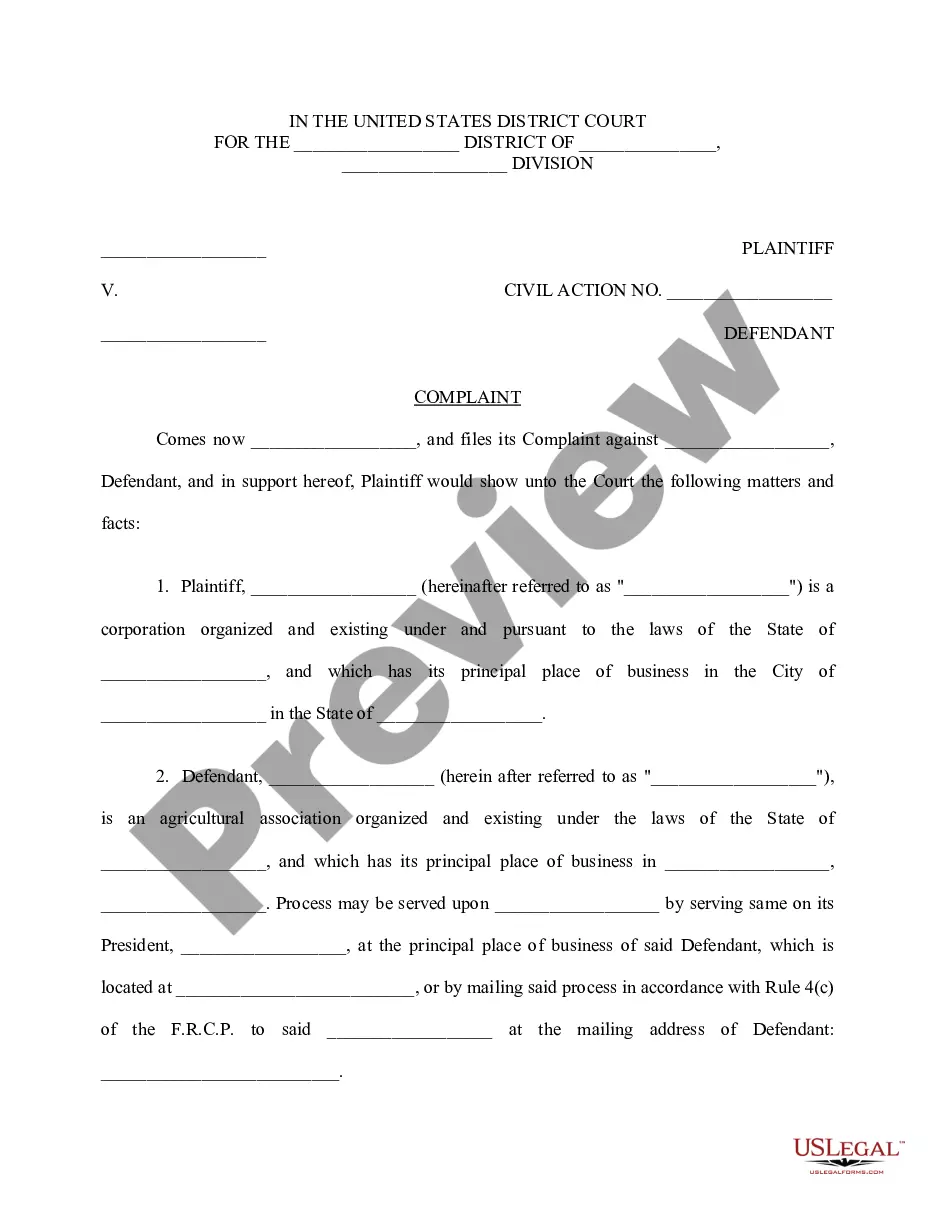
Description
Get your form ready online
Our built-in tools help you complete, sign, share, and store your documents in one place.
Make edits, fill in missing information, and update formatting in US Legal Forms—just like you would in MS Word.
Download a copy, print it, send it by email, or mail it via USPS—whatever works best for your next step.
Sign and collect signatures with our SignNow integration. Send to multiple recipients, set reminders, and more. Go Premium to unlock E-Sign.
If this form requires notarization, complete it online through a secure video call—no need to meet a notary in person or wait for an appointment.
We protect your documents and personal data by following strict security and privacy standards.

Make edits, fill in missing information, and update formatting in US Legal Forms—just like you would in MS Word.

Download a copy, print it, send it by email, or mail it via USPS—whatever works best for your next step.

Sign and collect signatures with our SignNow integration. Send to multiple recipients, set reminders, and more. Go Premium to unlock E-Sign.

If this form requires notarization, complete it online through a secure video call—no need to meet a notary in person or wait for an appointment.

We protect your documents and personal data by following strict security and privacy standards.
Looking for another form?
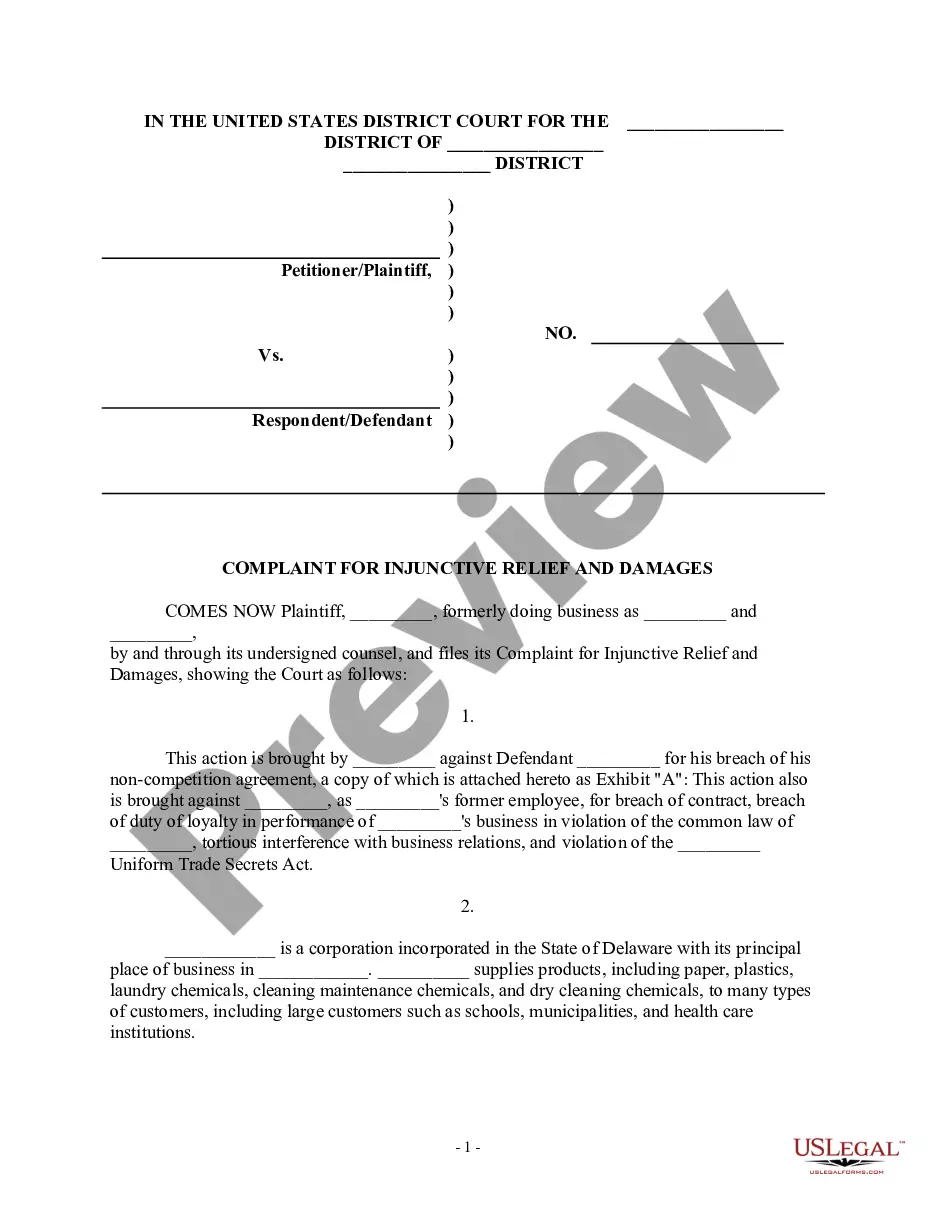
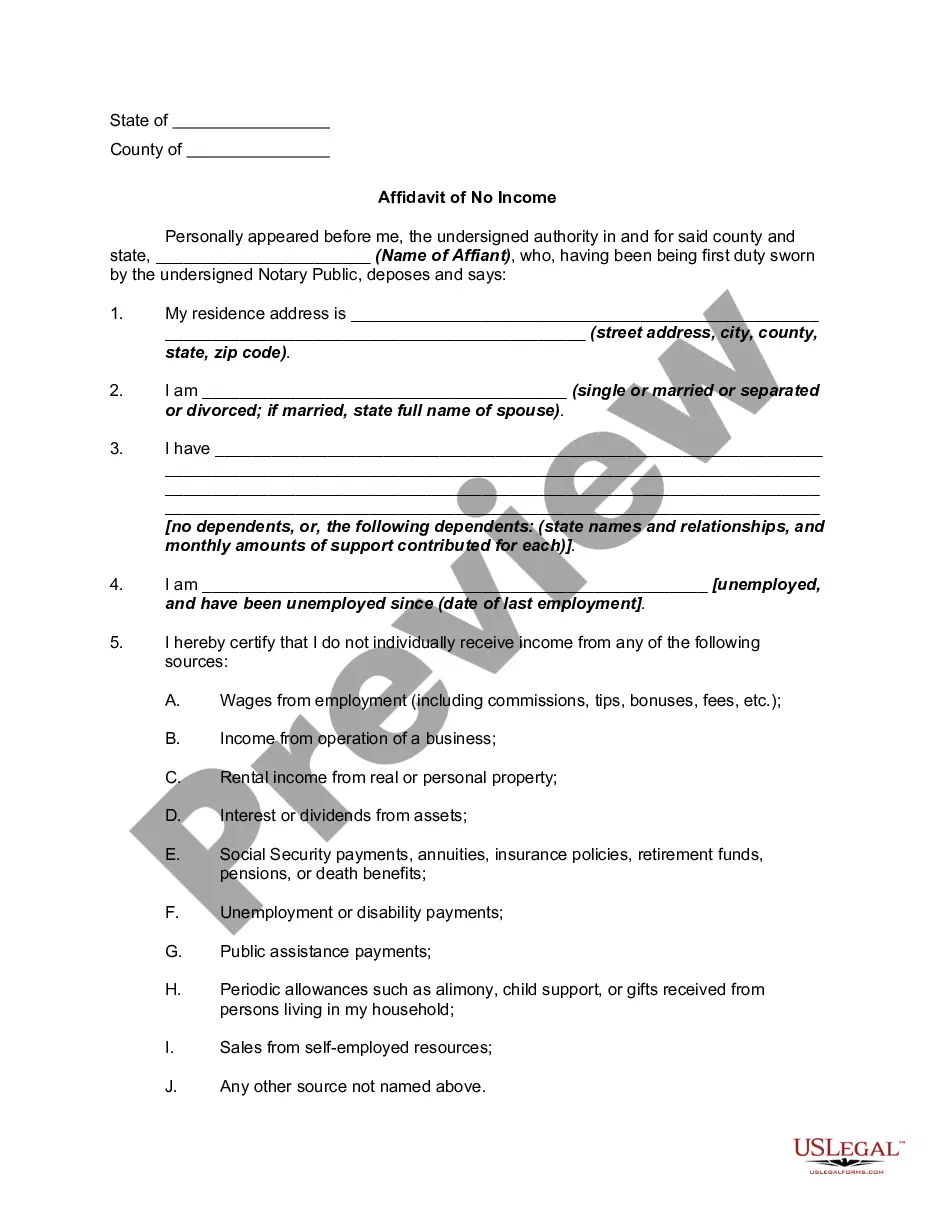
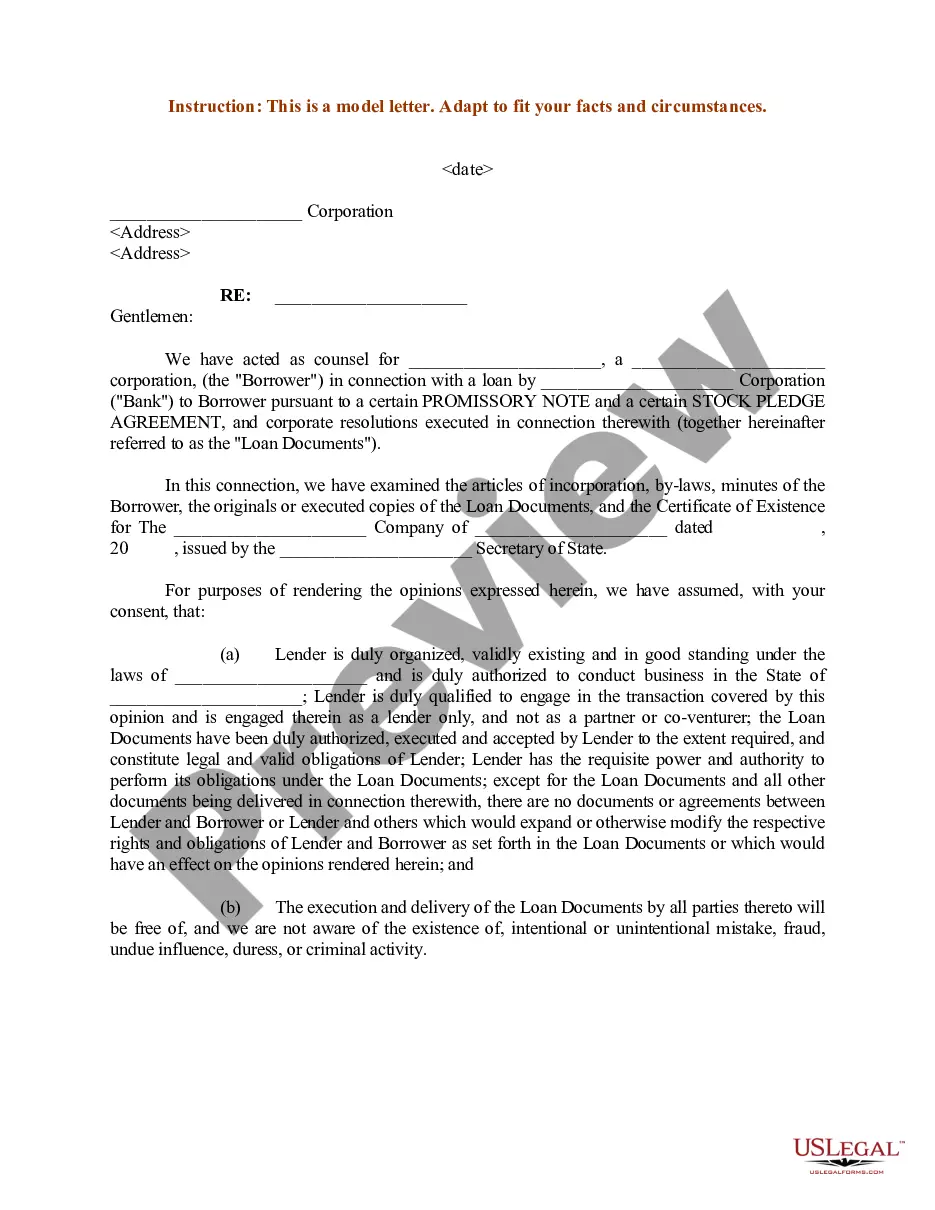
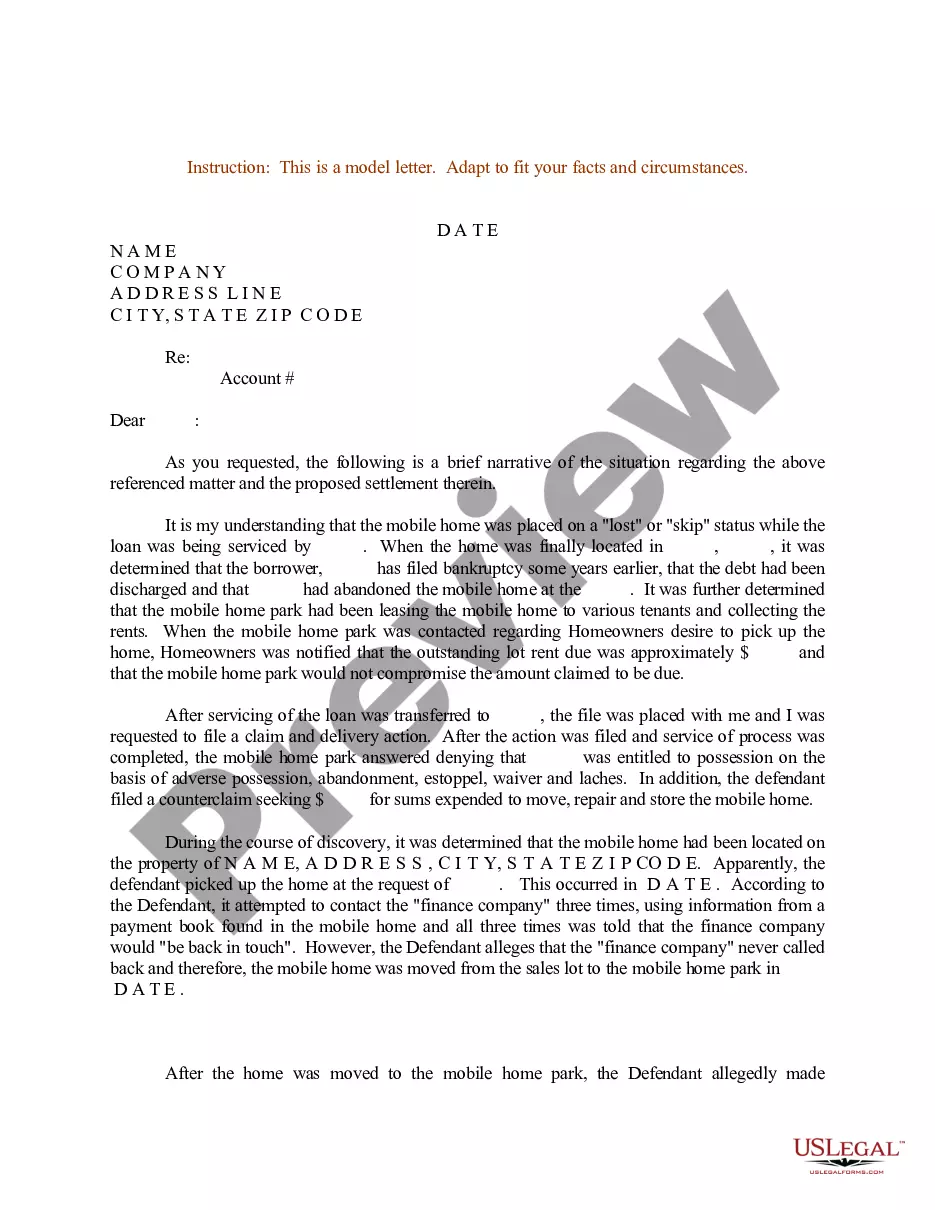
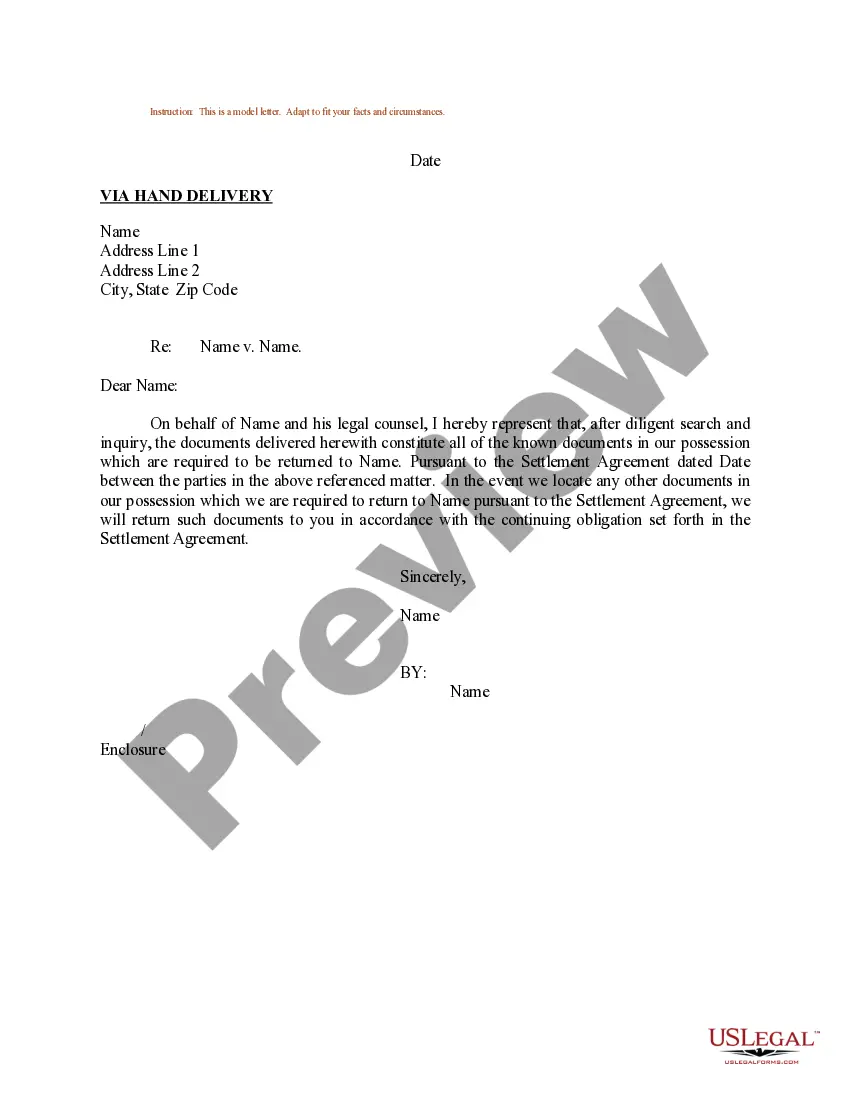
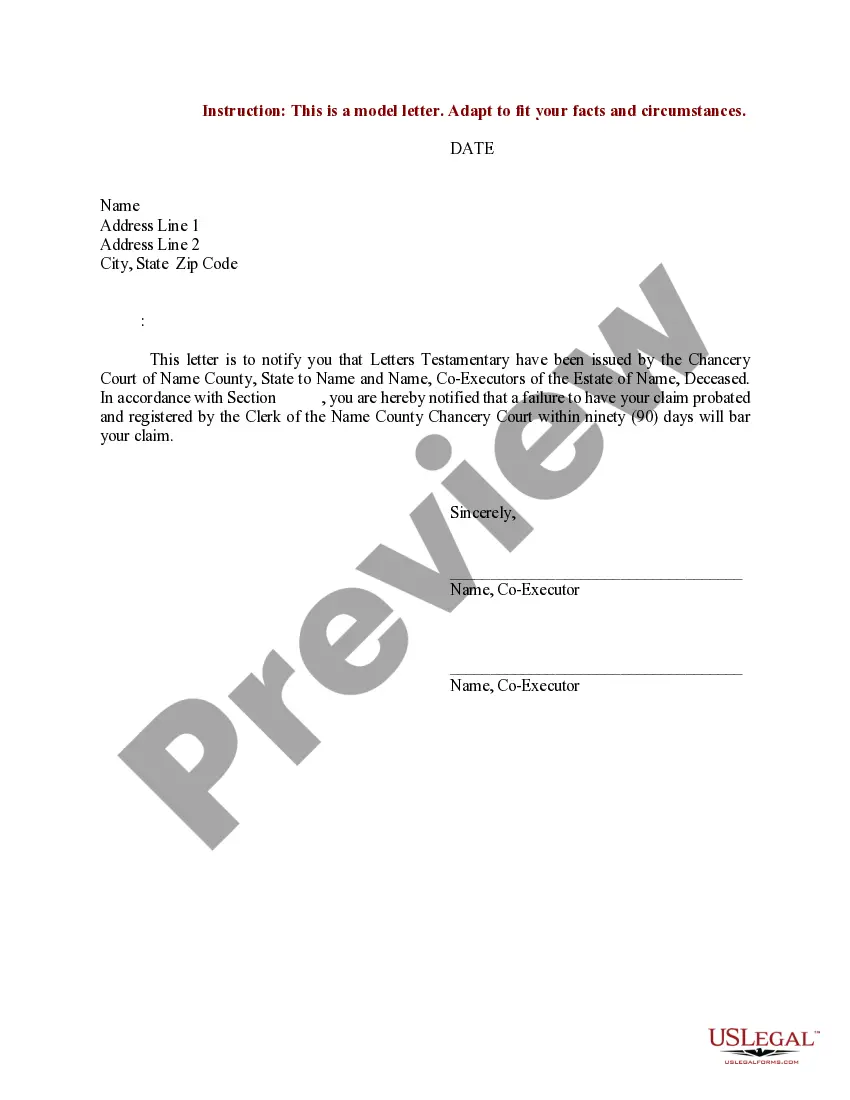
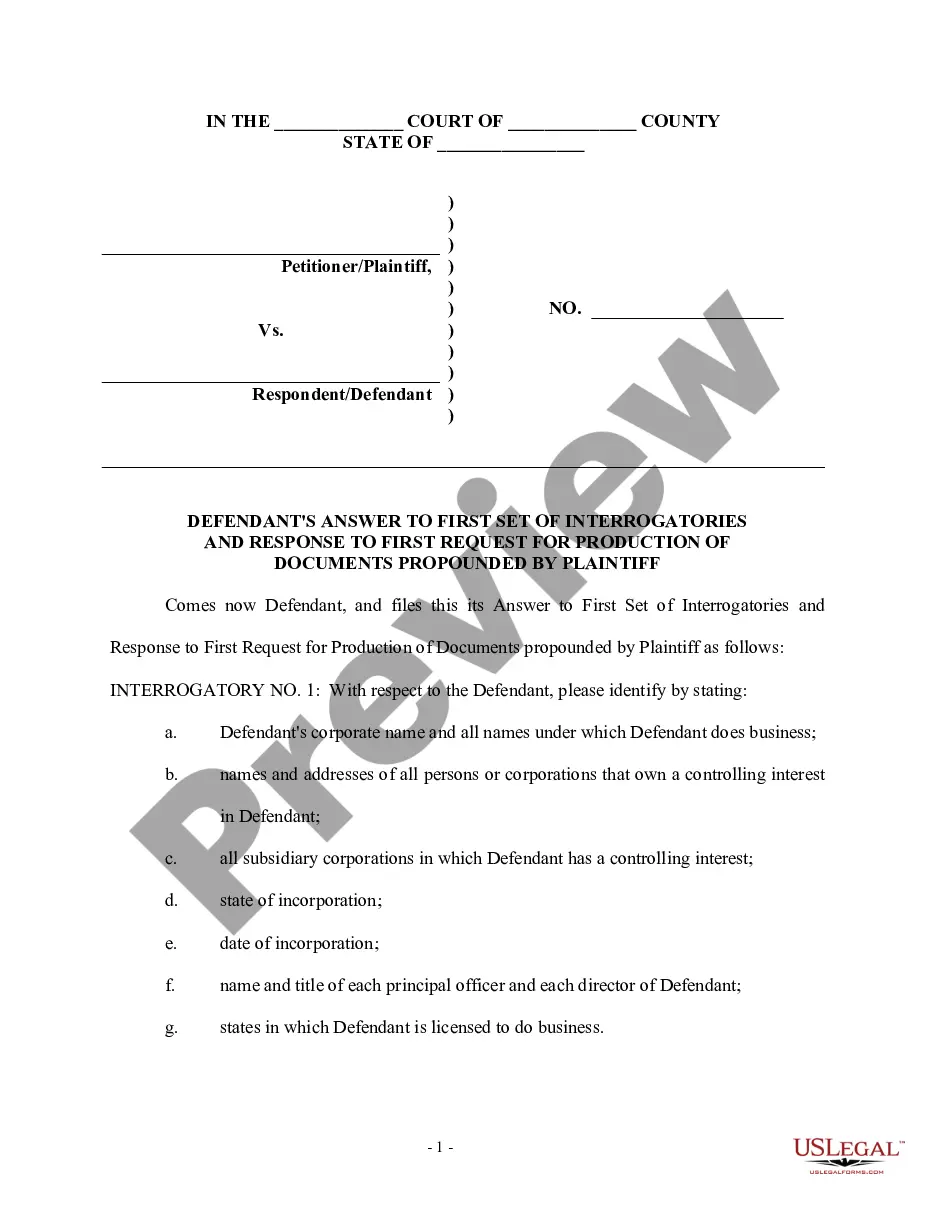
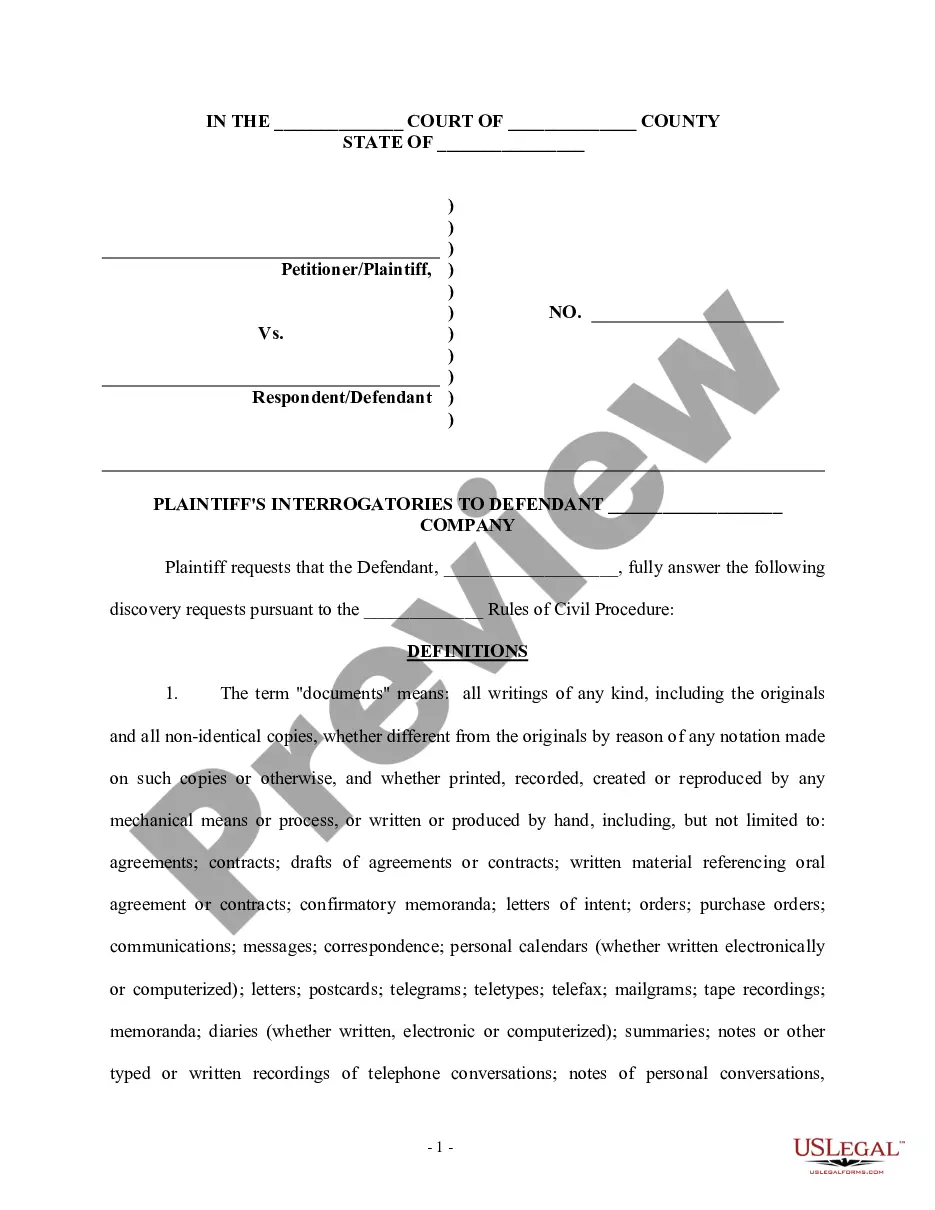
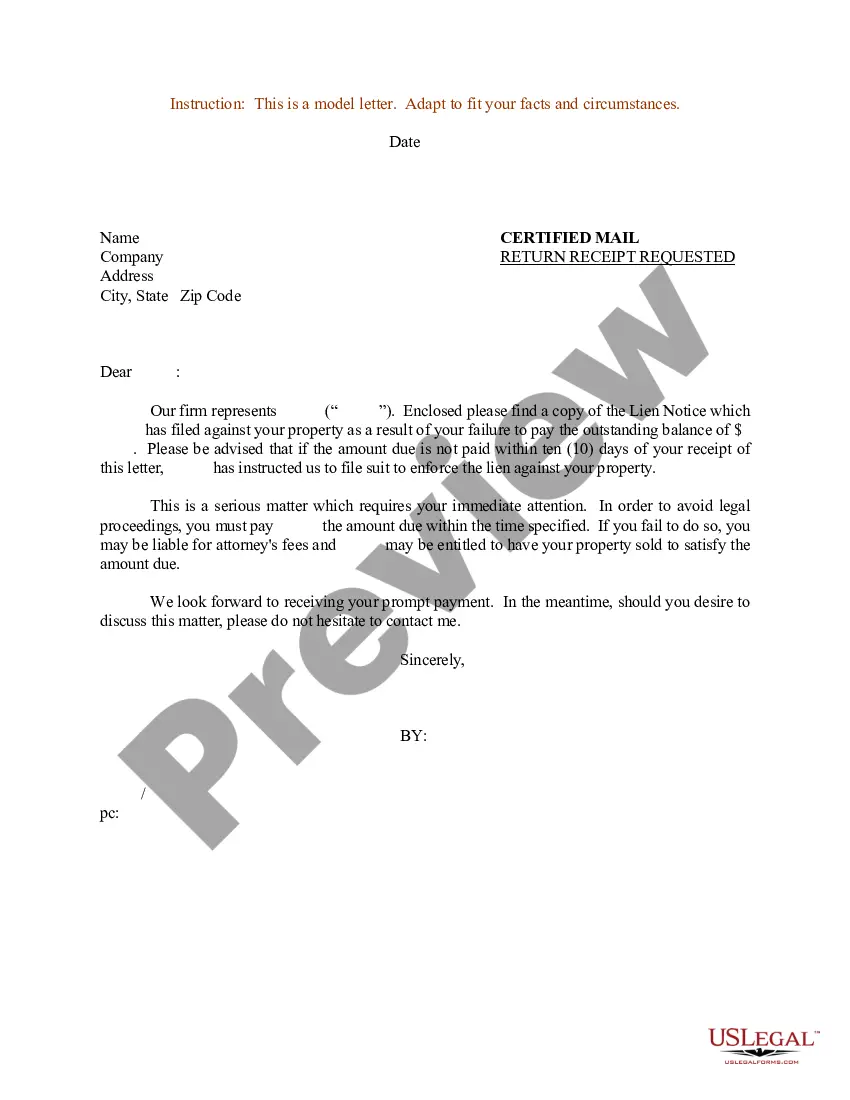
How to fill out Sample Letter For Stipulation Agreement?
Whether for commercial reasons or for personal matters, everyone eventually has to handle legal issues at some point in their life.
Completing legal paperwork requires meticulous care, beginning with choosing the correct form example.
With a vast catalog from US Legal Forms available, you do not need to waste time searching for the suitable template online. Employ the library's user-friendly navigation to find the right template for any circumstance.
- Locate the template you require by using the search bar or browsing the catalog.
- Review the details of the form to ensure it aligns with your situation, state, and locality.
- Click on the form's preview to examine it.
- If it is the wrong document, return to the search tool to find the Professional Letter Format With Re sample you need.
- Obtain the file if it fulfills your requirements.
- If you possess a US Legal Forms account, simply click Log in to access previously stored documents in My documents.
- If you don’t have an account yet, you can acquire the form by clicking Buy now.
- Choose the appropriate pricing option.
- Complete the account registration form.
- Select your payment method: you can use a credit card or PayPal account.
- Choose the document format you wish and download the Professional Letter Format With Re.
- Once it is downloaded, you can complete the form using editing software or print it and finish it by hand.
Form popularity
FAQ
You must pay a filing fee of $168.50, which includes the cost of having the Sheriff serve your complaint on the other party. For any additional parties, you must pay $28.00 for each defendant.
You'll pay $250 to $400 for divorce, at least $100 for separation and about $150 for a custody-only case. You'll get back a copy of the complaint or petition (with the case number stamped on it) and a summons.
The first step in filing a small claims case is to obtain and fill out the necessary forms (such as the complaint) and pay the required fees. You'll need the name and address of the person or business you're suing (the defendant), as well as the date the claim arose and the amount you intend to ask for in damages.
If you can't afford to pay the fees now, you can file a Request to Postpone Filing Fees and Order. If the court grants your request, you won't have to pay any court costs during your divorce.
You must pay a filing fee of $168.50, which includes the cost of having the Sheriff serve your complaint on the other party. For any additional parties, you must pay $28.00 for each defendant.
The first step in filing a small claims case is to obtain and fill out the necessary forms (such as the complaint) and pay the required fees. You'll need the name and address of the person or business you're suing (the defendant), as well as the date the claim arose and the amount you intend to ask for in damages.
In Tennessee, small claims court is called General Sessions Civil Court. This is the appropriate court if are suing for $25,000.00 or less (considered a ?small claim? in the state of Tennessee). Any amount above $25,000.00 goes to a different court.
A: It is not mandatory to have a lawyer in small claims court, but it is advisable to have one to ensure you present your case well. Lawyers can also help with the complicated legal issues and procedures. It's important to note that if the other party has an attorney, it's usually a good idea to have one too.