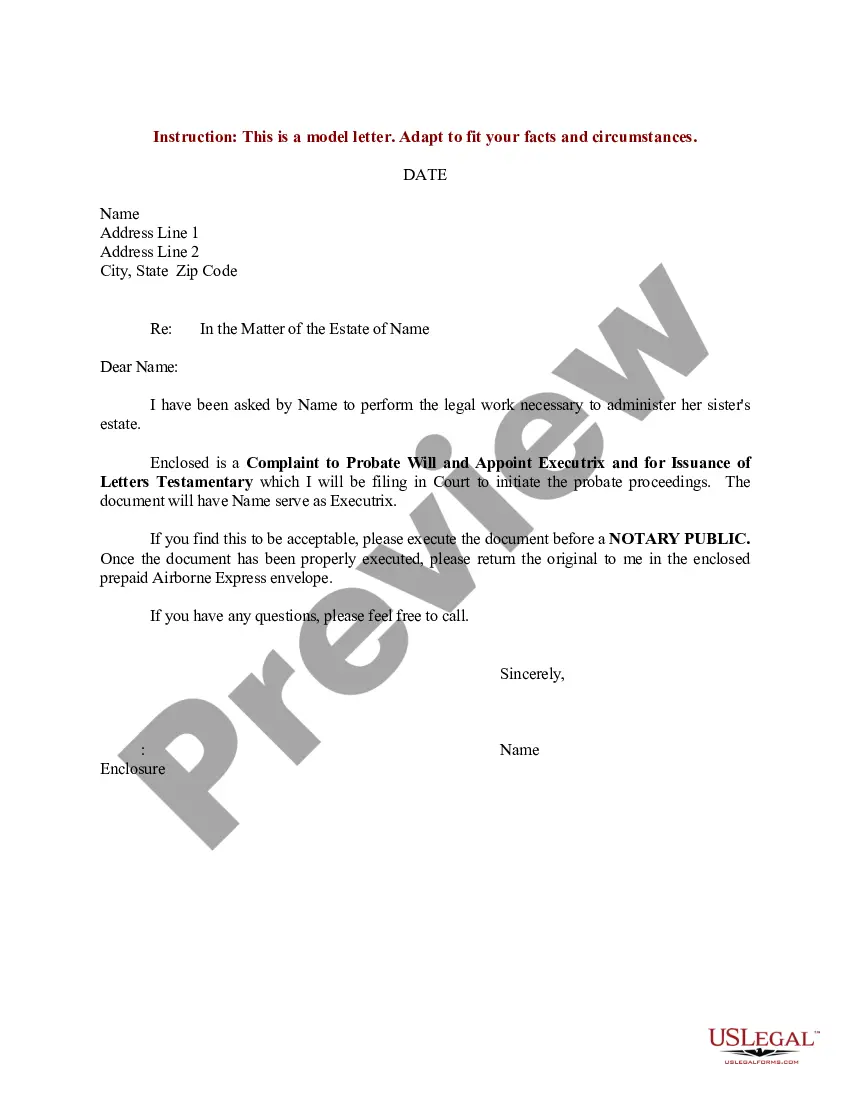
Texas Probate Creditor Claim Form Format
Description
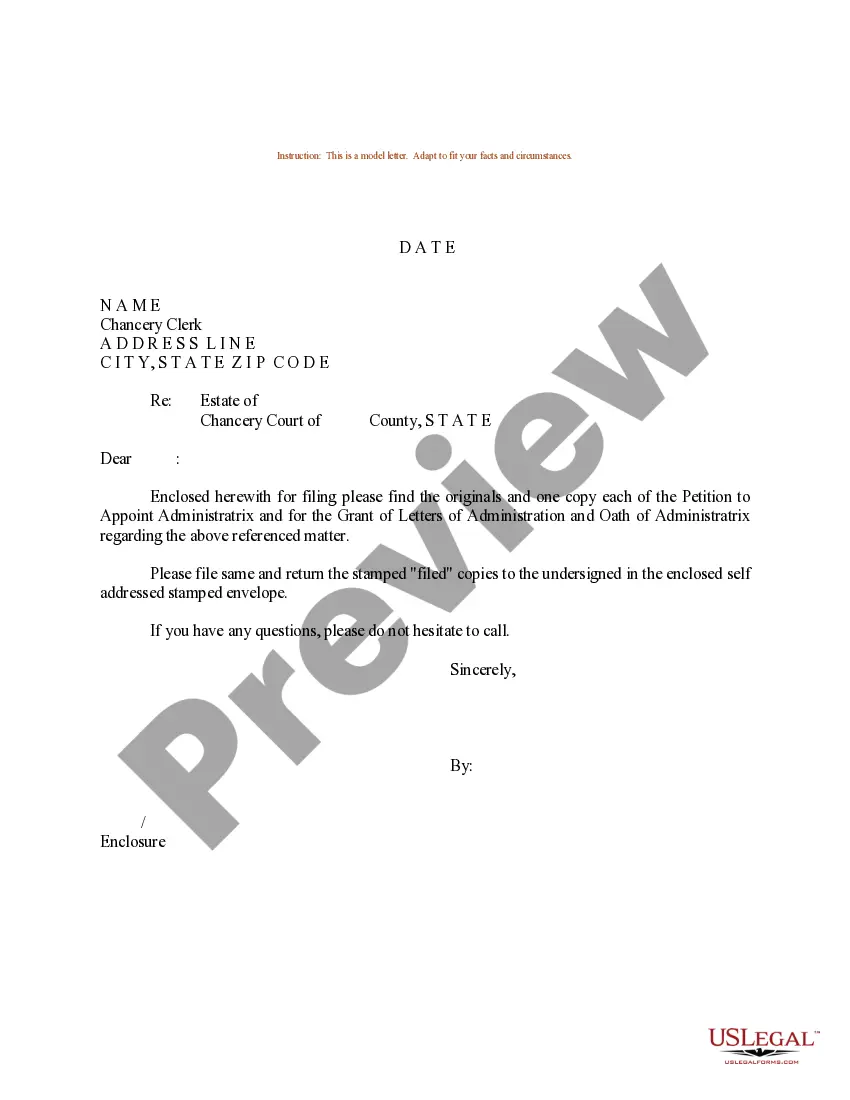
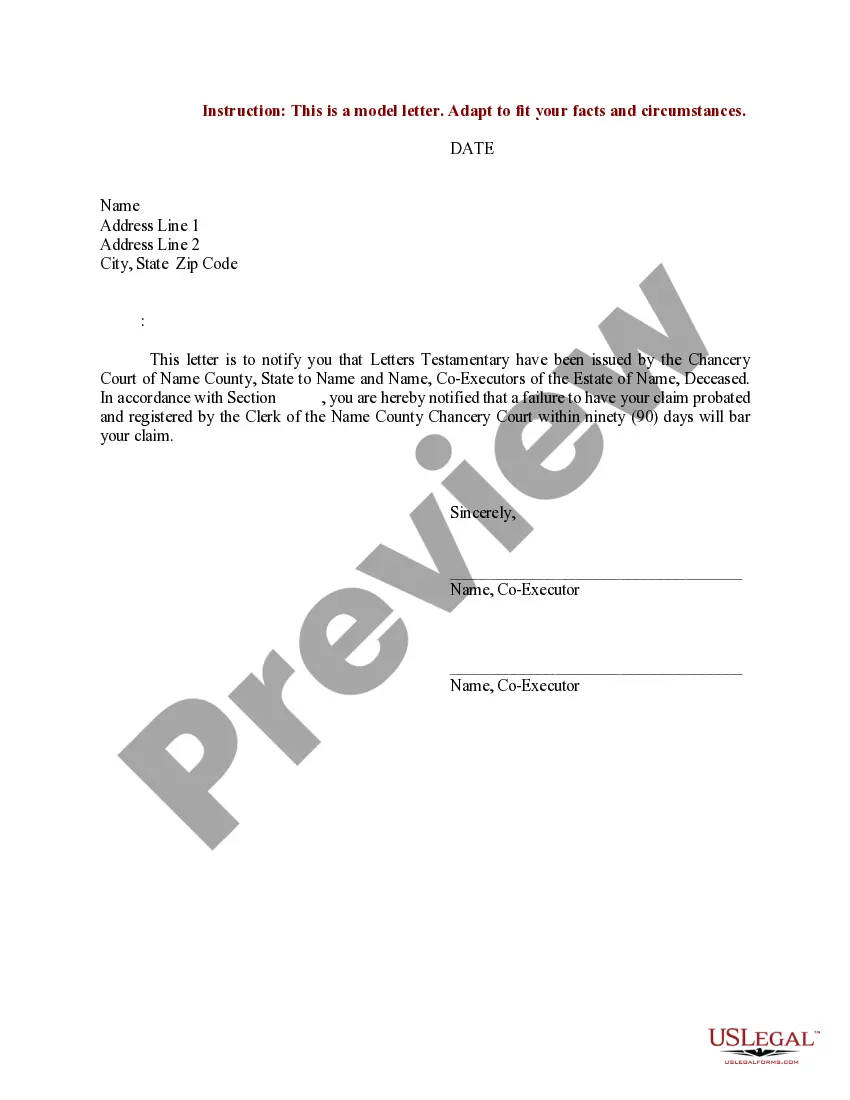
Get your form ready online
Our built-in tools help you complete, sign, share, and store your documents in one place.
Make edits, fill in missing information, and update formatting in US Legal Forms—just like you would in MS Word.
Download a copy, print it, send it by email, or mail it via USPS—whatever works best for your next step.
Sign and collect signatures with our SignNow integration. Send to multiple recipients, set reminders, and more. Go Premium to unlock E-Sign.
If this form requires notarization, complete it online through a secure video call—no need to meet a notary in person or wait for an appointment.
We protect your documents and personal data by following strict security and privacy standards.

Make edits, fill in missing information, and update formatting in US Legal Forms—just like you would in MS Word.

Download a copy, print it, send it by email, or mail it via USPS—whatever works best for your next step.

Sign and collect signatures with our SignNow integration. Send to multiple recipients, set reminders, and more. Go Premium to unlock E-Sign.

If this form requires notarization, complete it online through a secure video call—no need to meet a notary in person or wait for an appointment.

We protect your documents and personal data by following strict security and privacy standards.
Looking for another form?
How to fill out Sample Letter For Estate Administration?
The Texas Probate Creditor Claim Form Template you see on this page is a versatile legal model created by qualified attorneys in accordance with federal and state legislation and guidelines.
For over 25 years, US Legal Forms has supplied individuals, organizations, and legal practitioners with more than 85,000 authenticated, state-specific forms for any business and personal event. It’s the fastest, easiest, and most reliable method to acquire the documents you require, as the service ensures the utmost level of data security and anti-malware safeguards.
Subscribe to US Legal Forms to have validated legal templates for all of life's situations at your fingertips.
- Search for the document you need and review it. Browse through the file you searched and preview it or assess the form description to confirm it meets your needs. If it doesn’t, use the search feature to find the right one. Click Buy Now when you have found the template you require.
- Subscribe and Log In. Select the pricing plan that fits you and sign up for an account. Use PayPal or a credit card to make a quick payment. If you already possess an account, Log In and verify your subscription to continue.
- Obtain the editable template. Choose the format you wish for your Texas Probate Creditor Claim Form Template (PDF, Word, RTF) and download the sample onto your device.
- Complete and sign the document. Print the template to finish it by hand. Alternatively, use an online multifunctional PDF editor to quickly and accurately fill out and sign your form with an eSignature.
- Download your documents once more. Utilize the same document again whenever necessary. Access the My documents tab in your profile to redownload any previously saved forms.
Form popularity
FAQ
Under state law, you must officially contest the will within two years of the date that it was admitted into probate. What happens if you wait too long to take action? In most cases, you will simply lose out on the right to challenge the will.
The probate statute of limitations in Texas is four years. This means that if you don't file a probate case within four years of the person's death, you may not be able to do so.
Texas maintains a four-year statute of limitations on general debts from their original due date. However, all such limitations are suspended for twelve months following the estate owner's death.
Filing a Claim The claim must be filed with the probate court and a copy must be sent to the executor or administrator of the estate. Once the executor or administrator receives a notice of claim from the creditor, they have 30 days to review, determine if it is valid or not, and either pay the debt or object it.
If the decedent's family does not start the probate proceeding in a timely fashion, the creditor can also start the process. An application to probate a will, or to appoint an administrator when there is no will, may be filed by certain persons, including an ?interested person.?8 A creditor is an ?interested person.?