Sample Letter Explaining Dui To Employer Withholding
Description

Get your form ready online
Our built-in tools help you complete, sign, share, and store your documents in one place.
Make edits, fill in missing information, and update formatting in US Legal Forms—just like you would in MS Word.
Download a copy, print it, send it by email, or mail it via USPS—whatever works best for your next step.
Sign and collect signatures with our SignNow integration. Send to multiple recipients, set reminders, and more. Go Premium to unlock E-Sign.
If this form requires notarization, complete it online through a secure video call—no need to meet a notary in person or wait for an appointment.
We protect your documents and personal data by following strict security and privacy standards.
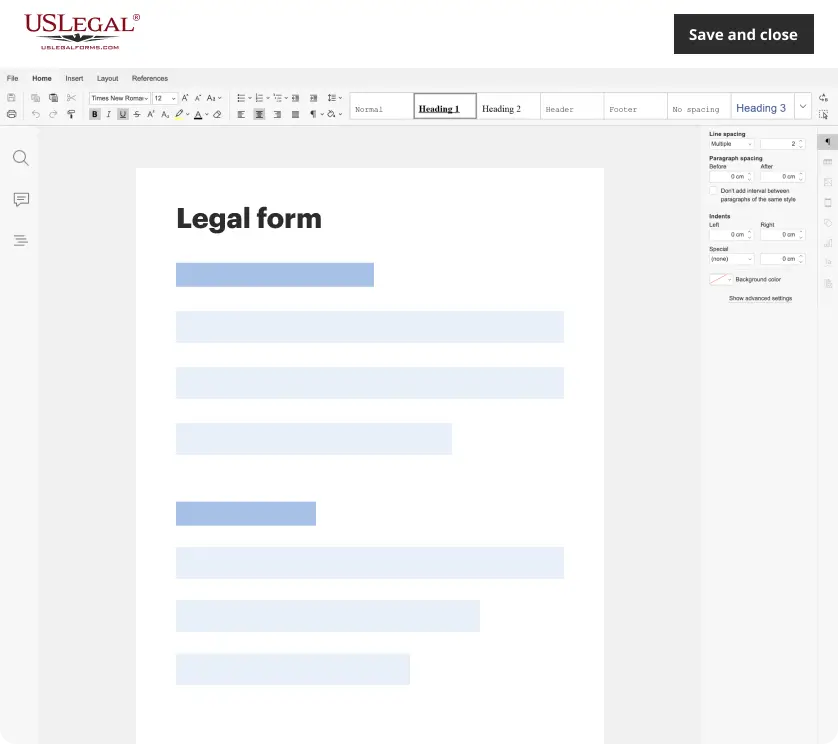
Make edits, fill in missing information, and update formatting in US Legal Forms—just like you would in MS Word.
Download a copy, print it, send it by email, or mail it via USPS—whatever works best for your next step.
Sign and collect signatures with our SignNow integration. Send to multiple recipients, set reminders, and more. Go Premium to unlock E-Sign.

If this form requires notarization, complete it online through a secure video call—no need to meet a notary in person or wait for an appointment.
We protect your documents and personal data by following strict security and privacy standards.
Looking for another form?
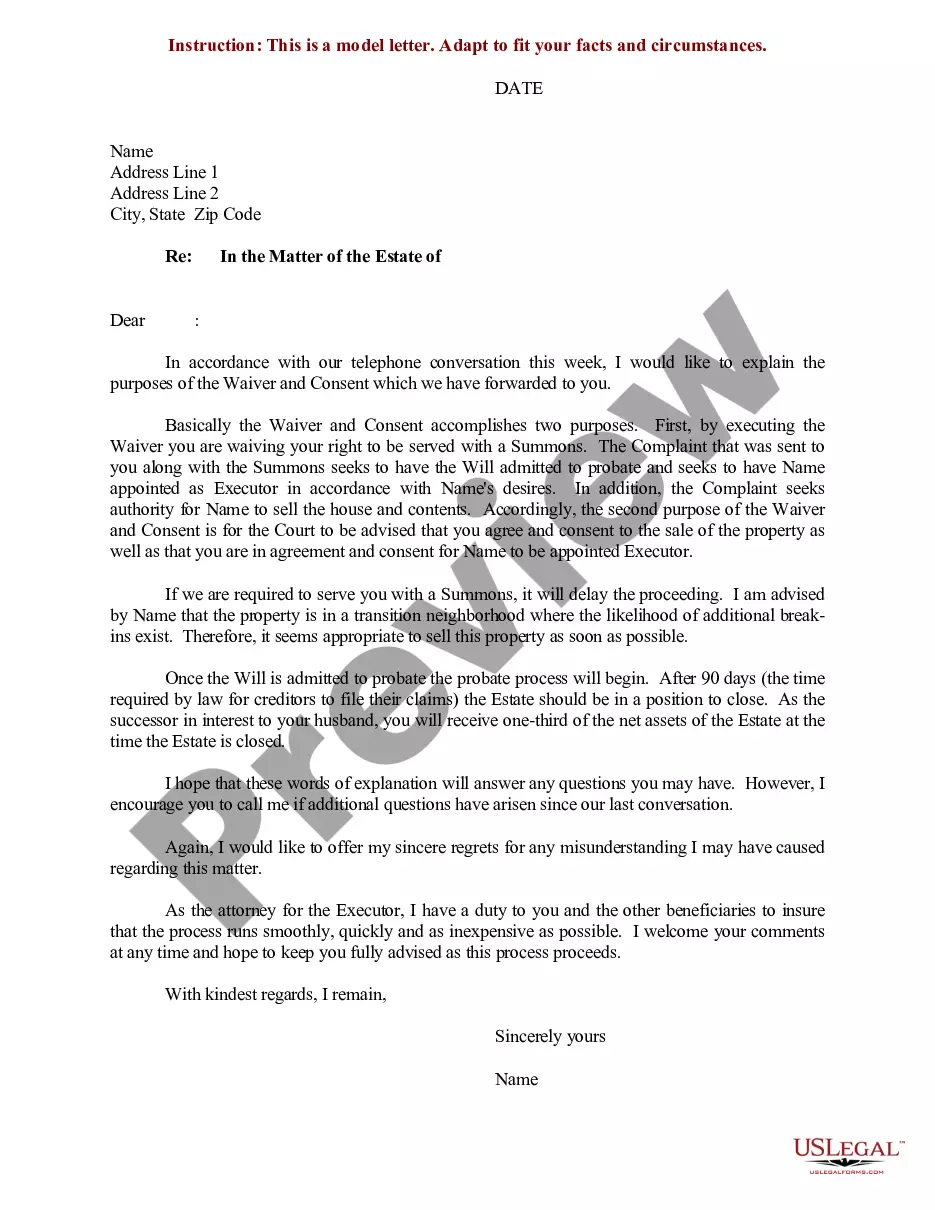
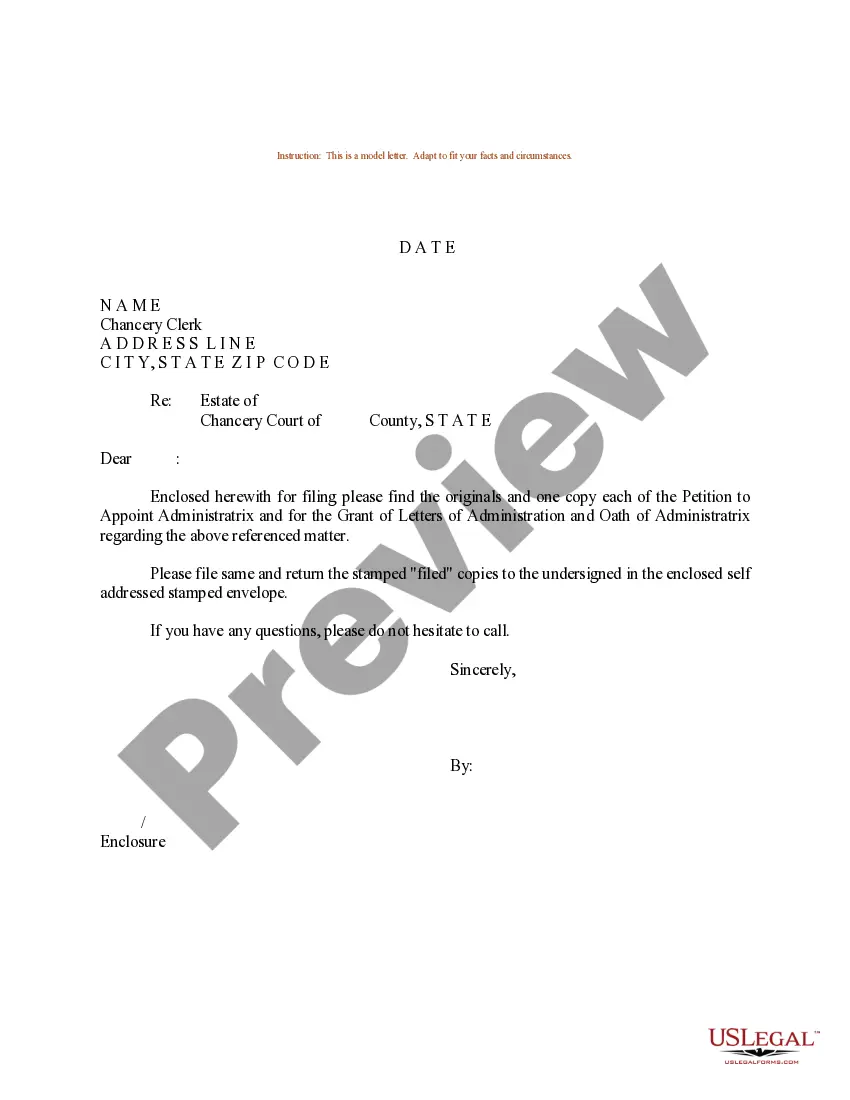
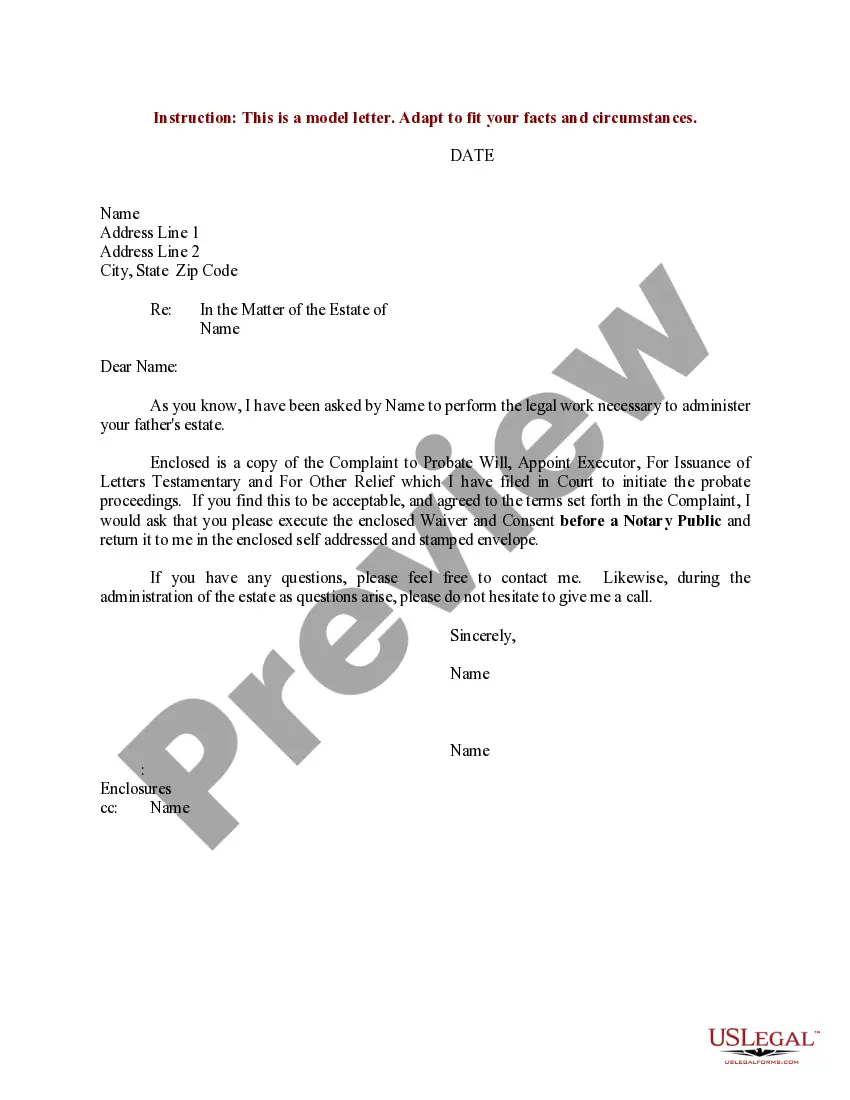
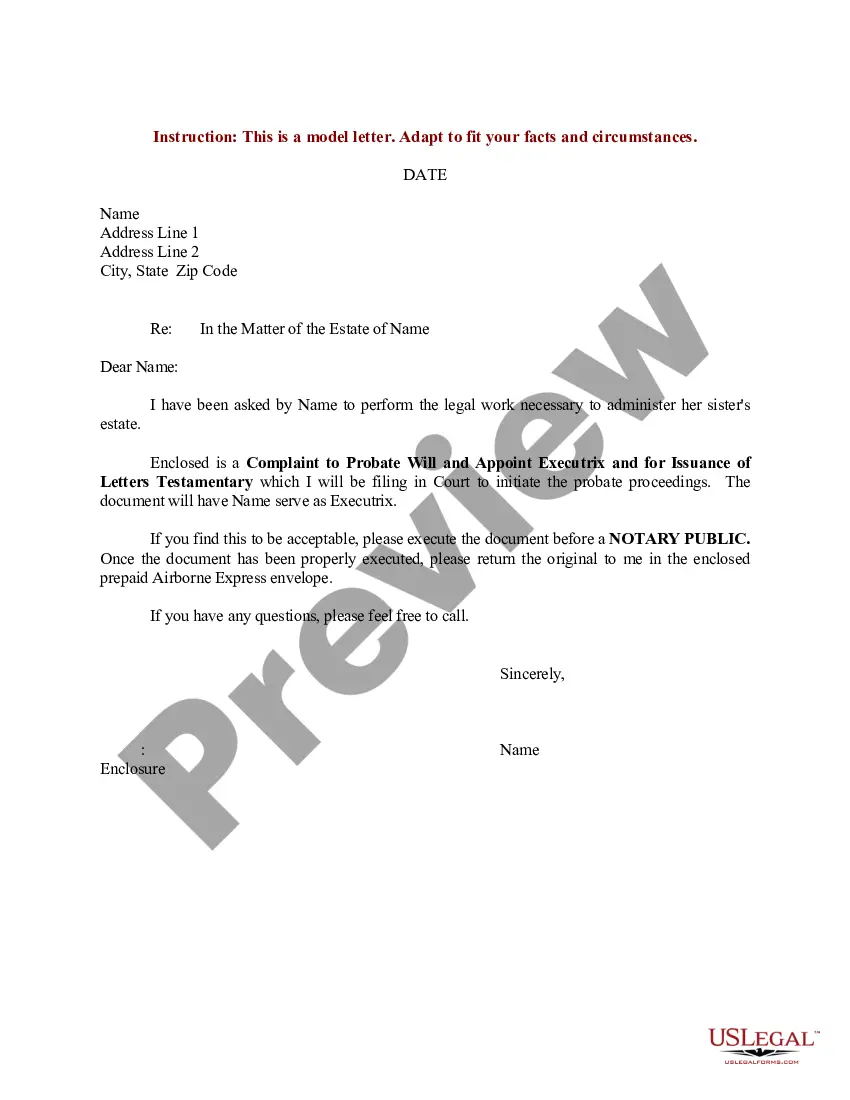
How to fill out Sample Letter Explaining The Purposes Of The Waiver And Consent Regarding An Estate?
The Example Letter Clarifying Dui To Employer Retention that you observe on this site is a reusable legal blueprint crafted by experienced attorneys in accordance with federal and state laws.
For over 25 years, US Legal Forms has supplied individuals, businesses, and lawyers with more than 85,000 validated, state-specific documents for any corporate and personal situation. It’s the quickest, simplest, and most reliable method to acquire the documentation you require, as the service promises bank-level data protection and anti-malware security.
Complete and sign the documents. Print the template to fill it out manually. Alternatively, utilize an online multifunctional PDF editor to quickly and precisely fill out and sign your form with a valid signature.
- Search for the document you require and review it.
- Browse the example you sought and either preview it or examine the form description to verify it meets your needs. If it does not, employ the search function to discover the correct one. Hit Buy Now once you have found the document you are after.
- Register and Log Into your account.
- Choose the pricing option that suits you and create an account. Use PayPal or a credit card for a swift payment. If you already possess an account, Log In and examine your subscription to proceed.
- Obtain the editable template.
- Select the format you desire for your Example Letter Clarifying Dui To Employer Retention (PDF, DOCX, RTF) and download the example onto your device.
Form popularity
FAQ
Virginia Code § 16.1-79 authorizes creditors to file a warrant in debt in the debtor's local General District Court, a lower-level court in the Commonwealth. The warrant is presented to either the sheriff or authorized process server for delivery to the alleged debtor.
The ?Petition for Proceeding in Civil Case Without Payment of Fees or Costs? is a form that allows a person who has little income (or who has very high expenses) to ask a Virginia court to ?waive? (which means ?not require?) the fees associated with civil court actions.
The warrant or warrants with the returns thereon shall be delivered to the court prior to the return day thereof, but if not so delivered may, in the discretion of the judge of the court, be delivered before the court convenes on the return day.
The Supreme Court of Virginia It hears appeals on a discretionary basis, except in cases involving the State Corporation Commission, the disbarment of an attorney, and review of the death penalty.
Va. Code § 16.1-77(1). The general district courts have exclusive original jurisdiction over cases involving amounts of $500 or less in unlawful detainer actions that involve a default in rent.
A hearing shall be held by the court, as provided herein, and the court shall rule on any such motions not later than forty-five days after the date of judgment, not including the date of entry of such judgment.
Please understand that getting served with a Warrant In Debt does not mean you could be subjected to jail time. However, failing to take proper action could seriously penalize your bank account.
A civil action in a general district court may be brought by warrant directed to the sheriff or to any other person authorized to serve process in such county or city, requiring the person against whom the claim is asserted to appear before the court on a certain day, not exceeding sixty days from the date of service ...