Qualified Subchapter S Trust Meaning
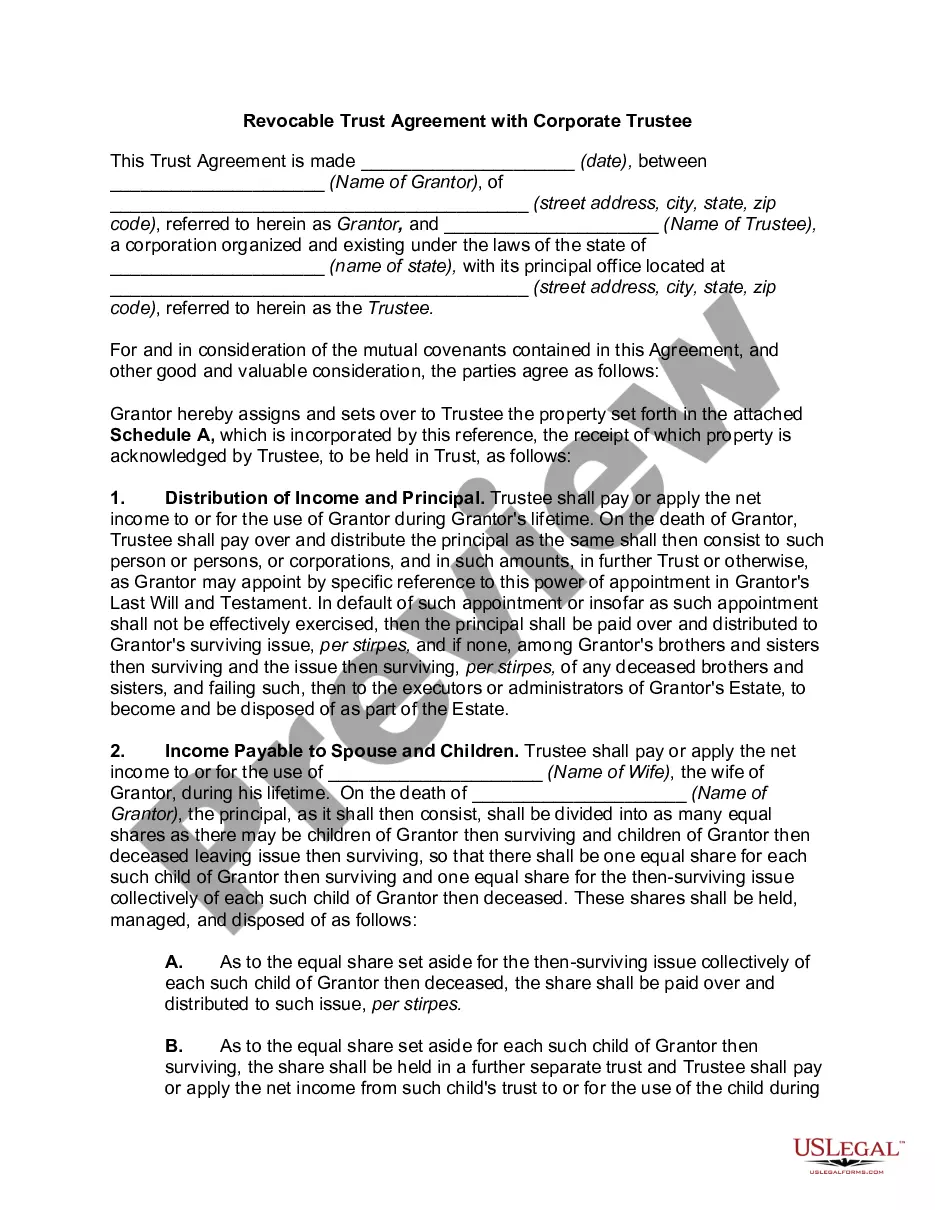
Description
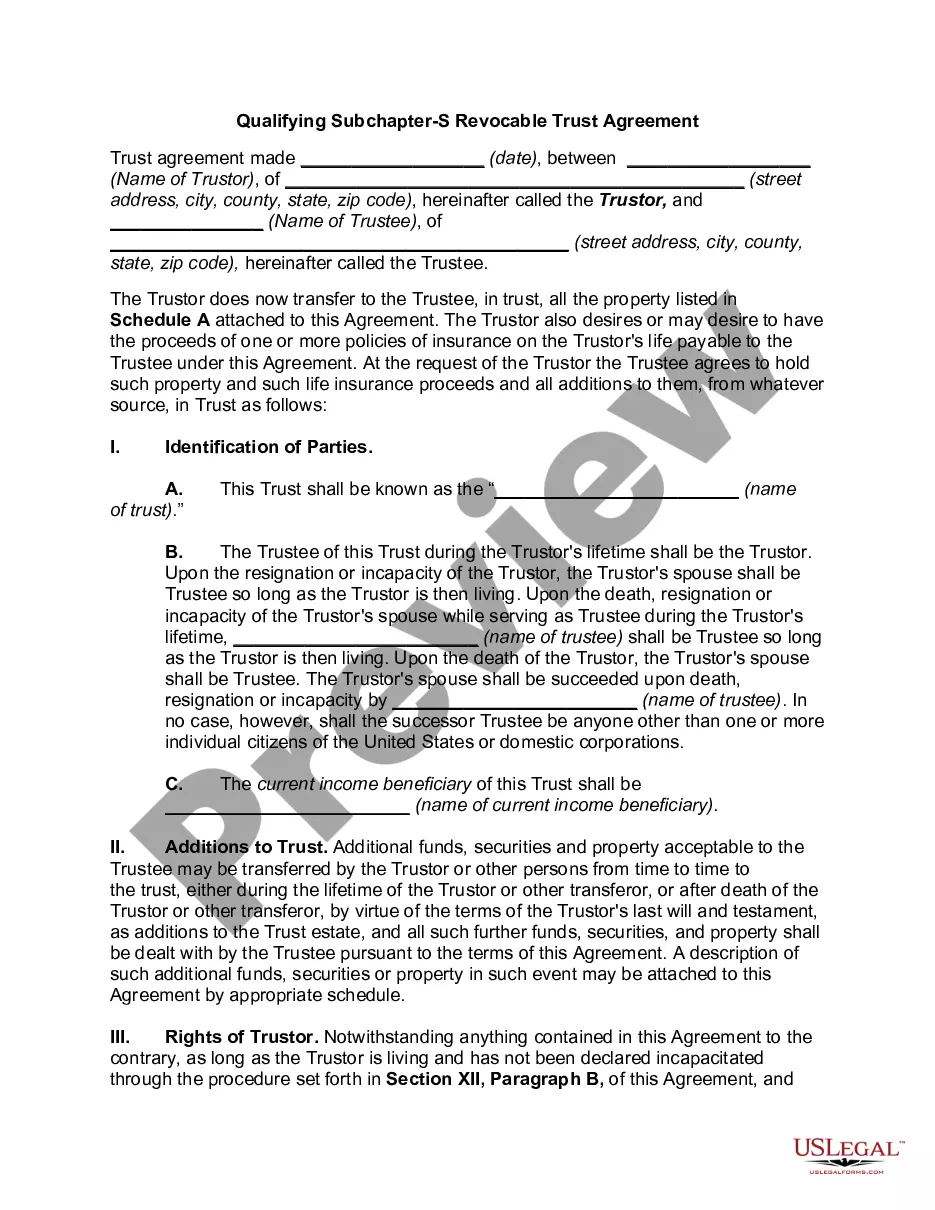
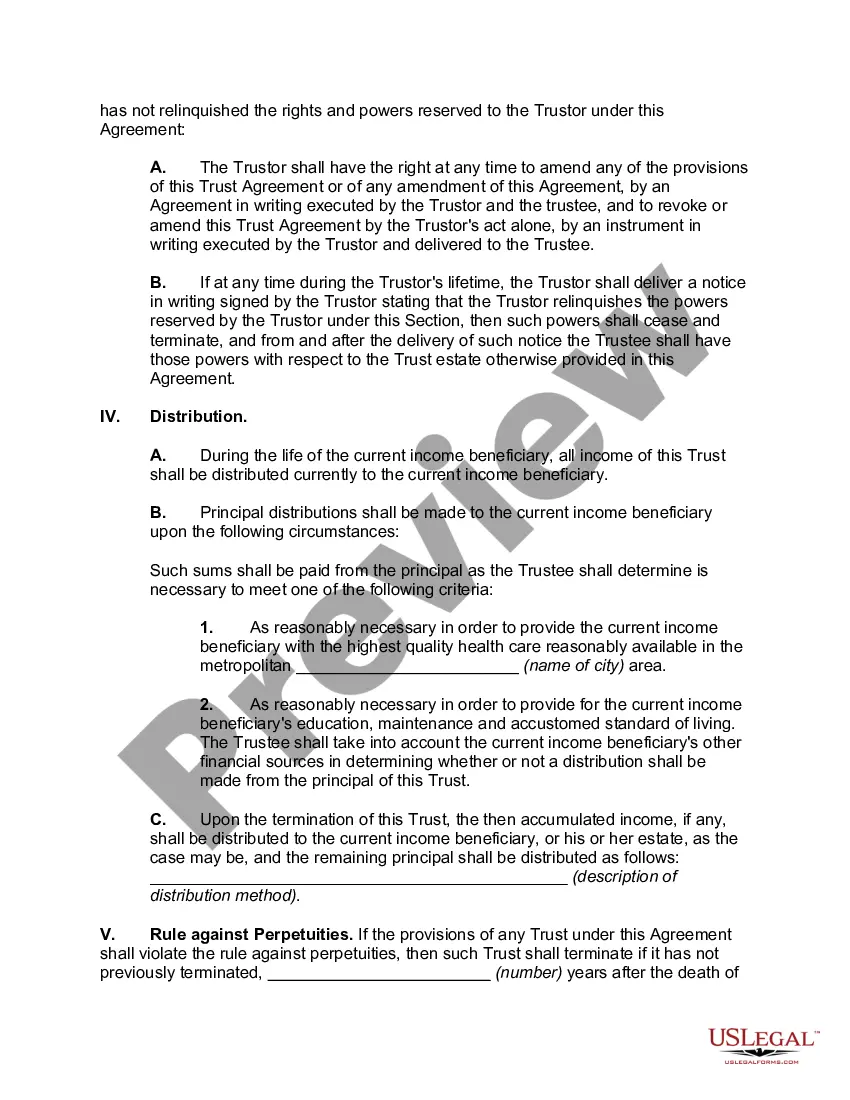
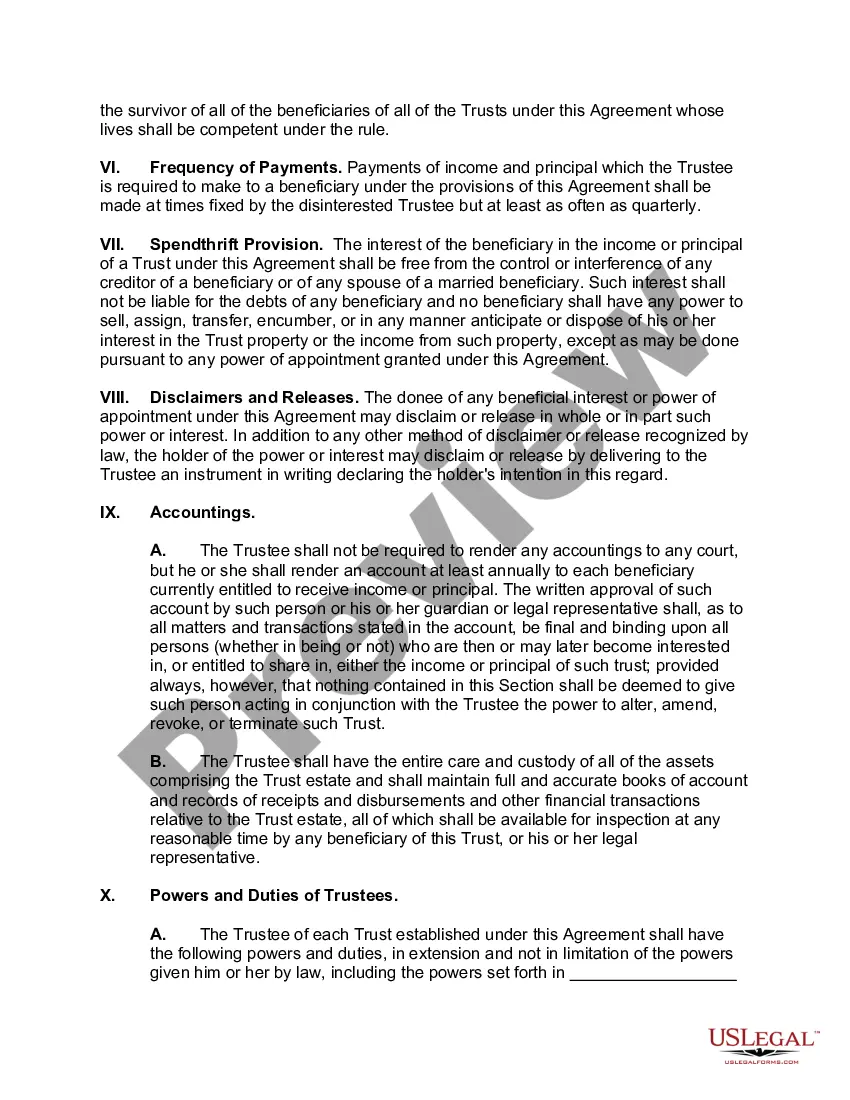
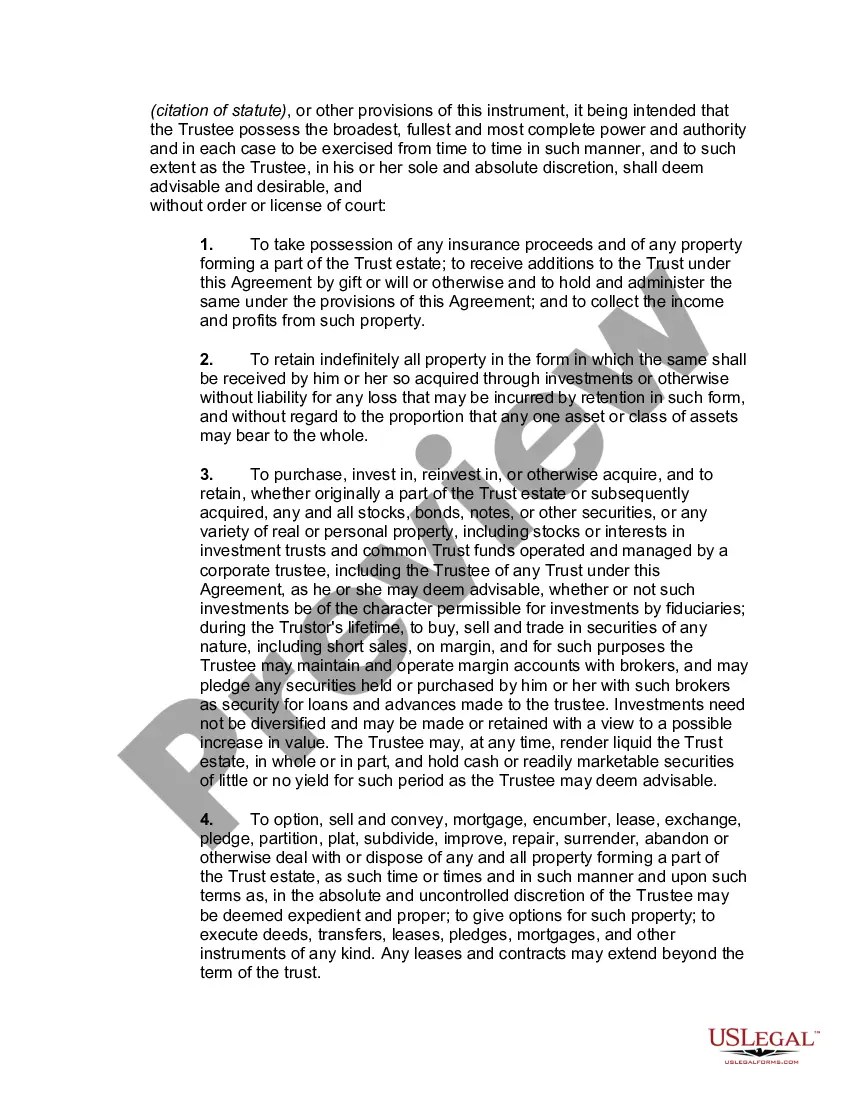

Get your form ready online
Our built-in tools help you complete, sign, share, and store your documents in one place.
Make edits, fill in missing information, and update formatting in US Legal Forms—just like you would in MS Word.
Download a copy, print it, send it by email, or mail it via USPS—whatever works best for your next step.
Sign and collect signatures with our SignNow integration. Send to multiple recipients, set reminders, and more. Go Premium to unlock E-Sign.
If this form requires notarization, complete it online through a secure video call—no need to meet a notary in person or wait for an appointment.
We protect your documents and personal data by following strict security and privacy standards.

Make edits, fill in missing information, and update formatting in US Legal Forms—just like you would in MS Word.

Download a copy, print it, send it by email, or mail it via USPS—whatever works best for your next step.

Sign and collect signatures with our SignNow integration. Send to multiple recipients, set reminders, and more. Go Premium to unlock E-Sign.

If this form requires notarization, complete it online through a secure video call—no need to meet a notary in person or wait for an appointment.

We protect your documents and personal data by following strict security and privacy standards.
Looking for another form?






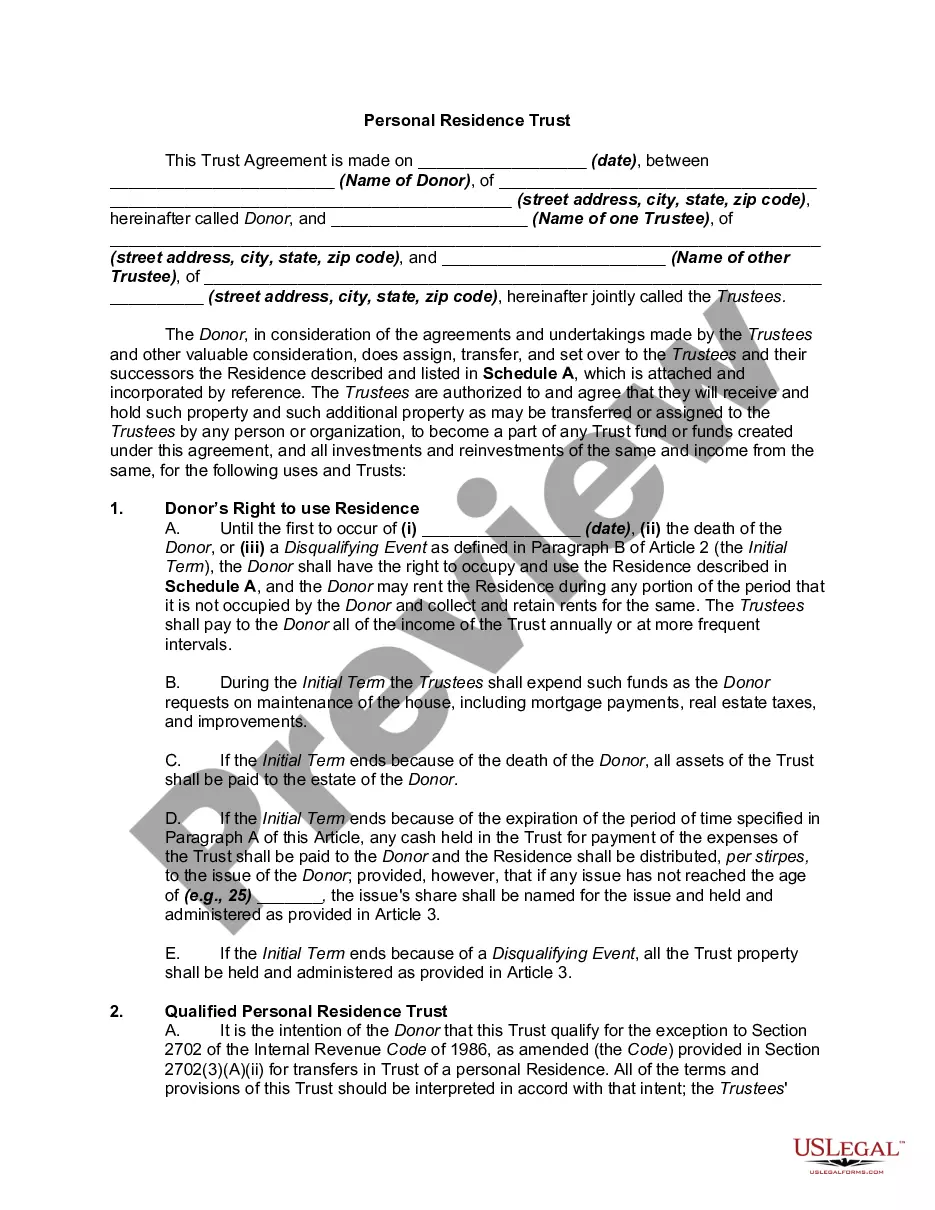
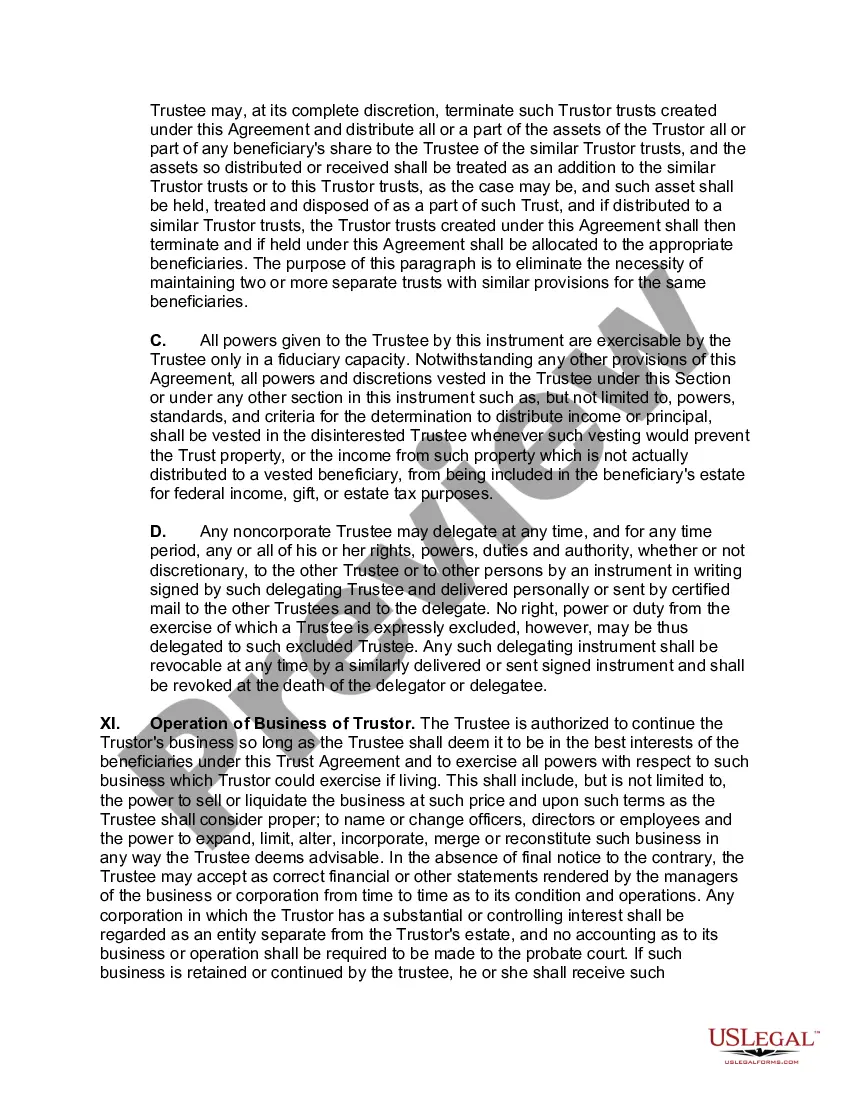
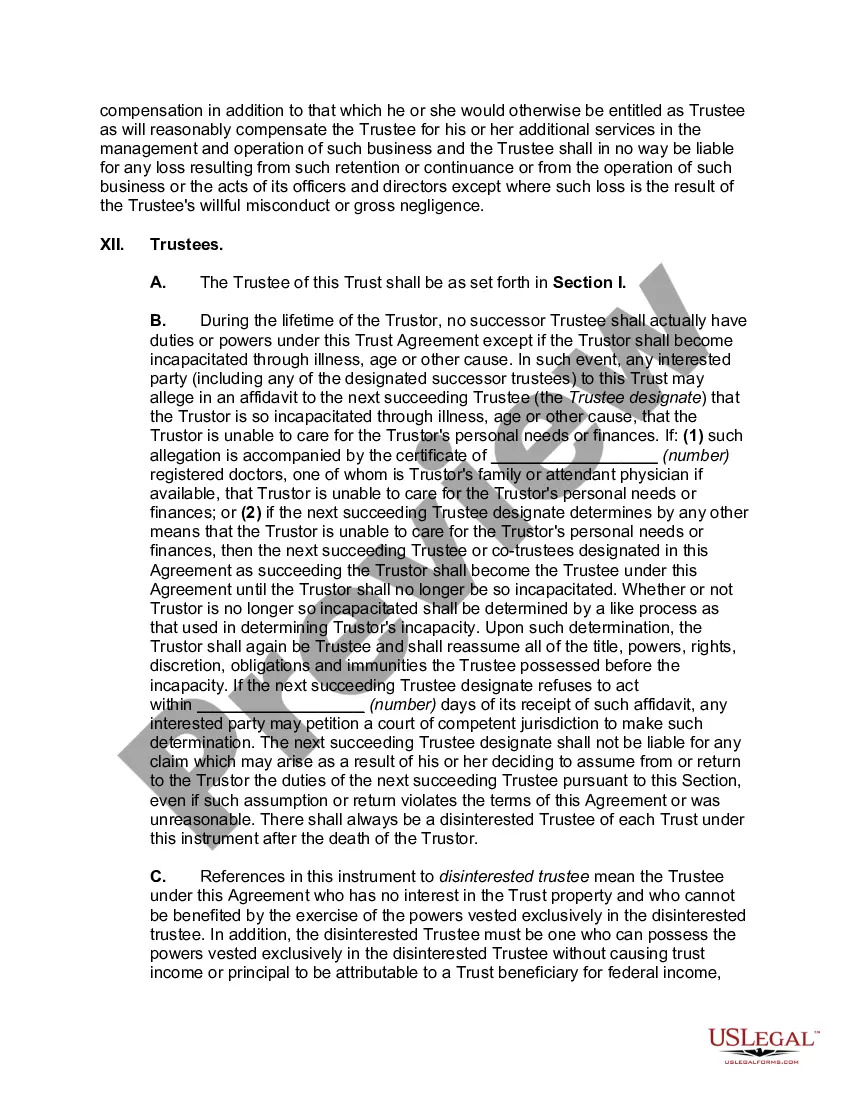
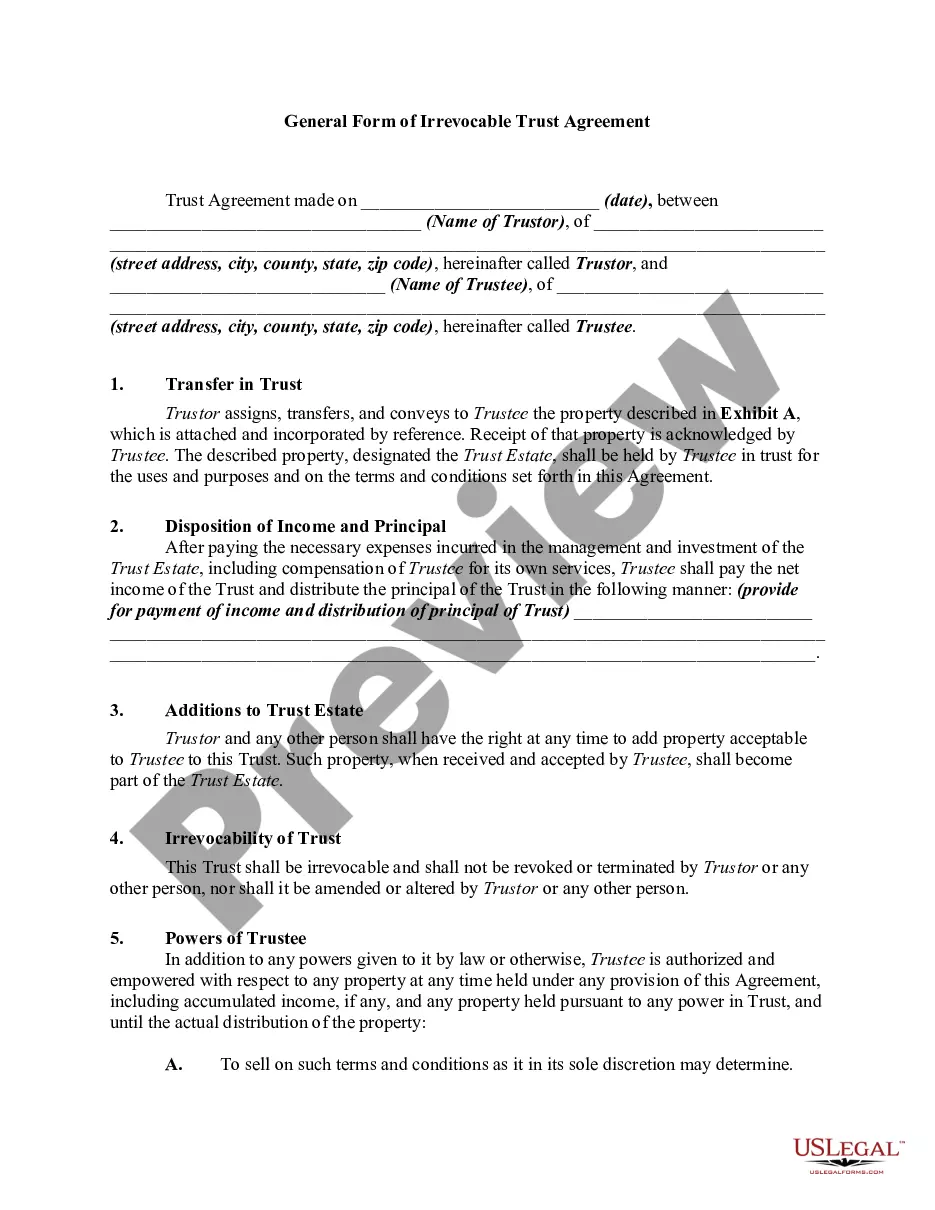
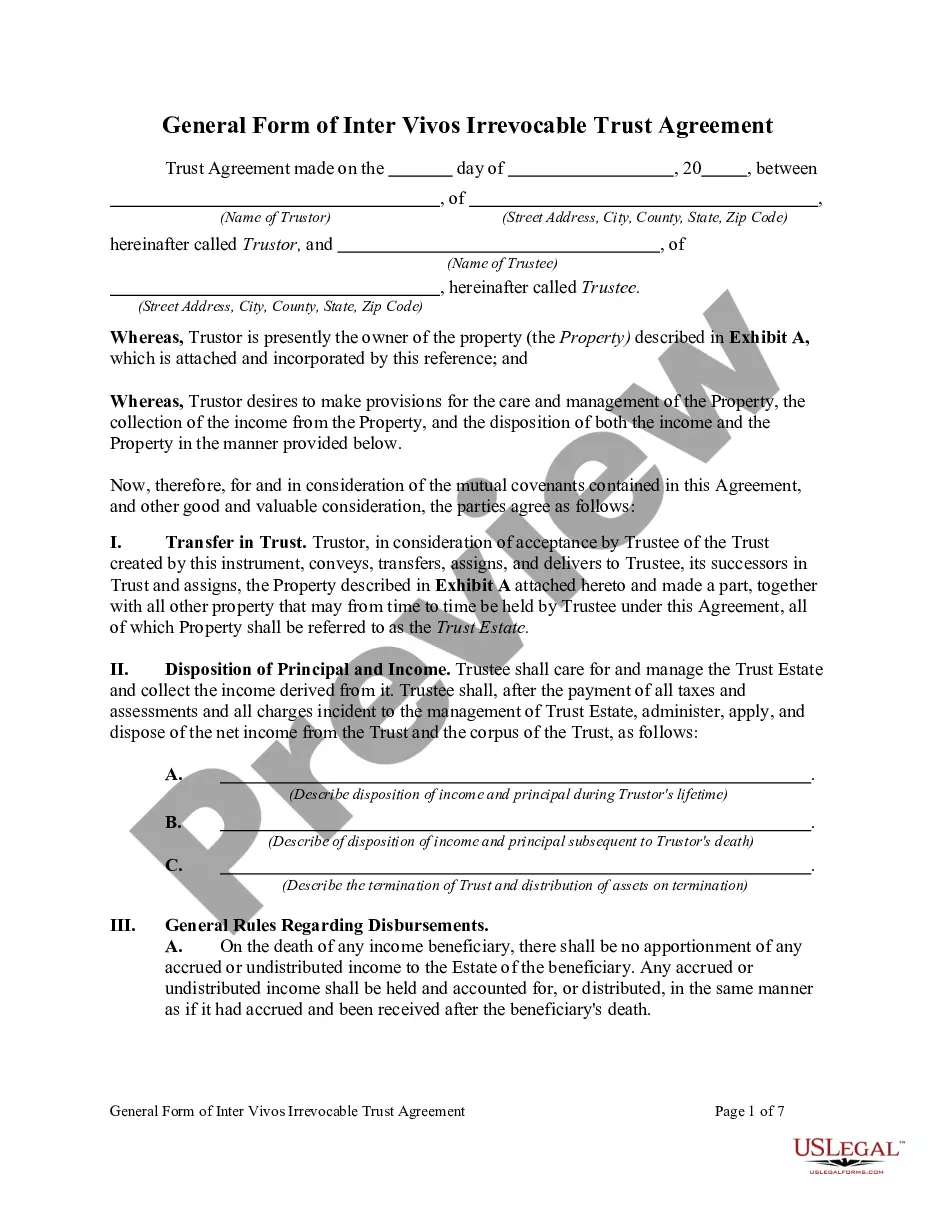
How to fill out Qualifying Subchapter-S Revocable Trust Agreement?
- Log in to your existing US Legal Forms account. Ensure your subscription is current before proceeding to download the form template you need.
- Examine the form description and preview to confirm it aligns with your requirements. It's essential that the document meets local jurisdiction standards.
- If the chosen form isn't suitable, utilize the Search function to locate a more fitting template. Confirm that it complies with your needs before continuing.
- Select the document you want to purchase. Click the Buy Now button and choose a subscription plan that works for you, ensuring you create an account for full access.
- Complete your transaction by entering payment details, either through credit card or PayPal for a seamless purchase experience.
- Once purchased, download your document. Save it to your device for completion and easy access later through the My Forms section of your profile.
In conclusion, US Legal Forms stands out with an extensive collection of over 85,000 legal forms, making it easier for users to find and customize the documents they need. By following these steps, you can efficiently manage your legal needs while ensuring compliance with relevant laws.
Start your journey today with US Legal Forms, where legal document management is simplified!
Form popularity
FAQ
To determine if a trust is a non-grantor trust, you need to look at the trust's structure and terms. A non-grantor trust is usually established where the grantor does not retain powers over the trust assets or income, thus, the trust is treated as a separate tax entity. In terms of the qualified subchapter S trust meaning, a non-grantor trust may hold shares in S corporations while avoiding certain tax complications for beneficiaries. If you need further clarity, USLegalForms can guide you through the specific requirements and documentation needed for your trust.
A trust qualifies primarily based on adhering to IRS definitions and requirements. It typically needs to be irrevocable and have designated beneficiaries. Specifically, a qualified trust can often represent interests in S Corporations without jeopardizing their status. Gaining an understanding of the qualified subchapter S trust meaning will help you grasp the criteria your trust must meet to be considered qualified.
An S Corp trust is a type of trust designed to hold shares in an S Corporation while adhering to specific IRS regulations. This trust structure allows for income to pass through to beneficiaries without being taxed at the corporate level, thus promoting tax advantages. Learning the qualified subchapter S trust meaning can provide further insights into how S Corp trusts function and the potential benefits they offer.
Determining the classification of a trust involves analyzing its provisions and compliance with IRS rules. Look for characteristics such as beneficiary eligibility and whether the trust is irrevocable. Consulting a tax advisor or an attorney will provide a clearer picture of your trust's status. Familiarity with qualified subchapter S trust meaning can significantly aid in this determination.
To determine if a trust is qualified or nonqualified, you should review its terms and conditions against IRS guidelines. A trust may qualify as a qualified subchapter S trust if it meets specific requirements, such as being irrevocable and having eligible beneficiaries. A legal or tax professional can help you navigate these rules and clarify your trust’s status. Understanding qualified subchapter S trust meaning is vital to this assessment.
A qualified sub-S trust is a specific type of trust that meets certain criteria, allowing it to hold shares of an S Corporation. This type of trust aims to comply with IRS regulations while providing potential tax benefits. By knowing the qualified subchapter S trust meaning, you can understand how it facilitates distributions to beneficiaries without impacting the S Corporation's status. It's important to consult a tax advisor for personalized advice.
Determining the type of trust you have usually requires reviewing the trust documents. These documents will outline the specific provisions and conditions that apply to your trust. If you're unsure, consulting with a legal professional can help clarify your trust's classification. Understanding the qualified subchapter S trust meaning can also provide guidance on what type of trust you may possess.
For a trust to be considered a qualified trust, it generally must meet certain IRS guidelines, including the stipulation that it is a valid trust under state law. The trust must be irrevocable and cannot have any powers of appointment that could lead to disqualification. Additionally, understanding the qualified subchapter S trust meaning can be critical for compliance. Turn to uslegalforms for comprehensive support in setting up your trust to meet these requirements.
A qualified subchapter S trust must meet specific conditions to maintain eligibility. It can have only one beneficiary who must be a U.S. citizen or resident, and it must distribute all income to the beneficiary each year. Also, it is important that the trust types are categorized correctly to ensure compliance with the qualified subchapter S trust meaning. Utilizing resources like uslegalforms can assist you in establishing a qualified subchapter S trust.
To qualify for S corporation status, your business must meet certain requirements. First, it must be a domestic corporation and have only allowable shareholders, which include individuals, certain trusts, and estates. Additionally, it cannot have more than 100 shareholders and can only issue one class of stock. Understanding the qualified subchapter S trust meaning can help you navigate these requirements effectively.