Trust For Nature
Description
Get your form ready online
Our built-in tools help you complete, sign, share, and store your documents in one place.
Make edits, fill in missing information, and update formatting in US Legal Forms—just like you would in MS Word.
Download a copy, print it, send it by email, or mail it via USPS—whatever works best for your next step.
Sign and collect signatures with our SignNow integration. Send to multiple recipients, set reminders, and more. Go Premium to unlock E-Sign.
If this form requires notarization, complete it online through a secure video call—no need to meet a notary in person or wait for an appointment.
We protect your documents and personal data by following strict security and privacy standards.

Make edits, fill in missing information, and update formatting in US Legal Forms—just like you would in MS Word.

Download a copy, print it, send it by email, or mail it via USPS—whatever works best for your next step.

Sign and collect signatures with our SignNow integration. Send to multiple recipients, set reminders, and more. Go Premium to unlock E-Sign.

If this form requires notarization, complete it online through a secure video call—no need to meet a notary in person or wait for an appointment.

We protect your documents and personal data by following strict security and privacy standards.
Looking for another form?
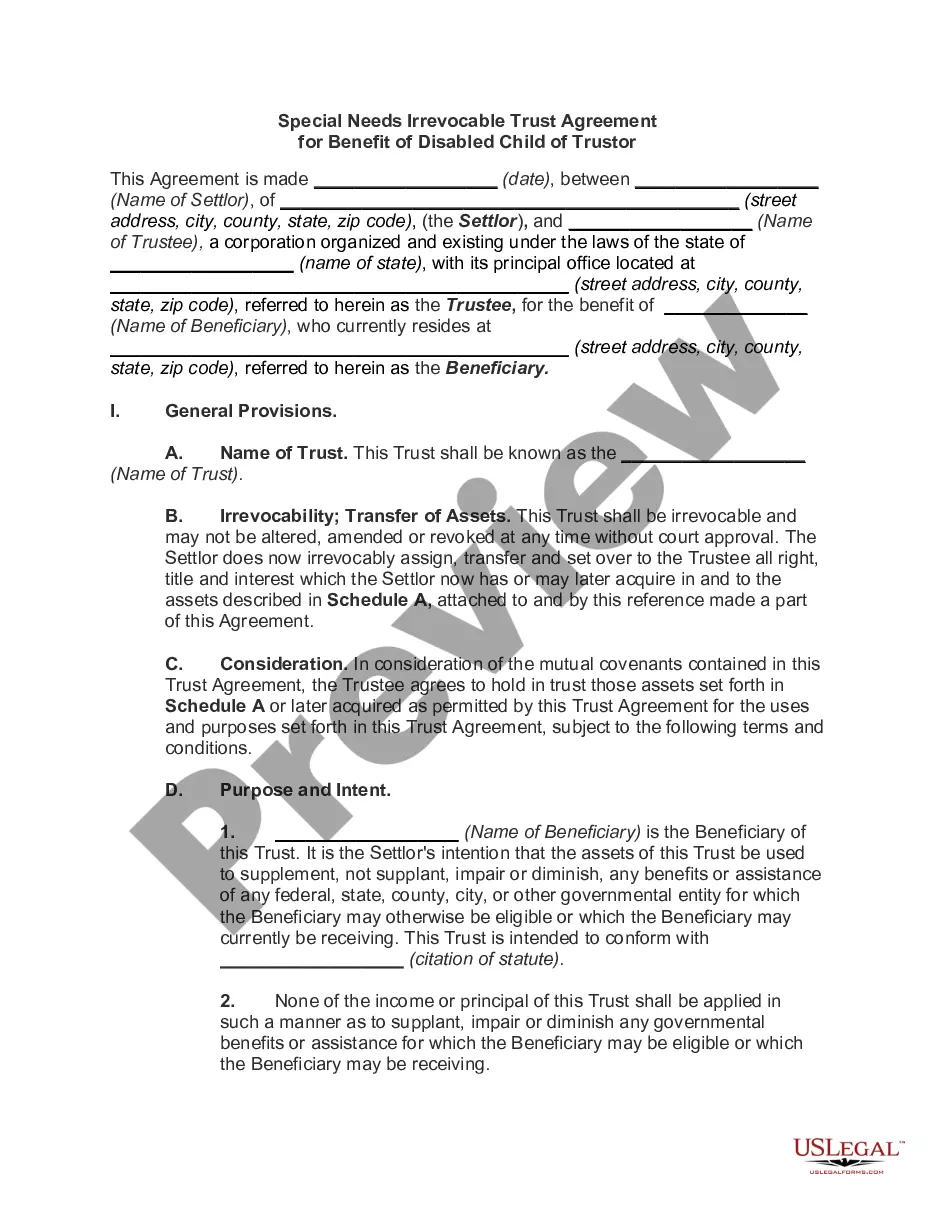

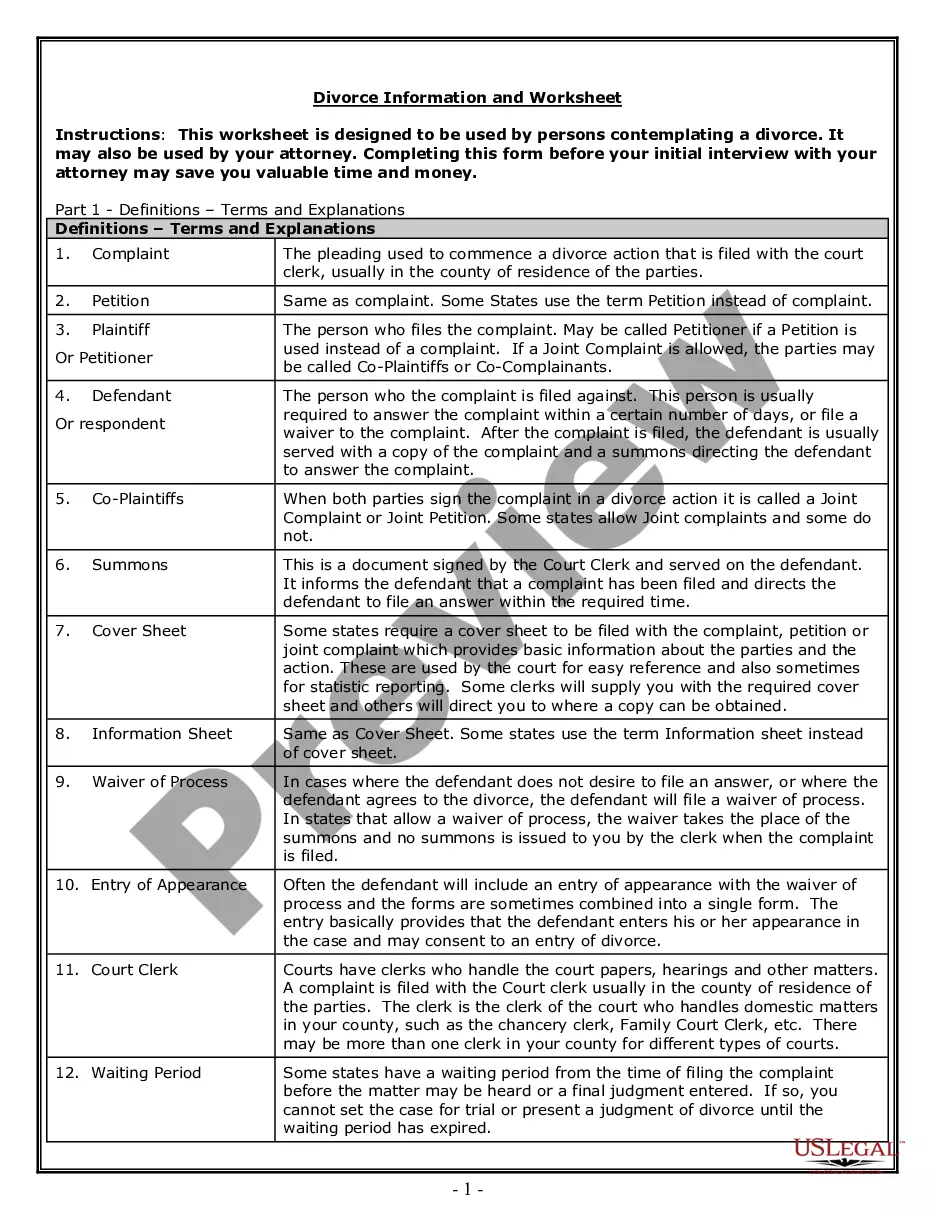



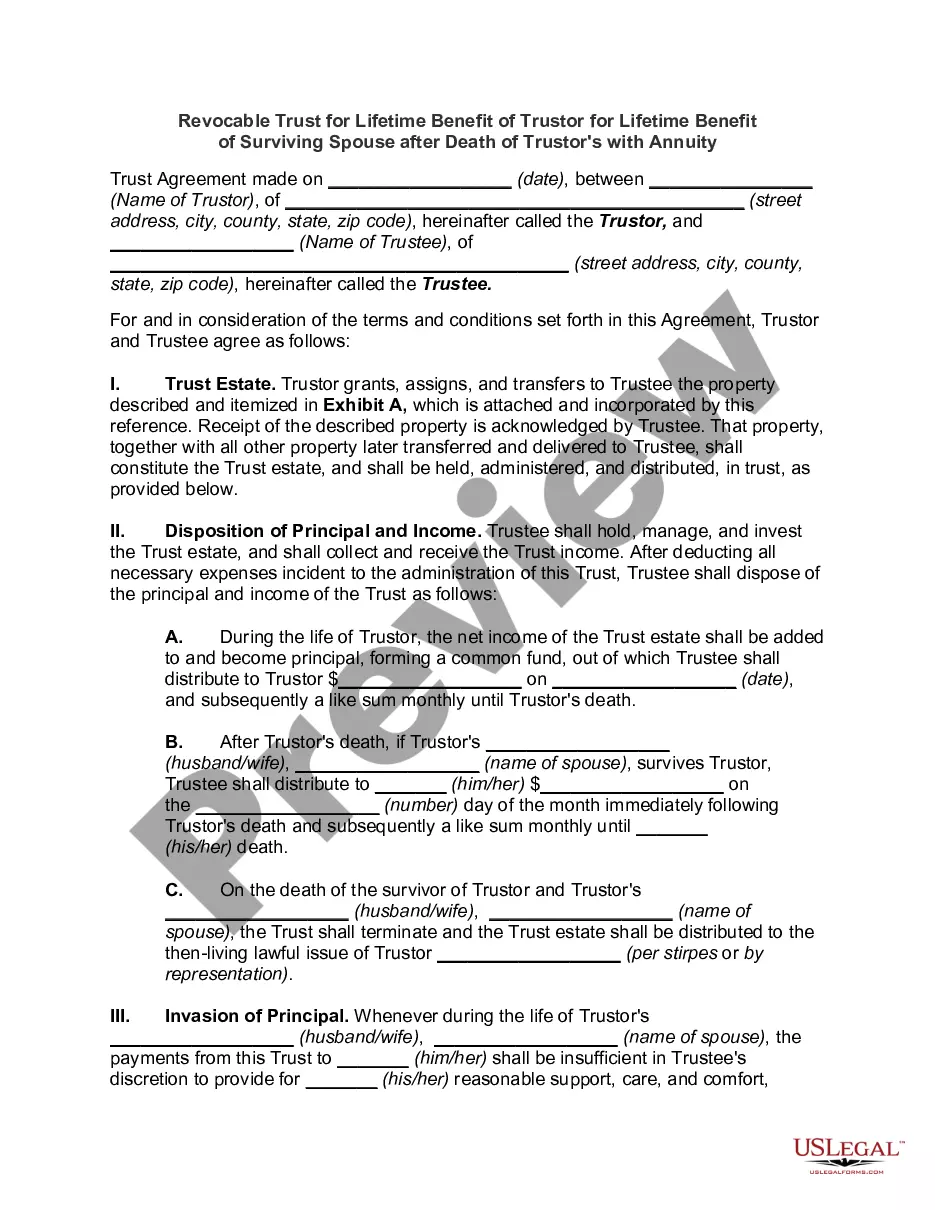
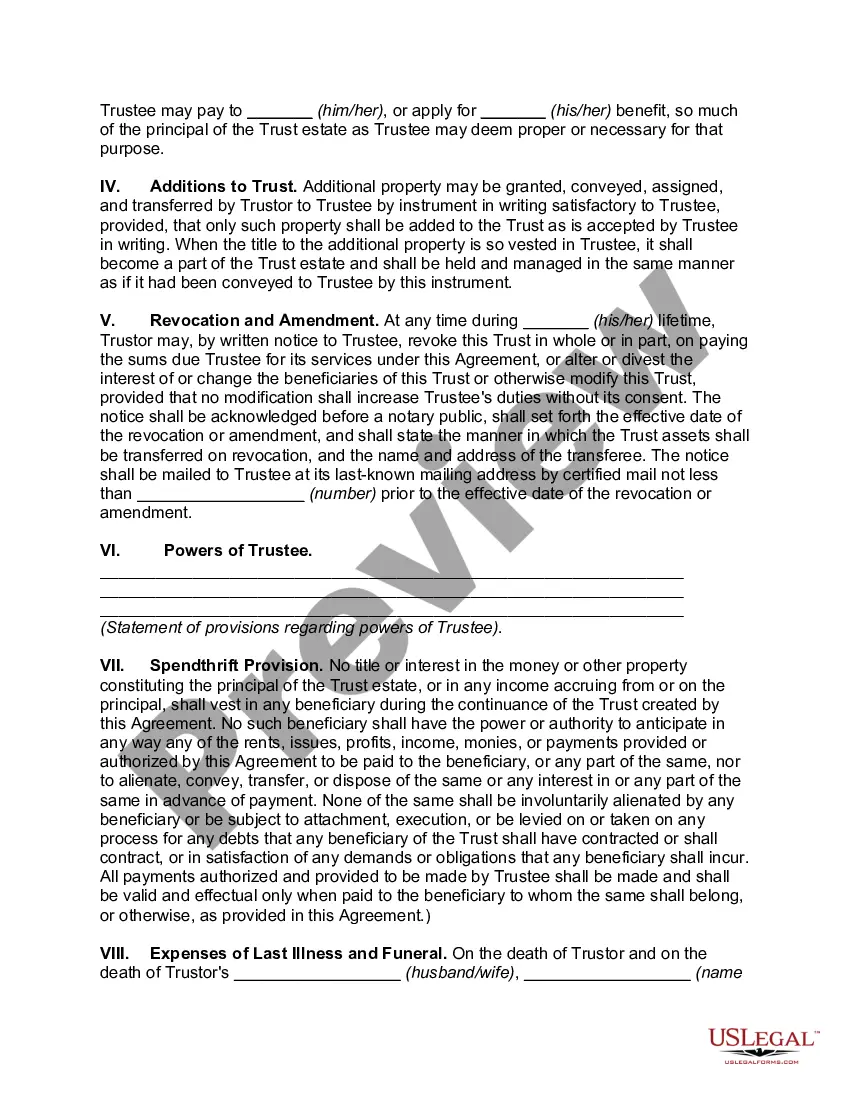
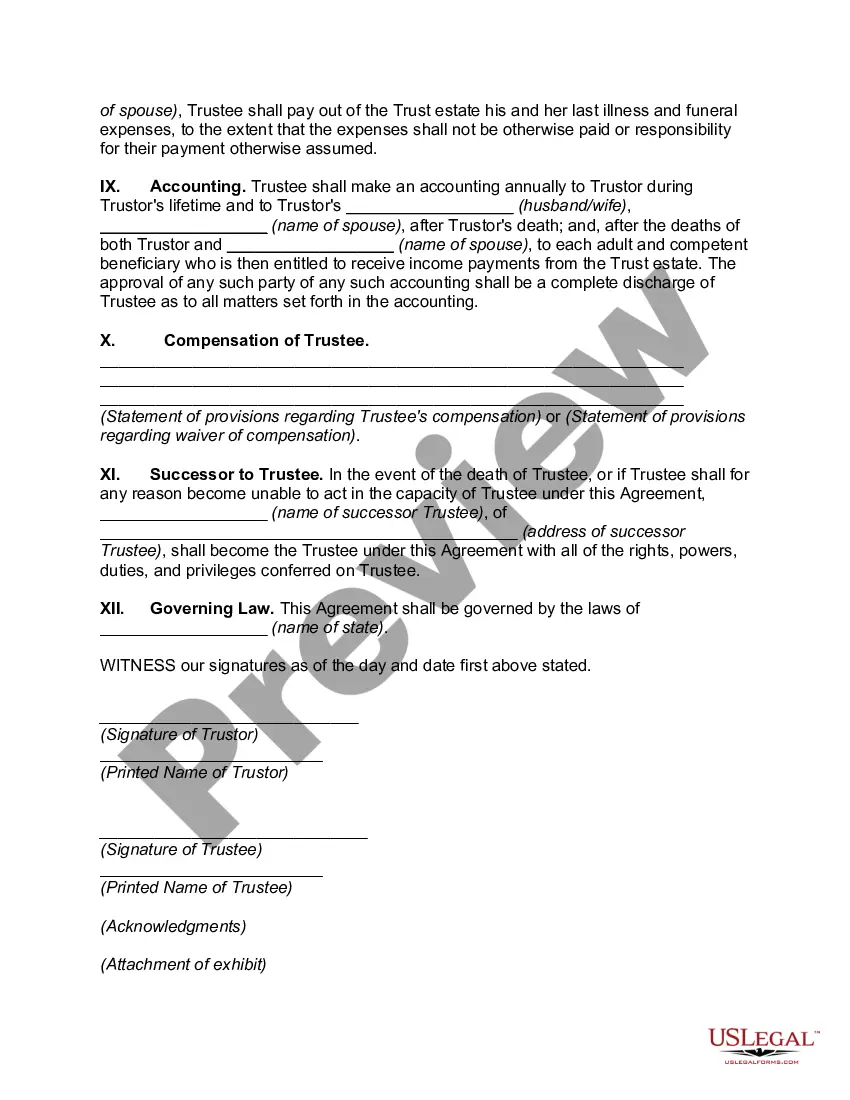
How to fill out Revocable Trust For Lifetime Benefit Of Trustor For Lifetime Benefit Of Surviving Spouse After Death Of Trustor's With Annuity?
- If you’re a returning user, log in to your account and download your desired form template by clicking the Download button, ensuring your subscription is up to date.
- For first-time users, start by previewing the form descriptions to confirm it meets your needs and complies with local jurisdiction requirements.
- If necessary, use the Search tab to locate any additional templates that may fit your needs better.
- Once you find the right document, click the Buy Now button to select your preferred subscription plan, and create an account to gain full access to the library.
- Proceed with your payment using your credit card or PayPal to finalize the purchase.
- Finally, download your form and save it to your device for completion, or access it anytime in the My Forms section of your profile.
With US Legal Forms, you benefit from a robust collection of forms, more than any competitor at a similar cost, and access to premium experts who can assist with form completion, ensuring your documents are precise and legally sound.
Begin your paperwork journey with confidence today! Explore US Legal Forms and simplify your legal document processes.
Form popularity
FAQ
The aim of the Trust for Nature is to preserve natural areas and the wildlife that depends on them for future generations. Through responsible management and conservation practices, it seeks to create resilience against climate change and loss of biodiversity. In essence, it embodies the principle of sustainability and coexistence that is vital to our planet's health.
The International Union for Conservation of Nature works globally to conserve the integrity of nature and to promote sustainable development. This includes creating strategic partnerships, conducting scientific research, and advocating for environmental policies. Their efforts are crucial elements of a Trust for Nature, ensuring that natural resources are protected and utilized responsibly.
Nature conservancy generally focuses on protecting specific habitats and ecosystems, often through acquiring land and managing it for conservation. In contrast, a trust for public land typically deals with land that is owned by the government and is committed to serving the public interest. Both approaches share common goals but operate within different frameworks, benefiting ecosystems through diverse methods.
Conservation International acts to safeguard nature for the benefit of humanity. It drives innovative solutions to environmental challenges while fostering sustainable practices globally. Similar to a Trust for Nature, it emphasizes the importance of preserving ecosystems to sustain people’s livelihoods and support biodiversity.
Yes, the International Union for Conservation of Nature is a reputable organization, recognized for its commitment to conservation and sustainable development. With a network of various members, including governments and NGOs, IUCN practices transparency and accountability. When looking for trustworthy information, especially related to a Trust for Nature, IUCN is a reliable source.
Yes, the Nature Conservancy operates as a land trust, dedicated to conserving the lands and waters on which all life depends. It works through various strategies, such as purchasing land and funding conservation projects, to create enduring benefits for nature. The Nature Conservancy embodies the spirit of a Trust for Nature, as it strives to protect natural areas for future generations.
The main mission of the International Union for Conservation of Nature (IUCN) is to promote the conservation of nature and the sustainable use of natural resources. By doing so, IUCN aims to protect the world’s biodiversity and ensure that the benefits of nature are shared fairly. Their work closely aligns with the principles of a Trust for Nature, focusing on long-term solutions that benefit both ecosystems and communities.
The National Trust for Nature Conservation focuses on preserving ecosystems and threatened species through various initiatives. Its objectives include promoting sustainable land use, raising public awareness, and implementing effective conservation strategies. By joining a trust for nature, you can play an active role in supporting these vital objectives and protecting our natural heritage.
Nature conservation aims to protect and manage natural environments, ensuring they remain healthy and sustainable. This effort supports biodiversity, mitigates climate change, and enhances overall ecosystem health. By engaging in a trust for nature, you help facilitate these goals, contributing to a greener and more resilient planet.
A trust is a legal arrangement that allows one party to hold property or assets for the benefit of another. The purpose of a trust is to ensure that assets are managed according to specific wishes, providing security and peace of mind. In terms of a trust for nature, it serves to safeguard natural sites and promote conservation efforts for future generations.