Trust For Her
Description
Get your form ready online
Our built-in tools help you complete, sign, share, and store your documents in one place.
Make edits, fill in missing information, and update formatting in US Legal Forms—just like you would in MS Word.
Download a copy, print it, send it by email, or mail it via USPS—whatever works best for your next step.
Sign and collect signatures with our SignNow integration. Send to multiple recipients, set reminders, and more. Go Premium to unlock E-Sign.
If this form requires notarization, complete it online through a secure video call—no need to meet a notary in person or wait for an appointment.
We protect your documents and personal data by following strict security and privacy standards.

Make edits, fill in missing information, and update formatting in US Legal Forms—just like you would in MS Word.

Download a copy, print it, send it by email, or mail it via USPS—whatever works best for your next step.

Sign and collect signatures with our SignNow integration. Send to multiple recipients, set reminders, and more. Go Premium to unlock E-Sign.

If this form requires notarization, complete it online through a secure video call—no need to meet a notary in person or wait for an appointment.

We protect your documents and personal data by following strict security and privacy standards.
Looking for another form?

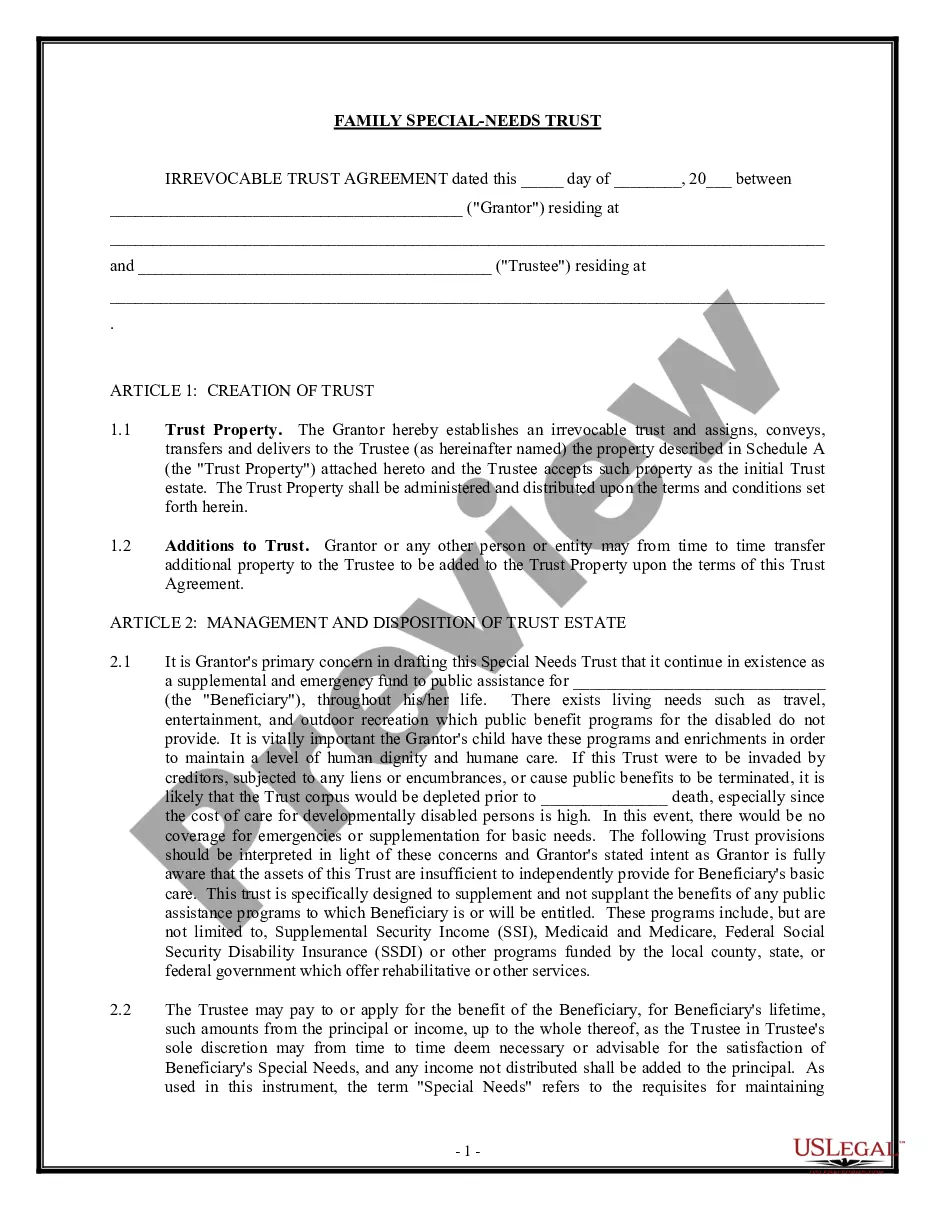

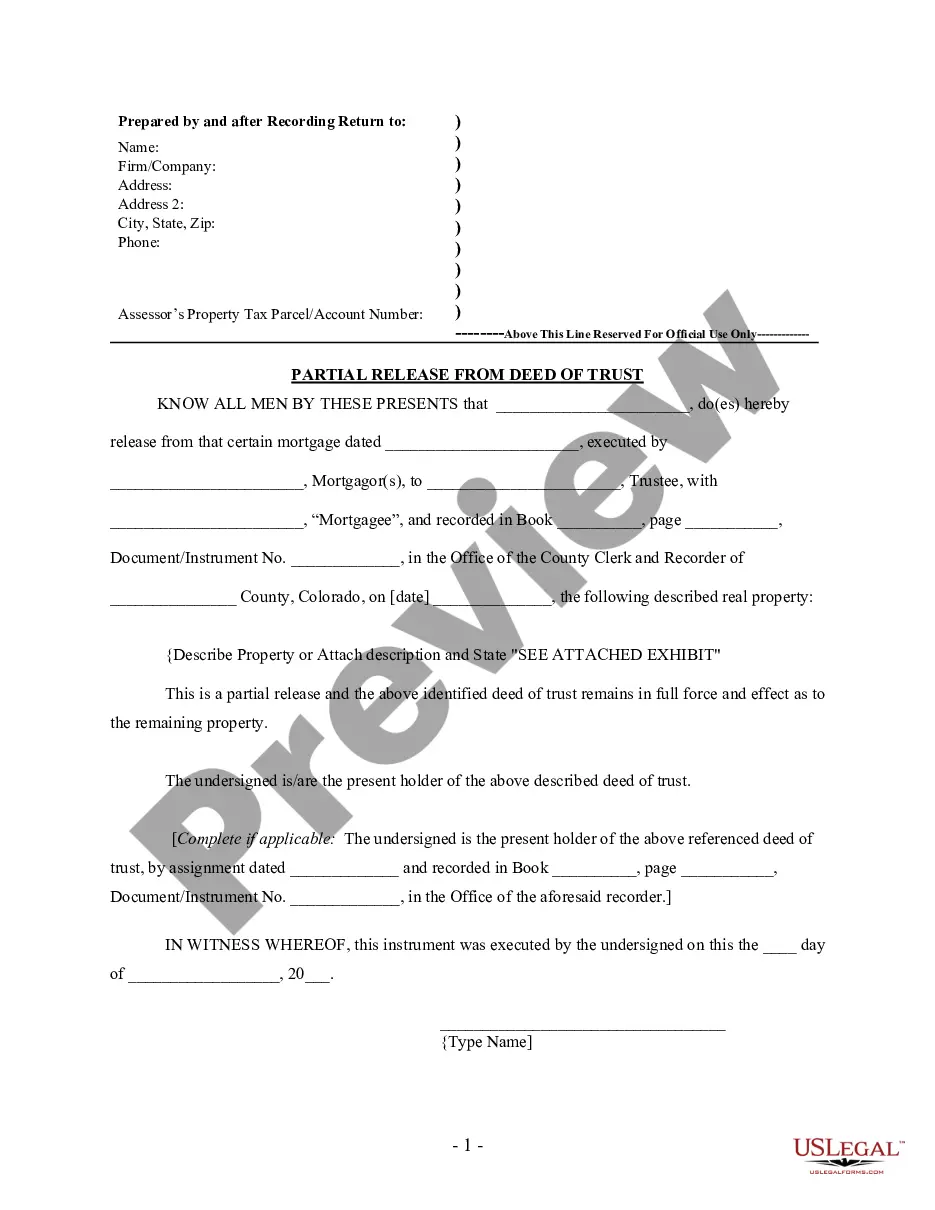

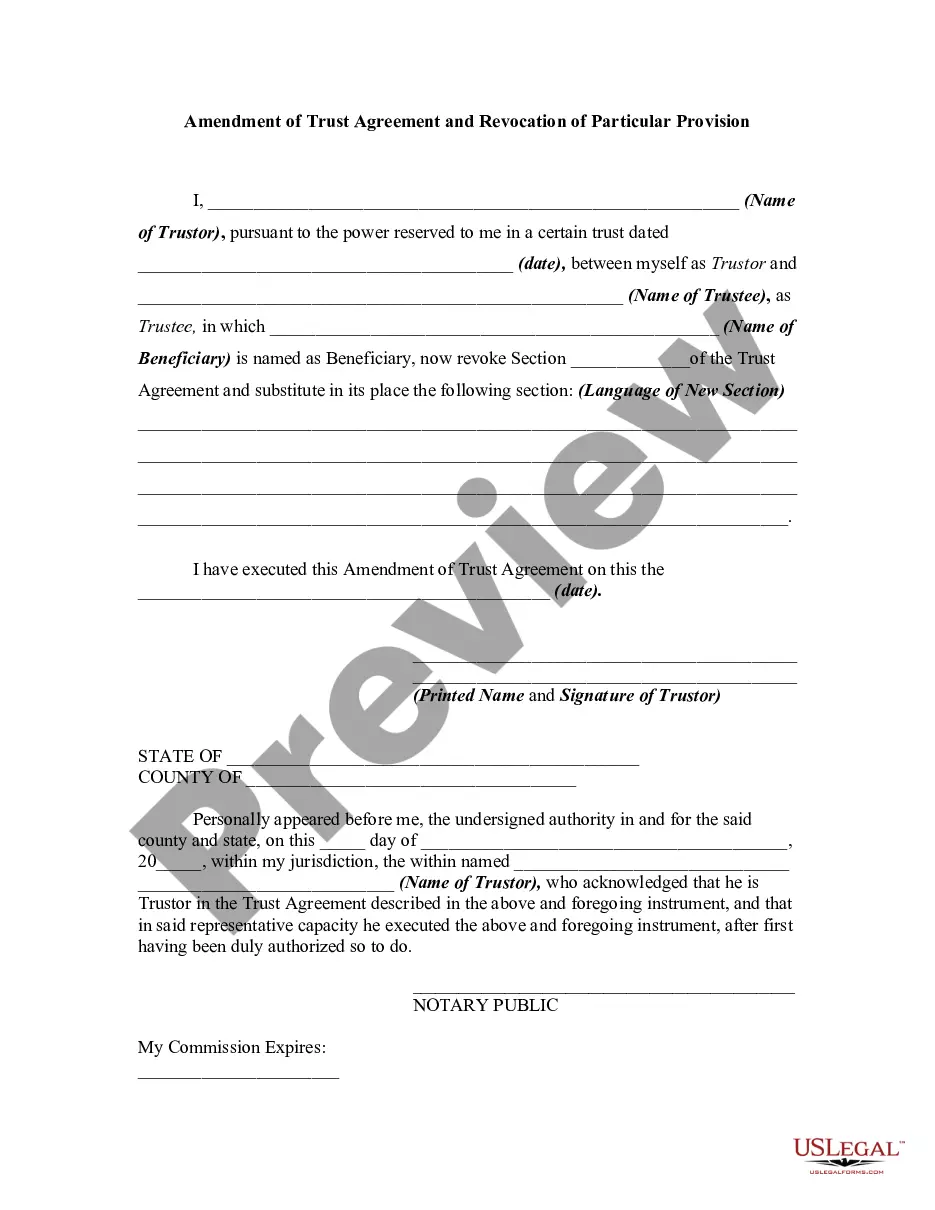
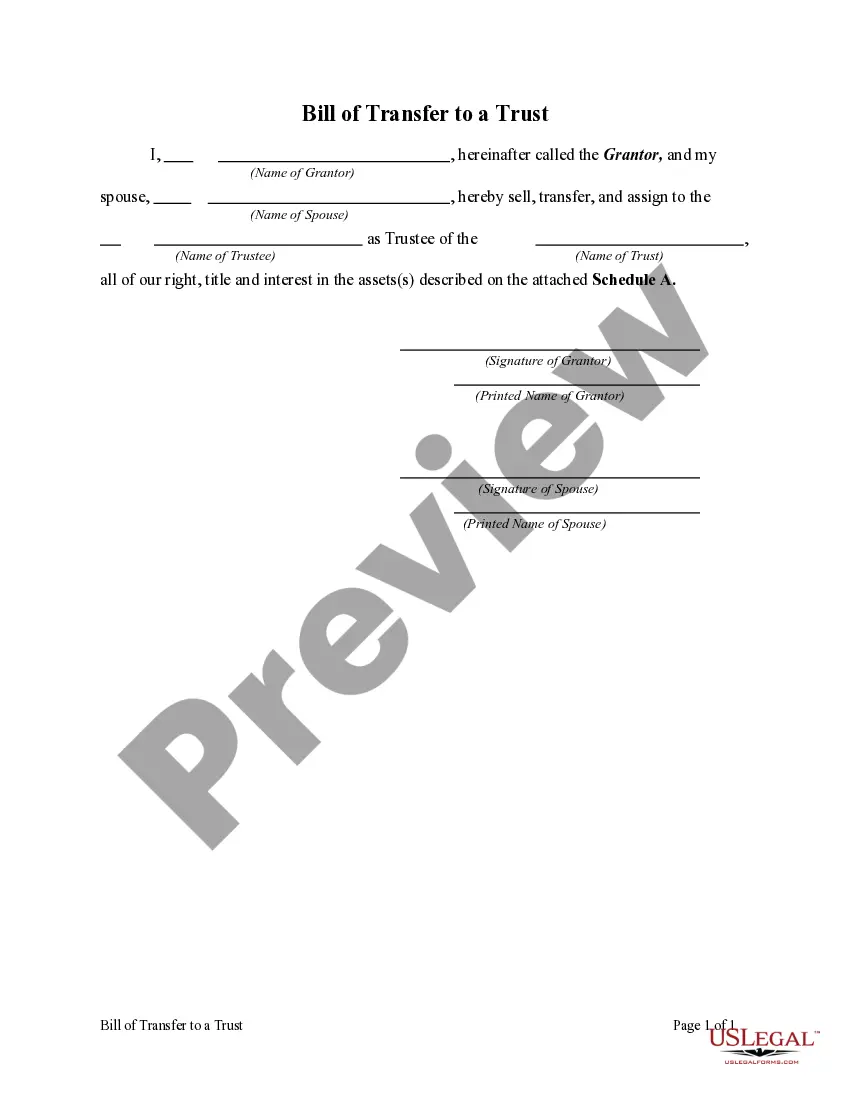
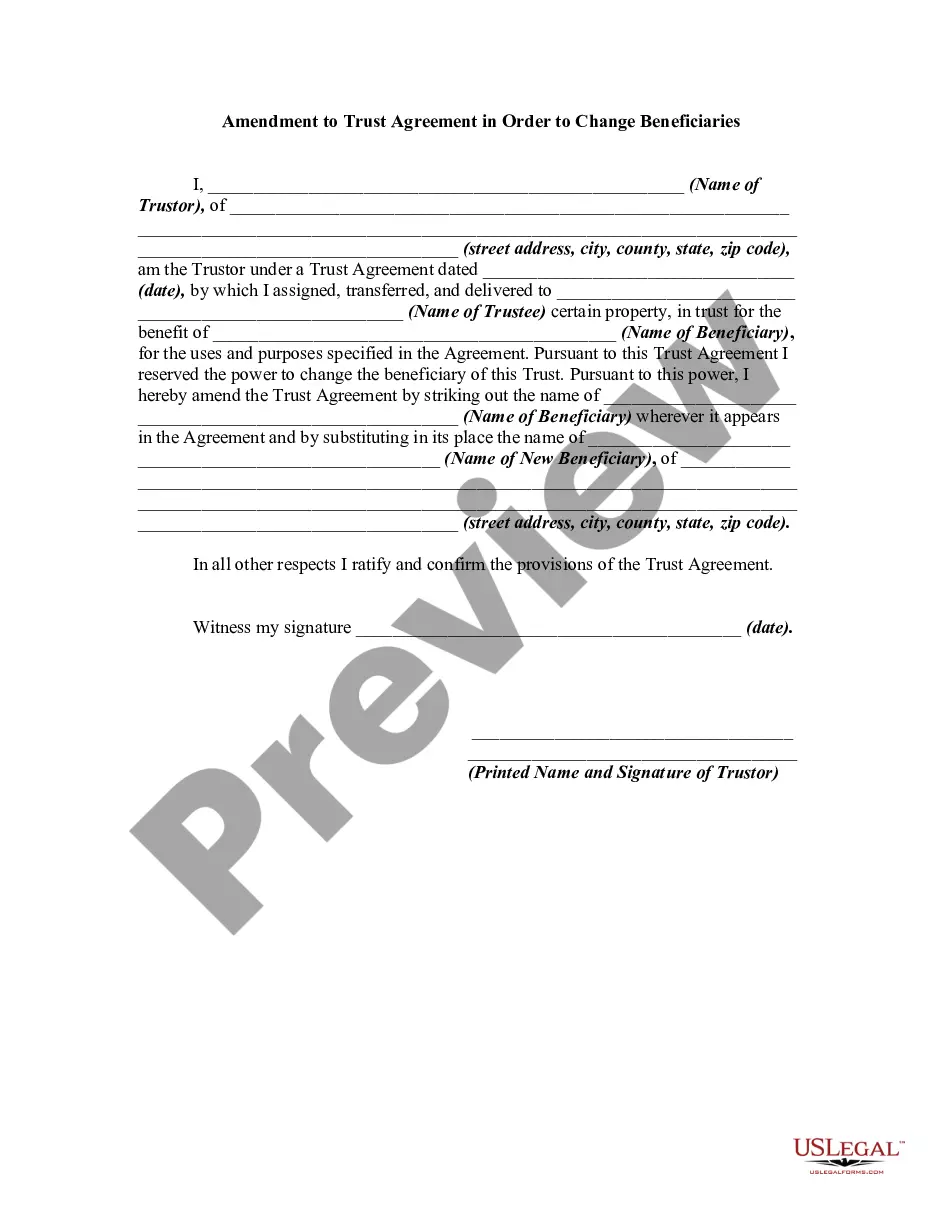
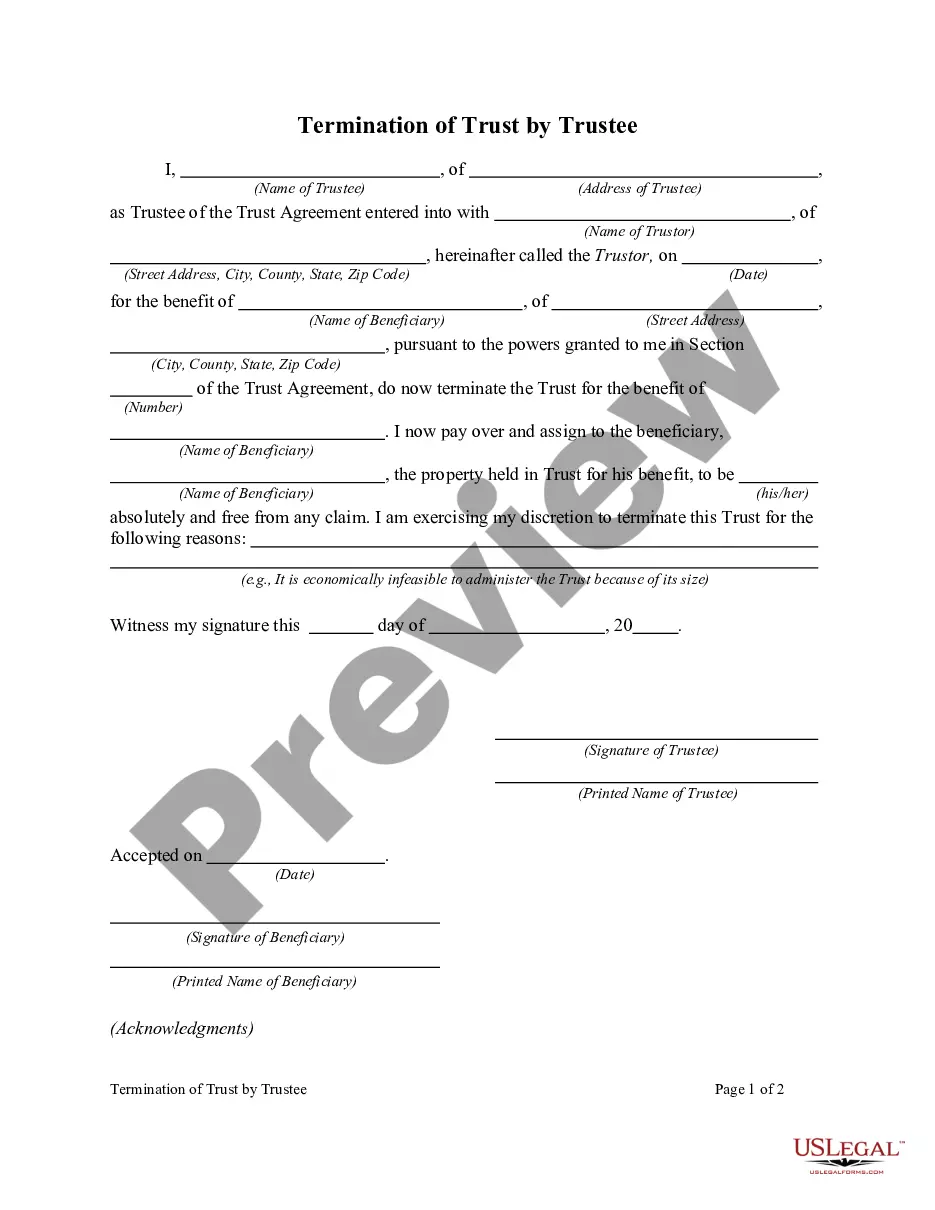
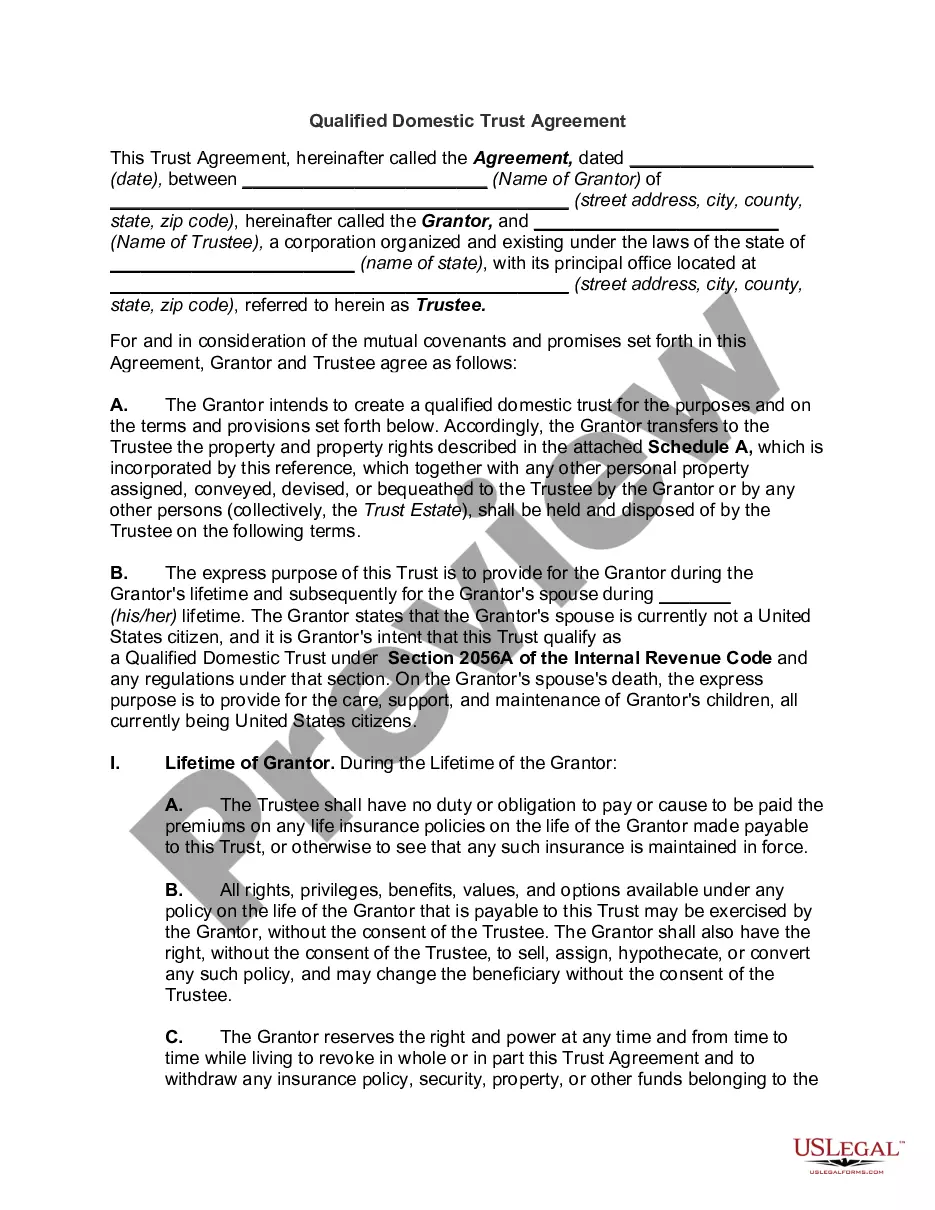
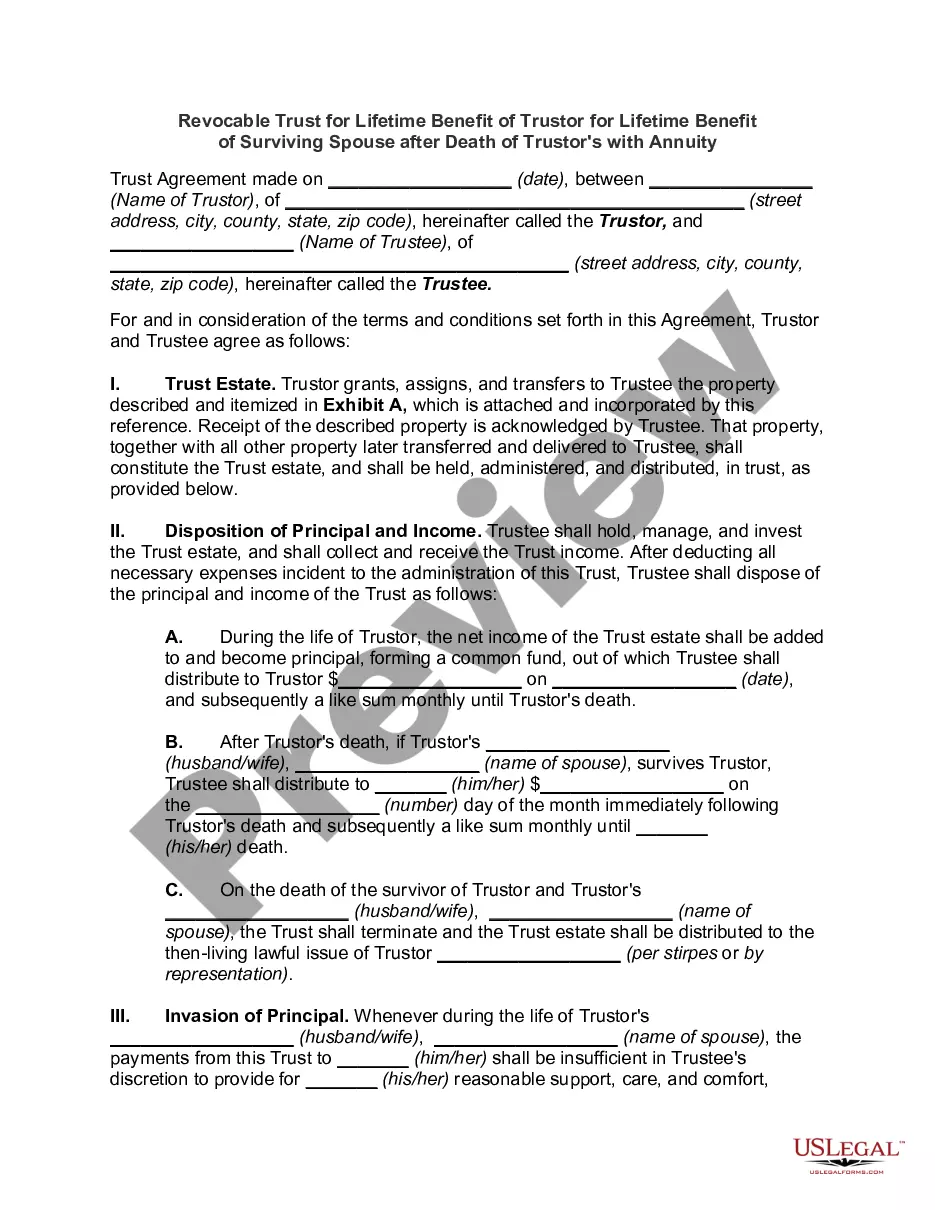
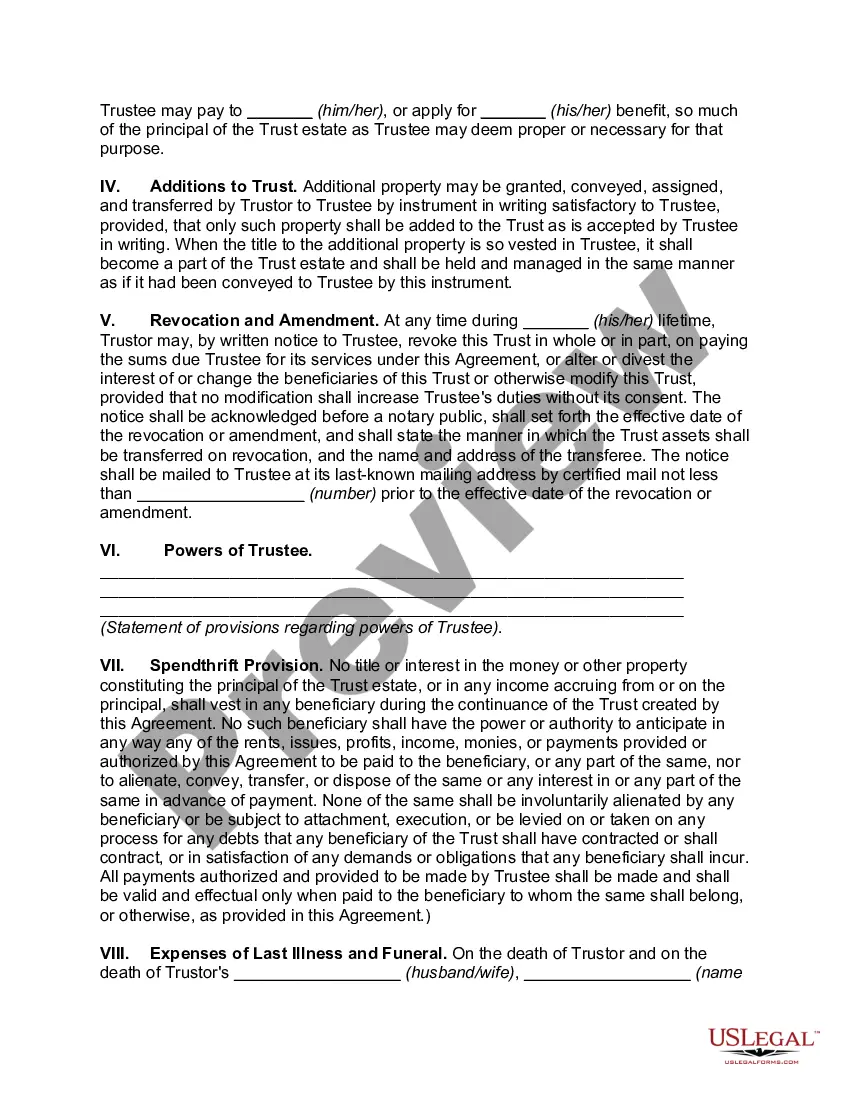
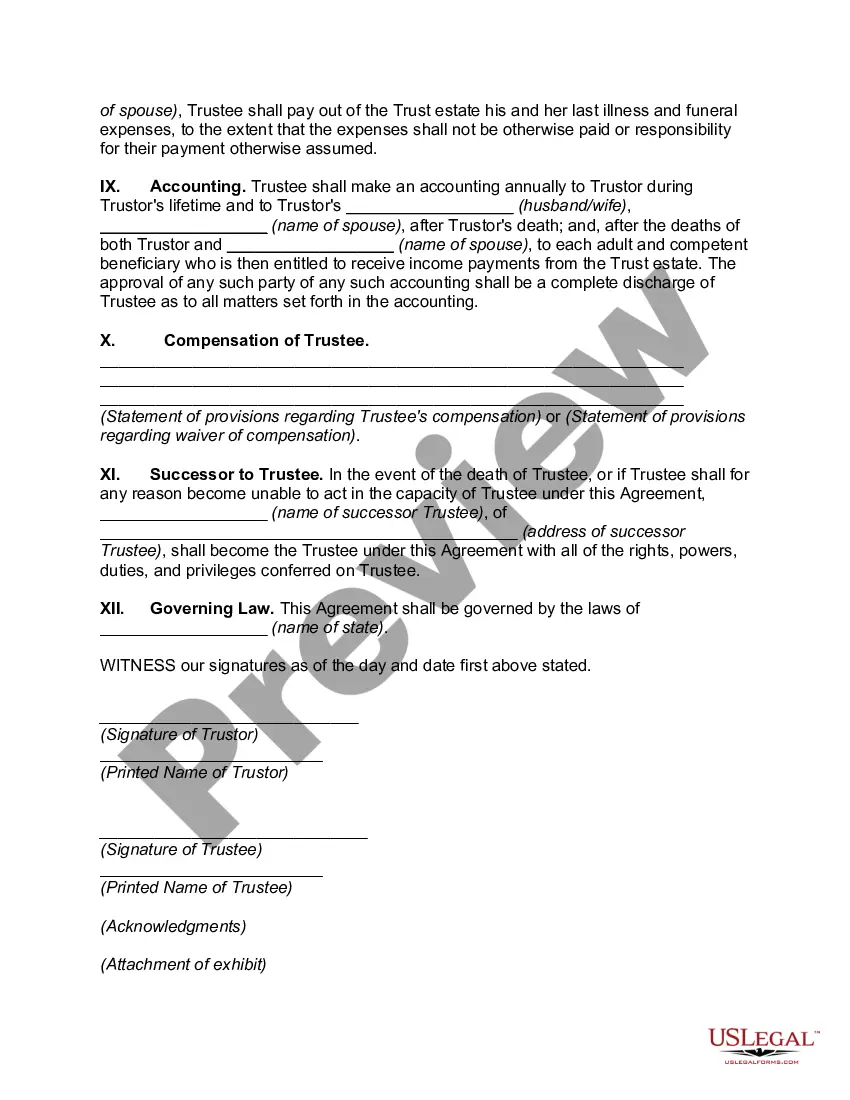
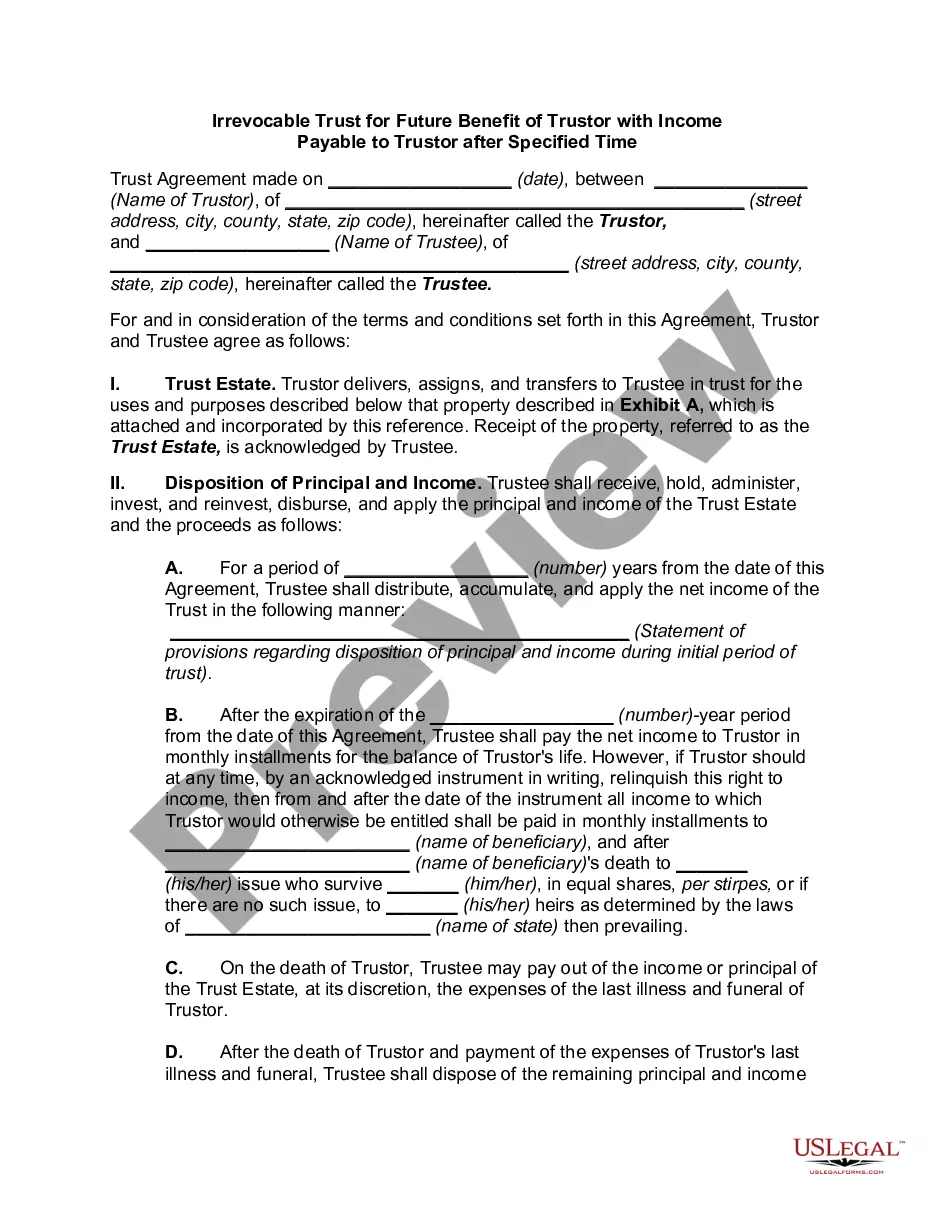
How to fill out Revocable Trust For Lifetime Benefit Of Trustor For Lifetime Benefit Of Surviving Spouse After Death Of Trustor's With Annuity?
- Log in to your account on the US Legal Forms website if you are an existing user. Ensure your subscription is current; renew if necessary.
- Browse the Preview mode and form descriptions carefully. Confirm that the selected template meets your specific needs and aligns with your local jurisdiction’s requirements.
- If you need an alternative template, utilize the Search tab to find the correct form. Once you find a suitable option, proceed to the next step.
- Select the document you wish to purchase by clicking the Buy Now button, and choose your desired subscription plan. You will need to register for an account to gain access to the resources.
- Complete your purchase by entering your credit card details or opting for payment through your PayPal account.
- Download the template and save it on your device. You can also access it anytime through the My Forms section of your user profile.
In conclusion, US Legal Forms empowers users to efficiently create and manage legal documents with unparalleled access to a diverse library of forms. With expert assistance at hand, you can ensure that every document is accurate and legally sound.
Don't miss out on the opportunity to simplify your legal processes. Visit US Legal Forms today!
Form popularity
FAQ
One downside of having a trust for her is the potential loss of control, especially if it's irrevocable. This means that you cannot easily change the terms or dissolve the trust once established. Additionally, the funding process can be complex, requiring careful management of your assets. It's crucial to assess whether a trust aligns with your long-term financial goals before making this commitment.
Generally, a trust for her does not need to be filed with the IRS unless it earns income or has a specific tax structure, like a revocable trust. In such cases, the income generated would typically be reported on the individual tax return of the grantor. However, irrevocable trusts may need to file their own tax returns. It's essential to consult a professional to ensure compliance and understand your obligations.
Establishing a trust for her can involve significant upfront costs, including legal fees and administrative expenses. Additionally, maintaining a trust may require ongoing management, which can be time-consuming. It's also important to consider that trusts may not offer complete protection from creditors, depending on the trust's structure. Therefore, while a trust has many benefits, you should weigh these potential drawbacks against your unique needs.
The root cause of trust issues often stems from past experiences, such as betrayal or abandonment. Emotional scars can linger and affect future relationships, leading to doubt. Relationship patterns also play a significant role in shaping trust. Understanding these causes can pave the way for healing, and resources from USLegalForms can support both partners in developing a trusting environment for her.
Fixing your girlfriend's trust issues involves consistent actions and clear communication. Begin by validating her feelings and showing patience as she works through her concerns. Rebuilding trust requires transparency; make an effort to be open about your intentions and feelings. Consider utilizing templates and guides from USLegalForms that promote healthy relationship practices, as they can enhance trust for her.
If your girlfriend has trust issues, approach the situation with empathy and understanding. Encourage her to express her feelings and let her know you genuinely care. Support her in seeking professional help if needed, while providing reassurance of your commitment. You might also explore resources from USLegalForms that can assist in clarifying trust expectations, fostering trust for her.
Learning to trust her involves a gradual process of building confidence in your relationship. Begin by keeping an open dialogue, sharing your thoughts and feelings openly. Take time to observe her consistency in actions and words, as this reinforces trust. Utilize tools available at USLegalForms to help navigate relationship dynamics, enhancing trust for her.
Healing relationship trust issues requires patience and commitment from both partners. Prioritize open communication to share your emotions and fears. Establishing a safe space leads to greater understanding and connection. Consider using legal resources for relationship agreements, which can provide clarity and reinforce trust for her.
To overcome trust issues, start by identifying the root of your concerns. Reflect on past experiences that may influence your feelings today. Open communication with your partner is essential; express your feelings honestly and encourage her to share hers as well. Using tools and resources available on platforms like USLegalForms can guide you in establishing healthy boundaries and building trust for her.
Certain assets are generally better kept out of a trust for her, such as retirement accounts, health savings accounts, and life insurance policies that have designated beneficiaries. These assets typically already have built-in transfer mechanisms and may complicate the trust's tax situation. Understanding which assets to exclude can help streamline the trust's objectives and performance.