Trust For Children
Description
Get your form ready online
Our built-in tools help you complete, sign, share, and store your documents in one place.
Make edits, fill in missing information, and update formatting in US Legal Forms—just like you would in MS Word.
Download a copy, print it, send it by email, or mail it via USPS—whatever works best for your next step.
Sign and collect signatures with our SignNow integration. Send to multiple recipients, set reminders, and more. Go Premium to unlock E-Sign.
If this form requires notarization, complete it online through a secure video call—no need to meet a notary in person or wait for an appointment.
We protect your documents and personal data by following strict security and privacy standards.

Make edits, fill in missing information, and update formatting in US Legal Forms—just like you would in MS Word.

Download a copy, print it, send it by email, or mail it via USPS—whatever works best for your next step.

Sign and collect signatures with our SignNow integration. Send to multiple recipients, set reminders, and more. Go Premium to unlock E-Sign.

If this form requires notarization, complete it online through a secure video call—no need to meet a notary in person or wait for an appointment.

We protect your documents and personal data by following strict security and privacy standards.
Looking for another form?
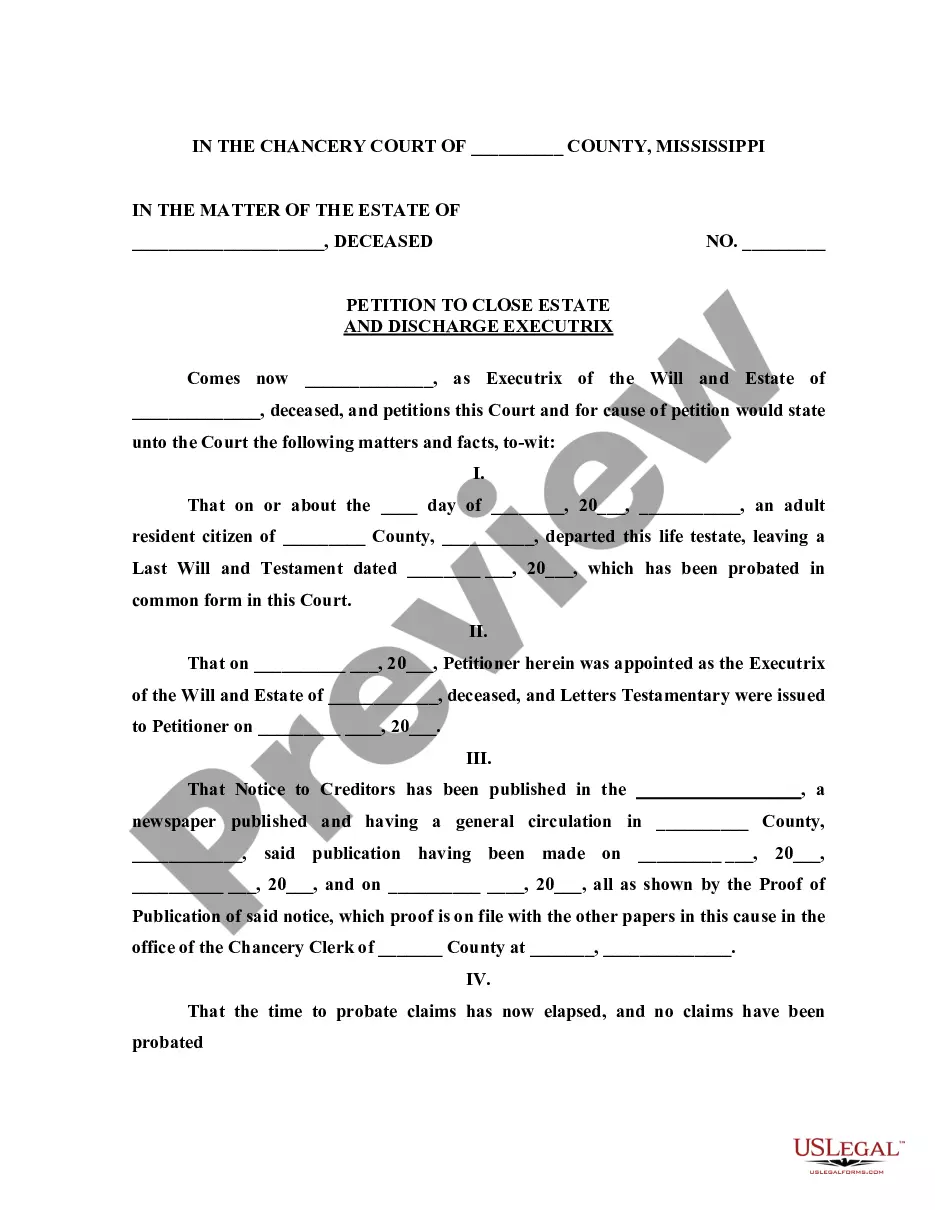








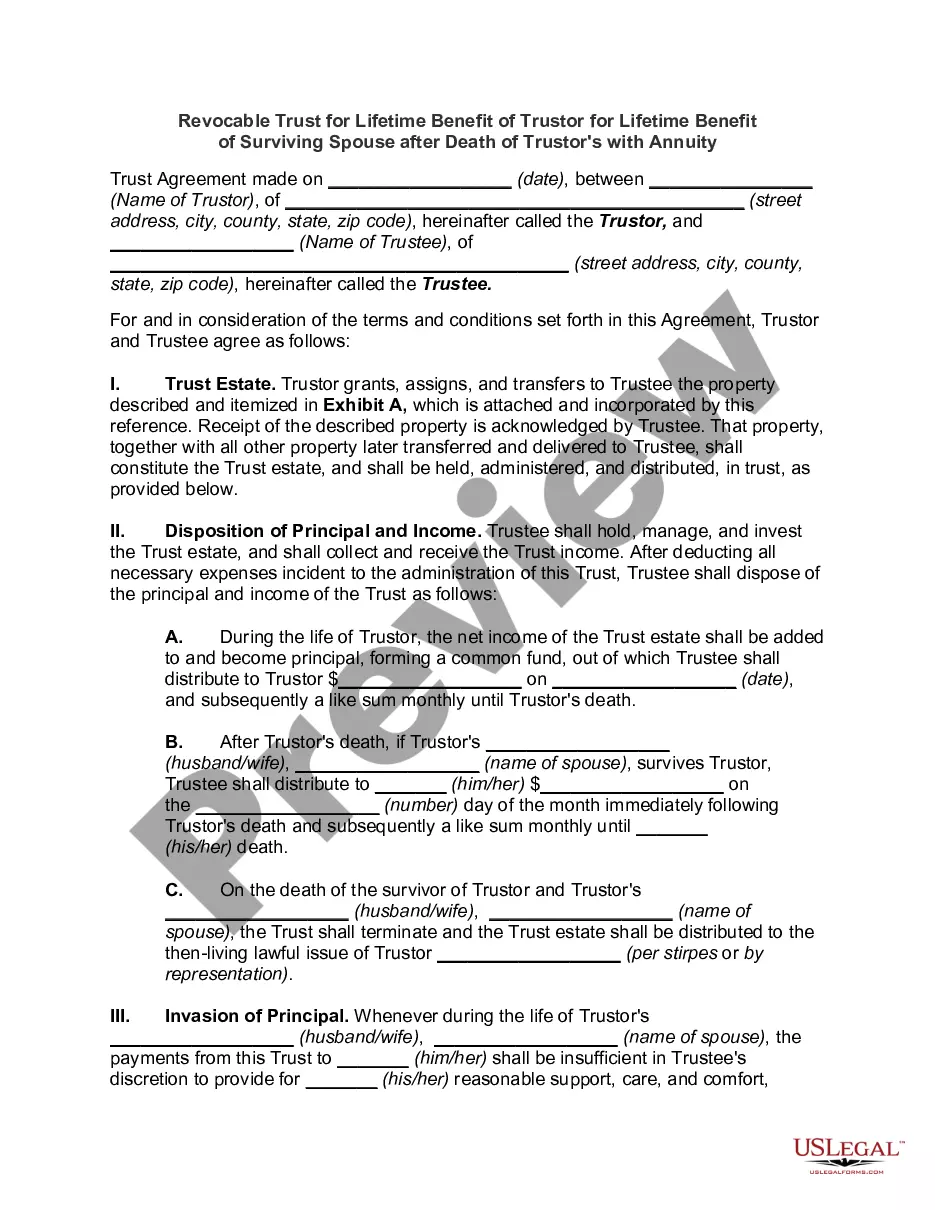
How to fill out Revocable Trust For Lifetime Benefit Of Trustor For Lifetime Benefit Of Surviving Spouse After Death Of Trustor's With Annuity?
- If you're a returning user, simply log in to your account and ensure your subscription is active. Download the required form template by clicking the Download button.
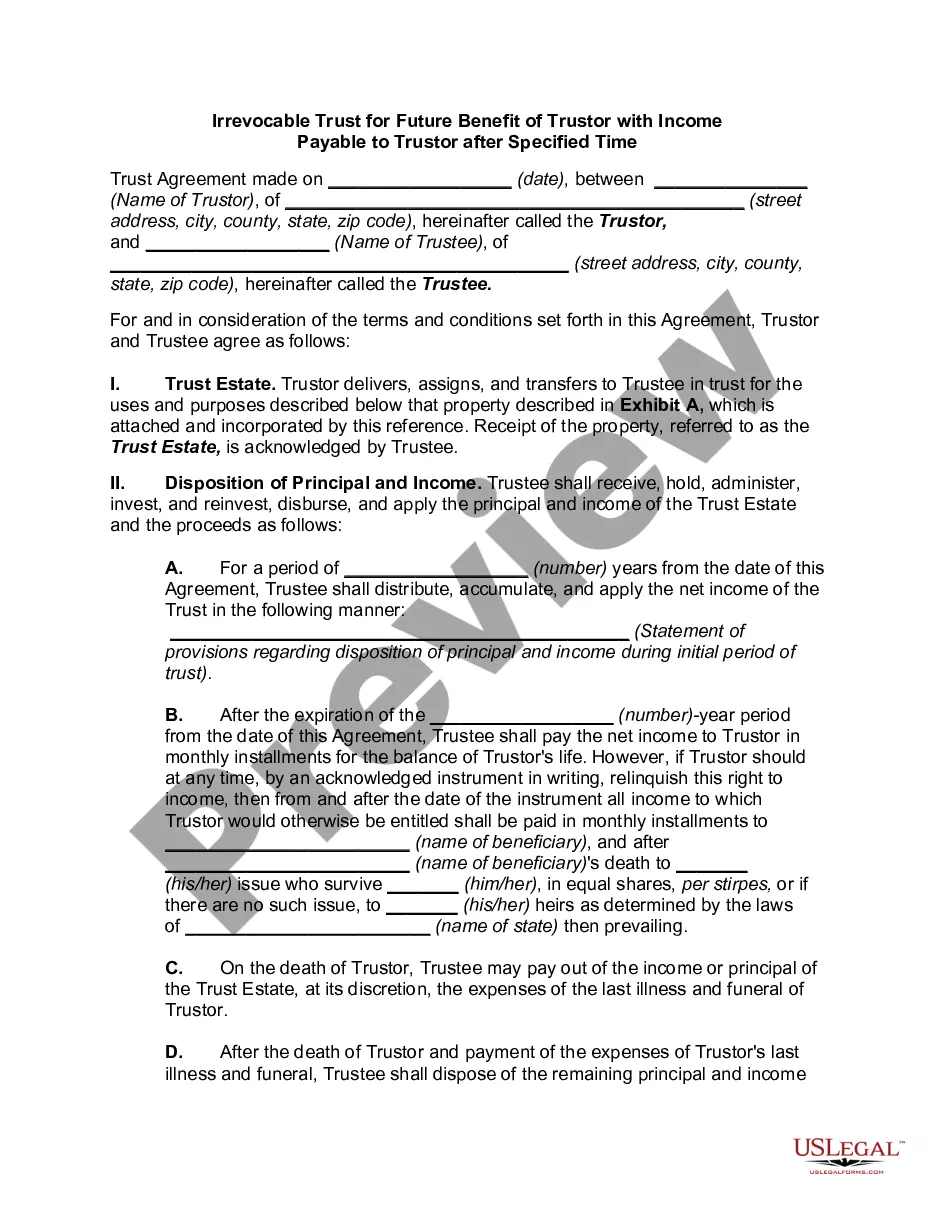
- For first-time users, start by checking the Preview mode and form description to confirm you have selected the correct document that aligns with your needs and local jurisdiction.
- If necessary, utilize the Search tab to identify an alternative template that better fits your requirements before proceeding.
- To purchase the document, click the Buy Now button and select your desired subscription plan. Remember, you'll need to create an account to gain access to the full library of resources.
- Finalize your purchase by inputting your payment details, either via credit card or PayPal.
- Download your completed form for future use, and find it anytime in the My Forms section of your profile.
By following these steps, users can effortlessly obtain legal forms tailored to their needs. US Legal Forms empowers individuals to create precise and legally sound documents with unparalleled support and resources.
Unlock the convenience of legal documentation today. Start your experience with US Legal Forms and ensure that you have all the necessary tools for trust for children matters at your fingertips.
Form popularity
FAQ
Leaving your house to your children can be done efficiently through a trust for children, which helps to avoid probate and provides clear instructions for asset distribution. Consider using a revocable living trust, allowing you to retain control during your lifetime and ensuring a smooth transfer upon your passing. This approach not only simplifies the process but also protects your children's inheritance from potential legal issues. Be sure to include your property in the trust to ensure your wishes are honored.
The type of trust you should set up for your child largely depends on your financial goals and their age. A common choice is a minor's trust, which allows you to maintain control until your child is ready to manage their assets. Alternatively, consider a spendthrift trust, which protects the funds from creditors and ensures your child receives financial support at designated times. Research your options thoroughly and use platforms like US Legal Forms to find the best solutions for your family.
To set up a trust for children effectively, start by identifying the specific goals you wish to achieve. You should choose a reputable platform, like US Legal Forms, to guide you through the process. Make sure to understand the different types of trusts available, such as revocable or irrevocable trusts, and select one that aligns with your family's needs. Lastly, consult with an attorney to ensure all legal requirements are met and the trust serves its intended purpose.
One major mistake parents often make is overlooking the specific needs of their children when establishing a trust for children. Without careful planning, the trust can end up being overly complicated or not aligned with the children's future requirements. It's essential to consider aspects like age, maturity, and financial education when tailoring the trust. Additionally, parents sometimes forget to regularly review and adjust the trust as their children's circumstances and needs change.
Setting up a trust for children involves several steps, starting with defining your goals and selecting a trustee who will manage the trust. You can then draft the trust agreement, clearly outlining the terms and conditions for managing and distributing your assets. Platforms like uslegalforms can provide you with the necessary legal documents and guidance to ensure that the trust is set up correctly.
Using a trust for children can be one of the most tax-efficient methods to transfer a home to a child. You can structure the trust to take advantage of specific tax exemptions and avoid unnecessary gift taxes. Additionally, this approach ensures that your wishes are honored regarding how the property is managed and distributed over time.
The best way to ensure your property is passed on to your children is to set up a trust for children. This allows you to specify how and when they inherit the property, providing both protection and peace of mind. A properly established trust can also reduce the chances of disputes among heirs and minimize taxes. Consider utilizing a platform like uslegalforms to help streamline the process.
To transfer your house to your child without incurring taxes, you can explore using a trust for children. By placing your property in a trust, you can potentially avoid gift taxes and retain some control over the property during your lifetime. Additionally, consult a tax professional for the latest regulations and strategies that may apply to your situation.
When deciding between gifting a house or placing it in a trust for children, consider the long-term implications. A trust provides greater protection and control over how and when your children receive the property. It can also help you avoid probate and ensure that the house is managed according to your wishes. Therefore, a trust often offers more benefits than a simple gift.
One downside of placing assets in a trust for children is that it can limit access to funds until certain conditions are met. This requirement may frustrate beneficiaries who wish to utilize the resources immediately. Additionally, the complexity and associated costs of setting up a trust should be factored into your decision-making process. Evaluating these aspects can aid in determining if a trust aligns with your family’s financial strategy.