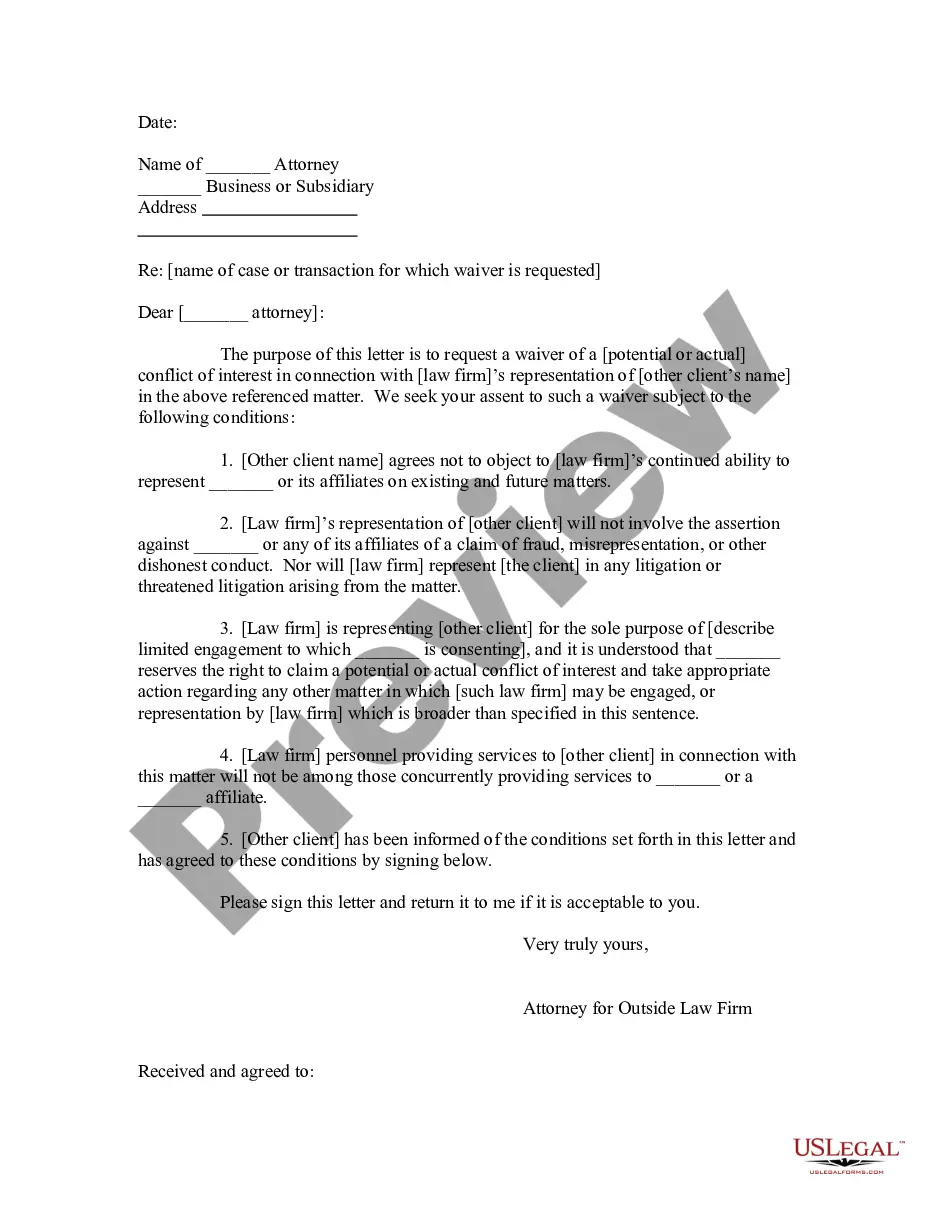
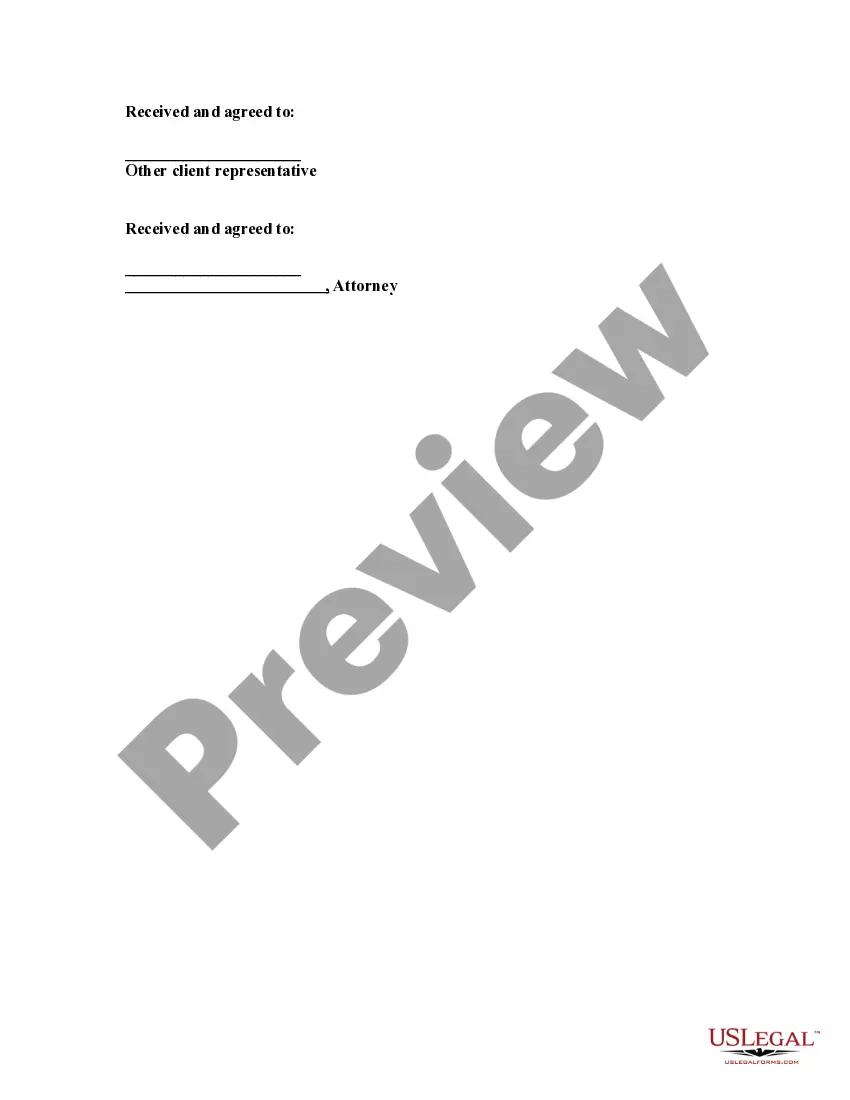
Attorney Conflict Waiver Form For Attorney
Description
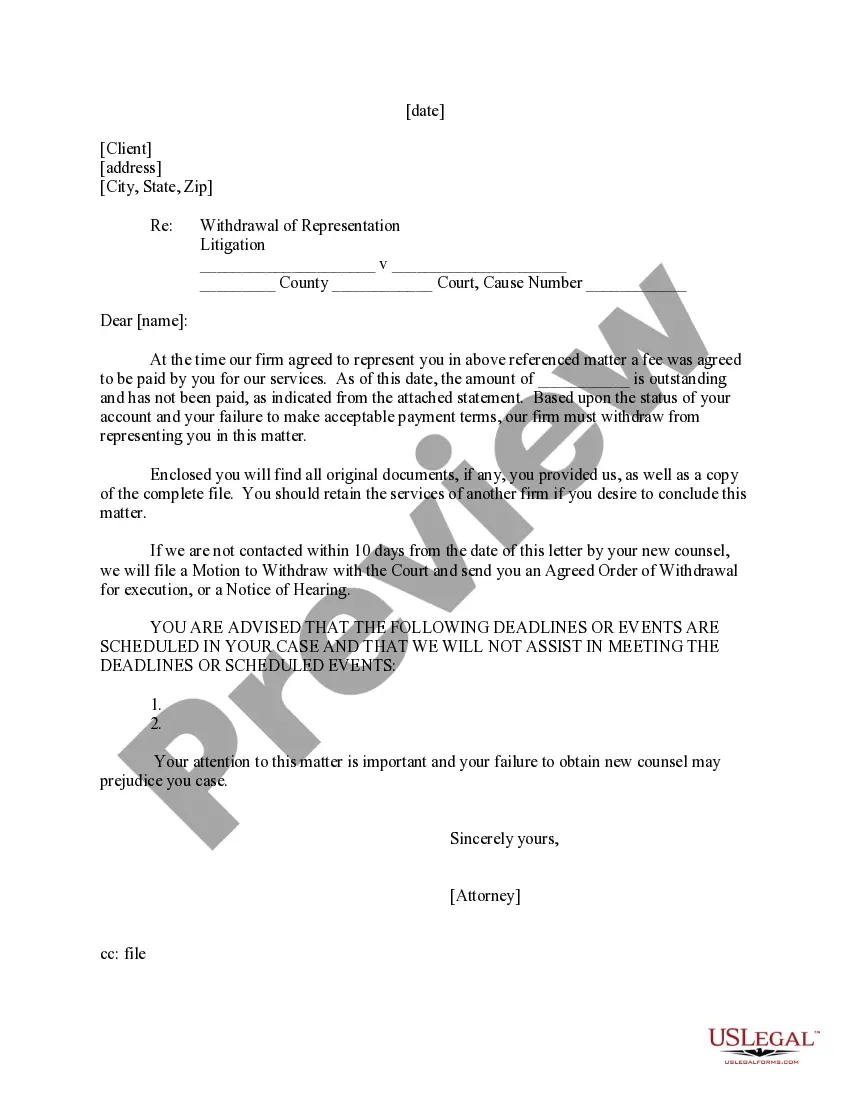
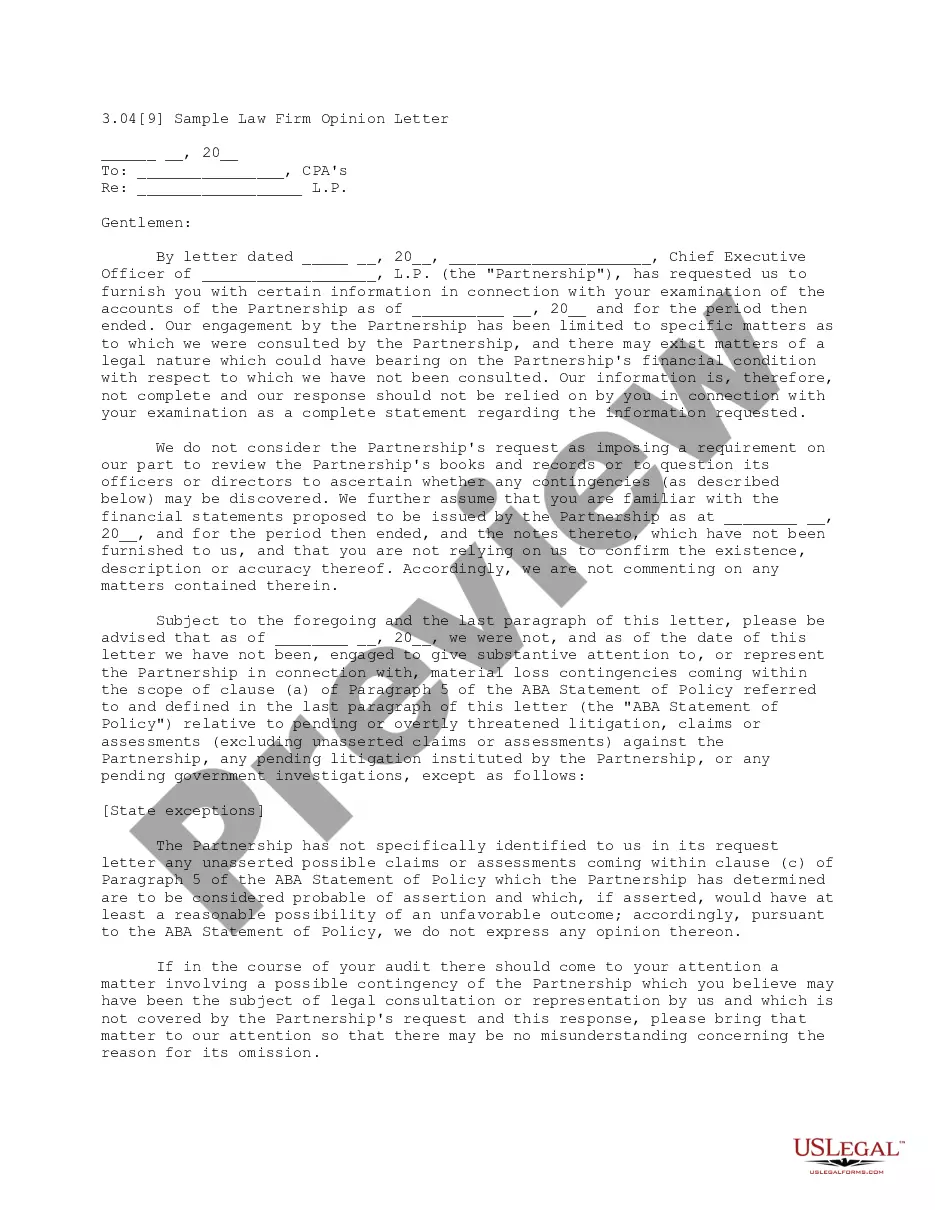
Get your form ready online
Our built-in tools help you complete, sign, share, and store your documents in one place.
Make edits, fill in missing information, and update formatting in US Legal Forms—just like you would in MS Word.
Download a copy, print it, send it by email, or mail it via USPS—whatever works best for your next step.
Sign and collect signatures with our SignNow integration. Send to multiple recipients, set reminders, and more. Go Premium to unlock E-Sign.
If this form requires notarization, complete it online through a secure video call—no need to meet a notary in person or wait for an appointment.
We protect your documents and personal data by following strict security and privacy standards.

Make edits, fill in missing information, and update formatting in US Legal Forms—just like you would in MS Word.

Download a copy, print it, send it by email, or mail it via USPS—whatever works best for your next step.

Sign and collect signatures with our SignNow integration. Send to multiple recipients, set reminders, and more. Go Premium to unlock E-Sign.

If this form requires notarization, complete it online through a secure video call—no need to meet a notary in person or wait for an appointment.

We protect your documents and personal data by following strict security and privacy standards.
Looking for another form?
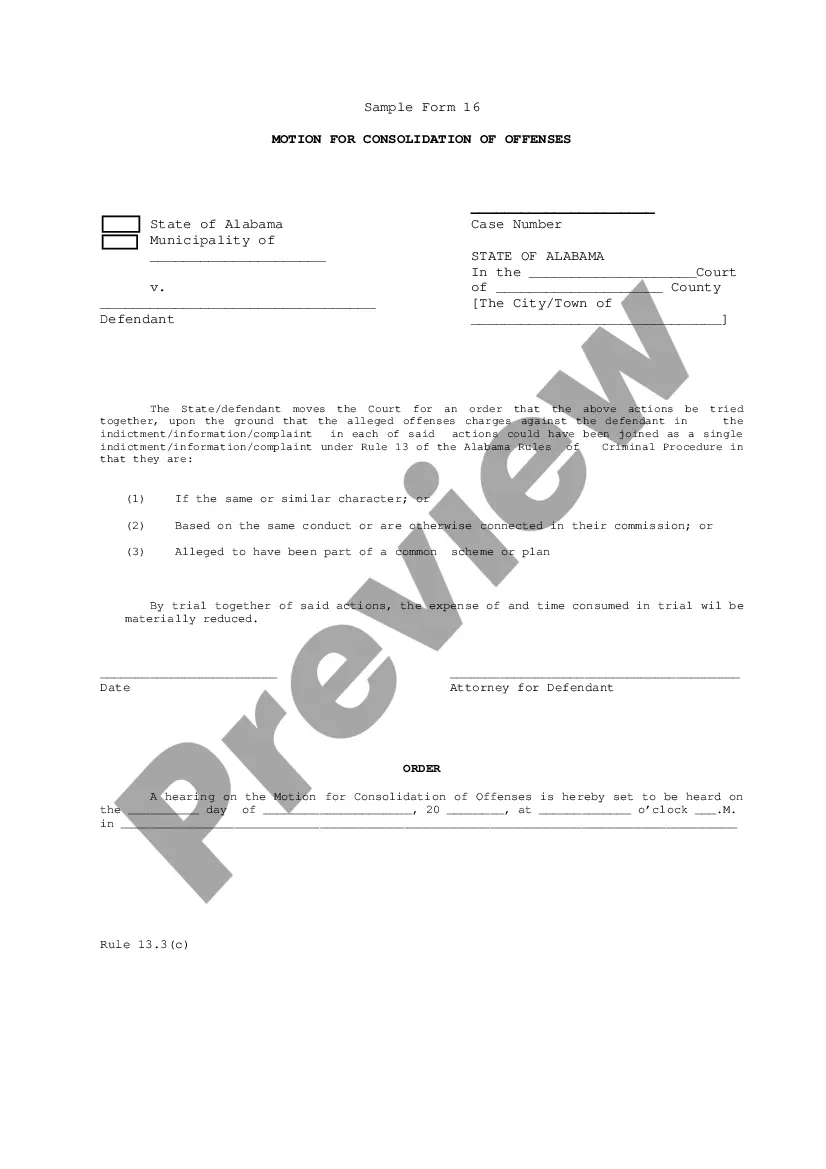
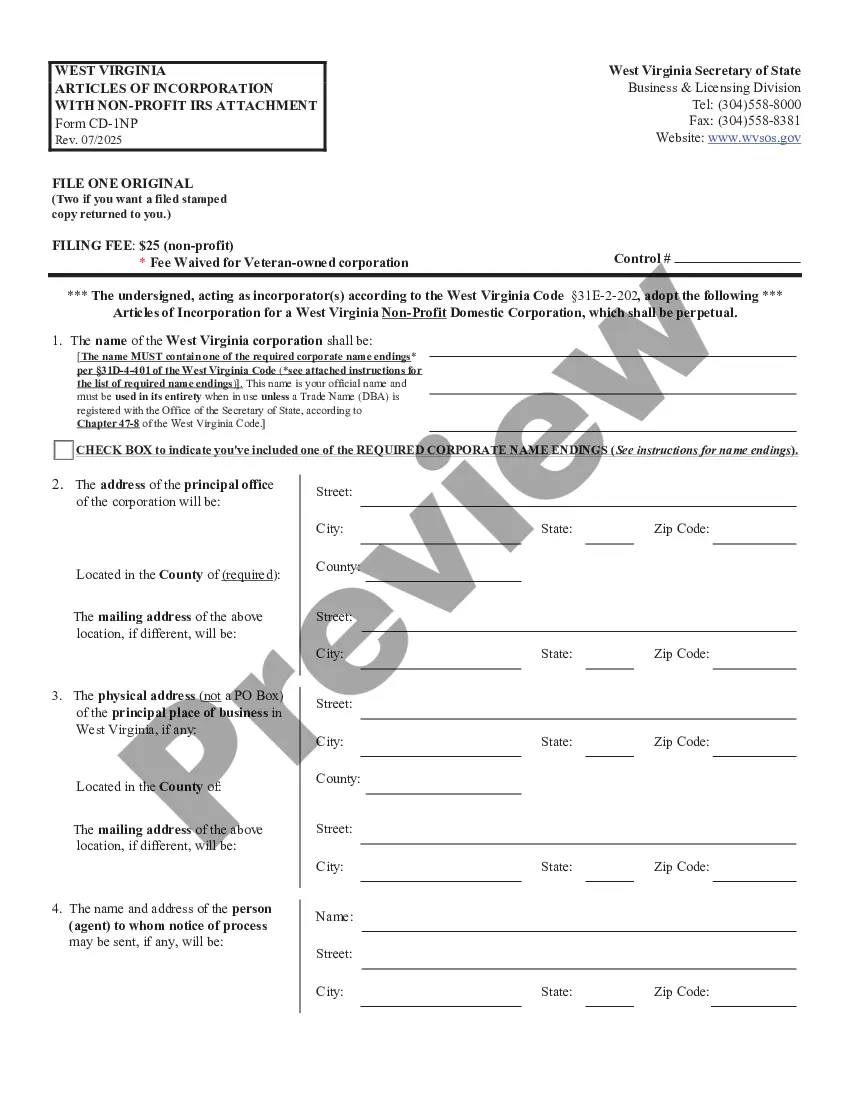
How to fill out Sample Attorney Conflict Of Interest Waiver Letter?
The Attorney Conflict Waiver Form For Attorney displayed on this page is a reusable official template created by experienced attorneys in compliance with federal and regional laws.
For over 25 years, US Legal Forms has offered individuals, businesses, and legal practitioners more than 85,000 validated, state-specific forms for any commercial and personal circumstances. It is the quickest, easiest, and most reliable method to obtain the documents you require, as the service ensures bank-level data safety and malware protection.
Subscribe to US Legal Forms to access verified legal templates for all of life’s situations at your fingertips.
- Search for the document you require and review it.
- Sign up and Log In.
- Acquire the editable template.
- Fill out and sign the documents.
- Download your files again.
Form popularity
FAQ
A conflict waiver letter is a formal document that outlines the specifics of a conflict of interest and the client's agreement to waive it. This letter serves as a record of the attorney's disclosure and the client's consent. It is essential for maintaining transparency in legal representation and can be efficiently managed through platforms like uslegalforms.
An attorney waiver refers to a client's agreement to permit their lawyer to represent them despite a known conflict of interest. This waiver is crucial for ensuring ethical compliance within legal practice. By completing an attorney conflict waiver form for attorney, clients affirm their understanding and acceptance of the circumstances surrounding their representation.
A waiver letter is a document that formally relinquishes a right or claim, often concerning conflicts of interest in legal representation. In this context, it signifies that a client acknowledges a potential conflict and agrees to continue with the attorney's services. Utilizing an attorney conflict waiver form for attorney can streamline this process and ensure clarity for all parties involved.
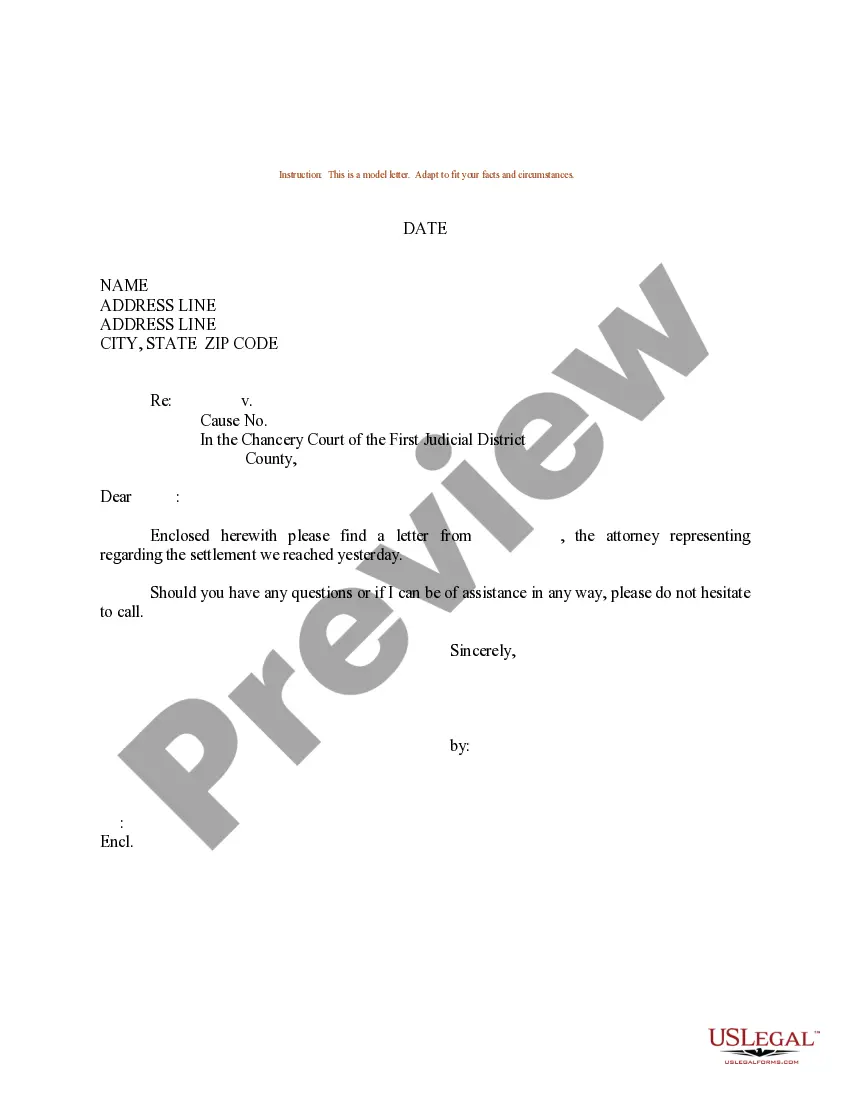
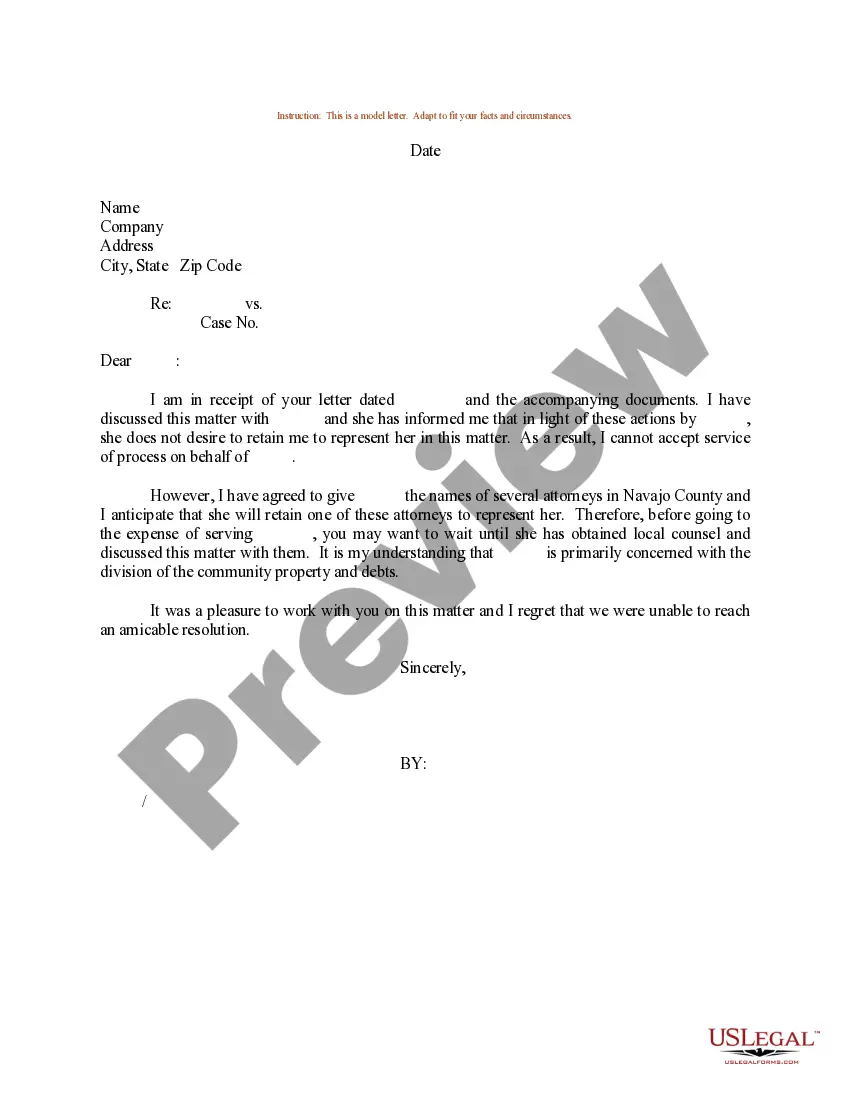
A conflict letter in court is a written document that informs the court and relevant parties about a potential conflict of interest involving an attorney. This letter outlines the nature of the conflict and the steps taken to address it, such as obtaining waivers from clients. It helps maintain ethical standards within the legal process and protects the integrity of the judicial system.
To waive a conflict of interest, a lawyer must provide full disclosure of the conflict to the affected clients. Both clients must then agree to the waiver, often formalized by signing an attorney conflict waiver form for attorney. This process ensures that all parties understand the implications and consent to the representation despite the conflict.
A conflict waiver is a formal agreement that allows an attorney to represent a client despite having a potential conflict of interest. This waiver must be obtained after the attorney fully discloses the conflict to the client. By signing an attorney conflict waiver form for attorney, you acknowledge the situation and agree to proceed with the representation.
Yes, a lawyer must disclose any conflict of interest to their clients. This requirement ensures transparency and helps maintain trust in the attorney-client relationship. By informing you of potential conflicts, your lawyer allows you to make informed decisions about your legal representation and the best course of action moving forward.