Income Trust Trusts For Dummies
Description
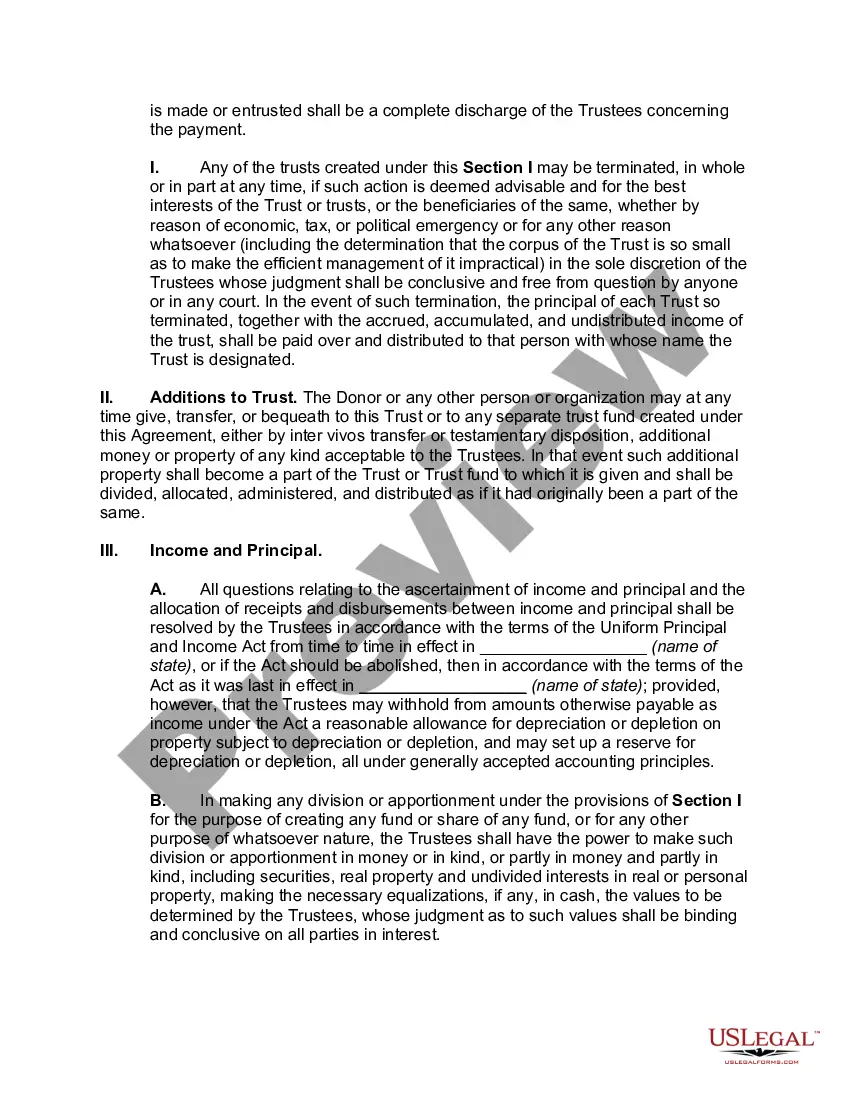
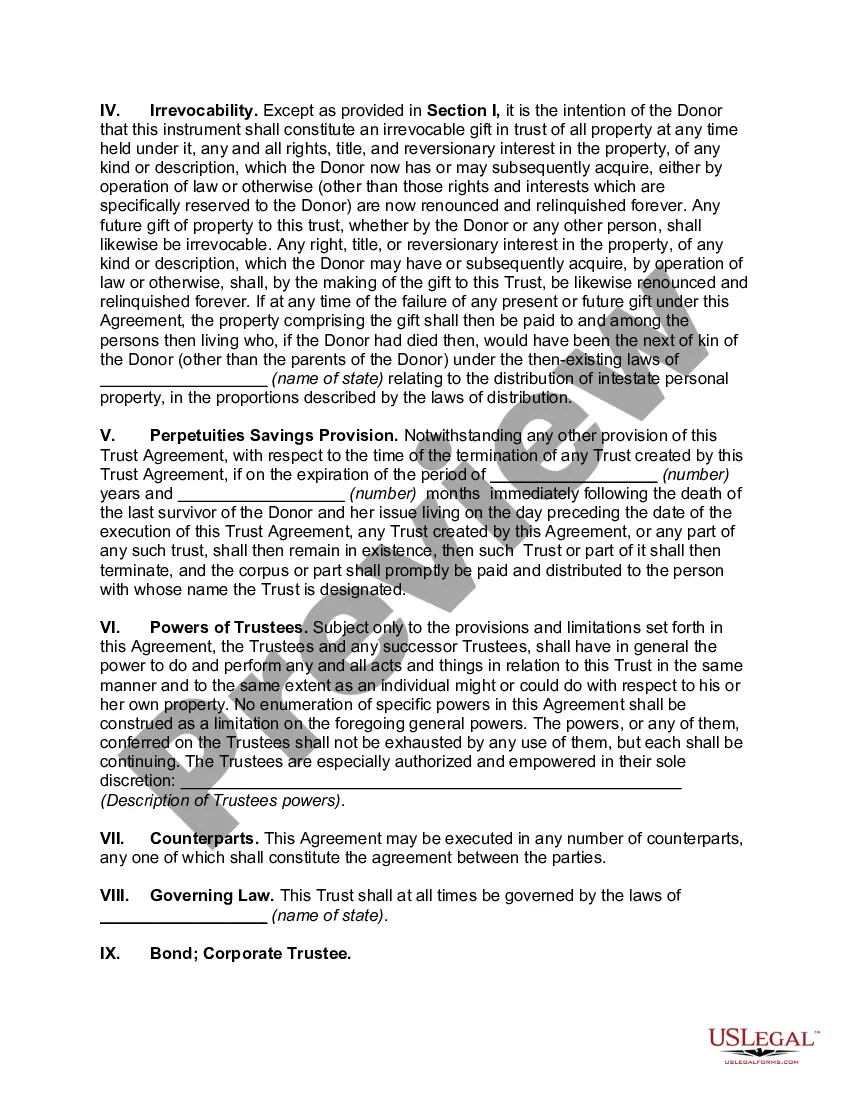
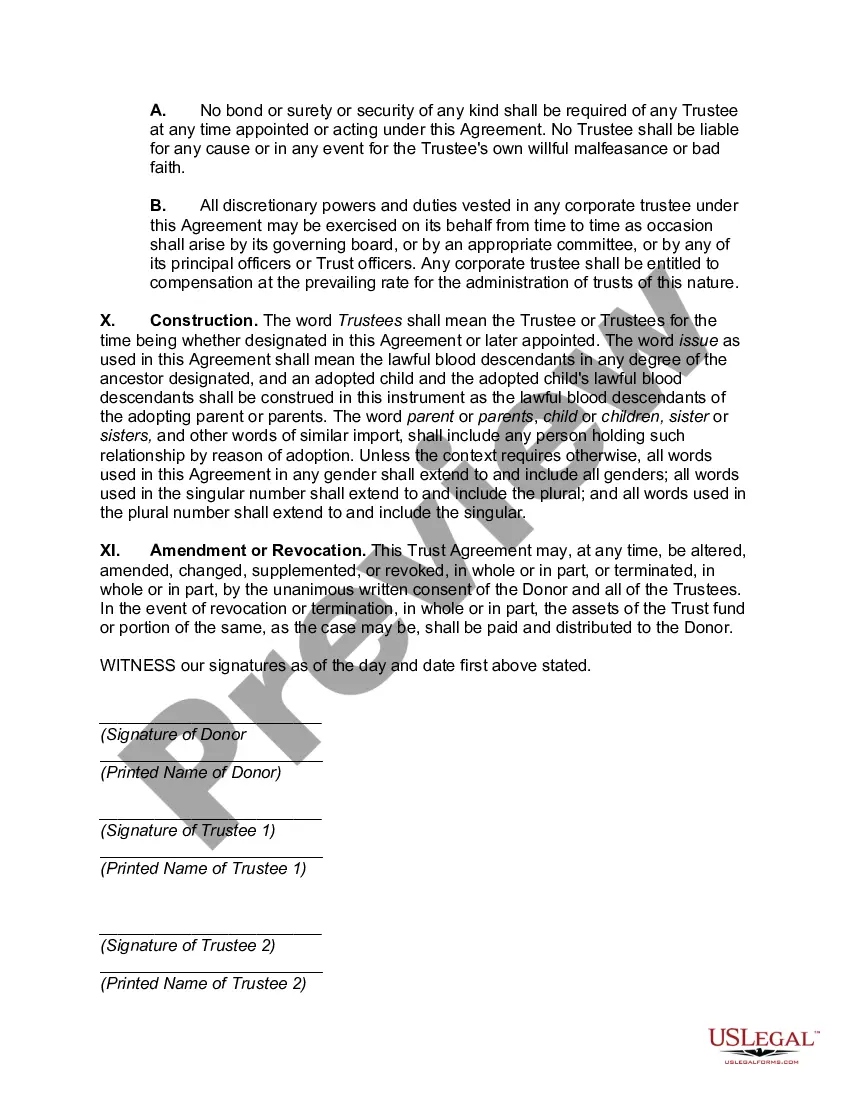

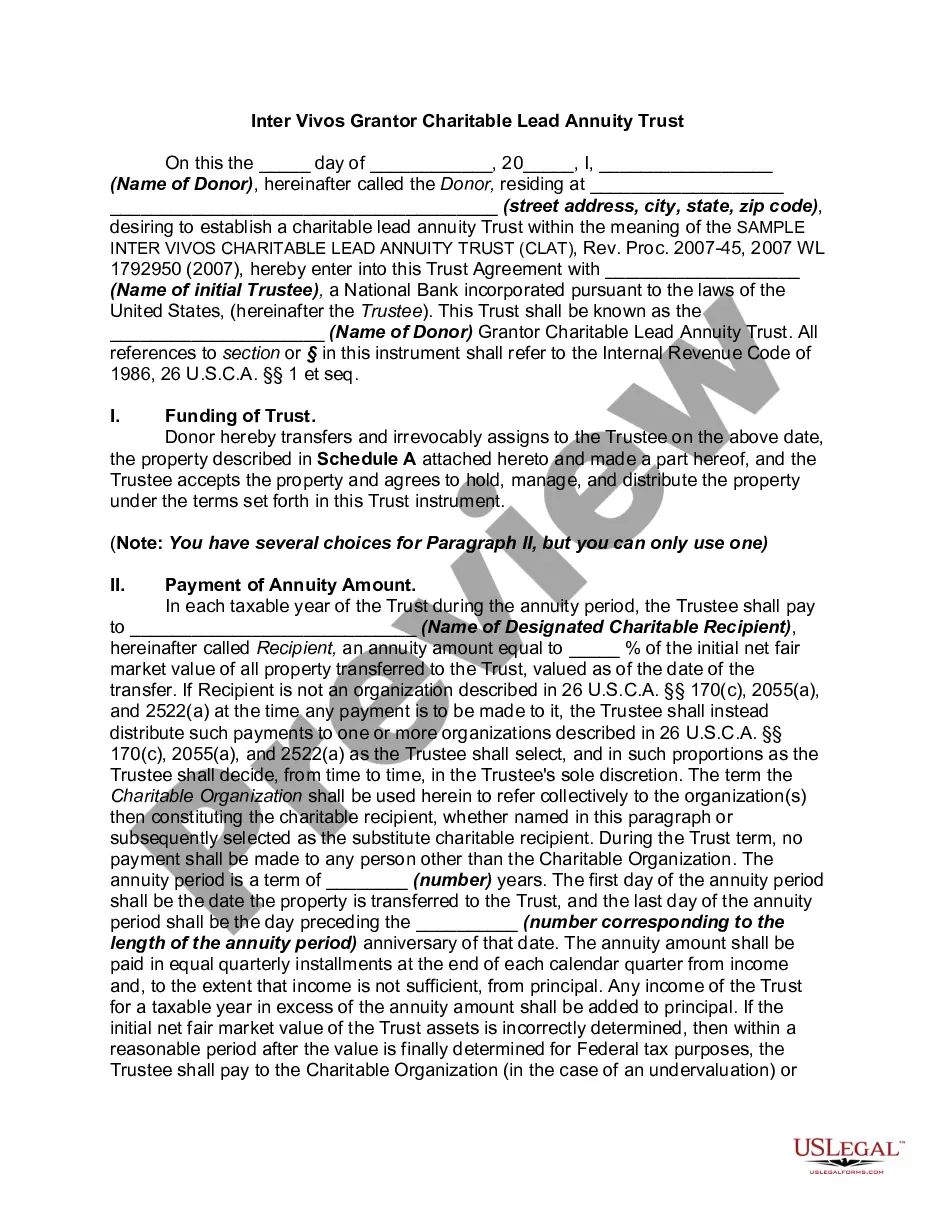
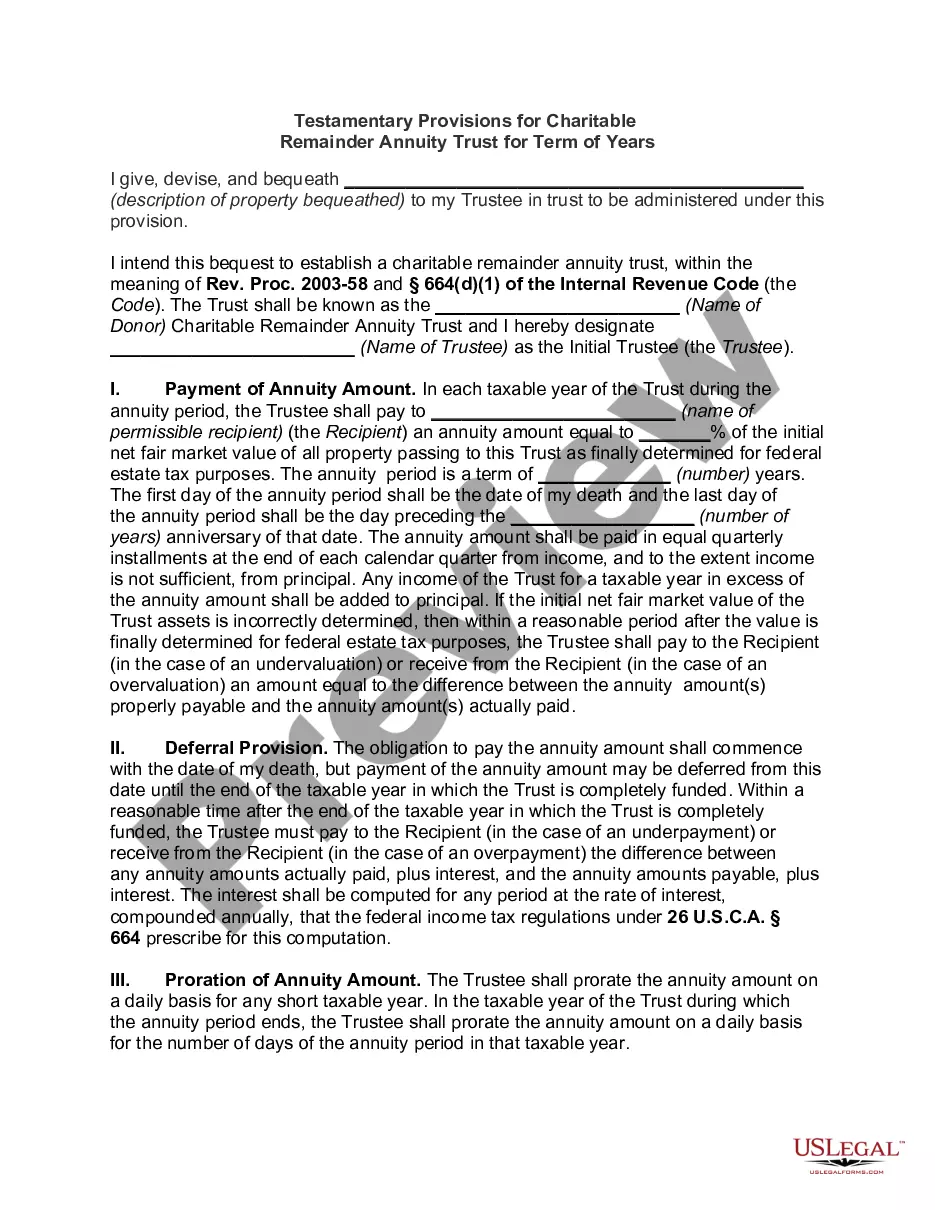
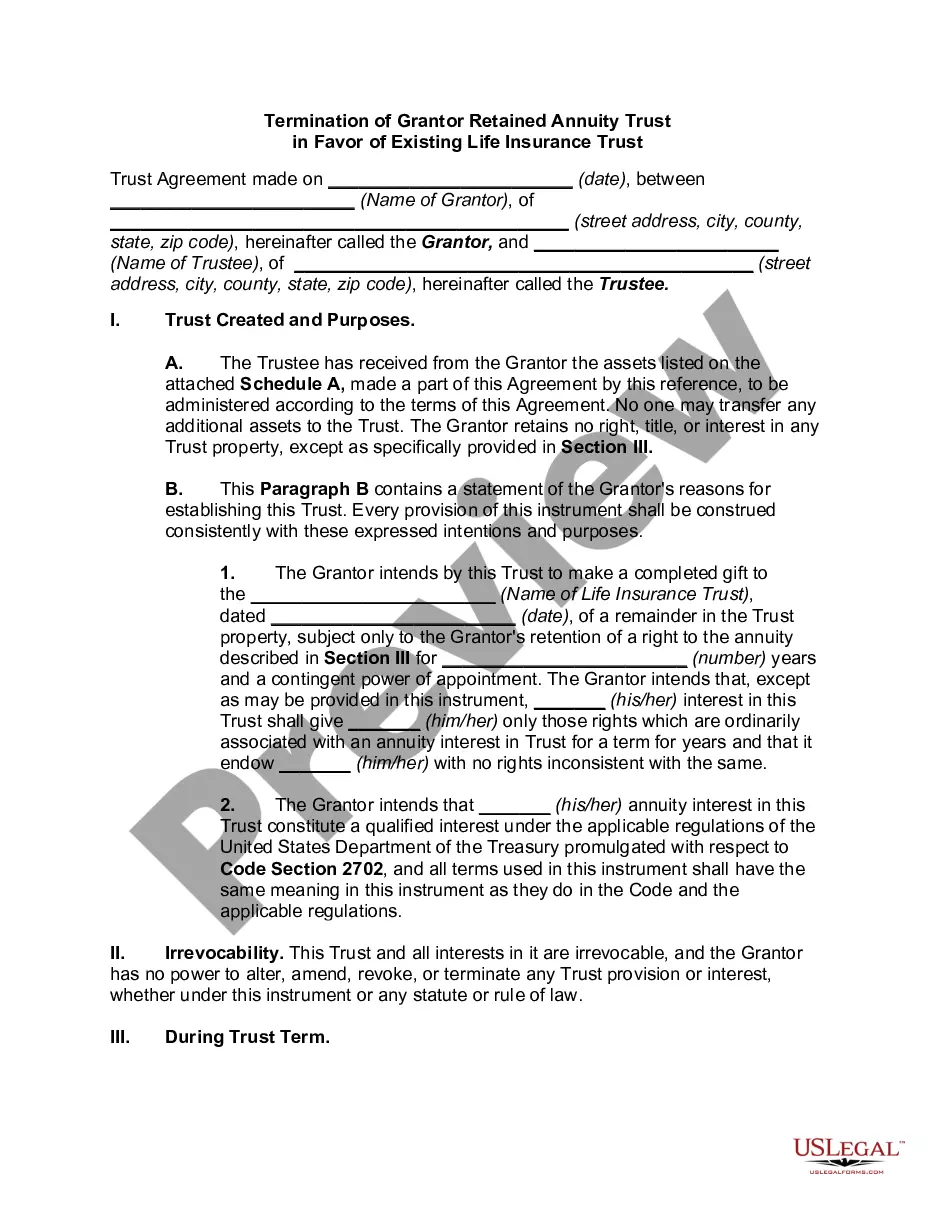
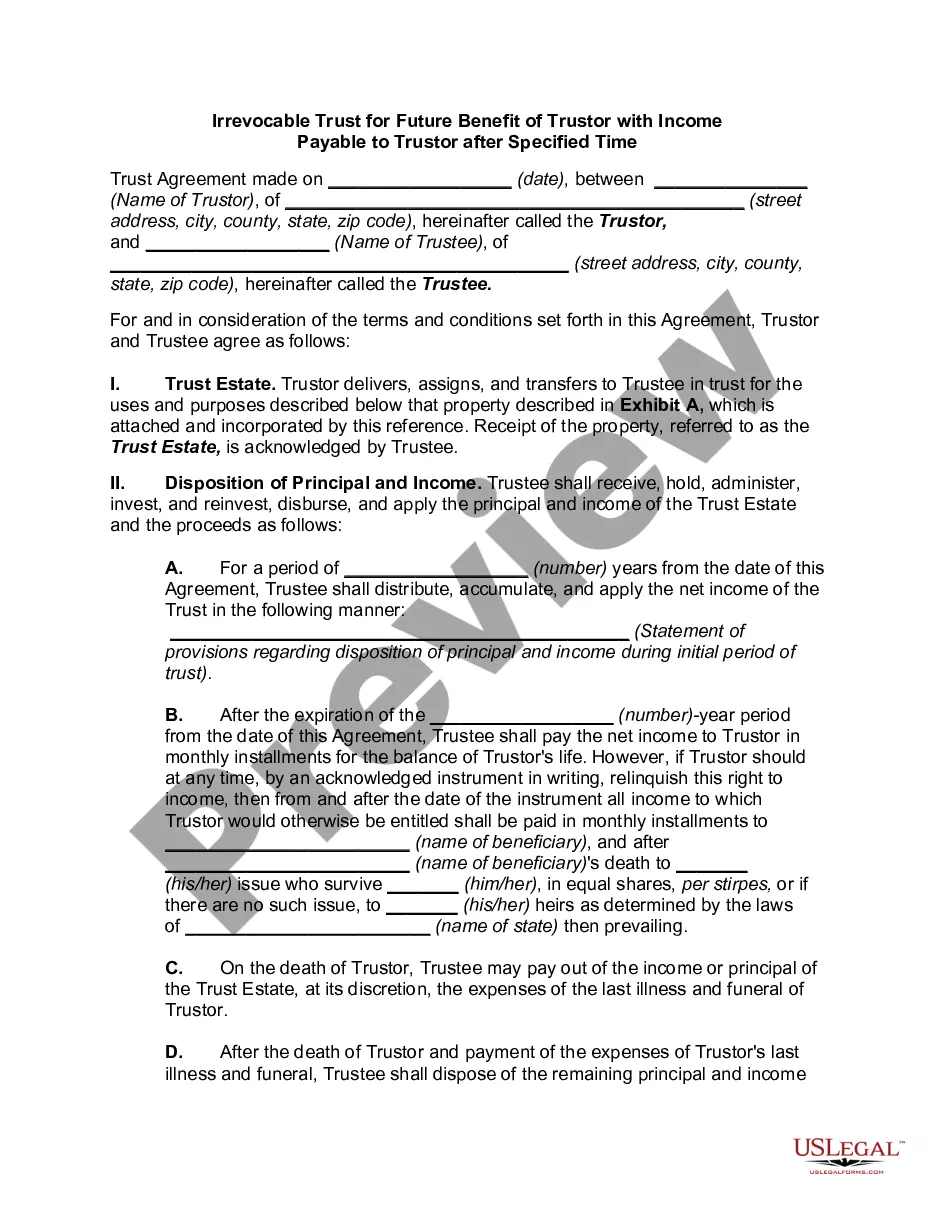
Get your form ready online
Our built-in tools help you complete, sign, share, and store your documents in one place.
Make edits, fill in missing information, and update formatting in US Legal Forms—just like you would in MS Word.
Download a copy, print it, send it by email, or mail it via USPS—whatever works best for your next step.
Sign and collect signatures with our SignNow integration. Send to multiple recipients, set reminders, and more. Go Premium to unlock E-Sign.
If this form requires notarization, complete it online through a secure video call—no need to meet a notary in person or wait for an appointment.
We protect your documents and personal data by following strict security and privacy standards.

Make edits, fill in missing information, and update formatting in US Legal Forms—just like you would in MS Word.

Download a copy, print it, send it by email, or mail it via USPS—whatever works best for your next step.

Sign and collect signatures with our SignNow integration. Send to multiple recipients, set reminders, and more. Go Premium to unlock E-Sign.

If this form requires notarization, complete it online through a secure video call—no need to meet a notary in person or wait for an appointment.

We protect your documents and personal data by following strict security and privacy standards.
Looking for another form?










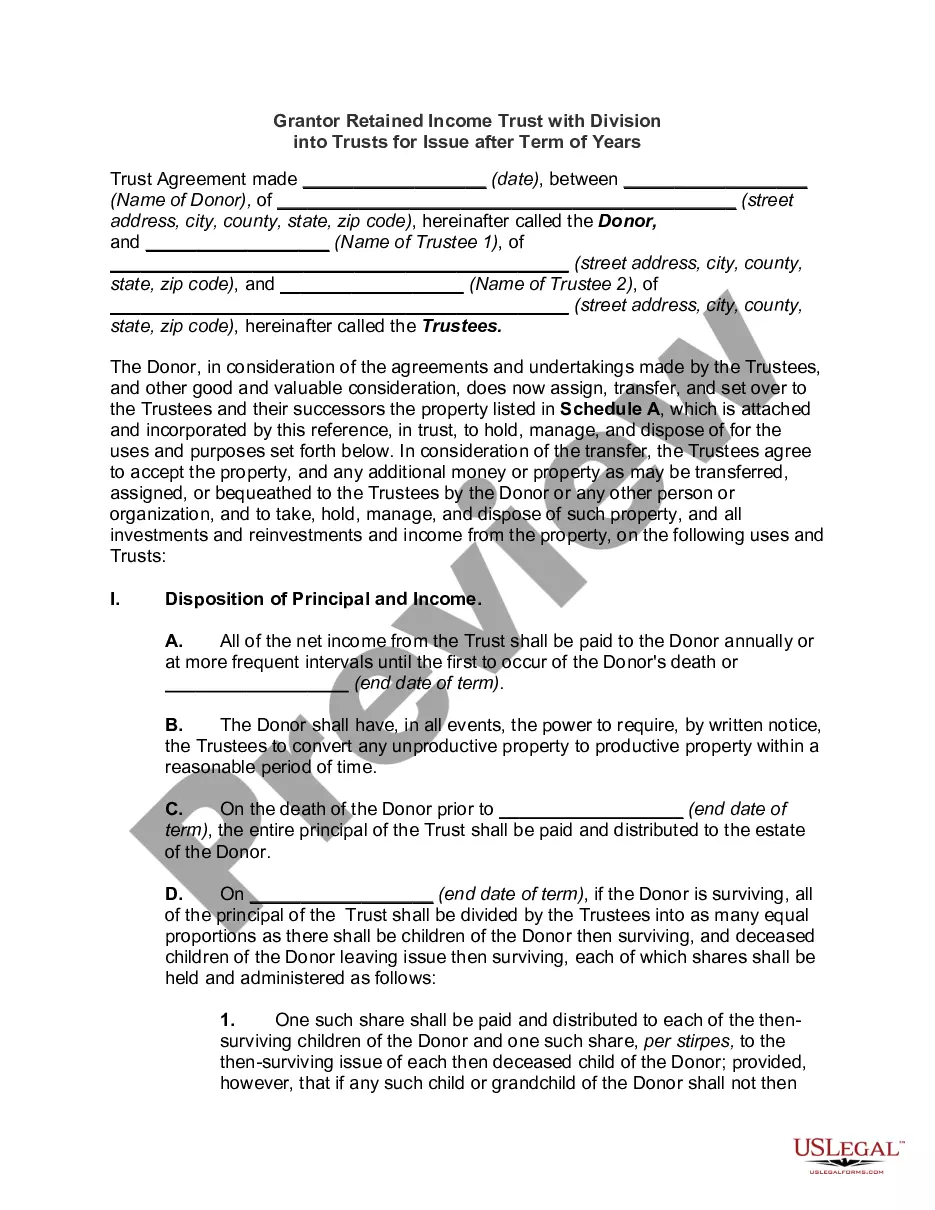
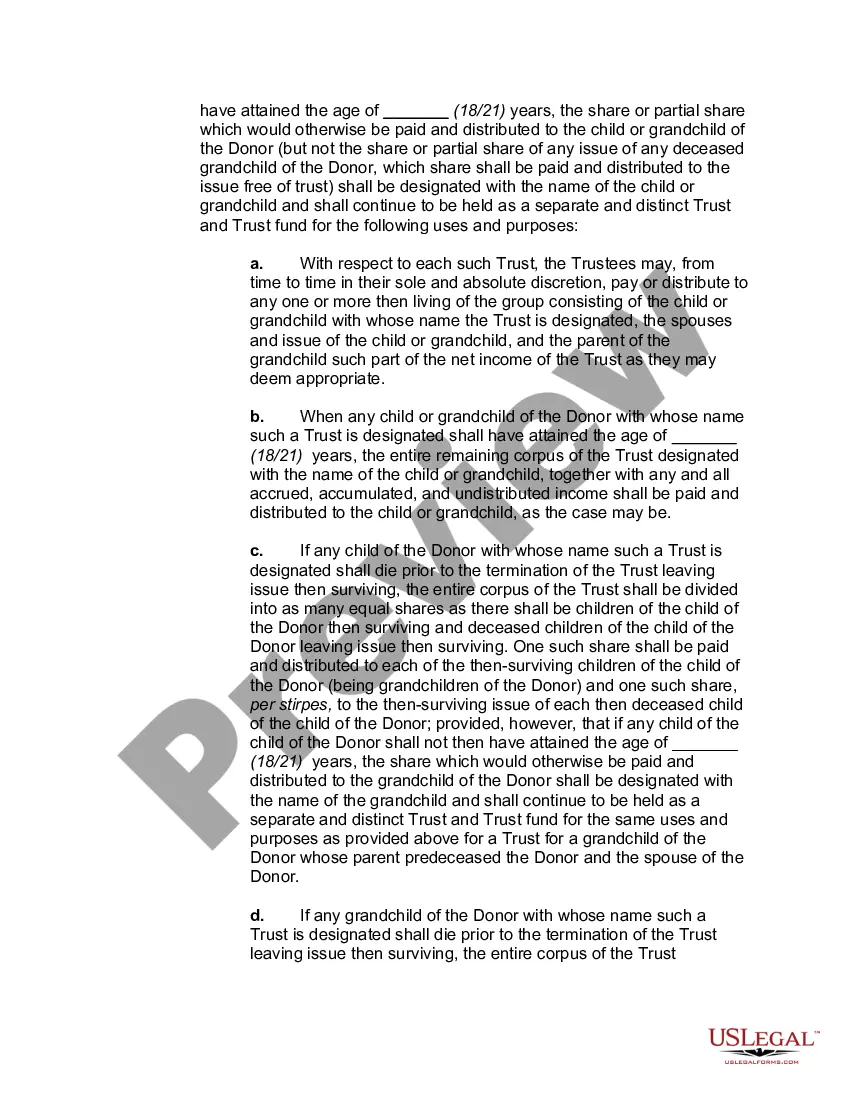
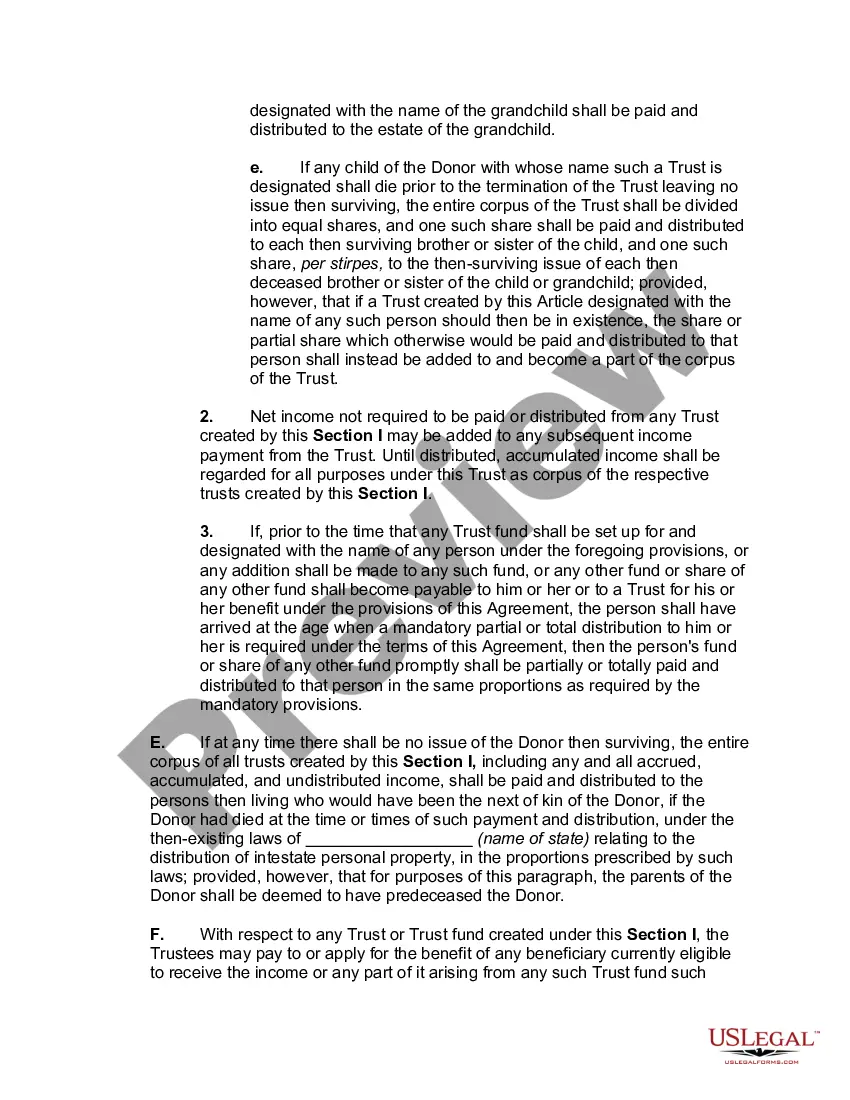
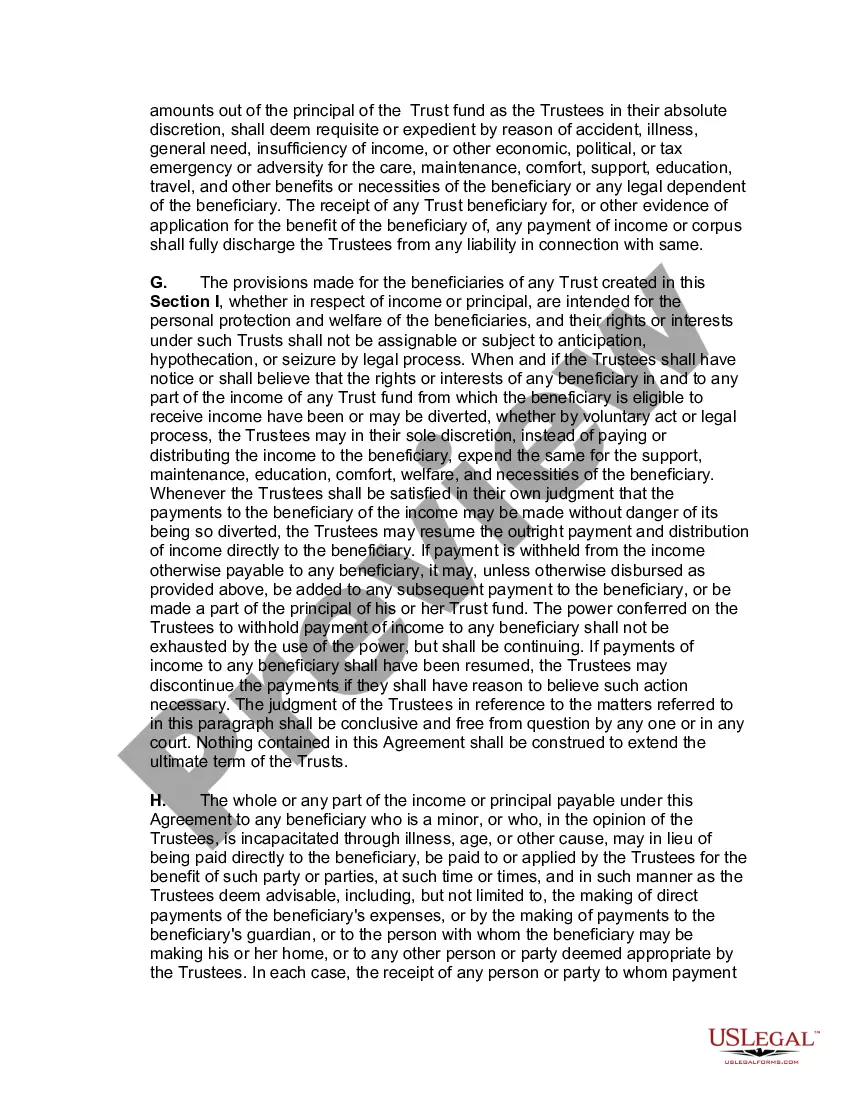
How to fill out Grantor Retained Income Trust With Division Into Trusts For Issue After Term Of Years?
Whether for commercial reasons or for personal issues, everyone must confront legal matters at some point in their lives.
Completing legal paperwork requires careful consideration, starting with selecting the correct form example.
With an extensive US Legal Forms catalog available, you do not need to waste time searching for the suitable template online. Utilize the library’s easy navigation to find the correct template for any occasion.
- Locate the template you require using the search bar or catalog navigation.
- Review the document’s details to ensure it corresponds with your circumstances, state, and area.
- Click on the form’s preview to examine it.
- If it is an incorrect document, return to the search feature to find the Income Trust Trusts For Dummies template you need.
- Obtain the template if it aligns with your requirements.
- If you possess a US Legal Forms account, simply click Log in to access templates you saved in My documents.
- In case you don’t have an account yet, you can download the form by clicking Buy now.
- Select the suitable pricing option.
- Complete the account registration form.
- Choose your payment method: utilize a credit card or PayPal account.
- Select the desired file format and download the Income Trust Trusts For Dummies.
- Once it is downloaded, you can fill out the form using editing software or print it and complete it by hand.
Form popularity
FAQ
Yes, you can write up a trust yourself, but it is advisable to seek guidance to ensure it meets legal requirements. Many individuals find it helpful to use platforms like USLegalForms to access templates and resources tailored for creating trusts. By doing so, you can simplify the process and avoid potential pitfalls often associated with income trust trusts for dummies.
The tax rate on trust income varies based on the amount of income generated. Generally, trusts follow a tiered tax structure, where lower income levels are taxed at lower rates. However, once the income surpasses a set limit, the tax rate can reach up to 45%. Gaining clarity on these figures is essential for anyone exploring income trust trusts for dummies.
Trusts face a high tax rate of 45% because they are treated as separate legal entities by the IRS. This means that once a trust's income exceeds a certain threshold, it is taxed at the highest rate. Understanding this aspect is crucial for those learning about income trust trusts for dummies. By knowing the tax implications, you can better plan your finances and make informed decisions.
The 7 year rule on trusts refers to a tax provision that affects how assets in a trust are treated for estate tax purposes. If you transfer assets to a trust and live for seven years after the transfer, those assets are typically not included in your estate for tax calculations. This rule can significantly impact your estate planning strategy. To navigate these complexities, consider using resources like Income trust trusts for dummies for straightforward explanations.
An income trust is a legal arrangement where investors contribute funds to generate income, usually from real estate or other income-generating assets. The trust pays out earnings to its investors, often on a monthly or quarterly basis. This type of trust can provide a steady stream of income, making it attractive for those seeking financial stability. For further details, check out Income trust trusts for dummies, which breaks down these concepts for you.
An income trust operates by pooling funds from multiple investors to generate income through various investments. It distributes earnings to its investors, typically on a regular basis. This structure allows individuals to benefit from collective investment opportunities while enjoying consistent returns. For a clearer understanding, refer to Income trust trusts for dummies, which explains the workings of these trusts in simple terms.
Banks typically view irrevocable trusts with caution because they remove assets from the grantor's control. This means that once you place assets into an irrevocable trust, you cannot easily change your mind. Consequently, banks may find it challenging to assess the risk associated with the trust's assets. For more insights on managing your financial arrangements, consider looking into resources like Income trust trusts for dummies.
The 2 year rule after death pertains to how long an estate must wait before certain tax benefits can be claimed. This rule can affect how beneficiaries handle inherited assets, including those in a trust. If you’re navigating the complexities of income trust trusts for dummies, knowing this rule can help you better plan your estate. Seeking guidance from experts can simplify your understanding of these regulations.
One downside of putting your house in a trust is the potential loss of control over the property. Once placed in a trust, you may have to follow specific rules set by the trust agreement. For individuals learning about income trust trusts for dummies, it's essential to weigh the benefits against the limitations. Understanding these dynamics can help you make an informed decision.
A trust must file a tax return if it earns $600 or more in income during the year. This requirement applies regardless of whether the income is distributed to beneficiaries. If you’re exploring income trust trusts for dummies, it's important to keep track of your trust's income and ensure timely filing to avoid penalties. Consulting tax professionals can provide additional clarity.