Grantor Retained Annuity Trust Pros And Cons
Description
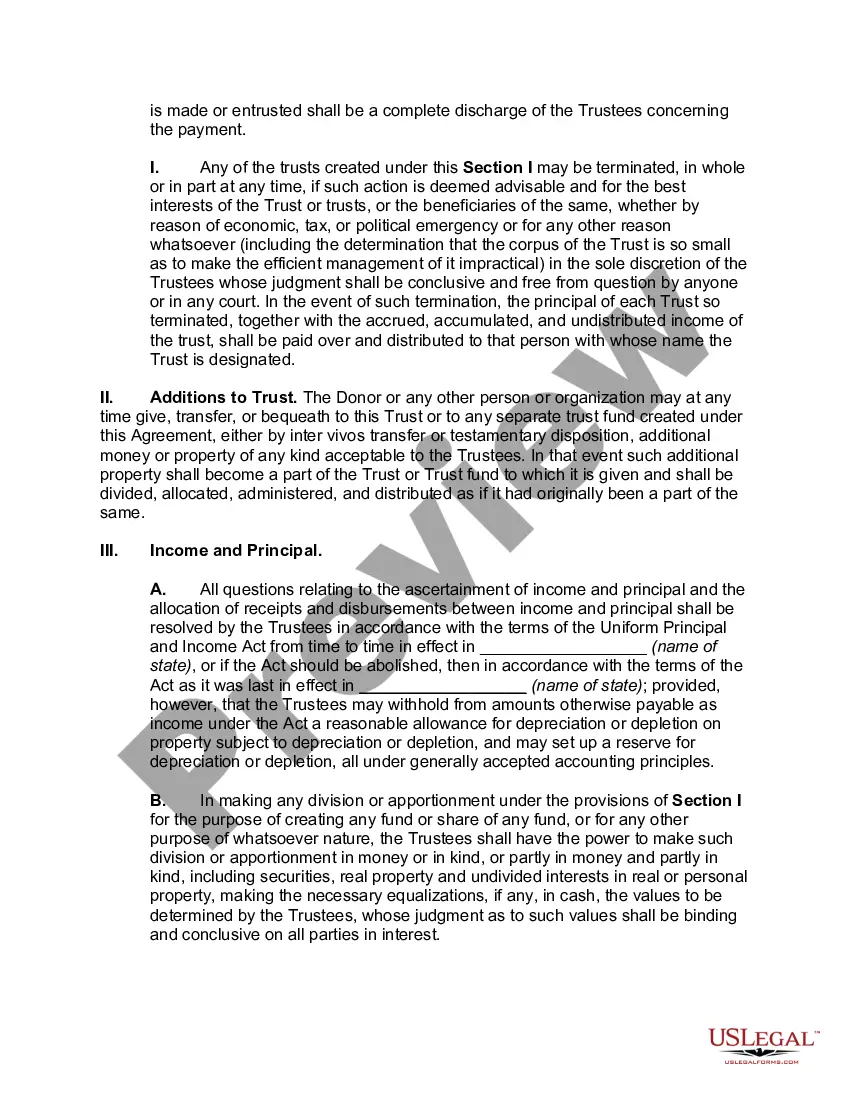
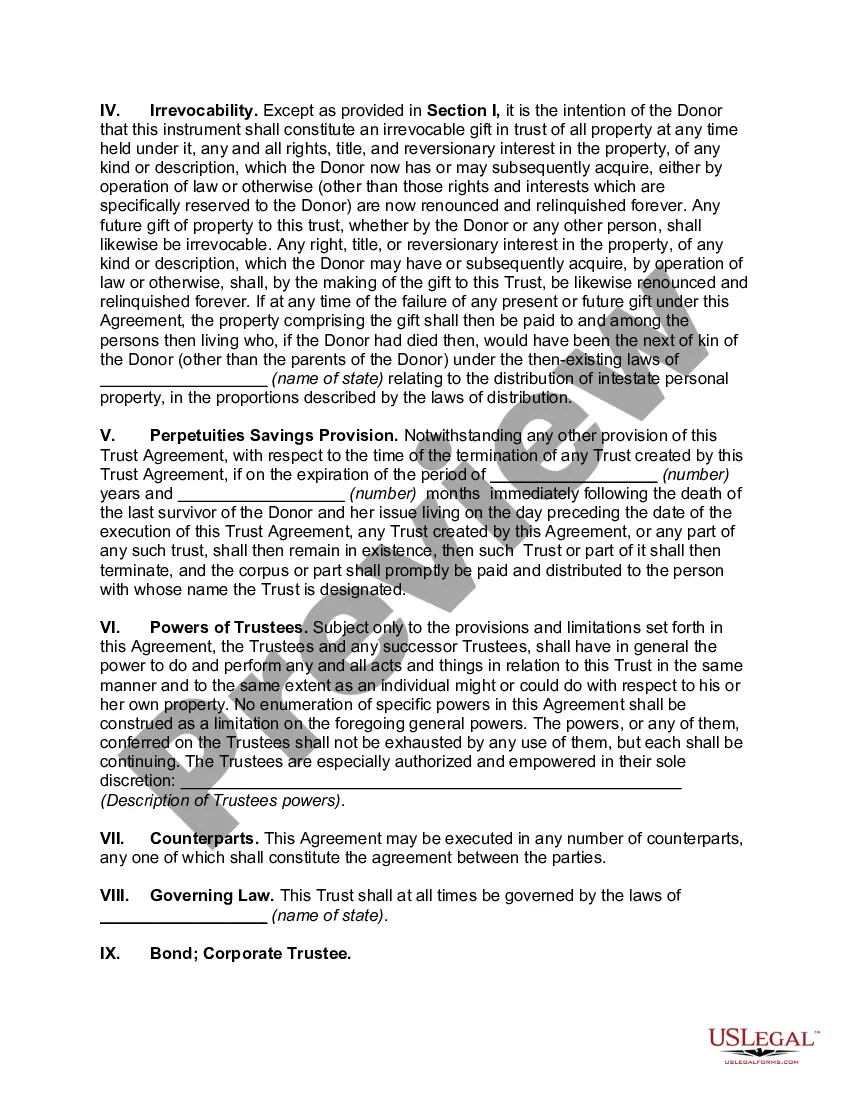
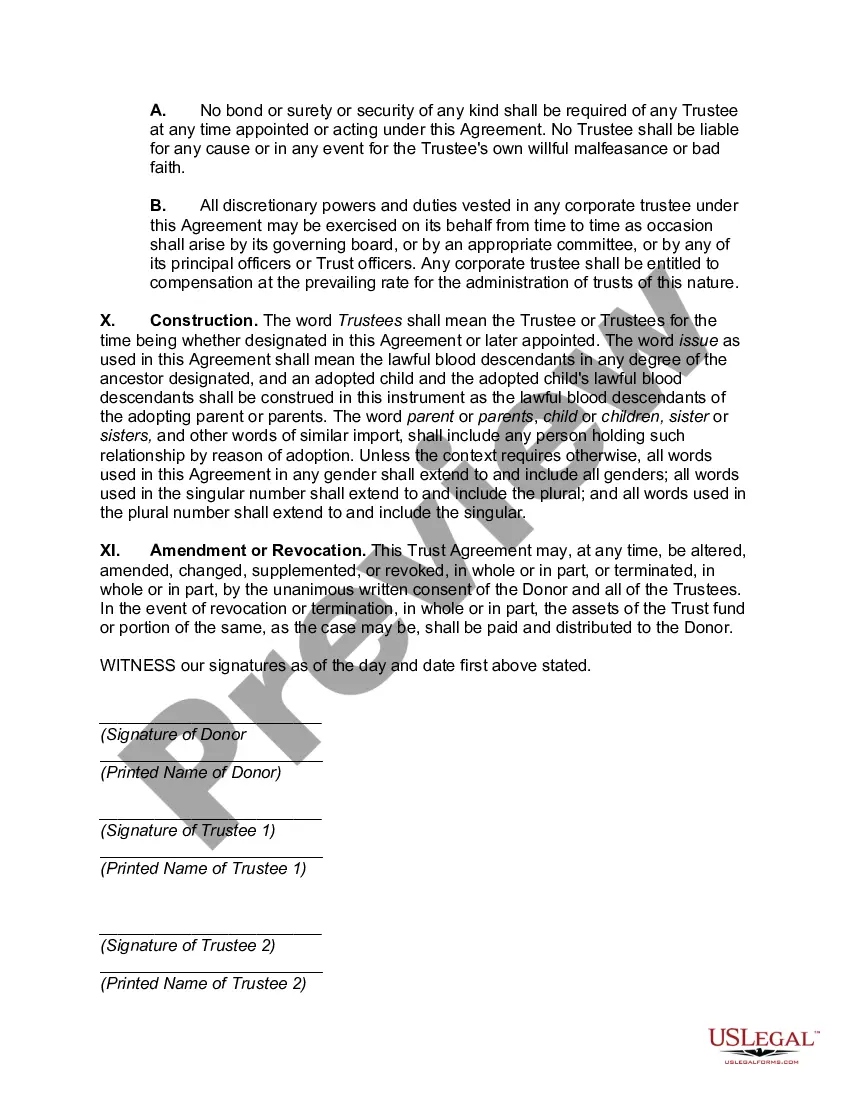

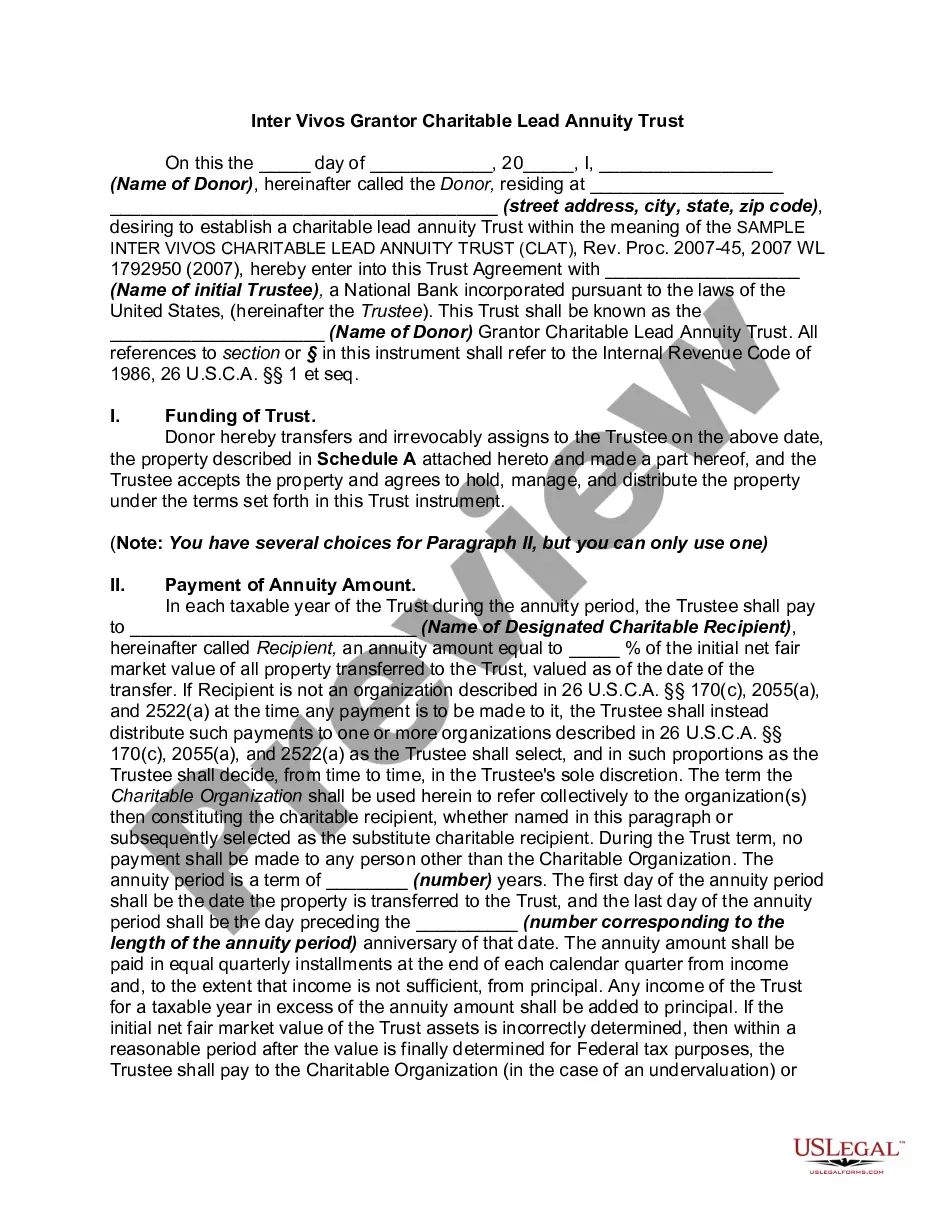
Get your form ready online
Our built-in tools help you complete, sign, share, and store your documents in one place.
Make edits, fill in missing information, and update formatting in US Legal Forms—just like you would in MS Word.
Download a copy, print it, send it by email, or mail it via USPS—whatever works best for your next step.
Sign and collect signatures with our SignNow integration. Send to multiple recipients, set reminders, and more. Go Premium to unlock E-Sign.
If this form requires notarization, complete it online through a secure video call—no need to meet a notary in person or wait for an appointment.
We protect your documents and personal data by following strict security and privacy standards.

Make edits, fill in missing information, and update formatting in US Legal Forms—just like you would in MS Word.

Download a copy, print it, send it by email, or mail it via USPS—whatever works best for your next step.

Sign and collect signatures with our SignNow integration. Send to multiple recipients, set reminders, and more. Go Premium to unlock E-Sign.

If this form requires notarization, complete it online through a secure video call—no need to meet a notary in person or wait for an appointment.

We protect your documents and personal data by following strict security and privacy standards.
Looking for another form?





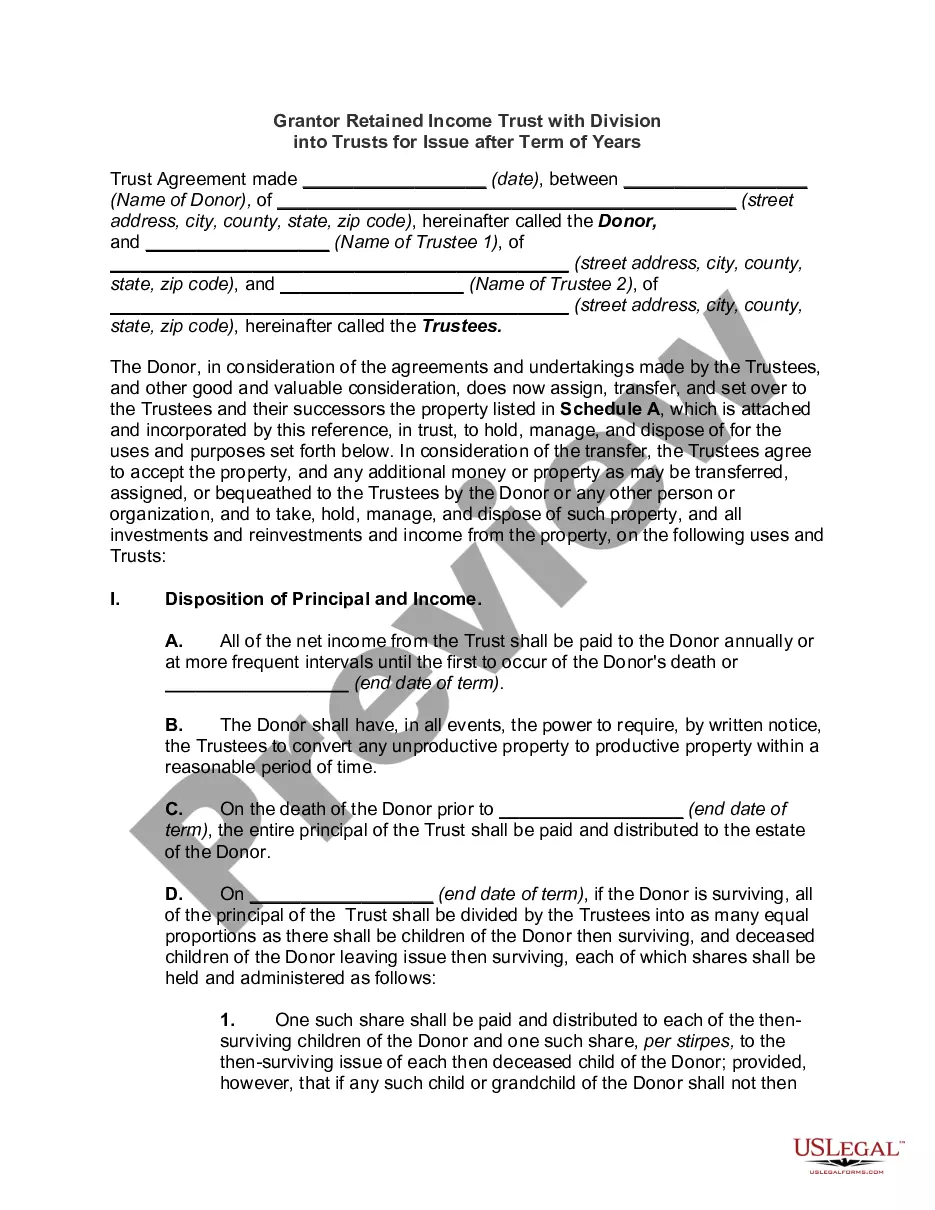
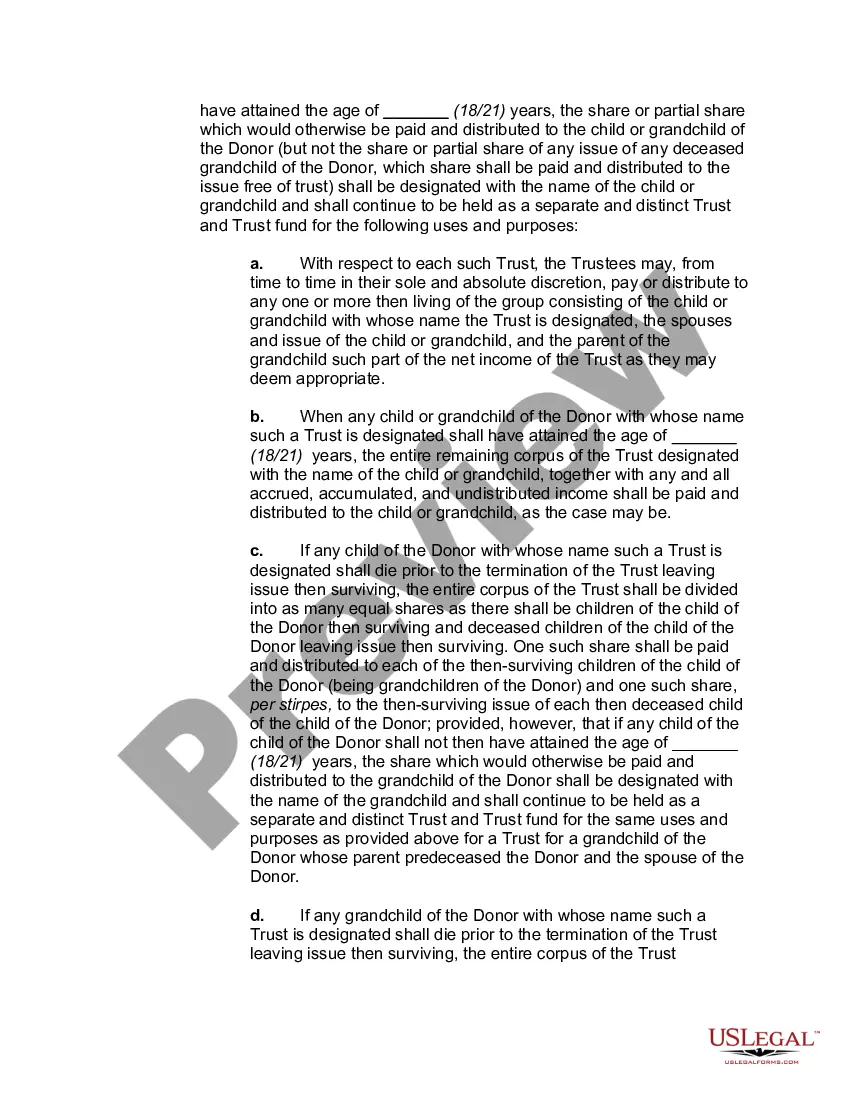
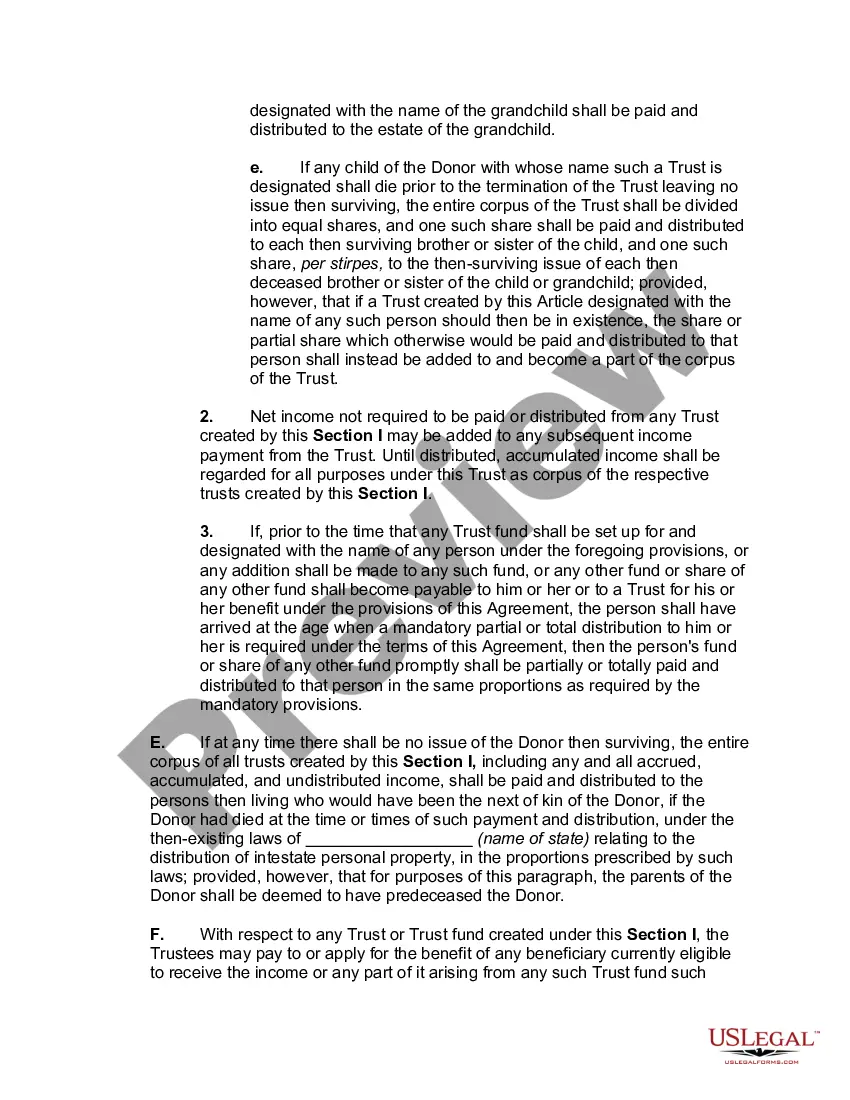
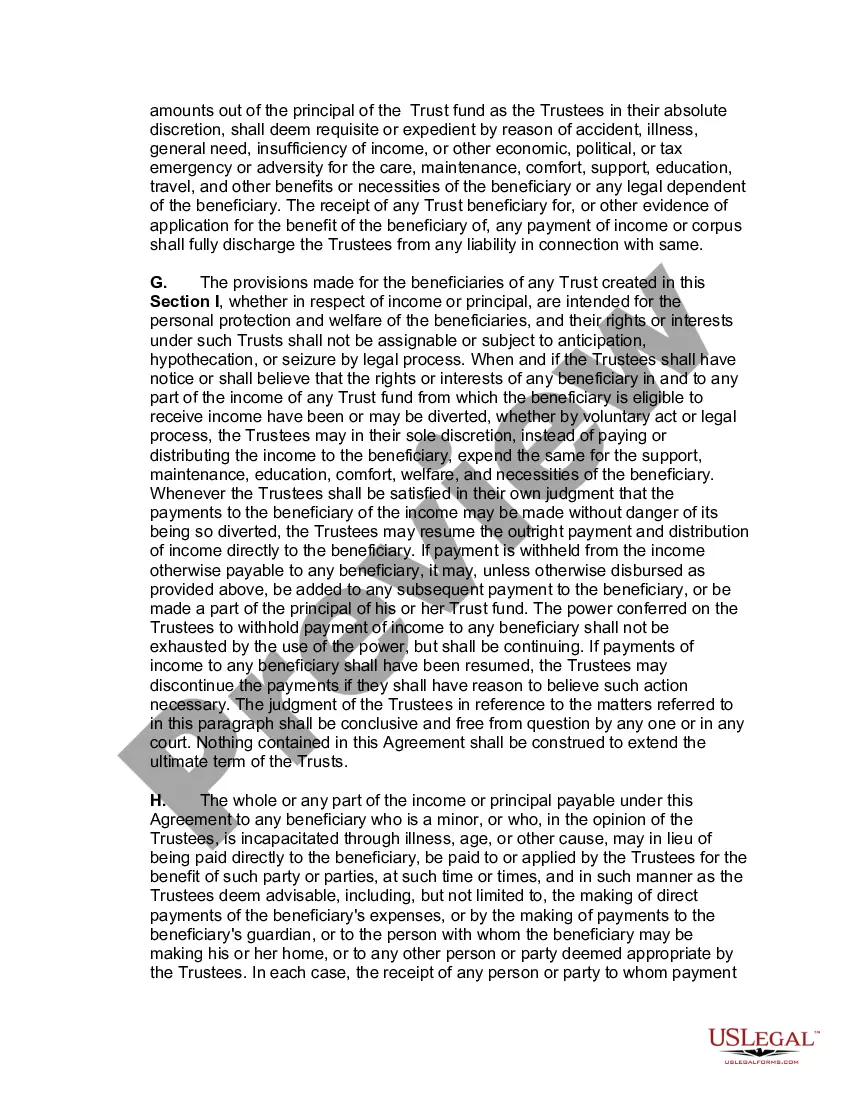
How to fill out Grantor Retained Income Trust With Division Into Trusts For Issue After Term Of Years?
The Grantor Retained Annuity Trust Advantages And Drawbacks you see on this page is a reusable legal template prepared by expert attorneys following federal and regional laws and regulations.
For over 25 years, US Legal Forms has supplied individuals, entities, and lawyers with more than 85,000 validated, state-specific forms for various business and personal situations.
Register with US Legal Forms to have reliable legal templates for all of life’s situations readily available.
- Scan for the document you need and verify it.
- Select the pricing plan that fits you and create an account.
- Choose the format you wish for your Grantor Retained Annuity Trust Advantages And Drawbacks and download the template to your device.
- Print the template to fill it out manually or use an online multi-purpose PDF editor to quickly and accurately complete and e-sign your document.
- Utilize the same document again when necessary by accessing the My documents section in your account to redownload any previously obtained forms.
Form popularity
FAQ
The advantages of GRATs are its tax benefits and flexibility. It enables swapping of assets, if they underperform expectations. The disadvantages of GRATs are an absence of tax benefits to the beneficiary, if the grantor passes away during the trust's term.
The benefits to this tax treatment are twofold: First, this effectively allows more wealth to shift to heirs, because neither they nor the trust will bear the responsibility of these payments. Second, the IRS has ruled that when the grantor pays the income taxes, there is no additional gift made to the GRAT.
Additional considerations when using a GRAT From an income tax perspective, during the GRAT term, the GRAT's income tax liability flows through to the grantor; during the remainder term, the tax liability will either flow through to the grantor or be paid by the trust, depending on how the remainder term is structured.
All assets within a GRAT lose the benefit of step-up in basis and are exposed to income taxes. While a GRAT helps assets avoid the estate tax, the assets in the GRAT lose the benefit of step-up in-basis which can expose the assets in the GRAT to state and federal income tax that they otherwise wouldn't be exposed to.
Tax Implications of the GRAT During the term of the GRAT, the Donor will be taxed on all of the income and capital gains earned by the trust, without regard to the amount of the annuity paid to the Donor.