Grantor And Grantee
Description
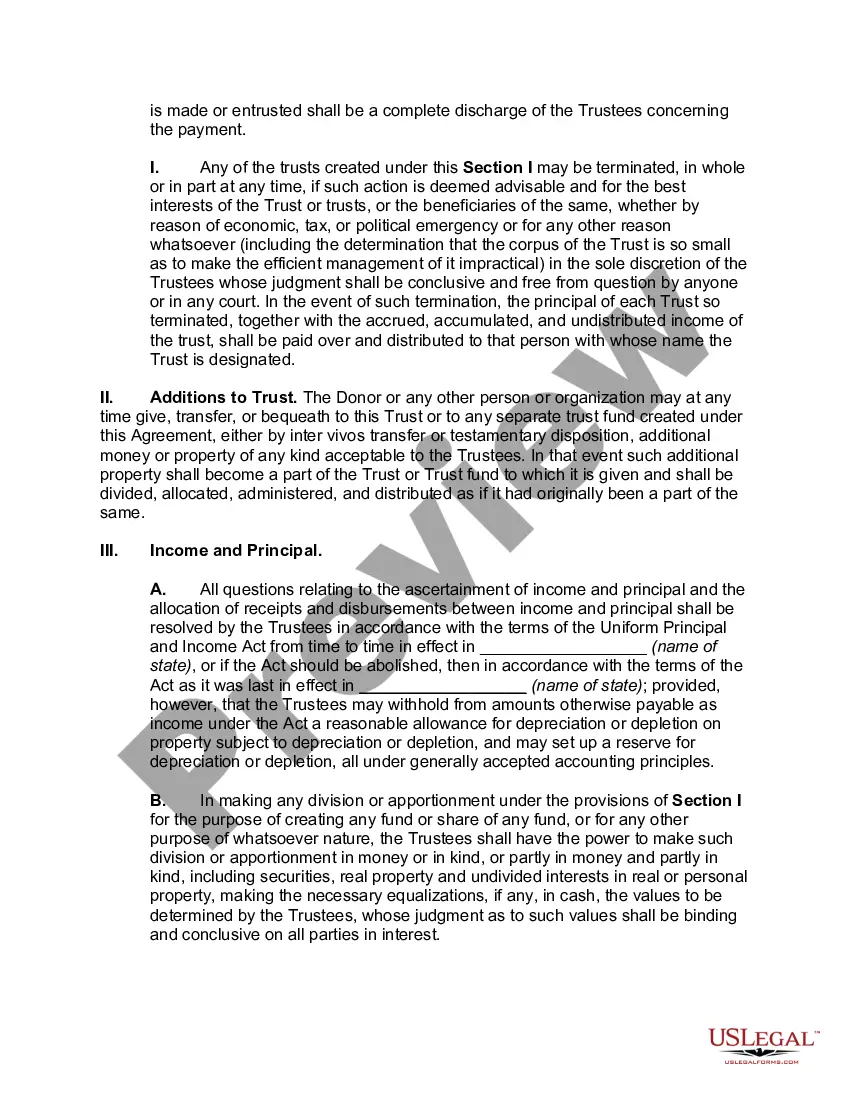
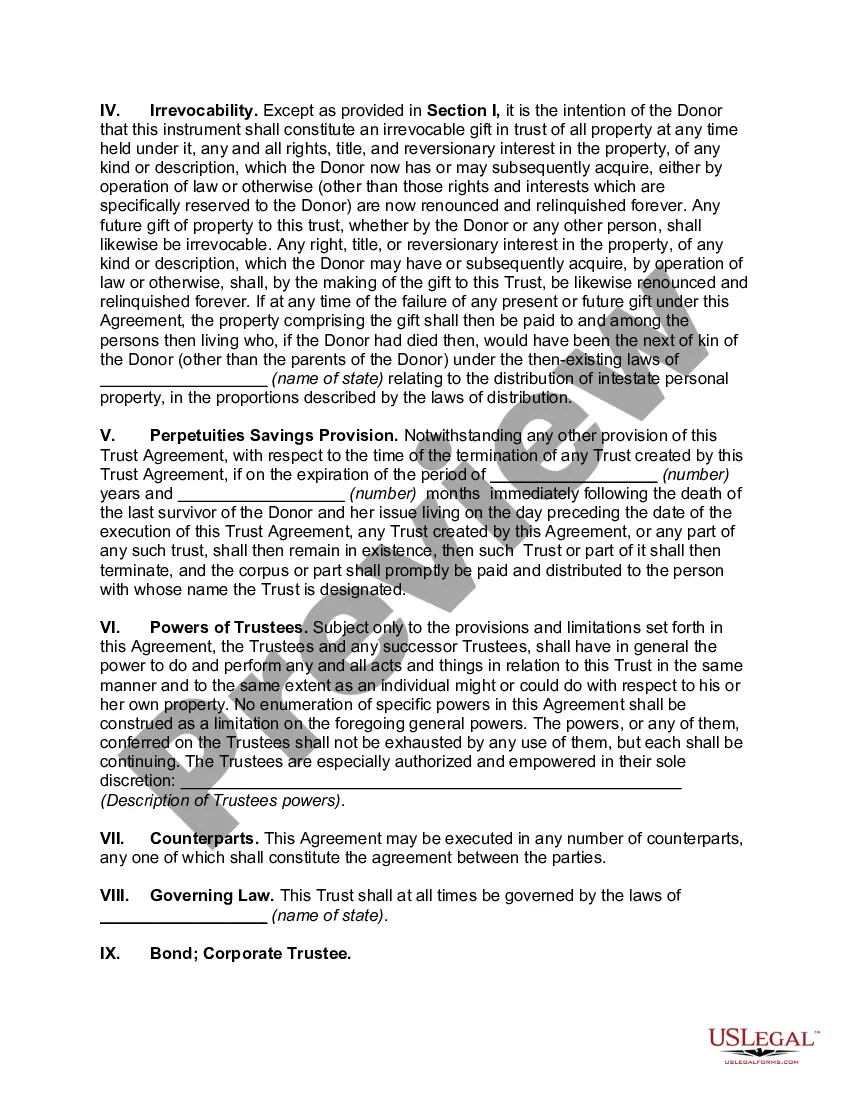
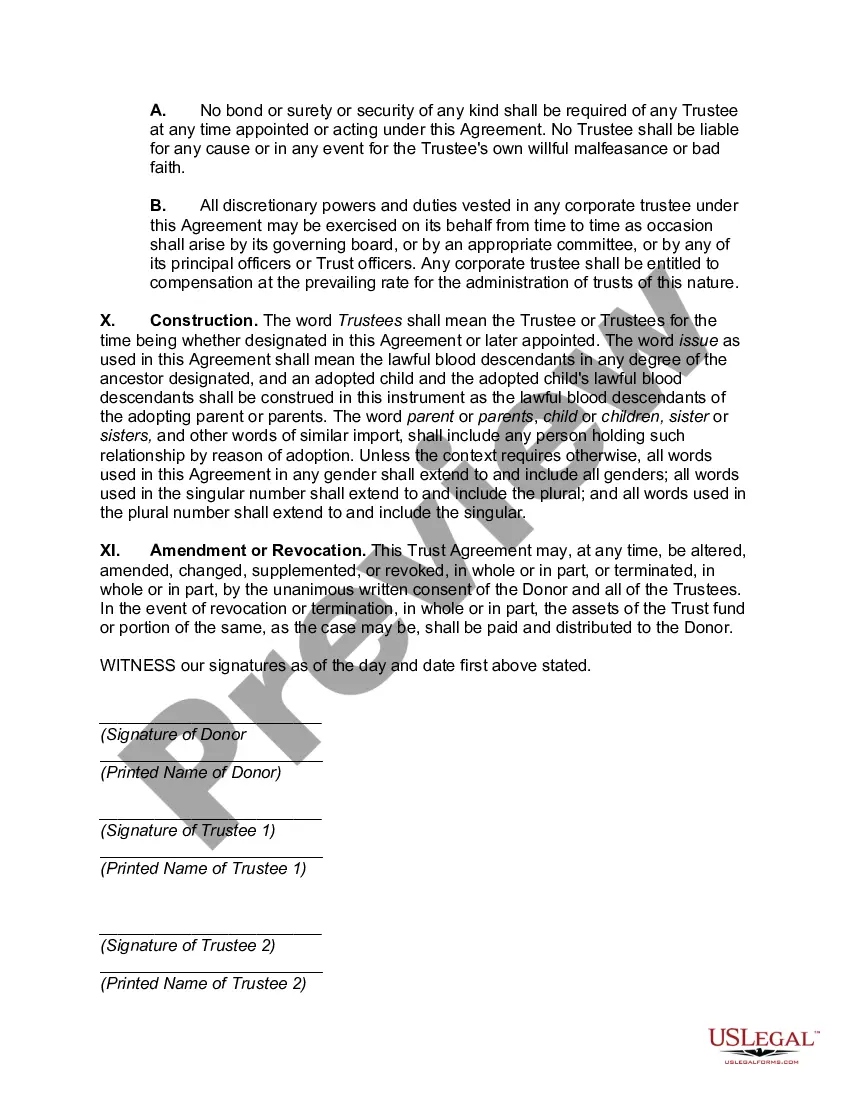

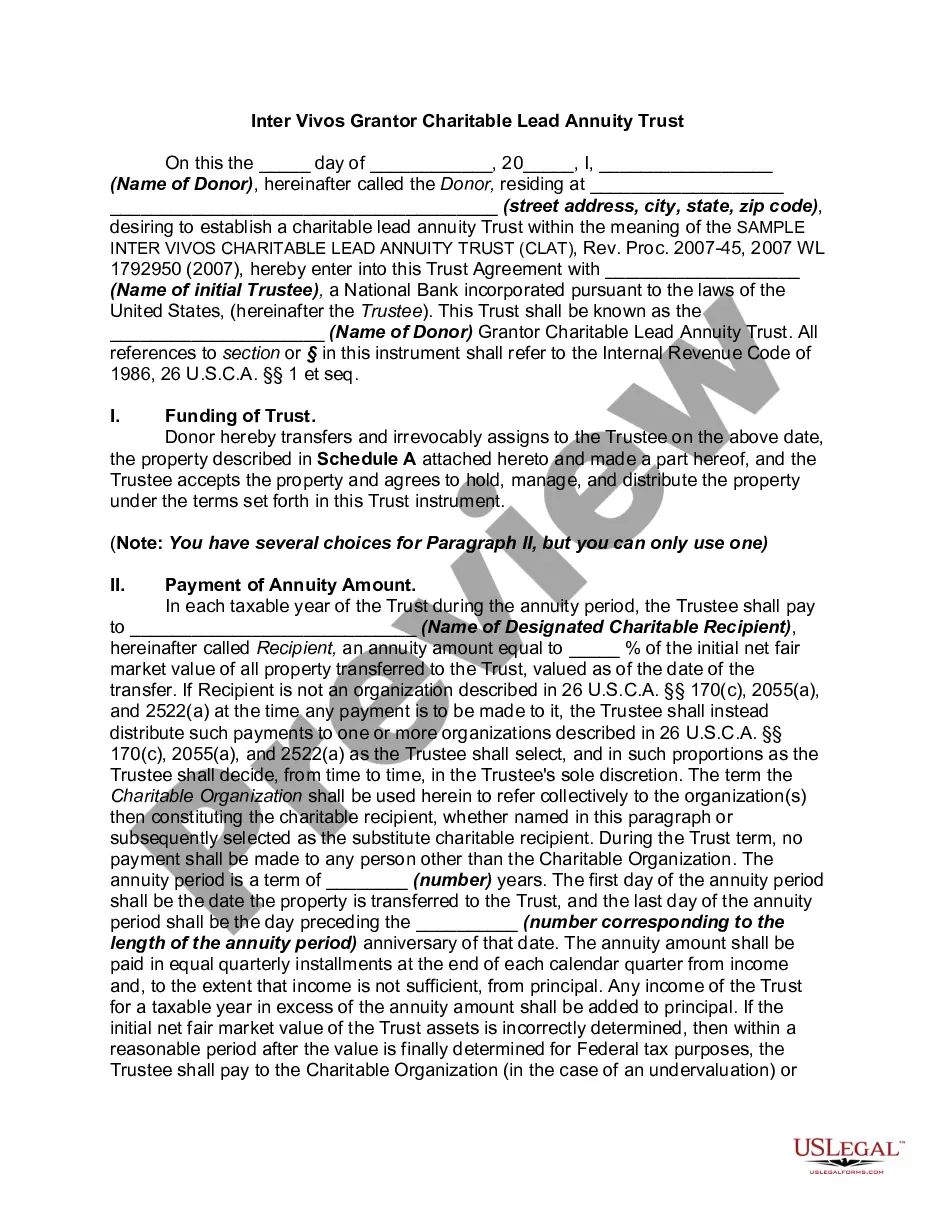
Get your form ready online
Our built-in tools help you complete, sign, share, and store your documents in one place.
Make edits, fill in missing information, and update formatting in US Legal Forms—just like you would in MS Word.
Download a copy, print it, send it by email, or mail it via USPS—whatever works best for your next step.
Sign and collect signatures with our SignNow integration. Send to multiple recipients, set reminders, and more. Go Premium to unlock E-Sign.
If this form requires notarization, complete it online through a secure video call—no need to meet a notary in person or wait for an appointment.
We protect your documents and personal data by following strict security and privacy standards.

Make edits, fill in missing information, and update formatting in US Legal Forms—just like you would in MS Word.

Download a copy, print it, send it by email, or mail it via USPS—whatever works best for your next step.

Sign and collect signatures with our SignNow integration. Send to multiple recipients, set reminders, and more. Go Premium to unlock E-Sign.

If this form requires notarization, complete it online through a secure video call—no need to meet a notary in person or wait for an appointment.

We protect your documents and personal data by following strict security and privacy standards.
Looking for another form?







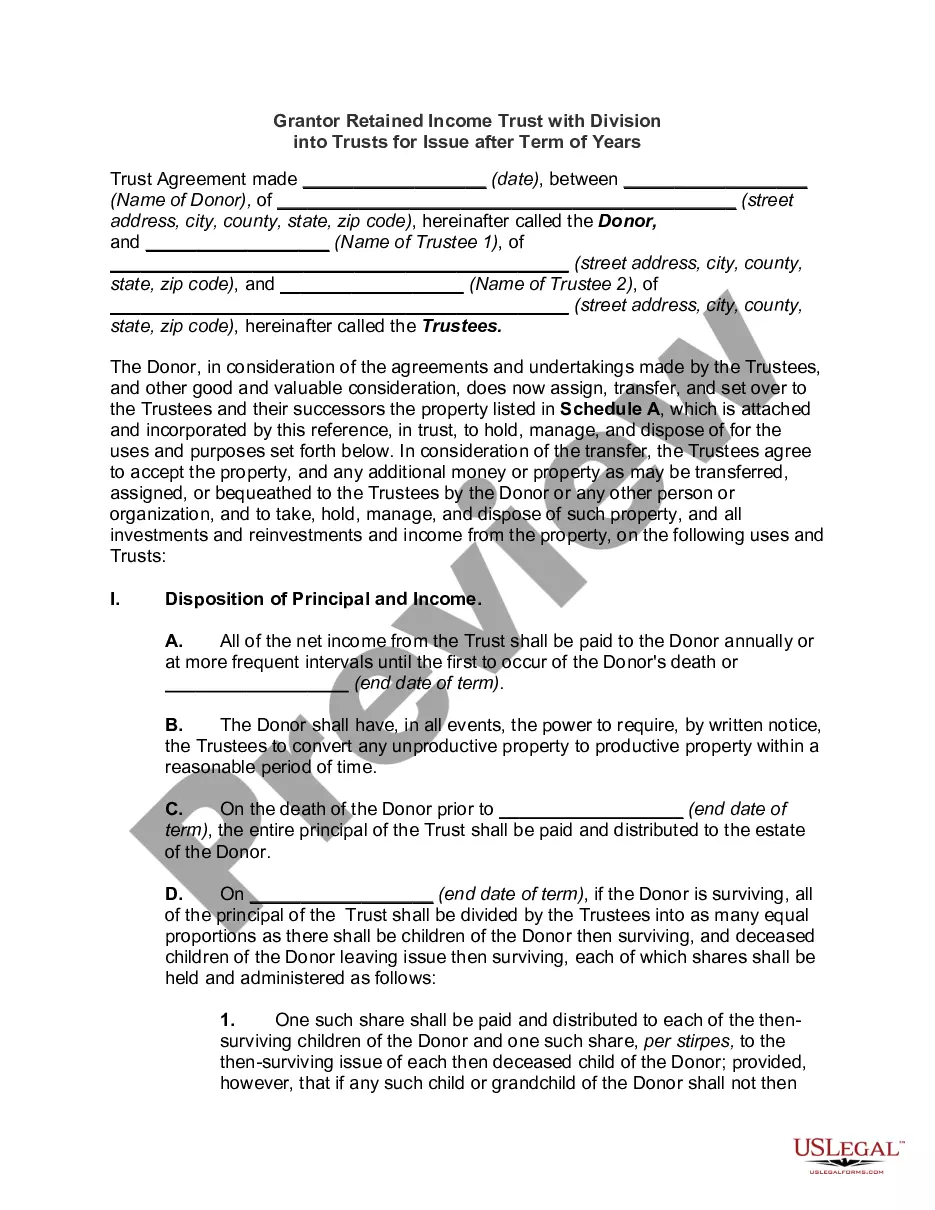
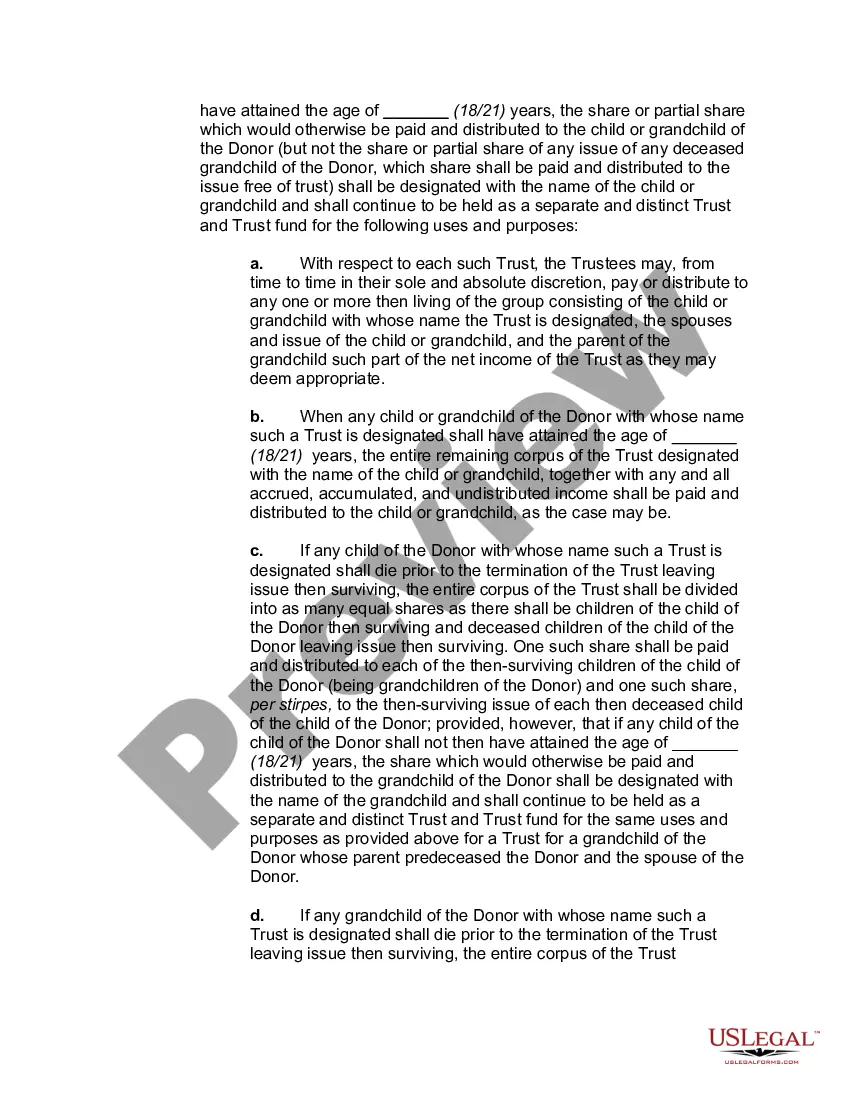
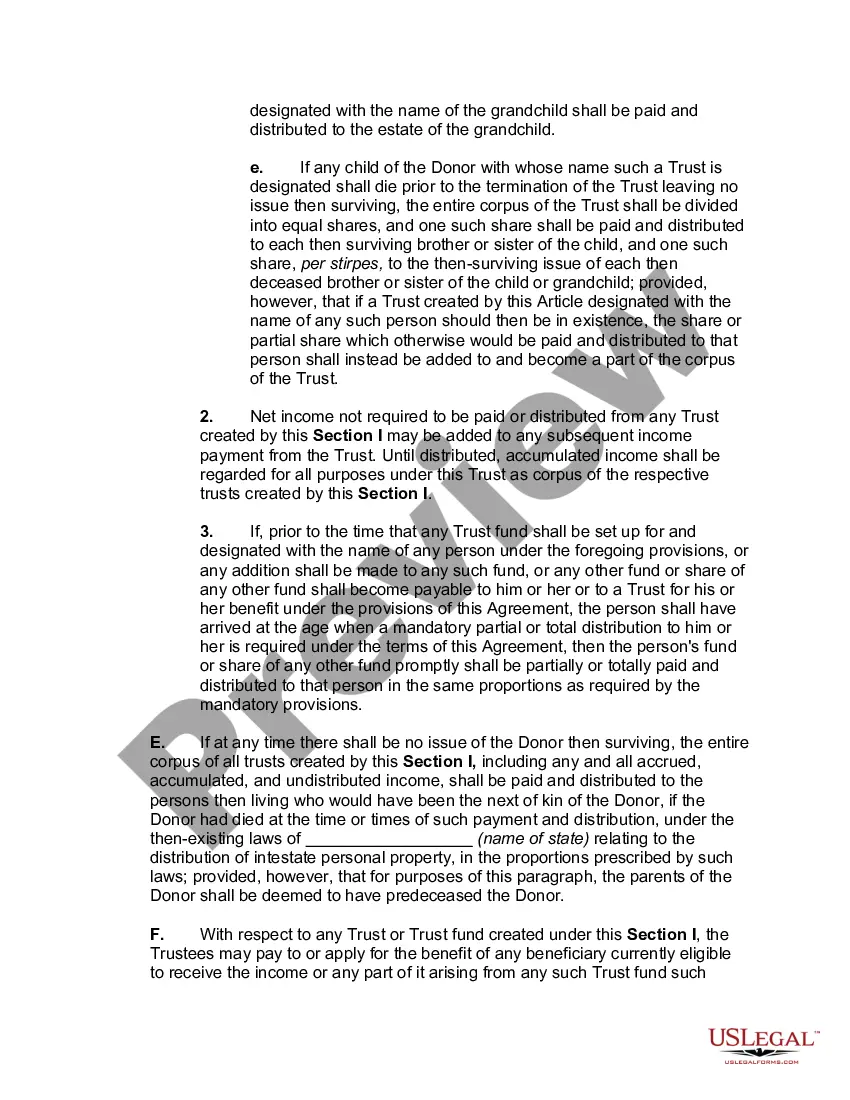
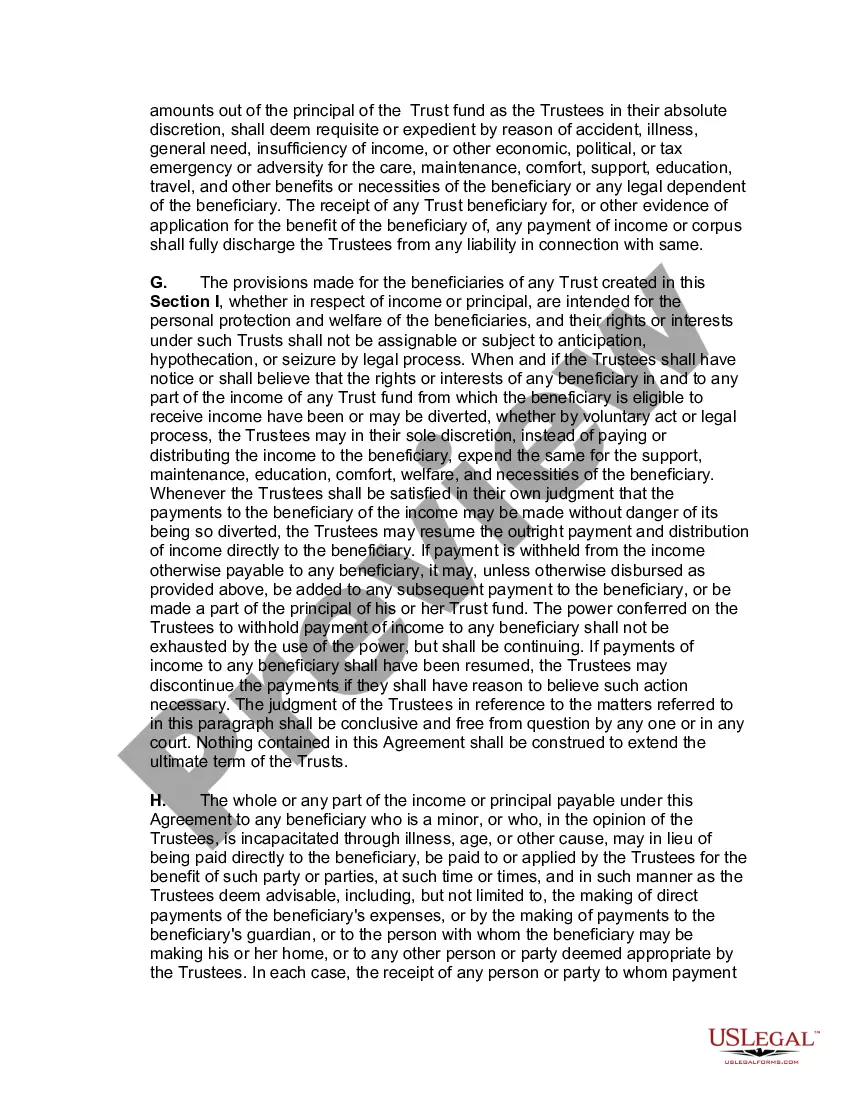
How to fill out Grantor Retained Income Trust With Division Into Trusts For Issue After Term Of Years?
- If you're a returning user, log in to your account to download your form template. Ensure your subscription is active; if not, renew it according to your payment plan.
- For first-time users, start by browsing the Preview mode to review form descriptions. Ensure you select the appropriate document that aligns with your local jurisdiction.
- If the desired form isn’t suitable, utilize the Search tab to find alternatives that better fit your requirements.
- Once satisfied with your selection, click 'Buy Now' to choose a subscription plan, which requires creating an account for access to the library.
- Finalize your purchase by entering your payment information. You can pay via credit card or PayPal.
- After completing your purchase, download the form to your device. You can access it anytime in the My documents section.
This streamlined process allows users, whether lawyers or individuals, to access and fill out over 85,000 forms quickly, making legal work simpler than ever.
Maximize your legal documentation experience with US Legal Forms today! Start your journey now.
Form popularity
FAQ
A grantee holds the right to possess and use the property as outlined in the transfer documents. This may include rights to sell, lease, or modify the property, depending on agreements made with the grantor. Understanding the rights of grantor and grantee ensures that all parties are clear about their privileges and limitations. Utilizing resources like USLegalForms can help clarify these rights further.
The main difference lies in their roles during a property transaction. The grantor is the one who transfers ownership, while the grantee is the one receiving it. Recognizing this distinction is crucial for parties involved in real estate deals. It helps in understanding the flow of rights and responsibilities in property ownership.
The role of a grantee involves accepting ownership rights and managing property responsibilities after the transfer. They must ensure that all necessary documentation is accurate and complete. Understanding the position of grantor and grantee aids in navigating legal requirements. Utilizing platforms like USLegalForms can simplify the process and provide essential forms.
The grantee becomes the owner once the transfer is complete, as they receive the property from the grantor. The grantor, on the other hand, relinquishes their ownership rights upon completion of the transfer. This distinction is critical for understanding property rights and obligations. Knowing who holds ownership after the transaction allows for informed decision-making.
The grantee is typically the buyer in a transaction. In the context of real estate, the grantee receives the property from the grantor, who is the seller. Understanding the roles of grantor and grantee is essential for anyone involved in property transactions. This clarity helps ensure smooth transactions and avoids potential disputes.
In the case of an irrevocable grantor trust, the grantor usually pays taxes on the trust's income. This occurs because the trust is disregarded for tax purposes, attributing the income directly to the grantor. It’s essential to maintain accurate documentation of the trust’s income to ensure proper tax reporting.
To report income from an irrevocable grantor trust, you will typically use the grantor's individual tax return. Since the IRS treats grantor trusts as part of the grantor's personal finances, the grantor can report the trust income directly. Keeping organized records of income generated by the trust will simplify the reporting process.
The individual tasked with managing the trust, often the trustee, is responsible for filing the tax return for the trust. However, when dealing with grantor trusts, the onus typically falls on the grantor since they report the income on their personal tax return. Understanding who holds this responsibility is crucial for compliance.
Form 1041 must be filed by estates and certain trusts that generate income, excluding grantor trusts. If the grantor and grantee are the same, the grantor avoids filing this form since income is reported on their individual tax return. However, if a trust generates significant income, consultations with tax professionals are advisable.
Income from a trust is generally reported on the appropriate tax forms based on the trust's type. For a grantor trust, the income typically flows through to the grantor's personal return, allowing the grantor to report it directly. Familiarizing yourself with tax requirements is essential for ensuring compliance in reporting trust income.