Devise And Bequeath All My Estate
Description
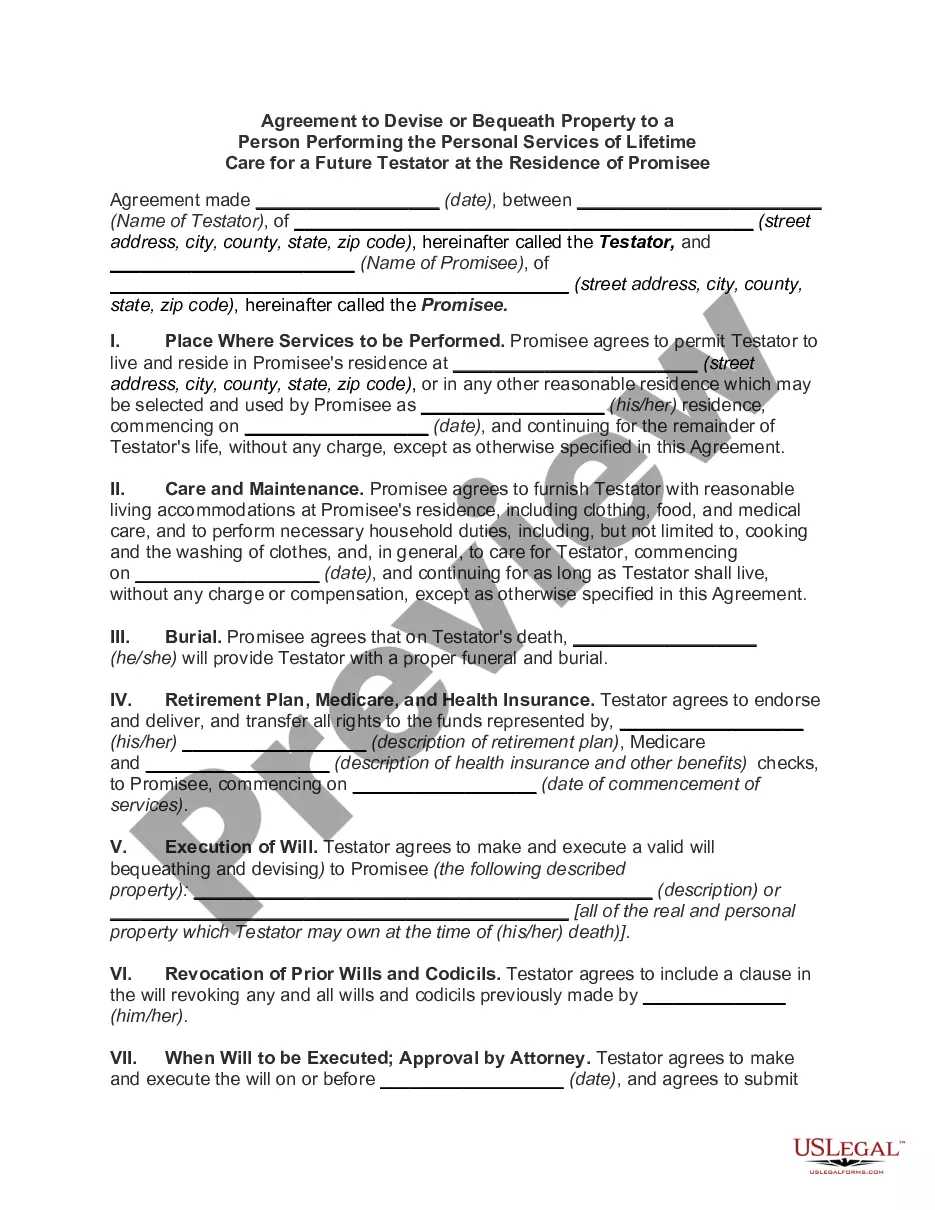
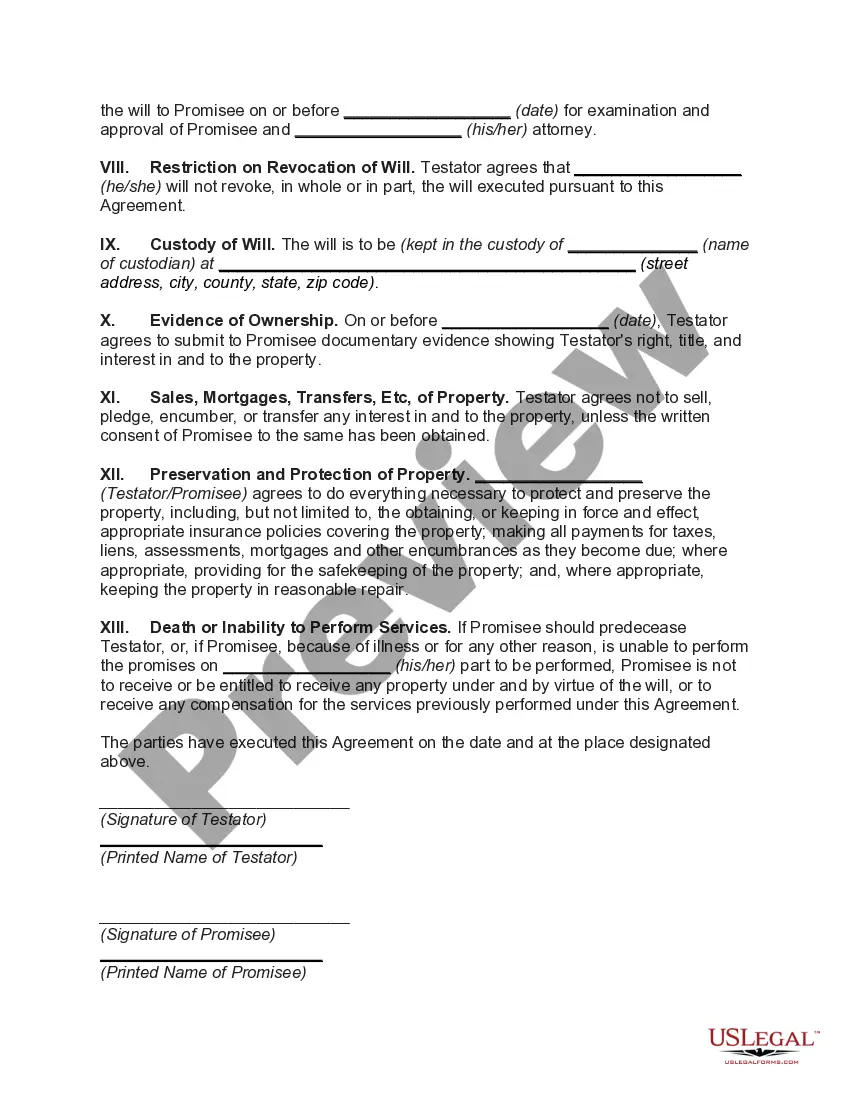
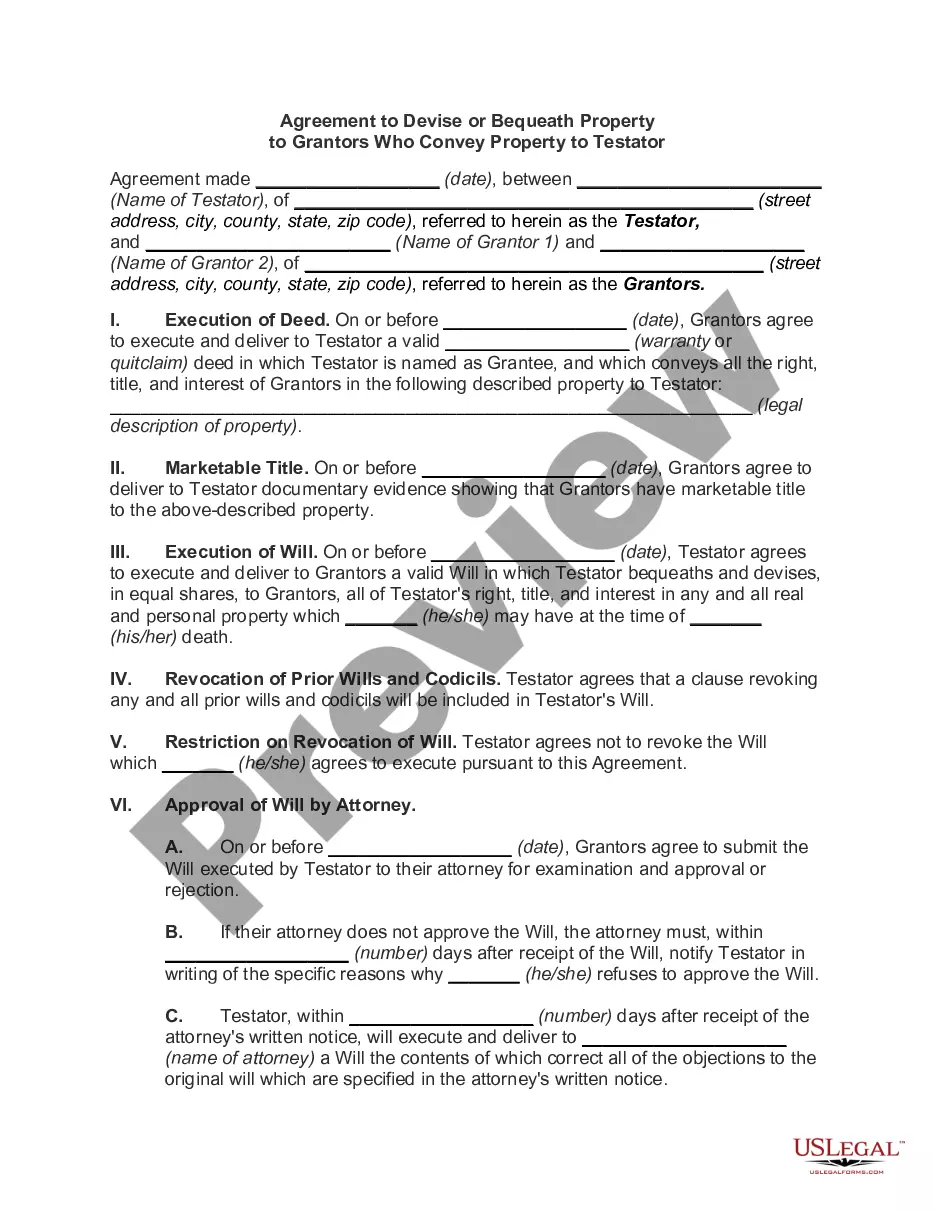
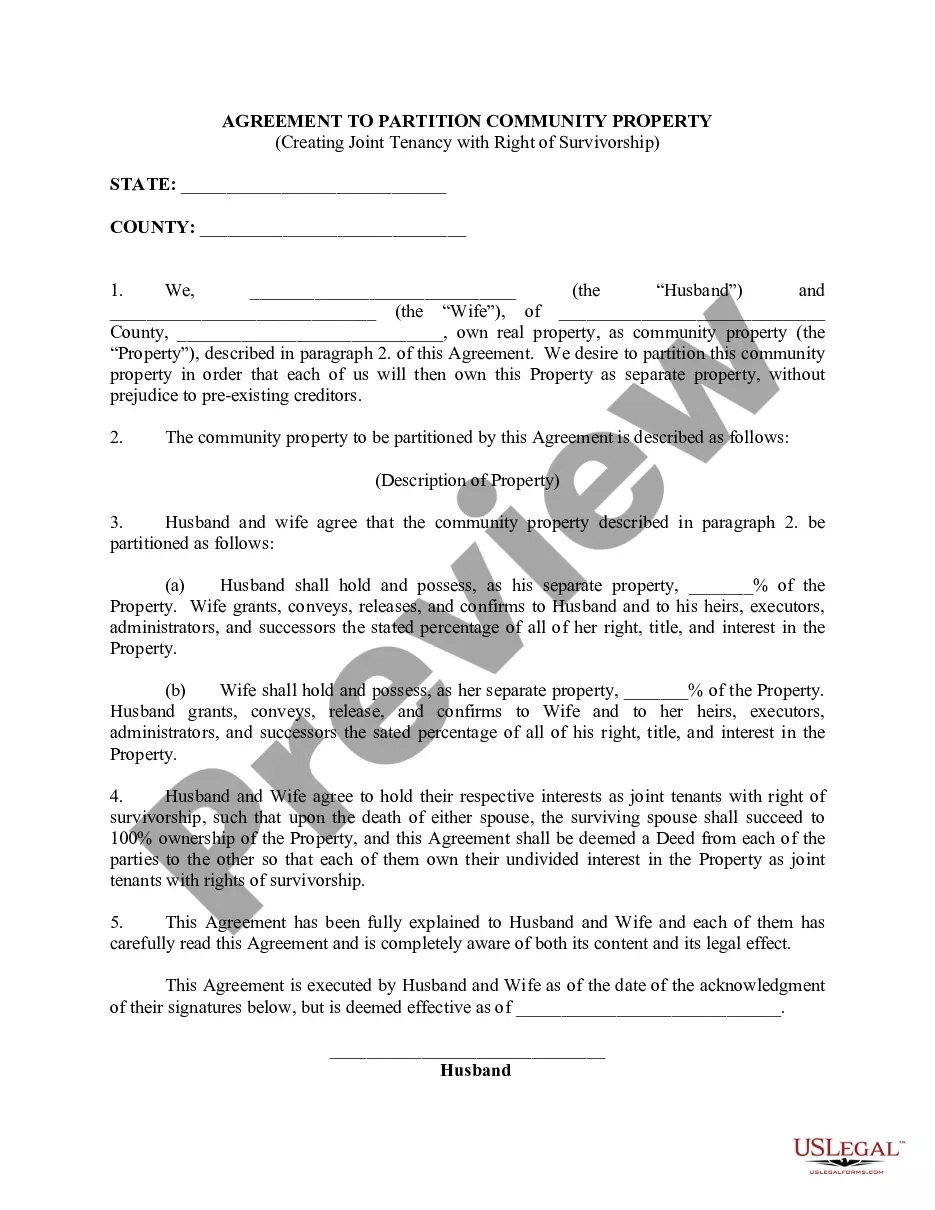

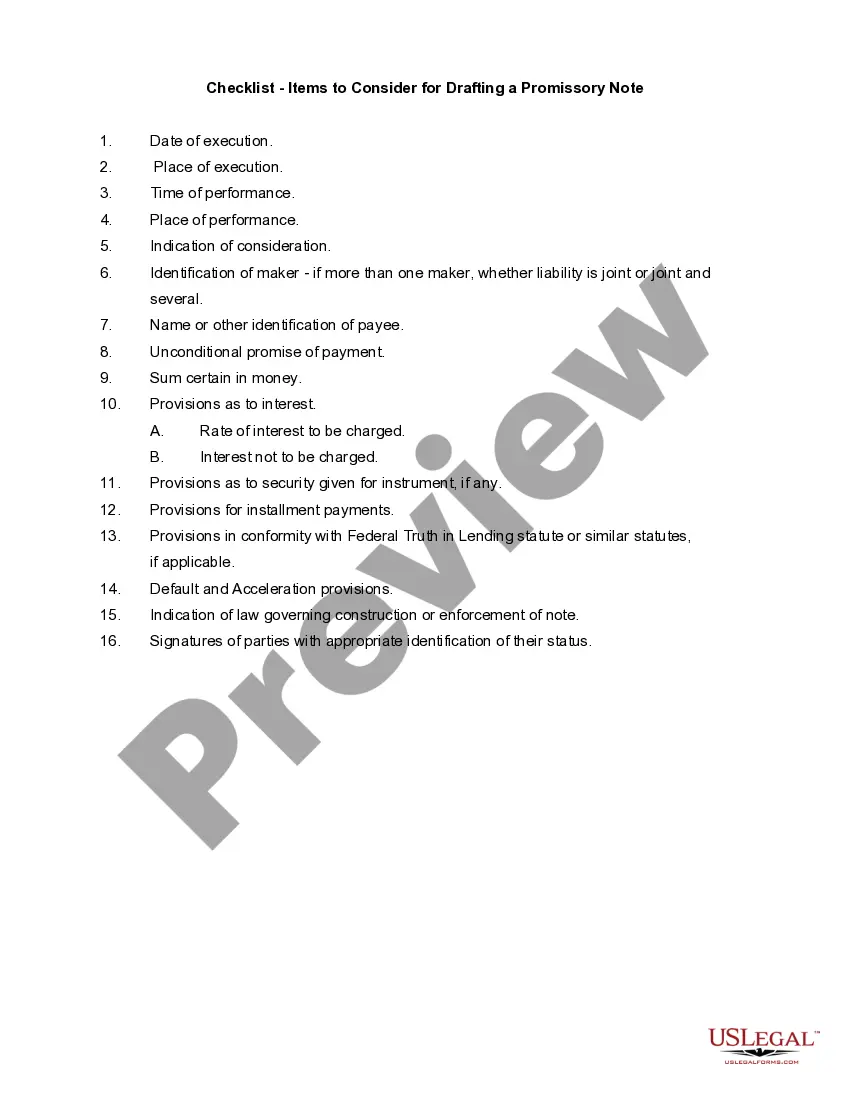



How to fill out Agreement To Devise Or Bequeath Property To A Person Performing The Personal Services Of Lifetime Care For A Future Testator?
Creating legal documents from the ground up can frequently be intimidating.
Certain situations may require extensive research and significant financial investment.
If you’re looking for a simpler and more economical approach to preparing Devise And Bequeath All My Estate or any other documentation without unnecessary complications, US Legal Forms is always available to assist you.
Our online library of over 85,000 current legal forms encompasses nearly every facet of your financial, legal, and personal matters.
However, before proceeding to download Devise And Bequeath All My Estate, adhere to these recommendations: Review the document preview and descriptions to confirm you are selecting the correct form. Ensure the form you choose complies with the regulations and laws of your state and county. Select the appropriate subscription plan to purchase the Devise And Bequeath All My Estate. Download the form, then complete, certify, and print it out. US Legal Forms has an impeccable reputation and over 25 years of experience. Join us today and make document completion a straightforward and efficient process!
- With just a few clicks, you can swiftly obtain state- and county-compliant templates meticulously crafted by our legal experts.
- Utilize our website whenever you require dependable and trustworthy services to easily find and retrieve the Devise And Bequeath All My Estate.
- If you’re familiar with our site and have previously registered, simply Log In to your account, find the template, and download it or re-download it at any later time from the My documents section.
- Not signed up yet? No problem.
- Setting up an account is quick and easy, allowing you to browse the collection.
Form popularity
FAQ
The phrase 'give devise and bequeath' is commonly used in wills to indicate the act of transferring property and assets to heirs. By including this phrase in your will, you clearly express your wishes regarding how you want to devise and bequeath all my estate. It is vital to use precise language in your will to avoid confusion among your beneficiaries.
In Alabama, estates generally must go through probate, especially if they include real property or significant assets. However, small estates may be eligible for a simplified process that bypasses full probate. To ensure you can smoothly devise and bequeath all my estate, it is important to understand Alabama's probate laws. You can find useful resources through US Legal Forms.
In Arkansas, probate is typically required for estates that exceed a certain value threshold. However, smaller estates may qualify for simplified procedures or even be exempt from probate altogether. Knowing the requirements in your state is essential if you wish to devise and bequeath all my estate efficiently. US Legal Forms can help you navigate these laws.
The best way to pass property to heirs often depends on your specific situation. You can use a will to bequeath property, or set up a trust to avoid probate and ensure a smoother transfer. By choosing the right method, you can effectively devise and bequeath all my estate while minimizing taxes and legal challenges. US Legal Forms can assist you in selecting the best approach.
Bequeath refers to the act of leaving assets to someone through a will, while inherit means receiving those assets after the individual who bequeathed them has passed away. When you devise and bequeath all my estate, you clarify your wishes for who will inherit your belongings. Understanding this distinction can help ensure your intentions are clear in your will.
Yes, an estate can sometimes be distributed without probate. This usually occurs when assets are held in a trust or designated with payable-on-death beneficiaries. Utilizing tools like living trusts can simplify the process, allowing you to devise and bequeath all my estate without the complexities of probate. Consider using US Legal Forms to explore these options.
In general, you cannot distribute an estate before probate. Probate is the legal process that validates a will and oversees the distribution of assets. However, certain assets, like those held in a trust or joint ownership properties, may be distributed without going through probate. If you want to effectively devise and bequeath all my estate, understanding probate is crucial.
To devise an estate means to grant ownership of real property through your will. This legal act allows you to decide who will receive your estate after your death, ensuring that your assets go to the intended individuals. By clearly stating your desires in your will, you can effectively manage the distribution of your estate. Using a platform like US Legal Forms can help you create a comprehensive will that captures your intentions.
When you create a will, you may use the terms devise and bequeath to specify how you want your assets distributed. To devise refers to giving real property, while bequeath typically relates to personal property. By stating, 'I devise and bequeath all my estate,' you provide clear instructions for your loved ones, ensuring that your wishes are respected. This clarity can prevent potential disputes among beneficiaries.
Inheritance refers to the transfer of assets from a deceased person's estate to their heirs under the law. In contrast, to devise means to specifically allocate property through a will. When you devise and bequeath all my estate, you clearly outline who receives which assets. This distinction is important, as it helps ensure your wishes are followed after your passing.