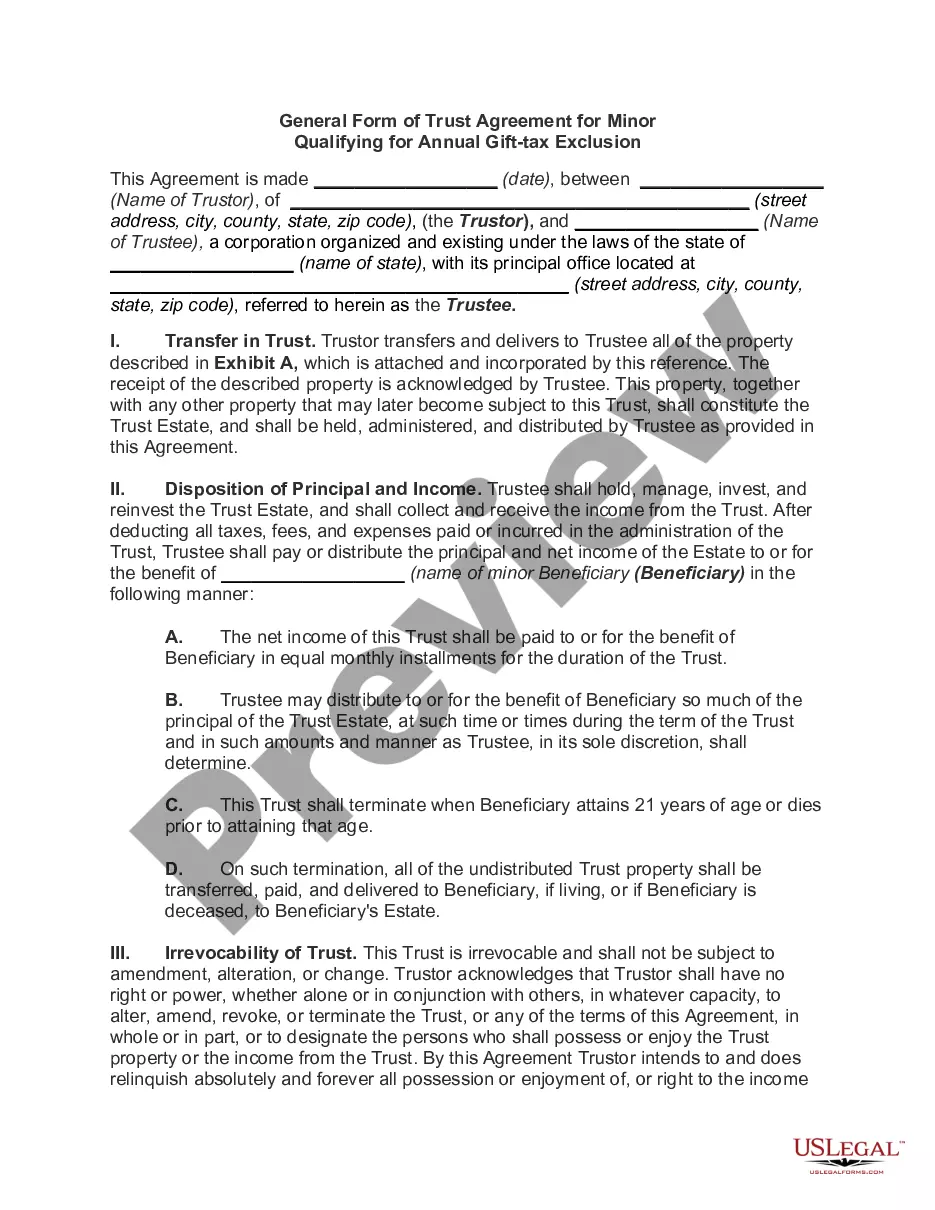
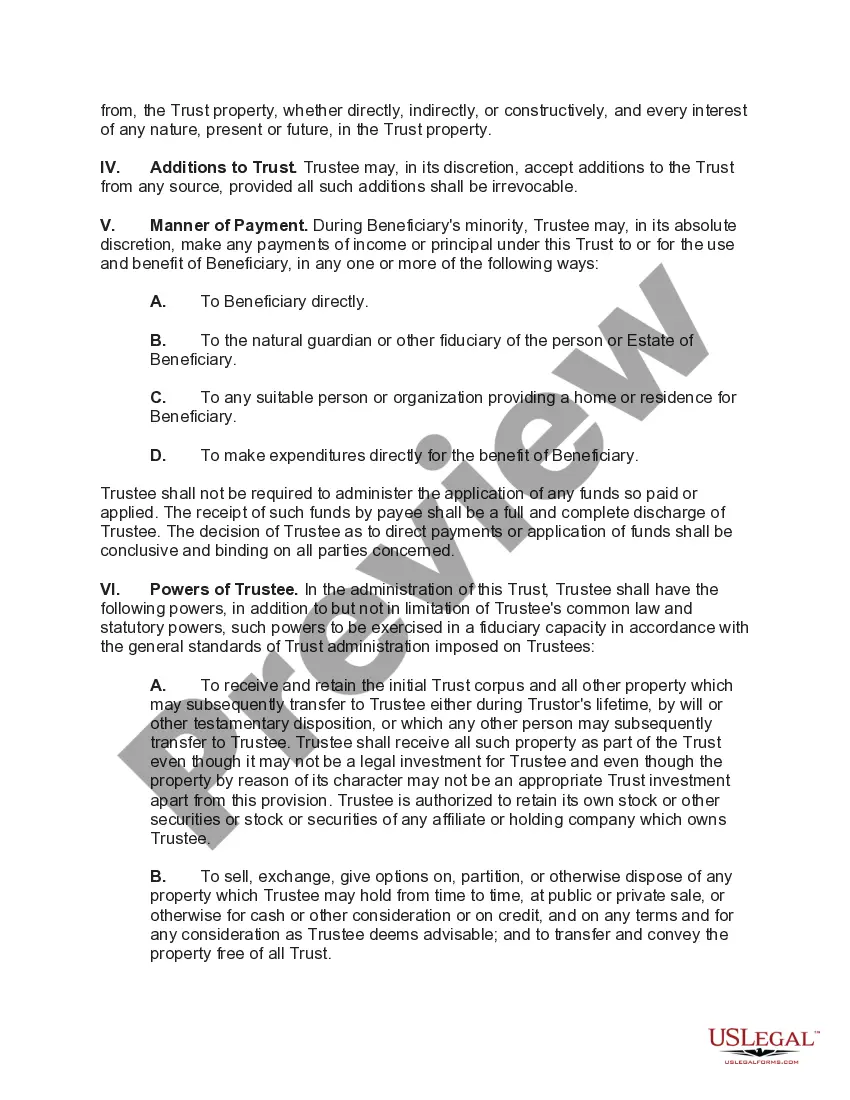
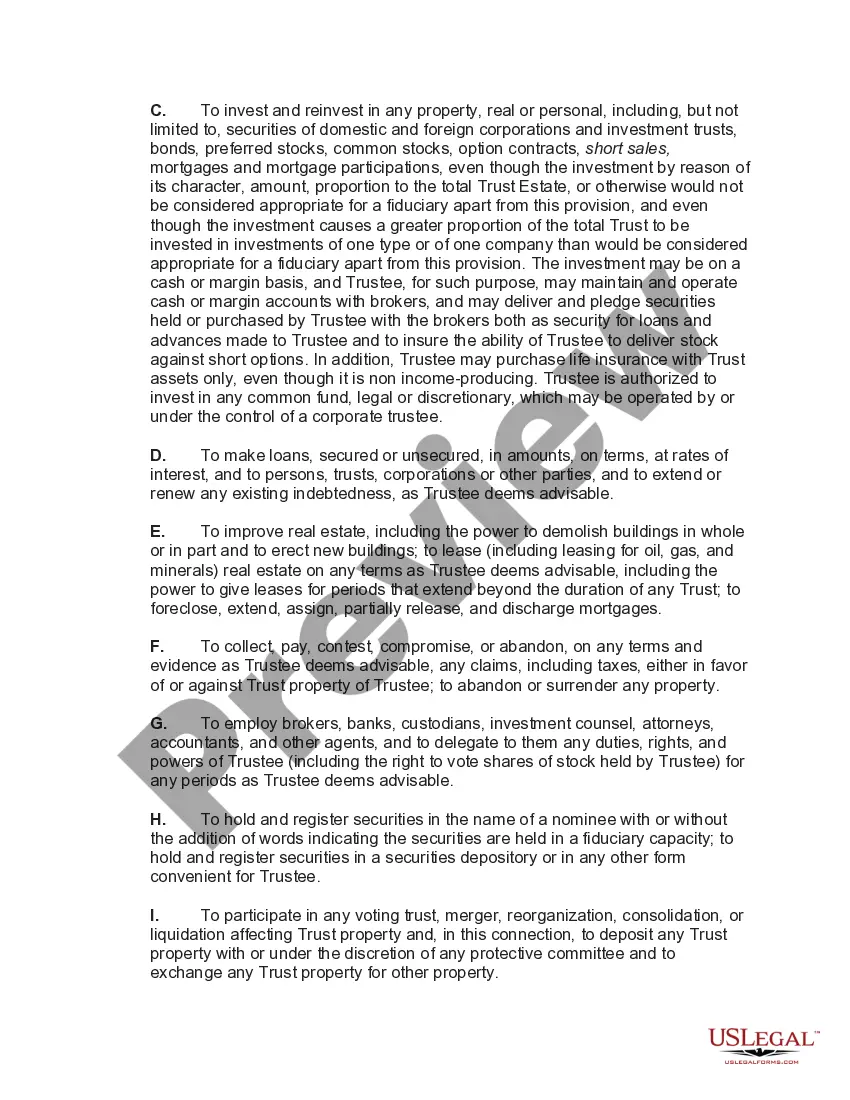
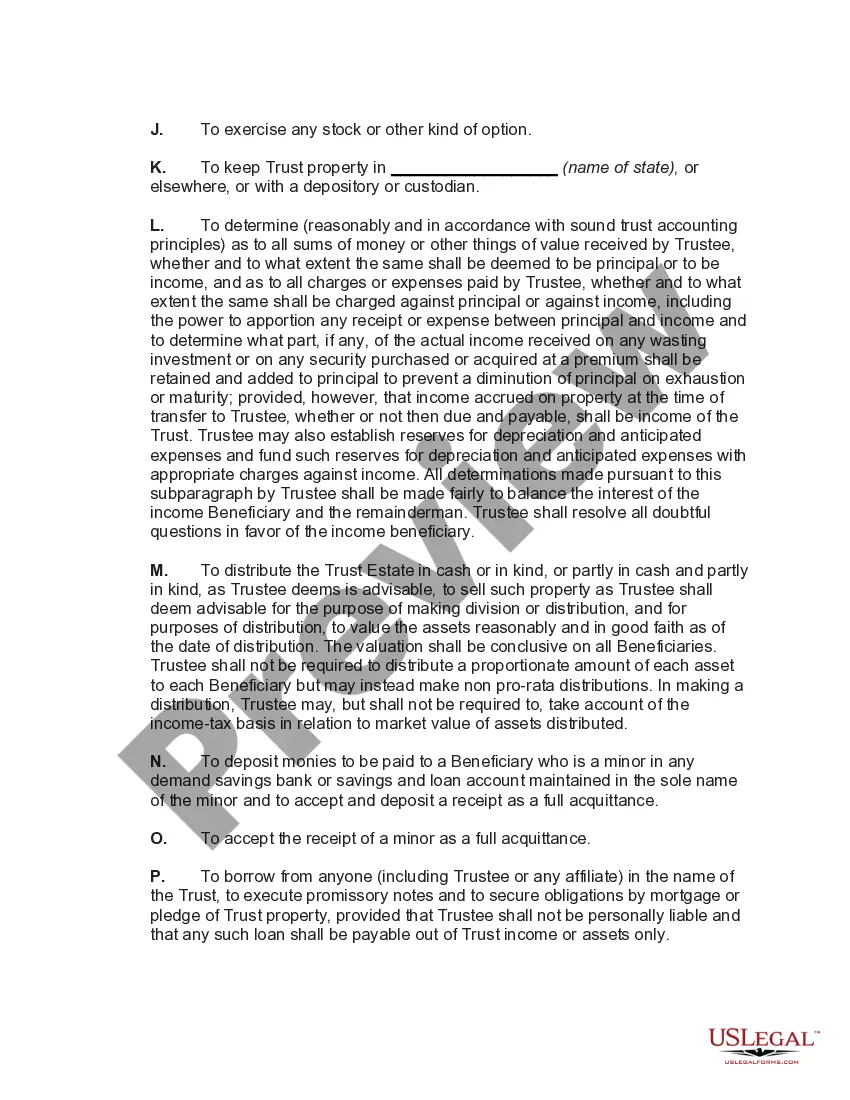
Trust Agreement Gift Tax For Irrevocable
Description

Get your form ready online
Our built-in tools help you complete, sign, share, and store your documents in one place.
Make edits, fill in missing information, and update formatting in US Legal Forms—just like you would in MS Word.
Download a copy, print it, send it by email, or mail it via USPS—whatever works best for your next step.
Sign and collect signatures with our SignNow integration. Send to multiple recipients, set reminders, and more. Go Premium to unlock E-Sign.
If this form requires notarization, complete it online through a secure video call—no need to meet a notary in person or wait for an appointment.
We protect your documents and personal data by following strict security and privacy standards.

Make edits, fill in missing information, and update formatting in US Legal Forms—just like you would in MS Word.

Download a copy, print it, send it by email, or mail it via USPS—whatever works best for your next step.

Sign and collect signatures with our SignNow integration. Send to multiple recipients, set reminders, and more. Go Premium to unlock E-Sign.

If this form requires notarization, complete it online through a secure video call—no need to meet a notary in person or wait for an appointment.

We protect your documents and personal data by following strict security and privacy standards.
Looking for another form?



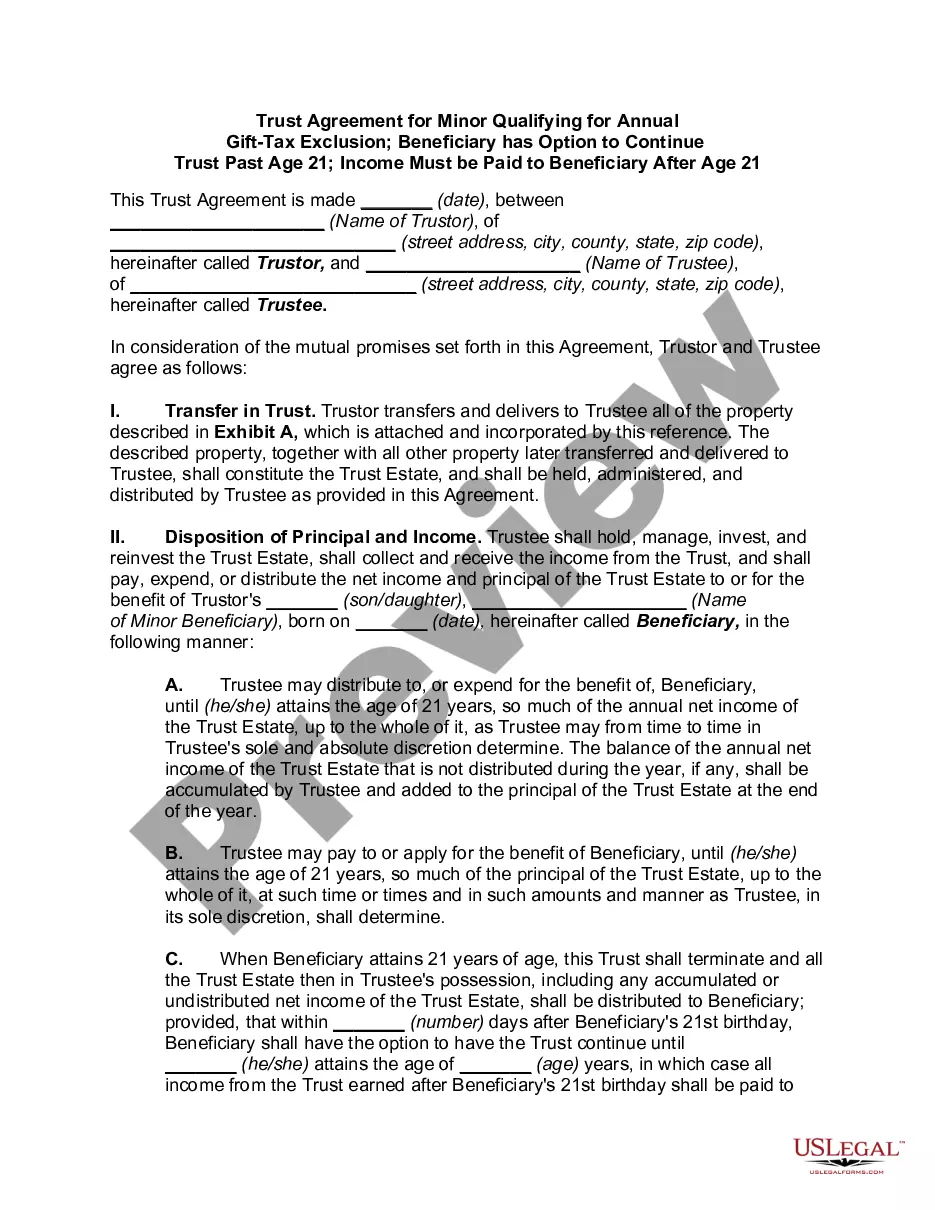
How to fill out General Form Of Trust Agreement For Minor Qualifying For Annual Gift Tax Exclusion?
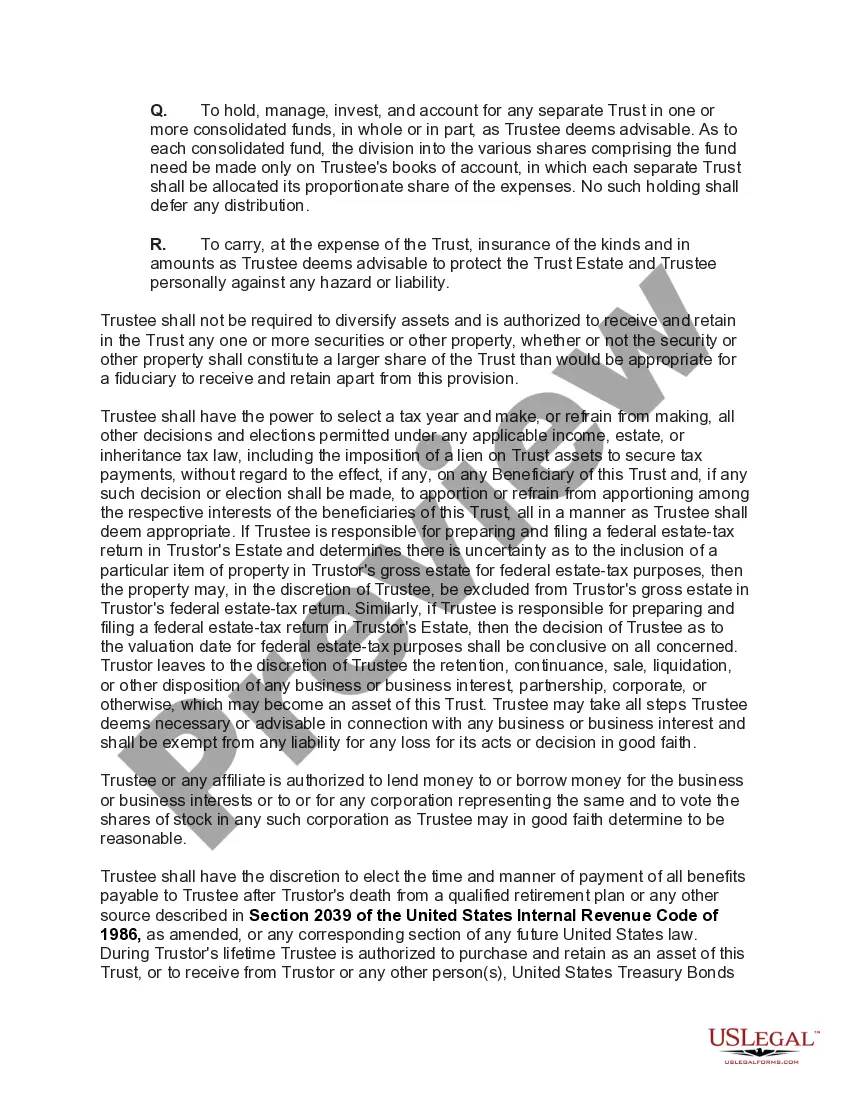
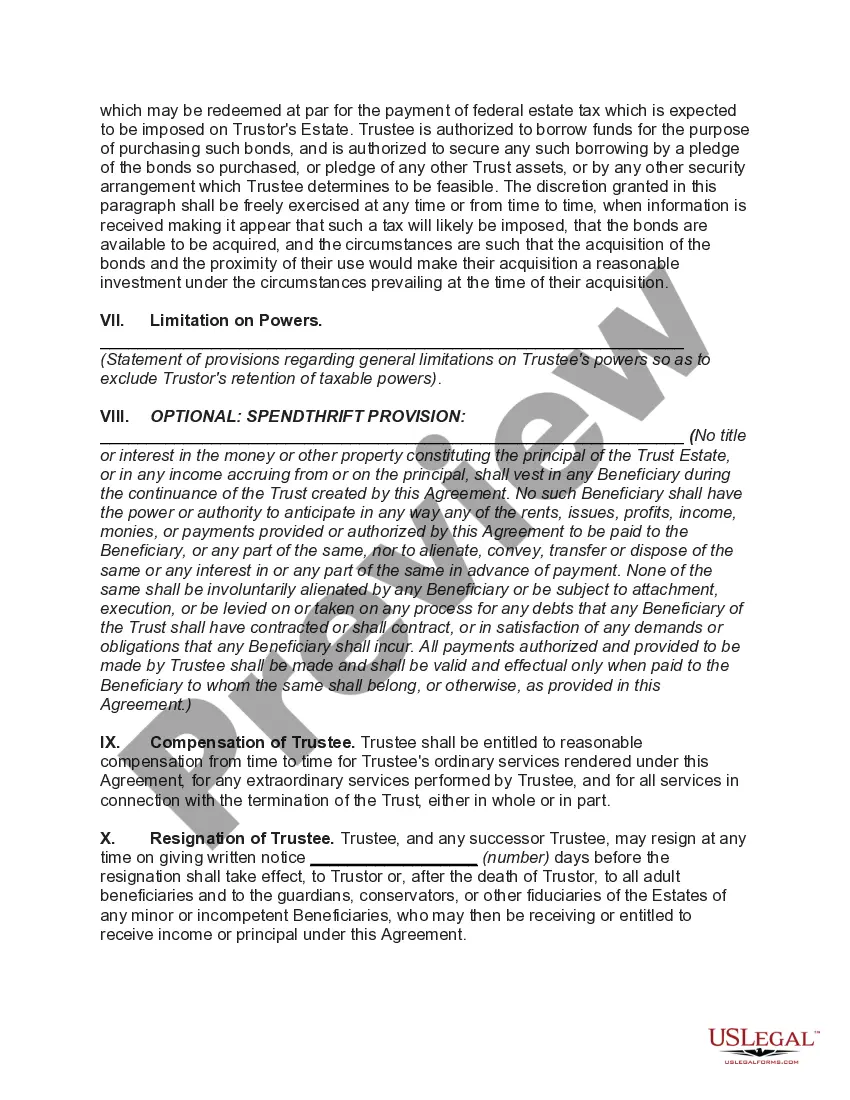
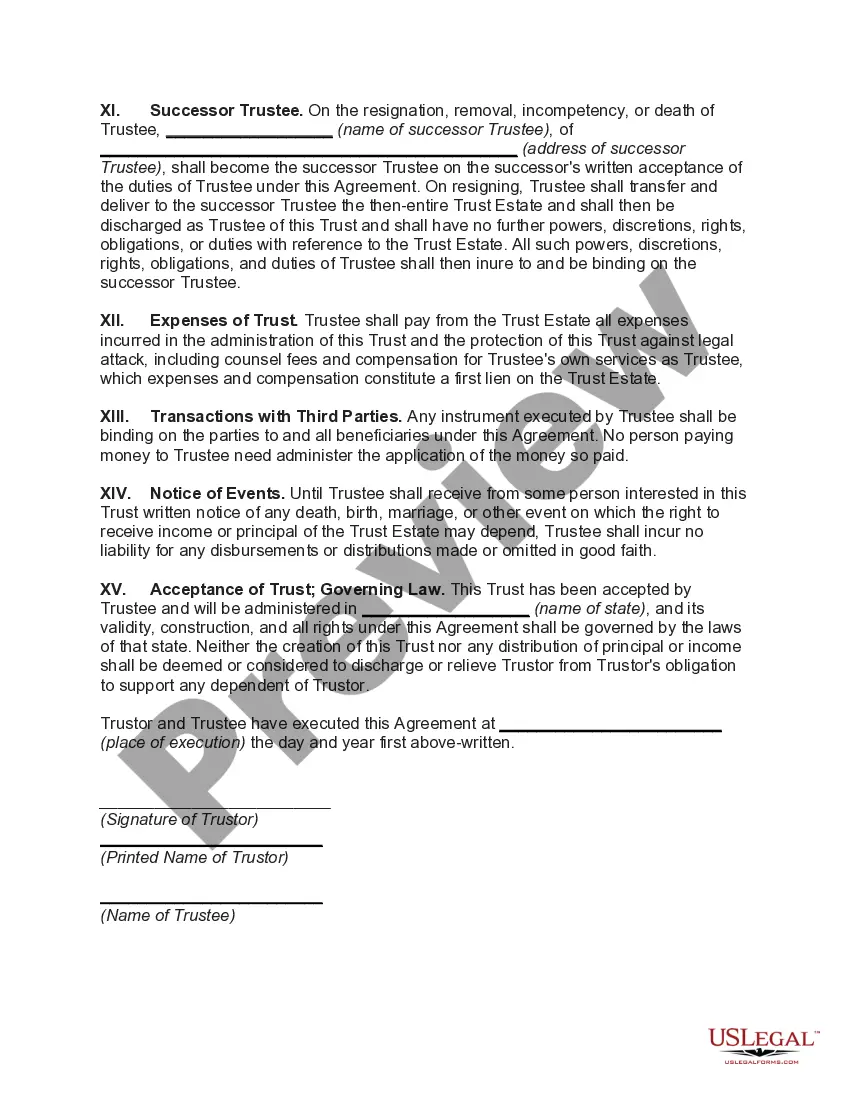
The Trust Agreement Gift Tax For Irrevocable that appears on this page is a versatile formal template crafted by expert attorneys in accordance with federal and local regulations.
For over 25 years, US Legal Forms has supplied individuals, businesses, and legal practitioners with more than 85,000 validated, state-specific documents for any commercial and personal needs. It’s the fastest, easiest, and most dependable method to acquire the necessary paperwork, as the service ensures bank-grade data protection and anti-malware safety.
Join US Legal Forms to have authenticated legal templates for all of life’s situations at your fingertips.
- Search for the document you require and review it.
- Browse the file you located and preview it or examine the form description to ensure it meets your requirements. If it doesn’t, use the search bar to find the correct one. Click Buy Now once you have found the template you need.
- Register and Log In.
- Choose the pricing option that fits you and sign up for an account. Use PayPal or a credit card to make a swift payment. If you possess an existing account, Log In and verify your subscription to continue.
- Acquire the editable template.
- Select the format you desire for your Trust Agreement Gift Tax For Irrevocable (PDF, Word, RTF) and save the document on your device.
- Complete and sign the documents.
- Print the template to fill it out manually. Alternatively, use an online multi-functional PDF editor to efficiently and accurately fill out and sign your form with an electronic signature.
- Re-download your documents as needed.
- Access the same document again whenever required. Go to the My documents section in your profile to redownload any previously purchased forms.
Form popularity
FAQ
Disadvantages of Irrevocable Trusts Fairly Rigid terms: They are not very flexible. Once the terms are established, they can be difficult to change. The Three-Year Rule: If you include life insurance in an irrevocable trust and pass away within three years, the proceeds return to your estate and become taxable.
What Happens When the Grantor Dies? When the grantor of an irrevocable trusts dies, the person named successor trustee in the Declaration of Trust assumes control of the trust. The new trustee distributes the assets placed in the trust to the proper beneficiaries.
Irrevocable trusts are generally set up to minimize estate taxes, access government benefits, and protect assets. This is in contrast to a revocable trust, which allows the grantor to modify the trust, but loses certain benefits such as creditor protection.
An irrevocable gifting trust allow you to retain some control of your assets while gifting them to someone else during your lifetime.
The assets you cannot put into a trust include the following: Medical savings accounts (MSAs) Health savings accounts (HSAs) Retirement assets: 403(b)s, 401(k)s, IRAs. Any assets that are held outside of the United States. Cash. Vehicles.