Qualified Trust For Ira
Description
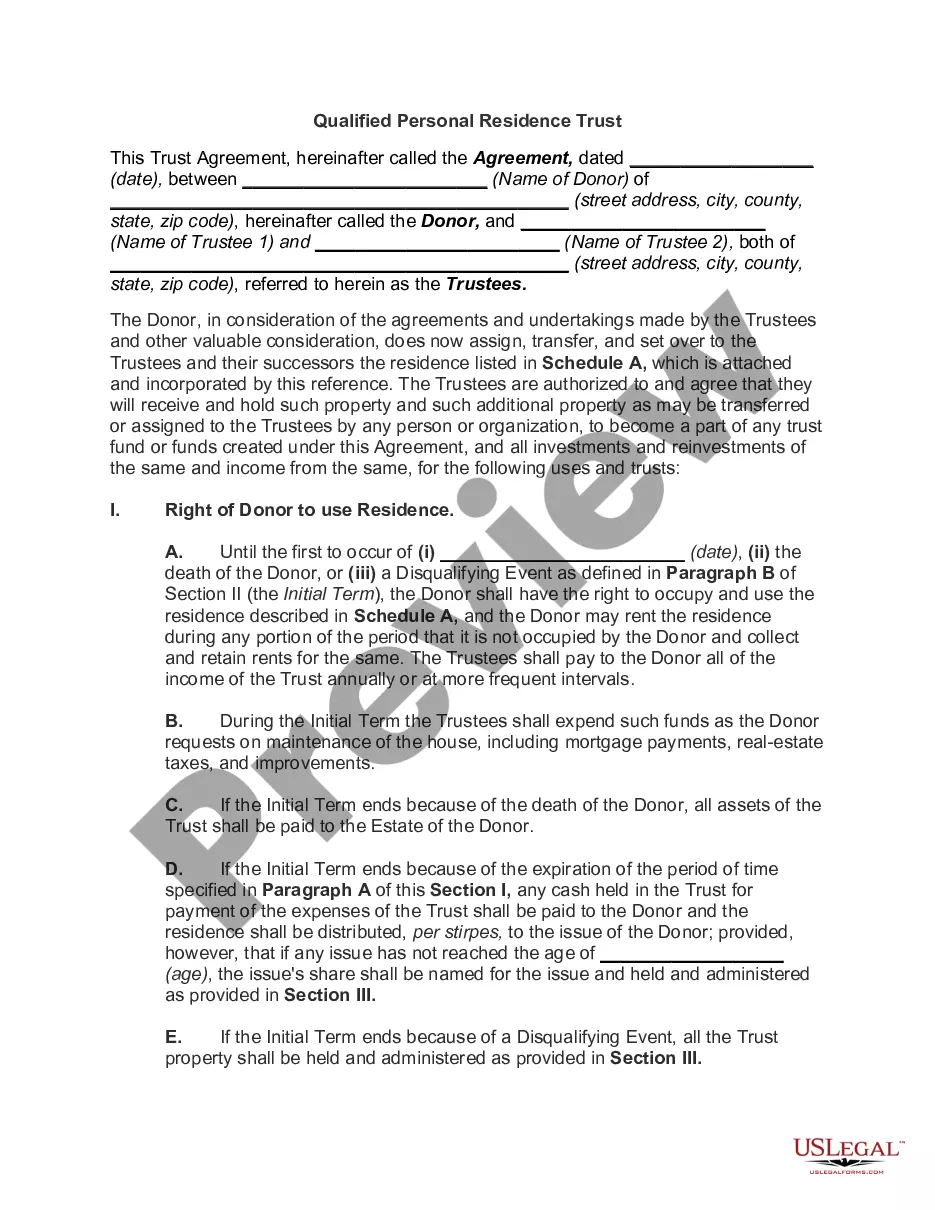
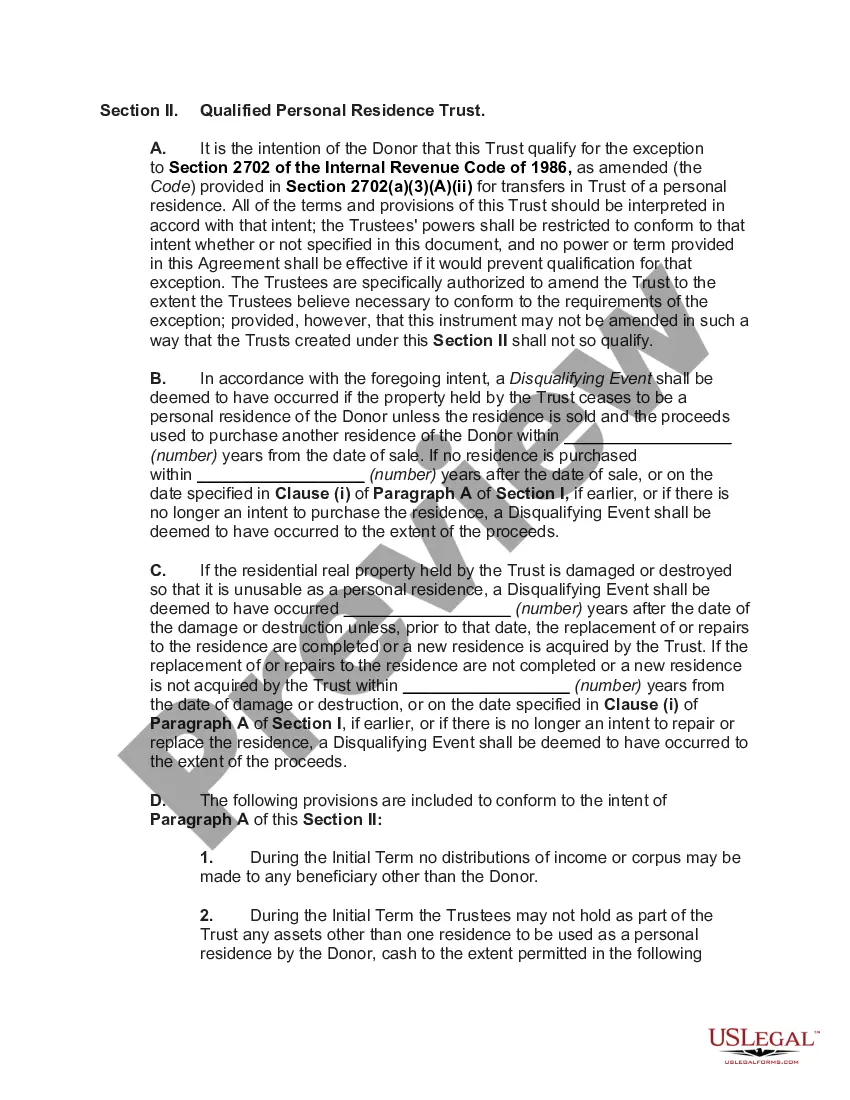
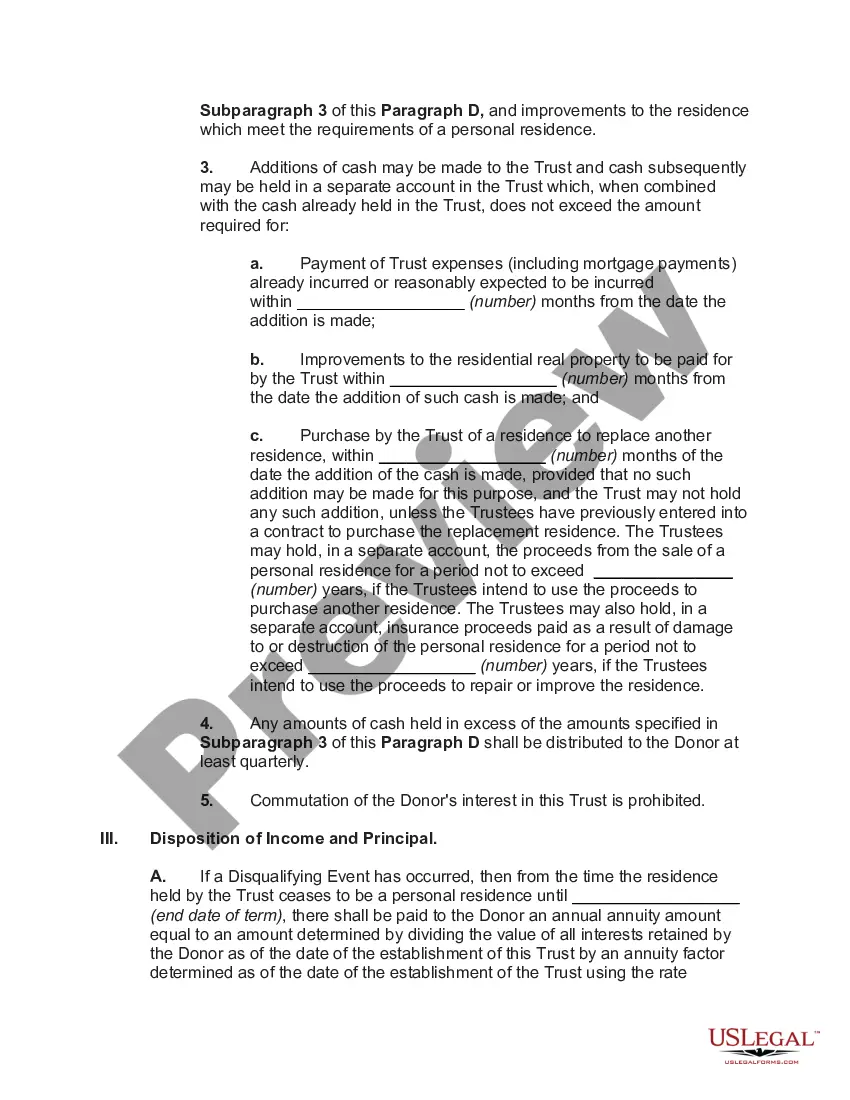
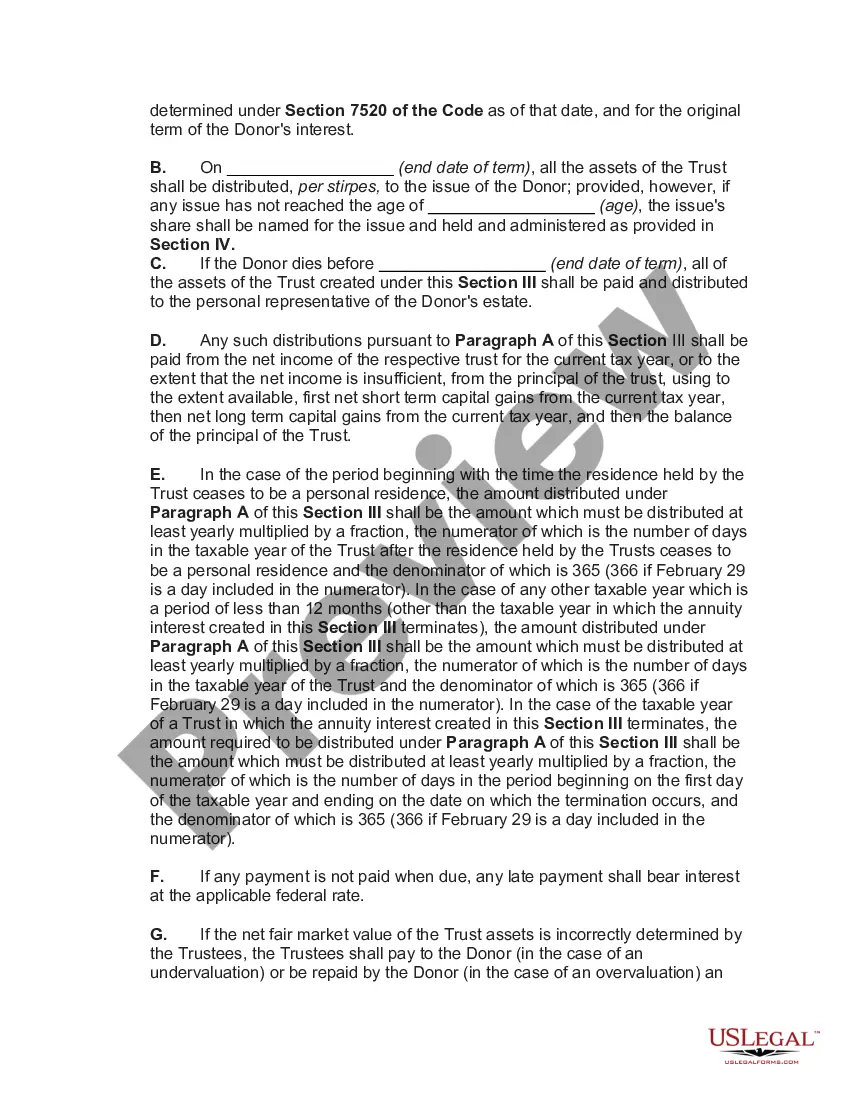
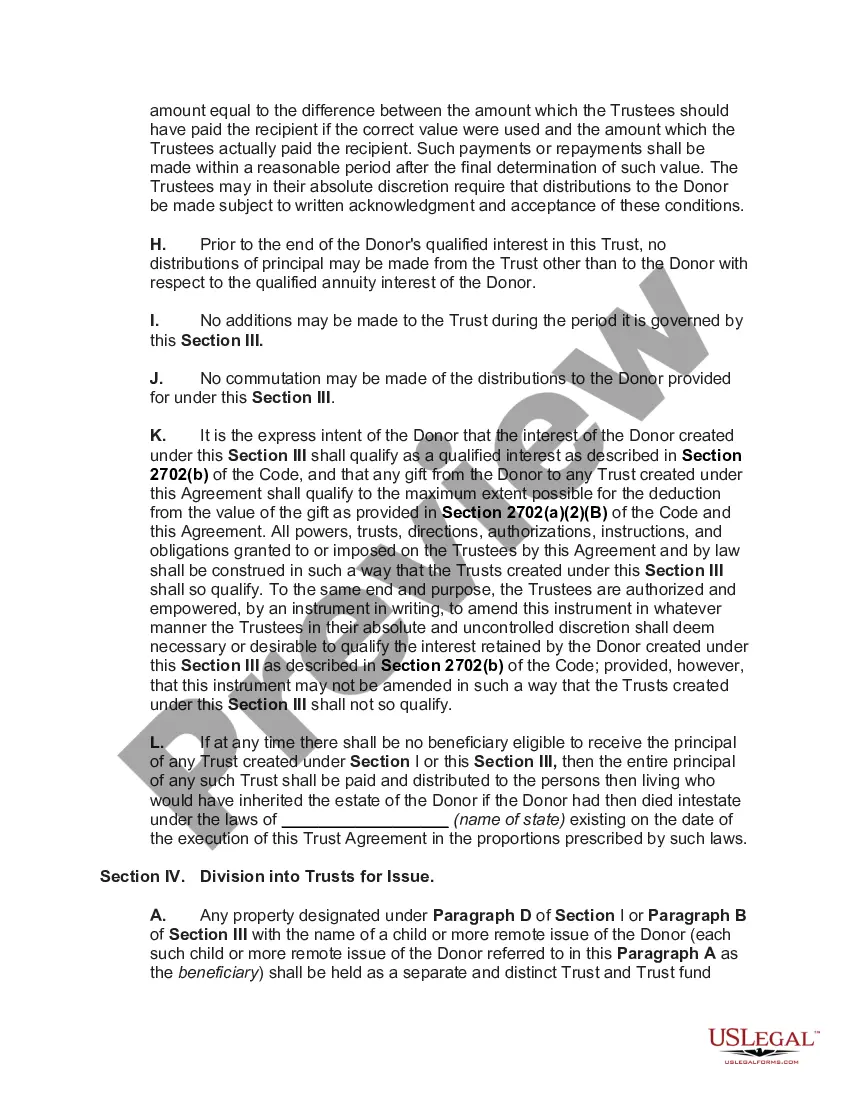
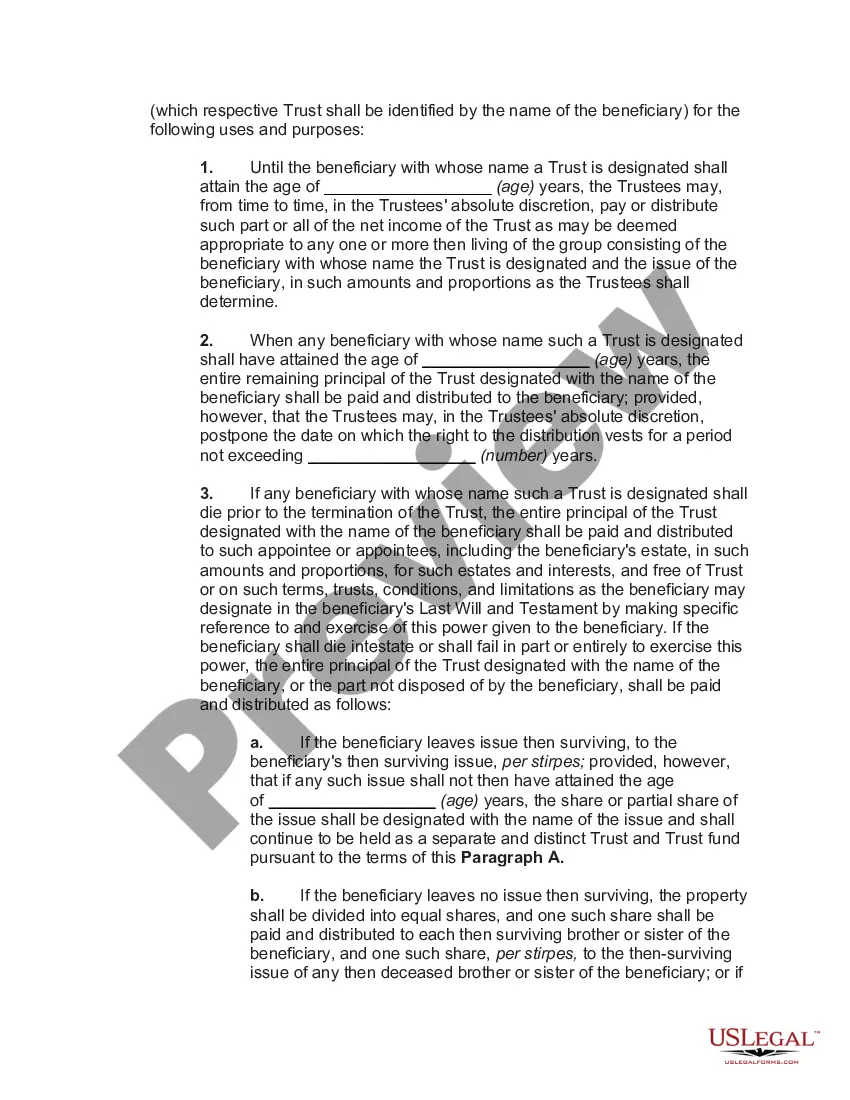
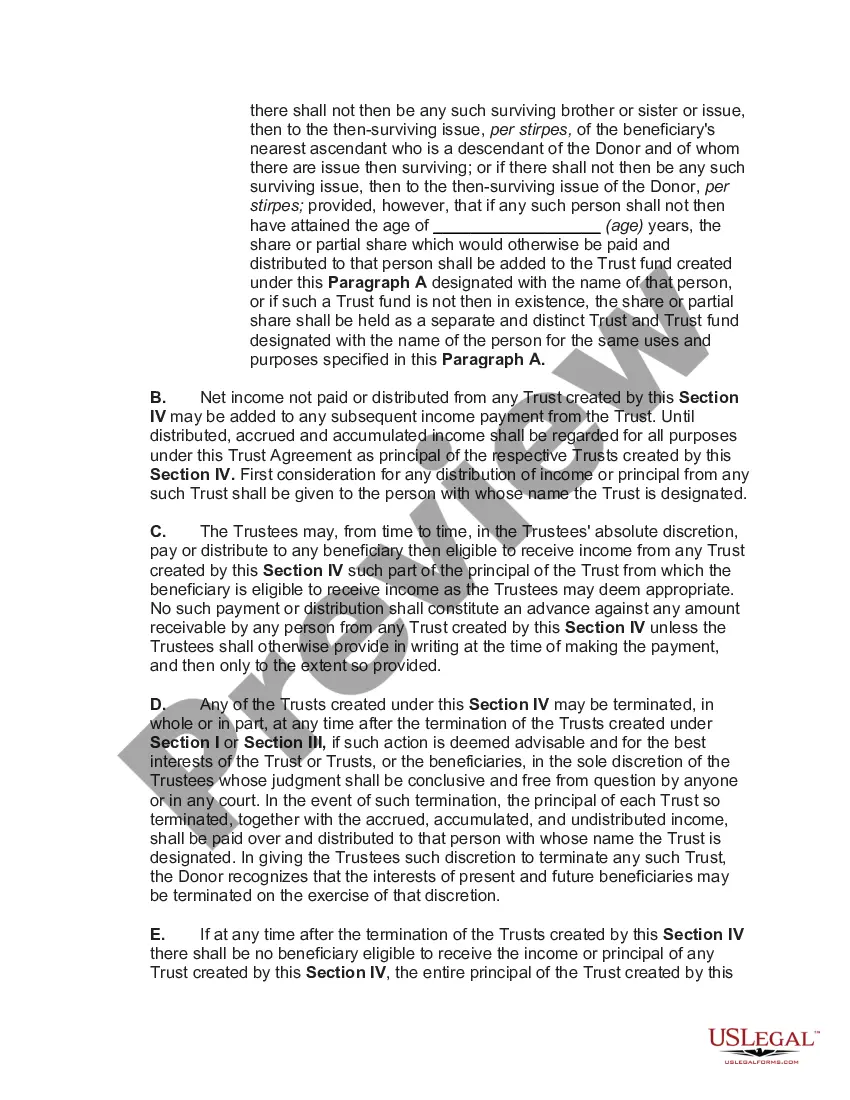
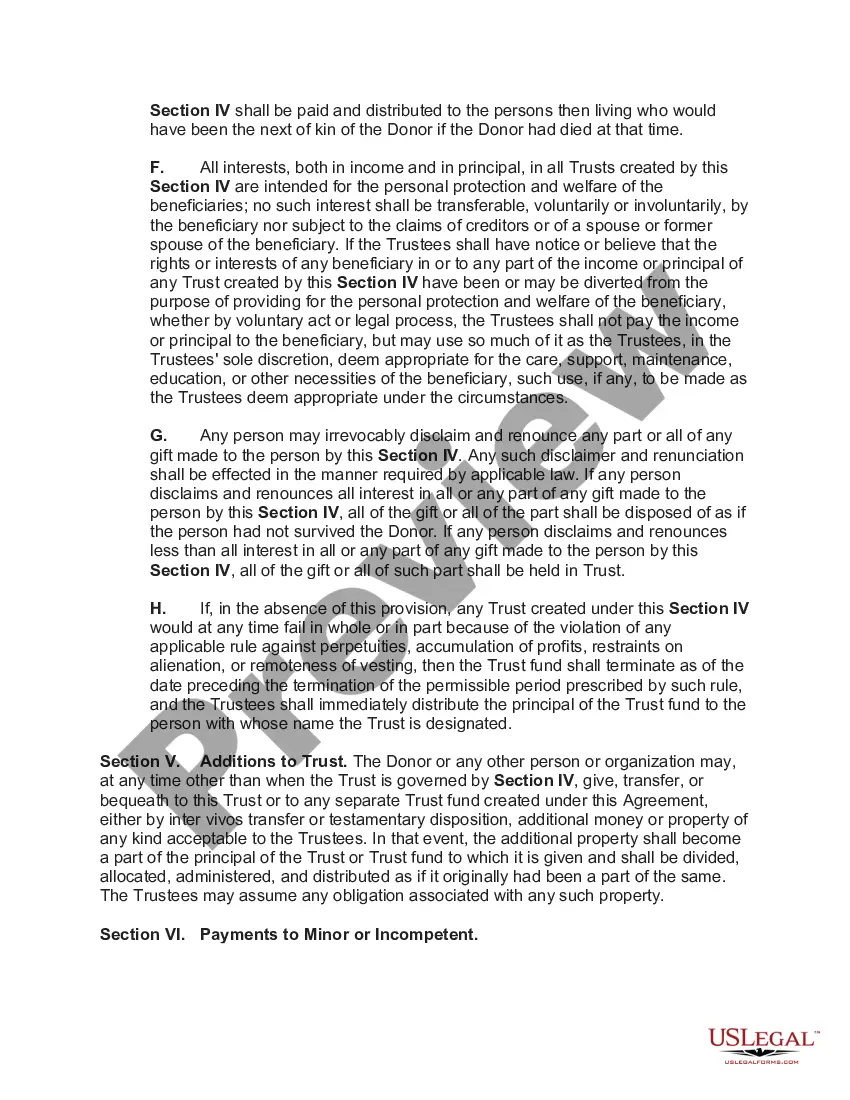
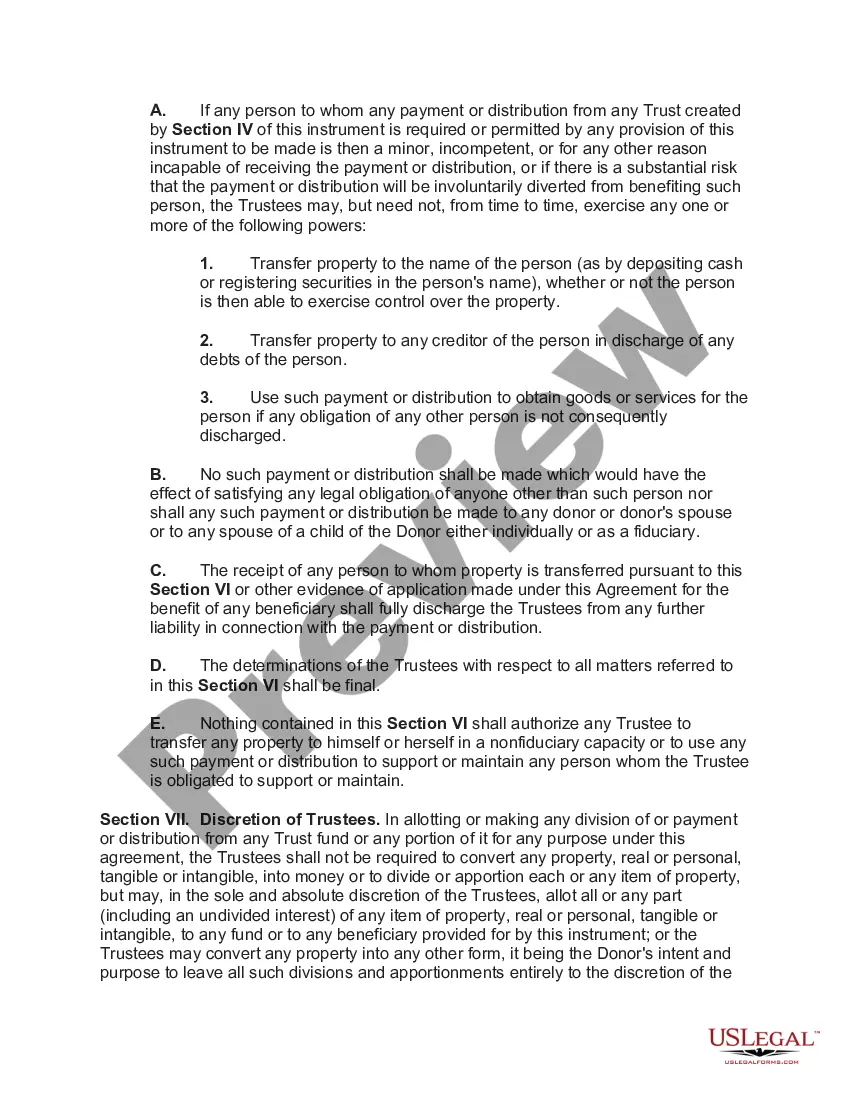
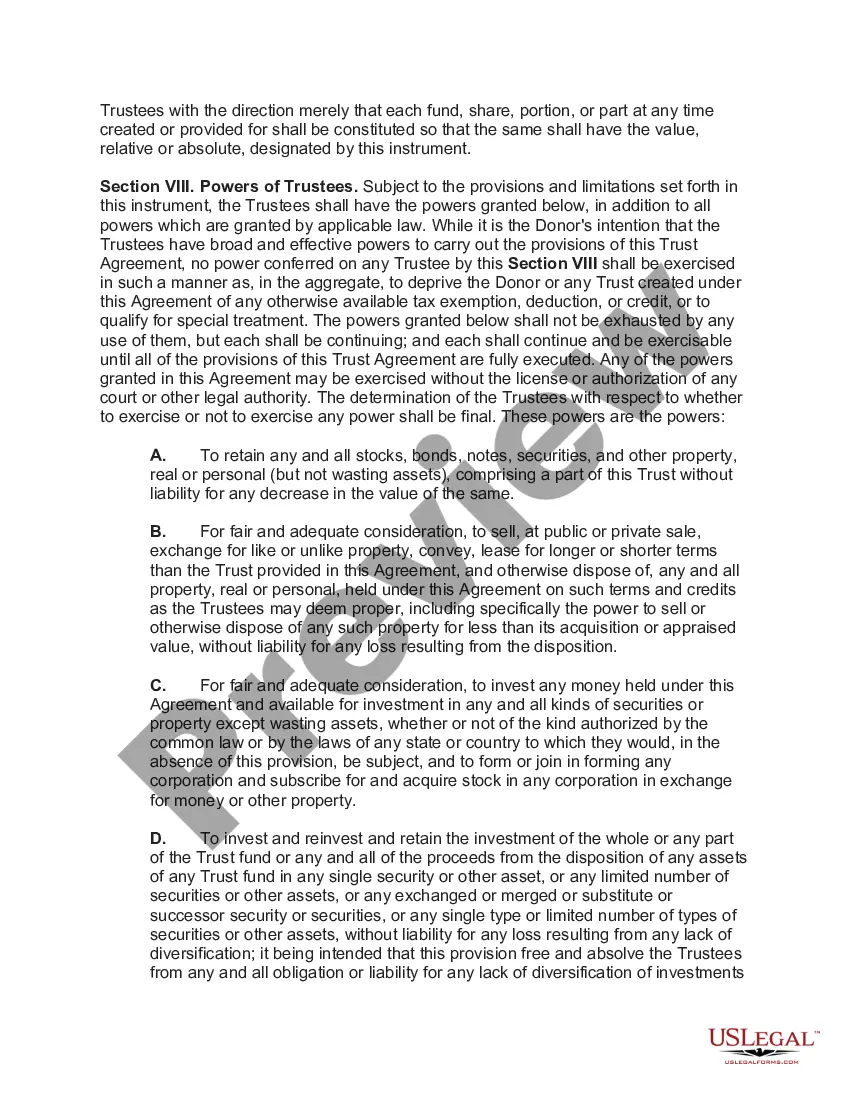

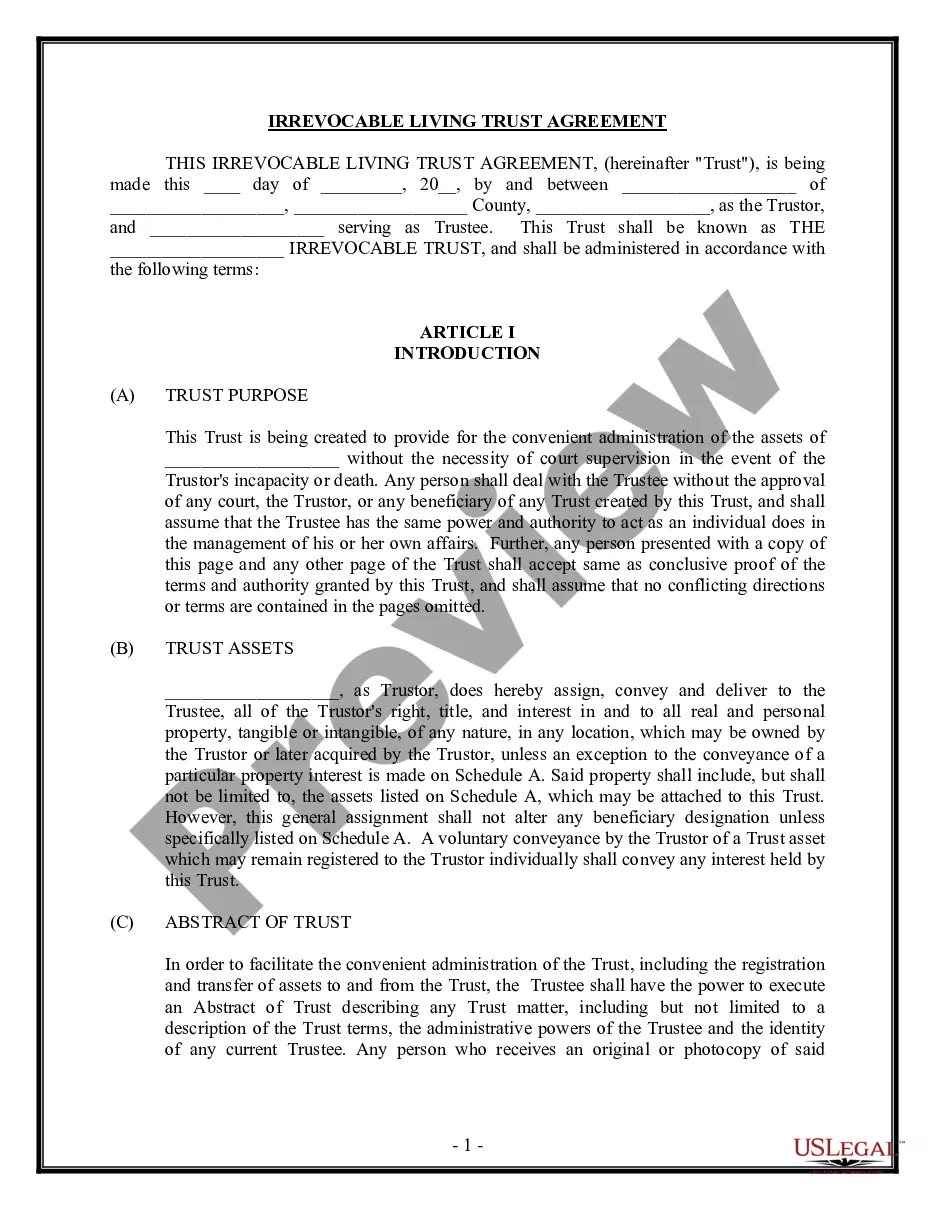
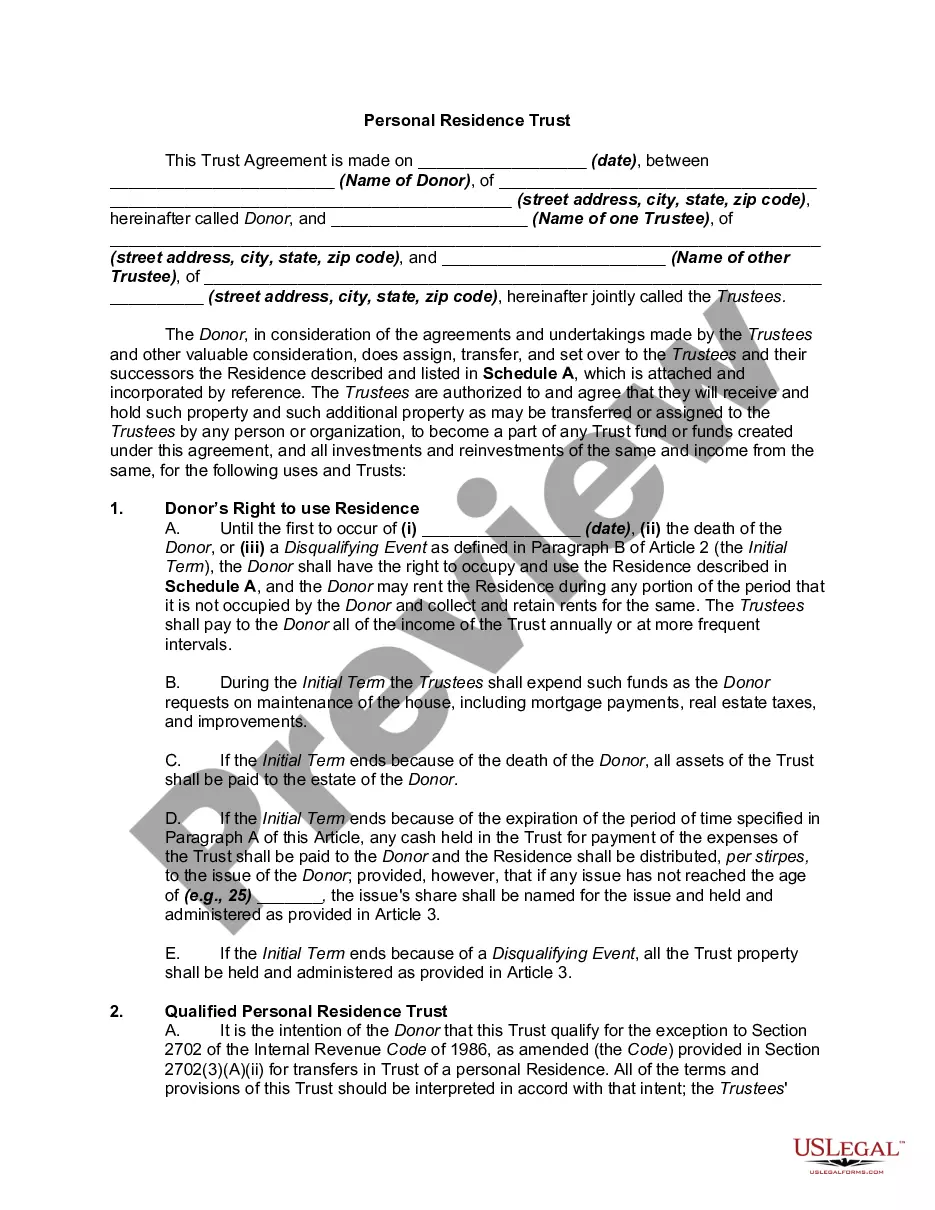
Get your form ready online
Our built-in tools help you complete, sign, share, and store your documents in one place.
Make edits, fill in missing information, and update formatting in US Legal Forms—just like you would in MS Word.
Download a copy, print it, send it by email, or mail it via USPS—whatever works best for your next step.
Sign and collect signatures with our SignNow integration. Send to multiple recipients, set reminders, and more. Go Premium to unlock E-Sign.
If this form requires notarization, complete it online through a secure video call—no need to meet a notary in person or wait for an appointment.
We protect your documents and personal data by following strict security and privacy standards.

Make edits, fill in missing information, and update formatting in US Legal Forms—just like you would in MS Word.

Download a copy, print it, send it by email, or mail it via USPS—whatever works best for your next step.

Sign and collect signatures with our SignNow integration. Send to multiple recipients, set reminders, and more. Go Premium to unlock E-Sign.

If this form requires notarization, complete it online through a secure video call—no need to meet a notary in person or wait for an appointment.

We protect your documents and personal data by following strict security and privacy standards.
Looking for another form?








How to fill out Qualified Personal Residence Trust?
- If you’re a returning user, log in to your account, confirming your subscription is active, then download the required form template directly to your device.
- For first-time users, start by browsing the Preview mode and form description to verify you have selected the appropriate form that aligns with your jurisdiction's needs.
- If adjustments are necessary, use the Search tab to find another template that meets your requirements.
- Once you've settled on the right document, select the 'Buy Now' button and choose your preferred subscription plan. You'll need to register an account to unlock full access.
- Complete your purchase by entering your credit card information or using PayPal for a seamless transaction.
- Finally, download your form to your device and check the My Forms section in your profile for future access.
In conclusion, US Legal Forms is dedicated to empowering its users with a vast selection of 85,000+ legal documents and expert support for completing forms accurately. This ensures that your qualified trust for an IRA is set up correctly and efficiently.
Take advantage of this comprehensive resource today to make your legal document process smooth and hassle-free!
Form popularity
FAQ
Setting up a qualified trust for your IRA involves a few clear steps. First, you need to select a trust that meets IRS requirements, ensuring it qualifies as a beneficiary of your IRA. Next, you should work with legal and financial professionals to draft the trust document, outlining how the assets will be managed and distributed. Finally, make sure to name the trust as the beneficiary of your IRA account, confirming that it adheres to IRS rules for a qualified trust for IRA.
When a trust is named as an IRA beneficiary, the trust must comply with specific IRS rules regarding distributions. A qualified trust for IRA can facilitate these distributions in a compliant manner, often delaying tax obligations for your heirs. However, if the trust does not meet IRS requirements, your beneficiaries may be left with higher tax liabilities. As such, consulting with experts can help you leverage the advantages of a trust while minimizing risks.
Naming a trust as a beneficiary of your IRA can complicate the withdrawal process and tax implications. A qualified trust for IRA can help simplify these issues, ensuring that distributions are managed correctly and tax-efficiently. Without proper structure, your beneficiaries may face unintended tax burdens. Therefore, it’s crucial to understand the implications before making this choice.
To put your IRA into a qualified trust for IRA, you need to create the trust and designate it as the beneficiary of your IRA account. Ensure the trust complies with IRS regulations to avoid tax penalties. You may also consider consulting US Legal Forms for guidance on drafting a trust agreement and ensuring it meets legal standards. This can simplify the process and help protect your assets.
One primary disadvantage of leaving your IRA to a qualified trust for IRA is the potential for higher tax implications. Trusts often face different tax rates than individual beneficiaries, leading to higher taxes on distributions. Moreover, the trust structure may complicate the withdrawal process, preventing beneficiaries from accessing funds as easily. It’s beneficial to carefully weigh the implications before making this decision.
Yes, an IRA can be transferred to a qualified trust for IRA purposes. This process involves naming the trust as the beneficiary of your IRA. However, it's important to ensure the trust meets IRS requirements to maintain tax benefits. Always consult with a financial advisor to avoid unintended consequences.
One notable downside of naming a trust as an IRA beneficiary lies in the potential for unfavorable tax treatment. In some cases, tax deferral may be lost, leading to higher taxes for the beneficiaries. Additionally, administering a trust can incur legal fees and complexities that may make management cumbersome. It's important to weigh these factors carefully and consider a qualified professional's guidance before making this decision.
A qualified trust for IRA is a trust that meets IRS requirements, allowing the account holder to designate it as a beneficiary of the IRA. Such a trust can provide financial flexibility, enabling precise control over disbursements to beneficiaries. Furthermore, a properly structured qualified trust can help shield assets from creditors and manage tax implications effectively. Always consult a specialist to ensure compliance.
Placing your IRA in a qualified trust for IRA may offer several advantages, such as enhanced control over asset distribution after death. It also allows you to manage how and when your beneficiaries withdraw the funds. However, it is essential to understand the complexities involved, including tax implications and expenses. Therefore, ensure that you discuss your intentions with a qualified financial advisor.
To ascertain if a trust is qualified or nonqualified, assess the trust's compliance with IRS criteria regarding taxation and distributions. A qualified trust for IRA should fulfill specific requirements, allowing for tax-deferred growth on investments. Generally, the criteria include proper beneficiary designations and adherence to required minimum distributions. Evaluating these factors will help clarify the trust's standing.