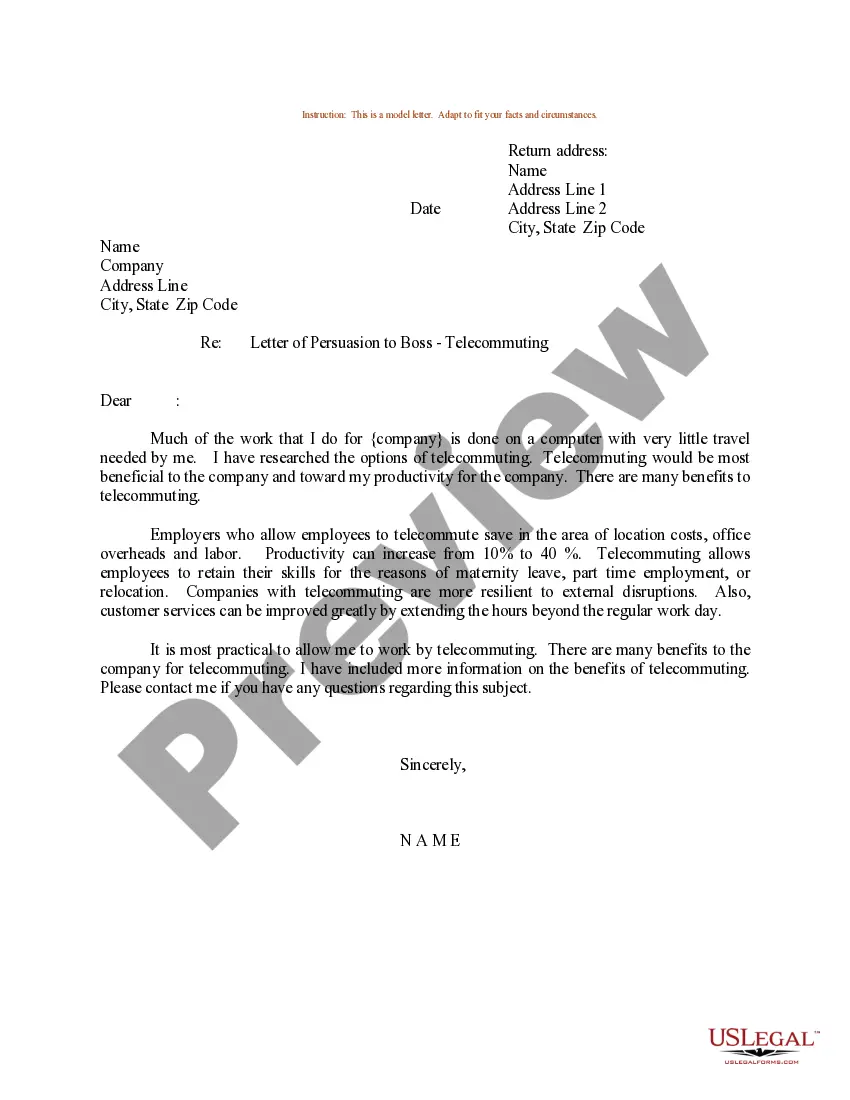
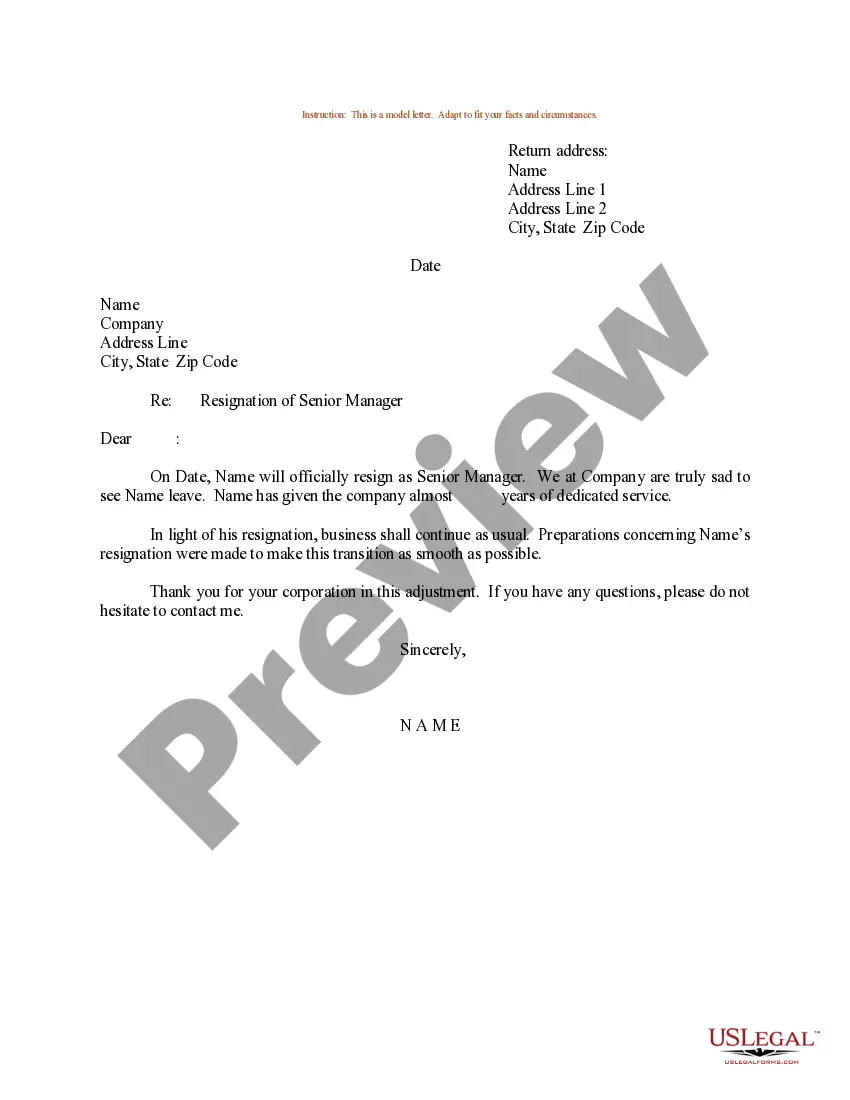
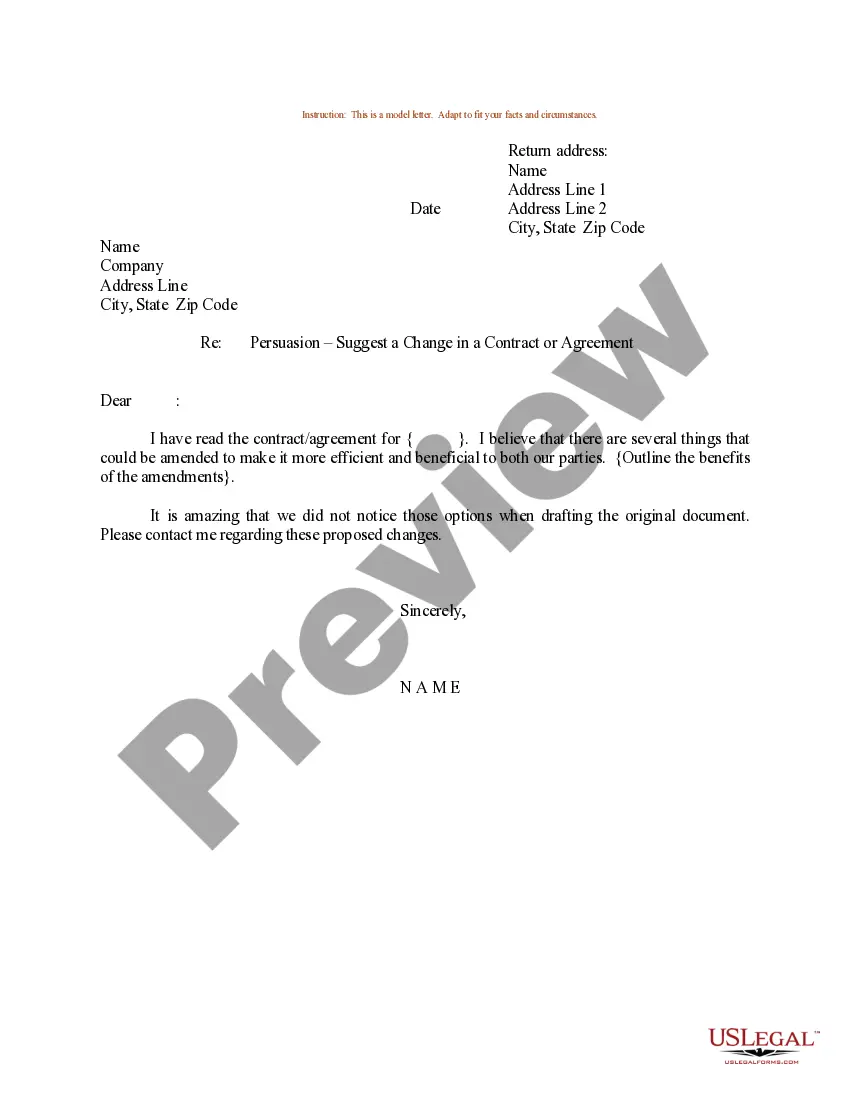
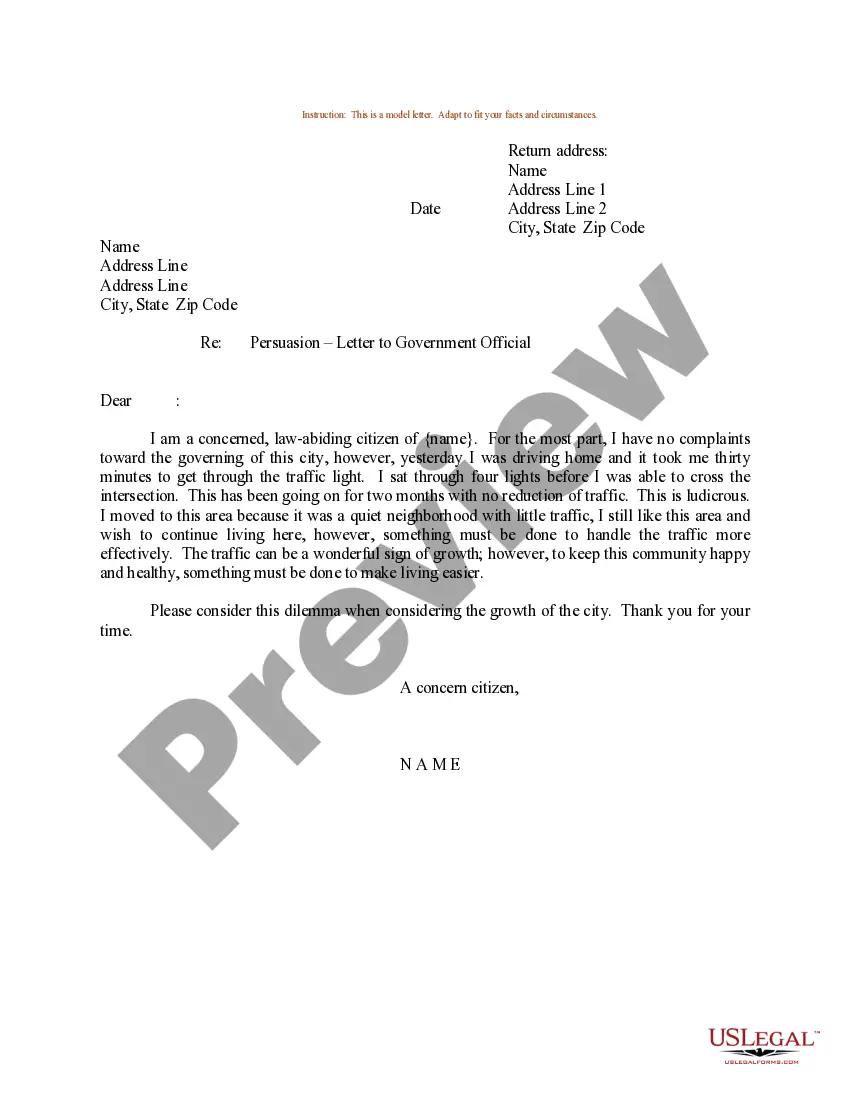
Letter To Boss About Work
Description
Get your form ready online
Our built-in tools help you complete, sign, share, and store your documents in one place.
Make edits, fill in missing information, and update formatting in US Legal Forms—just like you would in MS Word.
Download a copy, print it, send it by email, or mail it via USPS—whatever works best for your next step.
Sign and collect signatures with our SignNow integration. Send to multiple recipients, set reminders, and more. Go Premium to unlock E-Sign.
If this form requires notarization, complete it online through a secure video call—no need to meet a notary in person or wait for an appointment.
We protect your documents and personal data by following strict security and privacy standards.

Make edits, fill in missing information, and update formatting in US Legal Forms—just like you would in MS Word.

Download a copy, print it, send it by email, or mail it via USPS—whatever works best for your next step.

Sign and collect signatures with our SignNow integration. Send to multiple recipients, set reminders, and more. Go Premium to unlock E-Sign.

If this form requires notarization, complete it online through a secure video call—no need to meet a notary in person or wait for an appointment.

We protect your documents and personal data by following strict security and privacy standards.
Looking for another form?









How to fill out Sample Letter For Letter Of Persuasion To Boss - Telecommuting?
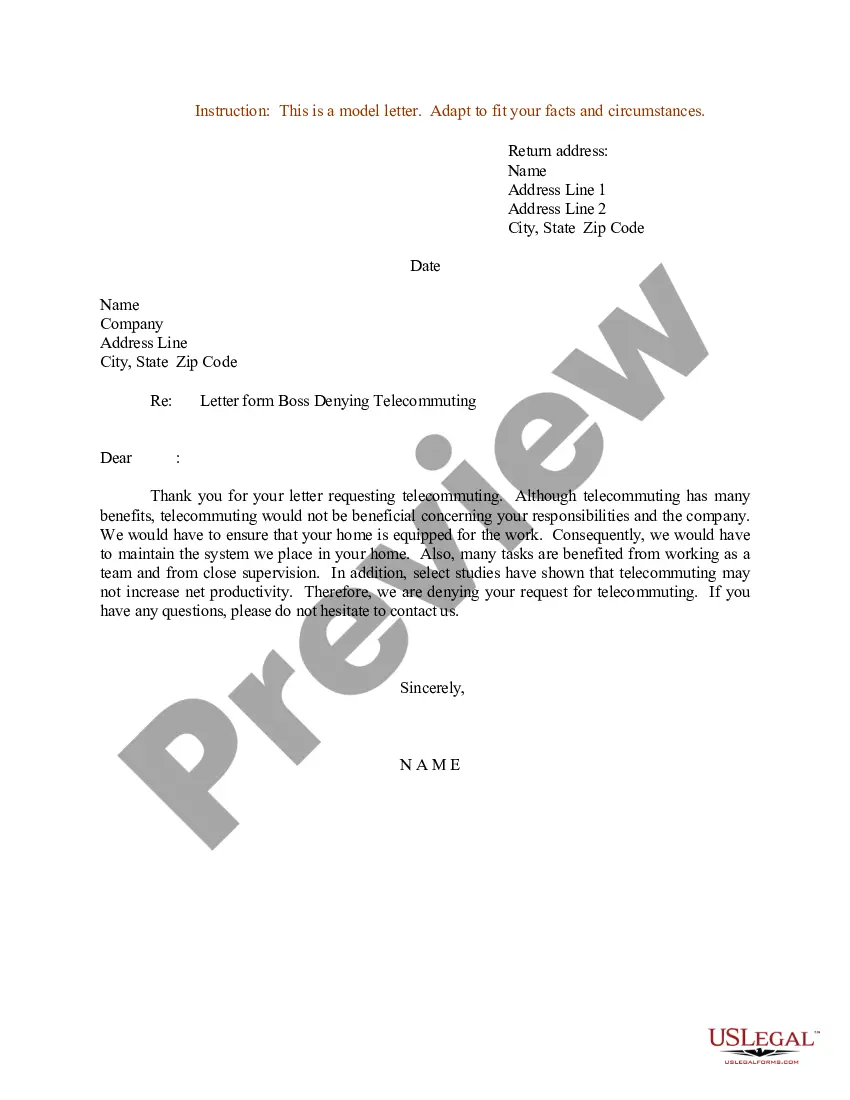
What is the most dependable service to obtain the Letter To Boss About Work and other recent iterations of legal documents? US Legal Forms is the solution! It's the largest compilation of legal forms for any situation.
Each template is accurately drafted and confirmed for adherence to federal and local regulations. They are categorized by field and jurisdiction, making it easy to find the one you require.
US Legal Forms is an excellent resource for anyone needing to manage legal documentation. Premium users can also fully complete and authorize previously saved documents electronically at any time using the built-in PDF editing tool. Give it a try today!
- Experienced users of the platform simply need to Log In to the system, verify if their subscription is active, and click the Download button next to the Letter To Boss About Work to acquire it.
- Once saved, the template is available for future reference in the My documents section of your profile.
- If you do not yet have an account with our library, follow these steps to create one.
- Form compliance verification. Prior to obtaining any template, ensure it meets your usage requirements and your state or county laws. Review the form description and utilize the Preview feature if available.
Form popularity
FAQ
Writing a letter to your boss about your workload involves communicating your concerns clearly. Begin by outlining your current responsibilities and the challenges you face. Explain how this affects your productivity or work quality. Offer suggestions for how to better manage your workload, showing your initiative to find solutions.
To write a short letter of permission, keep your message brief and to the point. State your intention clearly in the opening sentence. Provide any necessary information in one or two additional sentences, and conclude with a polite closing. A succinct, clear letter is usually more effective and shows respect for your boss's time.
Politely asking for permission from your boss involves a respectful approach. Begin your request with a thoughtful introduction, then clearly articulate what you are asking for. Highlight any potential benefits or reasons why this request is important. Always express your gratitude for their consideration, reinforcing a positive relationship.
A letter of permission to your boss at work should be concise and professional. Clearly state what you are requesting permission for, and provide any necessary details to clarify the context. It is important to explain how this request aligns with your work responsibilities. Finish with a courteous closing, showing respect for your boss’s authority.
Writing a letter to your boss about concerns requires a thoughtful approach. Start by defining the concern you wish to address and provide examples that illustrate the issue. Make sure to express your desire for improvement and offer possible solutions. This collaborative tone can foster understanding and open the door for discussion.
When writing a permission letter to your boss for work, begin with a polite greeting and state your request clearly. Explain the purpose of your request and any relevant details that support your case. It is helpful to mention how granting this permission can benefit your work and the team. Close with a thank you, expressing your anticipation of their response.
To write a letter of unfair treatment at work, start by clearly stating the issues you have experienced. Be specific about the incidents, including dates and involved parties. Use a straightforward tone, focusing on how the unfair treatment has impacted your work environment. This letter serves as a formal record, so ensure you keep a copy for your files.
Writing a letter to your boss about a problem requires clarity and respect. Start by clearly outlining the issue and its impact on your work or the team. Use a constructive tone, and if possible, propose a few solutions to foster collaborative problem-solving. This approach shows initiative and a willingness to improve the situation.
When addressing a heavy workload in a letter to your boss, use a professional tone and frame your message carefully. Begin by acknowledging your commitment to your tasks, then express that your current workload is proving challenging to manage effectively. Suggest a discussion about balancing duties or prioritizing tasks to ensure quality of work.
To write a positive letter to your boss, focus on expressing gratitude and appreciation for their support. Mention specific instances where their guidance has helped you succeed, and convey your enthusiasm for your work. Even if the topic is challenging, frame your message in a way that highlights collaboration and encourages a positive outcome.