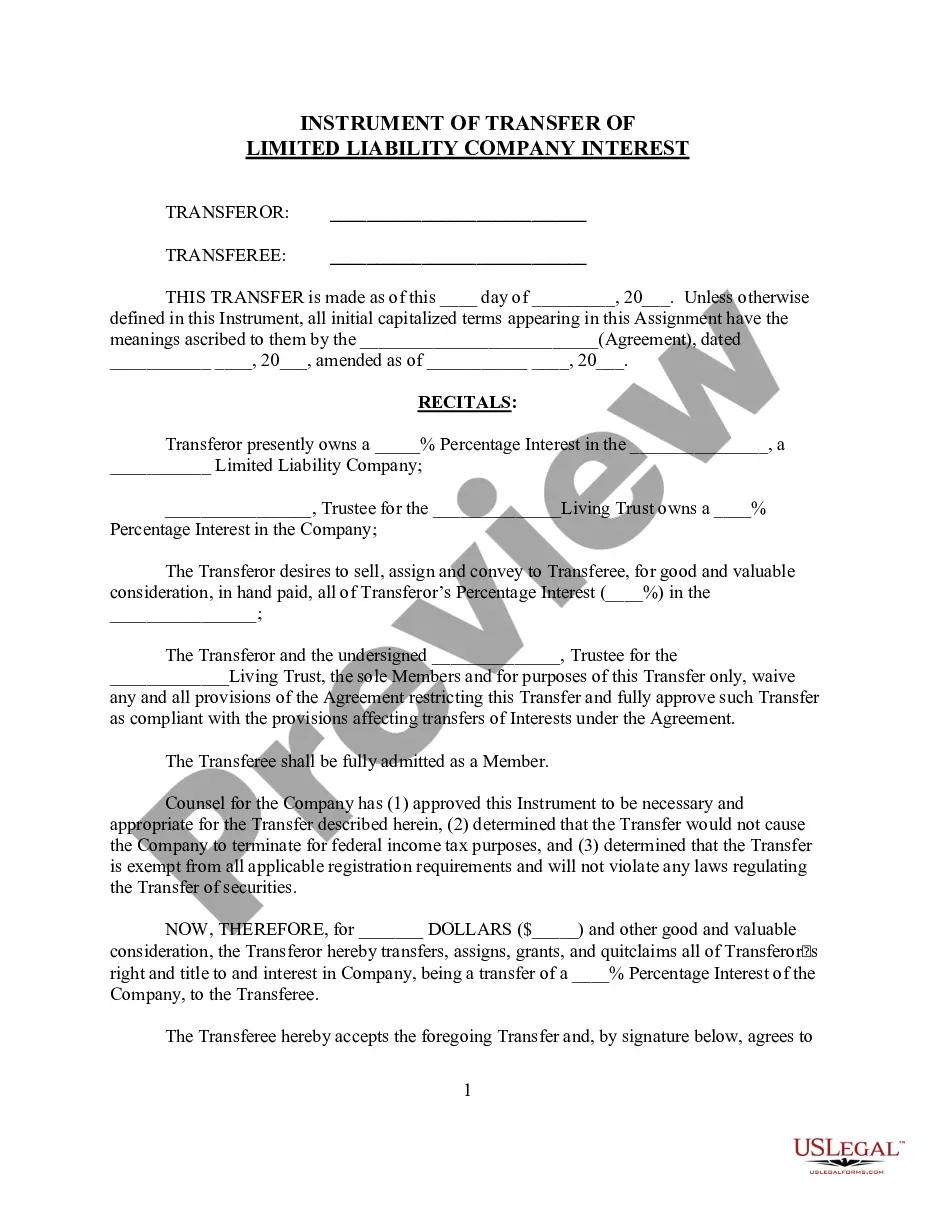
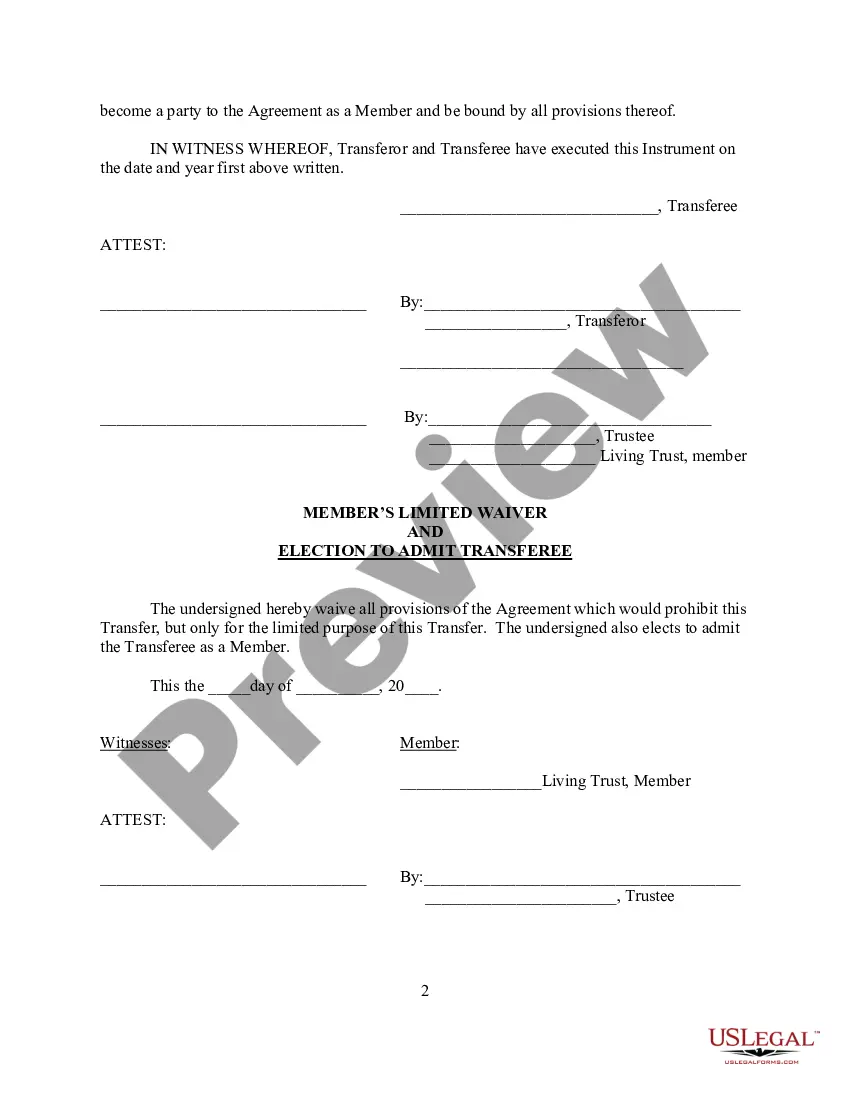
Trust Form Transfer Document Without Comments
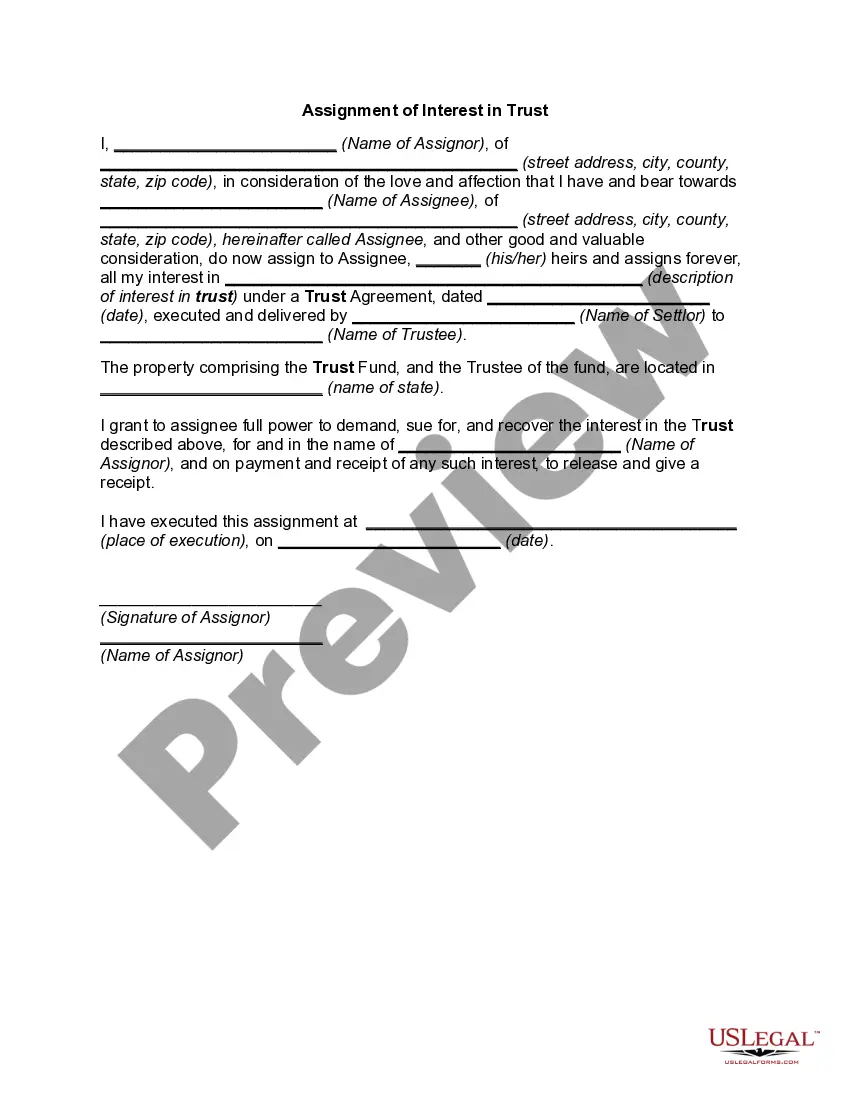
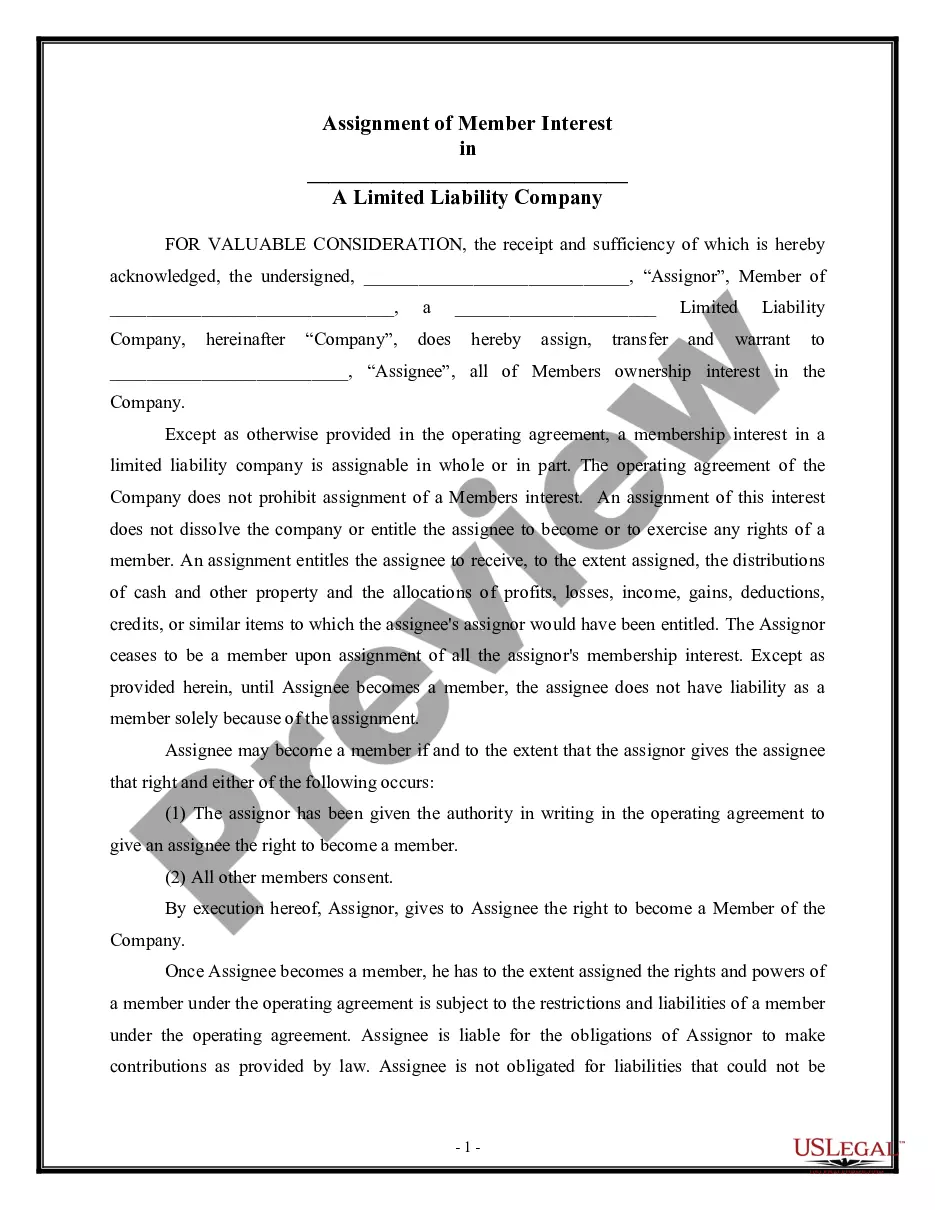
Description
Get your form ready online
Our built-in tools help you complete, sign, share, and store your documents in one place.
Make edits, fill in missing information, and update formatting in US Legal Forms—just like you would in MS Word.
Download a copy, print it, send it by email, or mail it via USPS—whatever works best for your next step.
Sign and collect signatures with our SignNow integration. Send to multiple recipients, set reminders, and more. Go Premium to unlock E-Sign.
If this form requires notarization, complete it online through a secure video call—no need to meet a notary in person or wait for an appointment.
We protect your documents and personal data by following strict security and privacy standards.

Make edits, fill in missing information, and update formatting in US Legal Forms—just like you would in MS Word.

Download a copy, print it, send it by email, or mail it via USPS—whatever works best for your next step.

Sign and collect signatures with our SignNow integration. Send to multiple recipients, set reminders, and more. Go Premium to unlock E-Sign.

If this form requires notarization, complete it online through a secure video call—no need to meet a notary in person or wait for an appointment.

We protect your documents and personal data by following strict security and privacy standards.
Looking for another form?


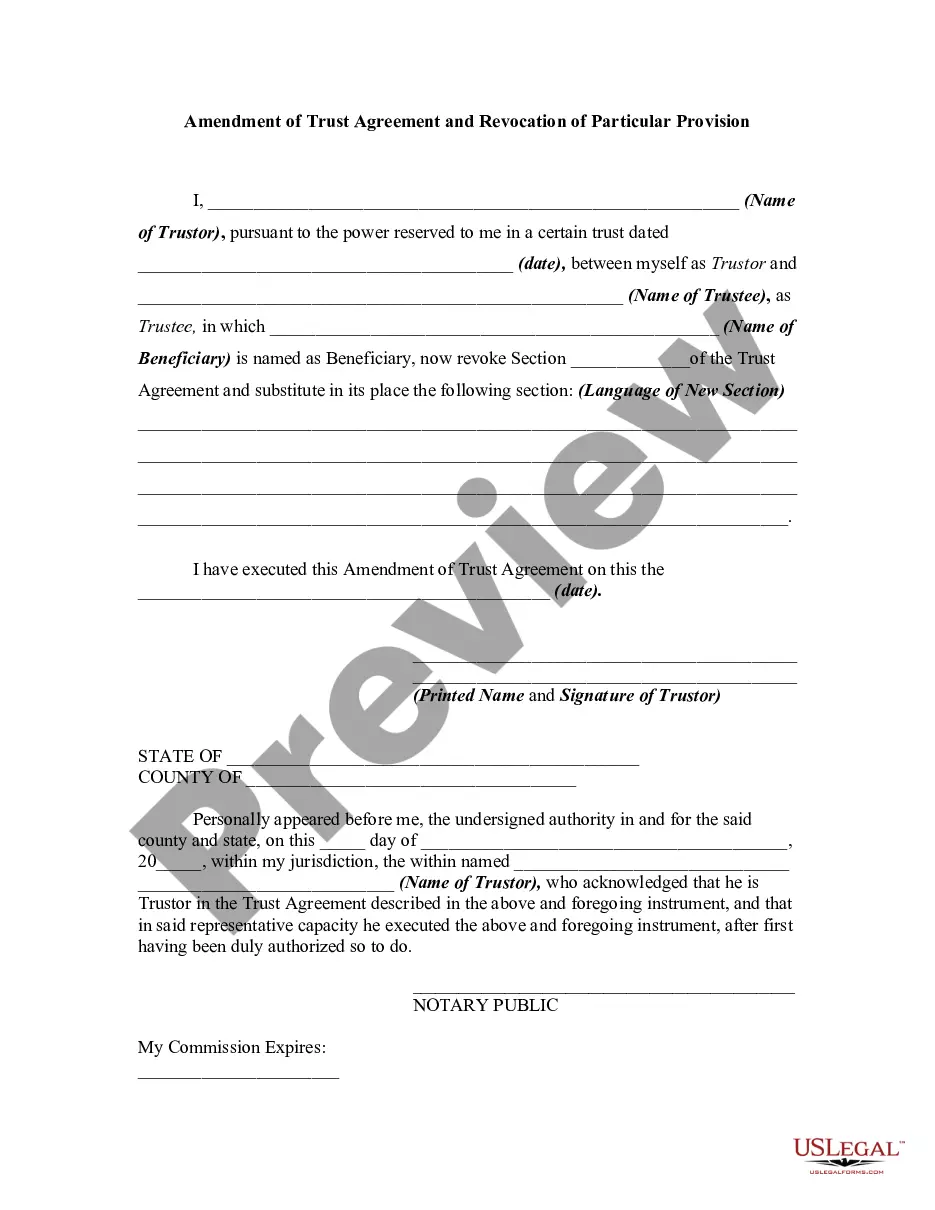



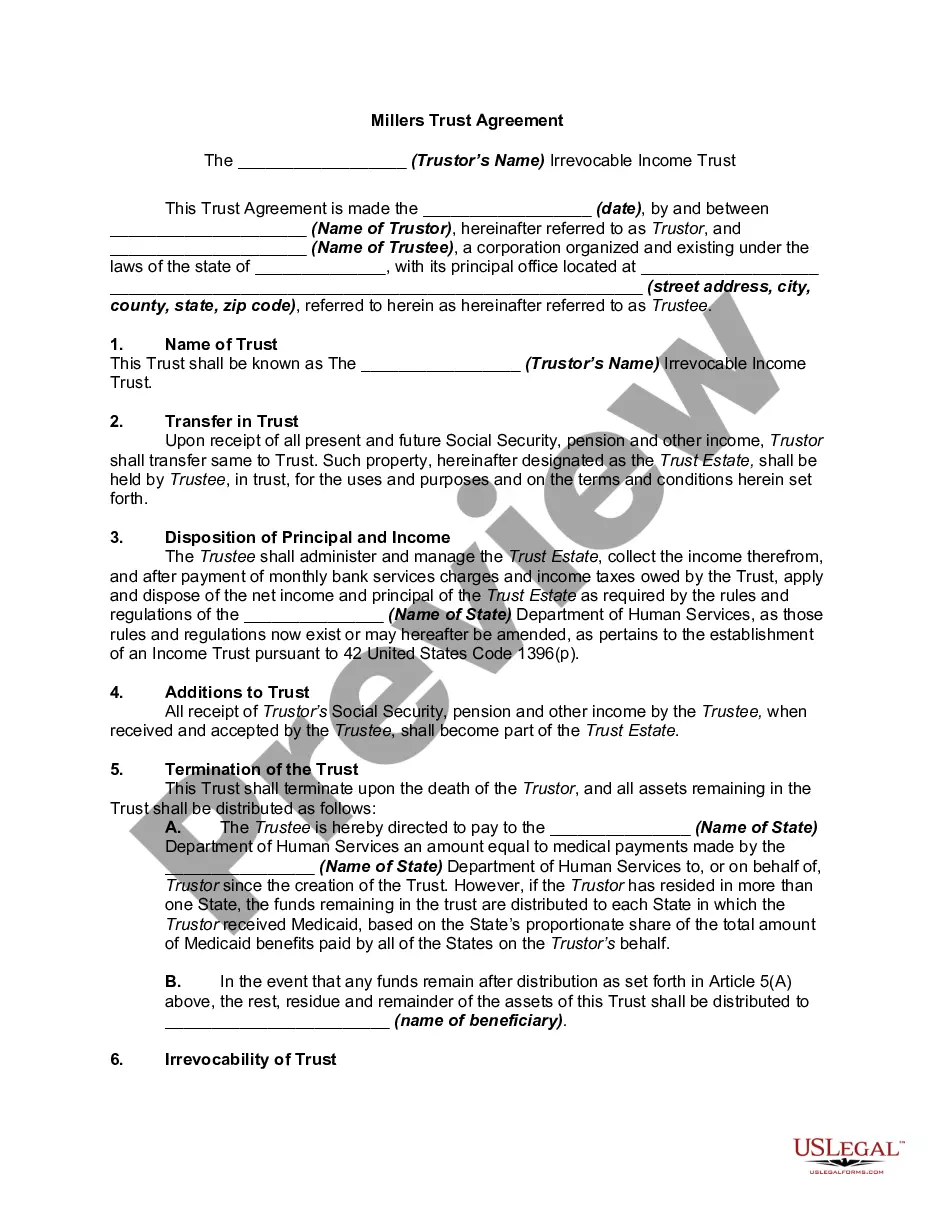
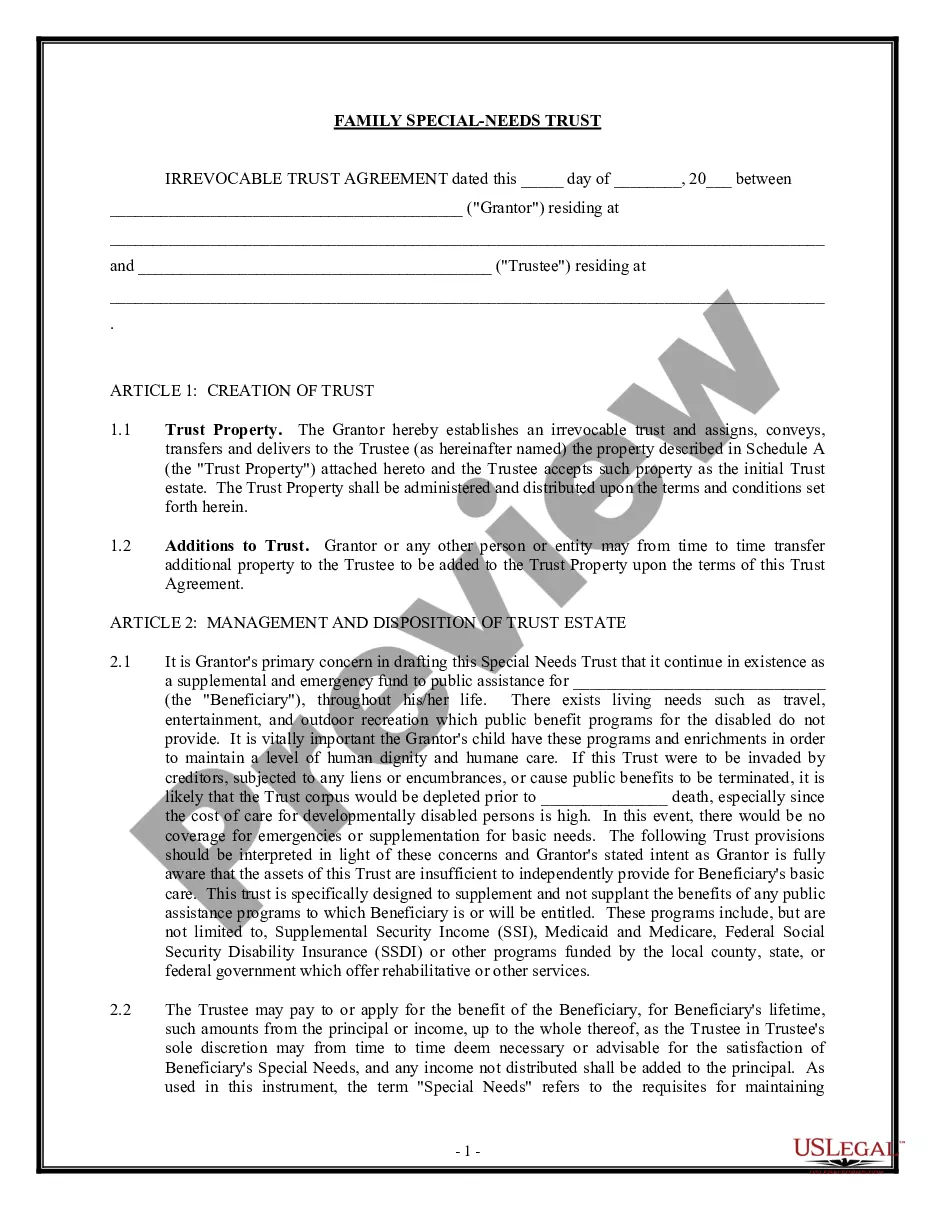

How to fill out Assignment Of LLC Company Interest To Living Trust?
The Trust Form Transfer Document Without Comments displayed on this page is a versatile legal template prepared by skilled attorneys in accordance with federal and state laws and regulations.
For over 25 years, US Legal Forms has offered individuals, businesses, and legal experts more than 85,000 validated, region-specific forms for any professional and personal circumstance. It’s the quickest, easiest, and most reliable method to access the documentation you require, as the service assures the maximum level of data confidentiality and malware protection.
Select the format you prefer for your Trust Form Transfer Document Without Comments (PDF, DOCX, RTF) and download the template onto your device. Fill out and sign the document. Print the template for manual completion, or use an online multifunctional PDF editor to swiftly and accurately fill out and sign your form with a legally-binding electronic signature. Download your documents again. Utilize the same document multiple times as needed. Access the My documents tab in your profile to redownload any previously acquired forms. Subscribe to US Legal Forms to have confirmed legal templates for all of life's situations readily available.
- Search for the necessary document and review it.
- Browse through the sample you searched and preview it or review the form description to ensure it meets your needs. If it doesn’t, utilize the search bar to locate the appropriate one. Click Buy Now once you have found the template you require.
- Choose and Log In.
- Select the subscription plan that fits your needs and create an account. Use PayPal or a credit card to make a fast payment. If you already possess an account, Log In and verify your subscription to continue.
- Acquire the editable template.
Form popularity
FAQ
A declaration of trust serves as a formal document that outlines the relationship between the trustee and the beneficiaries. For example, a property owner might declare that their home is held in trust for the future benefit of their children. This declaration effectively communicates intentions and responsibilities, ensuring clarity as outlined in the trust form transfer document without comments. Using a platform like uslegalforms can simplify this process, making it easier to create accurate declarations tailored to your needs.
One of the biggest mistakes parents often make is failing to properly fund the trust. If assets are not transferred into the trust, it cannot fulfill its intended purpose. Additionally, many overlook the importance of clear instructions in the trust form transfer document without comments, leading to confusion among beneficiaries later. Ensuring you follow all necessary steps can save your family from potential complications in the future.
The 5 by 5 rule allows beneficiaries to withdraw up to five percent of the trust's value each year. This rule provides a balance between providing access to funds and preserving the trust's assets. By employing this rule, you can effectively manage distributions while also ensuring the trust remains beneficial over time. It’s essential to utilize a trust form transfer document without comments to execute these terms clearly.
Yes, beneficiaries are usually entitled to a copy of the trust upon request. This entitlement helps beneficiaries understand their rights and benefits under the trust. However, specific details can vary based on state laws, so it's advisable to discuss your situation with a professional familiar with the trust form transfer document without comments.
The original copy of a trust is usually kept by the trustee or in a secure location such as a safe deposit box. The trustee is responsible for maintaining these documents and ensuring they are available for review by beneficiaries when necessary. This practice is important for the integrity of the trust and ensures compliance with any trust form transfer document without comments.
Beneficiaries are generally entitled to information regarding the trust's assets, management, and distributions. They should receive updates about the trust's performance and any changes made by the trustee. This access ensures beneficiaries remain informed, especially when dealing with a trust form transfer document without comments.
Entitlement to see trust documents primarily includes the beneficiaries named in the trust. Additionally, the trustee has full access to these documents as they manage the trust's assets. Understanding who can view these documents helps maintain transparency and trust, especially when handling a trust form transfer document without comments.
Yes, beneficiaries typically have the right to see trust documents, but this can depend on state laws and the specifics of the trust. While beneficiaries can request access to understand how the trust operates and their benefits, trustees have some discretion in what documents they share. If you're uncertain about your access rights, consider consulting a legal expert specialized in trust law and the trust form transfer document without comments.
The 2 year rule for trusts generally refers to the timeframe within which a beneficiary can contest a trust after the trustor's death. This rule varies by state but usually allows a beneficiary up to two years to file a legal challenge regarding the trust's validity. Being aware of this time limit is essential for beneficiaries wishing to understand their rights related to any trust form transfer document without comments.
Beneficiaries have several rights under a trust. They have the right to receive distributions as specified in the trust document, and they can request information about the trust's management. Additionally, beneficiaries can challenge the trustee's actions if they believe the trustee is not fulfilling their duties properly. Understanding these rights is crucial for effective management of a trust form transfer document without comments.