Transfer Llc S Corp With Debt
Description
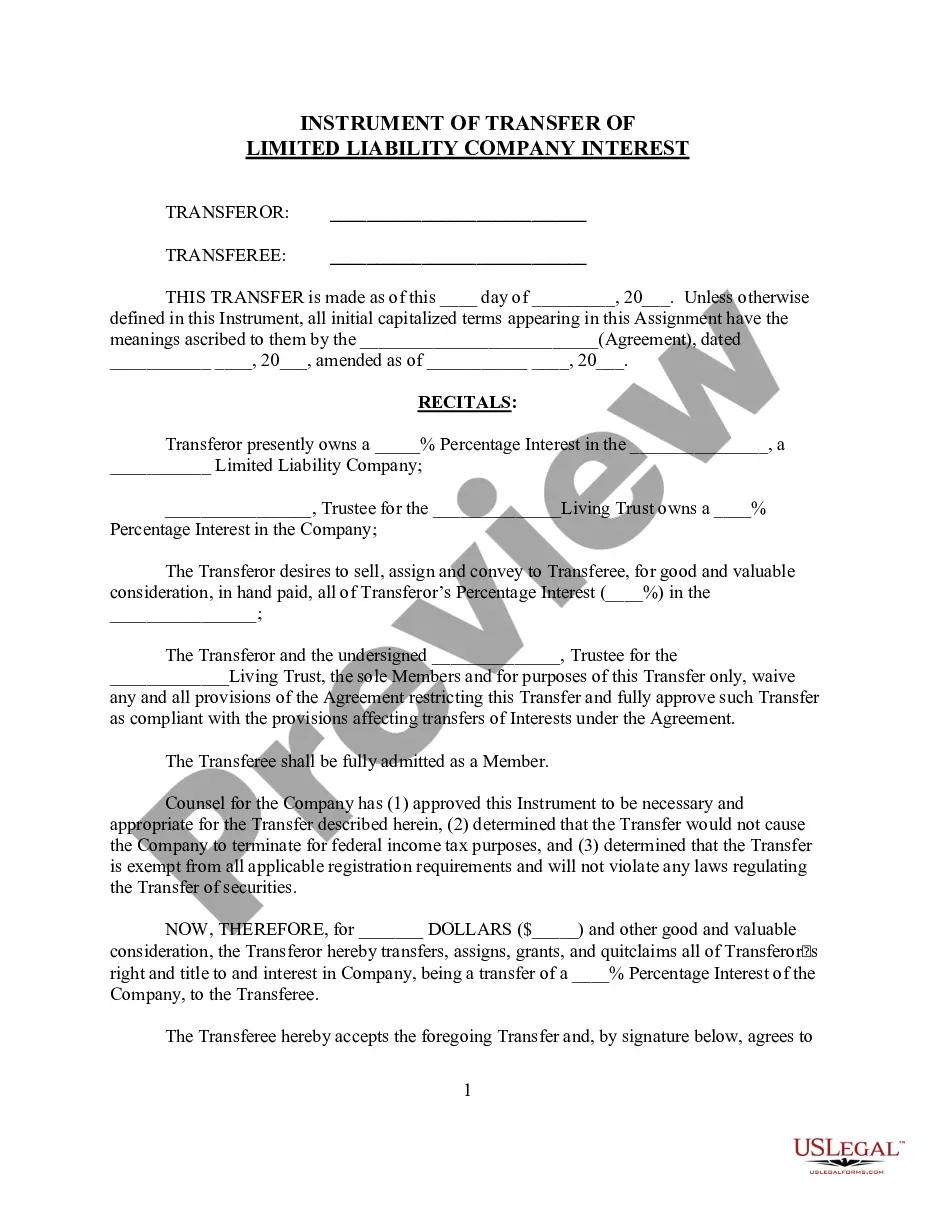
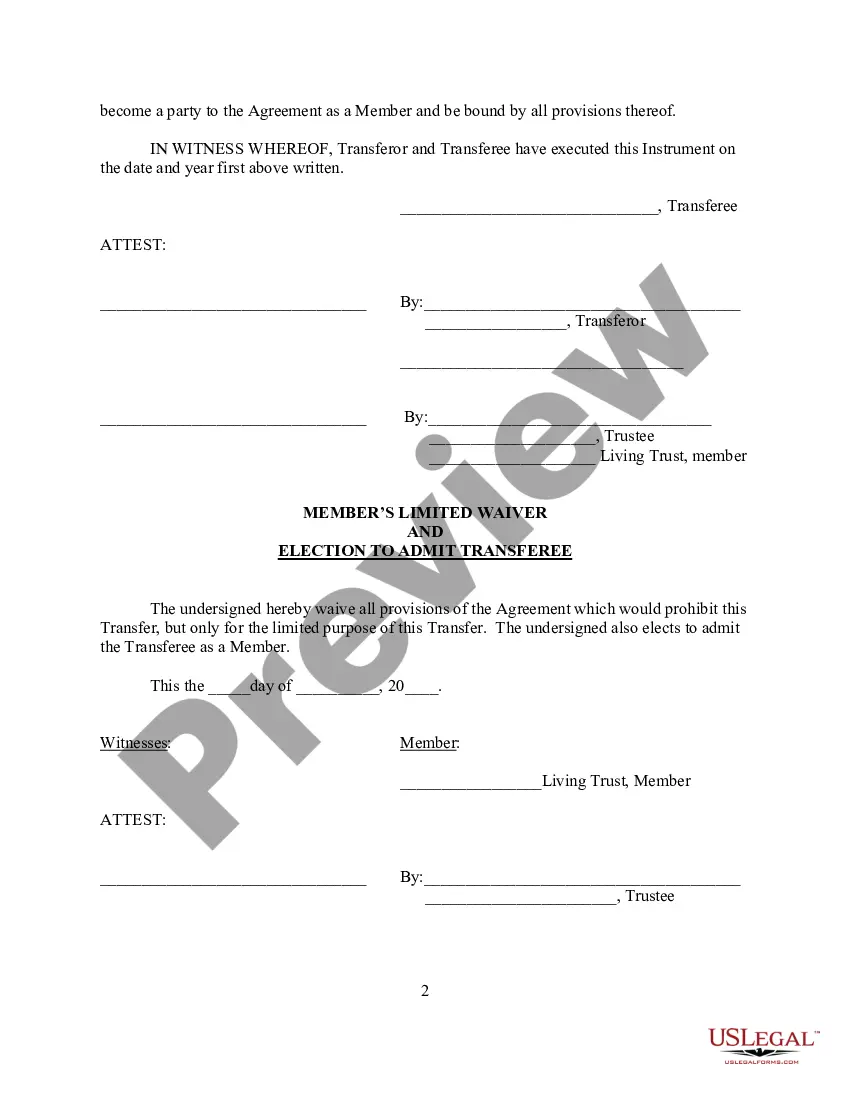
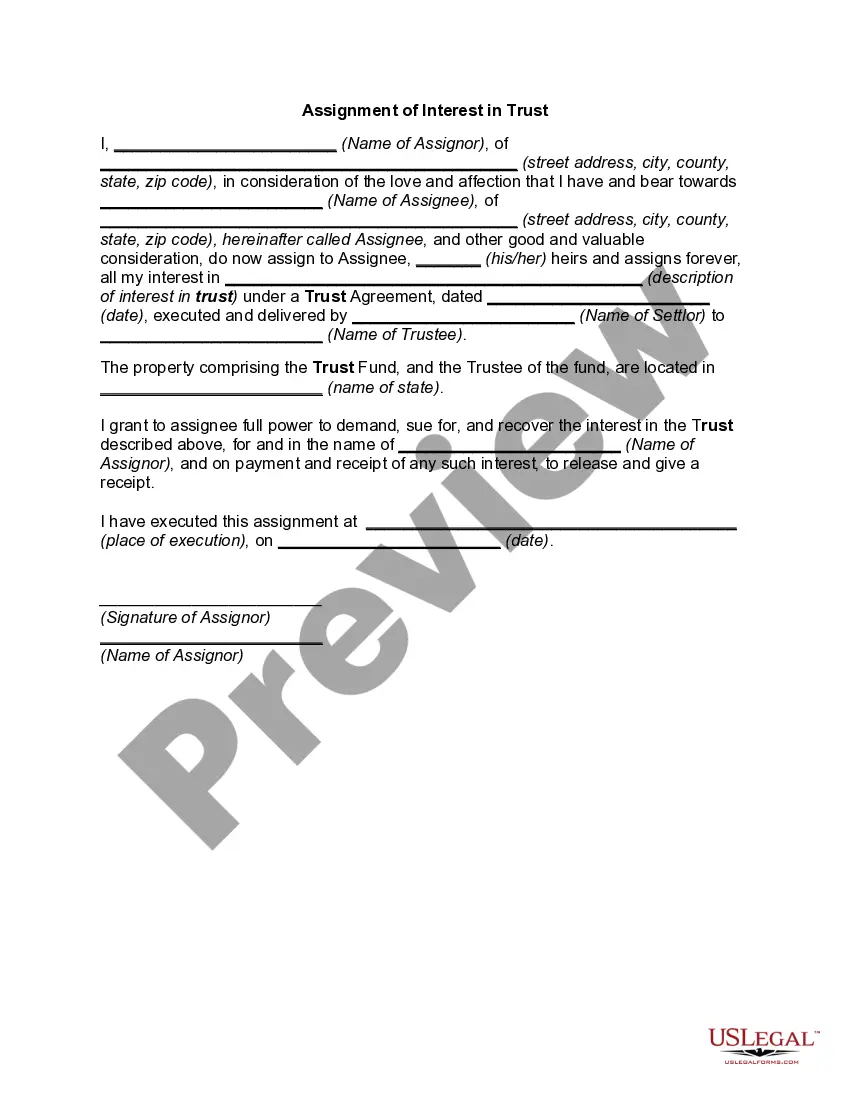
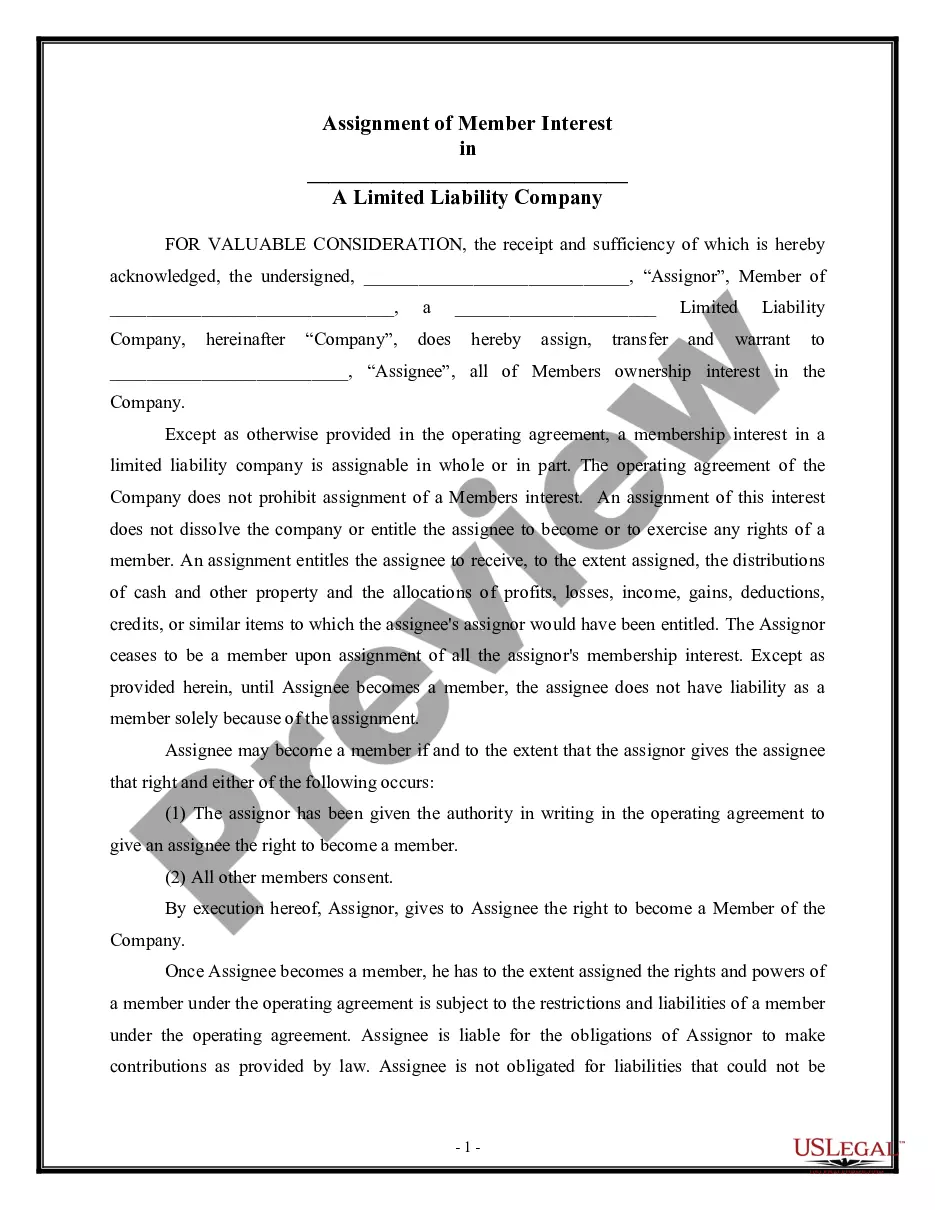
Get your form ready online
Our built-in tools help you complete, sign, share, and store your documents in one place.
Make edits, fill in missing information, and update formatting in US Legal Forms—just like you would in MS Word.
Download a copy, print it, send it by email, or mail it via USPS—whatever works best for your next step.
Sign and collect signatures with our SignNow integration. Send to multiple recipients, set reminders, and more. Go Premium to unlock E-Sign.
If this form requires notarization, complete it online through a secure video call—no need to meet a notary in person or wait for an appointment.
We protect your documents and personal data by following strict security and privacy standards.

Make edits, fill in missing information, and update formatting in US Legal Forms—just like you would in MS Word.

Download a copy, print it, send it by email, or mail it via USPS—whatever works best for your next step.

Sign and collect signatures with our SignNow integration. Send to multiple recipients, set reminders, and more. Go Premium to unlock E-Sign.

If this form requires notarization, complete it online through a secure video call—no need to meet a notary in person or wait for an appointment.

We protect your documents and personal data by following strict security and privacy standards.
Looking for another form?









How to fill out Assignment Of LLC Company Interest To Living Trust?
Creating legal documents from the ground up can frequently feel quite daunting.
Certain situations may require many hours of investigation and significant financial outlay.
If you’re looking for a simpler and more cost-effective method for generating Transfer Llc S Corp With Debt or other forms without unnecessary complications, US Legal Forms is always accessible.
Our online repository of over 85,000 current legal documents covers nearly every aspect of your financial, legal, and personal matters.
However, before rushing to download Transfer Llc S Corp With Debt, please follow these suggestions: Review the document preview and descriptions to verify that you have the correct document you are seeking. Ensure that the template you select meets the criteria of your state and county. Choose the appropriate subscription plan to obtain the Transfer Llc S Corp With Debt. Download the form, then fill it out, certify it, and print it. US Legal Forms enjoys a solid reputation and boasts over 25 years of experience. Join us today and make document execution a straightforward and efficient process!
- With just a few clicks, you can swiftly obtain state- and county-compliant forms meticulously prepared by our legal experts.
- Utilize our platform whenever you require dependable and trustworthy services to easily find and download the Transfer Llc S Corp With Debt.
- If you’re a returning user and have created an account with us before, just Log In to your account, find the form, and download it or re-download it anytime from the My documents section.
- Not registered yet? No worries. It only takes a few minutes to sign up and browse the catalog.
Form popularity
FAQ
Typically, no. If you are a shareholder in an S Corp, personal liability for business debts is limited. This feature can make transferring an LLC S Corp with debt much more manageable, as your personal assets remain protected throughout the transition.
False. Generally, shareholders of a corporation, including S Corps, are not personally liable for the corporation's debts. This limited liability protection is one of the key advantages of establishing an S Corp. It helps protect personal assets while allowing for the possibility of transferring an LLC S Corp with debt without personal financial risks.
An S corporation protects the personal assets of its shareholders. Absent an express personal guarantee, a shareholder is not personally responsible for the business debts and liabilities.
What is a Debt Basis? Measuring a shareholder's debt basis is similar to measuring a stock basis. To calculate a debt basis, you take the original amount the stockholder loaned to the corporation and increase his or her basis for that loan and any additional loans he or she provided.
It is important to note that only when the S Corporation owes the shareholder directly, it creates debt basis. If the shareholder personally guarantees an S Corporation's loan to third parties, this does not constitute debt basis.
When the business dissolves, officers are responsible for the liquidation of company assets. Proceeds from the sale are then payable for outstanding debts that remain. Once all the debts are satisfied, the owners or shareholders of the business may claim and divide the balance of the assets.
After conversion, the corporate rules that S corporations observe are eliminated. An LLC doesn't have to keep a board of directors, nor does it have to record minutes, because the company can be member-managed. For tax purposes, LLCs can be considered either a C corporation or S corporation.