Living Trust Transfer File With Irs
Description
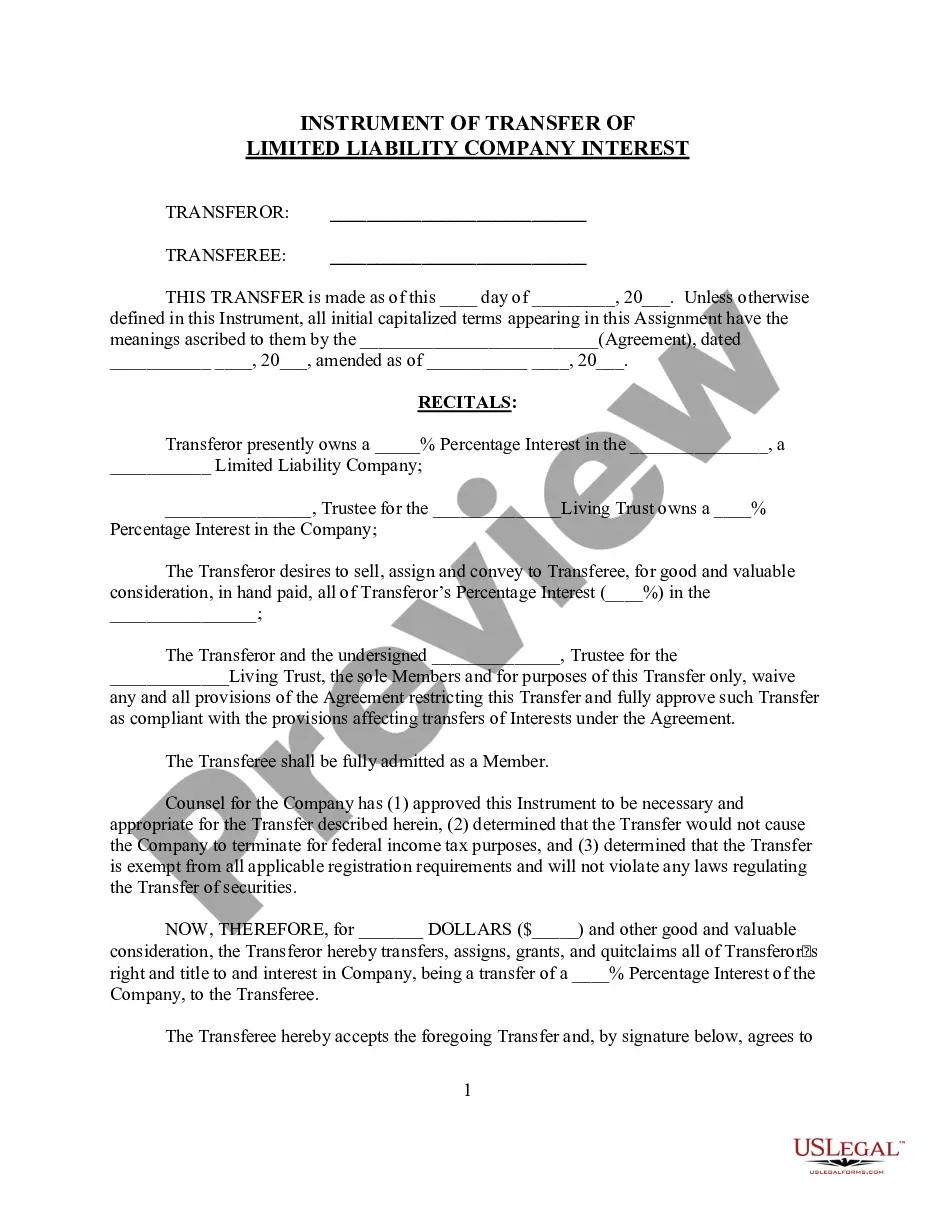

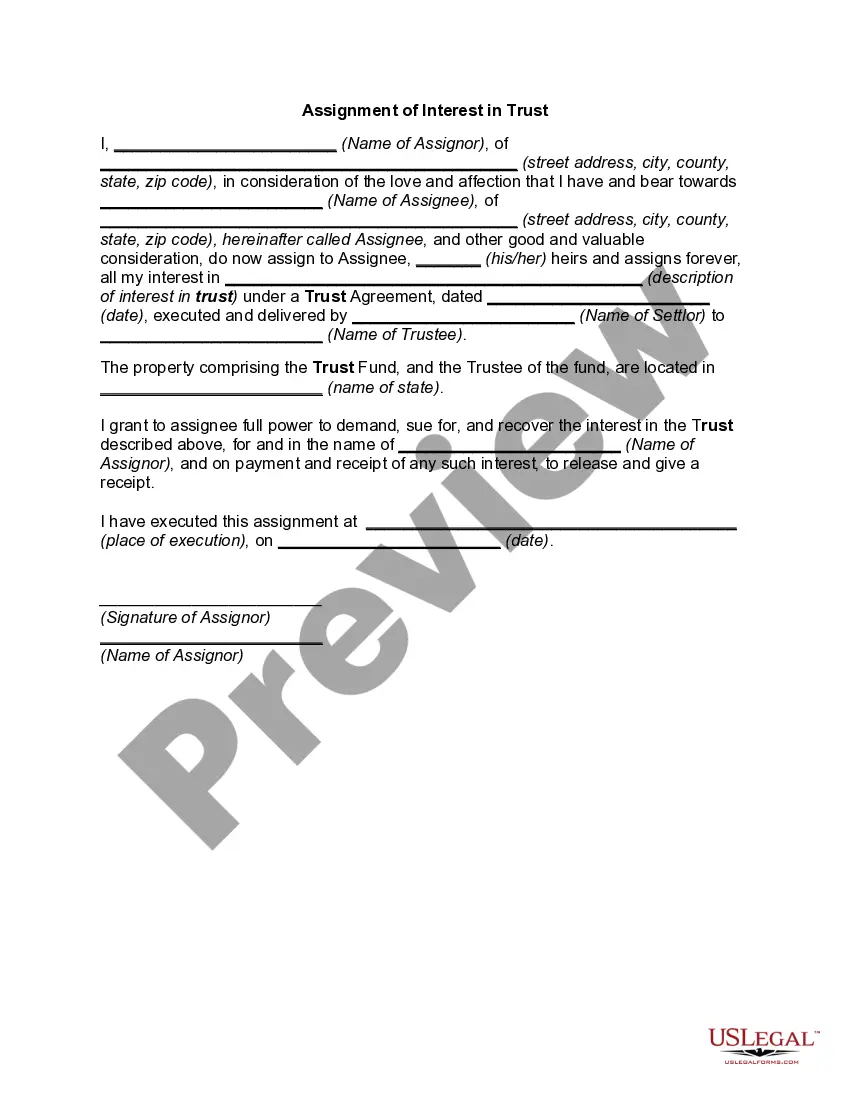

Get your form ready online
Our built-in tools help you complete, sign, share, and store your documents in one place.
Make edits, fill in missing information, and update formatting in US Legal Forms—just like you would in MS Word.
Download a copy, print it, send it by email, or mail it via USPS—whatever works best for your next step.
Sign and collect signatures with our SignNow integration. Send to multiple recipients, set reminders, and more. Go Premium to unlock E-Sign.
If this form requires notarization, complete it online through a secure video call—no need to meet a notary in person or wait for an appointment.
We protect your documents and personal data by following strict security and privacy standards.

Make edits, fill in missing information, and update formatting in US Legal Forms—just like you would in MS Word.

Download a copy, print it, send it by email, or mail it via USPS—whatever works best for your next step.

Sign and collect signatures with our SignNow integration. Send to multiple recipients, set reminders, and more. Go Premium to unlock E-Sign.

If this form requires notarization, complete it online through a secure video call—no need to meet a notary in person or wait for an appointment.

We protect your documents and personal data by following strict security and privacy standards.
Looking for another form?
How to fill out Assignment Of LLC Company Interest To Living Trust?
Creating legal documents from the ground up can frequently be somewhat daunting.
Some situations may require countless hours of investigation and substantial financial expenditure.
If you’re seeking a simpler and more affordable method of generating Living Trust Transfer File With Irs or any other documents without unnecessary obstacles, US Legal Forms is always available to assist you.
Our digital archive of over 85,000 current legal forms covers nearly every aspect of your financial, legal, and personal matters.
Ensure the document preview and descriptions are reviewed to confirm you are selecting the correct form.
- With just a few clicks, you can swiftly access state- and county-specific forms carefully prepared for you by our legal experts.
- Utilize our website whenever you require dependable and trustworthy services to easily locate and download the Living Trust Transfer File With Irs.
- If you’re a returning user and have already established an account with us, simply Log In to your account, select the template and download it or re-download it anytime from the My documents section.
- Not an account holder? No worries. It takes just a few minutes to register and browse the catalog.
- But before you dive straight into downloading Living Trust Transfer File With Irs, consider these guidelines.
Form popularity
FAQ
When you consider a living trust transfer file with IRS, it's important to understand the potential tax implications. Generally, the assets within a living trust do not trigger immediate tax consequences during the transfer. However, the IRS may require reporting certain events related to the trust, especially if there are income-generating assets. It's wise to consult a tax professional or use a service like US Legal Forms to ensure your living trust transfer aligns with IRS regulations.
A trust does not need to be registered with the IRS as a separate entity if it is revocable and qualifies under specific conditions. However, if it is irrevocable or if it has taxable income, it must file a return. This is where the living trust transfer file with IRS comes into play to ensure proper handling of any tax obligations.
Living trusts do not need to file tax returns if they remain revocable and the income is reported on the grantor's personal tax return. However, once the trust becomes irrevocable, it may need to file tax returns using IRS Form 1041. In those cases, managing the living trust transfer file with IRS becomes important for compliance.
The primary IRS form used for reporting purposes related to trusts is IRS Form 1041. It is specifically for estates and trusts that have to report income and deductions. When dealing with a living trust transfer file with IRS, you will often encounter this form during the filing process.
Trusts must file federal income tax returns if they are irrevocable and generate taxable income. These returns typically utilize IRS Form 1041. In such cases, handling the living trust transfer file with IRS becomes crucial to ensure all income is reported correctly.
You will file IRS Form 1041 for a revocable living trust when it becomes irrevocable, typically upon the grantor's death. At this stage, the trust must report income generated after the grantor’s passing. This situation often necessitates a living trust transfer file with IRS to ensure compliance.
No, a living trust does not count as income by itself. Instead, the income generated from assets within the trust is what gets reported. Thus, if you need to file a living trust transfer file with IRS, focus on the income generated by the trust's investments or properties.
Generally, a living trust itself does not need to file a separate tax return if it is revocable. The income generated by the trust is reported on the grantor's personal tax return. Therefore, you may not need to file a living trust transfer file with IRS unless the trust becomes irrevocable or generates enough income to require one.