Office Policies
Description
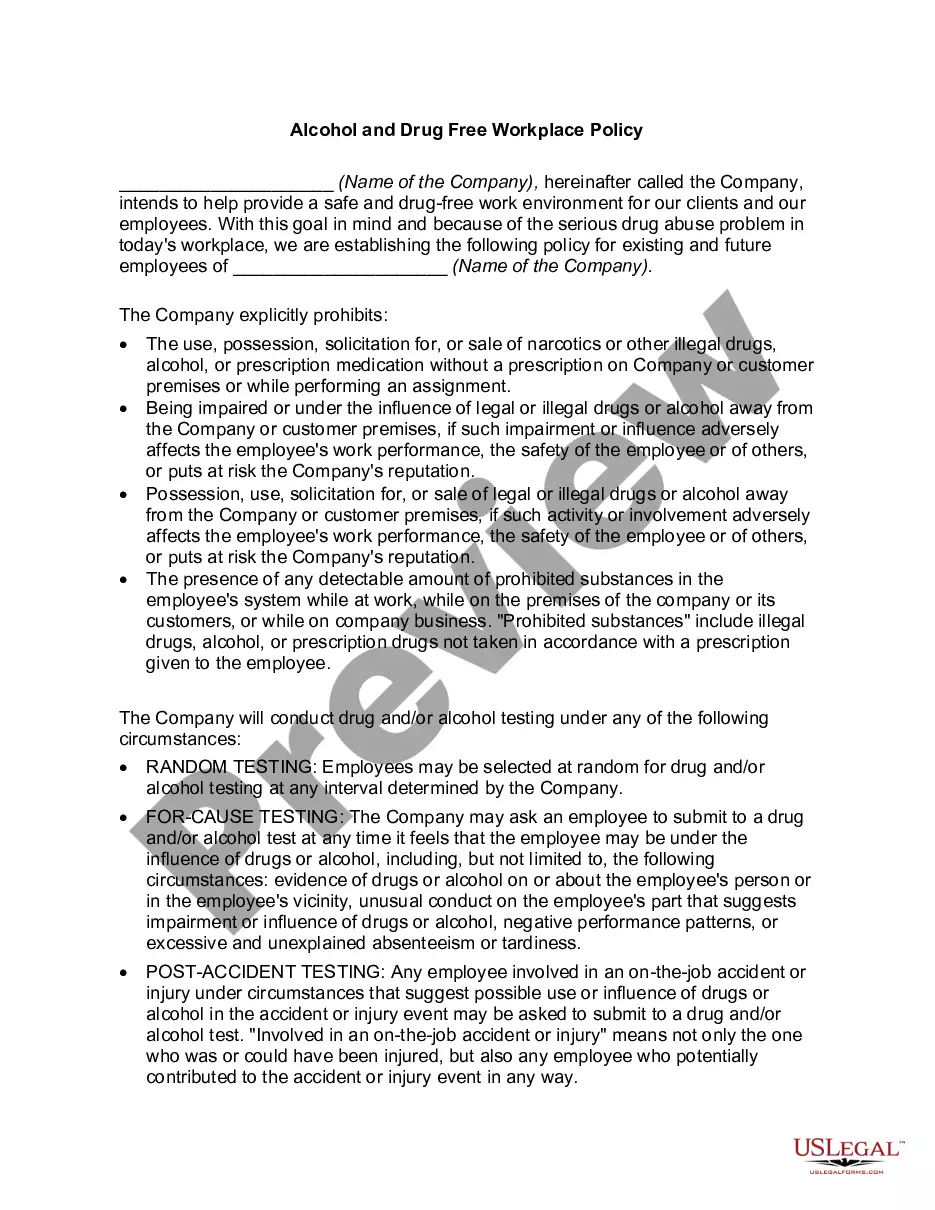
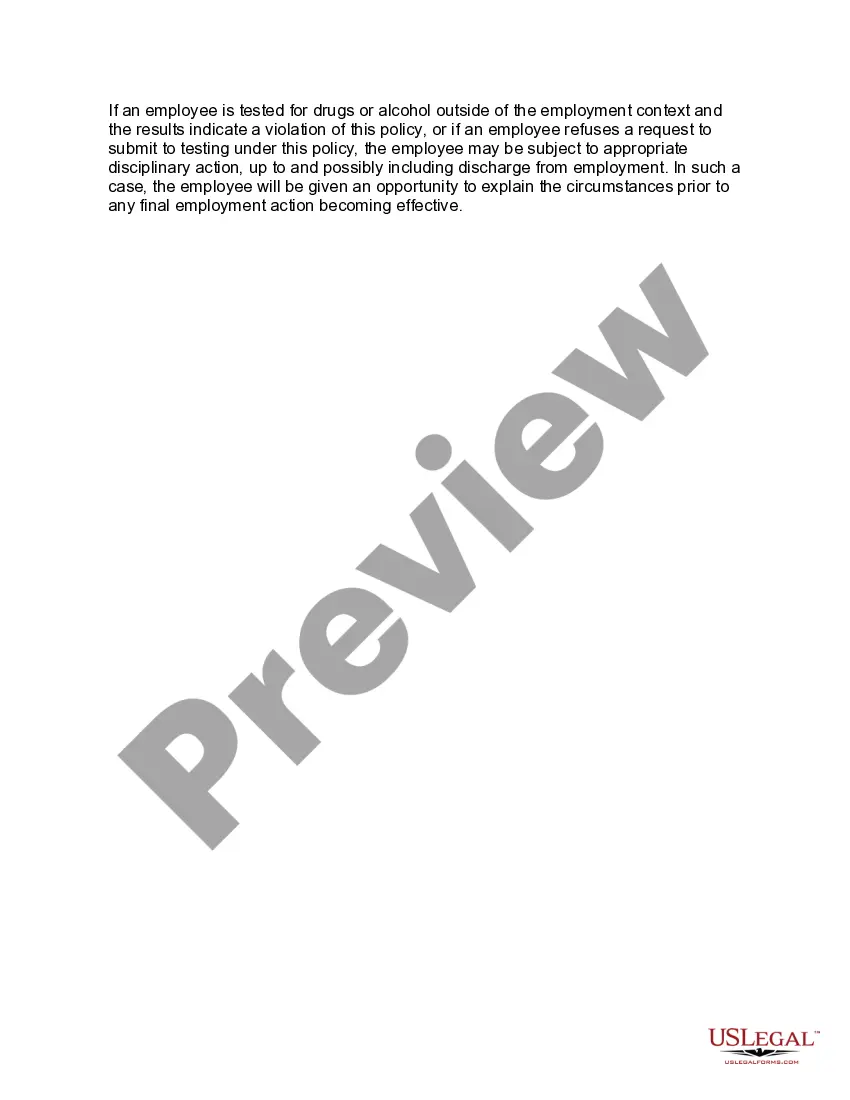
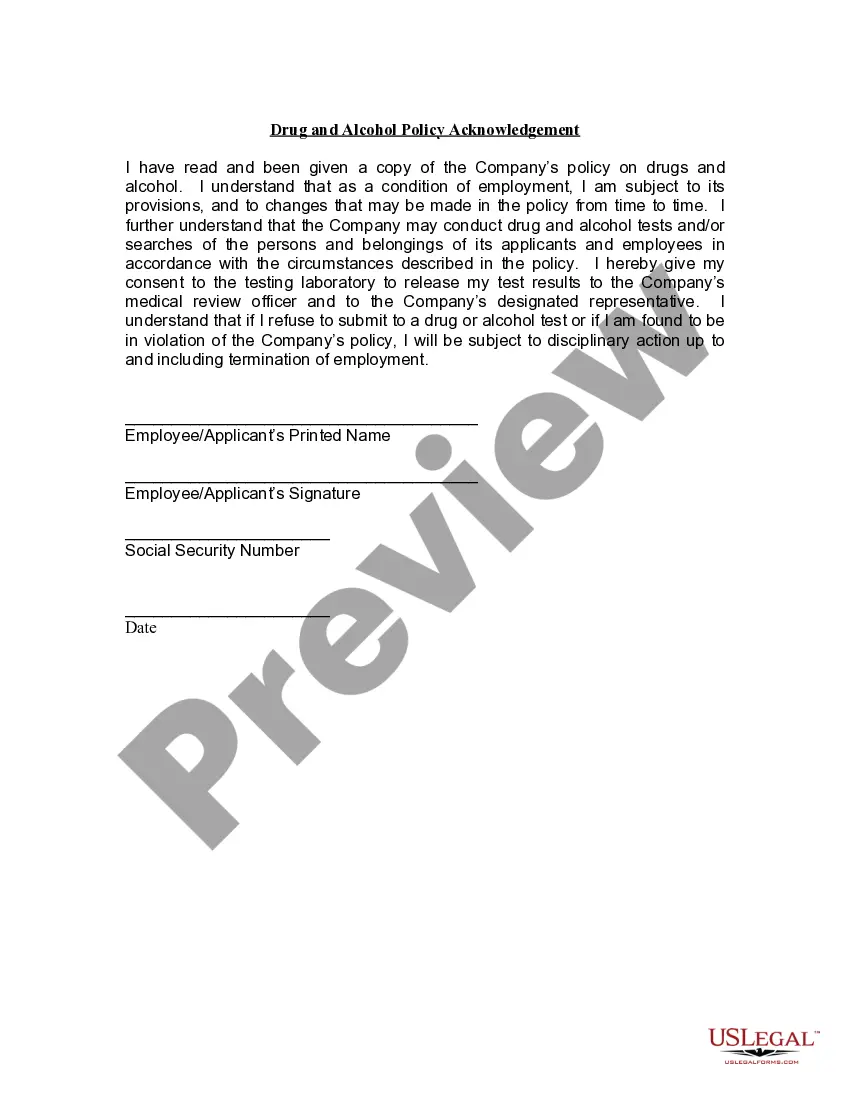
Get your form ready online
Our built-in tools help you complete, sign, share, and store your documents in one place.
Make edits, fill in missing information, and update formatting in US Legal Forms—just like you would in MS Word.
Download a copy, print it, send it by email, or mail it via USPS—whatever works best for your next step.
Sign and collect signatures with our SignNow integration. Send to multiple recipients, set reminders, and more. Go Premium to unlock E-Sign.
If this form requires notarization, complete it online through a secure video call—no need to meet a notary in person or wait for an appointment.
We protect your documents and personal data by following strict security and privacy standards.

Make edits, fill in missing information, and update formatting in US Legal Forms—just like you would in MS Word.

Download a copy, print it, send it by email, or mail it via USPS—whatever works best for your next step.

Sign and collect signatures with our SignNow integration. Send to multiple recipients, set reminders, and more. Go Premium to unlock E-Sign.

If this form requires notarization, complete it online through a secure video call—no need to meet a notary in person or wait for an appointment.

We protect your documents and personal data by following strict security and privacy standards.
Looking for another form?


How to fill out Alcohol And Drug Free Workplace Policy?
- Log in to your existing US Legal Forms account. Ensure your subscription is active to access the required templates.
- If this is your first visit, browse the Preview mode and read the detailed form descriptions to find the right office policy template that meets your requirements and adheres to local regulations.
- Should you require additional templates, utilize the Search feature at the top to locate specific forms that suit your needs.
- Once you've identified the correct form, click the Buy Now button and select your preferred subscription plan. You'll need to create an account for full access.
- Complete your purchase by inputting your credit card information or using PayPal to subscribe.
- Download the chosen form directly to your device, making it easy to fill out as needed. Access it later anytime under the My Forms section of your profile.
By utilizing US Legal Forms, you can streamline the creation of your office policies, ensuring they are comprehensive and legally sound.
Take advantage of the extensive resource library today and simplify your legal documentation process!
Form popularity
FAQ
Policy in the workplace refers to the set of guidelines that govern employee behavior and business operations. These policies are designed to ensure fairness, safety, and compliance with laws. They serve as a framework for decision-making and help maintain a productive work environment. To develop effective office policies, consider utilizing resources like uslegalforms, which provides templates tailored to your business needs.
An example of an employee policy is a code of conduct that sets expectations for employee behavior in the workplace. This policy covers topics such as punctuality, dress code, and respectful communication. By establishing clear guidelines, office policies promote consistency and accountability among team members. It helps employees understand their roles within the company.
An example of a policy could be a workplace harassment policy that outlines acceptable behavior and the consequences of violations. This policy establishes a safe and respectful environment for all employees. It should clearly state the procedures for reporting incidents and how investigations will be conducted. Implementing such office policies is crucial for maintaining a positive workplace culture.
To write an official policy, start by clearly defining the purpose and scope of the policy. Next, outline the procedures that employees must follow and include any necessary guidelines. Make sure to review the policy for clarity and compliance with applicable laws. Finally, distribute the office policies to all employees and provide training for better understanding.
Examples of administrative policies include conflict of interest policies, remote work guidelines, and social media use policies. These office policies help establish clear expectations and responsibilities within an organization. By defining these parameters, administrative policies contribute to a respectful and productive workplace.
An example of a policy in the workplace is the dress code policy. These office policies provide guidelines on appropriate attire for employees, helping to maintain professionalism and brand image. Clear dress code policies can enhance workplace culture and employee morale.
To write an office policy, first identify the issue the policy will address. Then, outline the purpose, scope, and specific procedures. Ensure the language is clear and accessible, making it easier for employees to understand and follow. Finally, review the policy for compliance and alignment with organizational goals.
An administrative policy is a framework that governs how an organization operates internally. These office policies provide guidance on decision-making, procedures, and resource management. Establishing strong administrative policies promotes consistency and clarity within the organization.
Administrative policies in healthcare are guidelines that direct operations, such as patient care protocols, billing practices, and staff conduct. These office policies ensure that healthcare facilities maintain high standards of care while complying with regulatory requirements. Having clear policies enhances both efficiency and patient satisfaction.
Three examples of administrative law include regulations governing healthcare practices, environmental protection standards, and workplace safety rules. These office policies set the framework within which organizations must operate, ensuring compliance and protecting public interests. Understanding these laws helps organizations navigate legal requirements effectively.