Drug Workplace Act For The Eu
Description
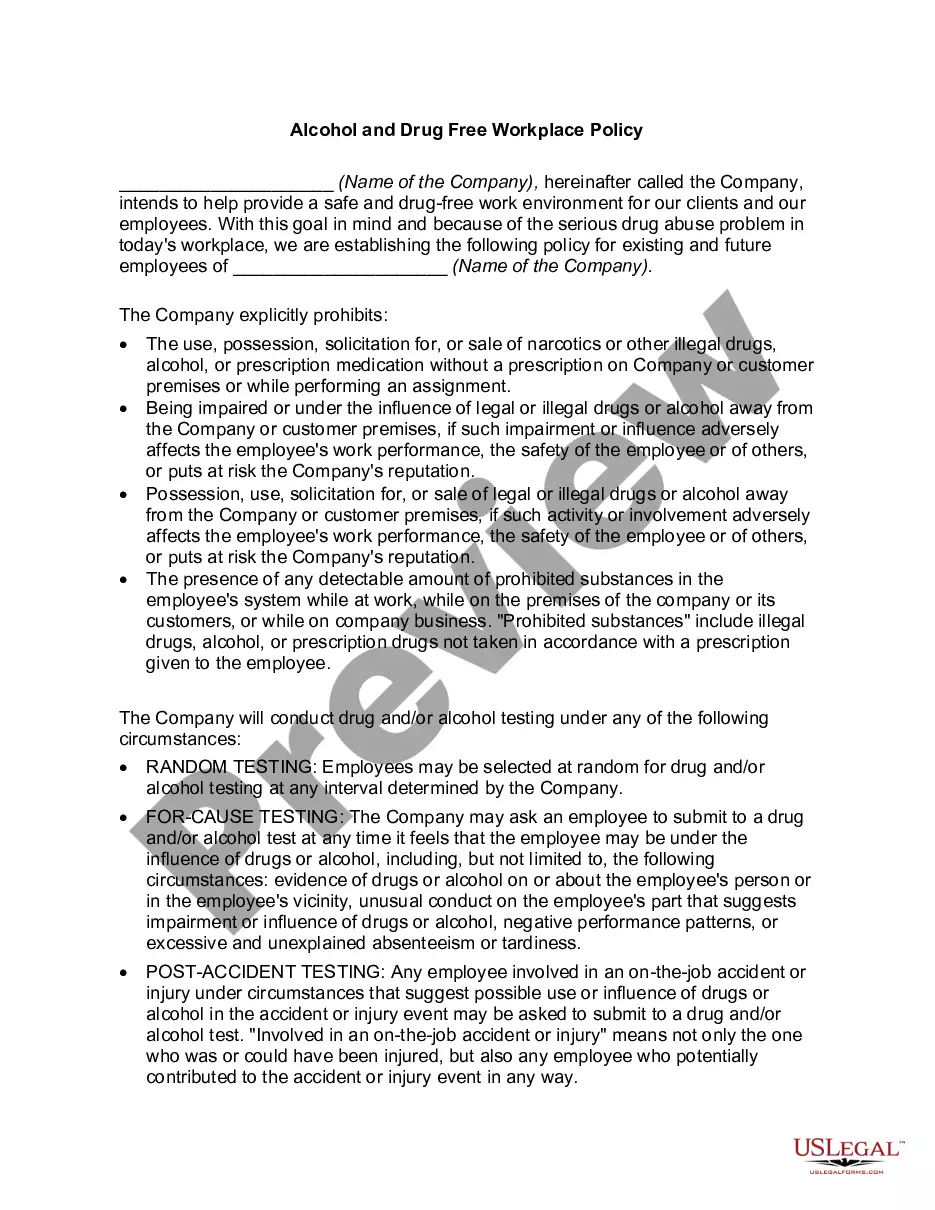
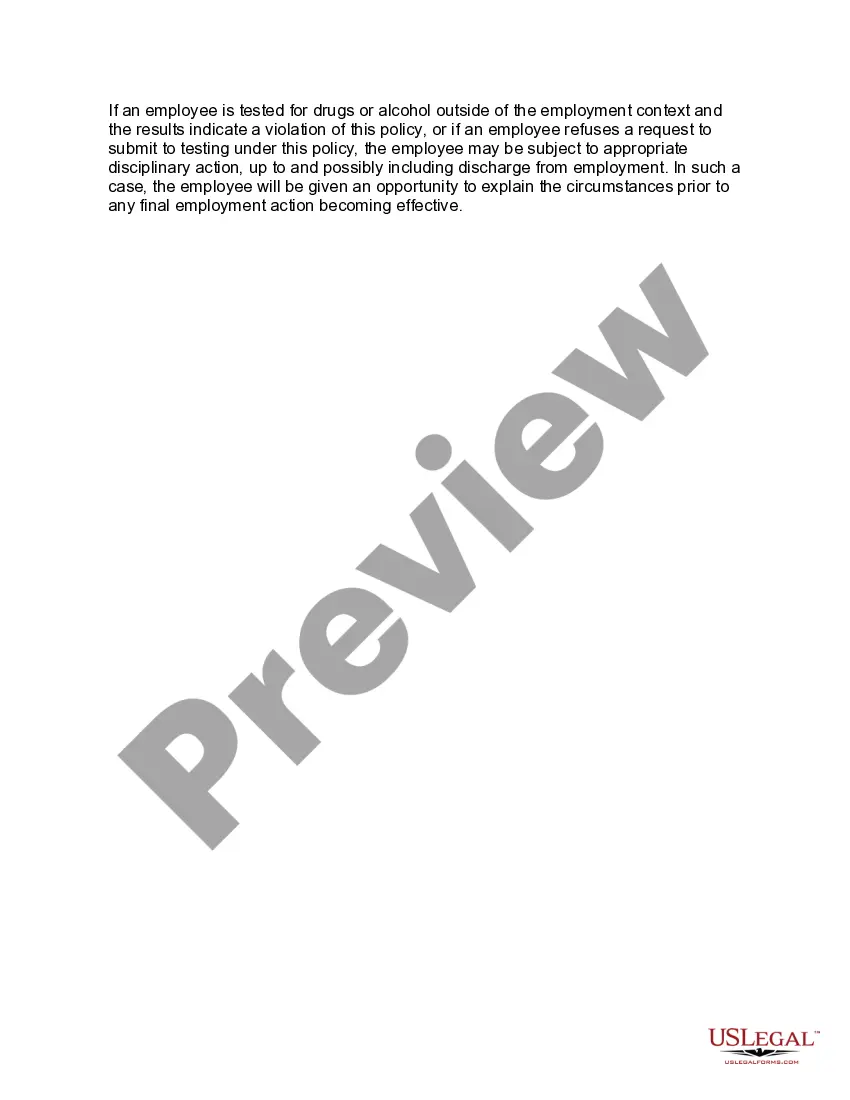
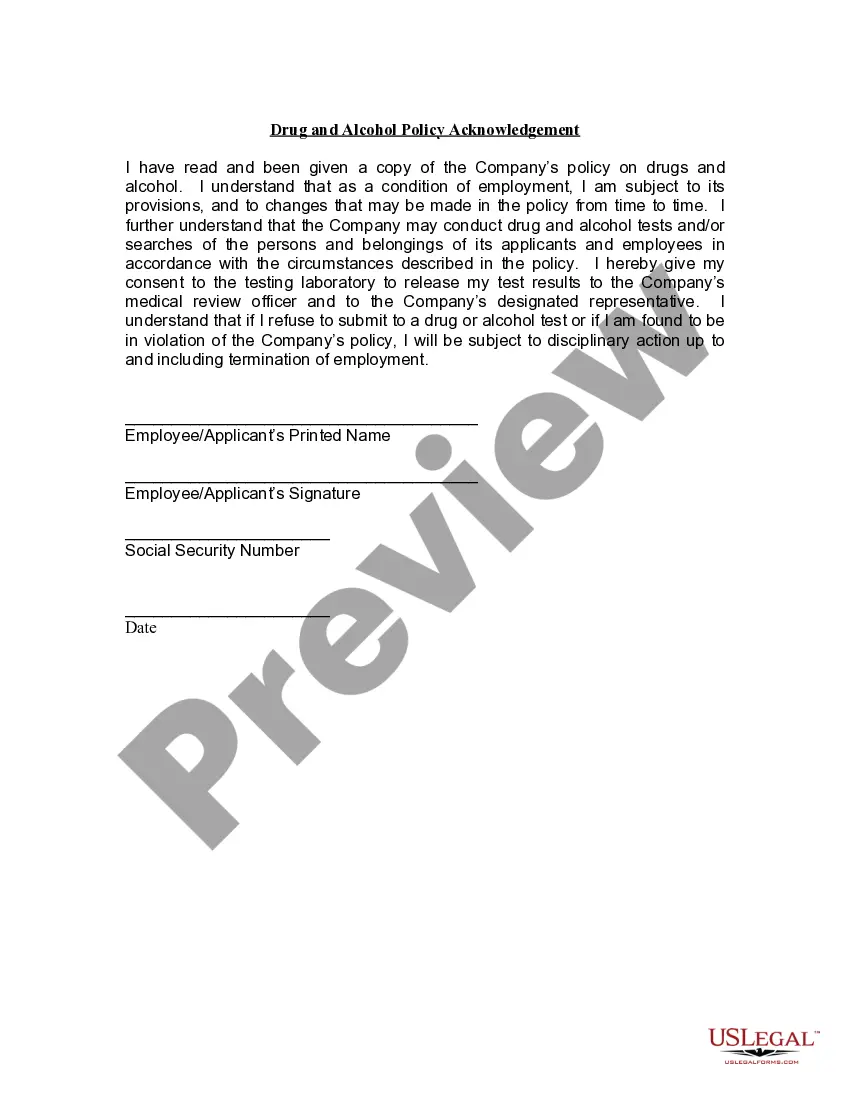
Get your form ready online
Our built-in tools help you complete, sign, share, and store your documents in one place.
Make edits, fill in missing information, and update formatting in US Legal Forms—just like you would in MS Word.
Download a copy, print it, send it by email, or mail it via USPS—whatever works best for your next step.
Sign and collect signatures with our SignNow integration. Send to multiple recipients, set reminders, and more. Go Premium to unlock E-Sign.
If this form requires notarization, complete it online through a secure video call—no need to meet a notary in person or wait for an appointment.
We protect your documents and personal data by following strict security and privacy standards.

Make edits, fill in missing information, and update formatting in US Legal Forms—just like you would in MS Word.

Download a copy, print it, send it by email, or mail it via USPS—whatever works best for your next step.

Sign and collect signatures with our SignNow integration. Send to multiple recipients, set reminders, and more. Go Premium to unlock E-Sign.

If this form requires notarization, complete it online through a secure video call—no need to meet a notary in person or wait for an appointment.

We protect your documents and personal data by following strict security and privacy standards.
Looking for another form?



How to fill out Alcohol And Drug Free Workplace Policy?
- If you are a returning user, log in to your account, ensuring your subscription is active, then click the Download button to save the required form.
- For first-time users, start by exploring the Preview mode and form descriptions to find the correct document tailored to your needs and local jurisdiction.
- If your search yields inaccuracies, utilize the Search tab above to find the appropriate template.
- Once identified, purchase your selected document by clicking the Buy Now button and choosing your desired subscription plan. You must create an account to unlock the full library.
- Provide your payment details, either via credit card or PayPal, to finalize your subscription.
- After completing your purchase, download the form directly to your device and access it anytime from the My Forms section of your profile.
Using US Legal Forms offers a robust collection of over 85,000 legal templates, making it easier to navigate legal requirements efficiently.
Empower your compliance with the Drug Workplace Act for the EU today. Visit US Legal Forms to access a comprehensive library and get started!
Form popularity
FAQ
Countries like Singapore and Japan are known for their zero-tolerance drug policies. These countries impose severe penalties for drug-related offenses, emphasizing a strict approach to combat drug use. As organizations operate internationally, understanding the Drug Workplace Act for the EU can help them navigate these differing regulations and maintain compliance in their policies regarding substance use.
The United States leads with the strictest pharmaceutical regulations, primarily enforced by the Food and Drug Administration (FDA). These regulations ensure that medications are safe, effective, and distributed properly. For businesses in the pharmaceutical sector, complying with these regulations is essential, and they can benefit from insights into the Drug Workplace Act for the EU. This act informs how substance-related policies can be structured in a dynamic industry.
The Drug Workplace Act provides a legal framework for managing drug-related issues within the workplace. It sets standards for drug testing, prevention programs, and procedures for handling employees who may misuse substances. Understanding these regulations is crucial for businesses looking to maintain a safe and productive work environment. Adopting guidelines from the Drug Workplace Act for the EU can help workplaces manage these challenges effectively.
Portugal is known for having some of the strictest drug laws in Europe. The country decriminalized the possession of small amounts of drugs and focused on treating addiction as a public health issue. This innovative policy demonstrates how regulating drug use can lead to positive outcomes, essential for aligning with the Drug Workplace Act for the EU. Employers are encouraged to implement supportive measures for their employees.
While many countries experience drug-related issues, the United States often ranks high in terms of drug abuse and addiction. Factors such as availability, social factors, and economic disparities contribute to this ongoing challenge. Addressing drug problems effectively requires comprehensive measures, including workforce regulations under the Drug Workplace Act for the EU. By establishing clear guidelines, organizations can better manage drug-related issues in the workplace.
Creating a drug policy requires a clear understanding of the Drug Workplace Act for the EU. Start by outlining the purpose of the policy, along with the guidelines for drug use and testing procedures. Ensure to include roles and responsibilities for employees and management, along with the consequences of violations. This structured approach will help maintain a safe and productive workplace while complying with the Drug Workplace Act for the EU.
Yes, terminating an employee for a positive drug test is permissible under the Drug Workplace Act for the EU. Employers need to have a clear drug testing policy in place that is communicated to all employees. Consistent adherence to policies can mitigate disputes related to termination based on a positive test result.
Yes, terminating an employee for the use of illegal drugs is considered a form of turnover. The Drug Workplace Act for the EU provides guidelines that define how employers can manage substance abuse in the workplace. Understandably, turnover can affect company morale, so it's best to handle these situations carefully.
Yes, you can terminate an employee for drug use, especially if it violates established company policies. The Drug Workplace Act for the EU allows employers to take action when drug use impacts job performance or workplace safety. It's essential to follow your company's disciplinary procedures to protect against any possible legal ramifications.
Employers have a responsibility under the Drug Workplace Act for the EU to maintain a safe work environment and to implement policies on substance abuse. This includes providing support programs for employees who may be struggling with addiction. Additionally, employers should ensure that all employees are aware of the policies in place.