Letter Client Real Estate For Sellers
Description

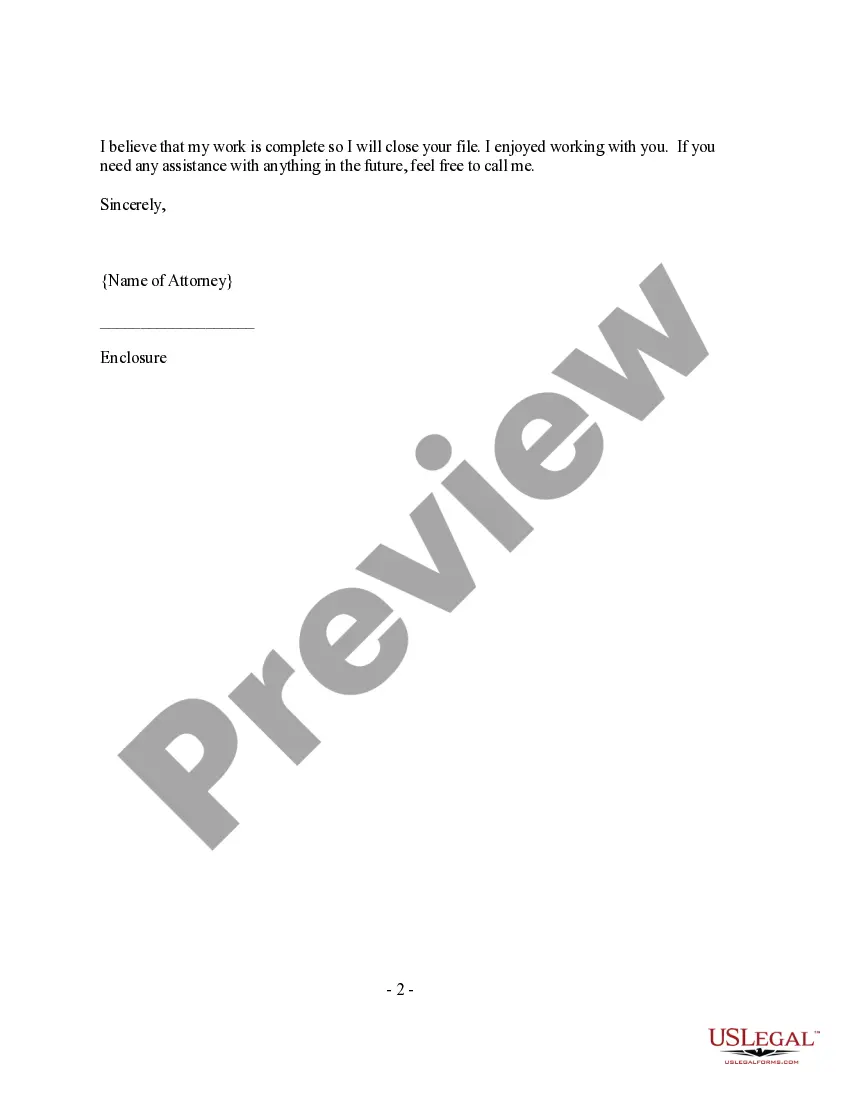
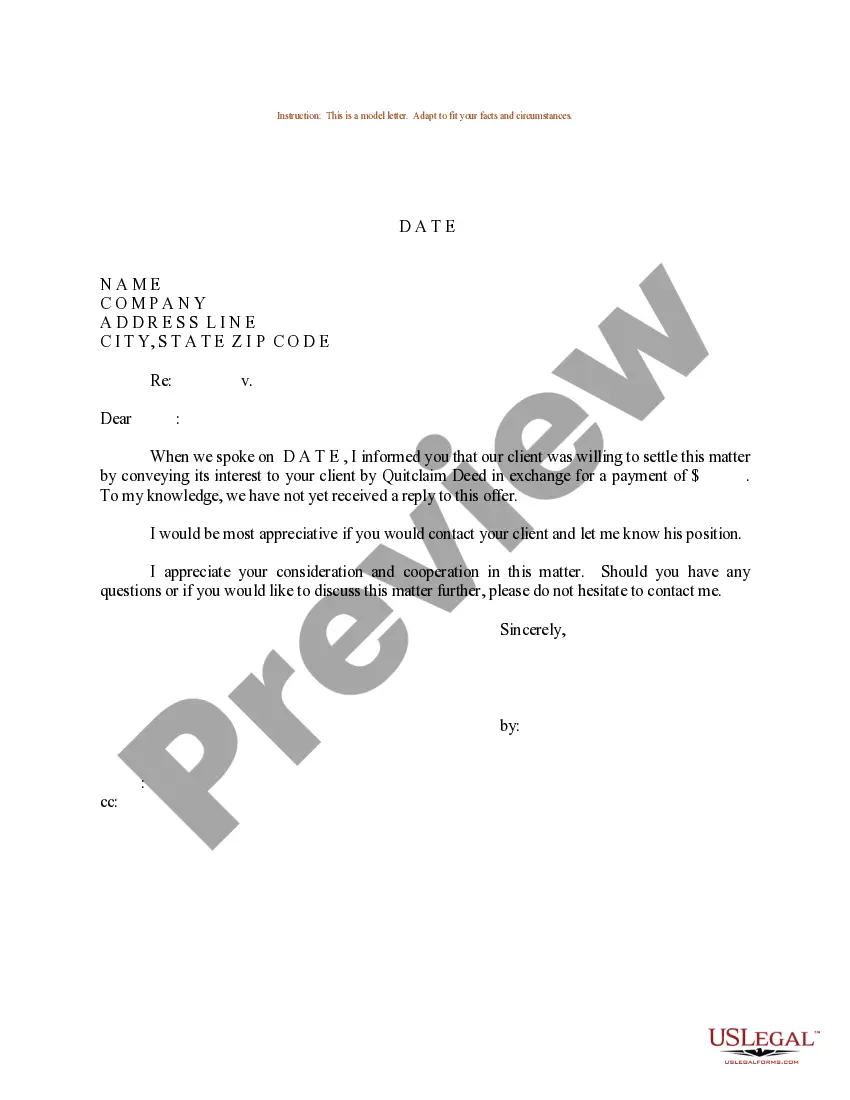
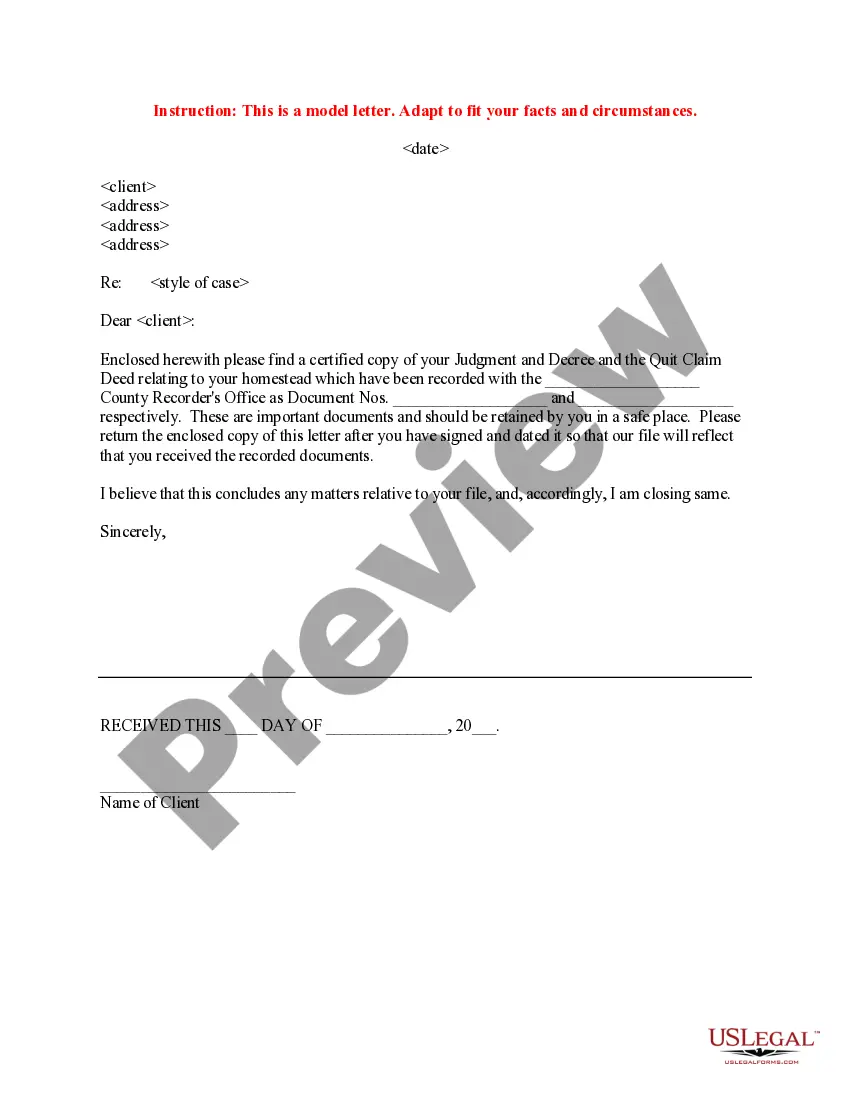
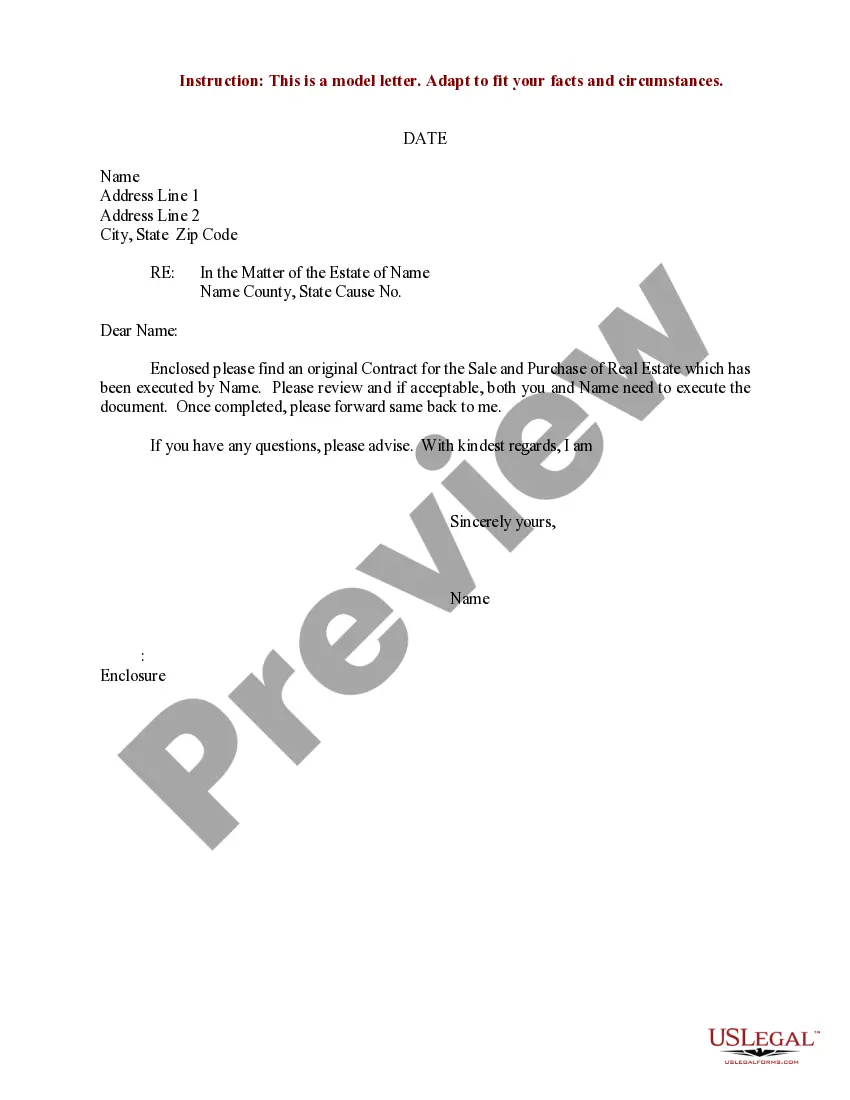
Get your form ready online
Our built-in tools help you complete, sign, share, and store your documents in one place.
Make edits, fill in missing information, and update formatting in US Legal Forms—just like you would in MS Word.
Download a copy, print it, send it by email, or mail it via USPS—whatever works best for your next step.
Sign and collect signatures with our SignNow integration. Send to multiple recipients, set reminders, and more. Go Premium to unlock E-Sign.
If this form requires notarization, complete it online through a secure video call—no need to meet a notary in person or wait for an appointment.
We protect your documents and personal data by following strict security and privacy standards.

Make edits, fill in missing information, and update formatting in US Legal Forms—just like you would in MS Word.

Download a copy, print it, send it by email, or mail it via USPS—whatever works best for your next step.

Sign and collect signatures with our SignNow integration. Send to multiple recipients, set reminders, and more. Go Premium to unlock E-Sign.

If this form requires notarization, complete it online through a secure video call—no need to meet a notary in person or wait for an appointment.

We protect your documents and personal data by following strict security and privacy standards.
Looking for another form?

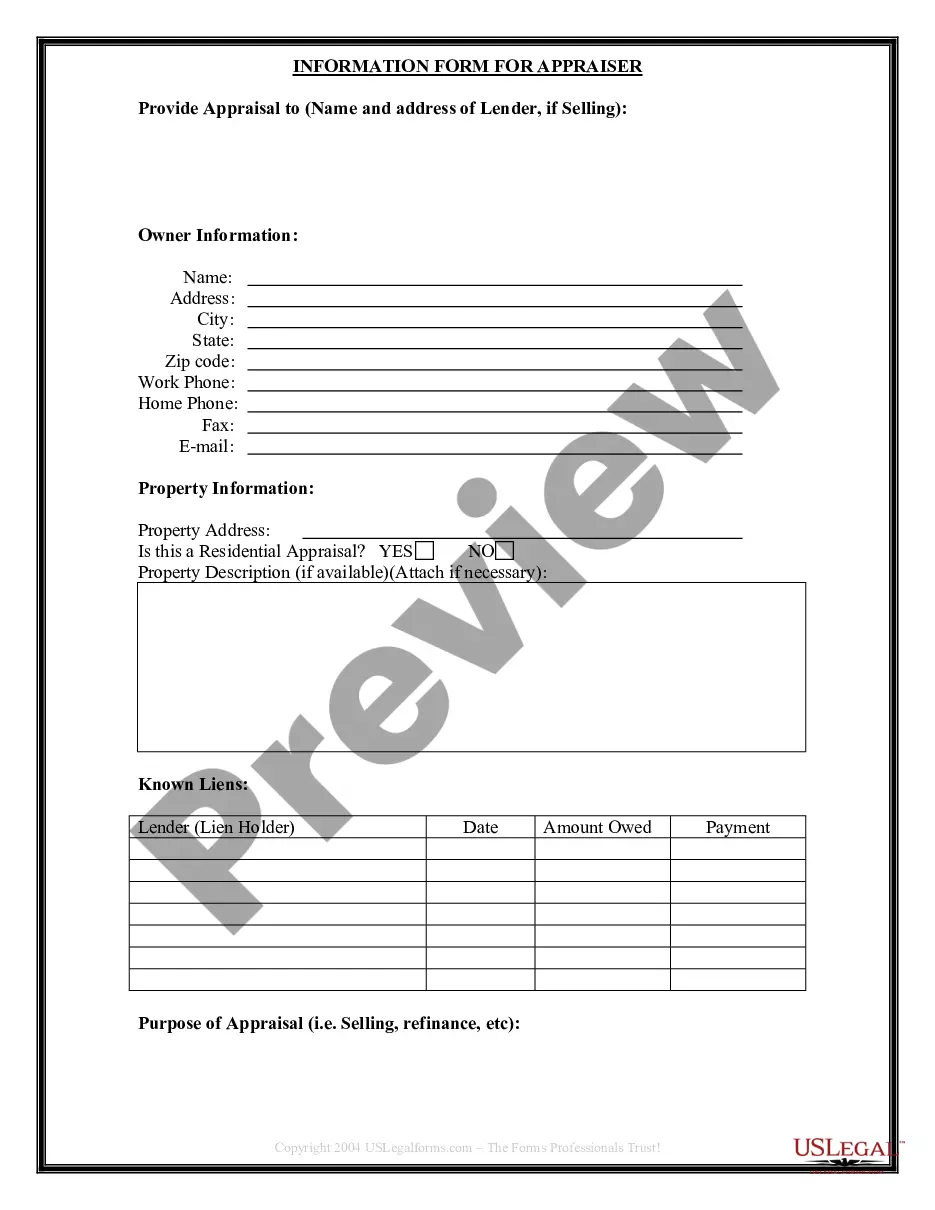
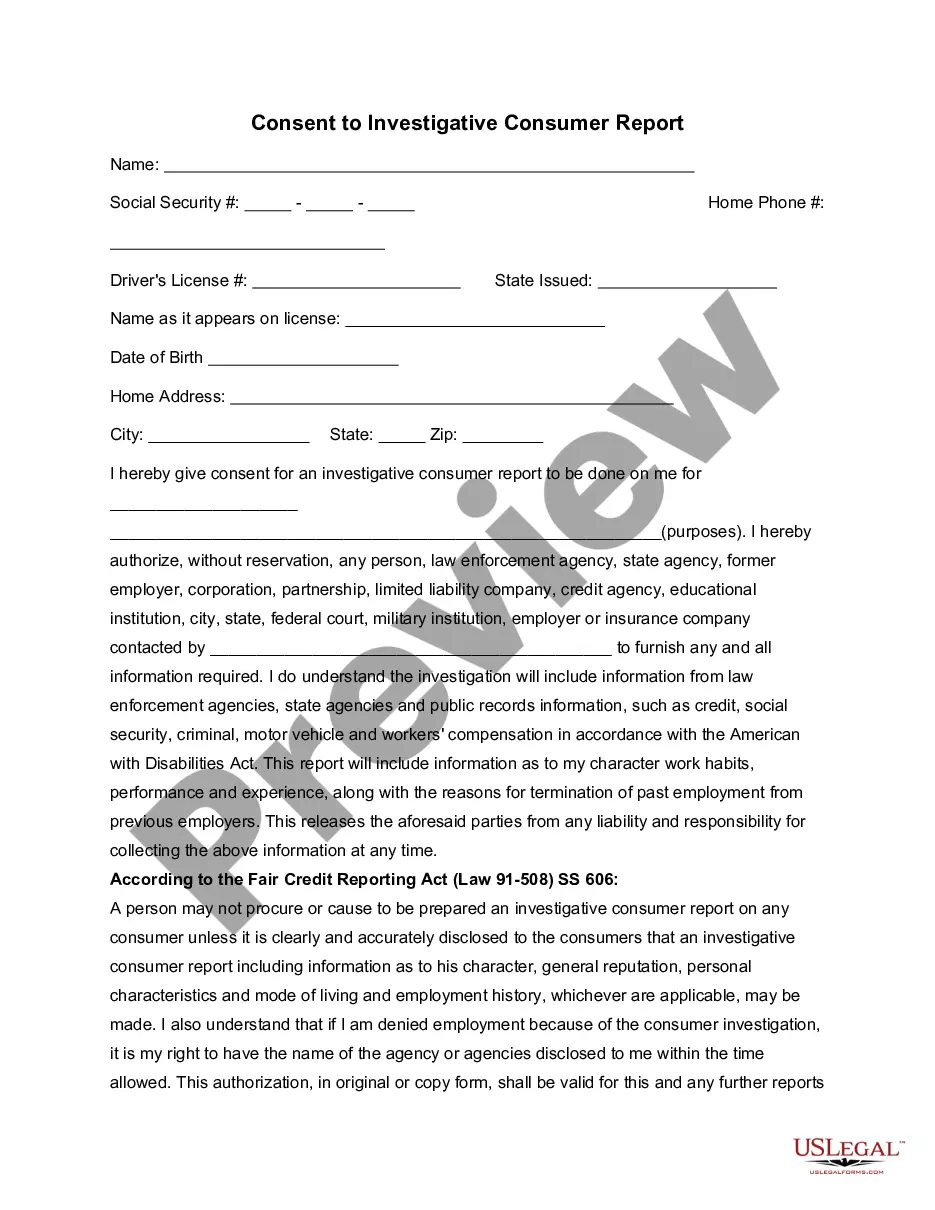

How to fill out Sample Letter To Client Regarding Real Estate Documents Related To Homestead?
Whether for commercial reasons or personal matters, everyone eventually encounters legal circumstances in their lifetime.
Filling out legal forms requires meticulous attention, beginning with selecting the correct form template.
Select the file format you prefer and download the Letter Client Real Estate For Sellers. Once it is saved, you can fill out the form using editing applications or print it and complete it by hand. With a vast US Legal Forms catalog available, you need not waste time searching for the right sample online. Utilize the library’s user-friendly navigation to find the proper template for any situation.
- For instance, if you select an incorrect version of the Letter Client Real Estate For Sellers, it will be rejected upon submission.
- Thus, it is crucial to obtain a dependable source of legal documents like US Legal Forms.
- If you need to retrieve a Letter Client Real Estate For Sellers template, follow these straightforward steps.
- Find the sample you require using the search feature or catalog navigation.
- Review the form’s details to ensure it suits your situation, state, and county.
- Click on the form’s preview to review it.
- If it is the incorrect document, return to the search function to locate the Letter Client Real Estate For Sellers sample you require.
- Download the file if it satisfies your requirements.
- If you already possess a US Legal Forms account, click Log in to access previously saved documents in My documents.
- If you do not yet have an account, you can acquire the form by clicking Buy now.
- Select the suitable pricing option.
- Complete the account registration form.
- Choose your payment method: use a credit card or PayPal account.
Form popularity
FAQ
Receiving letters from potential buyers often indicates that your property is attractive to investors or homeowners seeking opportunities. These letters often stem from interest in specific neighborhoods or from market analyses showing your home's value. Utilizing these inquiries can lead to opportunities, and crafting a well-targeted Letter client real estate for sellers can enhance your response strategy.
The 7% rule in real estate suggests that property owners should expect to spend about 7% of their property's value annually on expenses like repairs, maintenance, and management. This rule serves as a benchmark for investors and sellers to assess their property's financial potential. By keeping this guideline in mind, you can formulate effective communication strategies in your Letter client real estate for sellers.
Typically, a real estate agent earns a commission of around 5% to 6% on a property sale. For a $500,000 sale, this translates to a commission of approximately $25,000 to $30,000. It's essential to note that this commission is usually split between the buyer’s and seller’s agents. Understanding these figures can help you strategize your Letter client real estate for sellers.
Realtors often caution against writing personal letters to home sellers because these can unintentionally influence the decision-making process. A letter client real estate for sellers can shift focus away from the property’s features towards personal stories, making it harder for sellers to remain objective. It's better to highlight the strengths of the offer rather than personal appeals.
The 3-3-3 rule in real estate suggests that after a buyer views a home, they should receive a letter client real estate for sellers within three hours, followed by a follow-up call within three days. This strategy helps keep the buyer engaged and interested in making an offer. By staying proactive, sellers can ensure that potential buyers remain focused on their property.
To write an effective letter client real estate for sellers, start by clearly stating your intentions. Express your genuine interest in their property and explain why it appeals to you. Include any relevant information about your situation, such as being a first-time buyer or having a flexible timeline. Finally, be respectful and polite, inviting them to consider your offer without pressure, which can foster a positive response.
Thank you for being such a great client. Your trust and support throughout the process of finding your new home was greatly appreciated. I am so grateful for the opportunity to have served you and your friends and family. It is because of clients like you that my business continues to grow and thrive.
And here's some information to consider including in your letter to the homeowner. What details draw you to the home. Why you want to buy the home (a great neighborhood for the kids, for example) What you like about the neighborhood or area of town. Basic information about your family (such as how many children you have)
How To Write A Letter To The Seller When Buying A Home Decide How You Want The Letter To Look. ... Introduce Yourself. ... Share Your Love For The Home. ... Describe How You'd Live In The House. ... Explain Your Offer. ... Express Gratitude. ... Read Over Your Letter. ... Deliver The Letter To The Seller.
My name is [Name], and I'm a real estate agent working with [Team Name at Brokerage]. I represent homeowners in [Neighborhood]. Most recently, I sold the home at [address]. This is a highly desirable neighborhood, and homes are generally selling above asking price and going under contract in an average of [##] days!