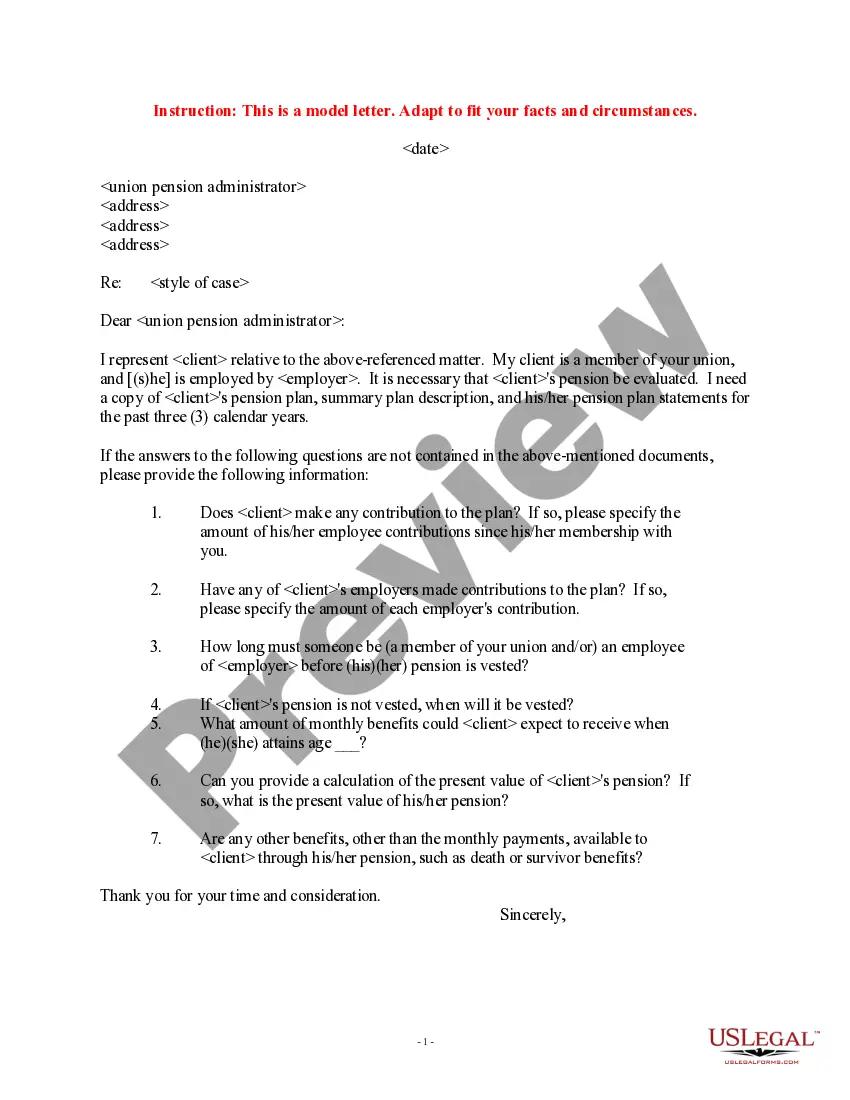
Admin Plan
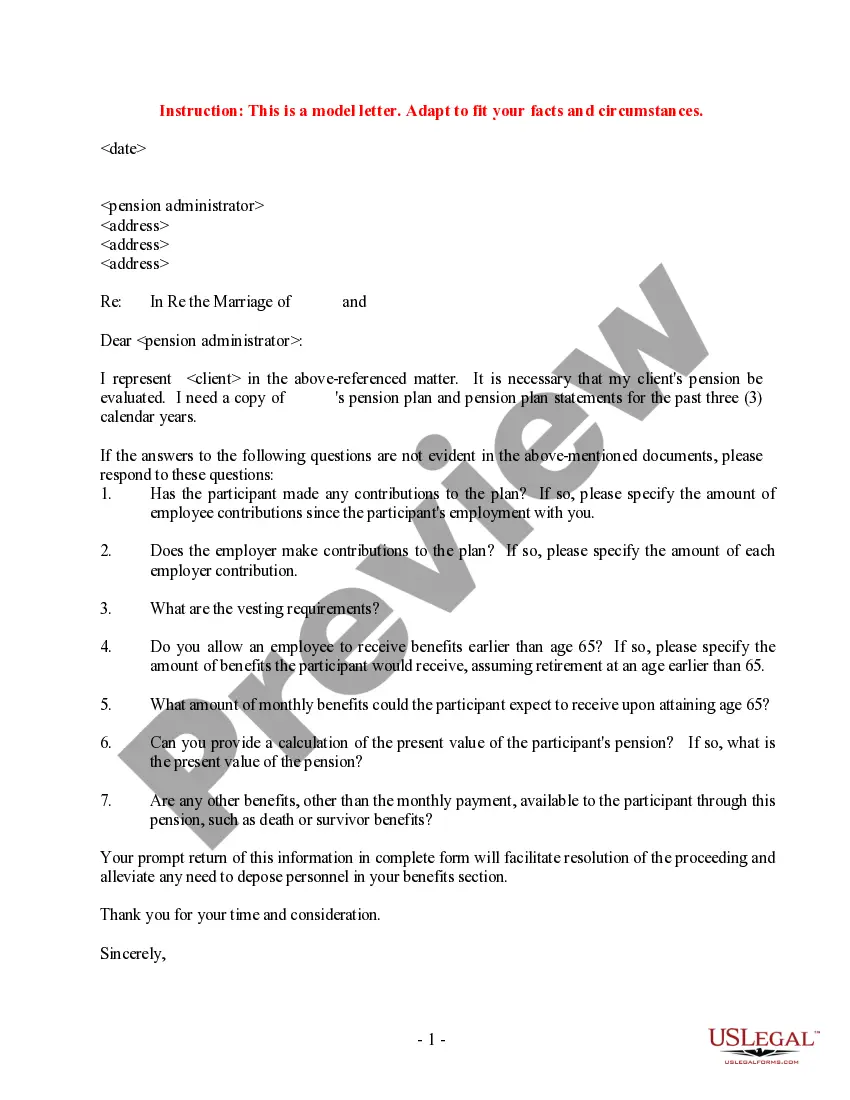
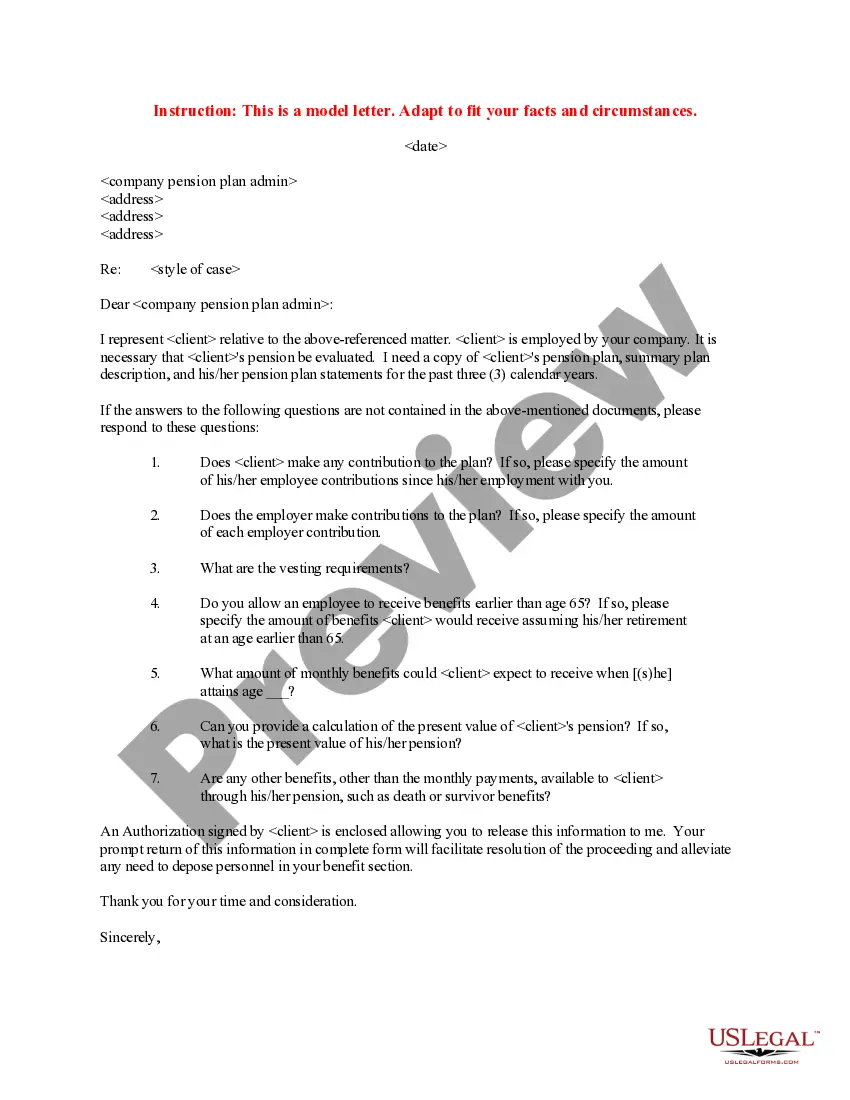
Description
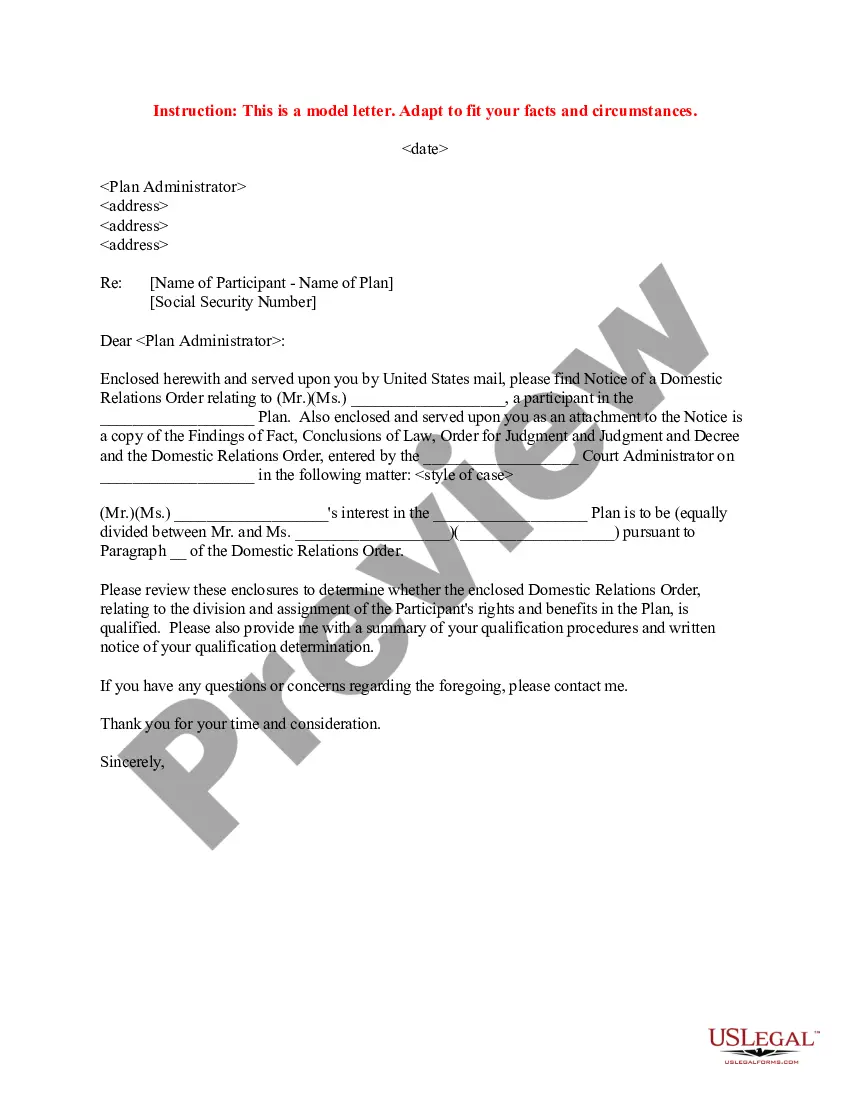
Get your form ready online
Our built-in tools help you complete, sign, share, and store your documents in one place.
Make edits, fill in missing information, and update formatting in US Legal Forms—just like you would in MS Word.
Download a copy, print it, send it by email, or mail it via USPS—whatever works best for your next step.
Sign and collect signatures with our SignNow integration. Send to multiple recipients, set reminders, and more. Go Premium to unlock E-Sign.
If this form requires notarization, complete it online through a secure video call—no need to meet a notary in person or wait for an appointment.
We protect your documents and personal data by following strict security and privacy standards.

Make edits, fill in missing information, and update formatting in US Legal Forms—just like you would in MS Word.

Download a copy, print it, send it by email, or mail it via USPS—whatever works best for your next step.

Sign and collect signatures with our SignNow integration. Send to multiple recipients, set reminders, and more. Go Premium to unlock E-Sign.

If this form requires notarization, complete it online through a secure video call—no need to meet a notary in person or wait for an appointment.

We protect your documents and personal data by following strict security and privacy standards.
Looking for another form?
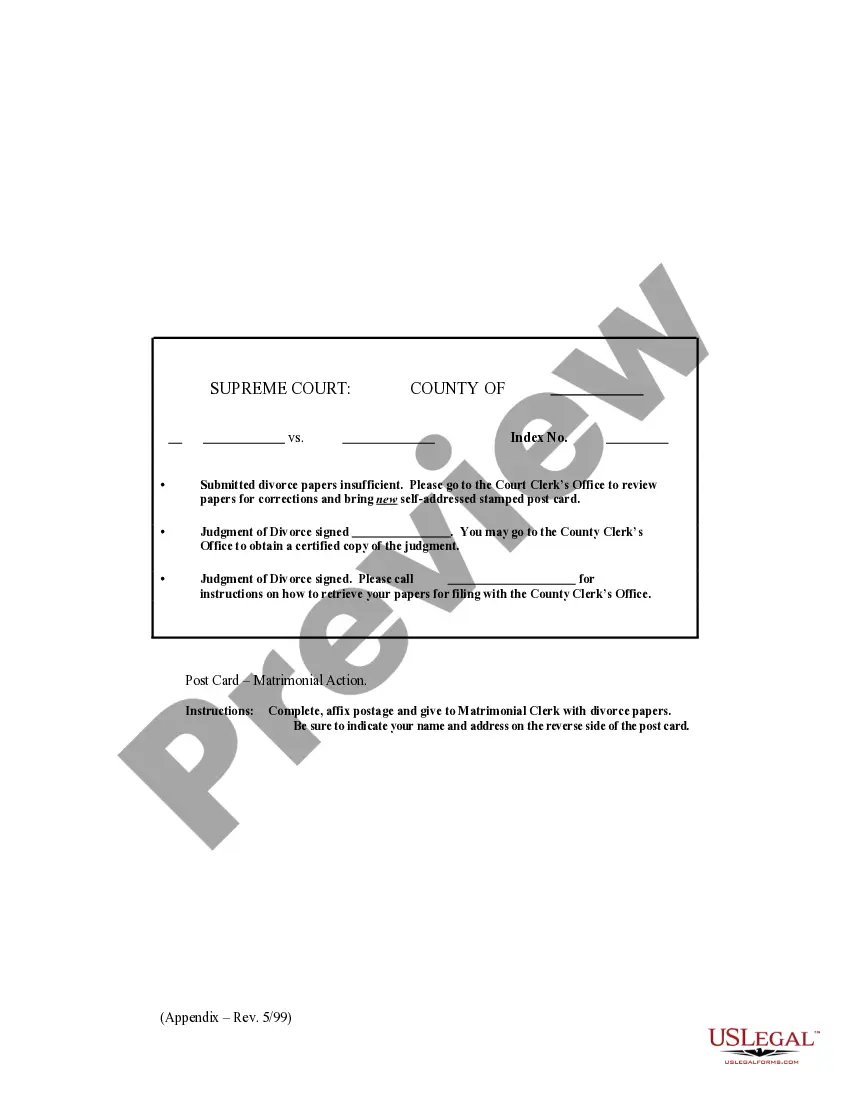
How to fill out Sample Letter To Union Pension Administrator Regarding Request For Plan Description?
It’s widely understood that you cannot become a legal authority in a single night, nor can you swiftly devise an Admin Plan without a specialized education.
Assembling legal documents is a lengthy process that requires specific training and expertise.
Therefore, why not entrust the creation of the Admin Plan to the professionals.
You can regain access to your documents at any time via the My documents tab.
If you are a current customer, you can simply Log In and locate and download the template from the same tab.
- Locate the form you require using the search bar located at the top of the page.
- Examine it (if the option is available) and review the accompanying description to see if the Admin Plan meets your needs.
- If you need a different document, restart your search.
- Create a complimentary account and choose a subscription plan to acquire the template.
- Click Buy now. After the transaction is completed, you can download the Admin Plan, complete it, print it, and send or mail it to the appropriate individuals or organizations.
Form popularity
FAQ
Depending on your needs, you can choose from three types of NDAs: unilateral, bilateral, and unilateral. Unilateral NDAs only require one party to disclose confidential information, while bilateral NDAs require two parties to disclose private information.
Commonly though, in Pennsylvania, non-disclosure and related documents such as non-compete and non-solicitation agreements are enforceable if they adhere to the following: >> If they are included in an employment contract or employment relationship. >> If they are supported by adequate consideration.
Typically, the only way to fight a non-compete agreement is to go to court. If you are an employee (or former employee) who signed such an agreement, this means you must violate the agreement and wait to be sued. It may be that your former employer has never sued another employee to enforce the non-compete agreement.
Term of agreement and survival of nondisclosure obligations Survival periods of one to five years are typical. The term often depends on the type of information involved and how quickly the information changes. The information in this article was excerpted from Confidentiality and Nondisclosure Agreements.
In general, NDAs are used when there is a unilateral flow of classified data, while confidentiality agreements are designed to be used when two or more parties share proprietary information.
In Pennsylvania, the confidentiality obligations are finite. Pennsylvania NDAs should cover a finite period of time. For example, you might ask your employee to keep company information private during the course of their employment and for a year afterward.
In 2019, California passed Bill 311, also known as the Silenced No More Act, limiting non-disclosure agreements. ing to Bill 311, employers cannot include clauses in non-disclosure agreements and severance agreements that restrict employees from disclosing information about mistreatment in the workplace.
In California today, NDAs still carry validity and soundness in court so long as they are executed precisely, legally, and firmly; however, there are some circumstances in which an NDA may not be upheld due to SB820 and the expansions formed in SB331 (discussed above).