Sample Complaint For Property Damage
Description
Get your form ready online
Our built-in tools help you complete, sign, share, and store your documents in one place.
Make edits, fill in missing information, and update formatting in US Legal Forms—just like you would in MS Word.
Download a copy, print it, send it by email, or mail it via USPS—whatever works best for your next step.
Sign and collect signatures with our SignNow integration. Send to multiple recipients, set reminders, and more. Go Premium to unlock E-Sign.
If this form requires notarization, complete it online through a secure video call—no need to meet a notary in person or wait for an appointment.
We protect your documents and personal data by following strict security and privacy standards.

Make edits, fill in missing information, and update formatting in US Legal Forms—just like you would in MS Word.

Download a copy, print it, send it by email, or mail it via USPS—whatever works best for your next step.

Sign and collect signatures with our SignNow integration. Send to multiple recipients, set reminders, and more. Go Premium to unlock E-Sign.

If this form requires notarization, complete it online through a secure video call—no need to meet a notary in person or wait for an appointment.

We protect your documents and personal data by following strict security and privacy standards.
Looking for another form?
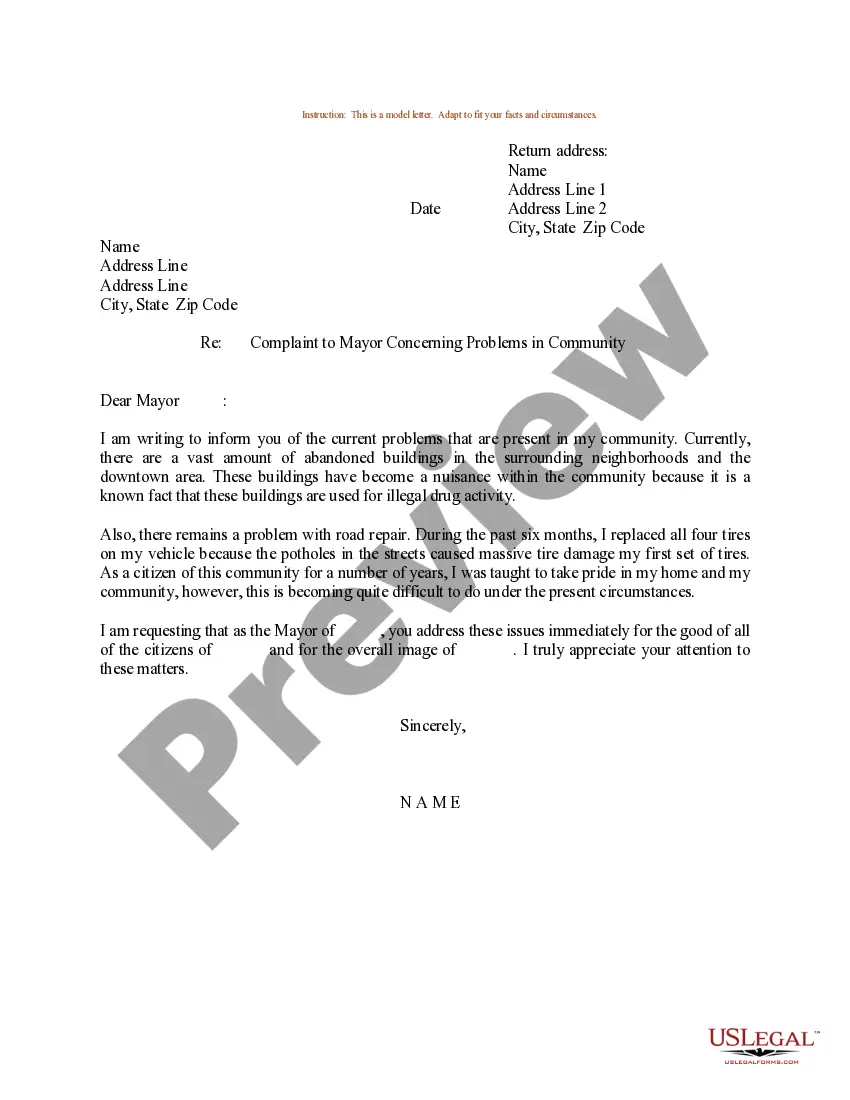
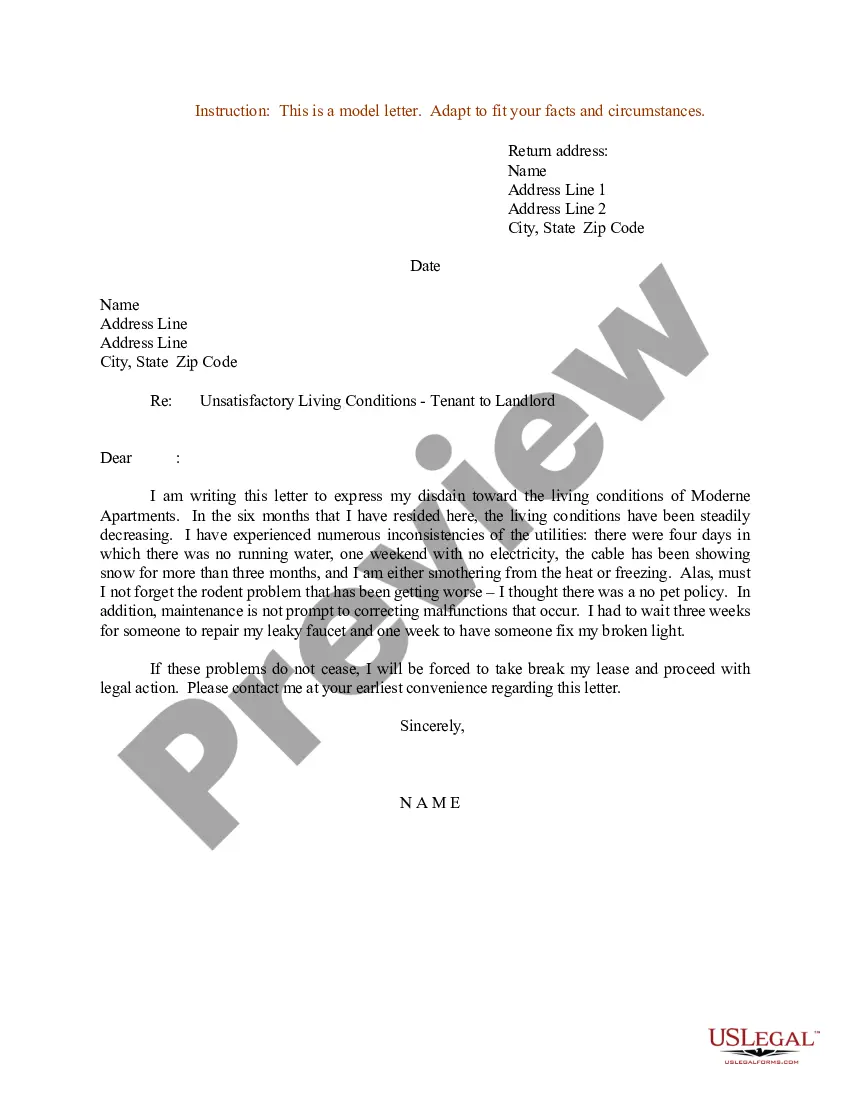
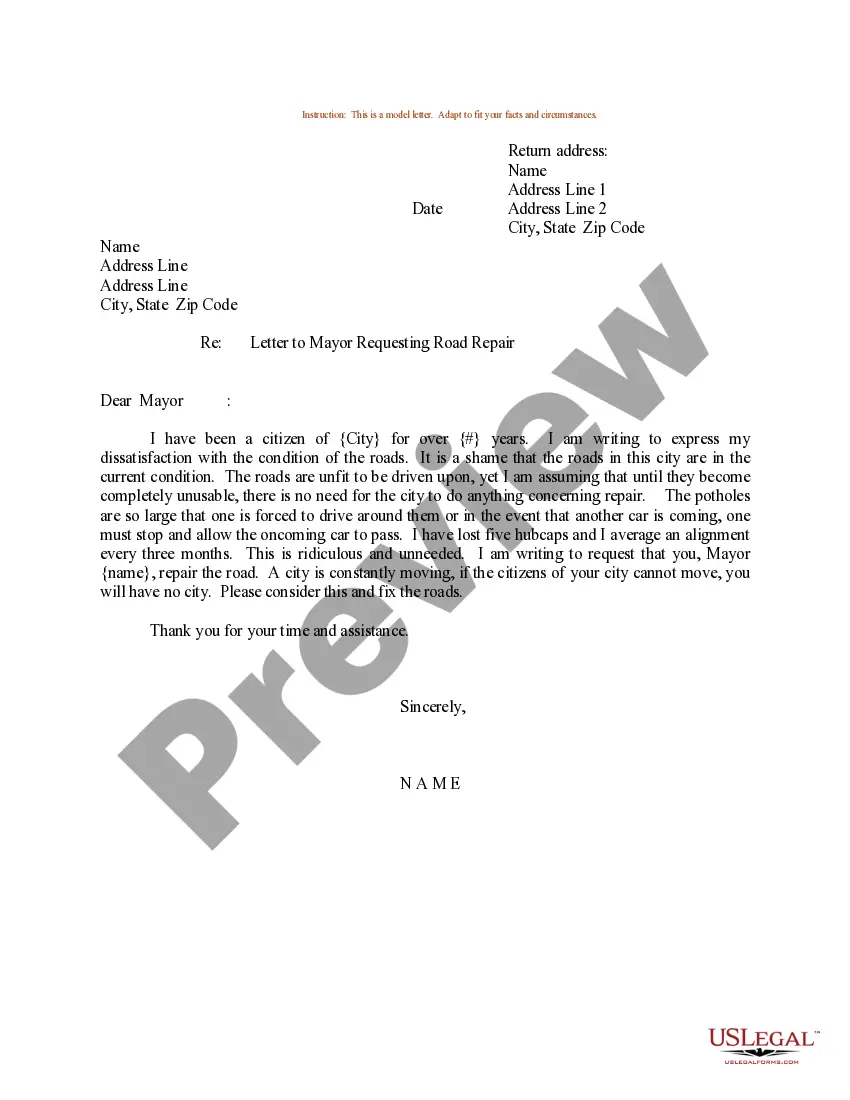
How to fill out Sample Letter For Complaint To Mayor Concerning Problems In Community?
- Log in to your US Legal Forms account if you're a returning user. Ensure your subscription is active.
- For first-time users, check the Preview mode and read the form description to confirm it meets your needs.
- Use the Search tab if necessary, to locate alternative templates that better fit your situation.
- Select the 'Buy Now' option and choose your preferred subscription plan; registration is required for account access.
- Complete your purchase by entering your credit card information or using your PayPal account.
- Download the completed form to your device. Access it anytime via the 'My documents' menu in your profile.
By following these steps, you can quickly obtain your 'Sample complaint for property damage'. US Legal Forms not only offers a wide selection of templates but also allows users to consult legal experts for guidance.
Start your journey towards resolving your property damage claim today. Visit US Legal Forms now!
Form popularity
FAQ
To write a negligence claim, begin by clearly outlining the circumstances surrounding the incident that caused property damage. Include essential details, such as where and when the event occurred, and identify the parties involved. You may reference a sample complaint for property damage to guide your writing and ensure you include all necessary elements, such as duty, breach, causation, and damages. Using platforms like USLegalForms can help you create a structured document, tailored to your needs.
In real estate, damage refers to any impairment that affects property value or usability. This includes physical harm, such as structural issues or pest infestations. When addressing such concerns, referring to a sample complaint for property damage can guide you in articulating your situation effectively. Clear communication of damage types can facilitate better negotiations or legal avenues.
Different types of property damage include accidental damage, intentional damage, and damage caused by natural disasters. Each type requires specific legal approaches and documentation. Knowing the distinctions will help when you prepare your sample complaint for property damage. Tailoring your claim to the type of damage can result in a more effective resolution.
Property damage is defined as harm or destruction to physical assets, which can lead to economic loss. This can vary from minor repairs to significant catastrophic losses. Understanding this definition can help you assess the totality of your situation and inform your sample complaint for property damage. A comprehensive understanding leads to a stronger case.
A complaint must contain a statement of jurisdiction, a description of the claim, and a demand for relief. Each element serves a purpose in establishing the legal framework of your case. When you include these elements in your sample complaint for property damage, you clarify the context of your claim. This organization can streamline the legal review process.
An example of a civil complaint often involves a homeowner filing against a contractor for failing to perform repairs. This includes outlining the specific damages incurred, along with evidence supporting the claim. When drafting your own complaint, you can refer to a sample complaint for property damage for guidance. Following a proven format can save you time and effort.
Damaged property refers to any asset that has incurred a decline in value or function due to an event or action. This can include items like vehicles, buildings, or personal belongings that show signs of wear or destruction. Being able to identify damaged property helps when drafting a sample complaint for property damage. Accurate documentation can enhance your claims.
The four major classifications of property damage include physical damage, economic loss, loss of use, and emotional distress. Each classification addresses different aspects of how property loss affects you. Understanding these classifications helps you craft a more effective sample complaint for property damage. This clarity can strengthen your legal position.
To write a good legal complaint, start with a clear statement of the facts surrounding your case. Use straightforward language and ensure that you detail exactly how the property was damaged. It's vital to include legal grounds for your claim. A well-structured sample complaint for property damage will improve your chances of a successful resolution.
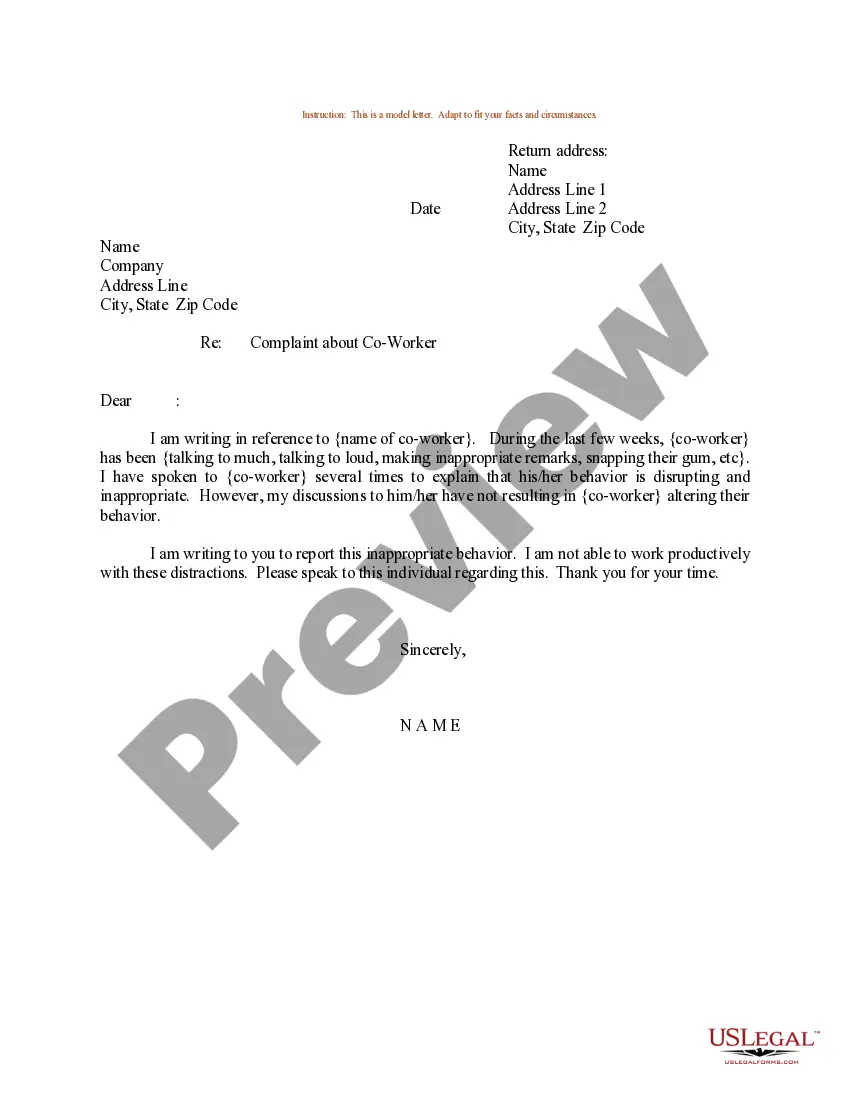
To write a letter for property damage, you should clearly state the details of the incident, the damages incurred, and your request for compensation. In your sample complaint for property damage, include dates, descriptions, and any relevant evidence. This clarity can facilitate quicker resolution and lays the groundwork for your formal complaint if needed.