Bylaw Requirements For Nonprofits
Description
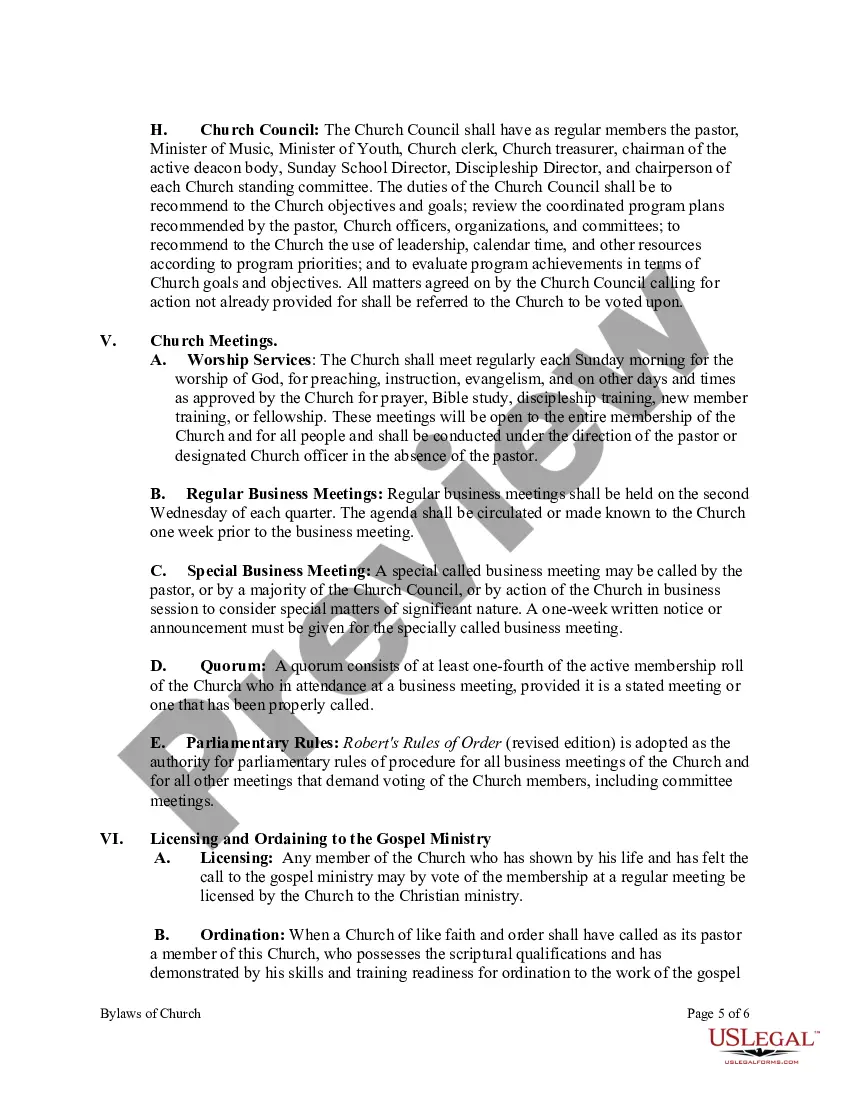
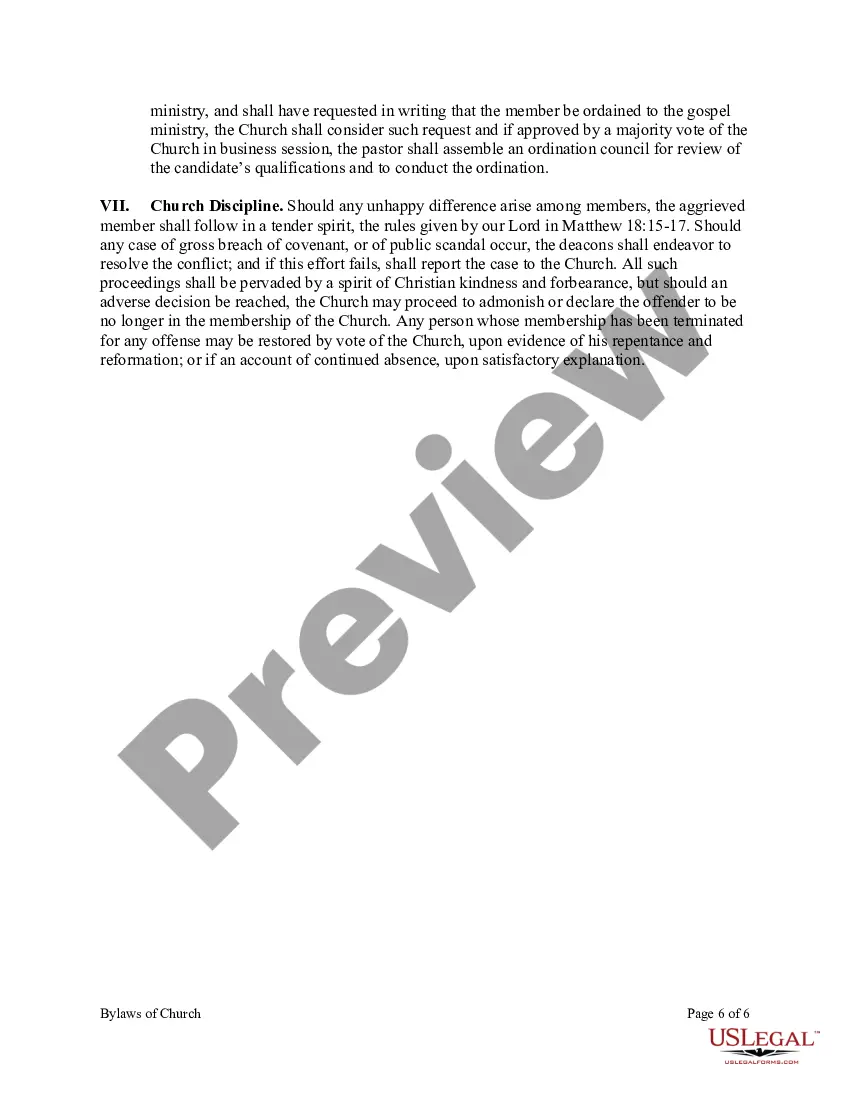
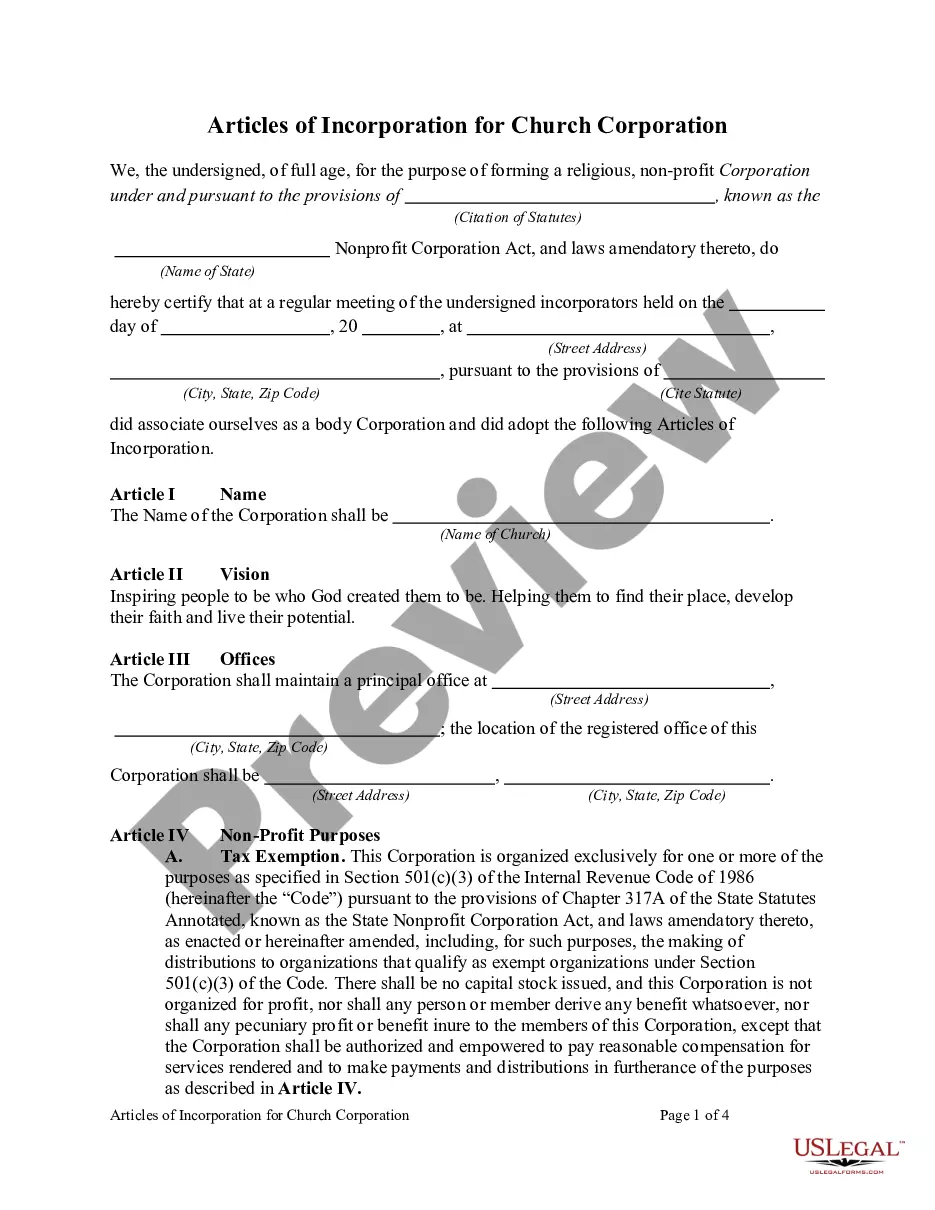
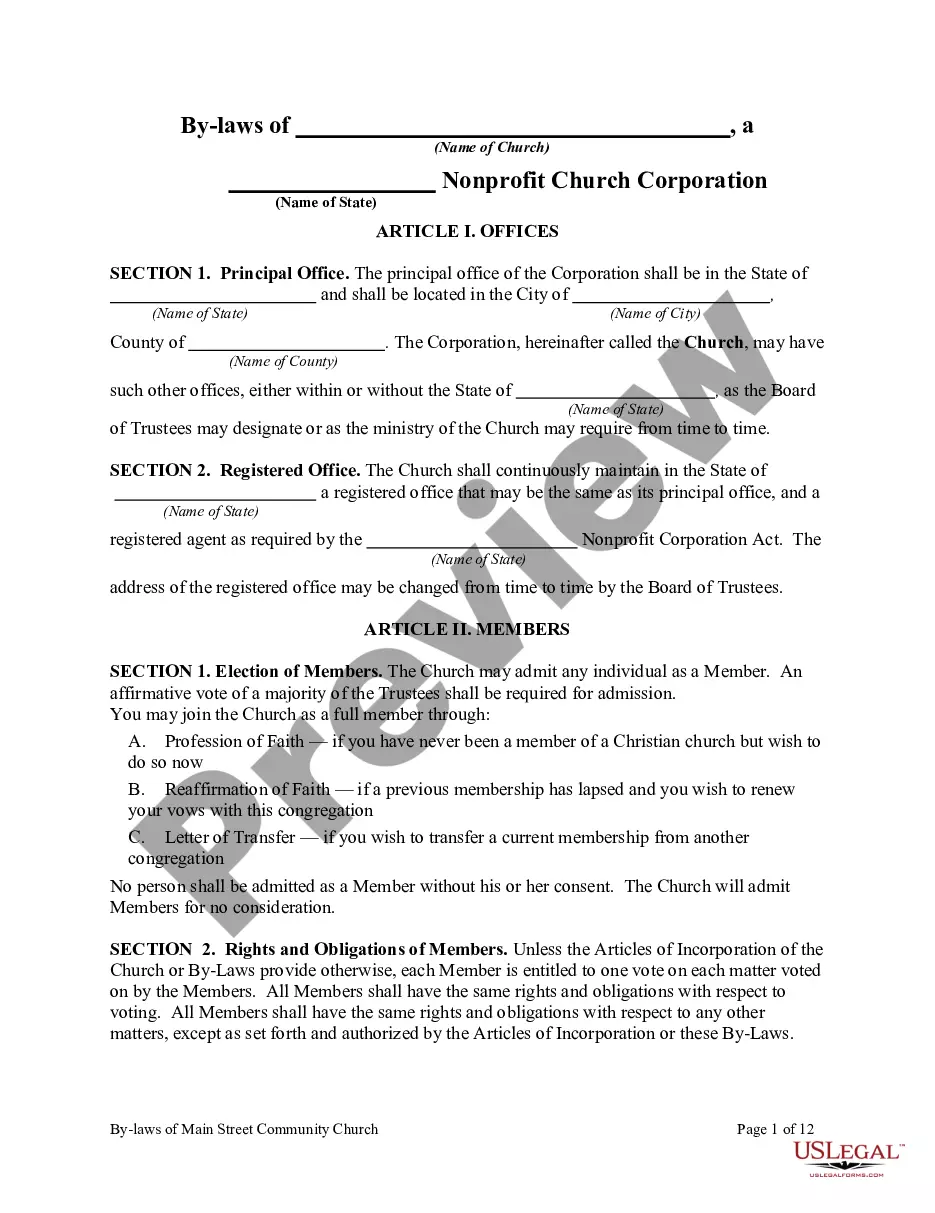
Get your form ready online
Our built-in tools help you complete, sign, share, and store your documents in one place.
Make edits, fill in missing information, and update formatting in US Legal Forms—just like you would in MS Word.
Download a copy, print it, send it by email, or mail it via USPS—whatever works best for your next step.
Sign and collect signatures with our SignNow integration. Send to multiple recipients, set reminders, and more. Go Premium to unlock E-Sign.
If this form requires notarization, complete it online through a secure video call—no need to meet a notary in person or wait for an appointment.
We protect your documents and personal data by following strict security and privacy standards.

Make edits, fill in missing information, and update formatting in US Legal Forms—just like you would in MS Word.

Download a copy, print it, send it by email, or mail it via USPS—whatever works best for your next step.

Sign and collect signatures with our SignNow integration. Send to multiple recipients, set reminders, and more. Go Premium to unlock E-Sign.

If this form requires notarization, complete it online through a secure video call—no need to meet a notary in person or wait for an appointment.

We protect your documents and personal data by following strict security and privacy standards.
Looking for another form?








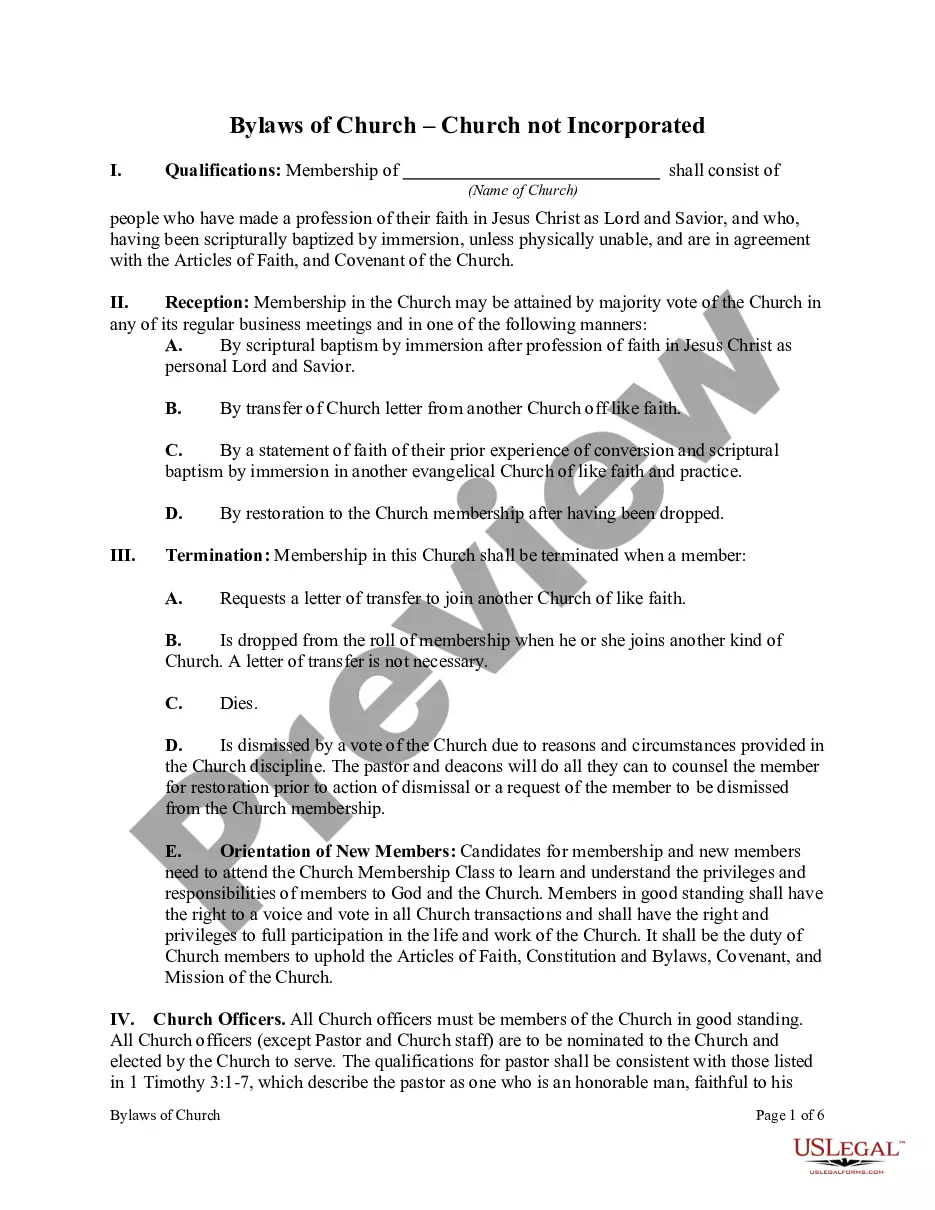
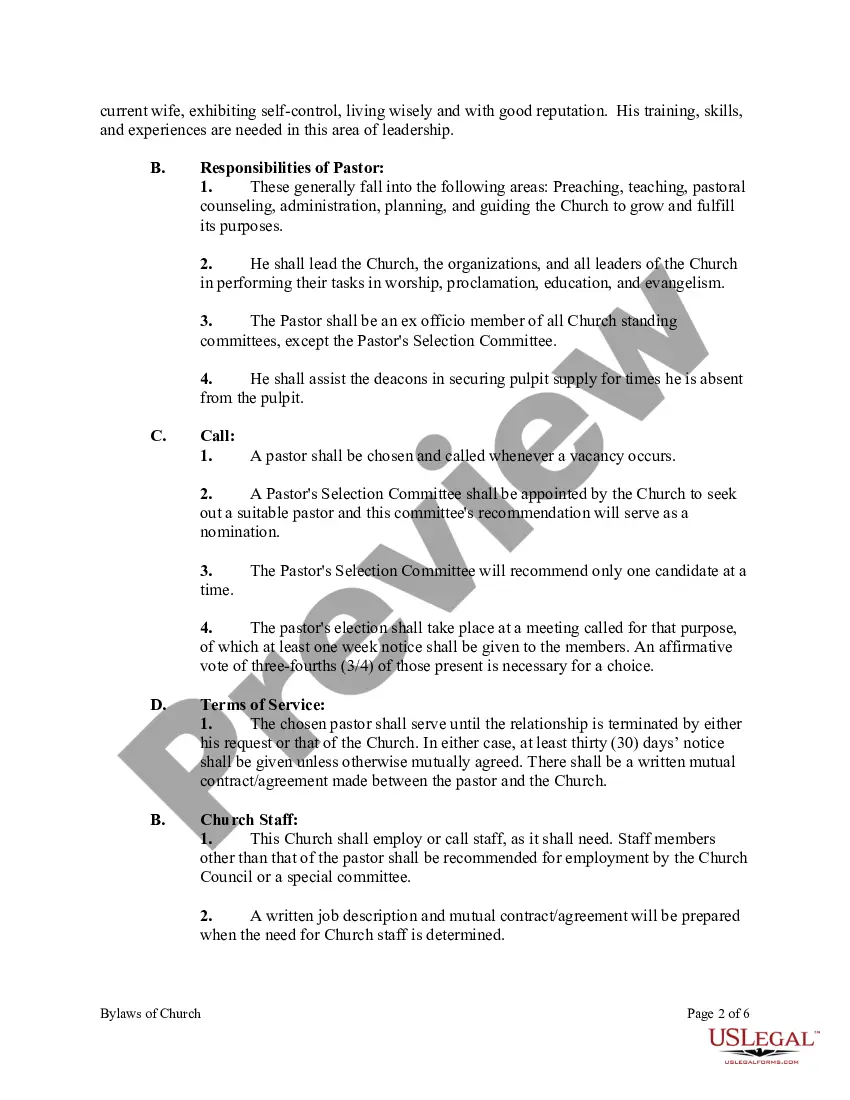
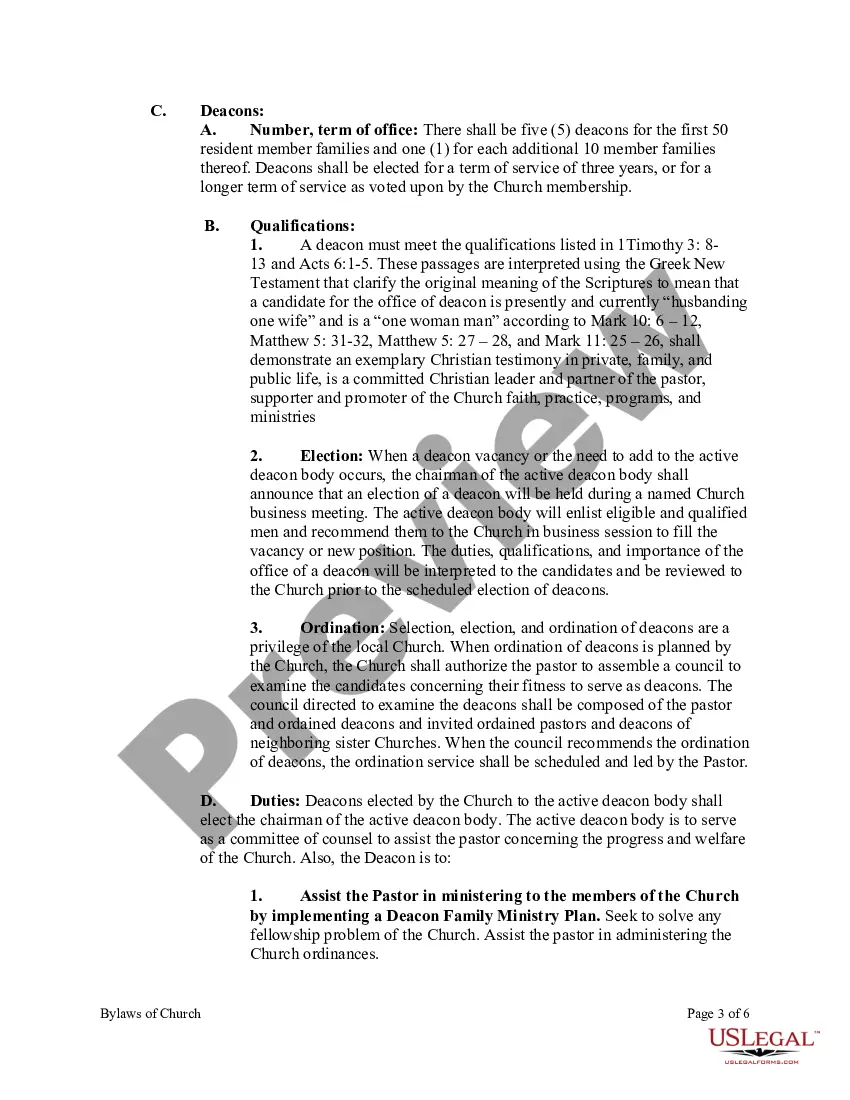
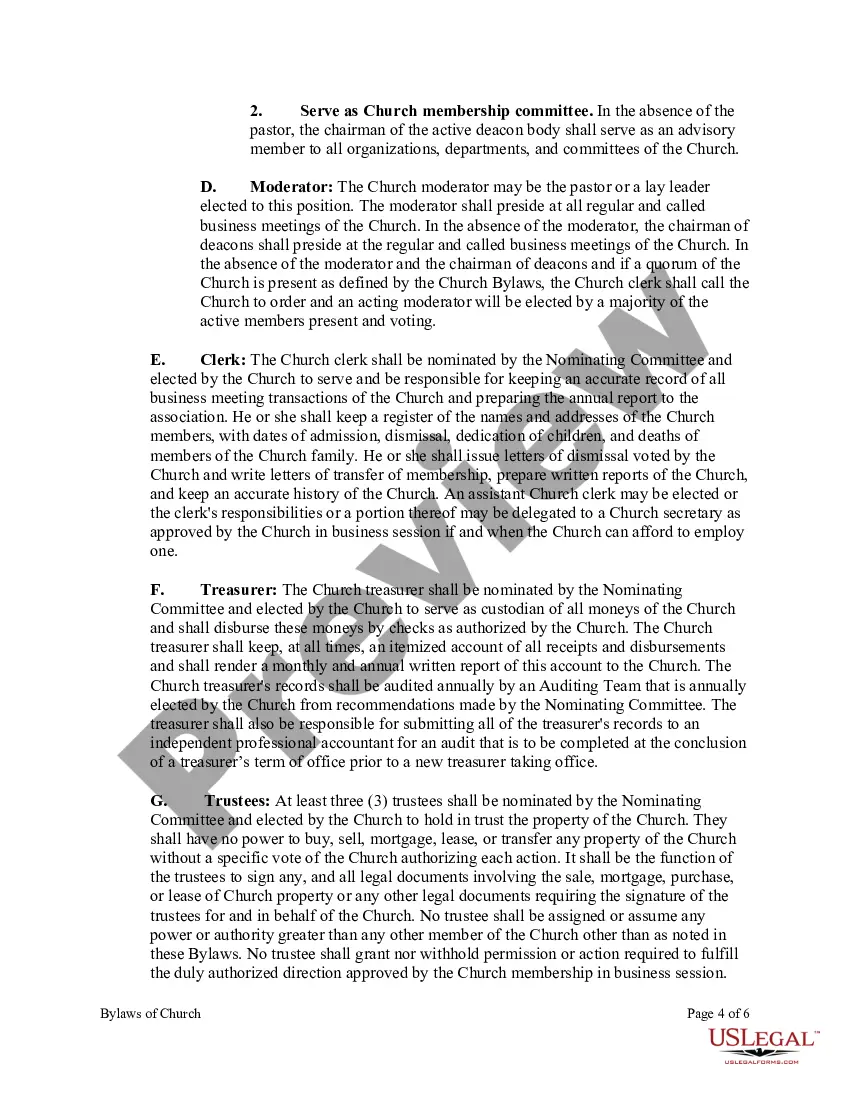
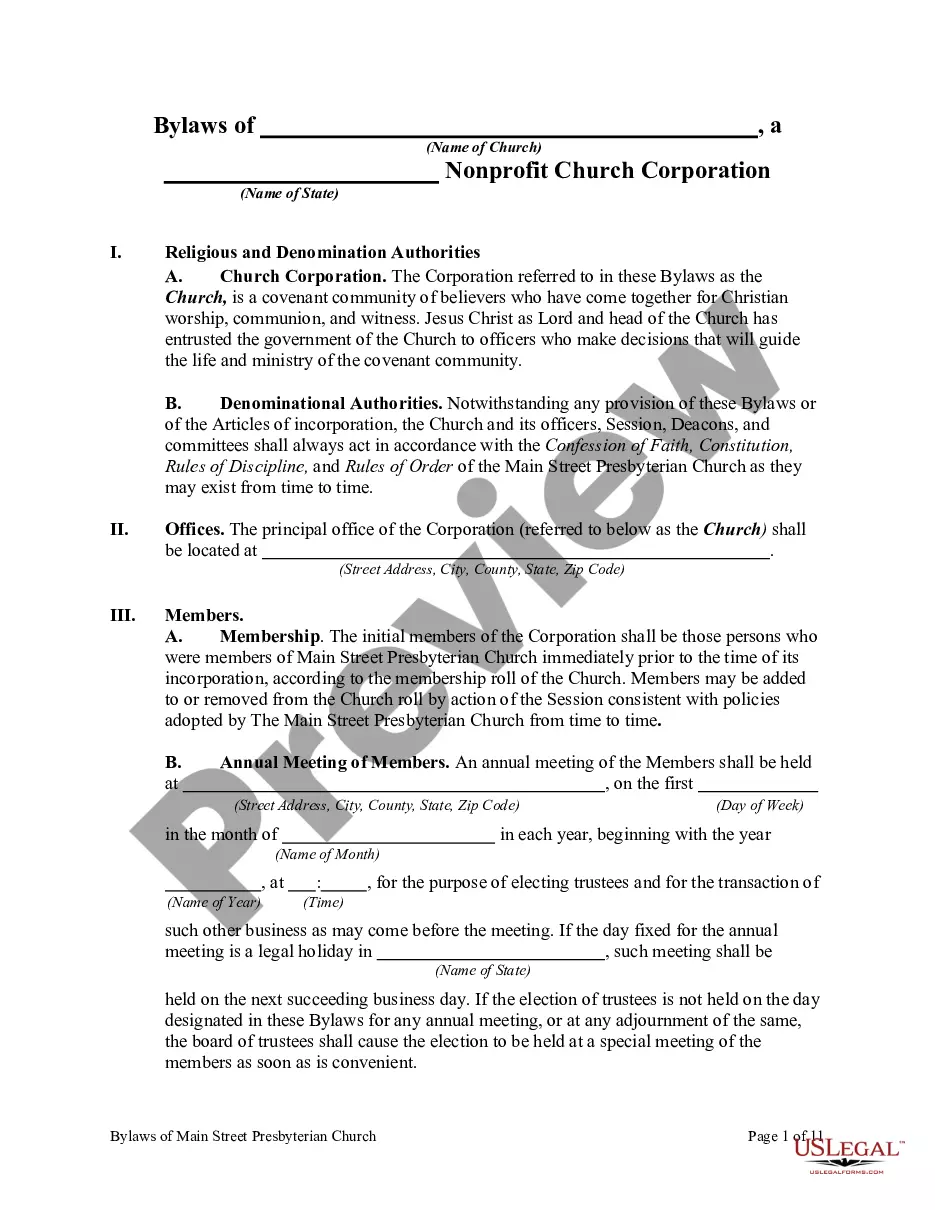
How to fill out Bylaws Of Church - Church Not Incorporated?
Acquiring legal document samples that comply with federal and state regulations is crucial, and the internet provides numerous choices.
However, what's the benefit of spending time searching for the properly drafted Bylaw Requirements For Nonprofits template online if the US Legal Forms digital library already has such documents gathered in one location.
US Legal Forms is the largest online legal repository featuring over 85,000 customizable templates created by attorneys for various professional and personal situations.
Review the template using the Preview feature or through the text description to ensure it fulfills your needs. Search for an alternative sample using the search bar at the top of the page if necessary. Click Buy Now once you've located the appropriate form and select a subscription plan. Create an account or Log In and complete your payment via PayPal or a credit card. Select the correct format for your Bylaw Requirements For Nonprofits and download it. All documents available through US Legal Forms are reusable. To re-download and complete previously acquired forms, navigate to the My documents section in your profile. Experience the most comprehensive and user-friendly legal documents service!
- They are simple to navigate, with all files categorized by state and intended use.
- Our experts keep up with legal changes, ensuring that your form is always current and compliant when obtaining a Bylaw Requirements For Nonprofits from our site.
- Acquiring a Bylaw Requirements For Nonprofits is fast and straightforward for both existing and new users.
- If you already possess an account with an active subscription, Log In and download the document sample you need in your desired format.
- If you are new to our platform, follow these steps.
Form popularity
FAQ
10 steps for writing bylaws for an association Research. Form a committee. Create the structure. Outline your organization's key roles and responsibilities. Establish your meeting rules. Define your membership. Address finances. Outline the amendment process.
Bylaws generally define things like the group's official name, purpose, requirements for membership, officers' titles and responsibilities, how offices are to be assigned, how meetings should be conducted, and how often meetings will be held.
Bylaws should provide specific authority of the board to adopt policies, identify provisions for adoption and the vote required for adoption or amendment. Policies reflect the tenets of the board on which current and future decisions are made.
When directors or officers fail to follow the corporation's governing documents, they open themselves up to liability for breaching their duties of care and obedience. Officers and directors may be held personally liable in the event a breach of duty occurs.
They are essential in helping an organization map out its purpose and the practical day-to-day details of how it will go about its business. Bylaws serve as the legal guidelines of the organization, and the organization could be challenged in court for its actions if it violates them.