Baptistery
Description
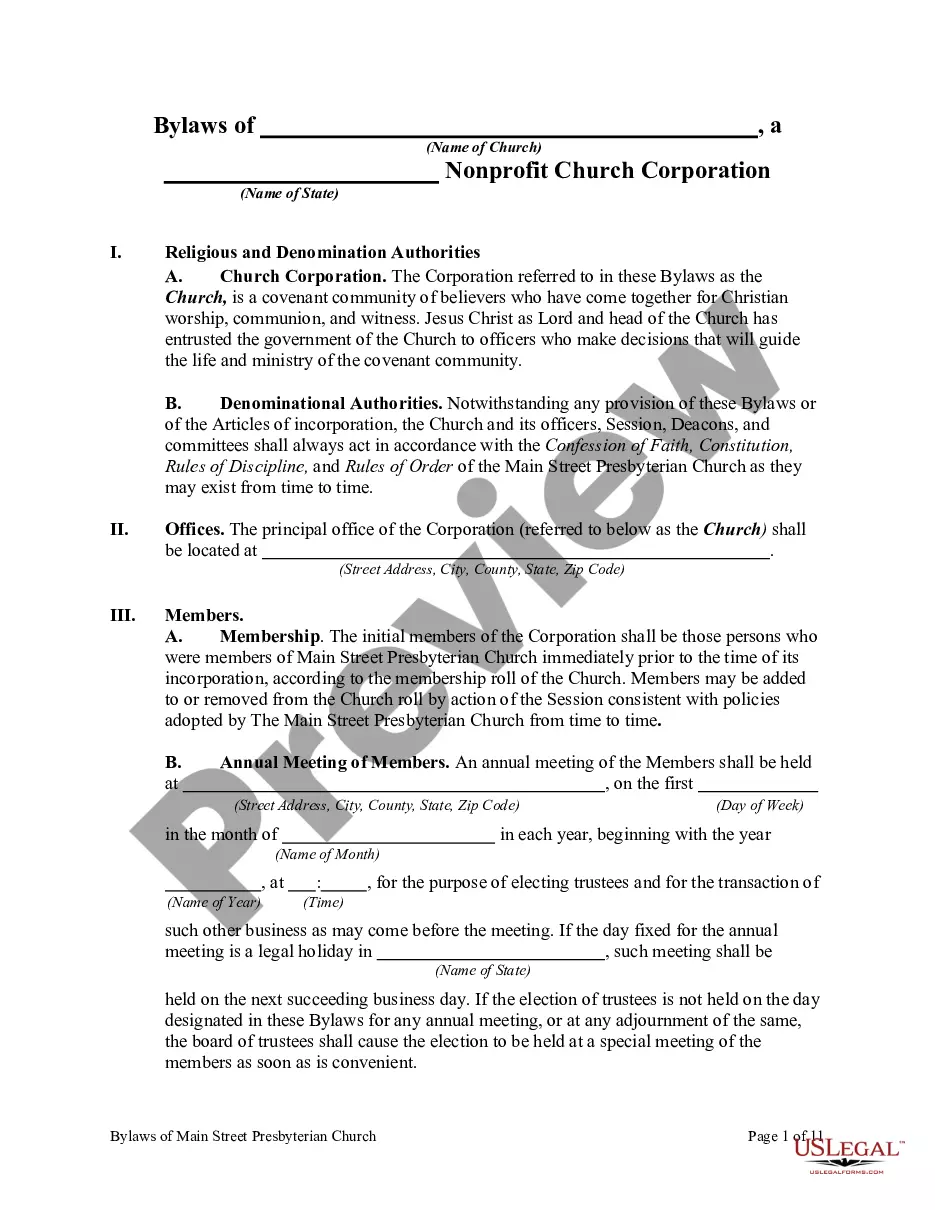
Get your form ready online
Our built-in tools help you complete, sign, share, and store your documents in one place.
Make edits, fill in missing information, and update formatting in US Legal Forms—just like you would in MS Word.
Download a copy, print it, send it by email, or mail it via USPS—whatever works best for your next step.
Sign and collect signatures with our SignNow integration. Send to multiple recipients, set reminders, and more. Go Premium to unlock E-Sign.
If this form requires notarization, complete it online through a secure video call—no need to meet a notary in person or wait for an appointment.
We protect your documents and personal data by following strict security and privacy standards.

Make edits, fill in missing information, and update formatting in US Legal Forms—just like you would in MS Word.

Download a copy, print it, send it by email, or mail it via USPS—whatever works best for your next step.

Sign and collect signatures with our SignNow integration. Send to multiple recipients, set reminders, and more. Go Premium to unlock E-Sign.

If this form requires notarization, complete it online through a secure video call—no need to meet a notary in person or wait for an appointment.

We protect your documents and personal data by following strict security and privacy standards.
Looking for another form?
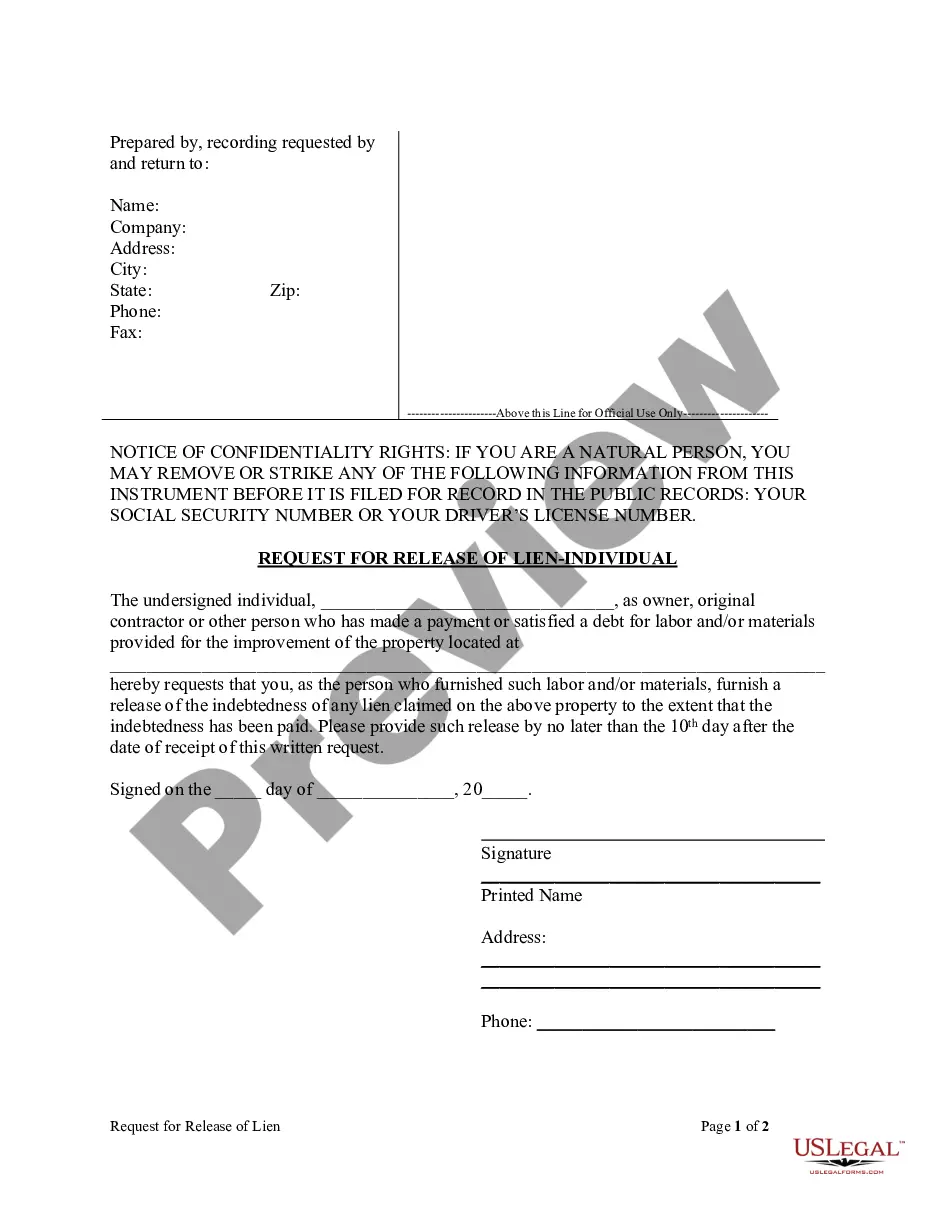
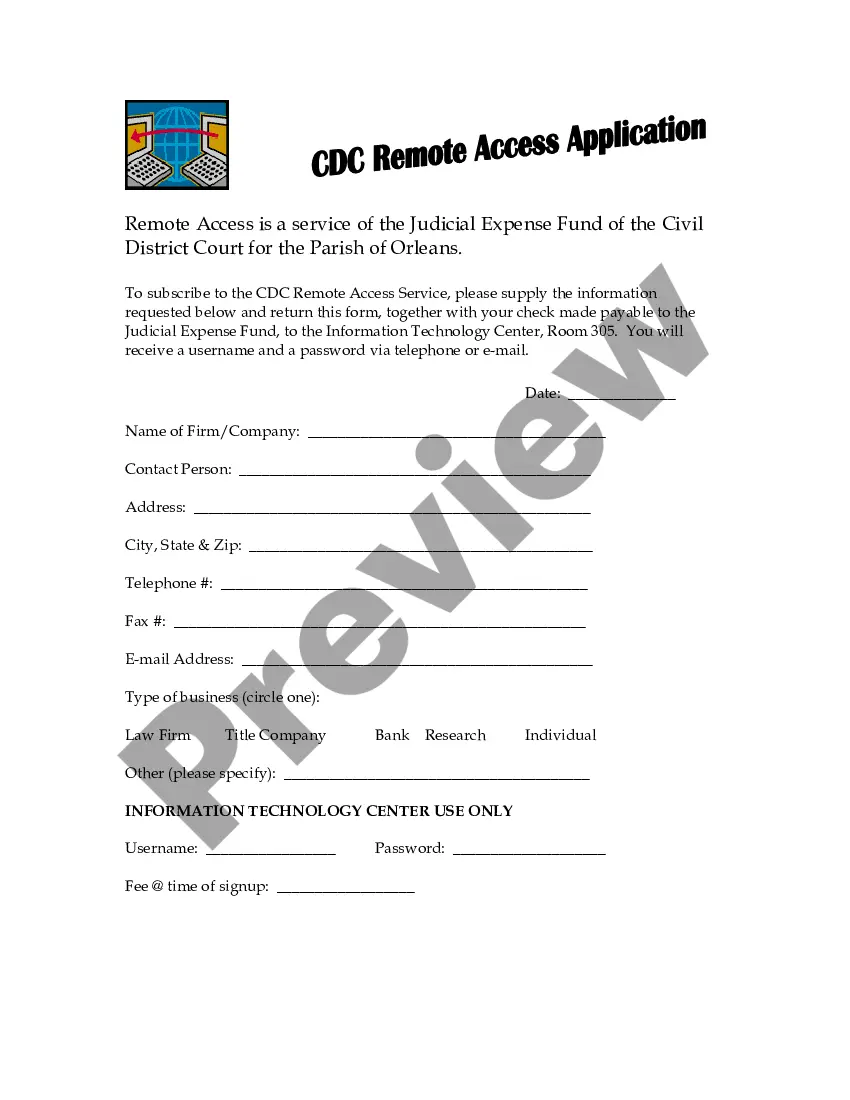
How to fill out Bylaws Of Church - Church Not Incorporated?
- If you have previously utilized US Legal Forms, log in to your account and select the required Baptistery form template for download.
- Review the Preview mode and description of the form to confirm it aligns with your requirements and local regulations.
- If you need a different template, use the Search tab to find a suitable alternative.
- Purchase the selected form by clicking on the Buy Now button and choosing the appropriate subscription plan, which requires account registration for library access.
- Complete the payment process by entering your credit card details or using your PayPal account for the subscription fee.
- Finally, download the form to your device for completion. Access the saved document anytime from the My Forms section of your profile.
By following these steps, you can ensure you are equipped with the right Baptistery forms needed for your legal requirements.
Unlock the full potential of legal document accessibility with US Legal Forms today!
Form popularity
FAQ
A common usage of baptisteries is for performing baptism ceremonies in religious communities. Many places of worship invest in baptisteries to facilitate this important sacrament, drawing people together in celebration of faith. Additionally, baptisteries may serve educational purposes, helping individuals and families understand the significance of baptism. Overall, the baptistery functions as a cornerstone for both private reflections and community gatherings.
The purpose of the baptistery is to serve as a dedicated location for baptism ceremonies, emphasizing their spiritual significance. In addition to acting as the physical space for baptism, it symbolizes the transition into a new spiritual life. The baptistery can also function as a gathering point for the community, as congregants often witness the event. In this way, the baptistery plays a vital role in both individual faith journeys and communal worship.
The correct term is 'baptistery,' which is derived from the Latin 'baptisterium.' While 'baptistry' is sometimes used in casual conversation, 'baptistery' is the more formal and widely accepted spelling in religious contexts. Knowing the proper terminology can enhance your understanding and communication regarding this important space. Using 'baptistery' shows respect for the ritual and its significance within the community.
The purpose of a baptistery is to provide a designated place for conducting baptism ceremonies. This sacred space facilitates a ritual that holds great significance in various religious traditions. A well-designed baptistery can enhance the spiritual experience, creating an atmosphere conducive to reflection and commitment. Furthermore, using a dedicated area like a baptistery underscores the seriousness and importance of the baptismal rite.
A baptism pool is commonly referred to as a baptismal font or simply a baptistery. This structure is specifically designed to hold water for the purpose of baptism. Baptismal fonts can vary in size and design, but they all serve the same function of providing a space for immersion or sprinkling water on those undergoing the rite. The term 'baptistery' encompasses both the structure and the ritual associated with baptism.
A baptistry is often a separate building to provide a dedicated space for the important ritual of baptism. By having its own area, it can create a focused environment that sets the stage for this significant commitment to faith. This separation allows for privacy and reverence, enabling participants and spectators to engage in the experience without distractions. Additionally, many places of worship prefer a baptistery to signify the importance of the sacrament.
The true purpose of baptism is to symbolize a person's commitment to their faith and acceptance into the religious community. It serves as a public declaration of one's beliefs and represents a spiritual cleansing. In many traditions, baptism is viewed as both an act of obedience and a meaningful rite of passage. This ceremony often takes place in a baptistery, offering a dedicated space for this important ritual.
In many cases, a non-ordained minister can baptize someone, depending on the rules of the specific congregation or faith community. These individuals may be authorized by church leadership to perform such ceremonies, provided they understand the significance of the act. It's essential to discuss your church's stance on this with your leadership. This ensures respect and honor for the tradition of baptism and the use of the baptistery.
Draining a baptistery effectively requires careful planning. First, locate the drainage outlet or procedure specific to your baptistery model. Using a pump may facilitate the process, especially for larger units. After draining, clean the area to prepare for the next service; maintaining cleanliness can enhance the experience for future baptisms.
To officiate a water baptism, prepare by understanding the beliefs and meanings behind the act. Begin with a short message about the importance of baptism and establish a connection with the participants. When you approach the baptistery, guide the individuals through the process, ensuring their comfort and understanding. A well-managed baptism ceremony can create lasting memories.