Non Litigation Letter Format With Enclosure
Description
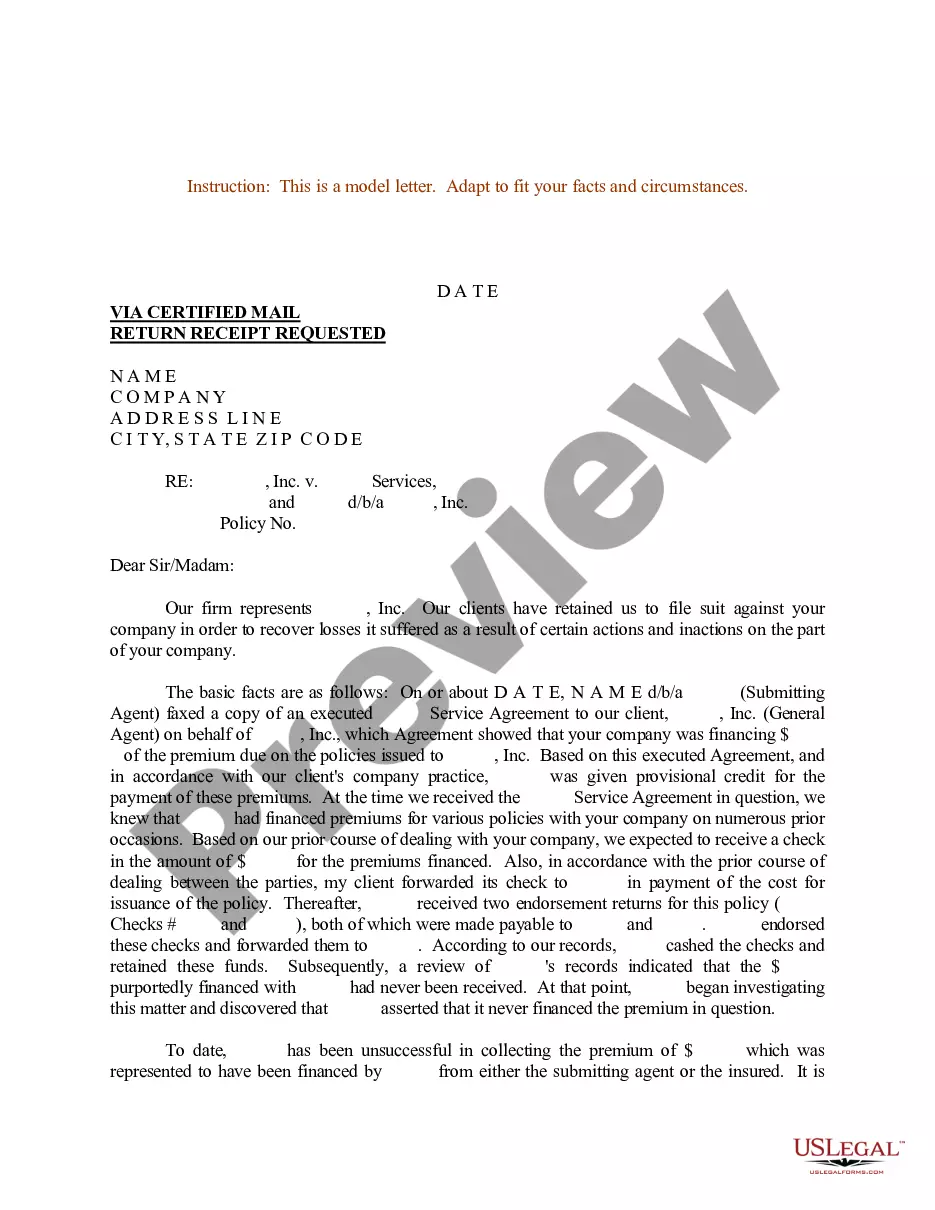
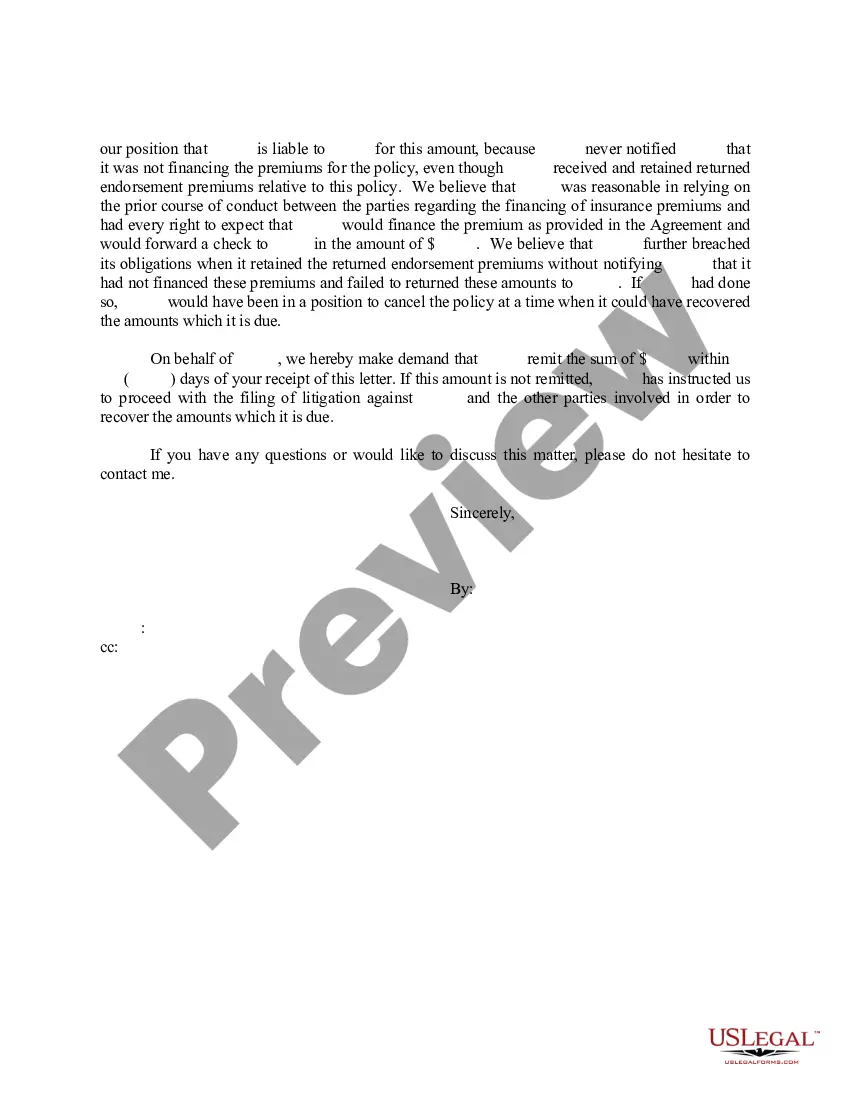
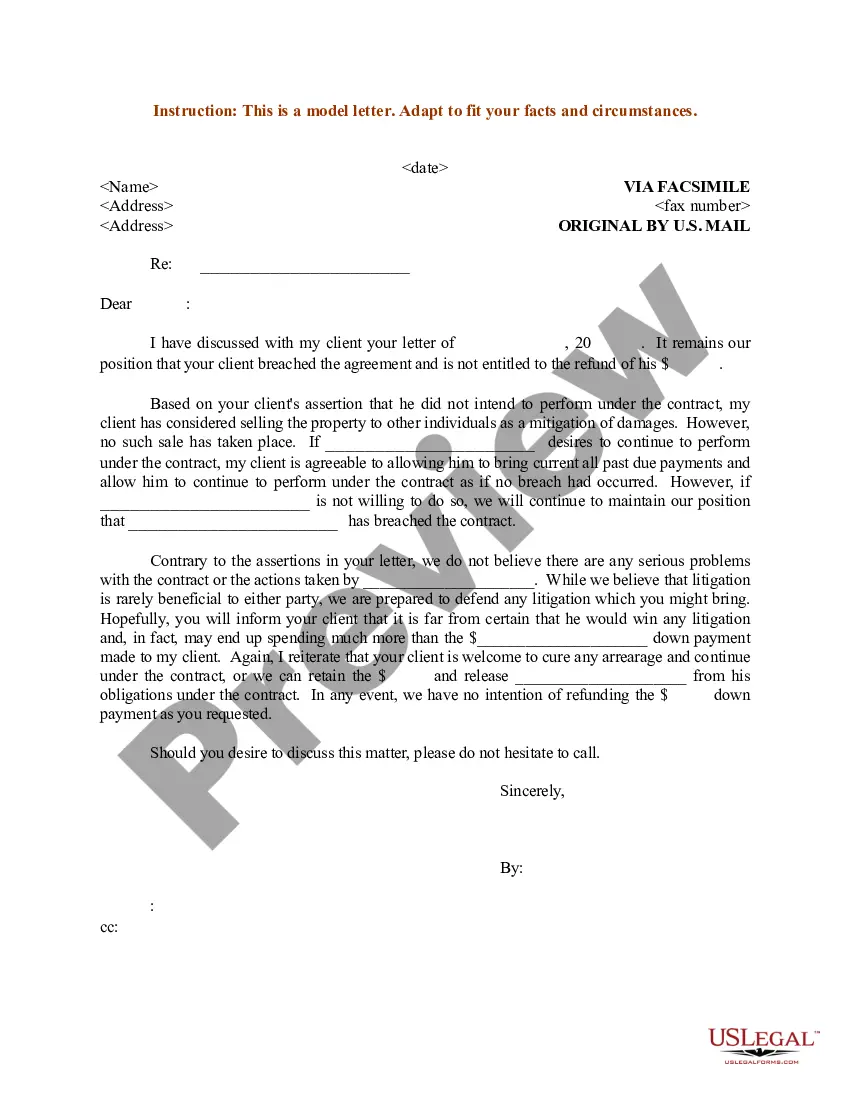
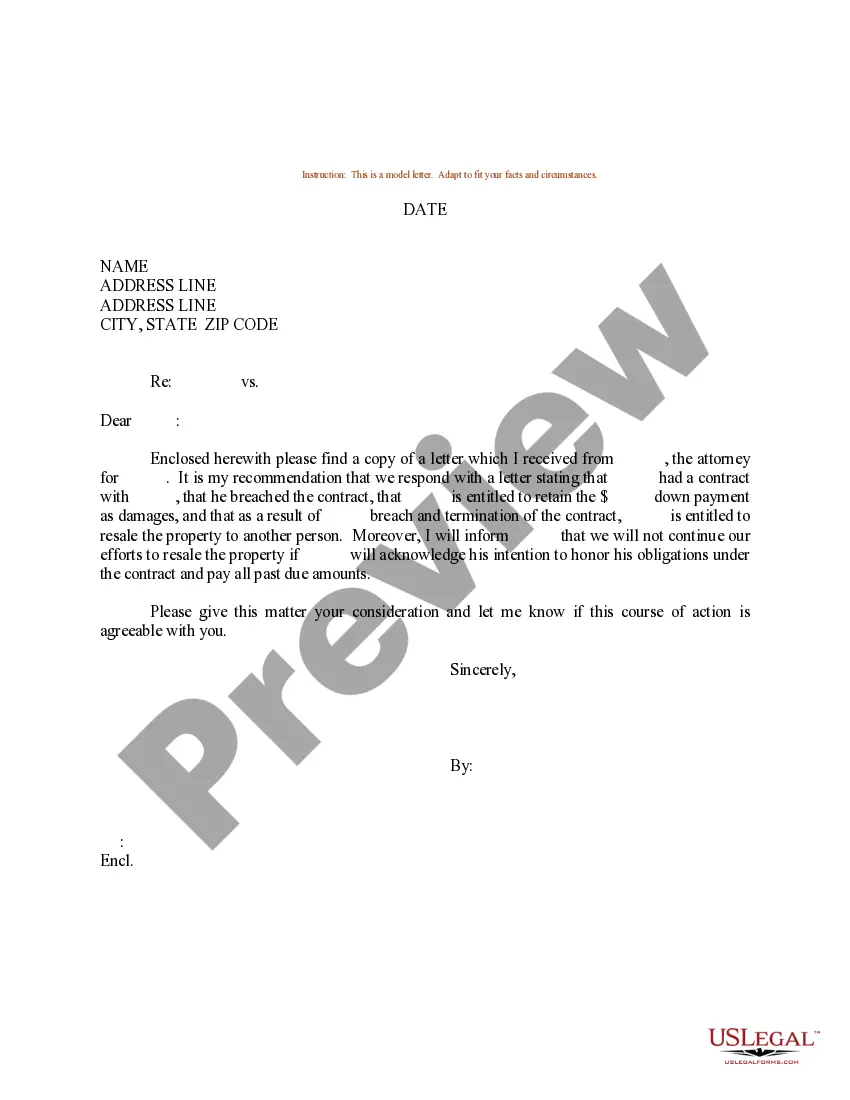
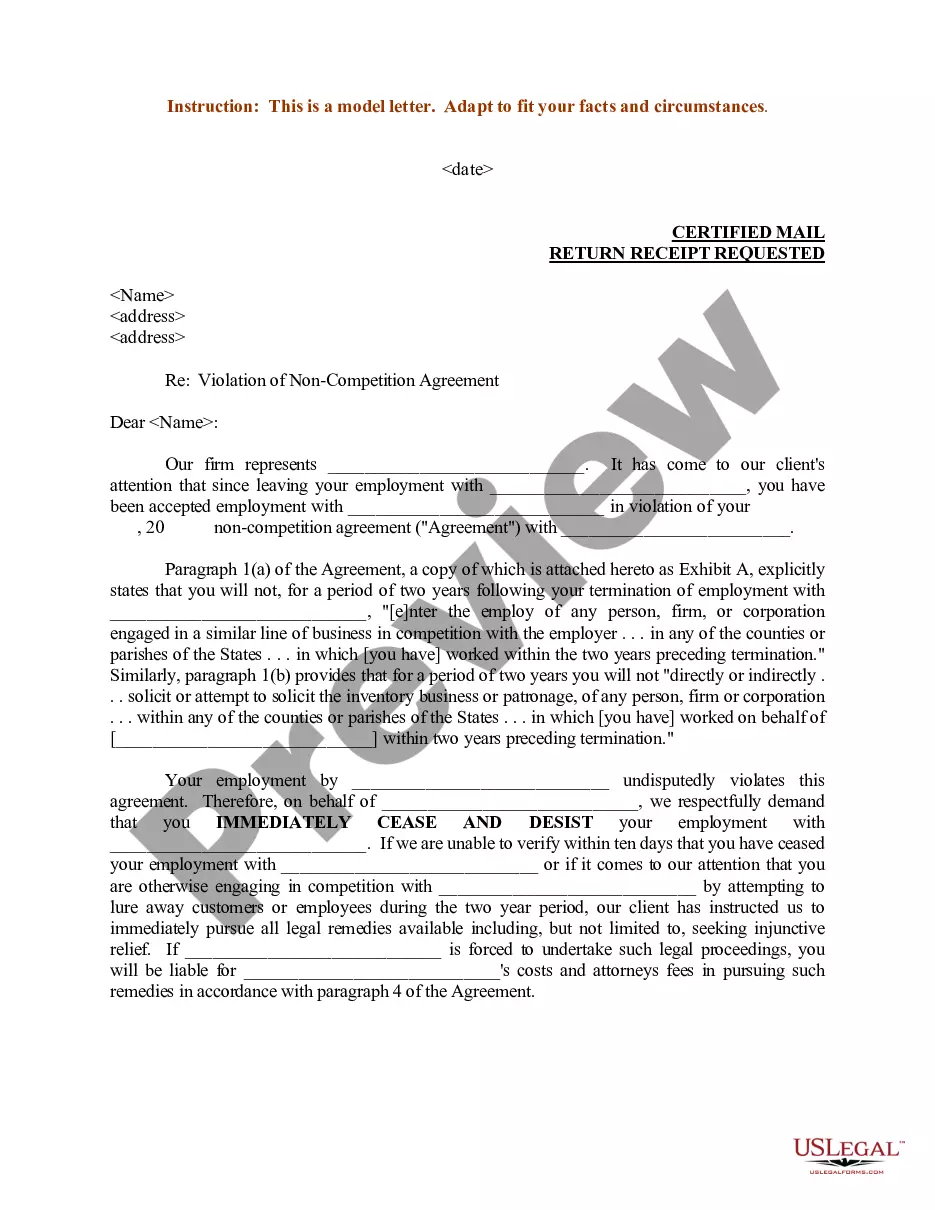

How to fill out Sample Letter For Pending Litigation Involving A Service Agreement?
Legal oversight can be exasperating, even for the most proficient experts.
When you are looking for a Non-Litigation Letter Format With Enclosure and lack the opportunity to diligently search for the correct and up-to-date version, the procedures can be stressful.
Access legal and business forms that are specific to your state or county.
US Legal Forms addresses any needs you might have, from personal to business documentation, all in one location.
If it is your first experience with US Legal Forms, create a free account and enjoy unlimited access to all the benefits of the library.
- Utilize advanced tools to complete and handle your Non-Litigation Letter Format With Enclosure.
- Access a resource library of articles, guides, and manuals applicable to your situation and requirements.
- Conserve time and effort searching for the documents you need, using US Legal Forms’ sophisticated search and Preview tool to find and obtain the Non-Litigation Letter Format With Enclosure.
- If you possess a membership, Log In to your US Legal Forms account, search for the form, and obtain it.
- Check your My documents tab to view the documents you have previously saved and to organize your folders as needed.
- A comprehensive online form library could significantly benefit anyone aiming to address these matters efficiently.
- US Legal Forms is a foremost provider in online legal documents, with more than 85,000 specific legal forms for different states available to you at any time.
- With US Legal Forms, you can.
Form popularity
FAQ
To fill up and indicate an enclosure, first draft your letter with a clear and concise message. After signing off, write 'Enclosure' followed by the specific name(s) of the documents you are including. This technique effectively informs the recipient what to expect and aligns with the professional standards of the non litigation letter format with enclosure, making it easier to stay organized.
The enclosure is typically mentioned at the end of the letter, after the closing, and is indicated by the word "Enclosure" or "Enclosures" followed by the number of documents included. For example, "Enclosure: 1 resume" or "Enclosures: 2 writing samples, 1 reference list."
'CC' is typed at the end of the letter after enclosure notations or identification initials. If you don't want the addressee to know that a copy is being forwarded to a third party, use 'BCC' that can be shortened to 'BC' for blind (carbon or courtesy) copy.
Correct option - 2 The detail of enclosures is placed below the signature column.
If you have enclosed any documents along with the letter, such as a resume, you indicate this simply by typing Enclosures below the closing. As an option, you may list the name of each document you are including in the envelope.