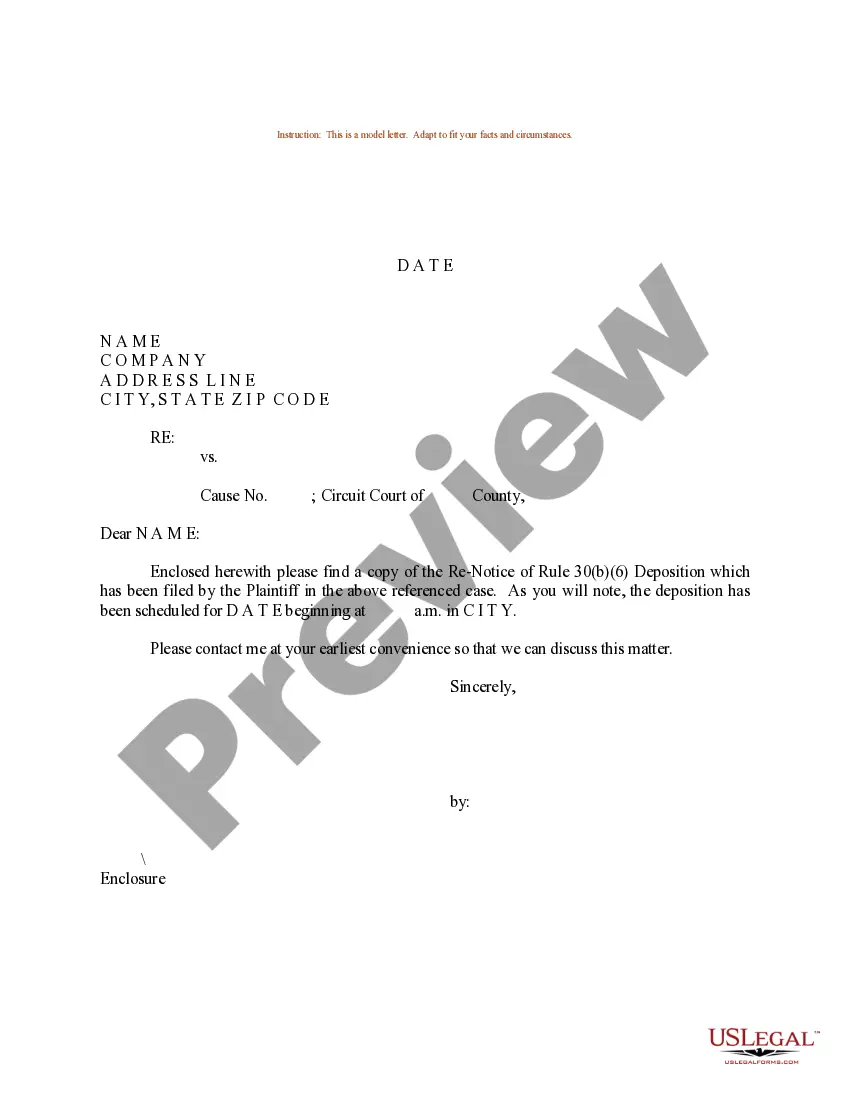
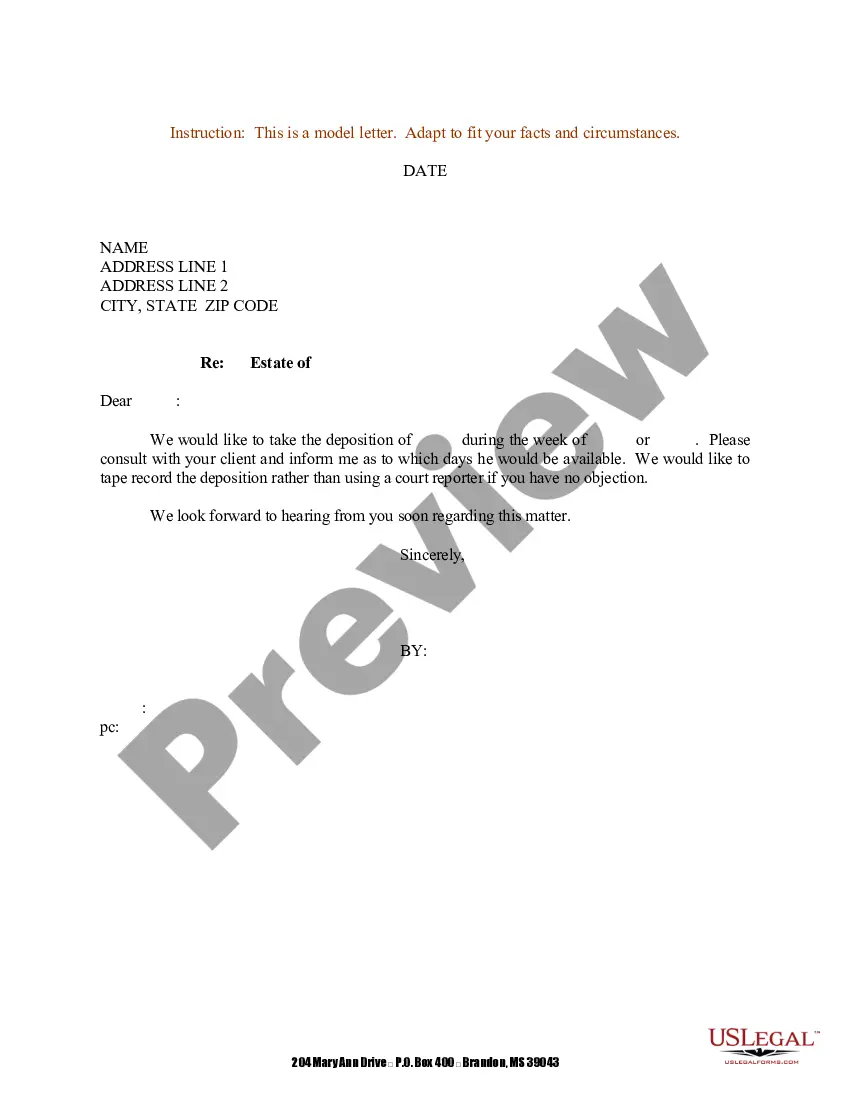
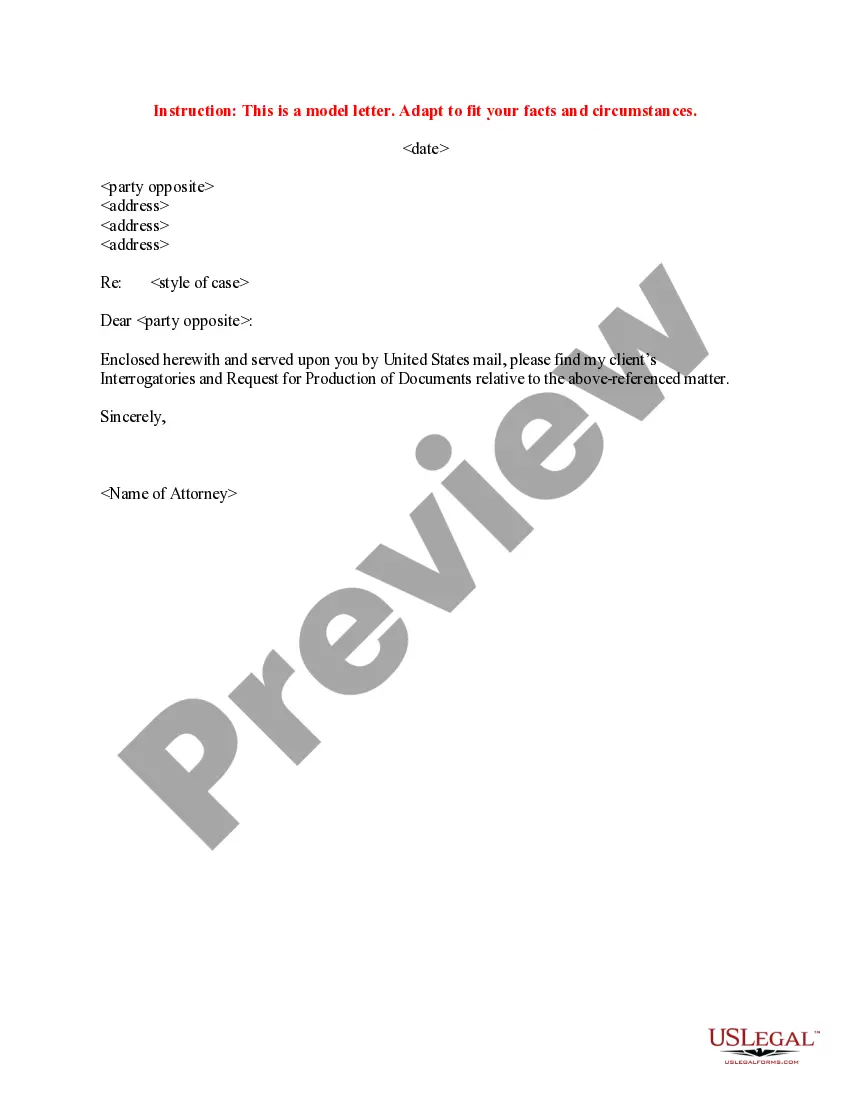
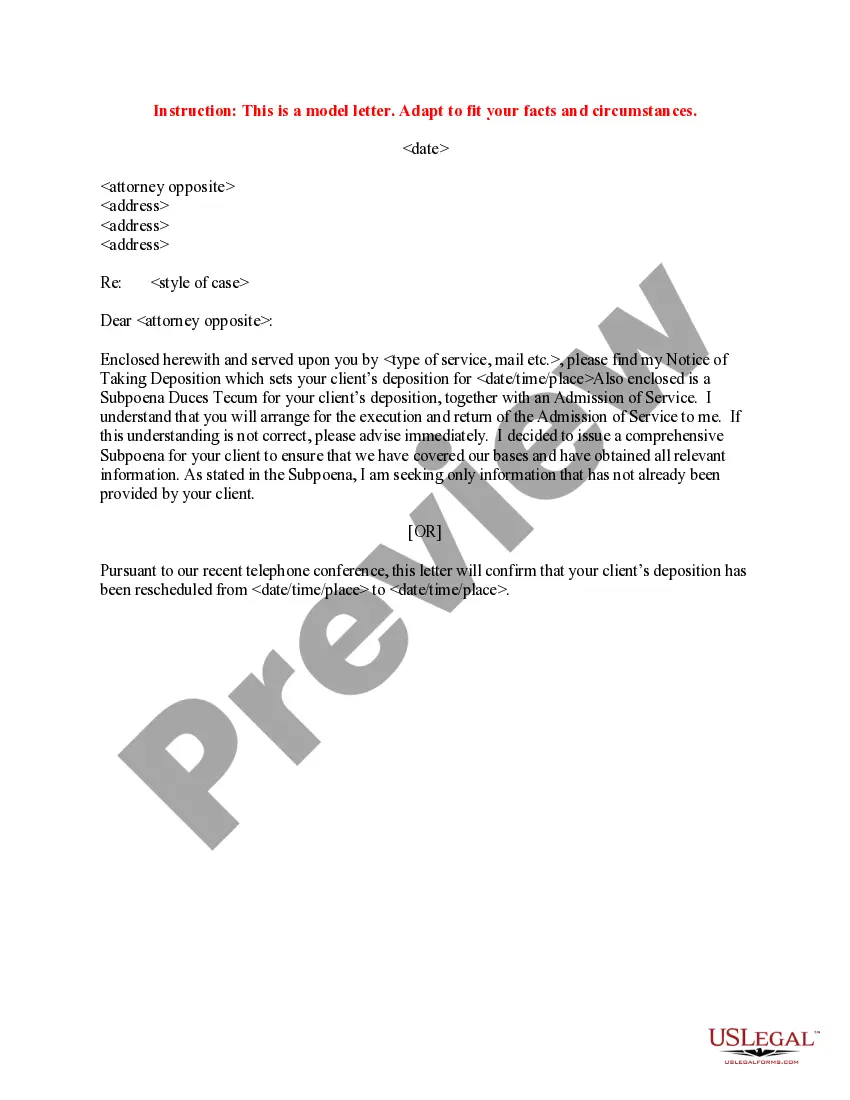
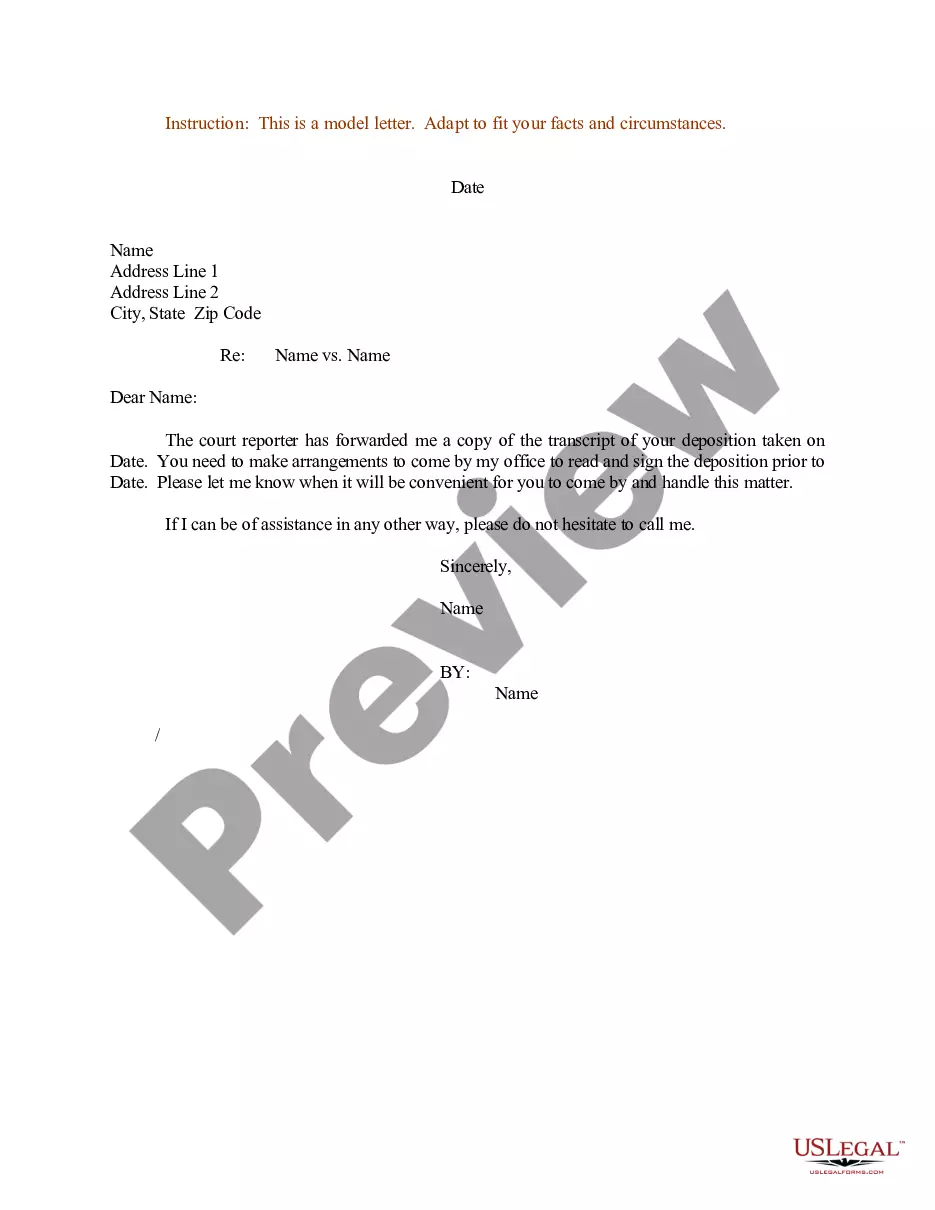
Sample Deposition Letter With Client Regarding
Description
Get your form ready online
Our built-in tools help you complete, sign, share, and store your documents in one place.
Make edits, fill in missing information, and update formatting in US Legal Forms—just like you would in MS Word.
Download a copy, print it, send it by email, or mail it via USPS—whatever works best for your next step.
Sign and collect signatures with our SignNow integration. Send to multiple recipients, set reminders, and more. Go Premium to unlock E-Sign.
If this form requires notarization, complete it online through a secure video call—no need to meet a notary in person or wait for an appointment.
We protect your documents and personal data by following strict security and privacy standards.

Make edits, fill in missing information, and update formatting in US Legal Forms—just like you would in MS Word.

Download a copy, print it, send it by email, or mail it via USPS—whatever works best for your next step.

Sign and collect signatures with our SignNow integration. Send to multiple recipients, set reminders, and more. Go Premium to unlock E-Sign.

If this form requires notarization, complete it online through a secure video call—no need to meet a notary in person or wait for an appointment.

We protect your documents and personal data by following strict security and privacy standards.
Looking for another form?
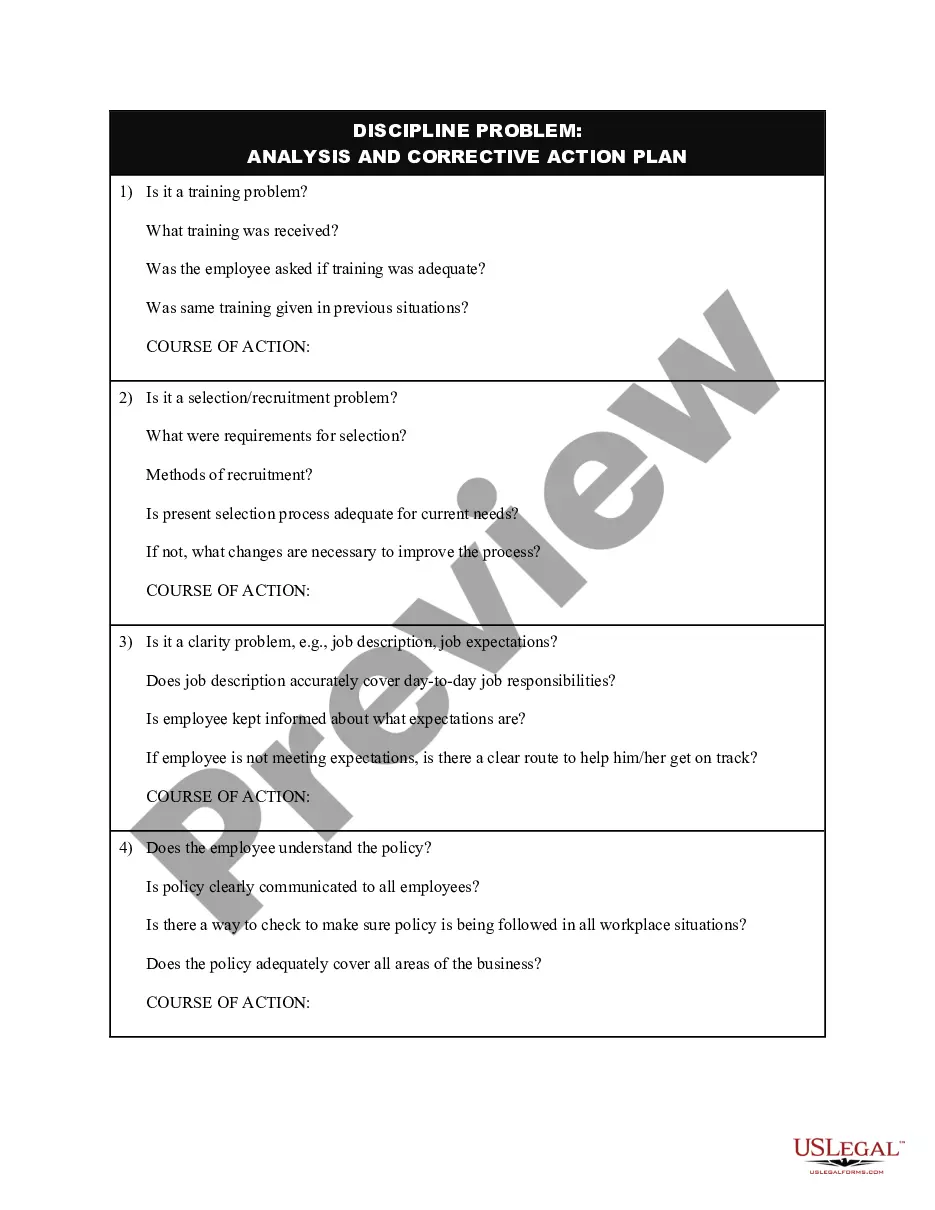
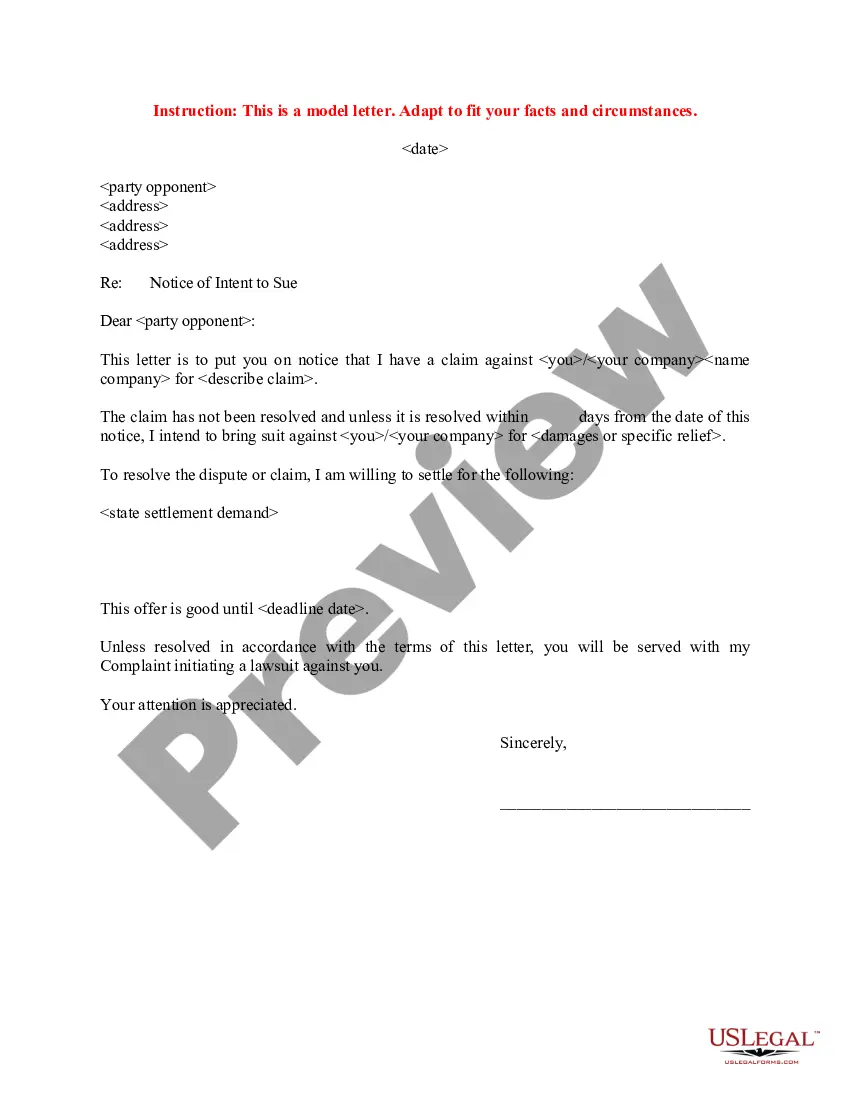
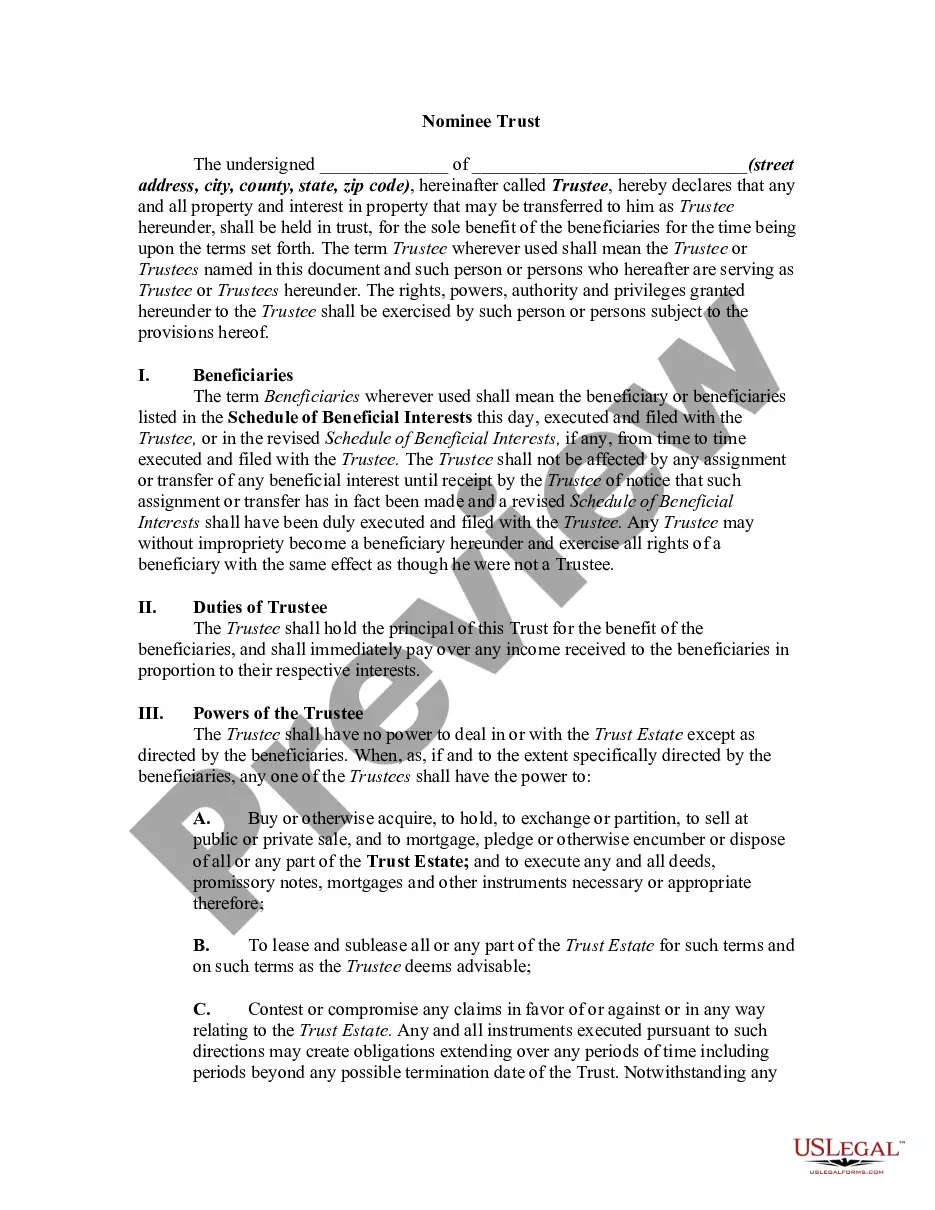
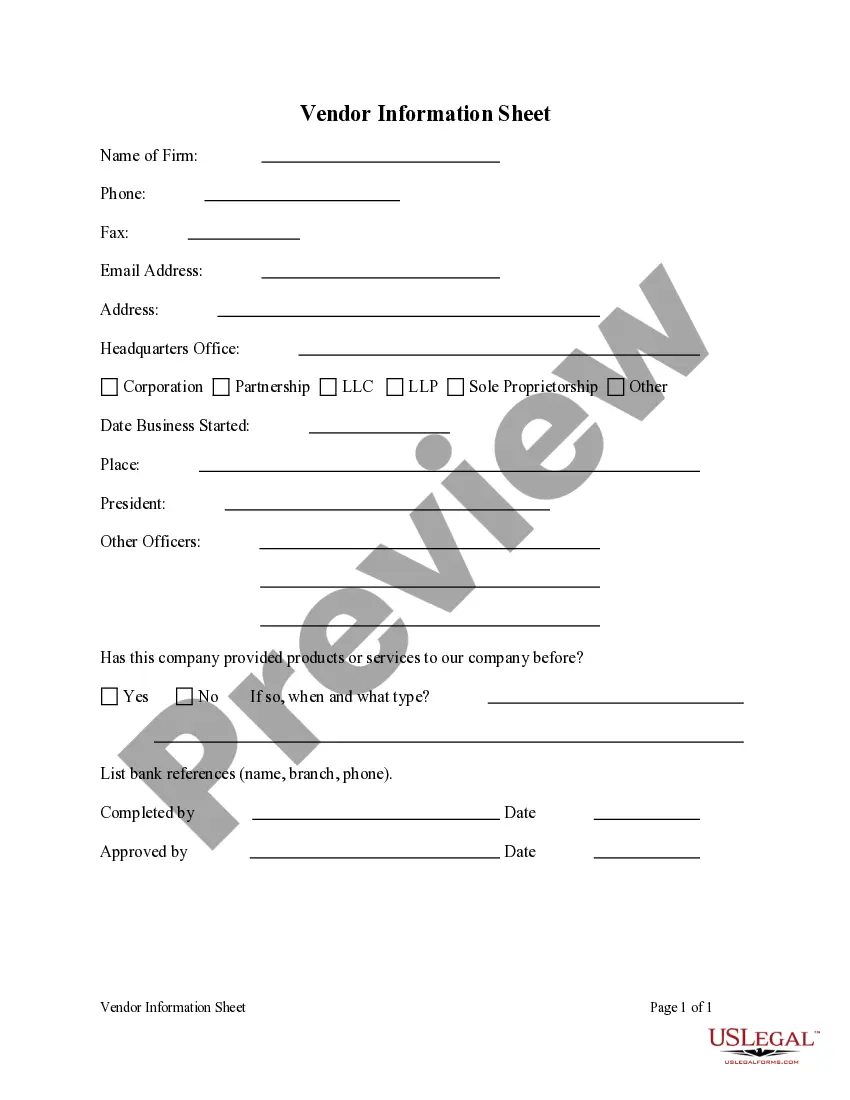
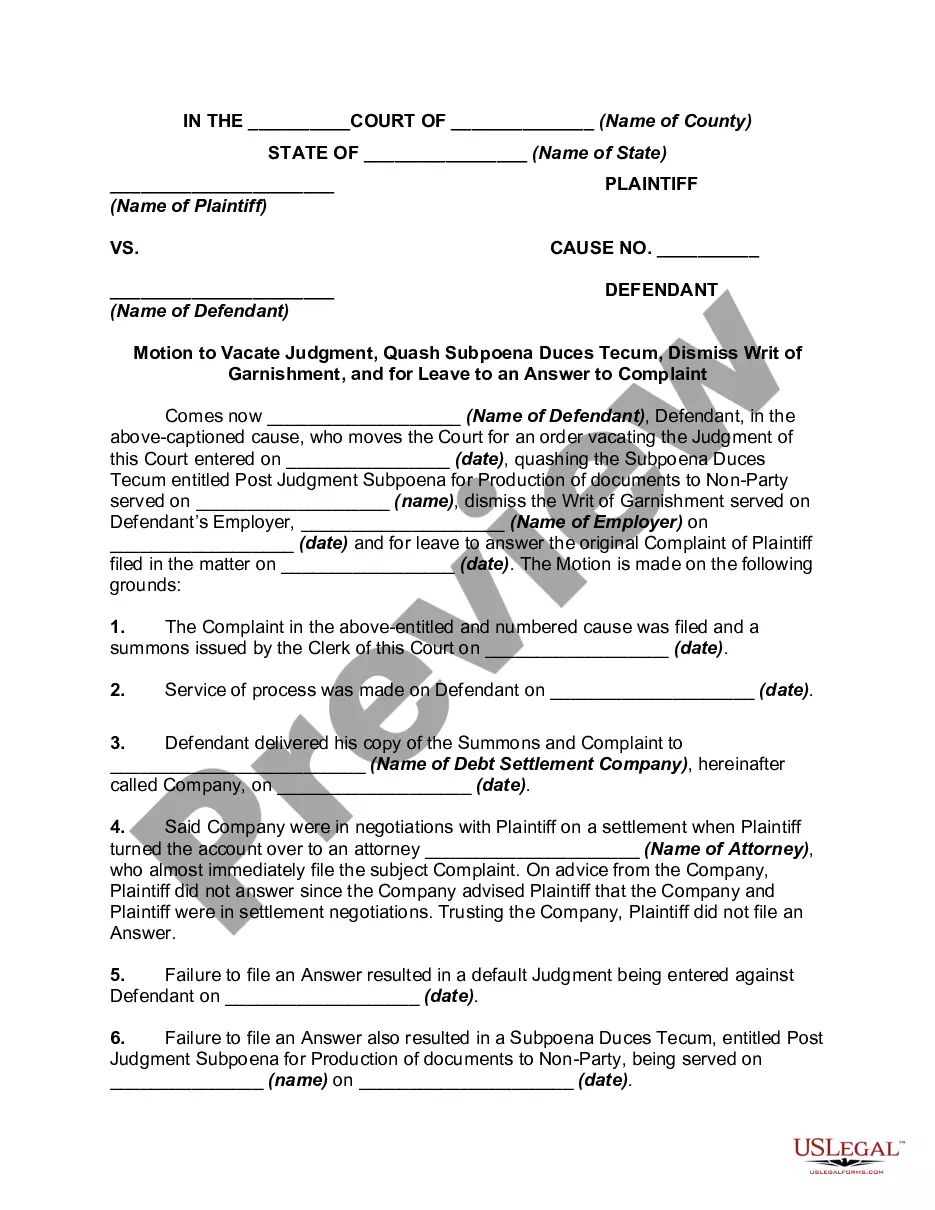
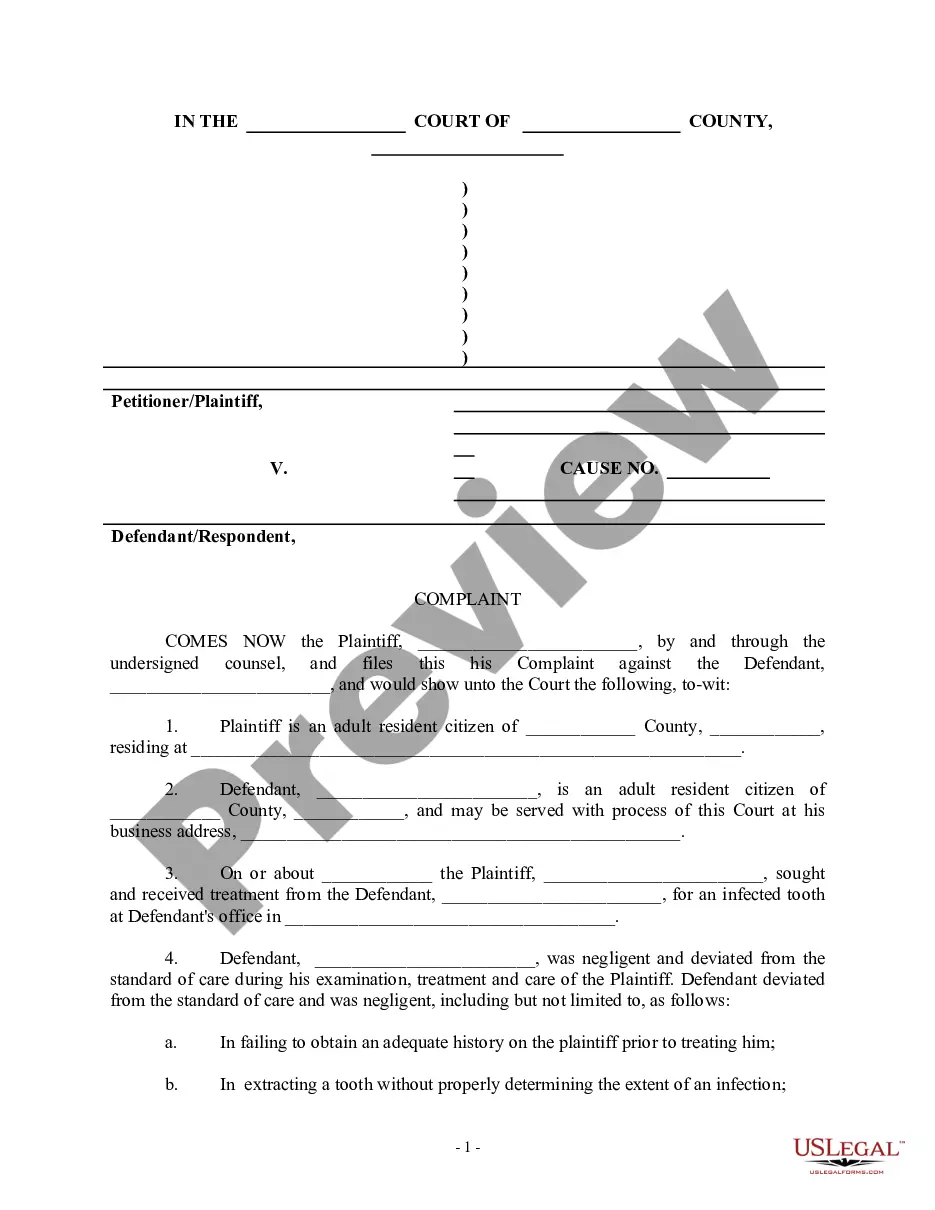
How to fill out Sample Letter Regarding Notice Of Deposition - Discovery?
Creating legal documents from the ground up can occasionally feel a bit daunting. Certain situations may require extensive research and significant financial investment. If you’re looking for a simpler and more cost-effective method for preparing Sample Deposition Letter With Client Regarding or any other forms without the hassle, US Legal Forms is always available to assist you.
Our online collection of more than 85,000 current legal forms encompasses nearly every aspect of your financial, legal, and personal affairs. With just a few clicks, you can swiftly obtain state- and county-compliant templates meticulously assembled for you by our legal experts.
Utilize our website whenever you require a dependable and trustworthy service through which you can swiftly locate and download the Sample Deposition Letter With Client Regarding. If you’re familiar with our services and have previously registered an account with us, simply Log In to your account, find the template, and download it immediately or re-download it at any time in the My documents section.
Don’t have an account? No problem. Establishing one takes mere minutes, allowing you to browse the library. However, before diving straight into downloading Sample Deposition Letter With Client Regarding, keep these suggestions in mind.
US Legal Forms has a pristine reputation and over 25 years of experience. Join us today and make document execution a straightforward and efficient process!
- Examine the form preview and descriptions to confirm that you have located the document you are looking for.
- Verify that the template you select adheres to the rules and regulations of your state and county.
- Select the appropriate subscription plan to acquire the Sample Deposition Letter With Client Regarding.
- Download the document. Then complete, sign, and print it out.
Form popularity
FAQ
A good example of a deposition involves a formal statement taken under oath, often in a legal context. In this case, a sample deposition letter with client regarding the specifics of their case can serve as a crucial reference. This letter outlines what to expect during the deposition process and helps prepare the client for the questions they may face. By utilizing a well-structured sample deposition letter with client regarding their case, individuals can ensure clarity and confidence in their legal proceedings.
To write a deposition letter, begin by addressing it to the relevant parties, including your client. Clearly state the purpose of the letter, which is to outline the details of the deposition. Include the date, time, and location, as well as any necessary instructions for your client. For additional guidance, consider using a sample deposition letter with client regarding specific case details to ensure accuracy and professionalism.
Writing a legal opinion letter involves thorough research and clear communication. Start by identifying the issue and your client's concerns. Provide a well-reasoned analysis based on relevant laws and precedents. Conclude the letter with practical advice, and if necessary, reference a sample deposition letter with client regarding related matters to enhance understanding.
When explaining a deposition to a client, start by describing it as a formal interview under oath. Emphasize that it allows both parties to gather information and testimonies. Use simple language to clarify that their responses will be recorded and can be used in court. Reassure them that a sample deposition letter with client regarding their participation can help them prepare for the process.
To write a good deposition summary, focus on clarity and conciseness. Begin by outlining the main points discussed during the deposition. Then, highlight key testimonies and any important documents referenced. Finally, ensure that your summary is easy to read, as this helps clients understand the content of the sample deposition letter with client regarding their case.
During a deposition, the opposing counsel typically asks questions to the witness. For example, if you are being deposed, the defendant's attorney will typically be questioning you. Your own lawyer may follow up with some of their own questions.
The notice of deposition is a formal letter to the opposing party providing them with specific details about when and where it will take place, who will be present, what documents or other evidence they plan to use during the questioning, and which potential witnesses will testify.
JF: A deposition is an opportunity for parties in a civil lawsuit to obtain testimony from a witness under oath prior to trial. It's part of the discovery process by which parties gather facts and information so they can be better prepared at trial to present their claims and defenses.
The more your client is familiar with the procedure, the more effective she will be at her deposition. Start with the basics. ... Explain what a deposition is. ... Explain admonitions. ... Review requests for production of documents. ... Don't try to win the case. ... Exception to the ?don't try to win the case? rule. ... Tell the truth.
What Should You Not Say During a Deposition? Guessing or Speculating on Things. ... Saying Things Out of Anger. ... Rambling. ... Speaking in Absolutes. ... Stick to the Facts. ... Take Your Time When Answering Questions. ... Use ?Yes? or ?No? Answers Whenever Possible. ... Get Through Each Question on Its Own.