Liablity Waiver
Description
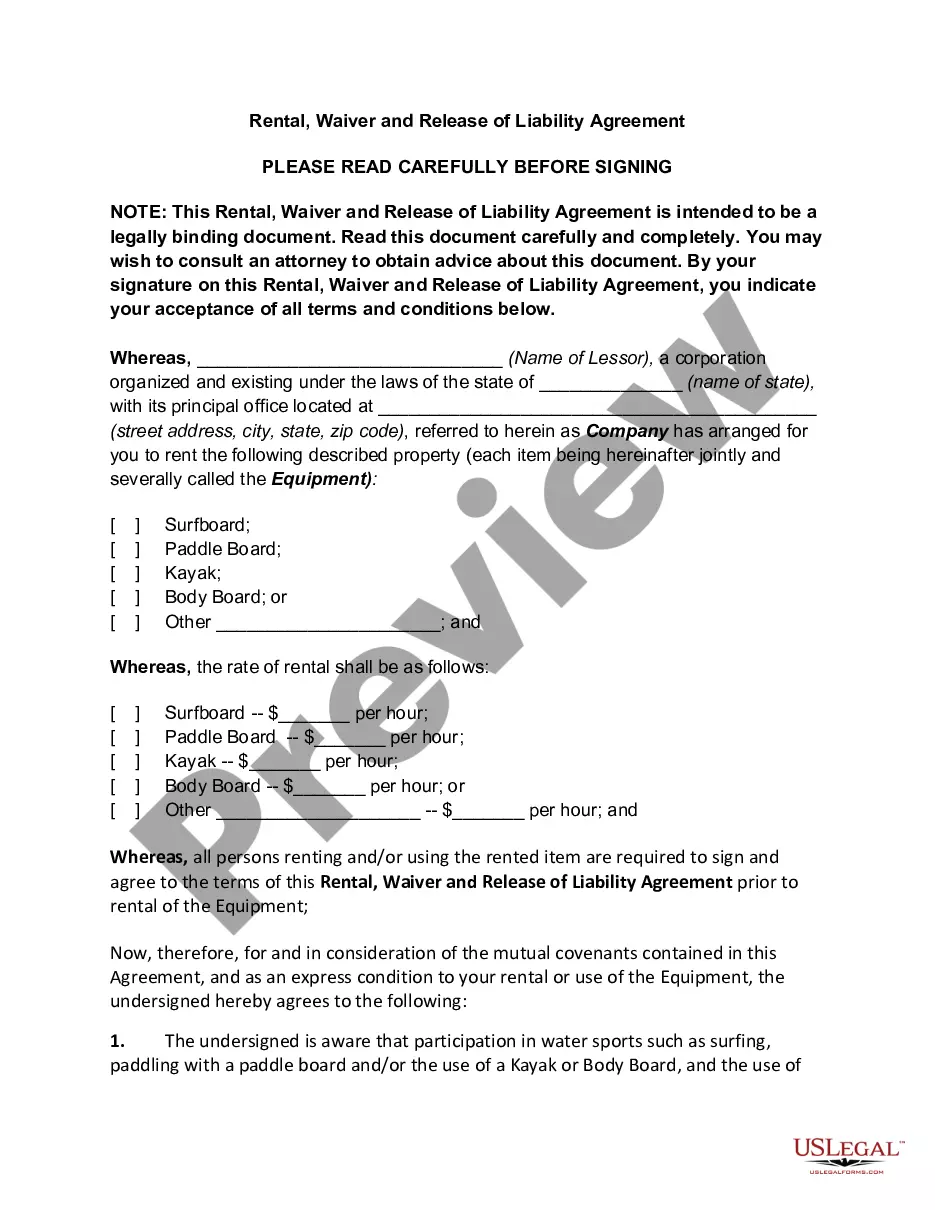
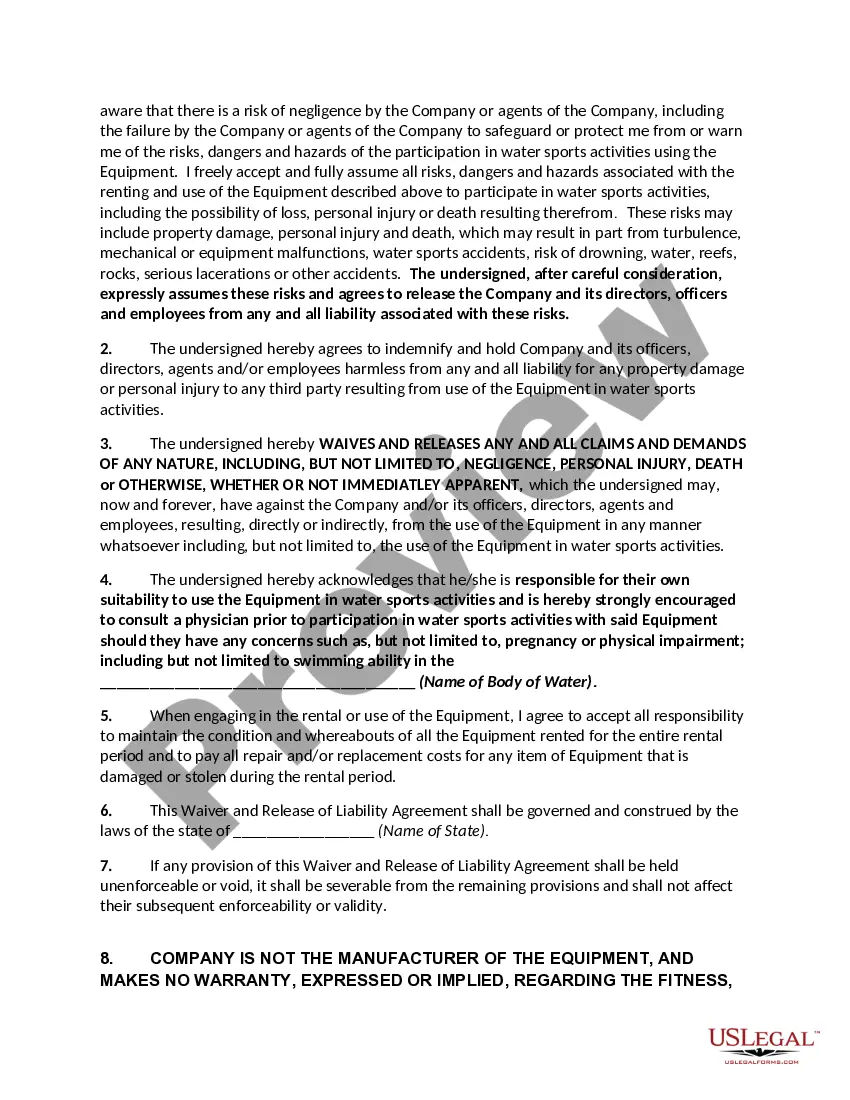

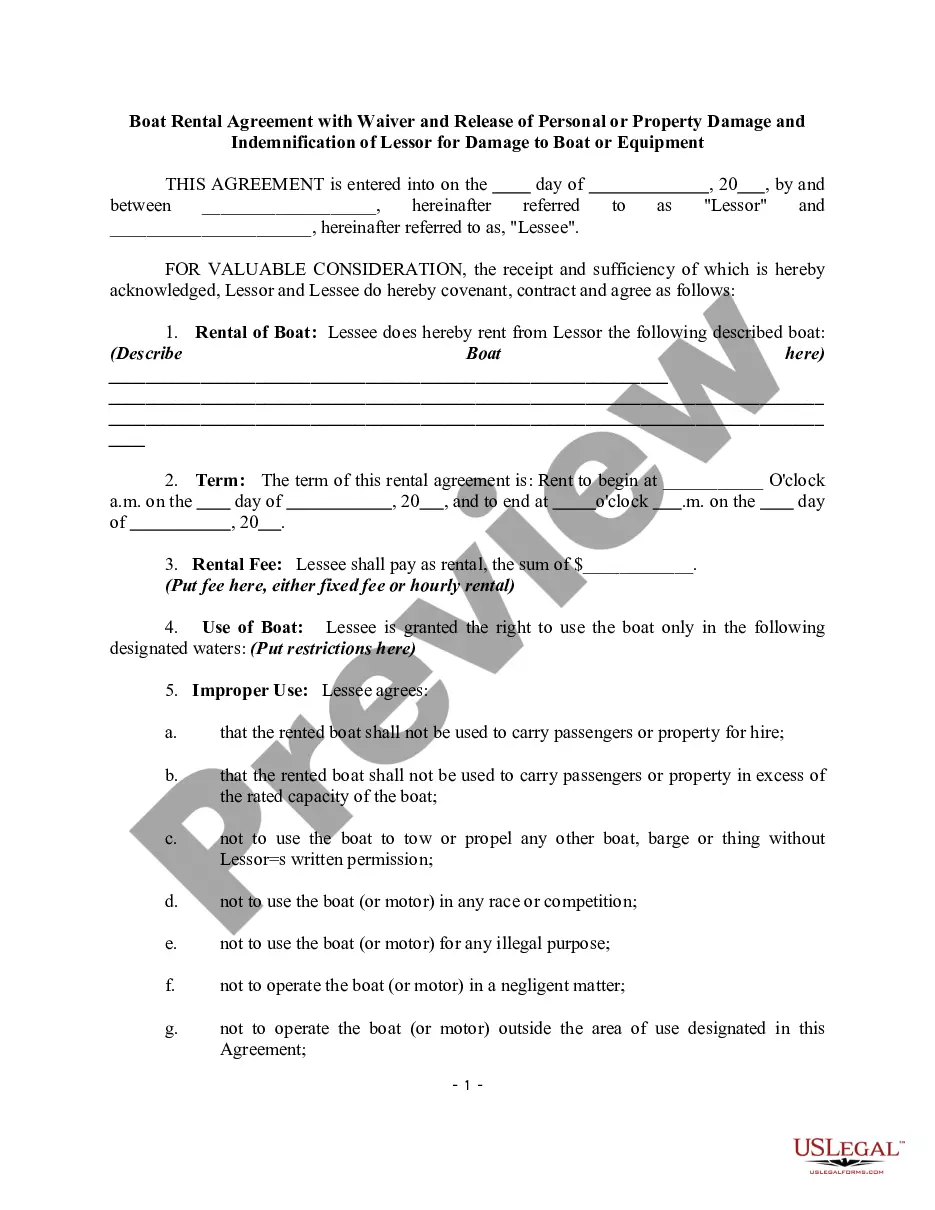
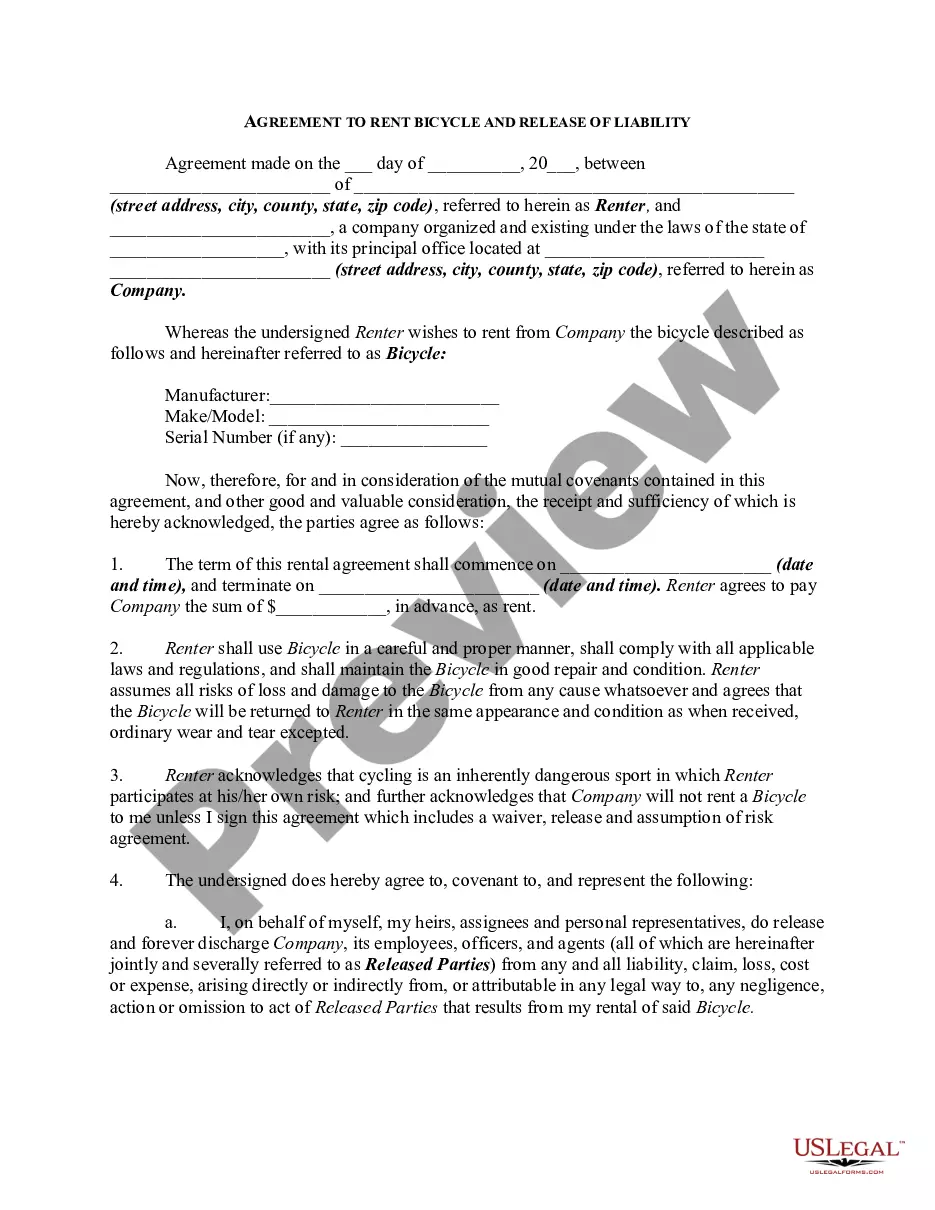
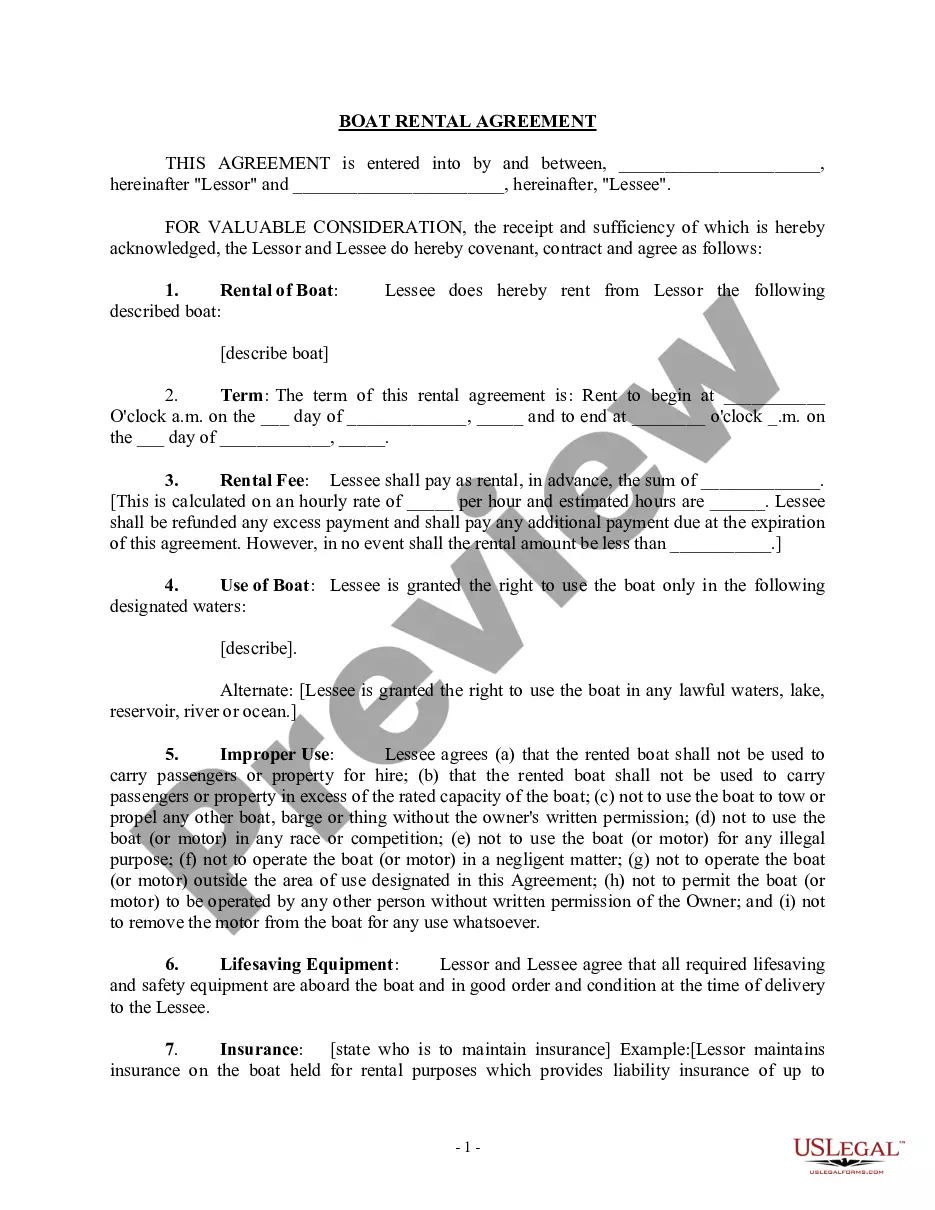
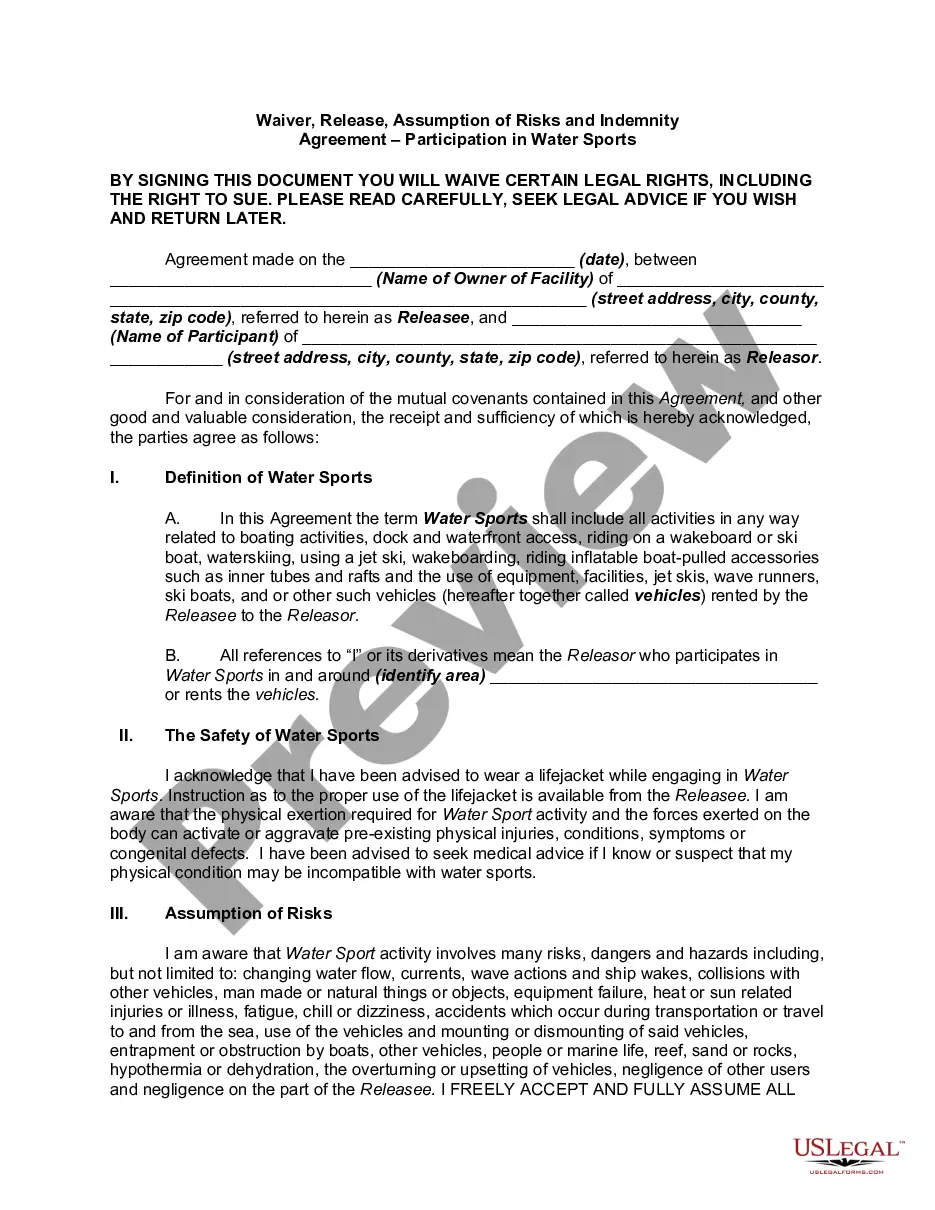
How to fill out Rental, Waiver And Release Of Liability Agreement - Water Sports Or Beach Rentals?
- If you're a returning user, log in to your account and ensure your subscription is valid. Click on the Download button to save the liability waiver template to your device.
- For new users, start by checking the Preview mode and form description to confirm you're selecting the correct liability waiver that meets your needs.
- If the selected waiver doesn't suit you, utilize the Search tab to find another template that aligns with your requirements.
- Once you find an appropriate form, click on the Buy Now button and choose a subscription plan that fits your needs. You'll need to create an account to access the full library.
- Proceed with payment by entering your credit card information or using your PayPal account to purchase the subscription.
- After your payment is confirmed, download your liability waiver form and save it to your device. You can access it later in the My Forms section of your profile.
In conclusion, US Legal Forms offers a vast library of legal documents, enabling users to easily acquire necessary forms like liability waivers. With over 85,000 templates available, you can confidently create precise legal documents.
Don't hesitate to explore the comprehensive resources available at US Legal Forms today!
Form popularity
FAQ
Liability waiver insurance is crucial for businesses that engage in activities with inherent risks, such as sports centers, event organizers, and recreational facilities. This insurance helps safeguard against potential lawsuits, even with a signed liability waiver. By having this coverage, businesses can operate with more confidence. If you seek comprehensive waiver solutions, consider USLegalForms to help address your insurance needs effectively.
Not necessarily. While a liability waiver can limit your ability to sue for certain damages, it does not eliminate all legal rights. If a party acts recklessly or fails to follow safety regulations, a waiver may not protect them. Understanding the extent of a liability waiver is essential, and consulting with a legal expert or using platforms like USLegalForms can provide clarity.
Yes, liability waivers are generally enforceable in the United States, provided they meet certain criteria. The waiver must clearly outline the risks involved, and the language should be straightforward. Courts often uphold these waivers when they are written properly, which can protect businesses from lawsuits. To ensure your liability waiver stands strong, consider using a professional service like USLegalForms for guidance.
Typically, liability waivers do not need to be notarized to be enforceable. However, some jurisdictions may have specific requirements that could call for notarization. When using templates from US Legal Forms, you can check if notarization is necessary based on your state laws and ensure that you meet any compliance requirements. It's always good practice to double-check before finalizing your waiver.
To write a simple liability waiver, start by clearly stating the purpose of the document. Include the names of the parties involved, detail the activities that the waiver pertains to, and outline the risks associated with those activities. Clearly state that the signer accepts these risks and relinquishes the right to claim against you, ensuring that your waiver covers all essential aspects for legality.
Generally, you do not need a lawyer to create a liability waiver. Many individuals and businesses use templates available through platforms like US Legal Forms to draft their waivers. These templates are designed to help you include all necessary elements to make a waiver enforceable. However, if your situation is complex, consulting with a lawyer can ensure everything is properly addressed.
You can certainly write your own liability waiver, but it is important to ensure it is legally sound. Your waiver should clearly outline the risks involved and what the signer is agreeing to by signing. While you can draft it yourself, using a service like uslegalforms can provide templates and guidance. This approach helps you avoid common pitfalls and creates a more dependable liability waiver.
Yes, you can apply for a US liability waiver yourself, but it requires careful attention to detail. You need to ensure that the waiver complies with legal standards and includes all relevant information. Utilizing platforms like uslegalforms can guide you through the process, making it easier to draft a liability waiver that meets requirements. This way, you can confidently protect yourself and your interests.
To be considered legal, a liability waiver must meet certain criteria. It should be clear, specific, and written in understandable language so that the signer knows what rights they are waiving. Additionally, participants must sign the waiver voluntarily, without any pressure. A well-structured liability waiver can serve as a strong protection for businesses against claims.
A simple example of a liability waiver is when an individual signs a form before participating in a sports activity, such as a rock climbing event. By signing, they acknowledge the risks involved and agree not to hold the organizers responsible for any injuries. This liability waiver effectively protects the organizers from legal claims. Such waivers are common in many recreational activities to ensure participants understand the potential risks.