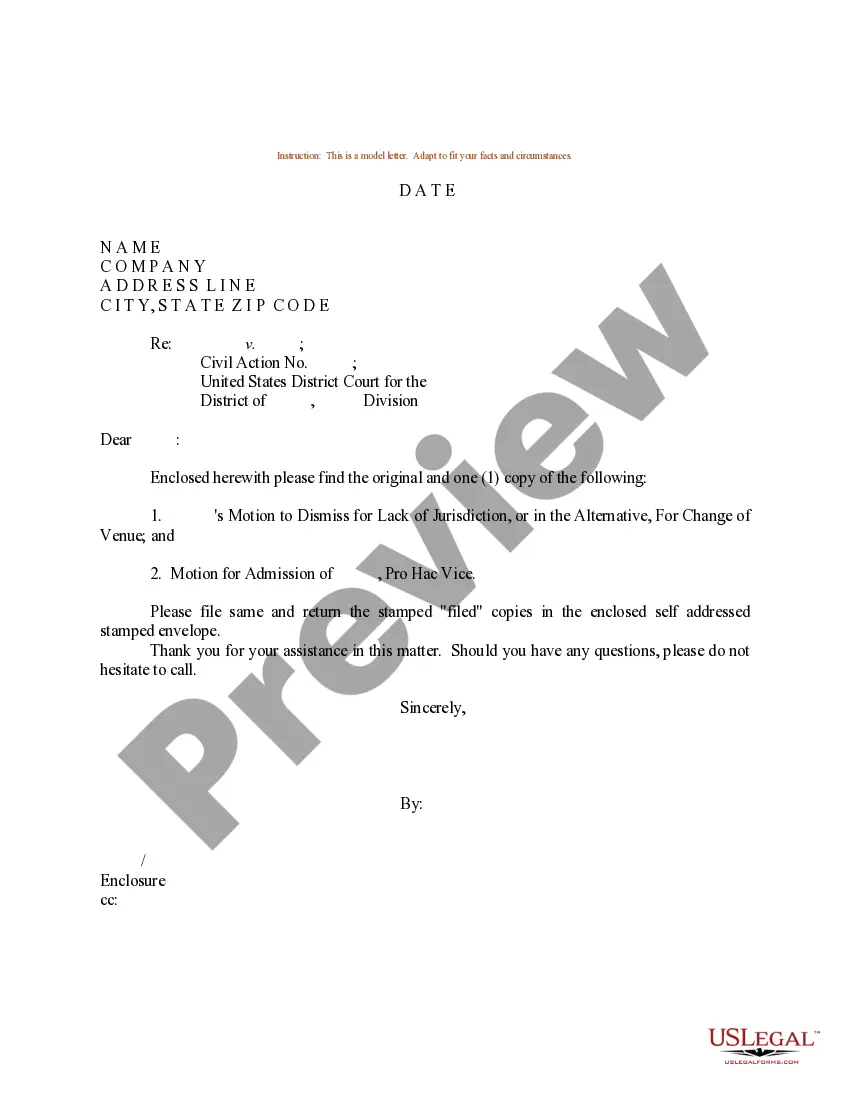
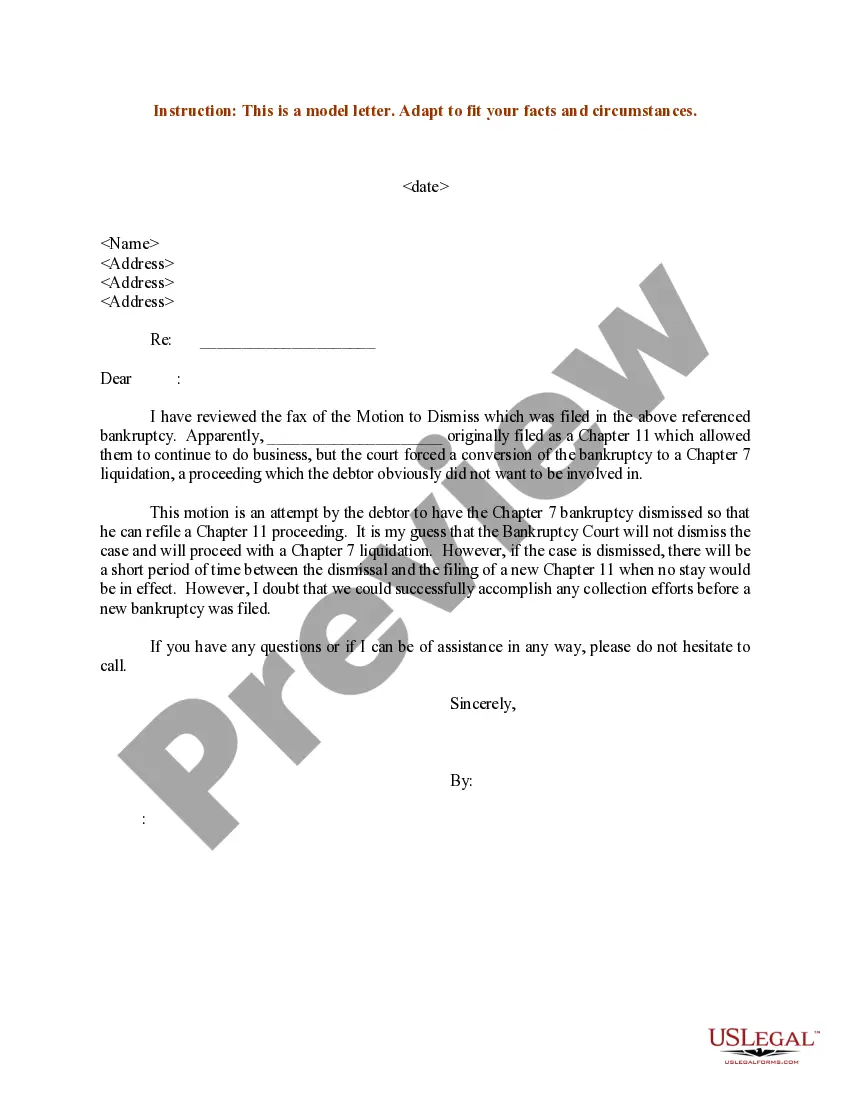
Motion To Dismiss For Insufficient Service Of Process
Description
Get your form ready online
Our built-in tools help you complete, sign, share, and store your documents in one place.
Make edits, fill in missing information, and update formatting in US Legal Forms—just like you would in MS Word.
Download a copy, print it, send it by email, or mail it via USPS—whatever works best for your next step.
Sign and collect signatures with our SignNow integration. Send to multiple recipients, set reminders, and more. Go Premium to unlock E-Sign.
If this form requires notarization, complete it online through a secure video call—no need to meet a notary in person or wait for an appointment.
We protect your documents and personal data by following strict security and privacy standards.
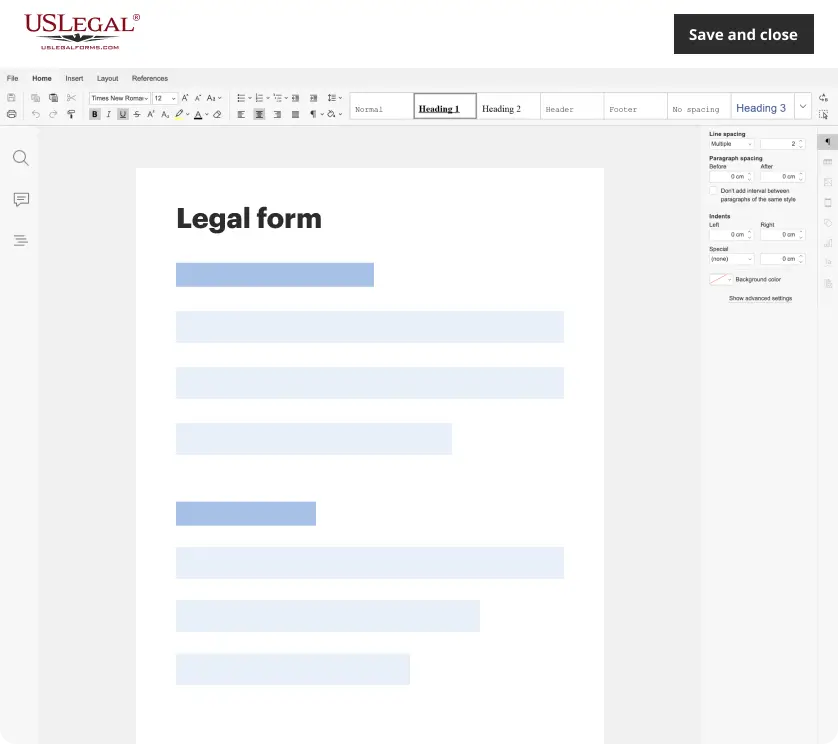
Make edits, fill in missing information, and update formatting in US Legal Forms—just like you would in MS Word.
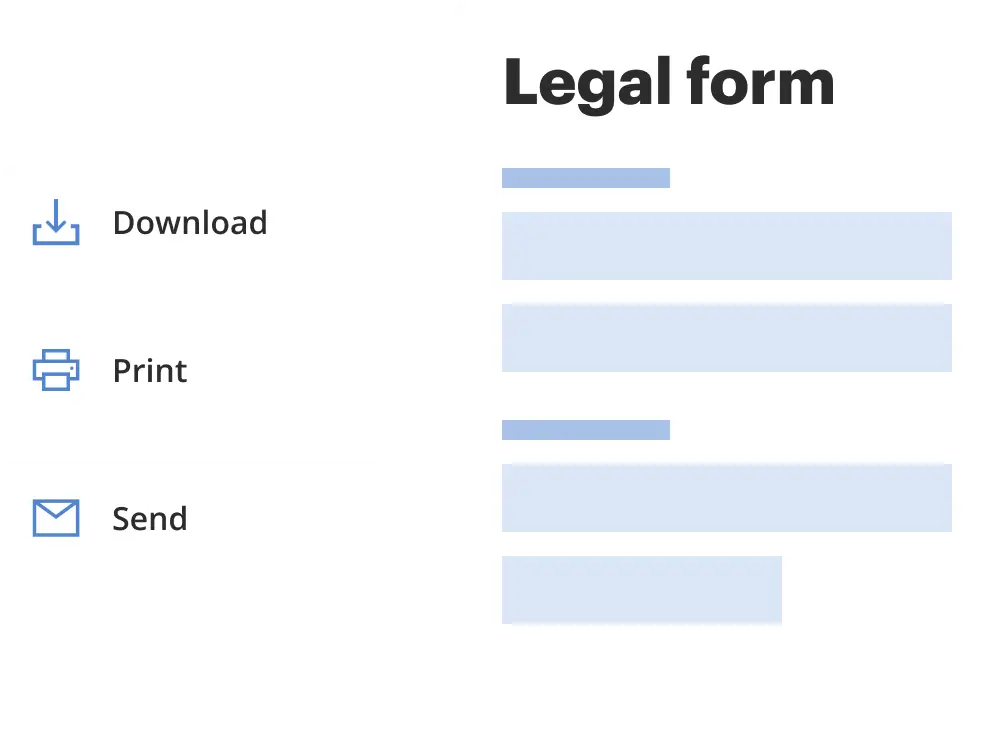
Download a copy, print it, send it by email, or mail it via USPS—whatever works best for your next step.
Sign and collect signatures with our SignNow integration. Send to multiple recipients, set reminders, and more. Go Premium to unlock E-Sign.

If this form requires notarization, complete it online through a secure video call—no need to meet a notary in person or wait for an appointment.
We protect your documents and personal data by following strict security and privacy standards.
Looking for another form?
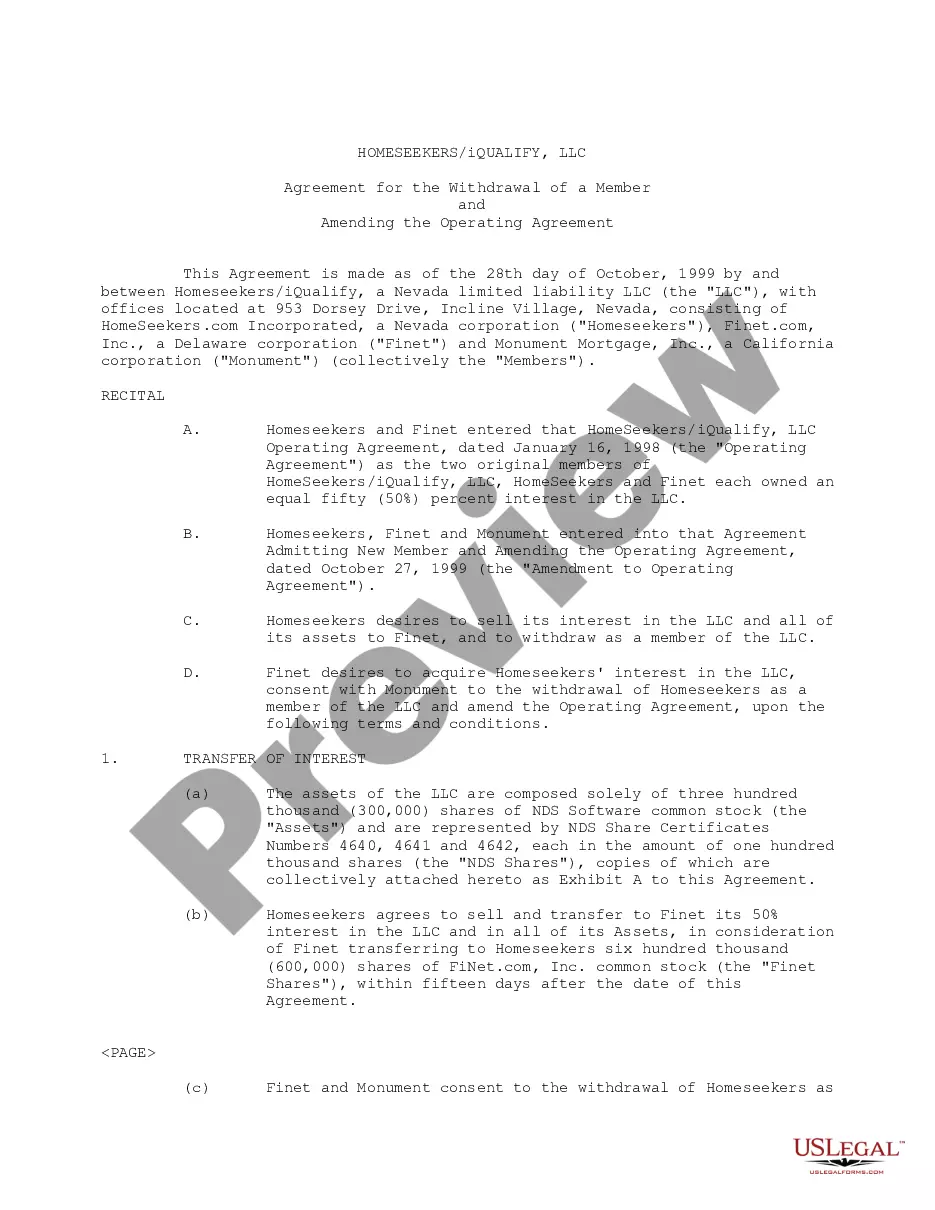
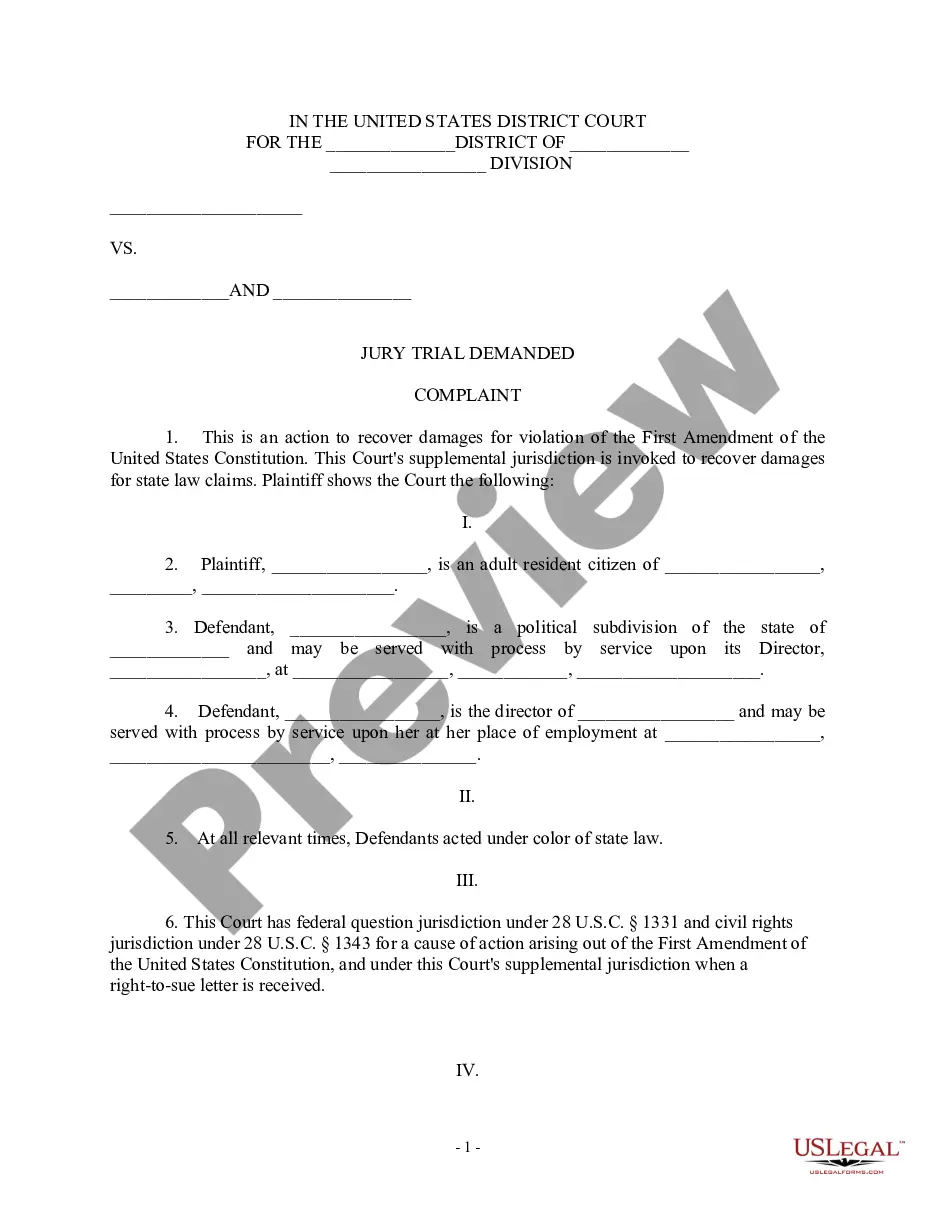

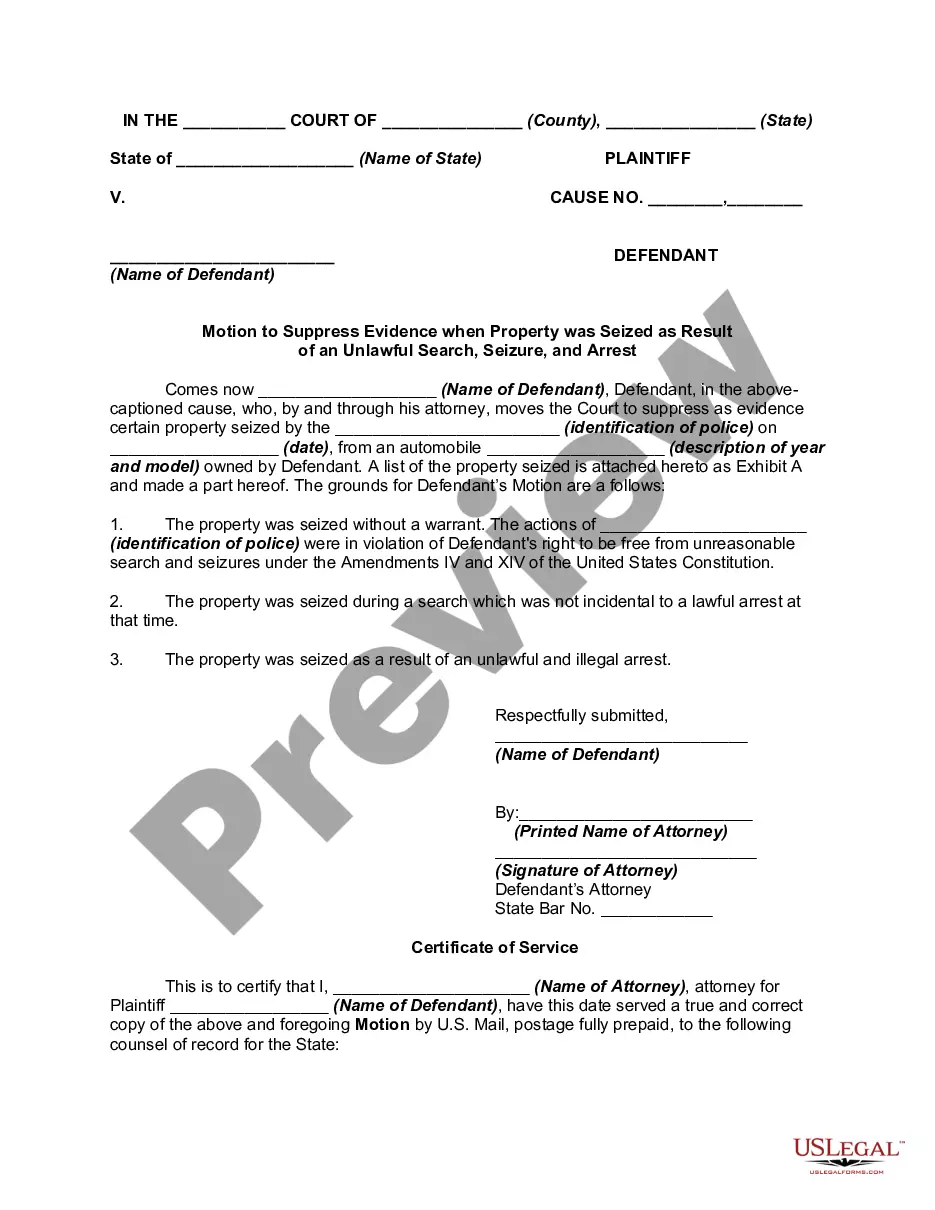
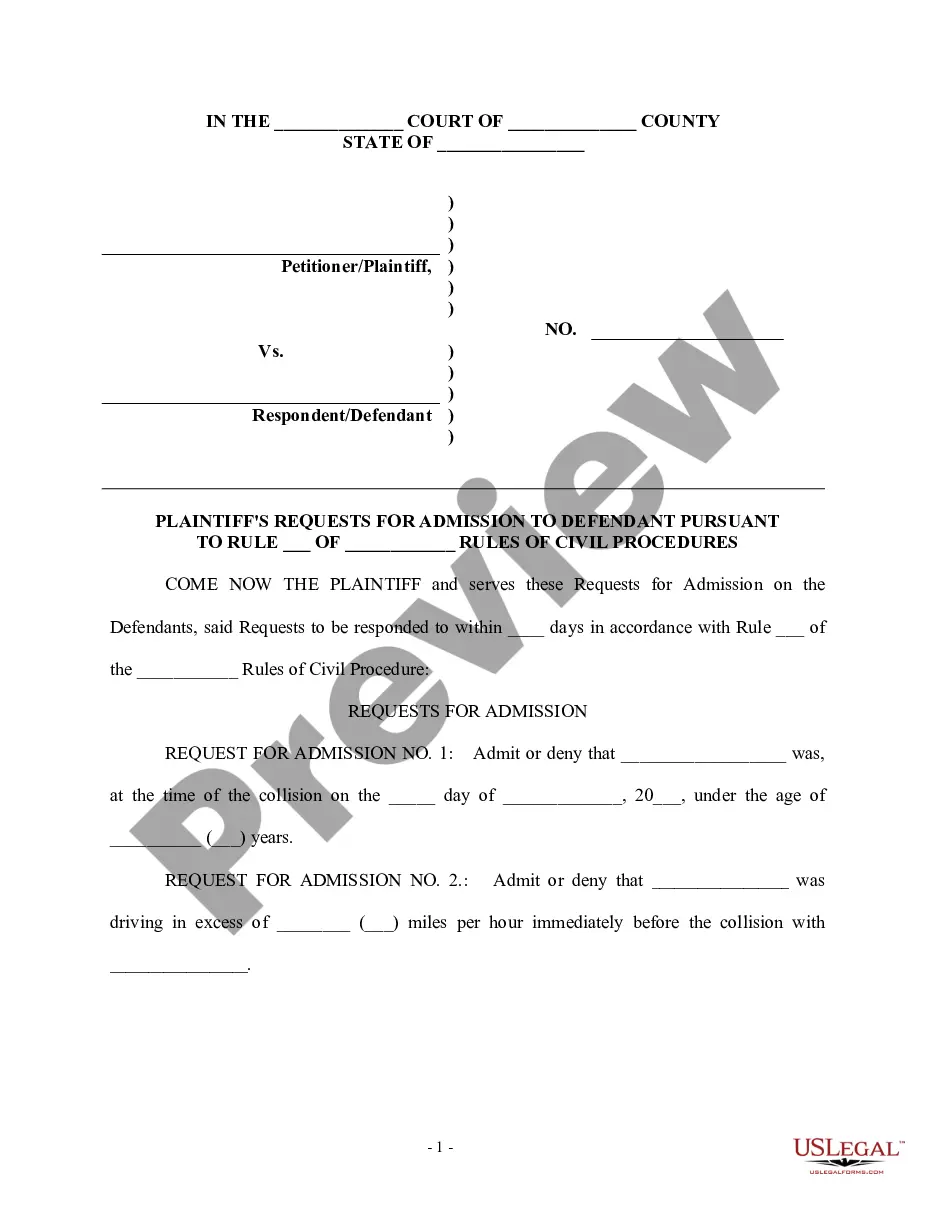
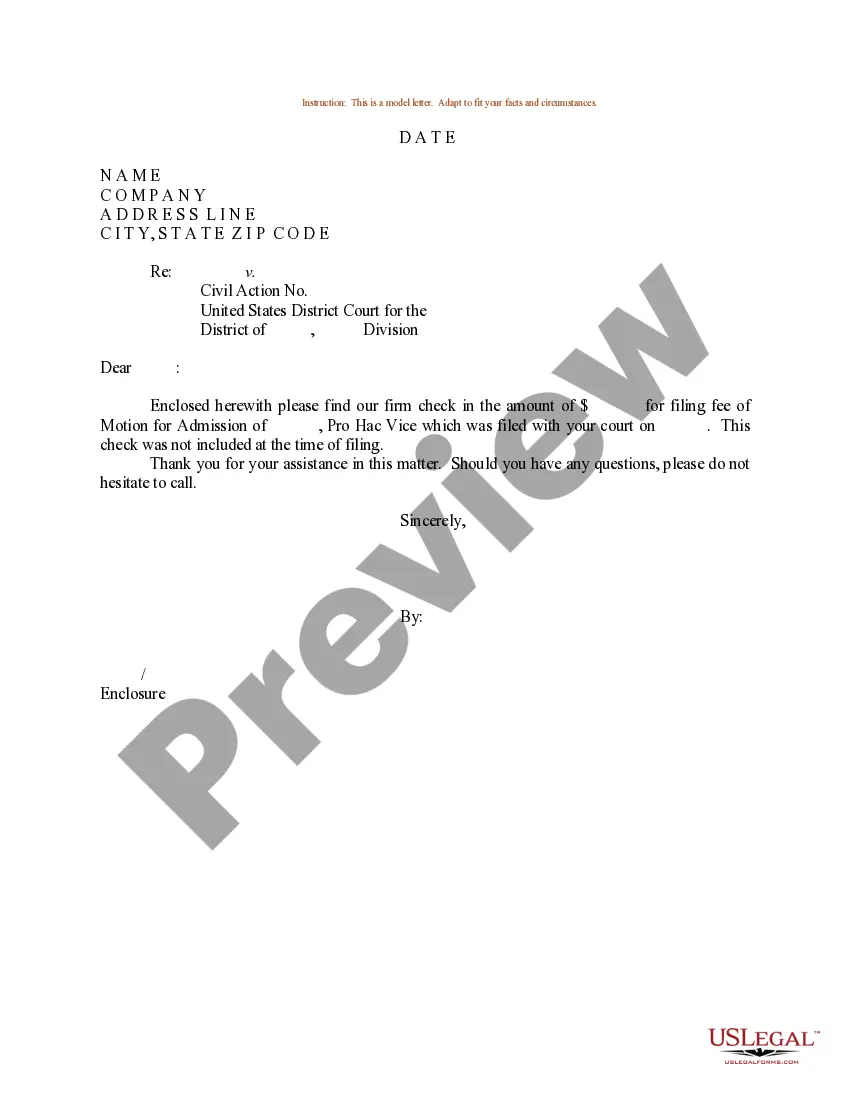
How to fill out Sample Letter For Filing Of Motion To Dismiss - Motion Of Admission?
Whether for commercial intentions or for personal matters, everyone encounters legal circumstances at some point in their lives.
Filling out legal paperwork demands meticulous care, starting with choosing the appropriate form template.
With an extensive US Legal Forms repository available, you no longer need to waste time searching for the appropriate template online. Utilize the library’s simple navigation to find the right template for any situation.
- Search for the template you need using the search bar or browse the catalog.
- Review the form’s details to confirm it aligns with your situation, state, and locality.
- Click on the form’s preview to view it.
- If it’s the incorrect document, return to the search option to find the Motion To Dismiss For Insufficient Service Of Process sample you require.
- Download the template if it satisfies your requirements.
- If you already hold a US Legal Forms account, click Log in to access previously stored documents in My documents.
- If you do not have an account yet, you can acquire the form by clicking Buy now.
- Select the appropriate pricing option.
- Fill out the account registration form.
- Choose your payment method: either a credit card or PayPal.
- Select the desired file format and download the Motion To Dismiss For Insufficient Service Of Process.
- Once downloaded, you can fill out the form using editing software or print it to complete manually.
Form popularity
FAQ
A motion to dismiss should include a clear statement of the grounds for dismissal, along with any supporting evidence that demonstrates insufficient service of process. It’s essential to outline how the legal requirements were not met during the service attempt. Providing thorough details helps the court evaluate the case and may ultimately lead to a favorable outcome for the party filing the motion.
If a process server does not serve you, the court may face difficulties moving forward with the case, as proper notification is essential. The concerned party may need to demonstrate that diligent efforts were made to serve. If these efforts are inadequate, it might lead to a motion to dismiss for insufficient service of process, pausing any further legal proceedings until resolution.
An example of insufficient service of process could include delivering legal documents to an incorrect address or failing to provide the documents to the proper party. Additionally, if the documents are left with someone who is not authorized to receive them, that may qualify as insufficient service. Such instances can prompt a defendant to file a motion to dismiss for insufficient service of process, seeking relief from the case.
Yes, a case can be dismissed if the defendant has not been properly served. If a plaintiff fails to adhere to service of process rules, the defendant can file a motion to dismiss for insufficient service of process. This shows the court that the necessary legal steps were not taken to notify the defendant, potentially leading to case dismissal.
The number of attempts required to serve a defendant can vary depending on state laws and local rules. Generally, making at least two to three attempts at serving is advisable to demonstrate diligence. If unsuccessful, a party may need to explore alternative serving methods, particularly if a motion to dismiss for insufficient service of process is likely.
Insufficiency of service of process refers to situations where legal documents are not delivered according to the law's requirements. This could result from incomplete or incorrect delivery methods. If insufficiency is proven, it can serve as grounds for a motion to dismiss for insufficient service of process, thus stalling the case until proper procedures are followed.
If a defendant is not served, the court typically cannot proceed with the case. The defendant has a right to due process, which includes receiving notification of the legal action. Without proper service, the plaintiff may need to file a motion to dismiss for insufficient service of process, effectively halting any further legal action until compliance occurs.
A case may be dismissed for several reasons, including failure to properly serve the defendant with legal documents, lack of jurisdiction, and failure to comply with procedural requirements. In particular, a motion to dismiss for insufficient service of process highlights the importance of following proper serving techniques. When a defendant is not adequately informed of the case against them, it undermines the fairness of the judicial process and can lead to dismissal.
To write a successful motion to dismiss, begin by outlining the legal grounds for dismissal clearly. Include specific facts and relevant case law that support your argument. Emphasizing the failure related to service of process is critical, as it demonstrates the lack of proper notification. Utilizing resources like US Legal Forms can guide you in preparing a comprehensive motion to dismiss for insufficient service of process, increasing your likelihood of a favorable outcome.
A motion to quash for lack of service is a request to the court to invalidate service of process. This motion asserts that the legal documents were not properly served on the defendant, affecting the court's jurisdiction. By filing this motion, you can defend against the case until the issue of improper service is resolved. Crafting a thorough motion to dismiss for insufficient service of process can enhance your chances of success here.