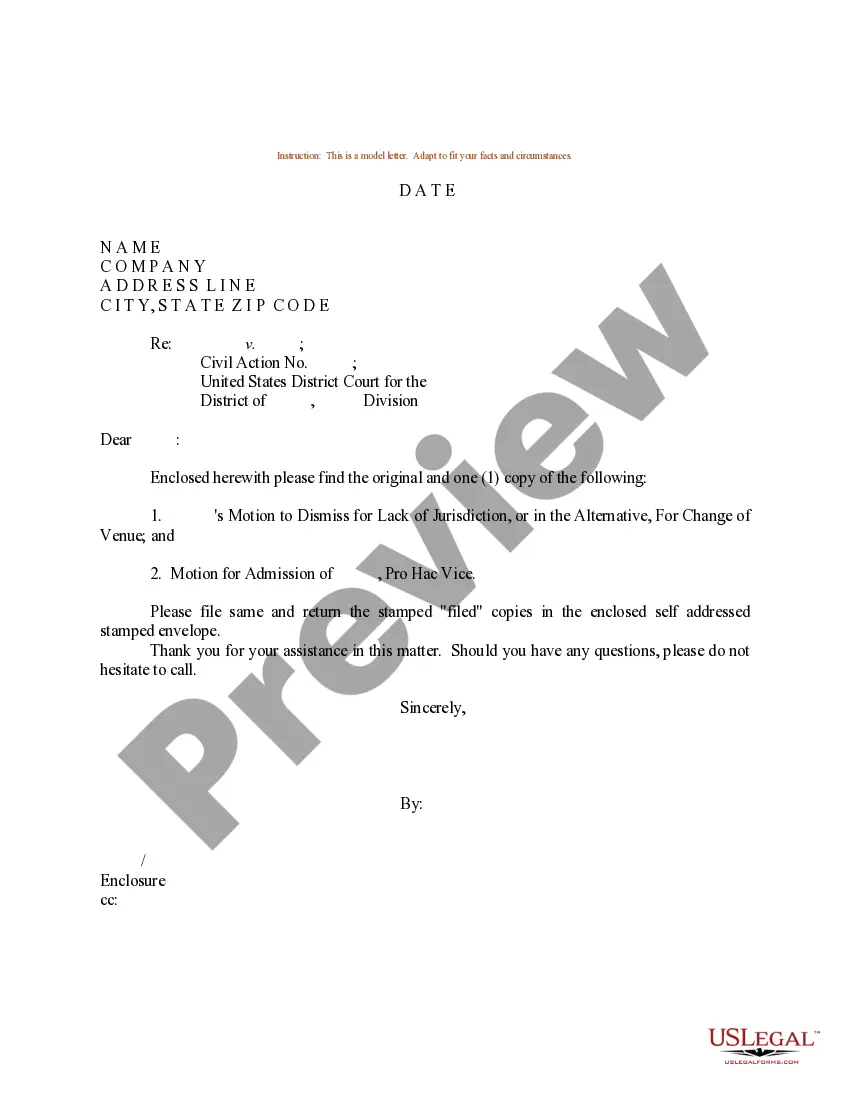
Motion To Dismiss For Failure To State A Claim
Description
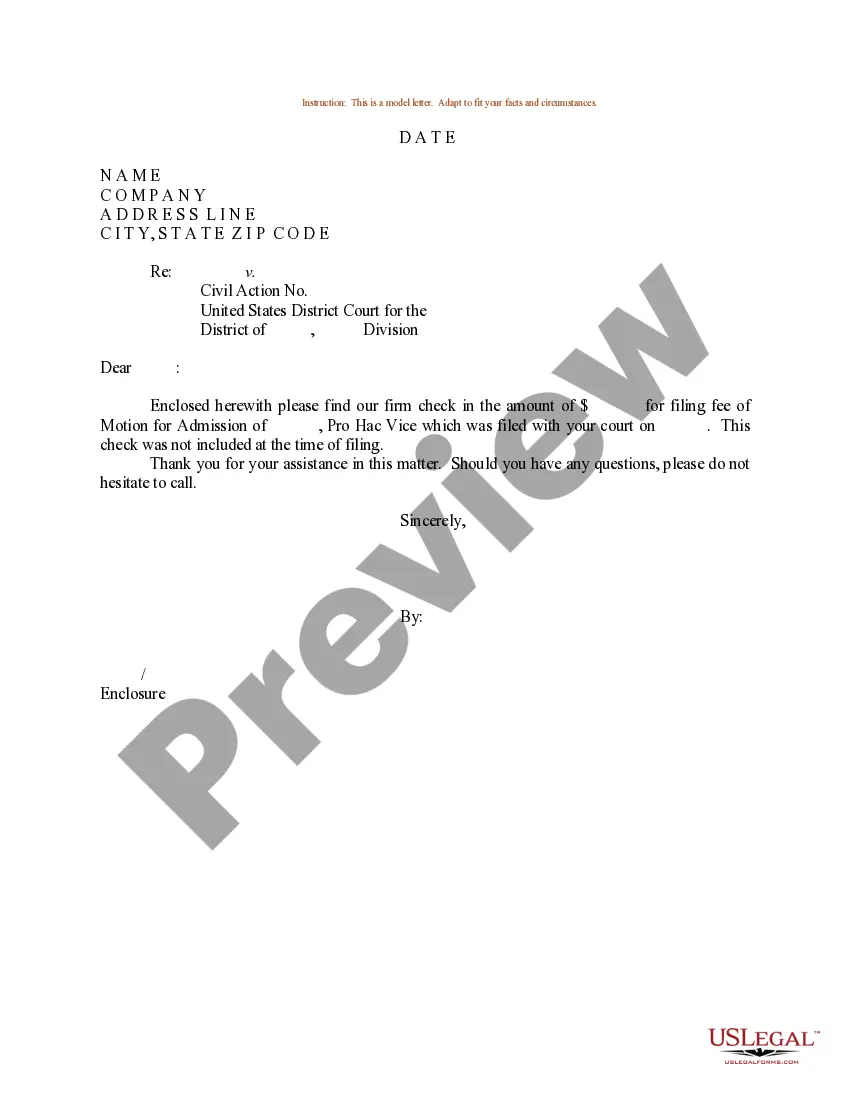
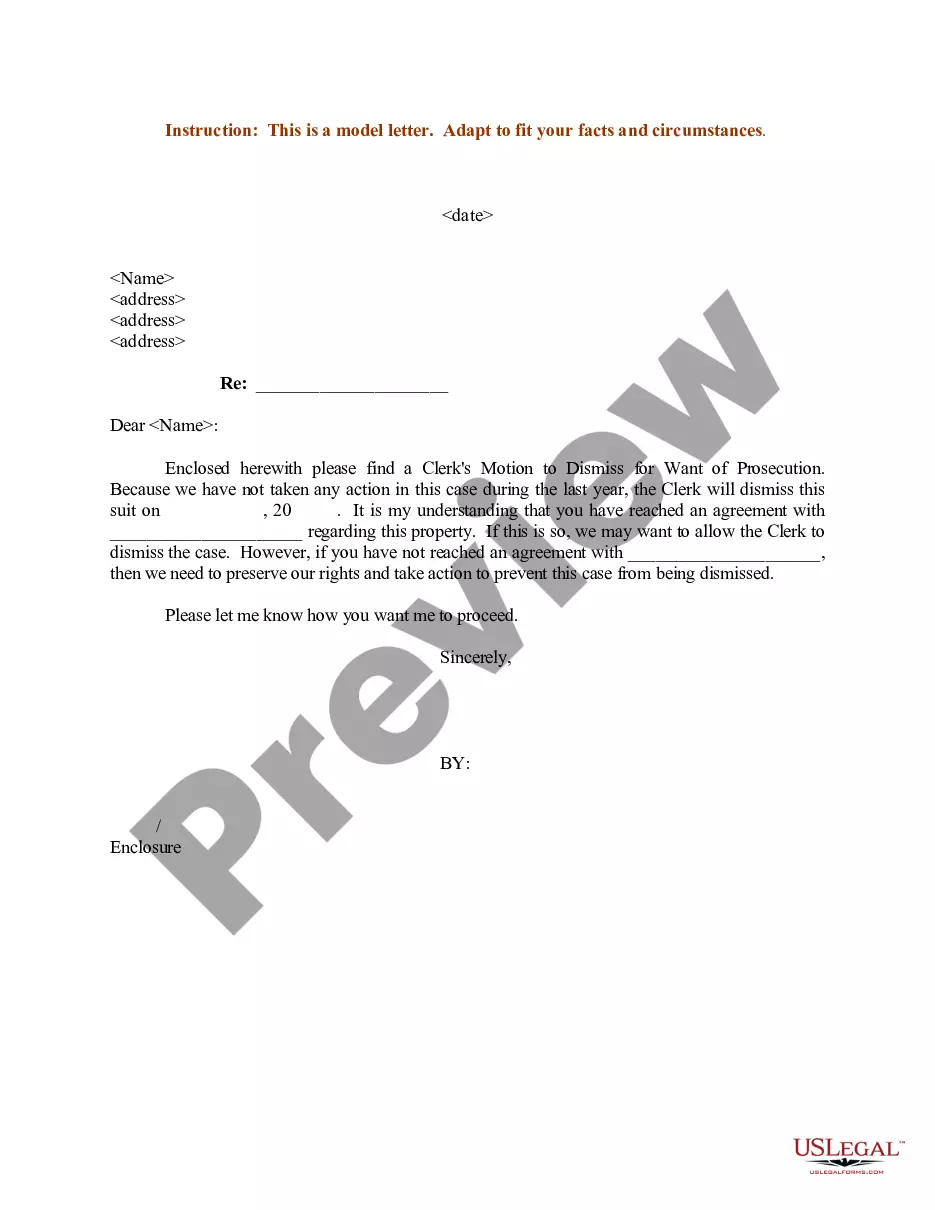
Get your form ready online
Our built-in tools help you complete, sign, share, and store your documents in one place.
Make edits, fill in missing information, and update formatting in US Legal Forms—just like you would in MS Word.
Download a copy, print it, send it by email, or mail it via USPS—whatever works best for your next step.
Sign and collect signatures with our SignNow integration. Send to multiple recipients, set reminders, and more. Go Premium to unlock E-Sign.
If this form requires notarization, complete it online through a secure video call—no need to meet a notary in person or wait for an appointment.
We protect your documents and personal data by following strict security and privacy standards.

Make edits, fill in missing information, and update formatting in US Legal Forms—just like you would in MS Word.

Download a copy, print it, send it by email, or mail it via USPS—whatever works best for your next step.

Sign and collect signatures with our SignNow integration. Send to multiple recipients, set reminders, and more. Go Premium to unlock E-Sign.

If this form requires notarization, complete it online through a secure video call—no need to meet a notary in person or wait for an appointment.

We protect your documents and personal data by following strict security and privacy standards.
Looking for another form?
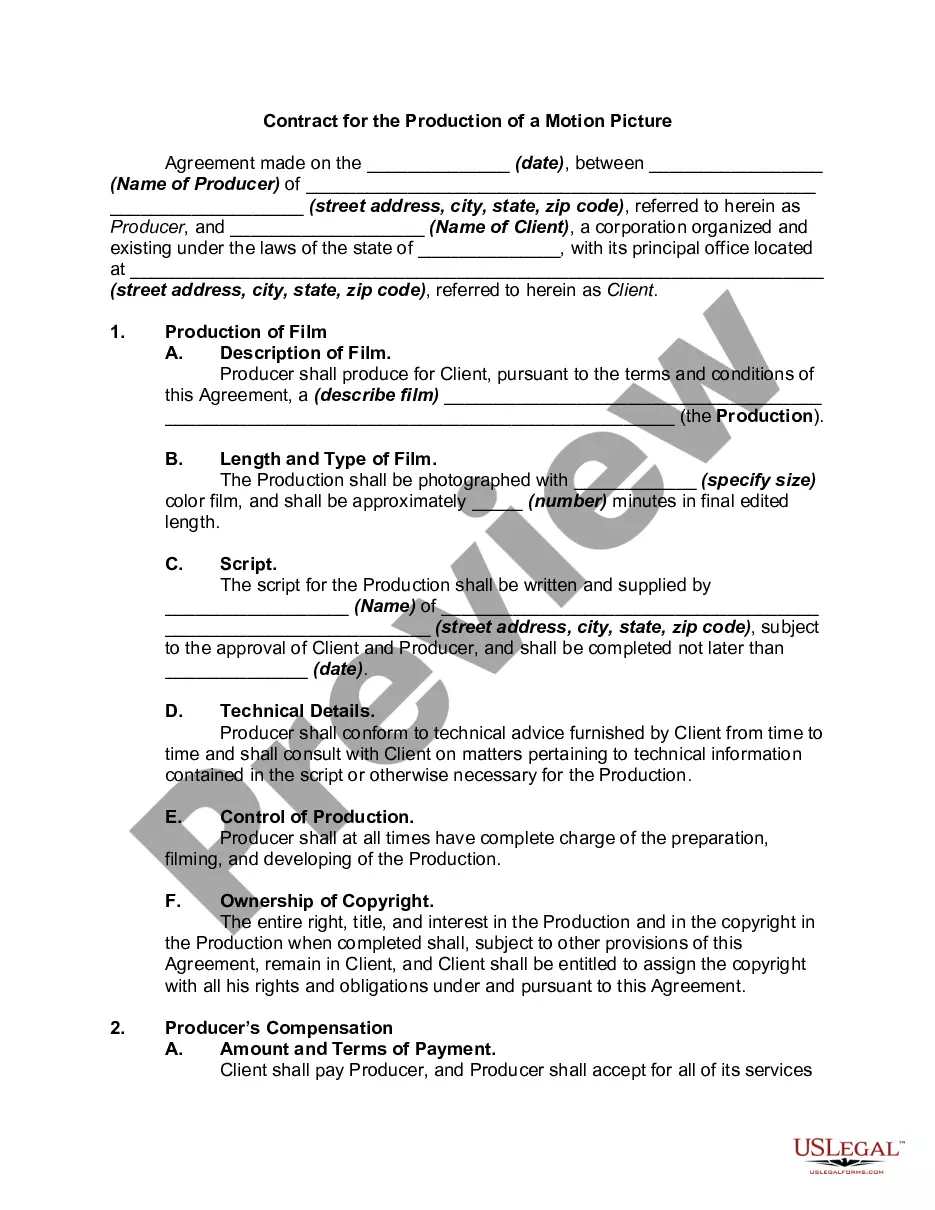
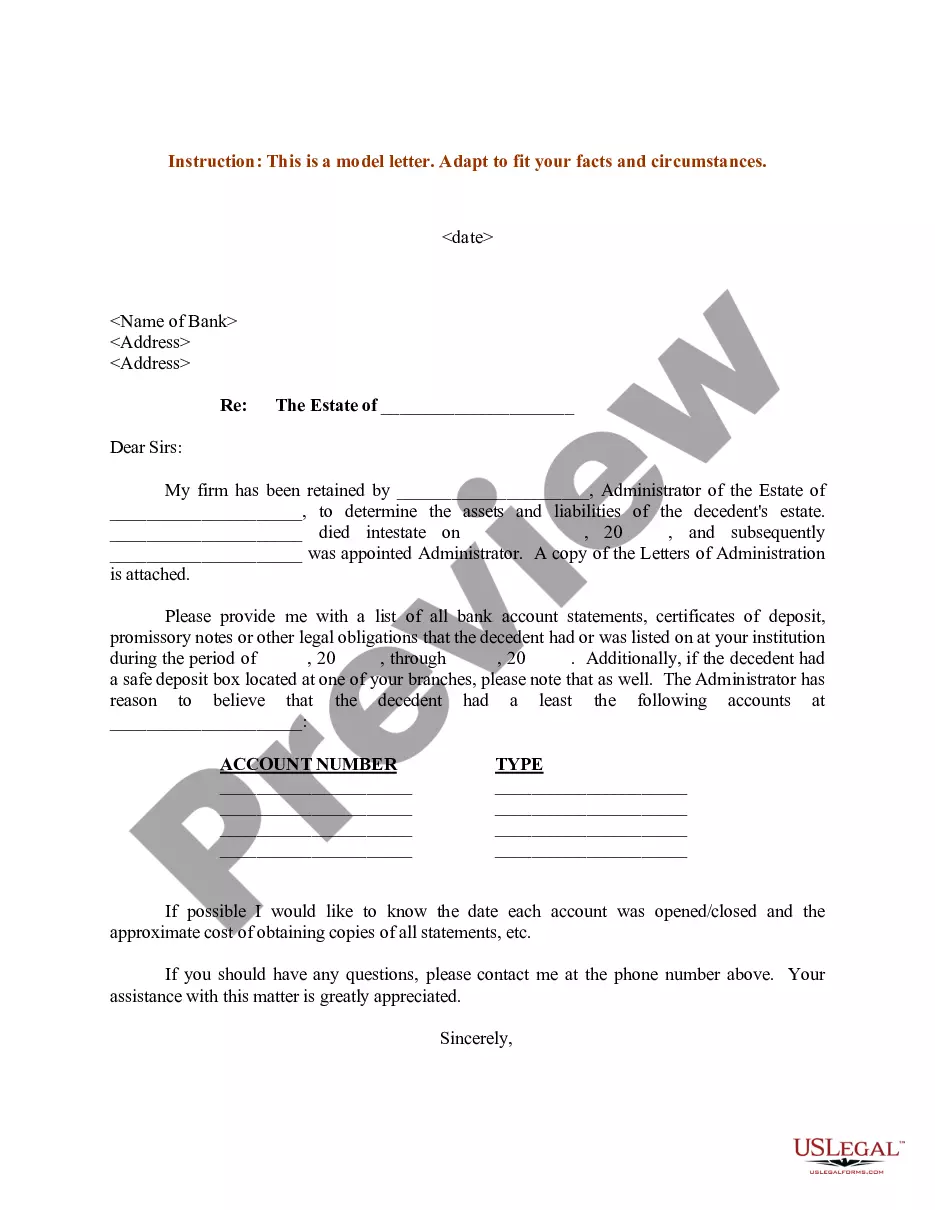
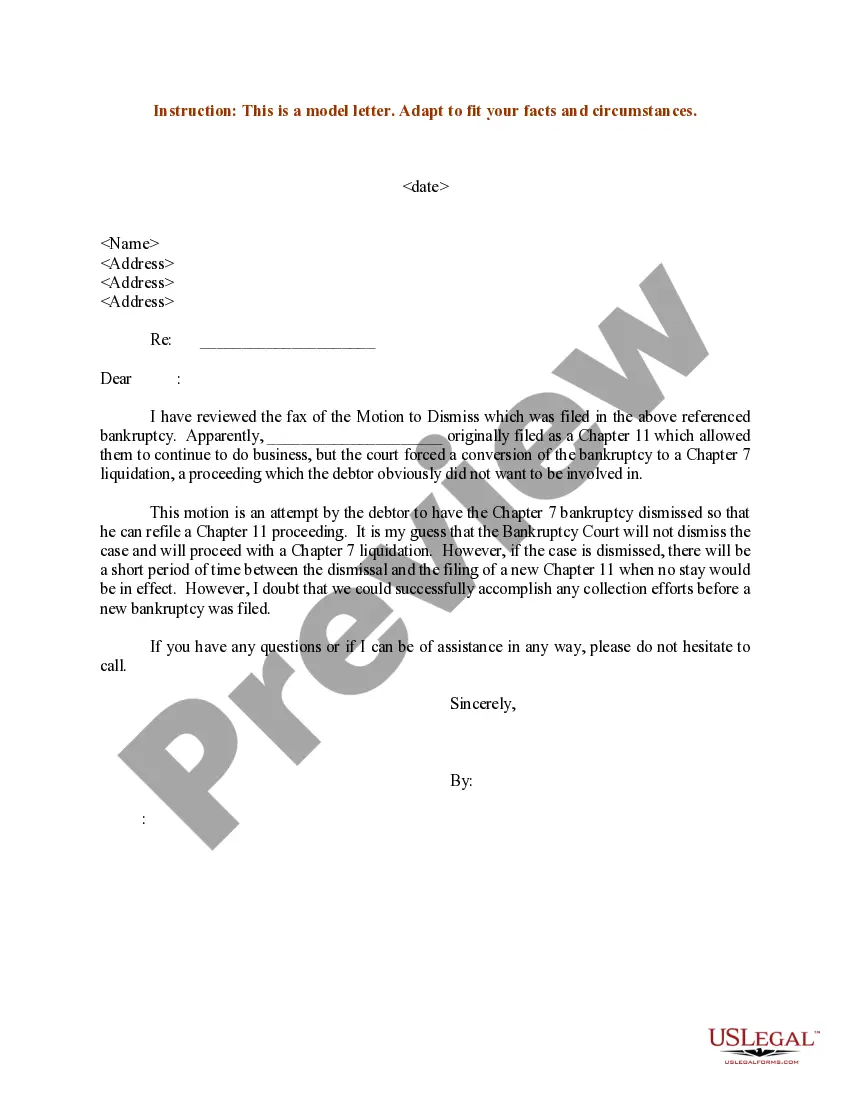
How to fill out Sample Letter For Filing Of Motion To Dismiss - Motion Of Admission?
It’s clear that you can’t transform into a legal expert instantaneously, nor can you swiftly grasp how to prepare a Motion To Dismiss For Failure To State A Claim without the acquisition of specialized skills.
Crafting legal documents is a lengthy endeavor demanding specific training and expertise. So why not entrust the preparation of the Motion To Dismiss For Failure To State A Claim to the professionals.
With US Legal Forms, one of the most extensive legal document repositories, you can obtain everything from court papers to templates for internal corporate communications. We understand the significance of compliance and adherence to federal and state regulations.
Click Buy now. Once the payment is finalized, you can download the Motion To Dismiss For Failure To State A Claim, fill it out, print it, and send or mail it to the necessary parties.
You can re-access your documents from the My documents tab at any time. If you’re an existing customer, you can simply Log In, and locate and download the template from the same tab.
- Commence by visiting our website and acquire the document you need within minutes.
- Locate the form you seek using the search feature at the top of the page.
- Examine it (if this choice is offered) and review the accompanying description to confirm if Motion To Dismiss For Failure To State A Claim is what you require.
- If you need a different form, initiate your search anew.
- Establish a complimentary account and select a subscription plan to purchase the form.
Form popularity
FAQ
Rule 12 in criminal procedure addresses various pretrial motions, including those challenging the sufficiency of charges. While it focuses on criminal proceedings, understanding its principles can help when considering motions, including a motion to dismiss for failure to state a claim. Comprehensive legal resources, such as those offered by US Legal Forms, can provide clarity on these procedural rules.
A 12b6 motion, which challenges the legal sufficiency of a claim, must be filed before the responsive pleading, such as an answer. Typically, this motion should be made early in the litigation process to effectively assert that the complaint fails to state a claim. If you are unsure about the timing and requirements, consulting resources like US Legal Forms can streamline your approach to these motions.
Rule 41 A refers to the Federal Rules of Civil Procedure and describes the process for voluntarily dismissing a case. Under this rule, a plaintiff can dismiss an action without a court order before a defendant files an answer or a motion for summary judgment. It's important to understand how this rule interacts with a motion to dismiss for failure to state a claim, as combining these strategies can be effective.
A motion to dismiss for failure to state a claim should include several key components. First, it must clearly state the grounds for dismissal and reference the relevant legal standards. Next, the motion should outline the specific claims being challenged, supported by facts and law. Using a platform like US Legal Forms ensures you cover all necessary elements and comply with procedural requirements.
Yes, the failure to state a claim can be waived. If a party does not raise this objection in a timely manner, they may lose the right to assert it later. It is essential to address this issue early in the proceedings, as it relates directly to the motion to dismiss for failure to state a claim. Understanding these nuances is crucial, and resources like US Legal Forms can help you navigate these legal matters.
A motion to dismiss does not count as an answer in legal terms. Rather, it is a separate procedural device used by defendants to challenge the validity of the plaintiff’s claims before providing a formal answer. If a motion to dismiss for failure to state a claim is denied, the defendant then must file an answer to the complaint. Understanding this distinction can help parties navigate the complexities of legal proceedings.
An example of failure to state a claim might occur if a plaintiff alleges harm but does not demonstrate how the defendant's actions caused that harm. Suppose a complaint asserts that a business caused damage simply because they operated in a specific area without showing any legal duty or breach. This scenario would likely lead to a successful motion to dismiss for failure to state a claim. Clear examples help to clarify why robust legal foundations are essential.
A motion for dismissal is a request to the court to terminate a particular proceeding, which may include cases where there is no valid basis for proceeding. This can encompass a variety of reasons, including lack of jurisdiction, procedural issues, or failure to state a claim. Specifically, a motion to dismiss for failure to state a claim argues that the material facts presented are insufficient to support a legal action, highlighting the importance of strong legal representation.
No, a motion to dismiss is not considered a final judgment. It is instead a preliminary procedural step taken before a case goes to trial. When a court grants a motion to dismiss for failure to state a claim, it ends the case at that stage, but the plaintiff may sometimes have the opportunity to amend their complaint. Therefore, it functions more like an initial screening of the case rather than a conclusive resolution.
A motion to dismiss for failure to state a claim is a legal action in which a defendant argues that the plaintiff's complaint does not present adequate legal grounds for the lawsuit. It challenges the sufficiency of the claims made against the defendant, aiming to have the case thrown out before proceeding to trial. This type of motion often emphasizes that even if all facts presented by the plaintiff are true, no legally valid claim exists. It's an essential part of legal strategy.