Retirement Withdrawal Tax Calculator
Description



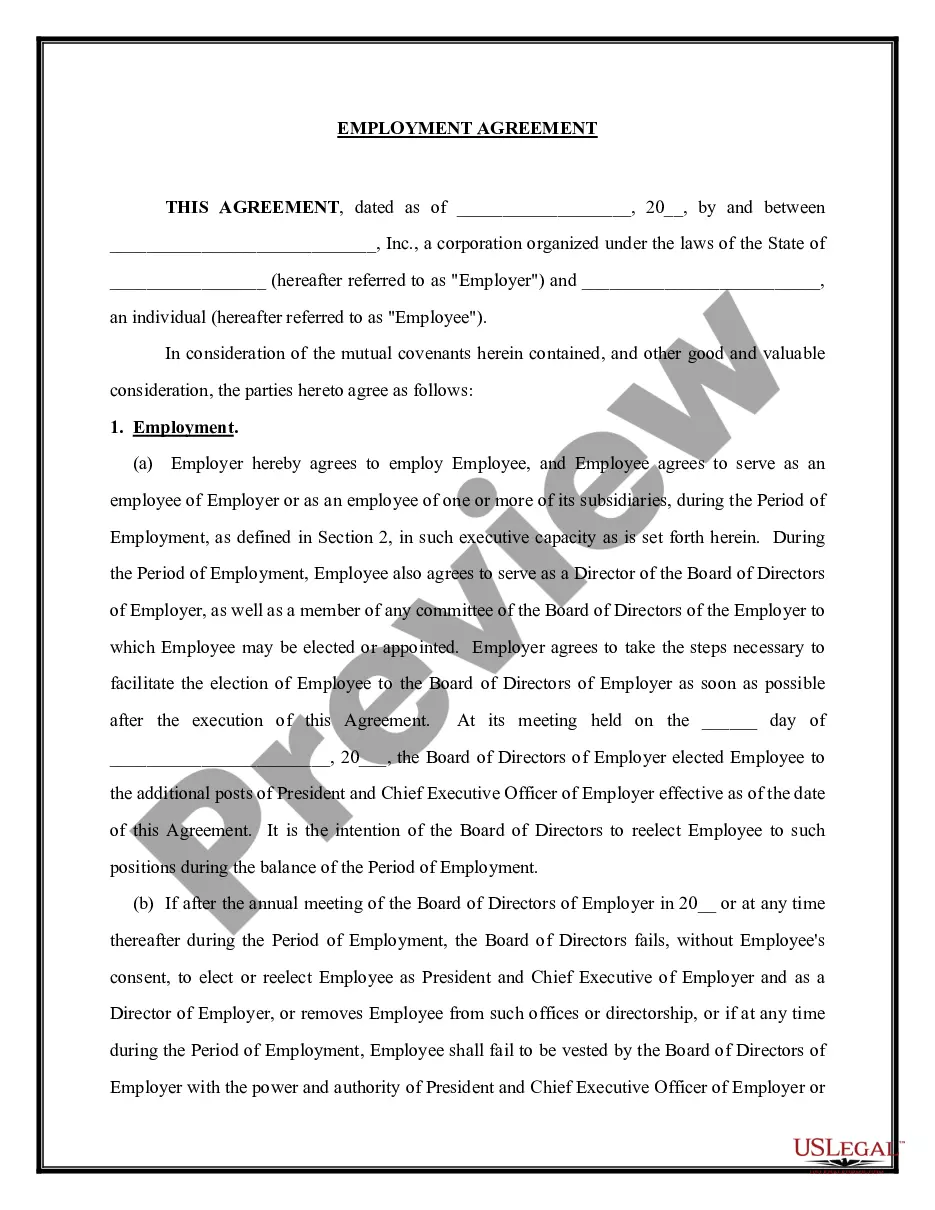
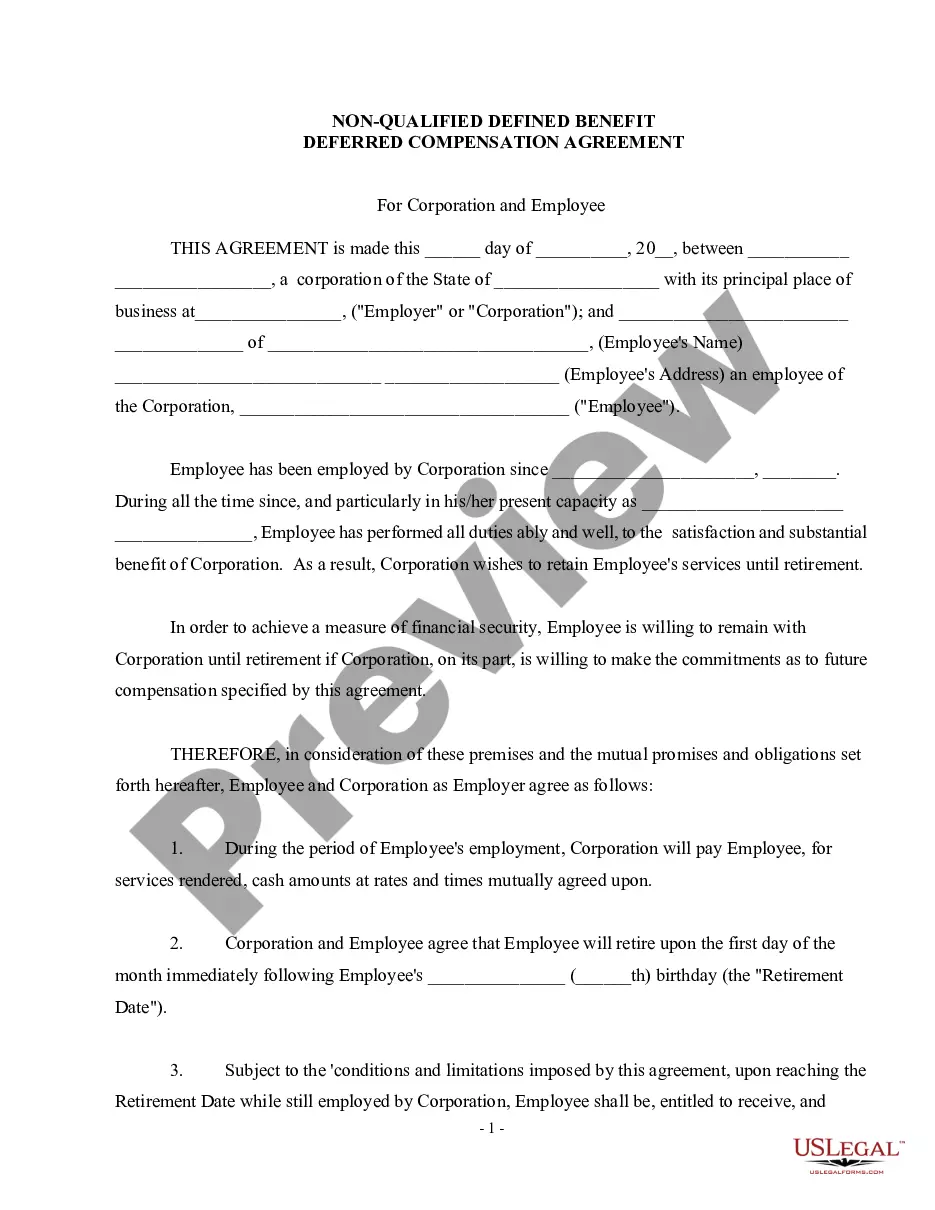
Get your form ready online
Our built-in tools help you complete, sign, share, and store your documents in one place.
Make edits, fill in missing information, and update formatting in US Legal Forms—just like you would in MS Word.
Download a copy, print it, send it by email, or mail it via USPS—whatever works best for your next step.
Sign and collect signatures with our SignNow integration. Send to multiple recipients, set reminders, and more. Go Premium to unlock E-Sign.
If this form requires notarization, complete it online through a secure video call—no need to meet a notary in person or wait for an appointment.
We protect your documents and personal data by following strict security and privacy standards.

Make edits, fill in missing information, and update formatting in US Legal Forms—just like you would in MS Word.

Download a copy, print it, send it by email, or mail it via USPS—whatever works best for your next step.

Sign and collect signatures with our SignNow integration. Send to multiple recipients, set reminders, and more. Go Premium to unlock E-Sign.

If this form requires notarization, complete it online through a secure video call—no need to meet a notary in person or wait for an appointment.

We protect your documents and personal data by following strict security and privacy standards.
Looking for another form?










Form popularity
FAQ
If you apply the 4% rule to $100,000 in retirement savings, you would plan to withdraw $4,000 in your first year. This amount helps sustain your retirement income while protecting your principal. It’s essential to factor in taxes, and a retirement withdrawal tax calculator can help you assess how taxes will affect your available funds in retirement.
The 4% rule simplified means that retirees can withdraw 4% of their savings each year and adjust this amount for inflation. This approach is aimed at giving you enough income while allowing your savings to last throughout retirement. By using a retirement withdrawal tax calculator, you can see exactly how taxes impact this rule and plan accordingly.
To calculate the 4% rule, take your total retirement savings and multiply it by 0.04. For example, if you have $1,000,000 saved, you would withdraw $40,000 in the first year. Remember, using a retirement withdrawal tax calculator can help identify how much you will actually receive after taxes, ensuring your strategy aligns with your financial goals.
The new 4% rule for retirement suggests that retirees can withdraw 4% of their initial retirement savings each year, adjusted for inflation, without depleting their funds over a typical 30-year retirement. It helps you plan your finances more effectively by indicating a sustainable withdrawal rate. Using a retirement withdrawal tax calculator can aid in understanding how tax implications may affect your net income from these withdrawals.
You report your retirement distributions on your tax return, specifically on Form 1040. You'll provide the total amount from your Form 1099-R, which details your withdrawals. It's essential to ensure this information aligns with your tax planning to avoid underreporting income. Utilizing a retirement withdrawal tax calculator can streamline this process.
The amount of tax to withhold from your retirement withdrawal depends on various factors, including your overall income and tax situation. A common recommendation is to withhold 20% for federal taxes, but you should adjust this based on your specific circumstances. To determine a more precise amount, try using a retirement withdrawal tax calculator, which can help you make informed decisions.
To claim retirement withdrawals on your taxes, you must report them on your tax return, usually using Form 1040. You'll receive a Form 1099-R from your retirement plan, which details your distributions. Keep an eye on your total income, as it may impact your tax bracket. Consider using a retirement withdrawal tax calculator to estimate your tax implications.
Retirement withdrawals are typically not considered earned income. Earned income includes wages, salaries, and self-employment income. However, distributions from retirement accounts may still be subject to taxes. For accurate calculations, you can use a retirement withdrawal tax calculator.
The amount to withhold from an IRA withdrawal depends on your tax strategy and anticipated tax bracket. Typically, a common recommendation is to withhold about 10% to 30% of the withdrawn amount. However, using a retirement withdrawal tax calculator can streamline this process, helping you determine the optimal withholding rate to meet your tax obligations effectively.
The tax on a $50,000 IRA withdrawal varies based on your current income and tax situation. Typically, this amount is added to your taxable income for the year, which may push you into a higher tax bracket. To get a precise estimate of your taxes due, consider using a retirement withdrawal tax calculator to simplify your calculations.