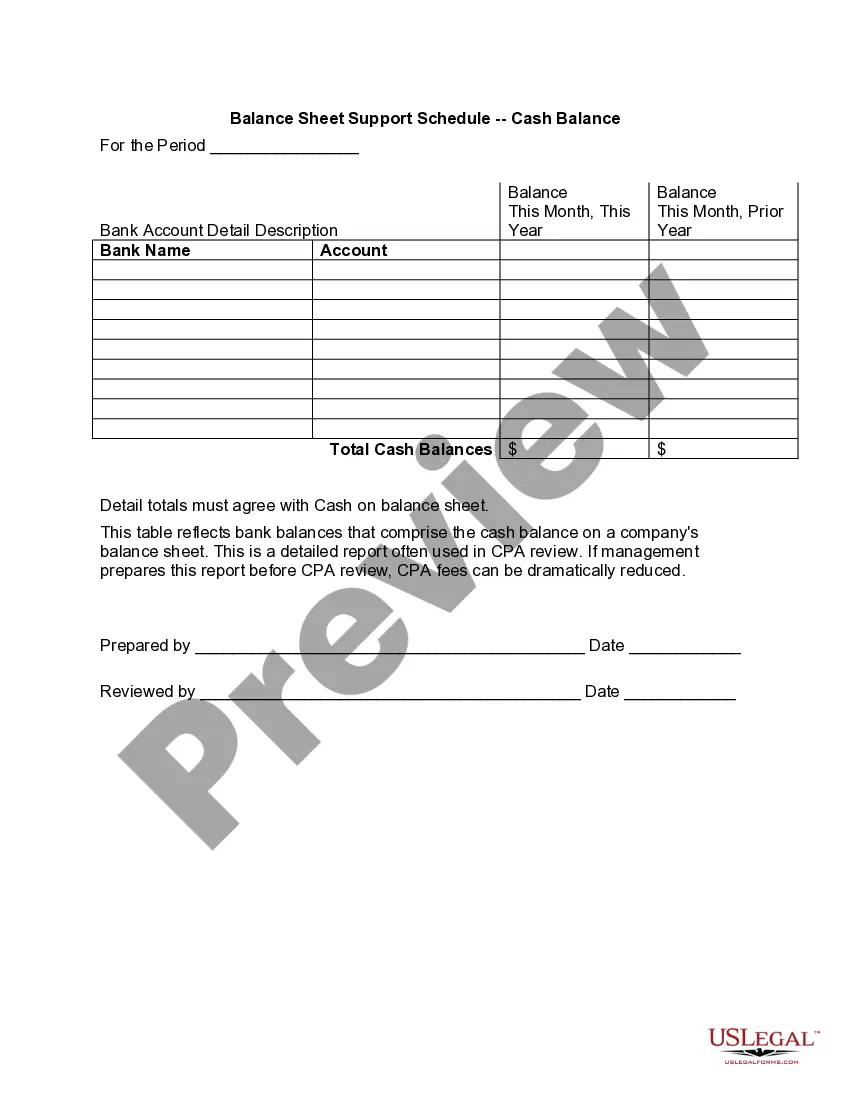
Balance Sheet For Corporation
Description
Get your form ready online
Our built-in tools help you complete, sign, share, and store your documents in one place.
Make edits, fill in missing information, and update formatting in US Legal Forms—just like you would in MS Word.
Download a copy, print it, send it by email, or mail it via USPS—whatever works best for your next step.
Sign and collect signatures with our SignNow integration. Send to multiple recipients, set reminders, and more. Go Premium to unlock E-Sign.
If this form requires notarization, complete it online through a secure video call—no need to meet a notary in person or wait for an appointment.
We protect your documents and personal data by following strict security and privacy standards.

Make edits, fill in missing information, and update formatting in US Legal Forms—just like you would in MS Word.

Download a copy, print it, send it by email, or mail it via USPS—whatever works best for your next step.

Sign and collect signatures with our SignNow integration. Send to multiple recipients, set reminders, and more. Go Premium to unlock E-Sign.

If this form requires notarization, complete it online through a secure video call—no need to meet a notary in person or wait for an appointment.

We protect your documents and personal data by following strict security and privacy standards.
Looking for another form?

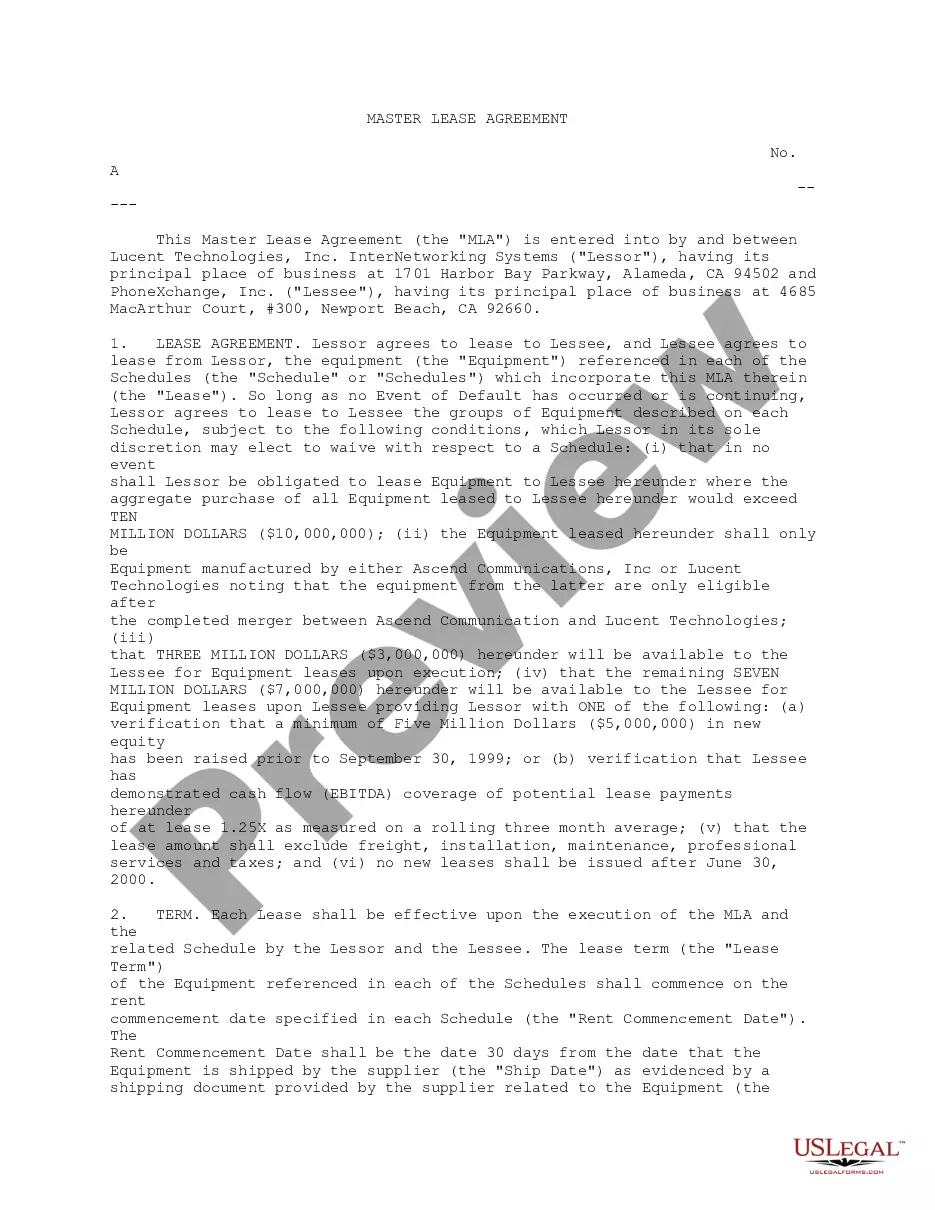
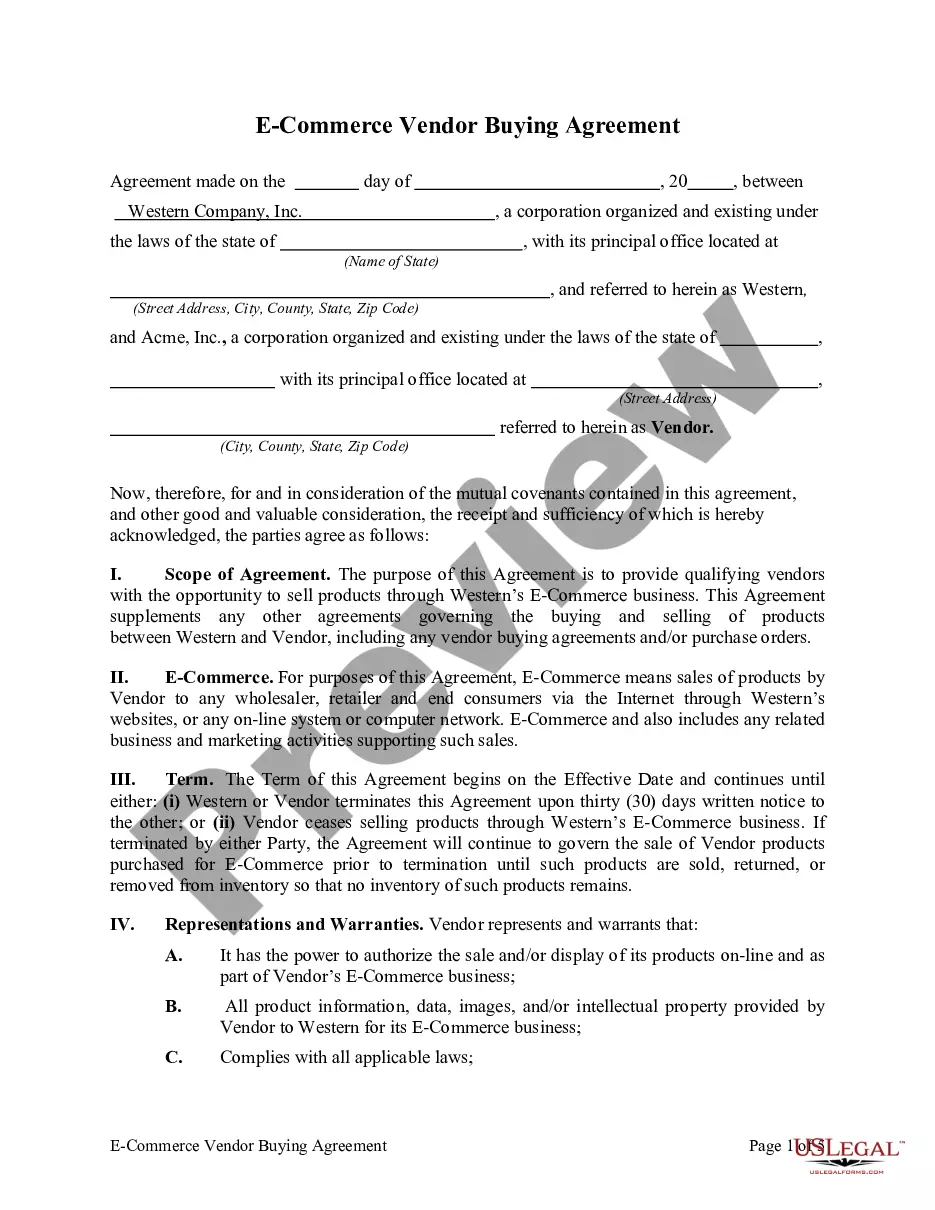







How to fill out Balance Sheet Support Schedule - Cash Balance?
Navigating through the red tape of standard documents and templates can be challenging, particularly if one does not engage in that professionally.
Even locating the appropriate template for the Corporate Balance Sheet will consume time, as it must be legitimate and precise to the last digit.
Nevertheless, you will need to spend significantly less time obtaining a fitting template from a resource you can trust.
Acquire the appropriate form in a few simple steps: Enter the title of the document in the search bar. Locate the correct Corporate Balance Sheet from the list of results. Review the outline of the sample or open its preview. If the template meets your requirements, click Buy Now. Then select your subscription plan. Use your email and create a secure password to register an account at US Legal Forms. Choose a credit card or PayPal payment method. Save the template document on your device in your preferred format. US Legal Forms can save you time and effort in verifying if the form you came across online is suitable for your needs. Create an account and gain unlimited access to all the templates you require.
- US Legal Forms is a platform that streamlines the process of finding the correct forms online.
- US Legal Forms is a singular destination for you to locate the latest samples of documents, verify their usage, and download these examples to complete them.
- It is a repository with over 85K forms that are applicable in various professional fields.
- When searching for a Corporate Balance Sheet, you will not need to question its authenticity as all the forms are validated.
- An account at US Legal Forms will guarantee that you have all the necessary samples at your fingertips.
- Store them in your history or add them to the My documents catalog.
- You can access your saved forms from any device by simply clicking Log In on the library's website.
- If you do not yet have an account, you can always start a new search for the template you require.
Form popularity
FAQ
Preparing a balance sheet involves several key steps. First, gather your company's financial data, including assets and liabilities. Next, organize this information into the balance sheet format, starting with assets, followed by liabilities, and concluding with shareholders' equity. Last, review your calculations to ensure accuracy and compliance with the balance sheet equation.
To fill out a business balance sheet, start by listing all assets, such as current assets, long-term investments, and property. Next, detail all liabilities, including short-term and long-term debts. Finally, calculate shareholders' equity by subtracting total liabilities from total assets, ensuring that the balance sheet accurately represents your corporation's financial health.
The formula for a corporate balance sheet is the same as that for any company: Assets = Liabilities + Shareholders' Equity. This relationship must always be maintained, ensuring that the company's resources balance out with its obligations. Familiarizing yourself with this formula is key when analyzing a balance sheet for a corporation.
The basic formula for a company's balance sheet is Assets = Liabilities + Shareholders' Equity. This equation reflects the fundamental relationship between what the company owns and what it owes, as well as the owners' claim on the assets. By using this formula, you can better understand the financial position of the corporation and make informed decisions.
To calculate the total balance sheet, you need to sum all the assets and total liabilities. The equation Assets = Liabilities + Shareholders' Equity must hold true. This calculation allows you to confirm that the balance sheet is balanced, demonstrating that the resources owned by the corporation equal the claims against those resources.
A corporation balance sheet is a financial statement that summarizes a company's assets, liabilities, and shareholders' equity at a specific point in time. This document provides a snapshot of the corporation's financial condition, allowing stakeholders to assess its stability and performance. Understanding the balance sheet for a corporation is essential for making informed investment decisions.
To find a company's balance sheet, you can start by checking their official website under the investor relations section. Many publicly traded companies provide their financial statements, including the balance sheet, in their annual reports. You can also access financial databases and platforms like US Legal Forms, where you can view templates and examples of balance sheets for corporations.
When reviewing a balance sheet for a corporation, it's crucial to check the ratio of assets to liabilities, which indicates financial strength. Additionally, look for trends in equity over multiple periods to identify growth or decline. Ensuring current assets sufficiently cover current liabilities is essential for evaluating liquidity. Using platforms like USLegalForms can aid in the preparation and analysis of precise balance sheets.
The format of a balance sheet for a corporation typically follows a standard layout, dividing the report into two sections: assets on one side and liabilities plus equity on the other. This format allows for easy comparison and analysis of financial data. Most balance sheets present current assets and current liabilities first, followed by non-current items. This arrangement helps stakeholders quickly assess financial health.
A good balance sheet for a corporation shows a healthy relationship between assets and liabilities, indicating financial stability. Generally, a favorable scenario features total assets exceeding total liabilities, resulting in positive equity. Additionally, efficient management of current assets and liabilities can reflect strong liquidity, which is a sign of good financial health. Thus, always observe the balance sheet trends over time.