Trustee For Beneficiary
Description
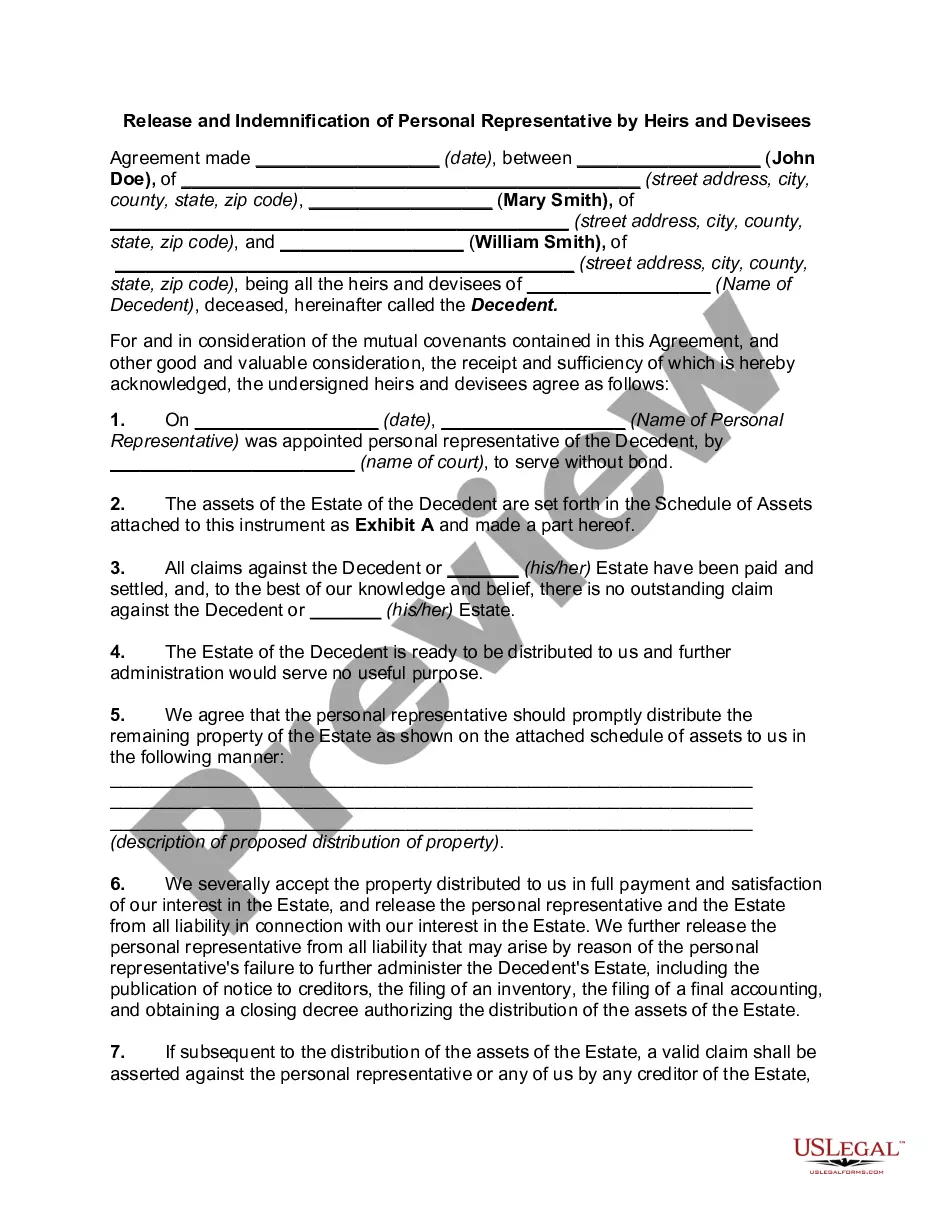
Get your form ready online
Our built-in tools help you complete, sign, share, and store your documents in one place.
Make edits, fill in missing information, and update formatting in US Legal Forms—just like you would in MS Word.
Download a copy, print it, send it by email, or mail it via USPS—whatever works best for your next step.
Sign and collect signatures with our SignNow integration. Send to multiple recipients, set reminders, and more. Go Premium to unlock E-Sign.
If this form requires notarization, complete it online through a secure video call—no need to meet a notary in person or wait for an appointment.
We protect your documents and personal data by following strict security and privacy standards.

Make edits, fill in missing information, and update formatting in US Legal Forms—just like you would in MS Word.

Download a copy, print it, send it by email, or mail it via USPS—whatever works best for your next step.

Sign and collect signatures with our SignNow integration. Send to multiple recipients, set reminders, and more. Go Premium to unlock E-Sign.

If this form requires notarization, complete it online through a secure video call—no need to meet a notary in person or wait for an appointment.

We protect your documents and personal data by following strict security and privacy standards.
Looking for another form?

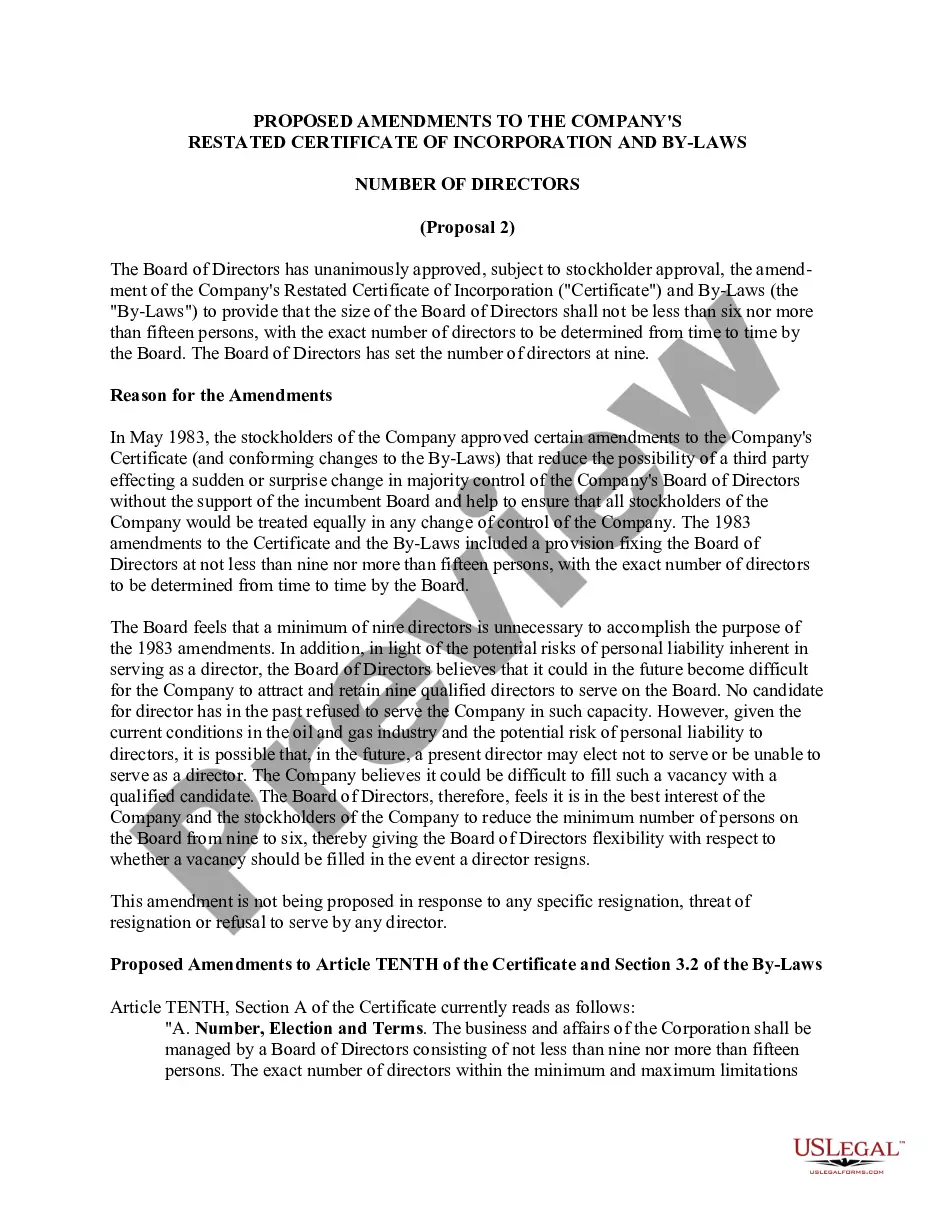







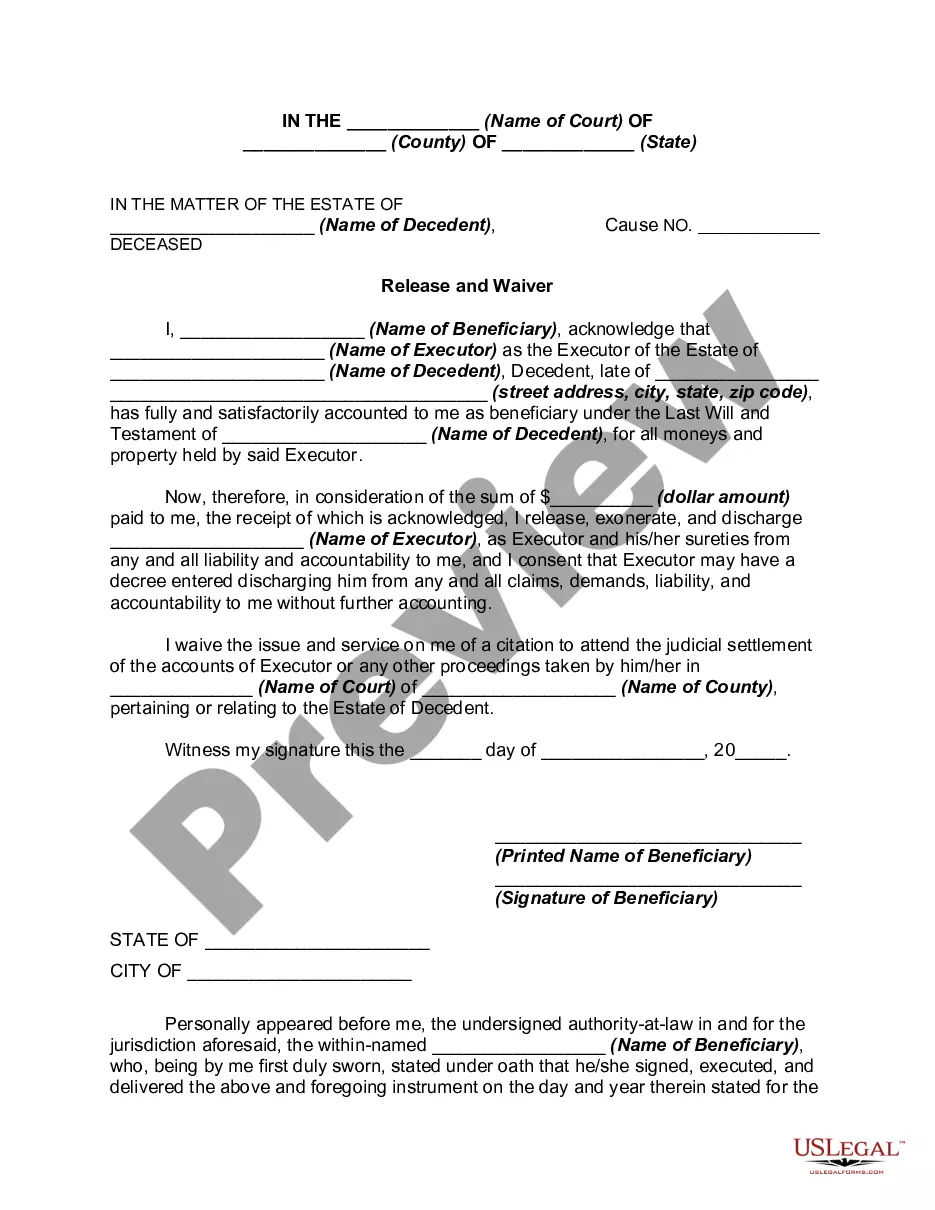
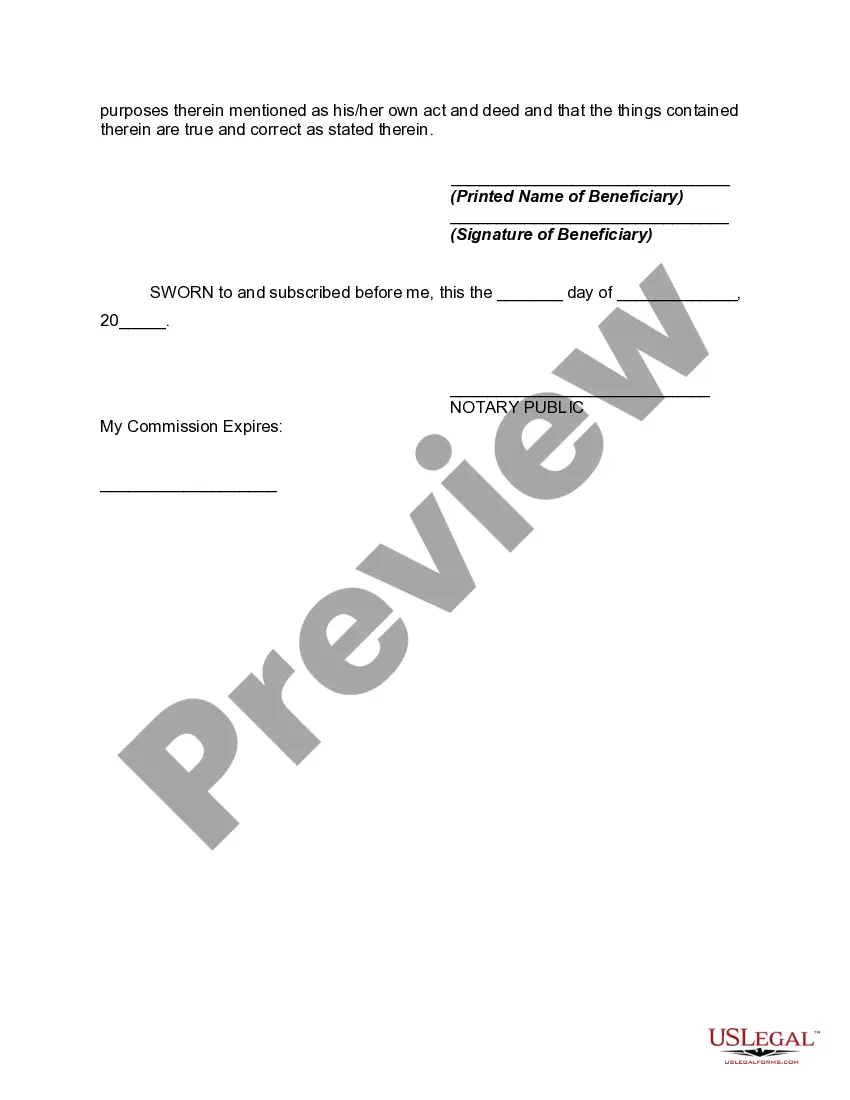
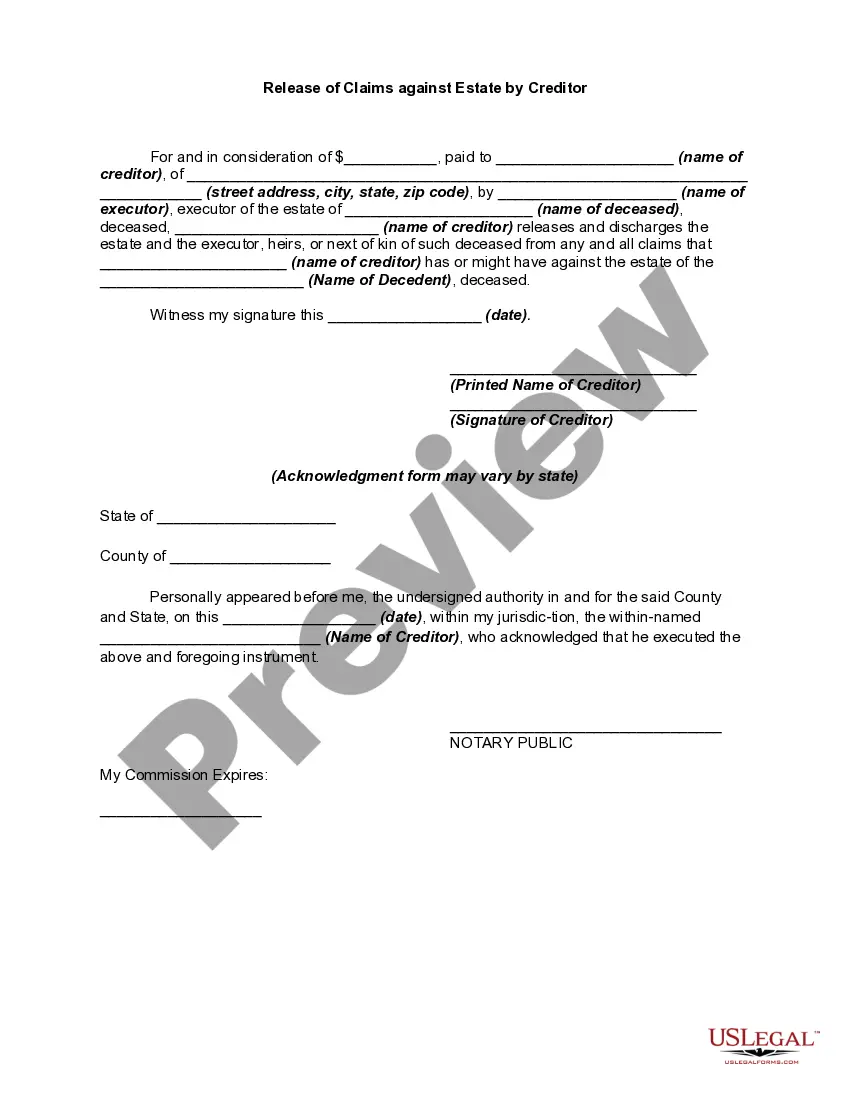
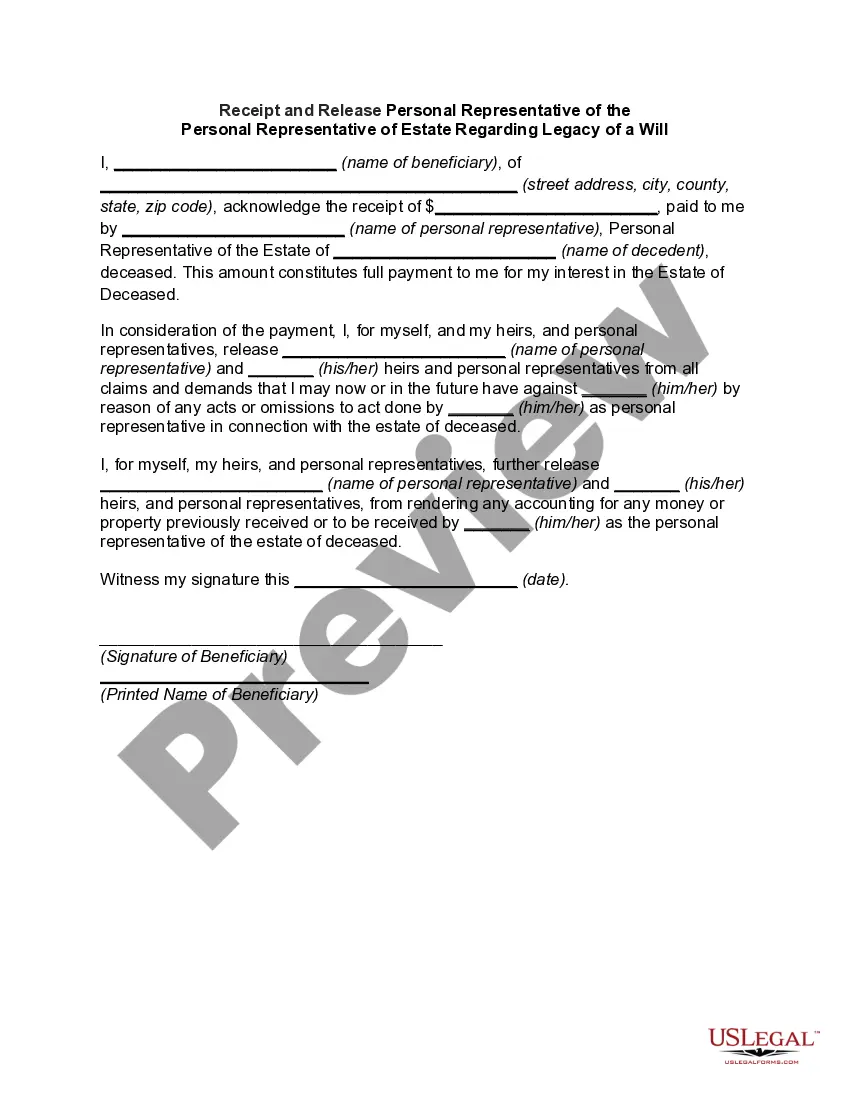
How to fill out Release And Exoneration Of Executor On Distribution To Beneficiary Of Will And Waiver Of Citation Of Final Settlement?
It’s well-known that you cannot transform into a legal specialist in a single night, nor can you swiftly learn how to adeptly prepare Trustee For Beneficiary without possessing a specific skill set.
Drafting legal documents is a lengthy process that necessitates unique education and abilities. So why not entrust the preparation of the Trustee For Beneficiary to the experts.
With US Legal Forms, one of the most extensive legal document collections, you can discover everything from court filings to templates for internal communication.
You can revisit your forms from the My documents tab at any time. If you're an existing client, you can simply Log In, and locate and download the template from the same tab.
Regardless of the intent of your forms—whether it's financial, legal, or personal—our platform has everything you need. Experience US Legal Forms today!
- Locate the form you require by utilizing the search bar at the top of the page.
- View it (if this option is available) and read the accompanying description to ascertain if Trustee For Beneficiary is what you seek.
- Restart your search if you require a different template.
- Create a complimentary account and select a subscription plan to purchase the form.
- Click Buy now. Once the transaction is finalized, you can download the Trustee For Beneficiary, fill it out, print it, and send it or mail it to the relevant individuals or organizations.
Form popularity
FAQ
A Deed of Gift is a formal legal document used to give a gift of property or money to another person. It transfers the money or ownership of property (or share in a property) to another person without payment is demanded in return.
Gift is defined in section 122 of the act as: ?the transfer of certain existing moveable or immoveable property made voluntarily and without consideration, by one person, called the donor, to another, called the donee, and accepted by or on behalf of the donee.?
A gift letter is a legal instrument that clearly and explicitly states, without question, that a friend or family member ?gifted? - rather than loaned - you money. You can use a gift letter for mortgage lenders who may be questioning a large influx of cash that suddenly showed up in your checking or savings account.
The essentials of a valid gift inter vivos are (1) an intention on the part of the donor to transfer the title and right of possession of the particular property to the donee then and there and (2), in pursuance of such intention, a delivery by the donor to the donee of the subject-matter of the gift to the extent ...
For a gift to be considered valid, it must satisfy certain elements, including the transfer of ownership, the existence of the property, the absence of consideration, the free consent of the donor, and the acceptance of the gift by the donee.
In addition to being irrevocable, there are three additional elements that a gift must meet in order to be valid: The donor must intend to make a present gift of the property; The donor must actually deliver the property to the donee. The donee must accept the gift.
The law states that in order for money to be a ?gift? it must be transferred voluntarily. If the gift is given on a condition, perhaps to buy a property, and that wish isn't fulfilled, the donor can ask for it back.
Photographic documentation is a good way to prove that a gift was delivered to you. If there is no evidence to prove acceptance, then a claim is much harder to prove. Write up a statement describing what occurred between you, the donee, and the person who gave you the property, the donor.