Exoneration Form With Two Points
Description
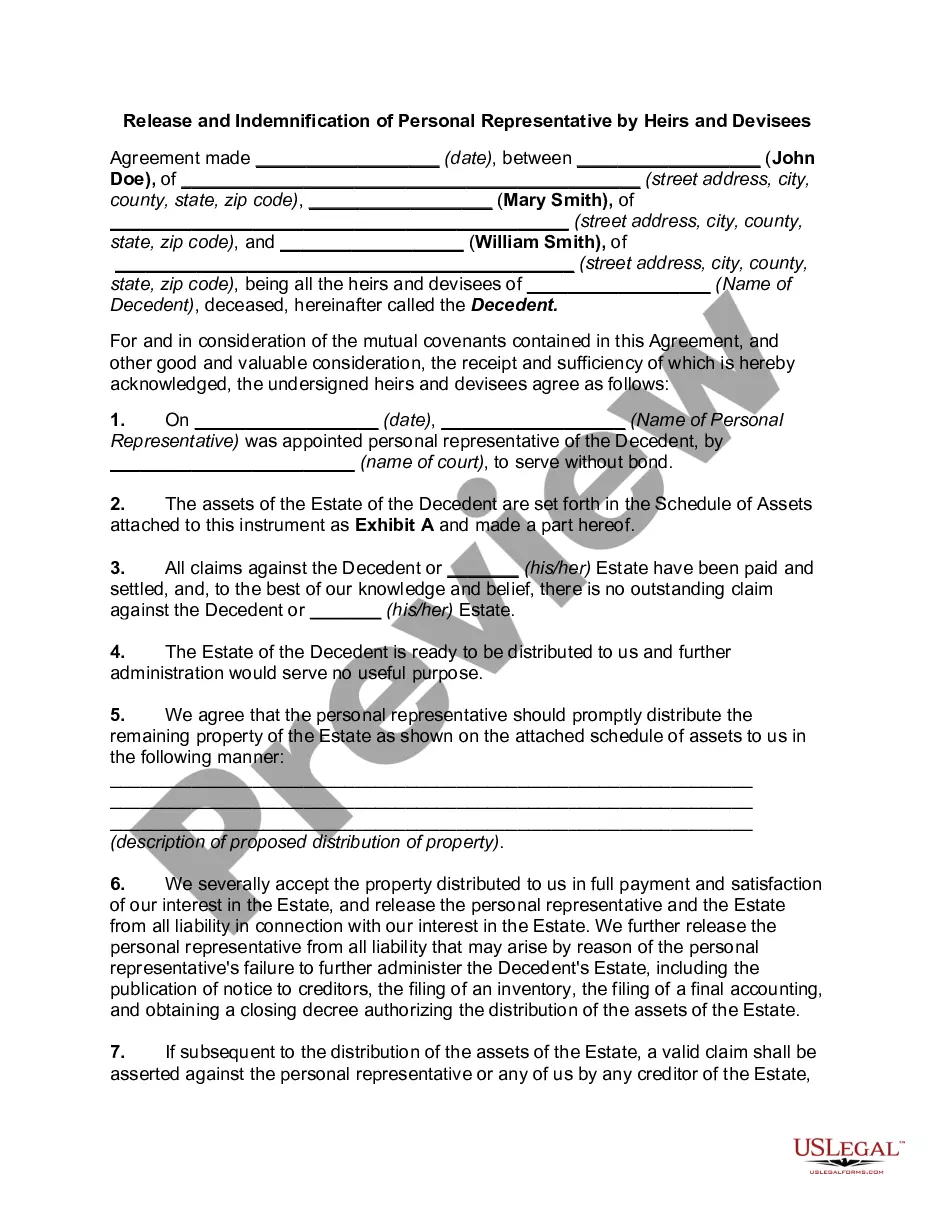
Get your form ready online
Our built-in tools help you complete, sign, share, and store your documents in one place.
Make edits, fill in missing information, and update formatting in US Legal Forms—just like you would in MS Word.
Download a copy, print it, send it by email, or mail it via USPS—whatever works best for your next step.
Sign and collect signatures with our SignNow integration. Send to multiple recipients, set reminders, and more. Go Premium to unlock E-Sign.
If this form requires notarization, complete it online through a secure video call—no need to meet a notary in person or wait for an appointment.
We protect your documents and personal data by following strict security and privacy standards.

Make edits, fill in missing information, and update formatting in US Legal Forms—just like you would in MS Word.

Download a copy, print it, send it by email, or mail it via USPS—whatever works best for your next step.

Sign and collect signatures with our SignNow integration. Send to multiple recipients, set reminders, and more. Go Premium to unlock E-Sign.

If this form requires notarization, complete it online through a secure video call—no need to meet a notary in person or wait for an appointment.

We protect your documents and personal data by following strict security and privacy standards.
Looking for another form?
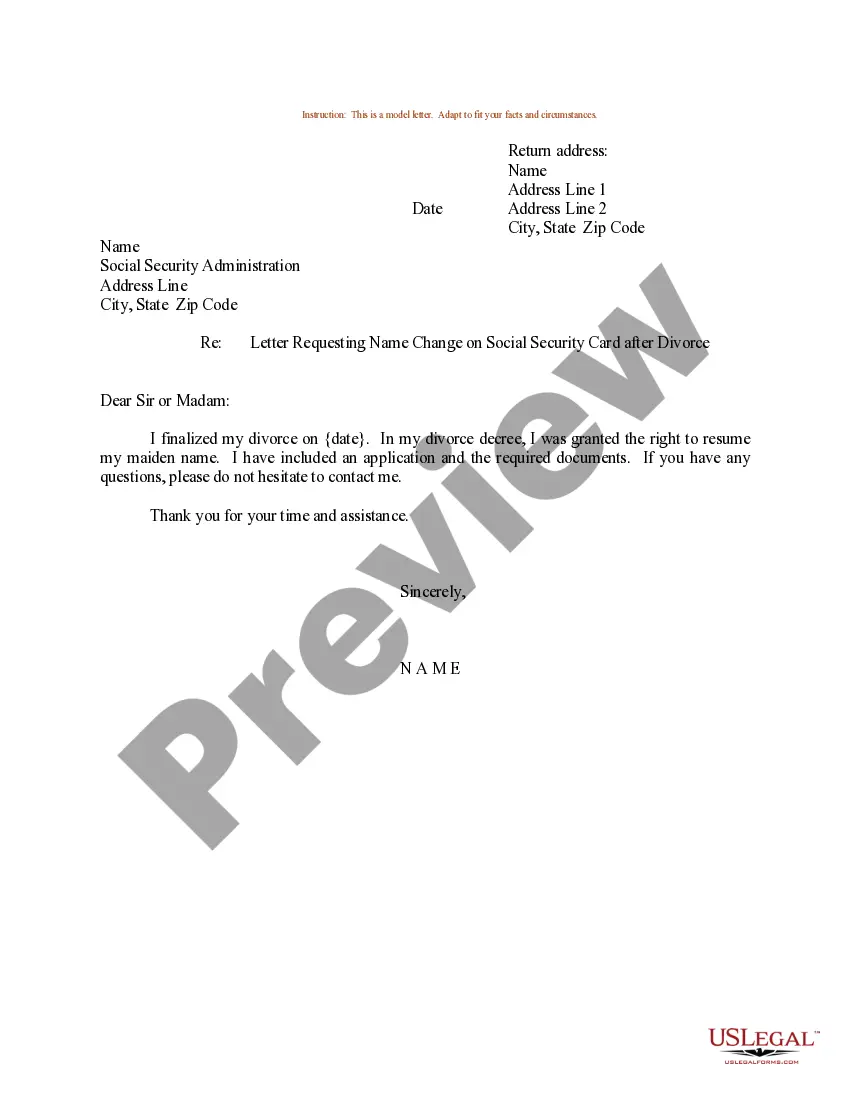
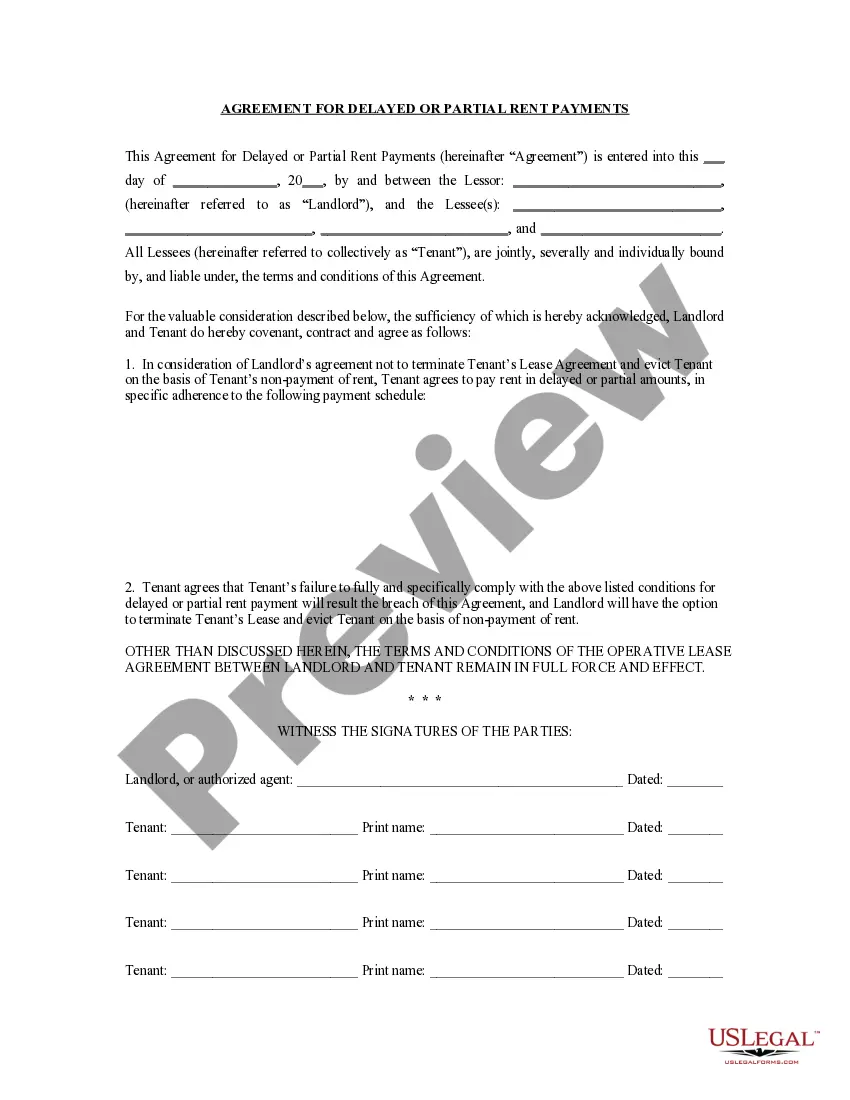








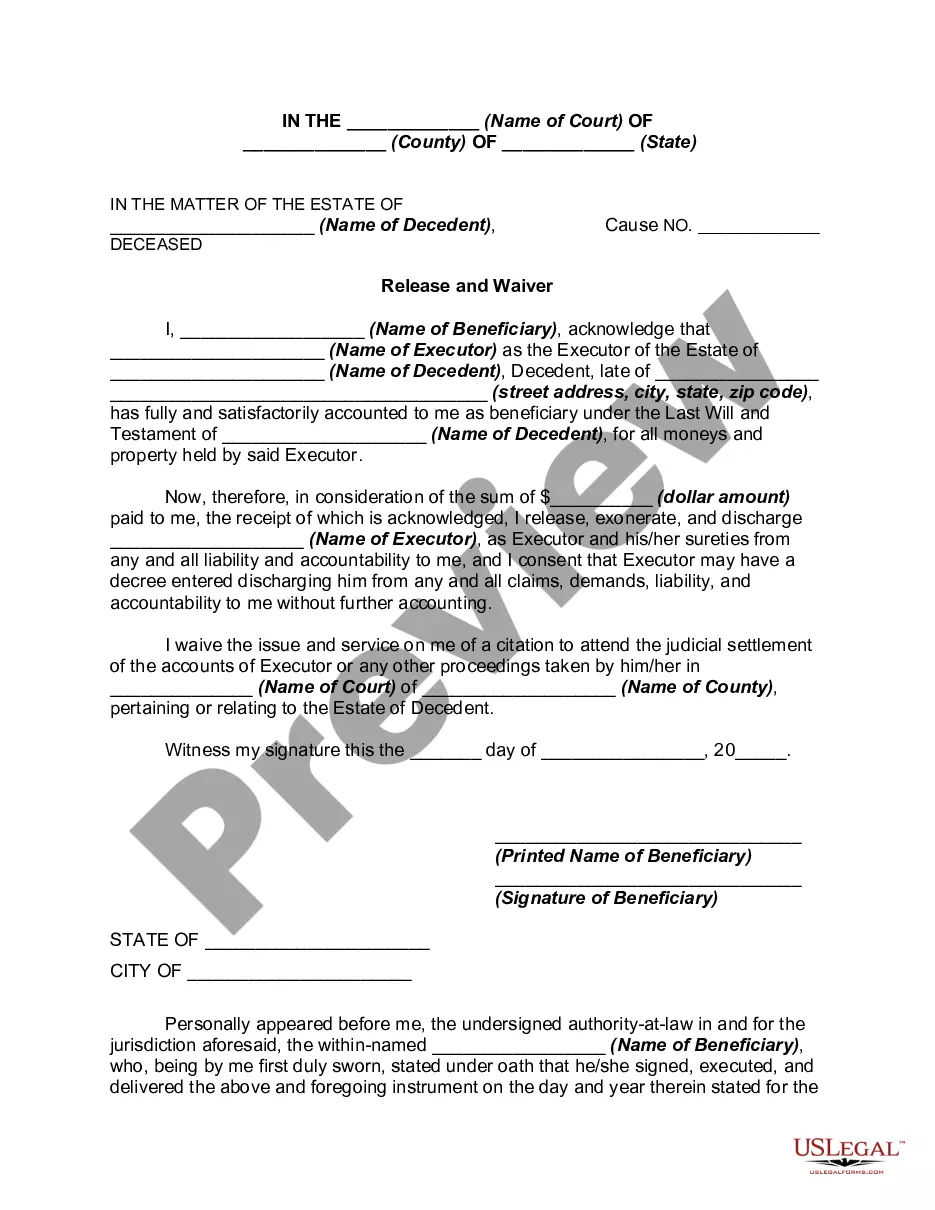
How to fill out Release And Exoneration Of Executor On Distribution To Beneficiary Of Will And Waiver Of Citation Of Final Settlement?
Engaging with legal documents and protocols can be a lengthy addition to the day.
Exoneration Form With Two Points and similar forms often require you to search for them and comprehend how to complete them accurately.
Due to this, whether you are managing financial, legal, or personal affairs, utilizing a thorough and efficient online directory of forms at your disposal will significantly help.
US Legal Forms is the leading online resource for legal templates, featuring over 85,000 state-specific forms and a variety of tools to help you fill out your documents effortlessly.
Is this your first experience with US Legal Forms? Sign up and create an account in just a few minutes, and you'll gain access to the form directory and Exoneration Form With Two Points.
- Uncover the collection of pertinent documents available to you with just a single click.
- US Legal Forms offers state- and county-specific forms that can be downloaded anytime.
- Protect your document management tasks by using a quality service that enables you to create any form within minutes without additional or hidden charges.
- Simply Log In to your account, locate Exoneration Form With Two Points and download it instantly within the My documents section.
- You may also retrieve previously downloaded forms.
Form popularity
FAQ
Studies estimate that between 4-6% of people incarcerated in US prisons are actually innocent. If 5% of individuals are actually innocent, that means 1/20 criminal cases result in a wrongful conviction.
Some estimate that of those in a US jail or prison, 1% are falsely convicted; others estimate it may be as much as 4 to 6%. As discussed in a recent blog, many folks who are actually innocent plead guilty to crimes they didn't commit. This is another form of wrongful conviction.
Eyewitness misidentification is one of the most common factors in cases of wrongful conviction. Nationally, 28% of all exonerations involve mistaken eyewitness identification.
That includes Kirk Bloodsworth, the first person to spend time on death row and be exonerated by DNA evidence in the U.S. Mr. Bloodsworth spent nearly nine years wrongly incarcerated and is the founder of Witness to Innocence.
ever comprehensive Canadian registry of wrongful convictions shows 18 per cent of remedied cases were due to false guilty pleas and a third of all cases involved ?imagined? crimes that never happened.