Executor Distribution Of Assets
Description
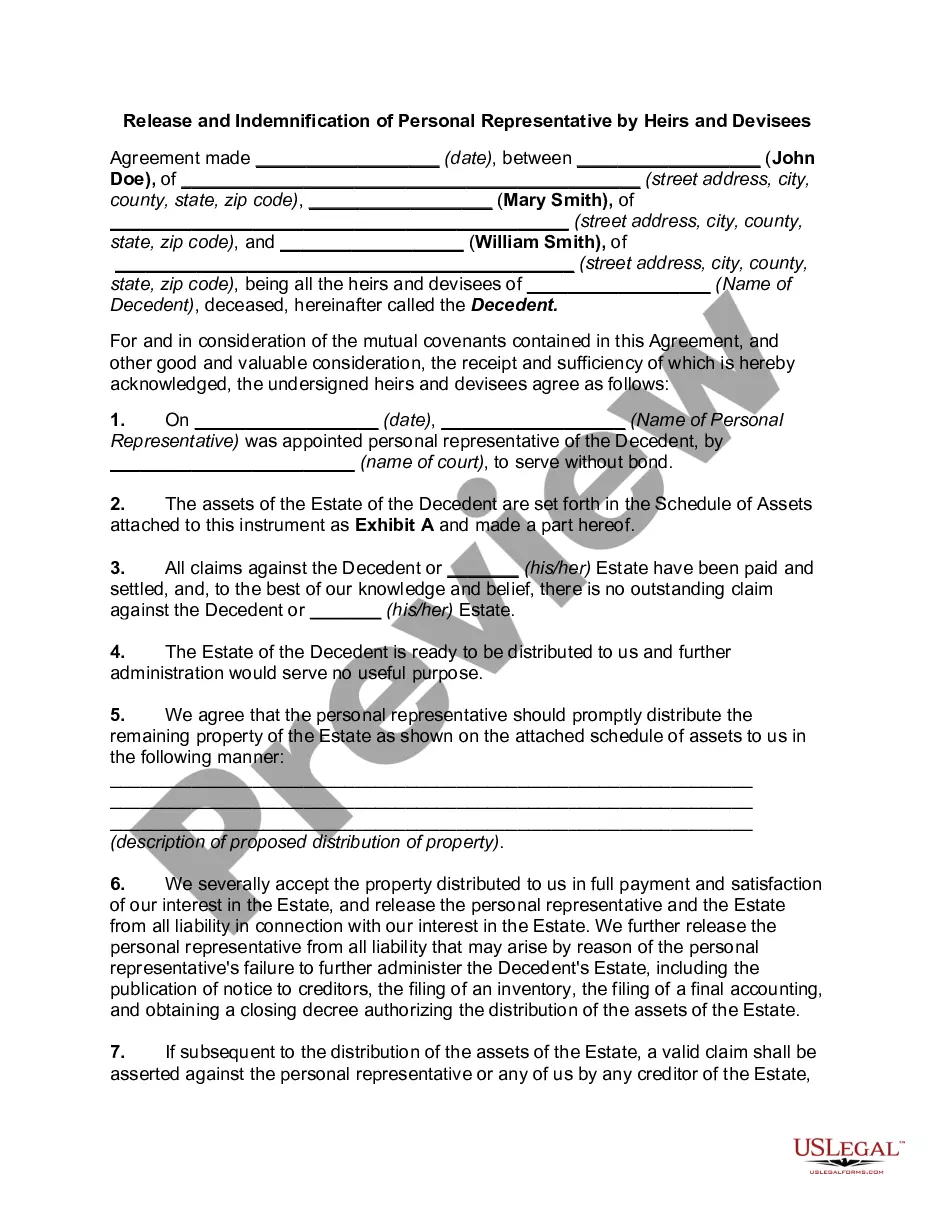
Get your form ready online
Our built-in tools help you complete, sign, share, and store your documents in one place.
Make edits, fill in missing information, and update formatting in US Legal Forms—just like you would in MS Word.
Download a copy, print it, send it by email, or mail it via USPS—whatever works best for your next step.
Sign and collect signatures with our SignNow integration. Send to multiple recipients, set reminders, and more. Go Premium to unlock E-Sign.
If this form requires notarization, complete it online through a secure video call—no need to meet a notary in person or wait for an appointment.
We protect your documents and personal data by following strict security and privacy standards.

Make edits, fill in missing information, and update formatting in US Legal Forms—just like you would in MS Word.

Download a copy, print it, send it by email, or mail it via USPS—whatever works best for your next step.

Sign and collect signatures with our SignNow integration. Send to multiple recipients, set reminders, and more. Go Premium to unlock E-Sign.

If this form requires notarization, complete it online through a secure video call—no need to meet a notary in person or wait for an appointment.

We protect your documents and personal data by following strict security and privacy standards.
Looking for another form?



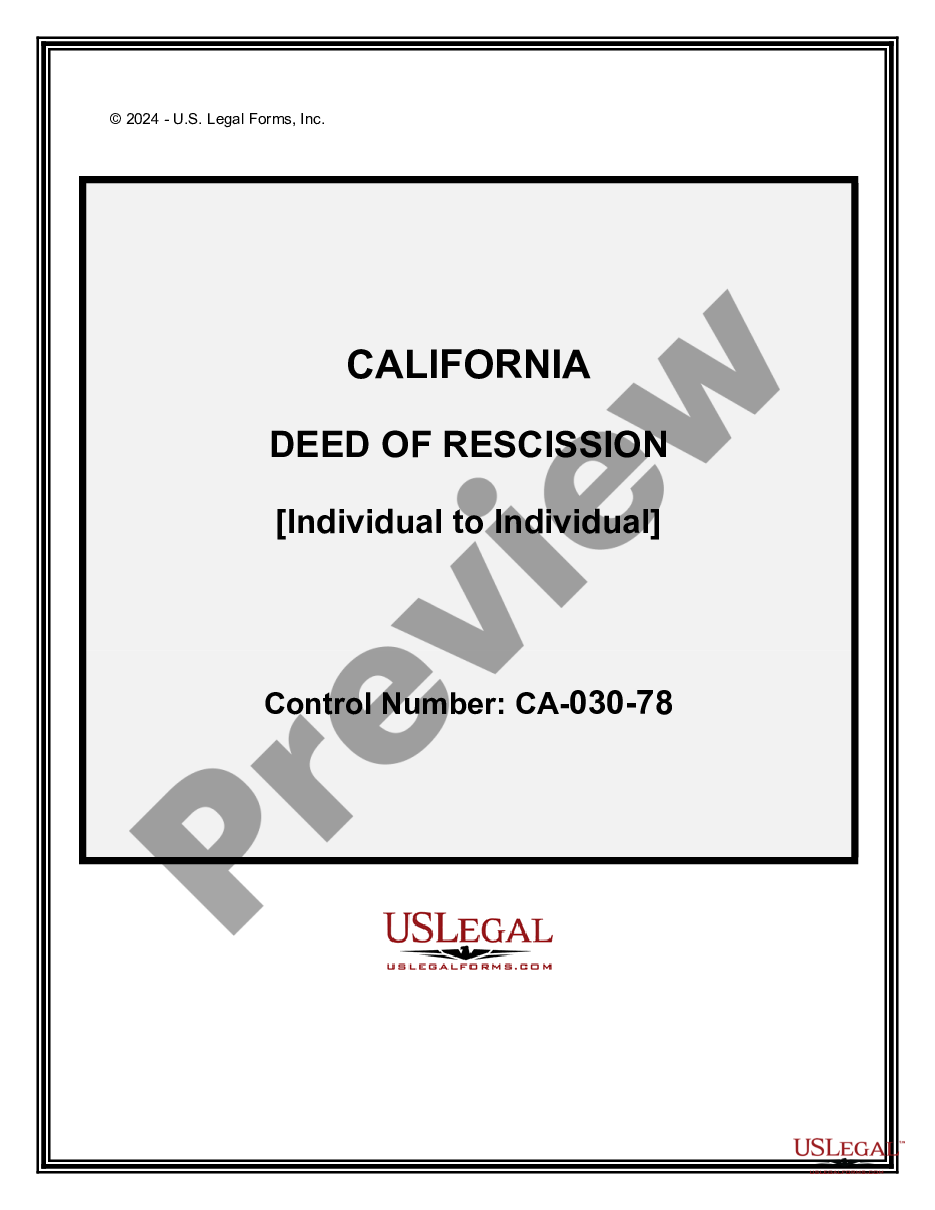

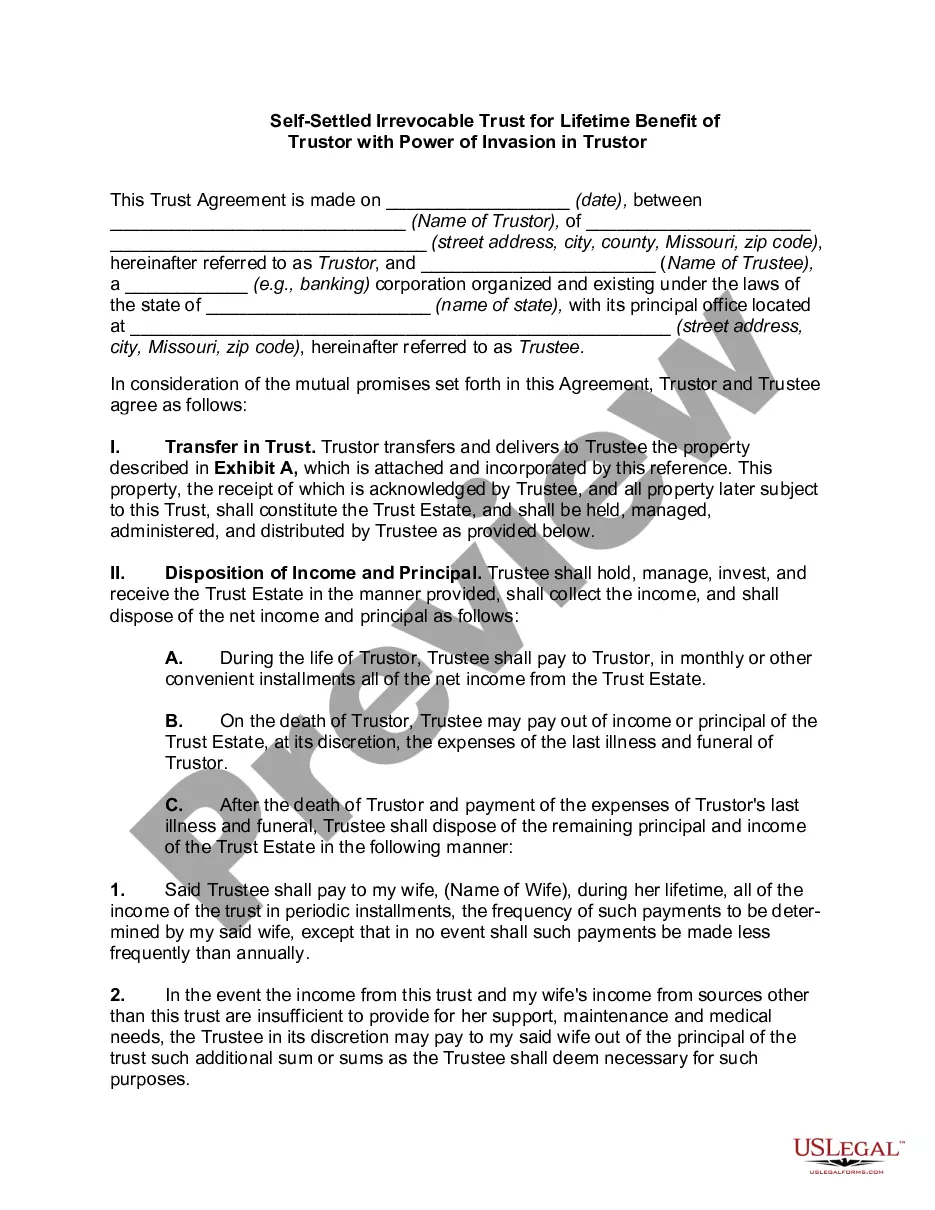
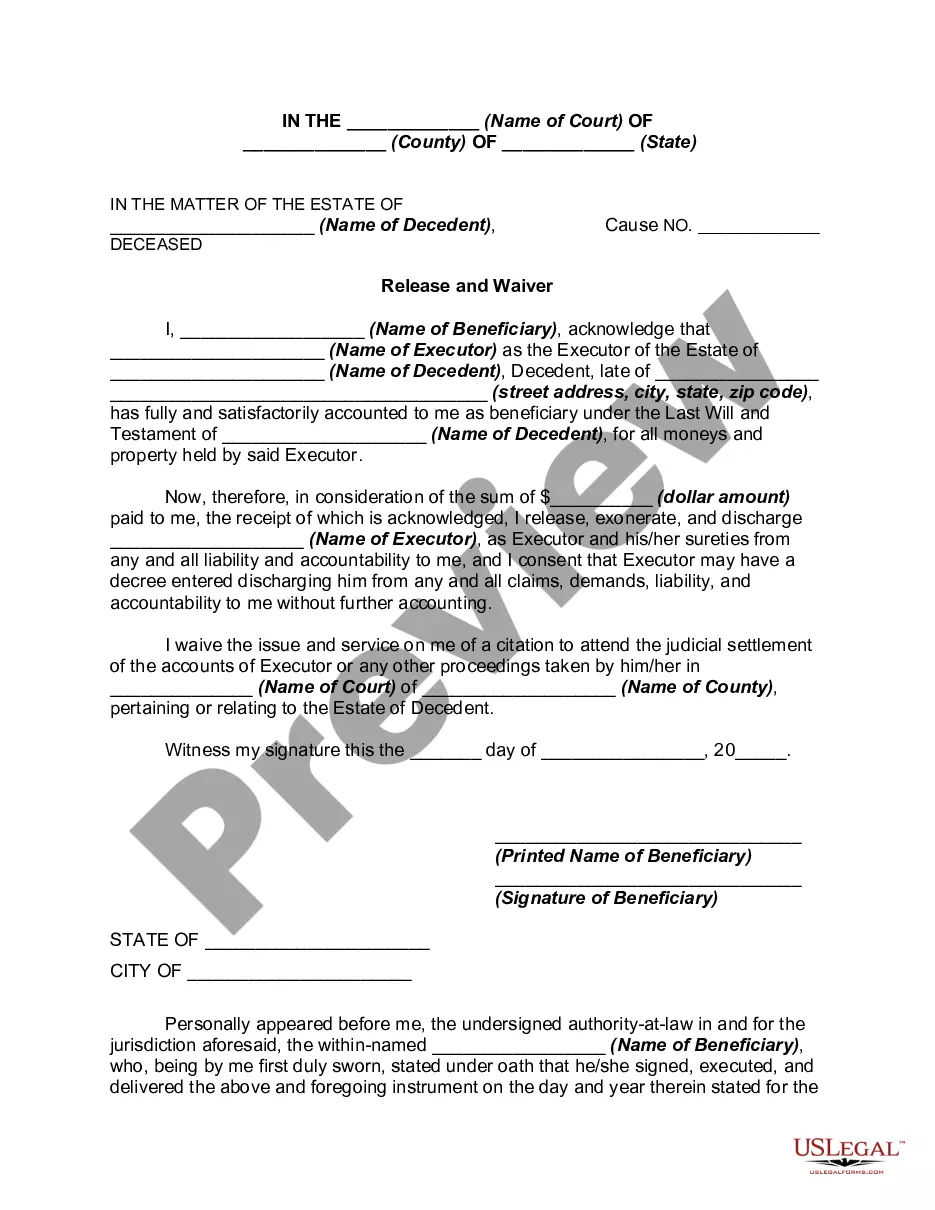
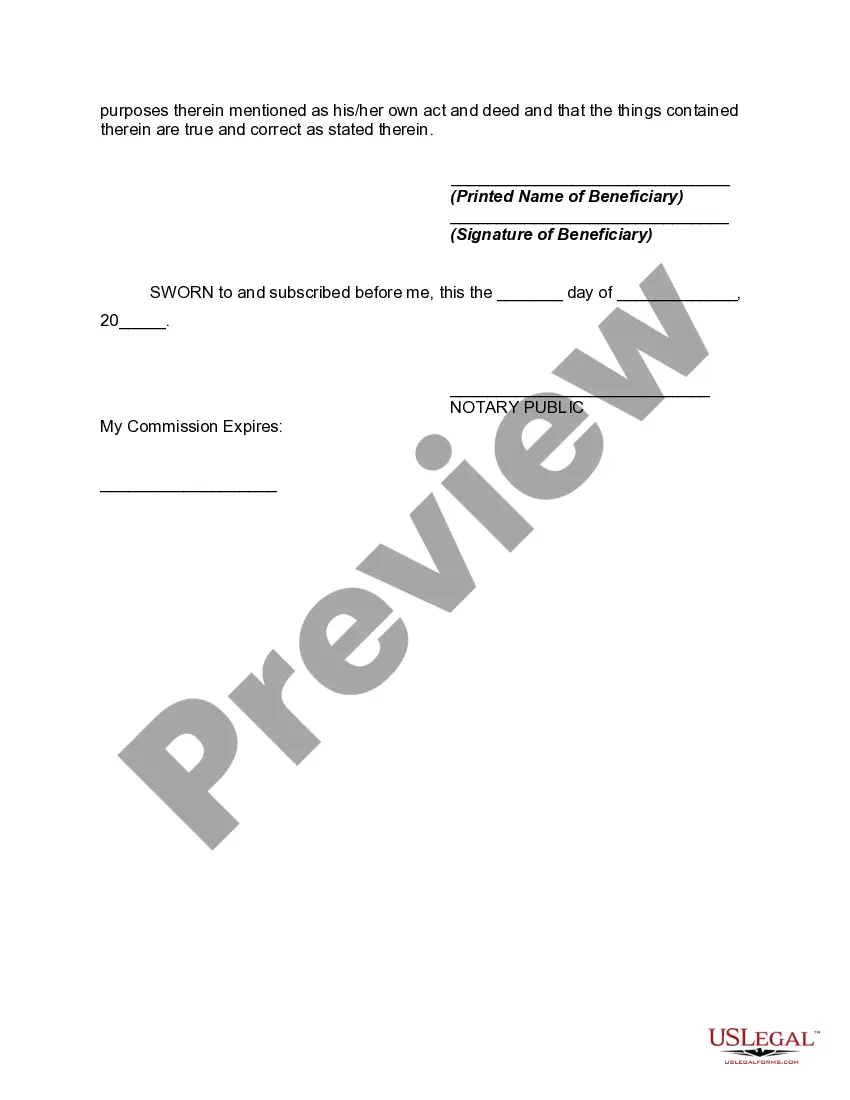
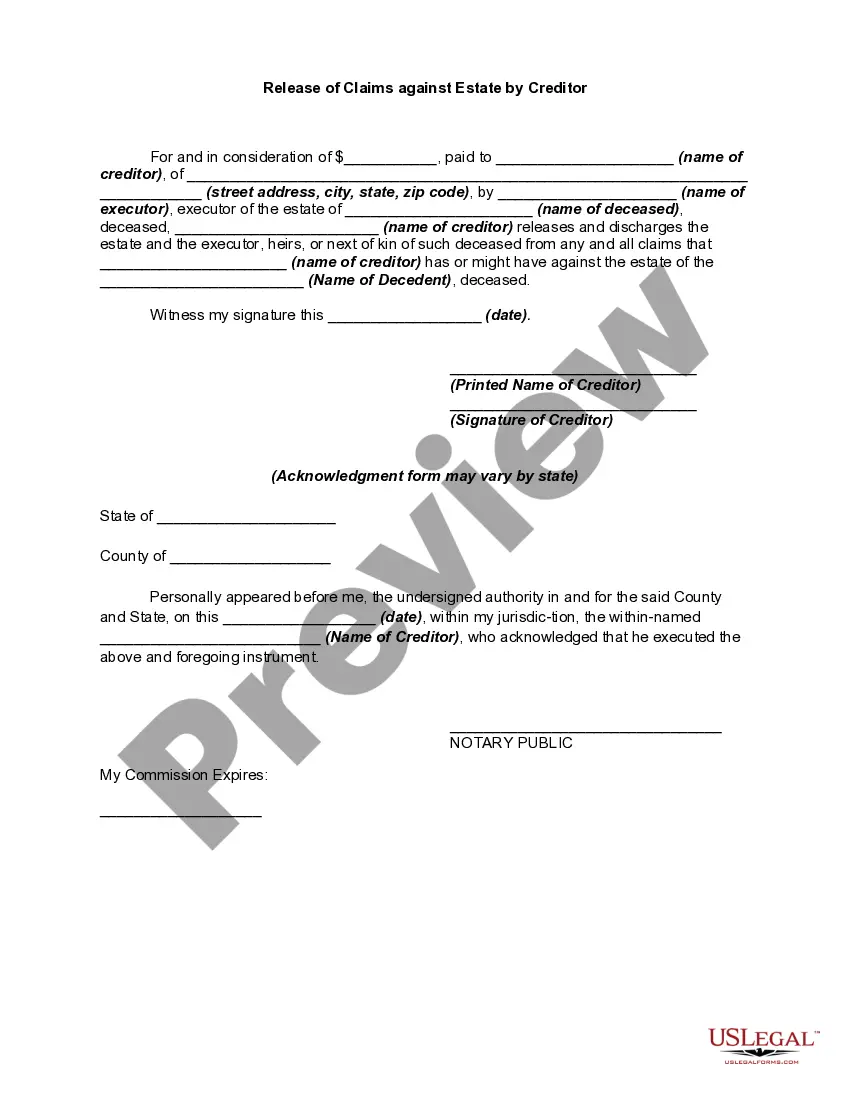
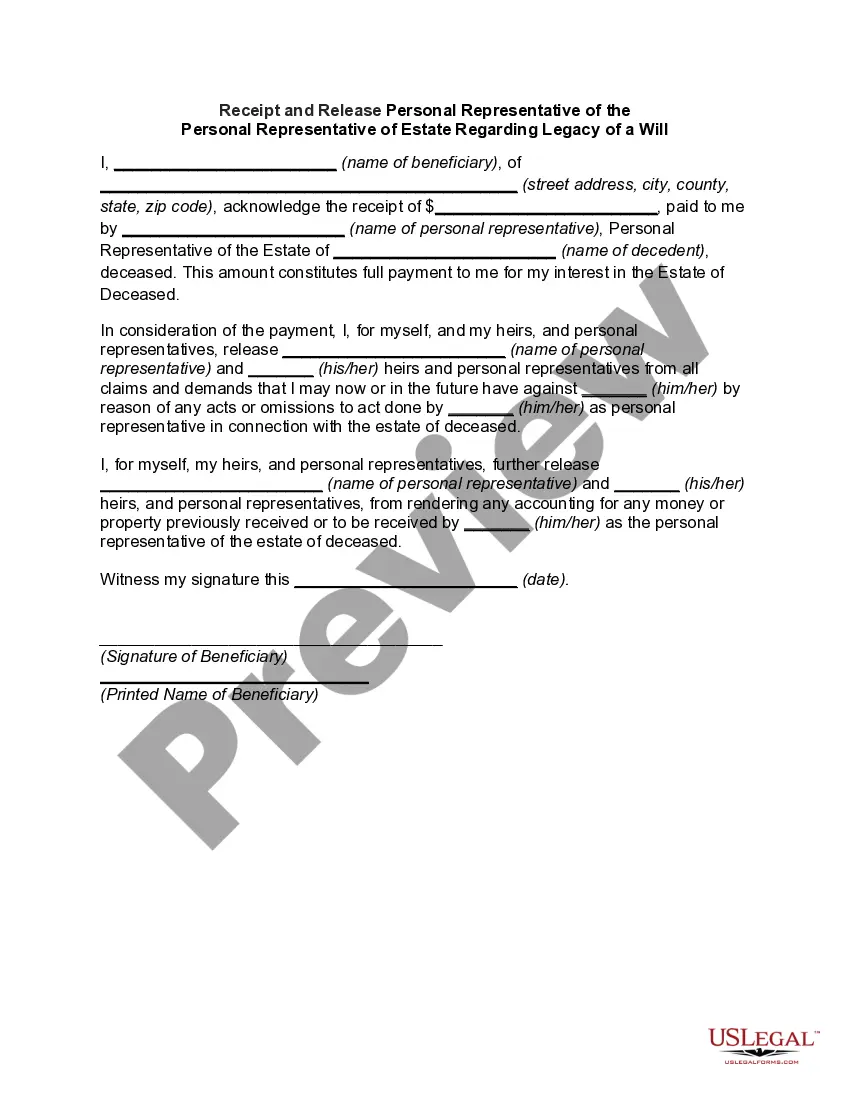
How to fill out Release And Exoneration Of Executor On Distribution To Beneficiary Of Will And Waiver Of Citation Of Final Settlement?
Handling legal documentation can be daunting, even for the most experienced professionals.
When you're looking for an Executor Distribution Of Assets and lack the time to search for the correct and updated version, the process can become anxiety-inducing.
US Legal Forms addresses all your needs, from personal to business documents, consolidated in one location.
Utilize cutting-edge tools to complete and manage your Executor Distribution Of Assets.
Here are the steps to follow after acquiring the desired form: Verify that it is the correct form by previewing it and reviewing its details. Confirm that the template is accepted in your state or county. Click Buy Now once you're ready. Select a subscription plan. Choose your preferred format, and Download, complete, sign, print, and submit your documents. Take advantage of the US Legal Forms online library, backed by 25 years of expertise and reliability. Transform your routine document management into a seamless and user-friendly experience today.
- Access a valuable repository of articles, guides, handbooks, and materials pertinent to your situation and needs.
- Save time and energy in locating the documents you require, and leverage US Legal Forms' sophisticated search and Preview feature to find and obtain Executor Distribution Of Assets.
- If you hold a monthly subscription, Log In to your US Legal Forms account, search for the form, and download it.
- Check your My documents tab to view the documents you've previously downloaded and organize your folders as desired.
- If it's your first time using US Legal Forms, create an account and gain unlimited access to all platform benefits.
- A comprehensive online form collection can be a transformative solution for those aiming to navigate these circumstances efficiently.
- US Legal Forms stands as a frontrunner in the field of online legal documentation, offering over 85,000 state-specific legal forms accessible at any time.
- With US Legal Forms, you can access legal and business forms specific to your state or county.
Form popularity
FAQ
The timeline for executor distribution of assets can vary based on several factors. Generally, an executor should wait at least six months after the death of the estate owner before distributing assets. This waiting period allows for the settlement of debts and any potential claims against the estate. It is crucial to ensure that all financial matters are resolved before proceeding, and using a platform like US Legal Forms can help streamline the process.
To report estate distributions to beneficiaries, the executor should provide a detailed accounting of all assets distributed. This accounting may include a summary of the executor distribution of assets, including what each beneficiary received and the value of those assets. It is advisable to send this report along with any necessary tax documents to ensure beneficiaries understand their inheritance and tax implications.
A letter to beneficiaries for distribution of funds is a formal communication that the executor sends to inform beneficiaries about their inheritance. This letter outlines the details of the executor distribution of assets, including what each beneficiary is entitled to receive. It serves as a legal document that helps clarify the executor's actions and provides transparency in the estate settlement process.
An executor can distribute assets after the probate court has validated the will and appointed them officially. This process also requires the executor to settle any outstanding debts and taxes of the estate. Once these obligations are addressed, the executor can begin the distribution of assets to the beneficiaries as outlined in the will. It's essential to follow these steps to ensure a smooth executor distribution of assets and to avoid potential legal issues.
A petition for final distribution of probate is a legal document that asks the court to distribute the remaining assets of an estate to the beneficiaries or heirs. It is usually filed by the executor or administrator of the estate after all debts, taxes, and other matters have been resolved.
Every state sets the priority ing to which claims must be paid. The estate's beneficiaries only get paid once all the creditor claims have been satisfied. Usually, estate administration fees, funeral expenses, support payments, and taxes have priority over other claims.
Some of the most important expenses paid by the estate include: Outstanding debts, such as credit cards, medical bills or liens. Repairs or maintenance costs for estate property. Appraisals that are necessary to determine the value of estate assets. Closing costs associated with the sale of a home.
A petition for final distribution of probate is a legal document that asks the court to distribute the remaining assets of an estate to the beneficiaries or heirs. It is usually filed by the executor or administrator of the estate after all debts, taxes, and other matters have been resolved.
Most assets can be distributed by preparing a new deed, changing the account title, or by giving the person a deed of distribution. For example: To transfer a bank account to a beneficiary, you will need to provide the bank with a death certificate and letters of administration.