Executor Beneficiary Things Without Will
Description
Get your form ready online
Our built-in tools help you complete, sign, share, and store your documents in one place.
Make edits, fill in missing information, and update formatting in US Legal Forms—just like you would in MS Word.
Download a copy, print it, send it by email, or mail it via USPS—whatever works best for your next step.
Sign and collect signatures with our SignNow integration. Send to multiple recipients, set reminders, and more. Go Premium to unlock E-Sign.
If this form requires notarization, complete it online through a secure video call—no need to meet a notary in person or wait for an appointment.
We protect your documents and personal data by following strict security and privacy standards.

Make edits, fill in missing information, and update formatting in US Legal Forms—just like you would in MS Word.

Download a copy, print it, send it by email, or mail it via USPS—whatever works best for your next step.

Sign and collect signatures with our SignNow integration. Send to multiple recipients, set reminders, and more. Go Premium to unlock E-Sign.

If this form requires notarization, complete it online through a secure video call—no need to meet a notary in person or wait for an appointment.

We protect your documents and personal data by following strict security and privacy standards.
Looking for another form?
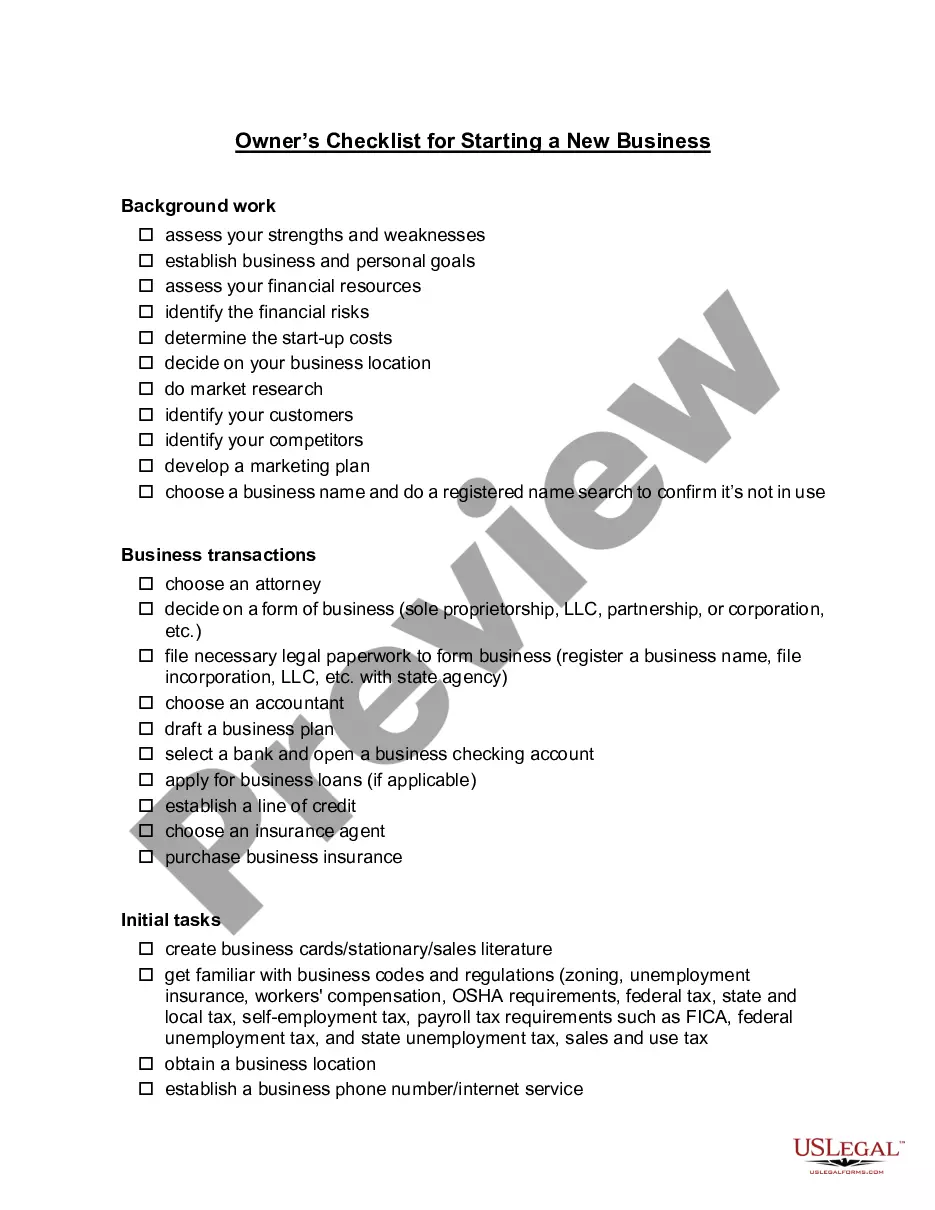



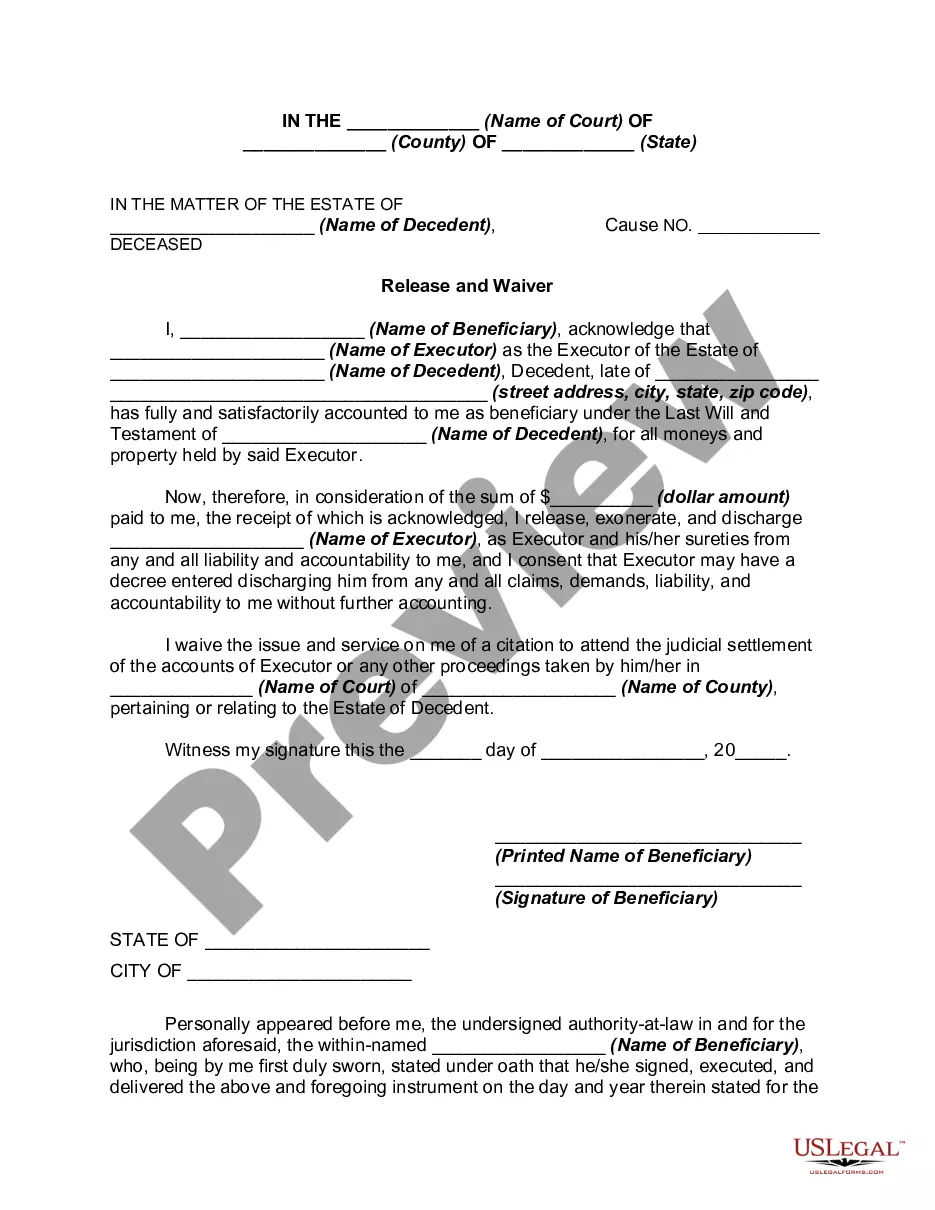
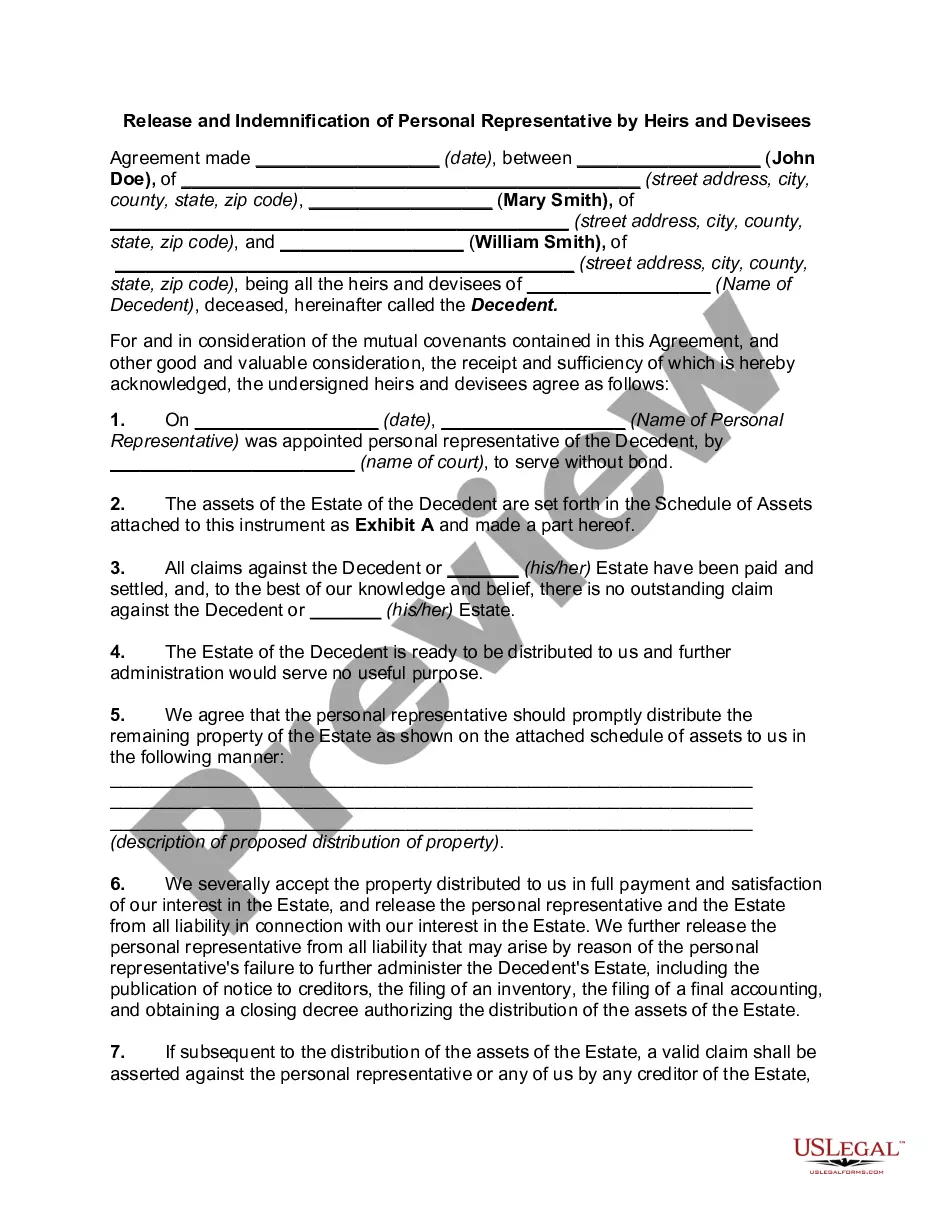
How to fill out Release And Exoneration Of Executor On Distribution To Beneficiary Of Will And Waiver Of Citation Of Final Settlement?
Legal administration can be overwhelming, even for seasoned professionals.
When you are looking for an Executor Beneficiary Matters Without Will and lack the time to spend searching for the right and current version, the procedures can be stressful.
Access state- or county-specific legal and business documents. US Legal Forms accommodates any needs you may have, from personal to business documentation, all in one place.
Employ advanced tools to complete and manage your Executor Beneficiary Matters Without Will.
Here are the steps to follow after obtaining the document you need: Confirm that this is the correct form by previewing it and reading its description. Ensure that the template is valid in your state or county. Click Buy Now when you are ready. Choose a subscription plan. Select the file format you desire, and Download, complete, sign, print, and submit your documents. Experience the US Legal Forms web catalog, backed by 25 years of experience and trustworthiness. Transform your daily document management into a straightforward and user-friendly process today.
- Access a valuable resource library of articles, guides, and materials pertinent to your situation and requirements.
- Save time and effort searching for the documents you need, and utilize US Legal Forms’ advanced search and Preview feature to locate Executor Beneficiary Matters Without Will and download it.
- If you have a subscription, Log In to your US Legal Forms account, search for the document, and download it.
- Check your My documents tab to review the documents you previously saved and manage your folders as needed.
- If this is your first time using US Legal Forms, create a free account and gain unlimited access to all the features of the platform.
- A comprehensive web form directory can be a game changer for anyone who wishes to navigate these scenarios effectively.
- US Legal Forms is a leader in online legal documents, with over 85,000 state-specific legal forms accessible to you at any time.
- With US Legal Forms, you can.
Form popularity
FAQ
Probate assets include: Real estate, vehicles, and other titled assets owned solely by the deceased person or as a tenant in common with someone else. Tenants in common don't have survivorship rights. The owners can bequeath their share of the property to someone else.
Any assets that are titled in the decedent's sole name, not jointly owned, not payable-on-death, don't have any beneficiary designations, or are left out of a Living Trust are subject to probate. Such assets can include: Bank or investment accounts. Stocks and bonds.
Bank accounts, retirement accounts, and life insurance will automatically transfer an inheritance if beneficiaries are designated. Listing beneficiaries on these accounts can be the easiest and quickest way to transfer those assets outside probate court.
Yes, the executor and beneficiary can be named as the same person in the Will. It's perfectly normal and legal. It's actually a common approach because the executor should be someone you know and trust and it's common sense that your beneficiaries fall into that column.
A Letter of Appointment of Executor helps prove you have been put in charge of someone's estate after they have passed away. As Executor, you've been given the duty to manage the estate and carry out the directions of the will; however, a court may require official documentation.