Executor Beneficiary Things For Sale
Description
Get your form ready online
Our built-in tools help you complete, sign, share, and store your documents in one place.
Make edits, fill in missing information, and update formatting in US Legal Forms—just like you would in MS Word.
Download a copy, print it, send it by email, or mail it via USPS—whatever works best for your next step.
Sign and collect signatures with our SignNow integration. Send to multiple recipients, set reminders, and more. Go Premium to unlock E-Sign.
If this form requires notarization, complete it online through a secure video call—no need to meet a notary in person or wait for an appointment.
We protect your documents and personal data by following strict security and privacy standards.

Make edits, fill in missing information, and update formatting in US Legal Forms—just like you would in MS Word.

Download a copy, print it, send it by email, or mail it via USPS—whatever works best for your next step.

Sign and collect signatures with our SignNow integration. Send to multiple recipients, set reminders, and more. Go Premium to unlock E-Sign.

If this form requires notarization, complete it online through a secure video call—no need to meet a notary in person or wait for an appointment.

We protect your documents and personal data by following strict security and privacy standards.
Looking for another form?


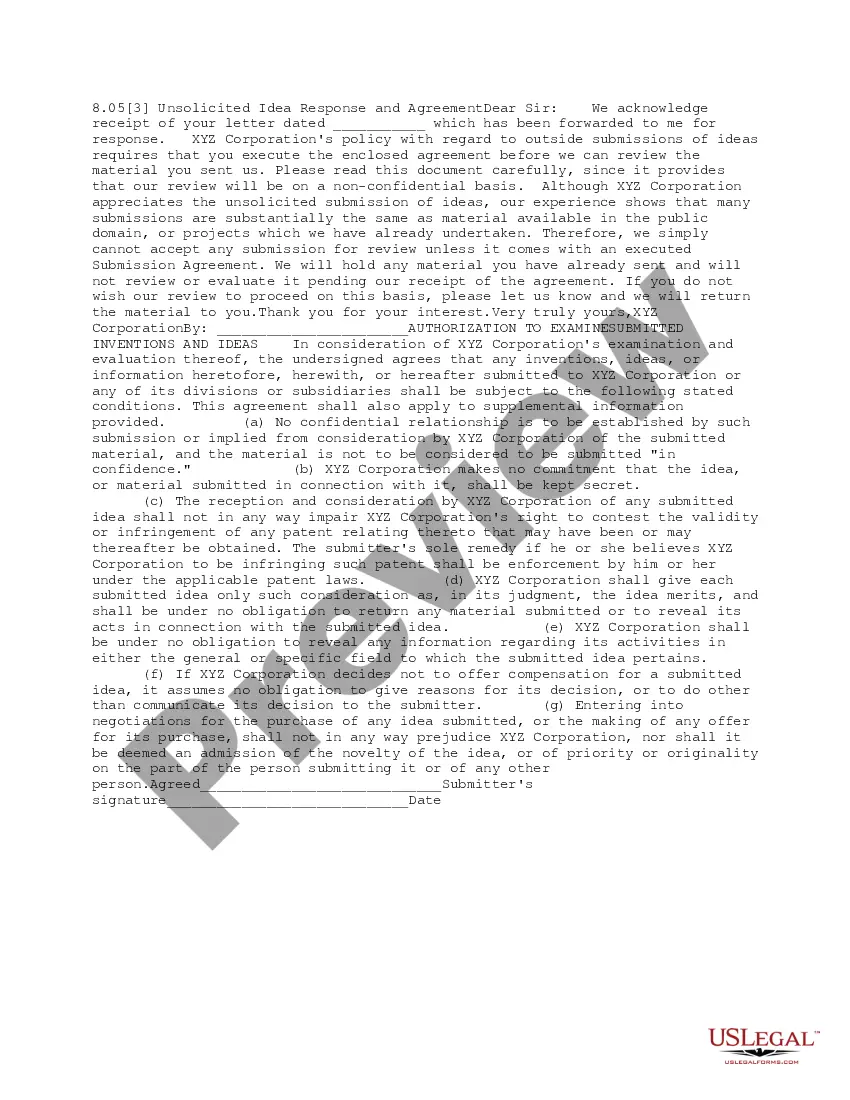
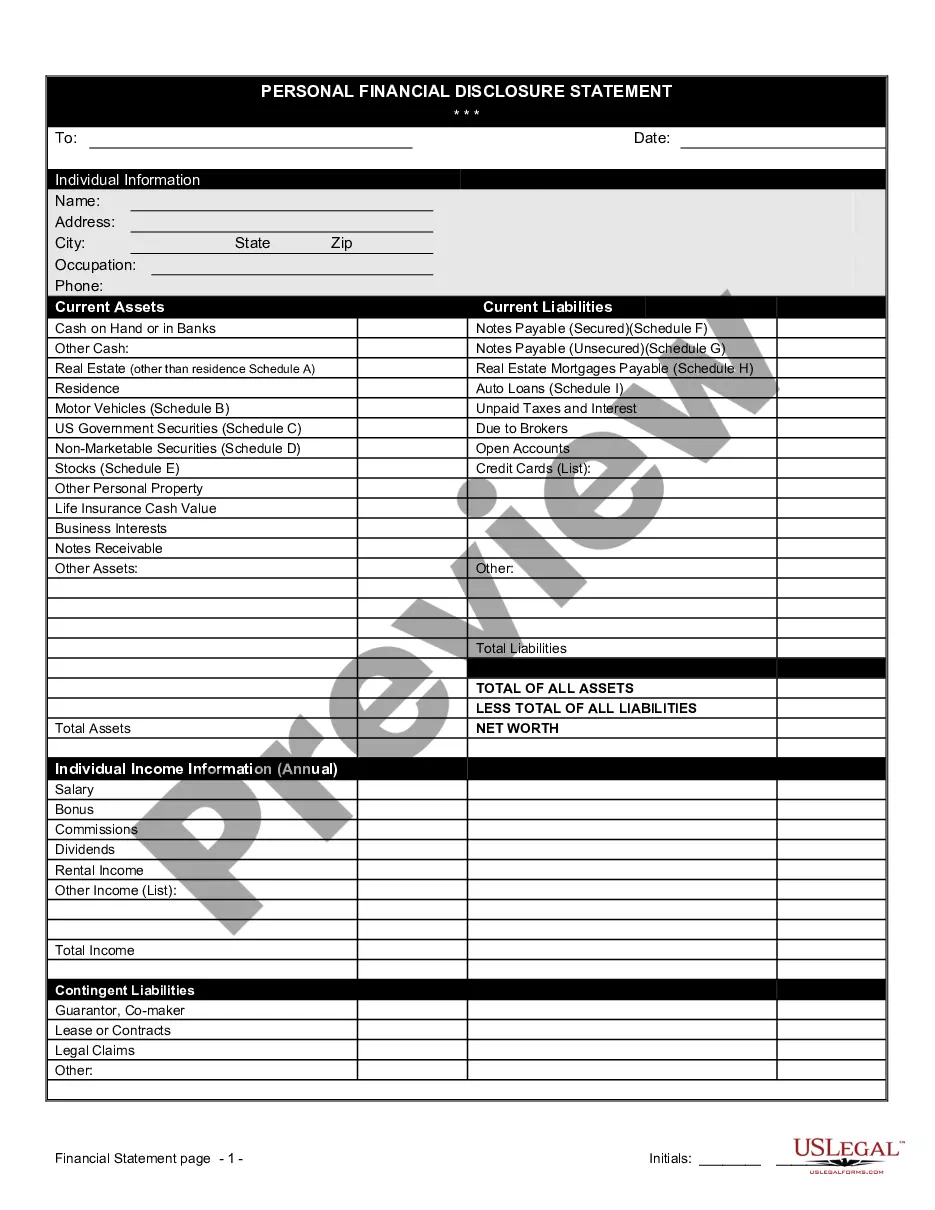


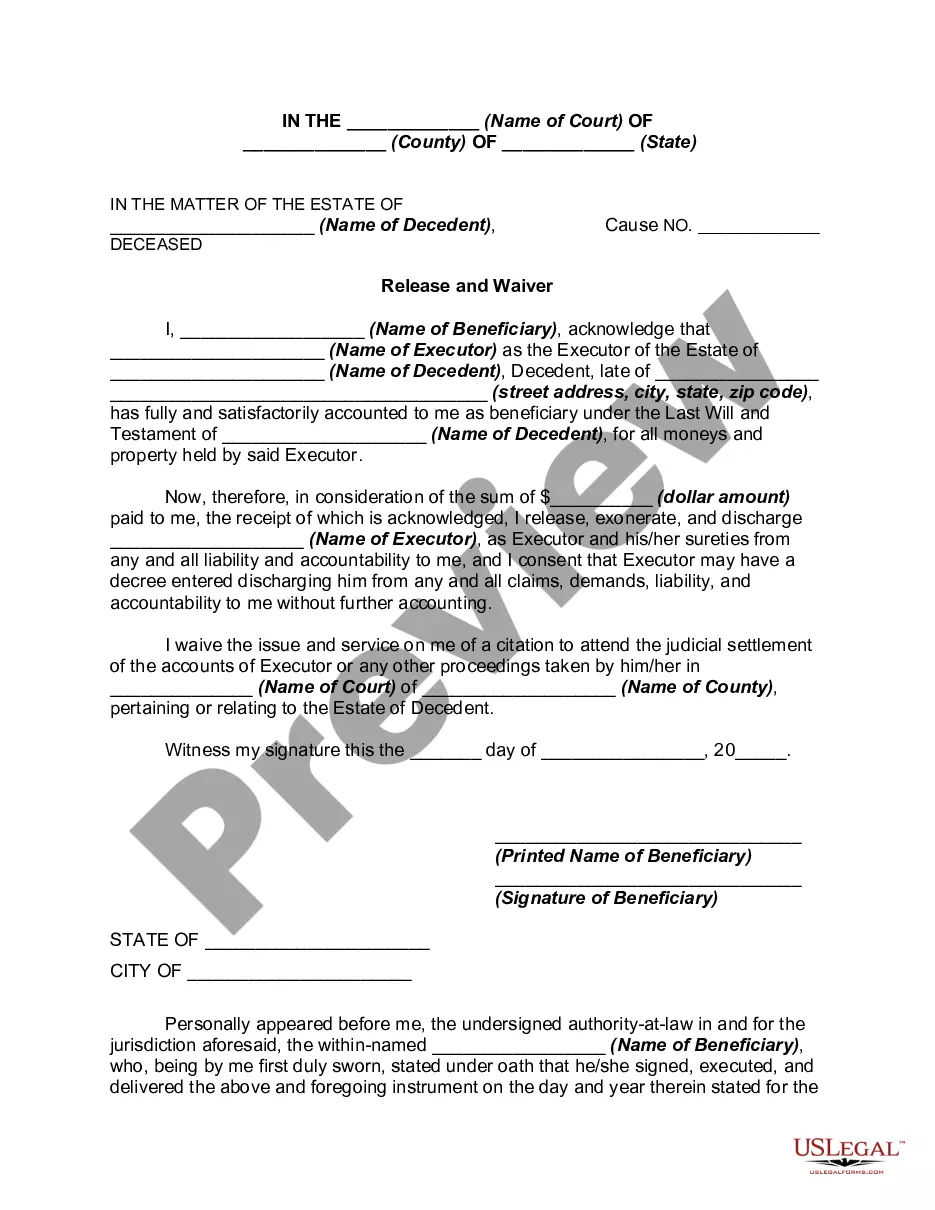
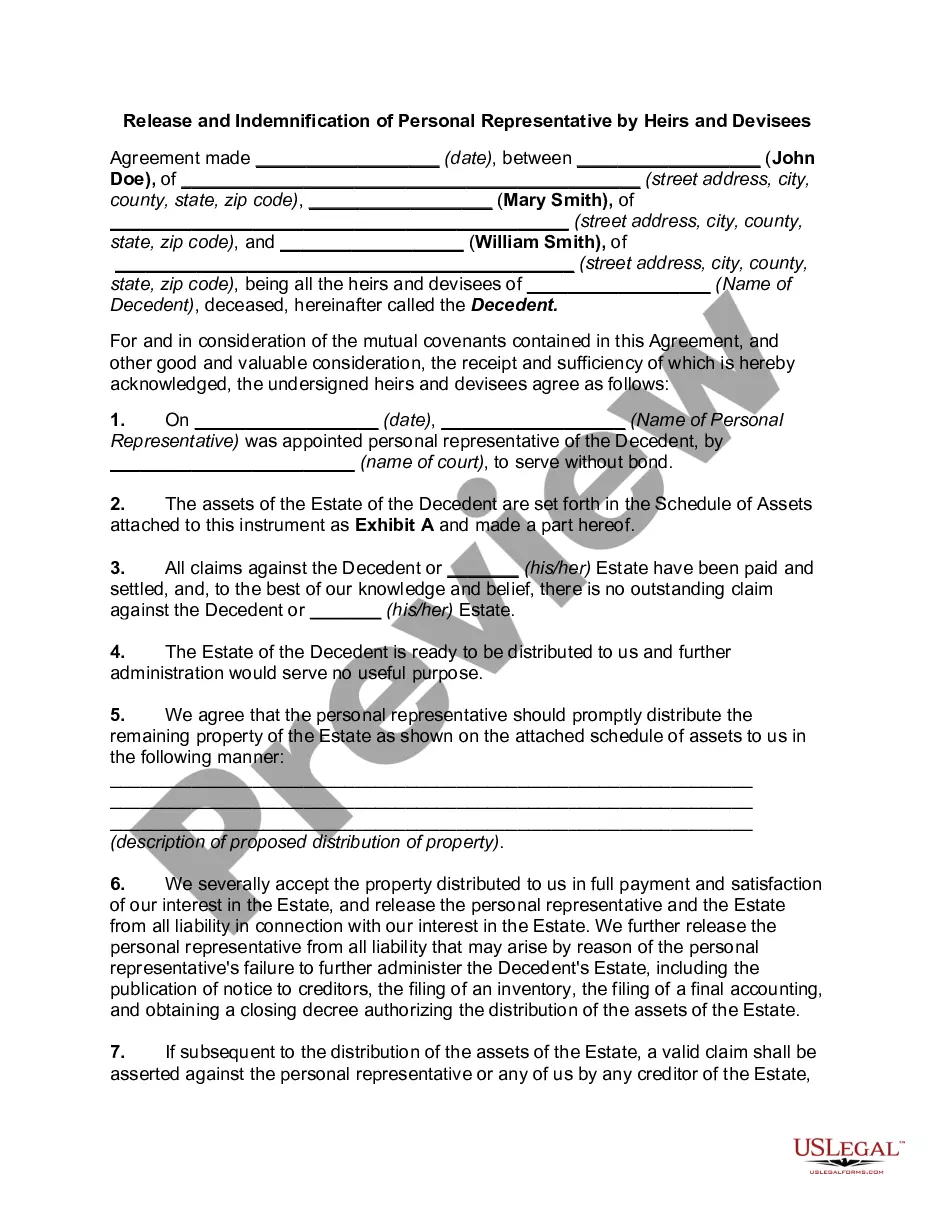
How to fill out Release And Exoneration Of Executor On Distribution To Beneficiary Of Will And Waiver Of Citation Of Final Settlement?
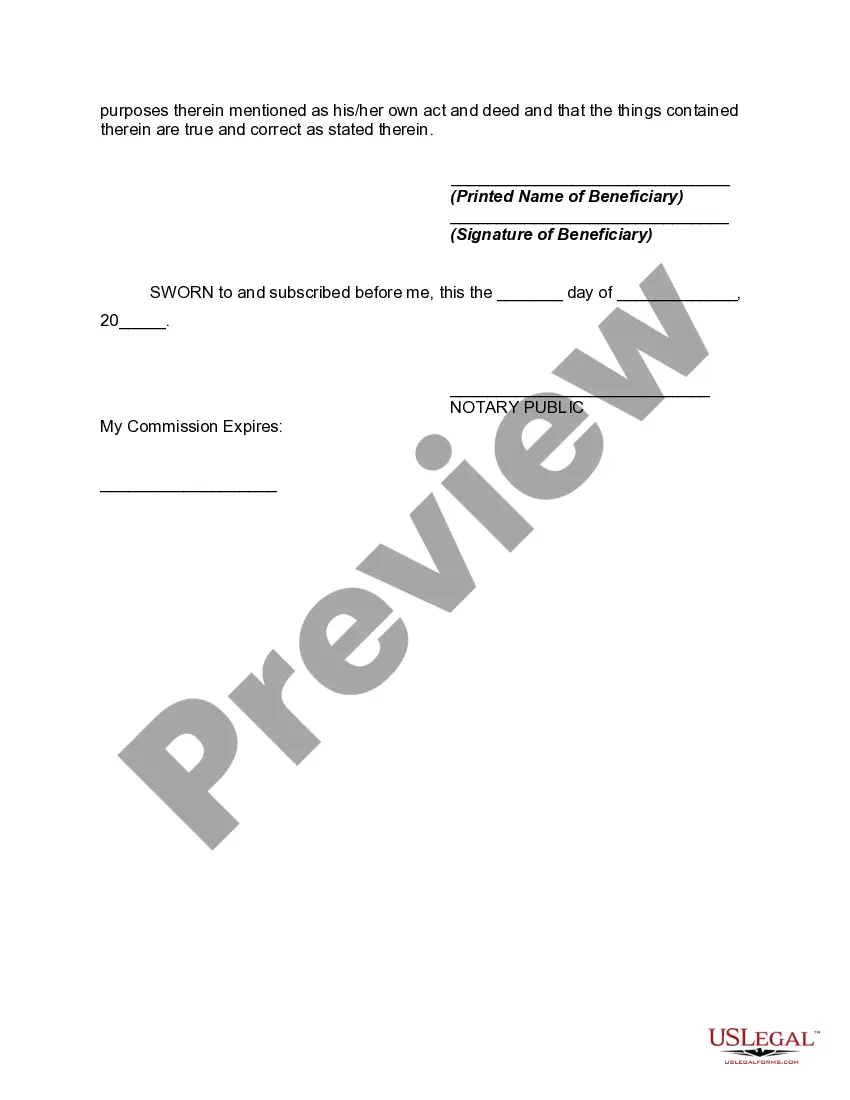
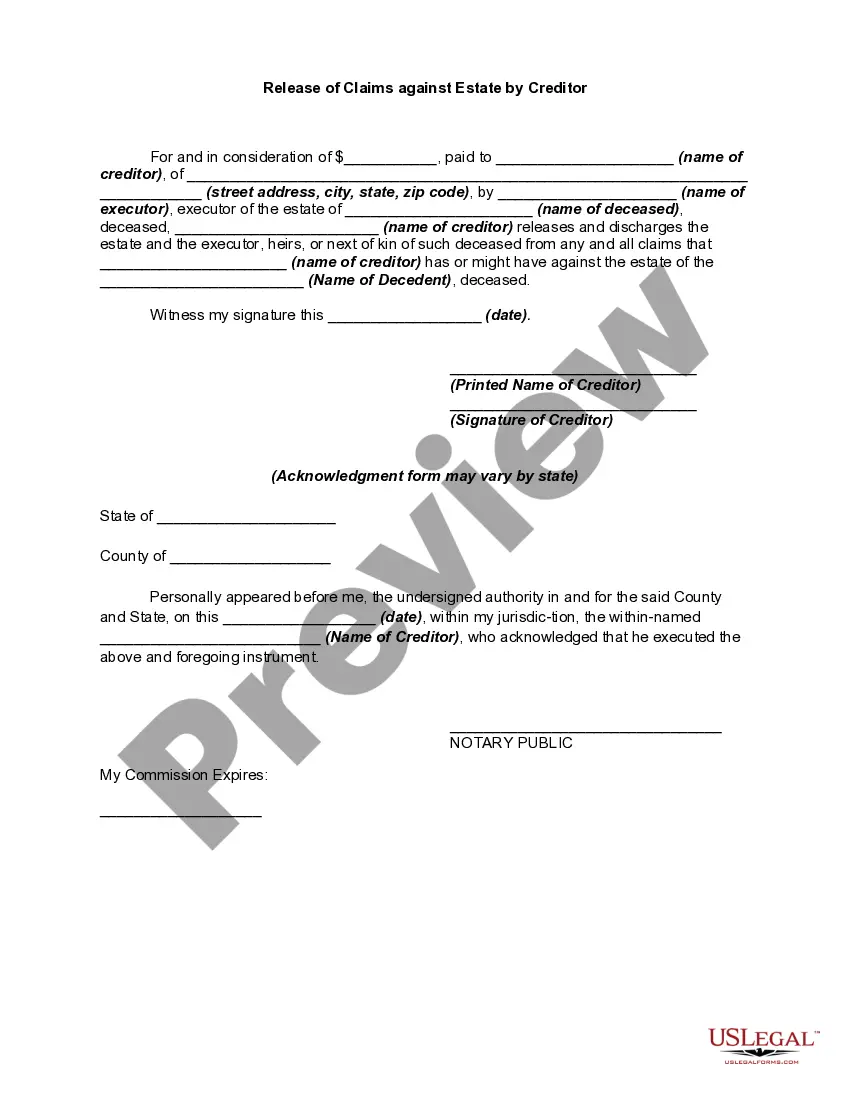
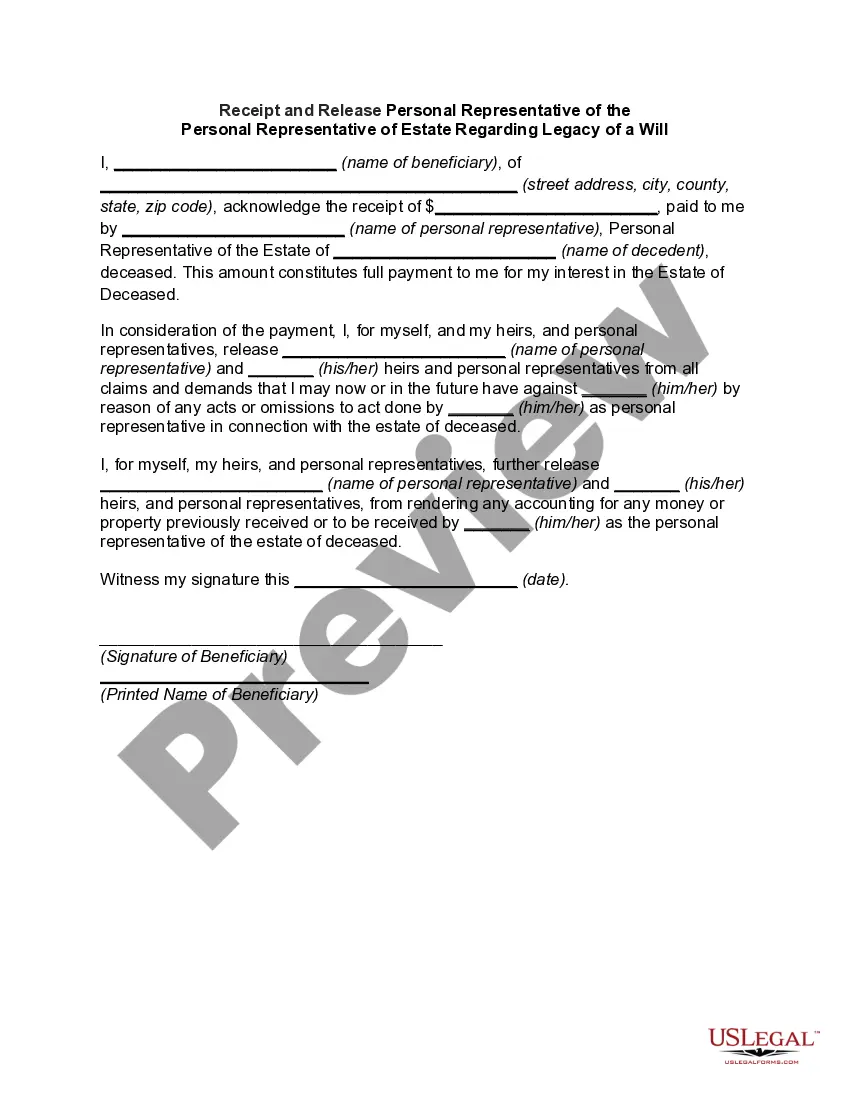
The Executor Beneficiary Items For Sale you observe on this page is a reusable official template created by qualified attorneys in compliance with federal and local regulations.
For over 25 years, US Legal Forms has offered individuals, companies, and legal experts with more than 85,000 authenticated, state-specific documents for any business and personal needs. It’s the fastest, easiest, and most reliable method to obtain the paperwork you require, as the service ensures bank-level data protection and anti-malware safeguards.
Fill out and sign the document. Print the template to complete it by hand. Alternatively, use an online multifunctional PDF editor to quickly and accurately fill in and sign your form with an eSignature. Download your documents again. Utilize the same document anytime required. Access the My documents tab in your profile to redownload any previously saved documents. Register for US Legal Forms to have verified legal templates for all of life’s situations available to you.
- Seek the document you require and review it.
- Browse through the file you searched and preview it or check the form description to confirm it meets your specifications. If it does not, utilize the search feature to find the appropriate one. Click Buy Now once you have found the template you want.
- Register and Log In.
- Select the pricing option that fits you and create an account. Use PayPal or a credit card for a quick transaction. If you already possess an account, Log In and verify your subscription to continue.
- Obtain the editable template.
- Choose the format you prefer for your Executor Beneficiary Items For Sale (PDF, Word, RTF) and save the document on your device.
Form popularity
FAQ
But any estate lawyer will tell you that there are many assets that will not be included in your estate. Some of these assets include investment accounts, life insurance proceeds, non-probate assets, and jointly titled real estate assets. Often, these assets add up to more than the probate estate.
Generally speaking, assets not accounted for by the estate plan include the following: Pension plans. Savings bonds. Living trust assets. 401 (k) accounts. Savings accounts (in select circumstances)
Some of the most important expenses paid by the estate include: Outstanding debts, such as credit cards, medical bills or liens. Repairs or maintenance costs for estate property. Appraisals that are necessary to determine the value of estate assets. Closing costs associated with the sale of a home.
An estate asset is property that was owned by the deceased at the time of death. Examples include bank accounts, investments, retirement savings, real estate, artwork, jewellery, a business, a corporation, household furnishings, vehicles, computers, smartphones, and any debts owed to the deceased.
Any assets that are titled in the decedent's sole name, not jointly owned, not payable-on-death, don't have any beneficiary designations, or are left out of a Living Trust are subject to probate. Such assets can include: Bank or investment accounts. Stocks and bonds.