Spouse Surviving State Without Spouse
Description
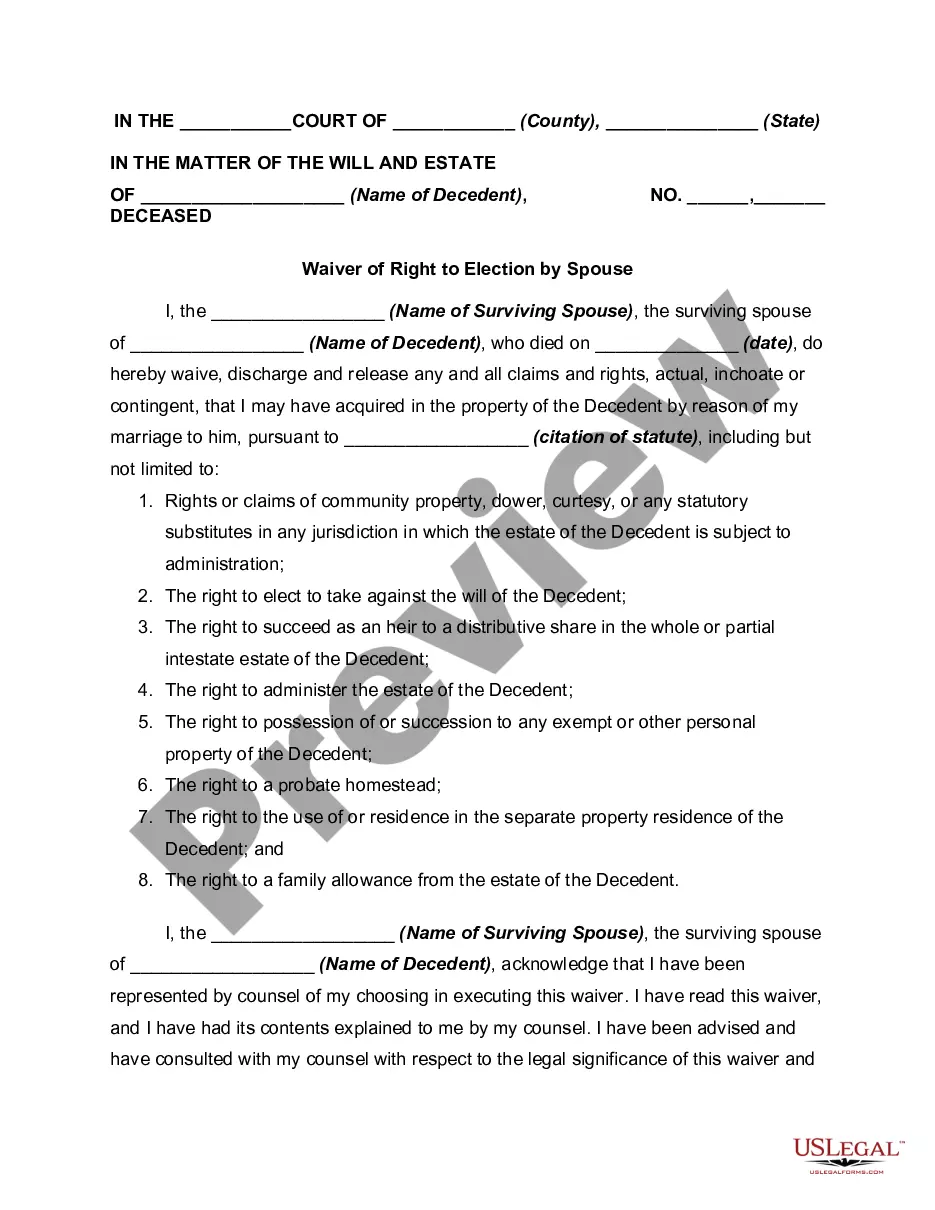
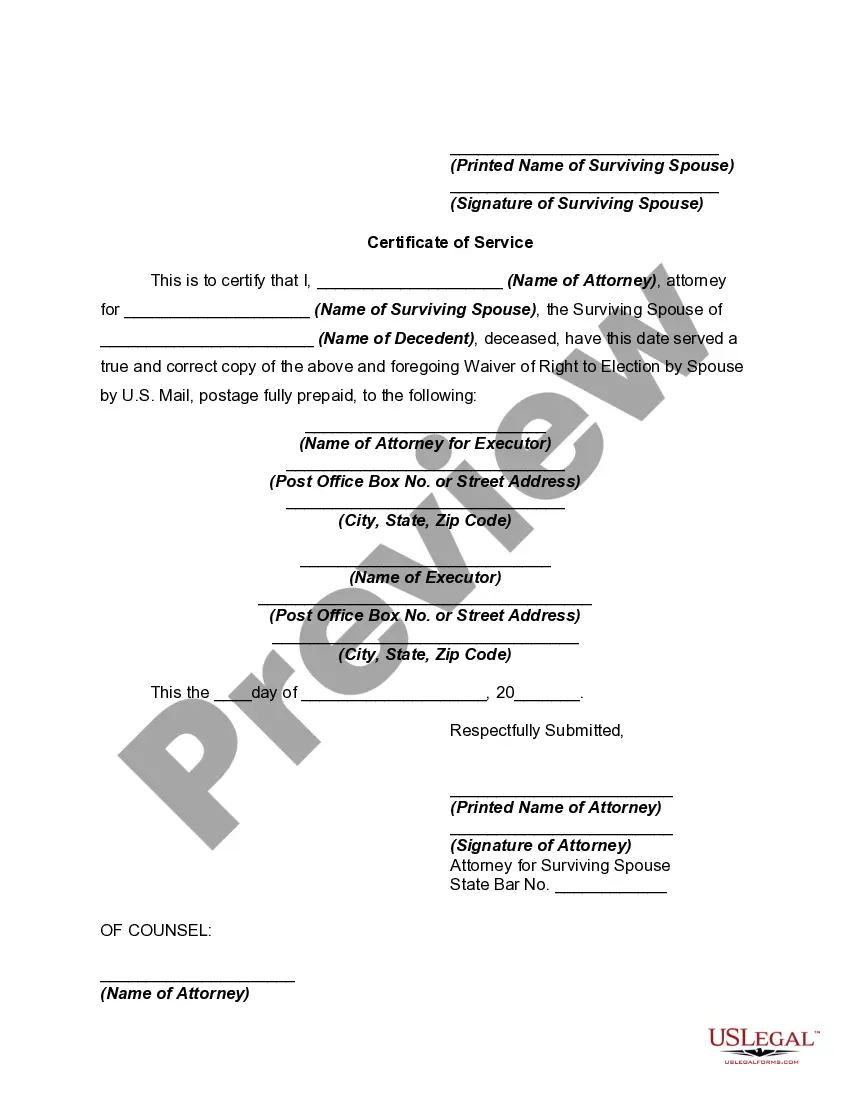

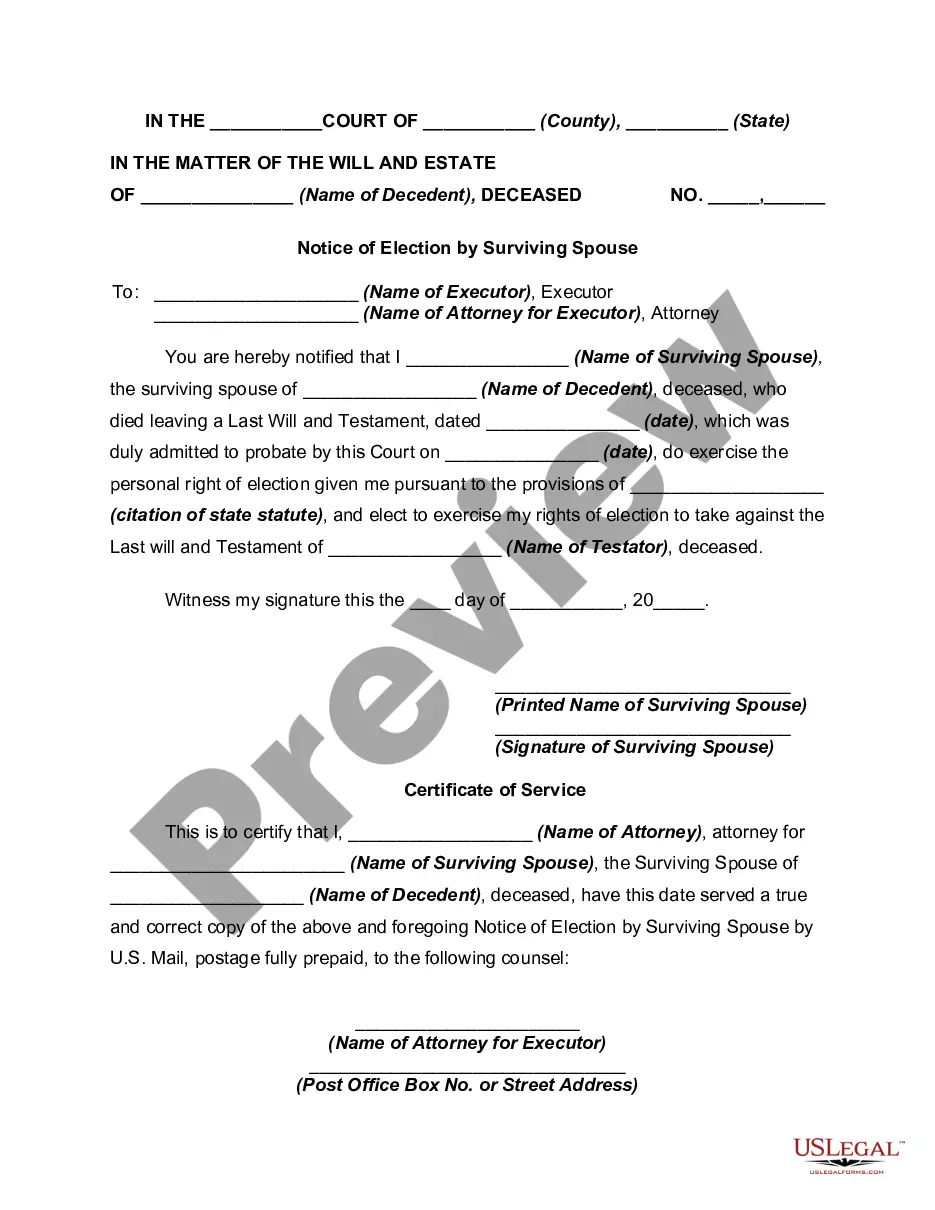
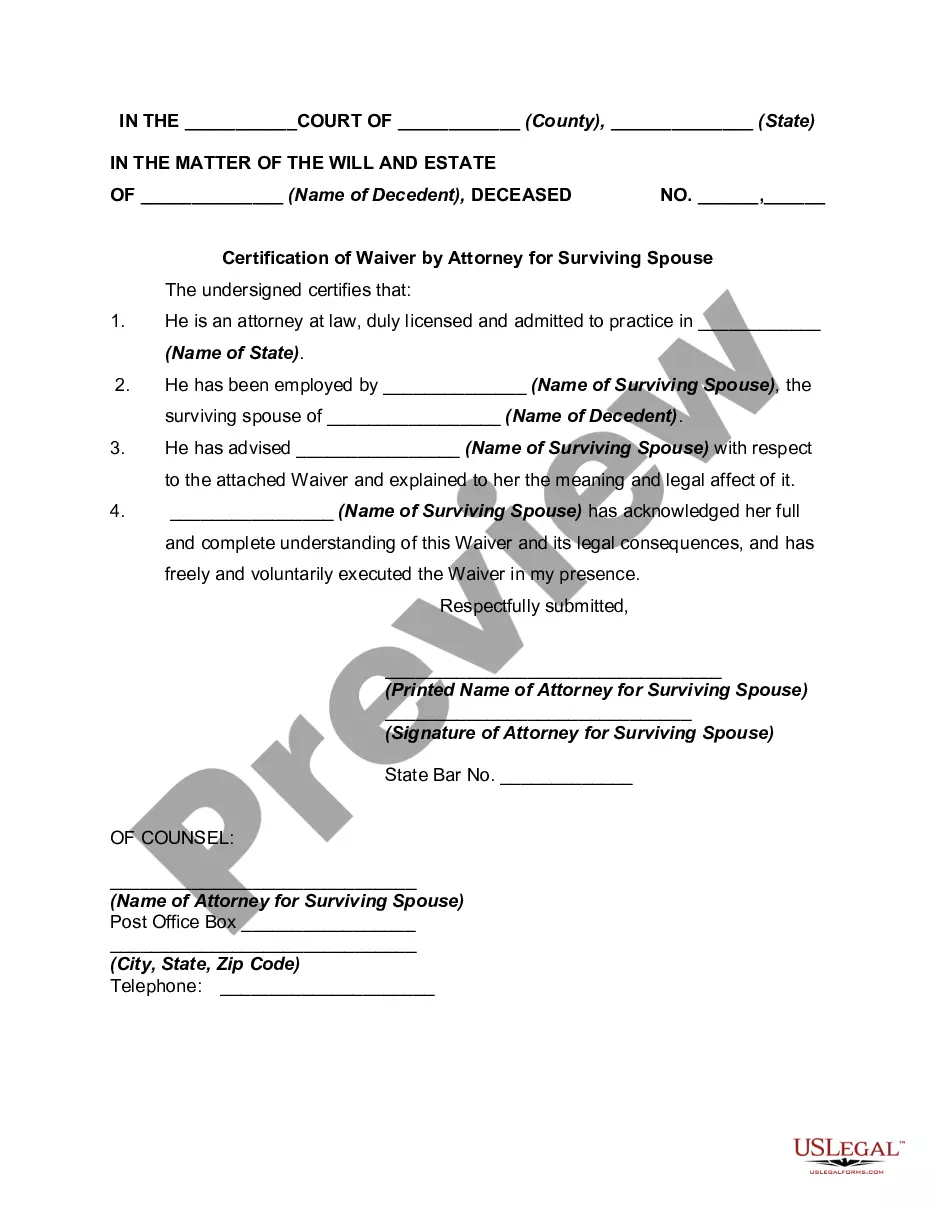
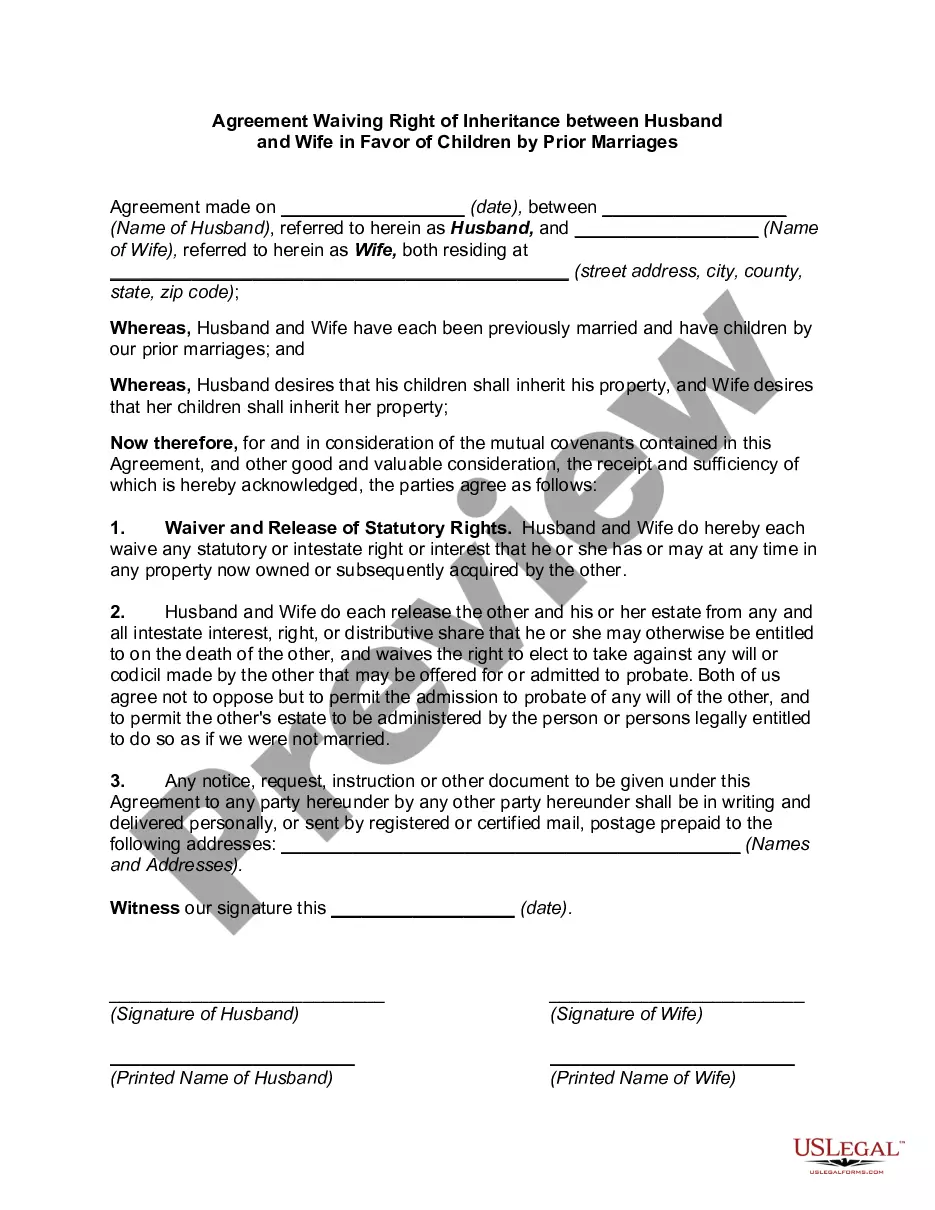
Get your form ready online
Our built-in tools help you complete, sign, share, and store your documents in one place.
Make edits, fill in missing information, and update formatting in US Legal Forms—just like you would in MS Word.
Download a copy, print it, send it by email, or mail it via USPS—whatever works best for your next step.
Sign and collect signatures with our SignNow integration. Send to multiple recipients, set reminders, and more. Go Premium to unlock E-Sign.
If this form requires notarization, complete it online through a secure video call—no need to meet a notary in person or wait for an appointment.
We protect your documents and personal data by following strict security and privacy standards.

Make edits, fill in missing information, and update formatting in US Legal Forms—just like you would in MS Word.

Download a copy, print it, send it by email, or mail it via USPS—whatever works best for your next step.

Sign and collect signatures with our SignNow integration. Send to multiple recipients, set reminders, and more. Go Premium to unlock E-Sign.

If this form requires notarization, complete it online through a secure video call—no need to meet a notary in person or wait for an appointment.

We protect your documents and personal data by following strict security and privacy standards.
Looking for another form?





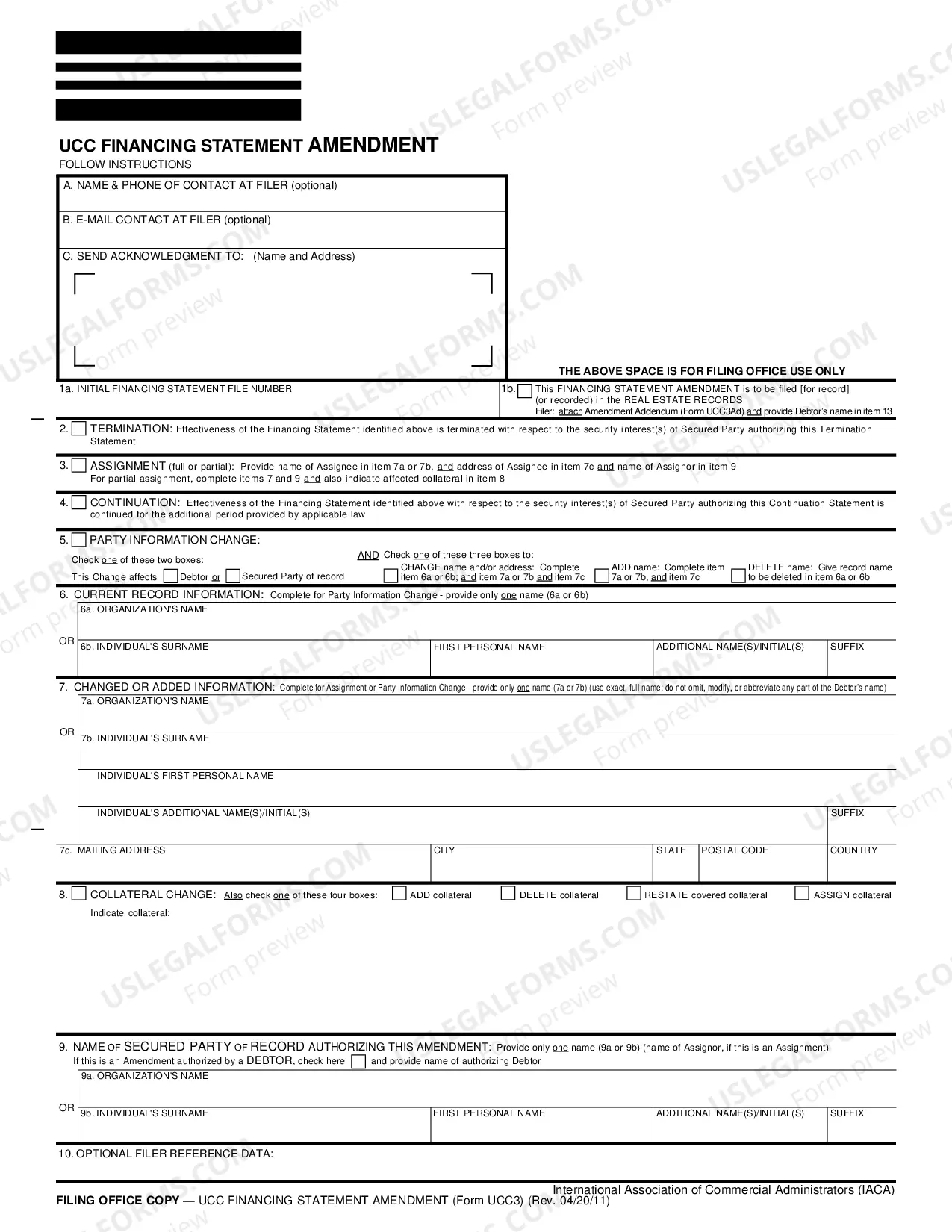


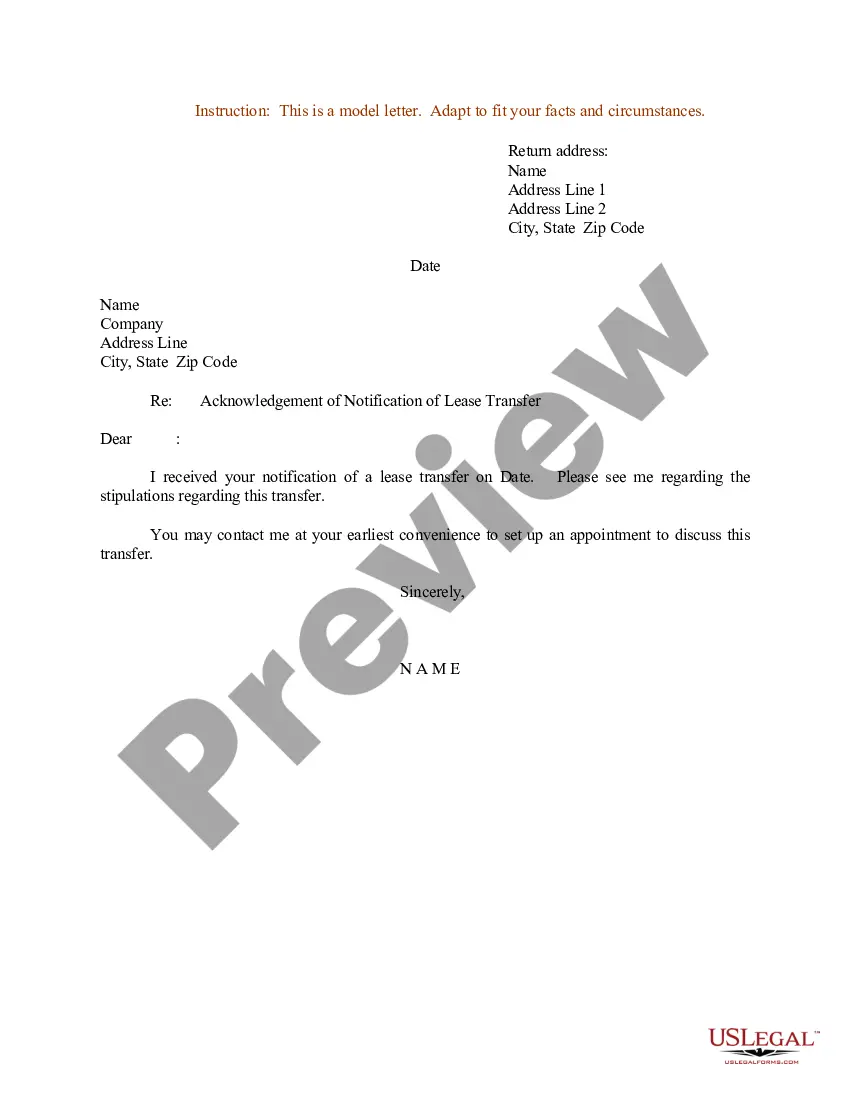
How to fill out Waiver Of Right To Election By Spouse?
Dealing with legal documents and processes can be a lengthy addition to your entire day.
Spouse Surviving State Without Spouse and similar forms typically necessitate that you search for them and comprehend how to fill them out correctly.
Thus, whether you are managing financial, legal, or personal issues, utilizing a comprehensive and effective online repository of forms when needed will greatly assist.
US Legal Forms is the premier online platform for legal templates, providing over 85,000 state-specific forms and a variety of tools that will enable you to complete your documents effortlessly.
Is this your first time utilizing US Legal Forms? Create and set up an account in a matter of minutes and you will gain access to the form library and Spouse Surviving State Without Spouse. Then, follow the steps listed below to complete your form: Ensure you have located the correct form by using the Preview feature and reviewing the form description. Select Buy Now as soon as you are ready, and choose the subscription plan that fits your needs. Click Download then fill out, eSign, and print the form. US Legal Forms has 25 years of experience helping clients manage their legal documents. Obtain the form you need today and streamline any process without breaking a sweat.
- Explore the library of pertinent documents available with just a click.
- US Legal Forms offers you state- and county-specific forms available for download at any time.
- Safeguard your document management processes by utilizing a high-quality service that allows you to prepare any form in minutes without additional or concealed costs.
- Simply Log In to your account, find Spouse Surviving State Without Spouse and download it directly in the My documents tab.
- You can also access previously downloaded forms.
Form popularity
FAQ
Taxpayers who do not remarry in the year their spouse dies can file jointly with the deceased spouse. For the two years following the year of death, the surviving spouse may be able to use the Qualifying Widow(er) filing status.
Although there are no additional tax breaks for widows, using the qualifying widow status means your standard deduction will be double the single status amount. Unless you qualify for something else, you'll usually file as single in the year after your spouse dies.
Married couples have the option to file jointly or separately on their federal income tax returns.
Although there are no additional tax breaks for widows, using the qualifying widow status means your standard deduction will be double the single status amount. Unless you qualify for something else, you'll usually file as single in the year after your spouse dies.
If you don't remarry and can't meet the requirement to file as a qualified widow(er), you'll usually have to file your taxes using the single status in the year after your spouse passes. The exception to this would be if you have a foster child, in which case you would likely file as head of household.