Spouse Surviving Estate With A Child
Description

Get your form ready online
Our built-in tools help you complete, sign, share, and store your documents in one place.
Make edits, fill in missing information, and update formatting in US Legal Forms—just like you would in MS Word.
Download a copy, print it, send it by email, or mail it via USPS—whatever works best for your next step.
Sign and collect signatures with our SignNow integration. Send to multiple recipients, set reminders, and more. Go Premium to unlock E-Sign.
If this form requires notarization, complete it online through a secure video call—no need to meet a notary in person or wait for an appointment.
We protect your documents and personal data by following strict security and privacy standards.

Make edits, fill in missing information, and update formatting in US Legal Forms—just like you would in MS Word.

Download a copy, print it, send it by email, or mail it via USPS—whatever works best for your next step.

Sign and collect signatures with our SignNow integration. Send to multiple recipients, set reminders, and more. Go Premium to unlock E-Sign.

If this form requires notarization, complete it online through a secure video call—no need to meet a notary in person or wait for an appointment.

We protect your documents and personal data by following strict security and privacy standards.
Looking for another form?
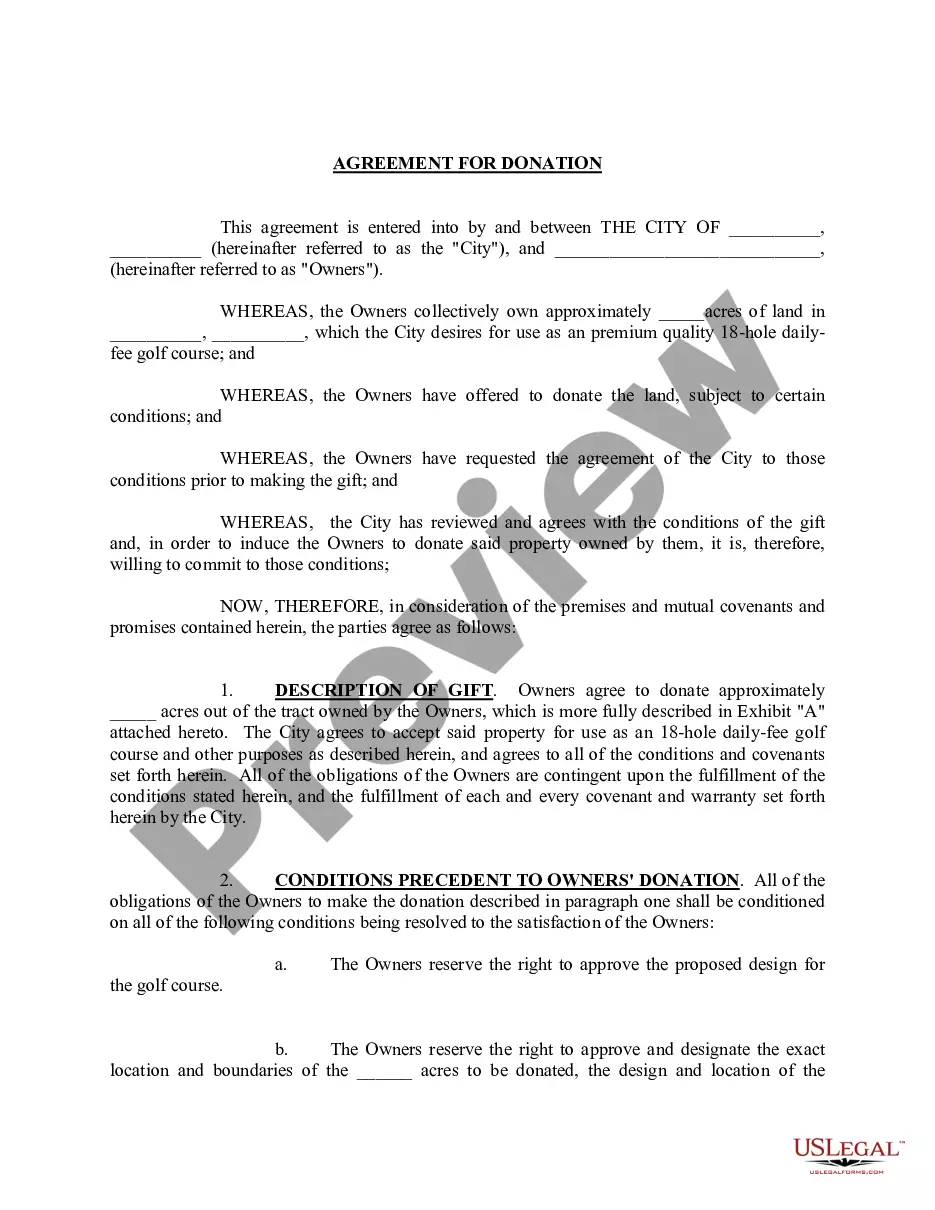







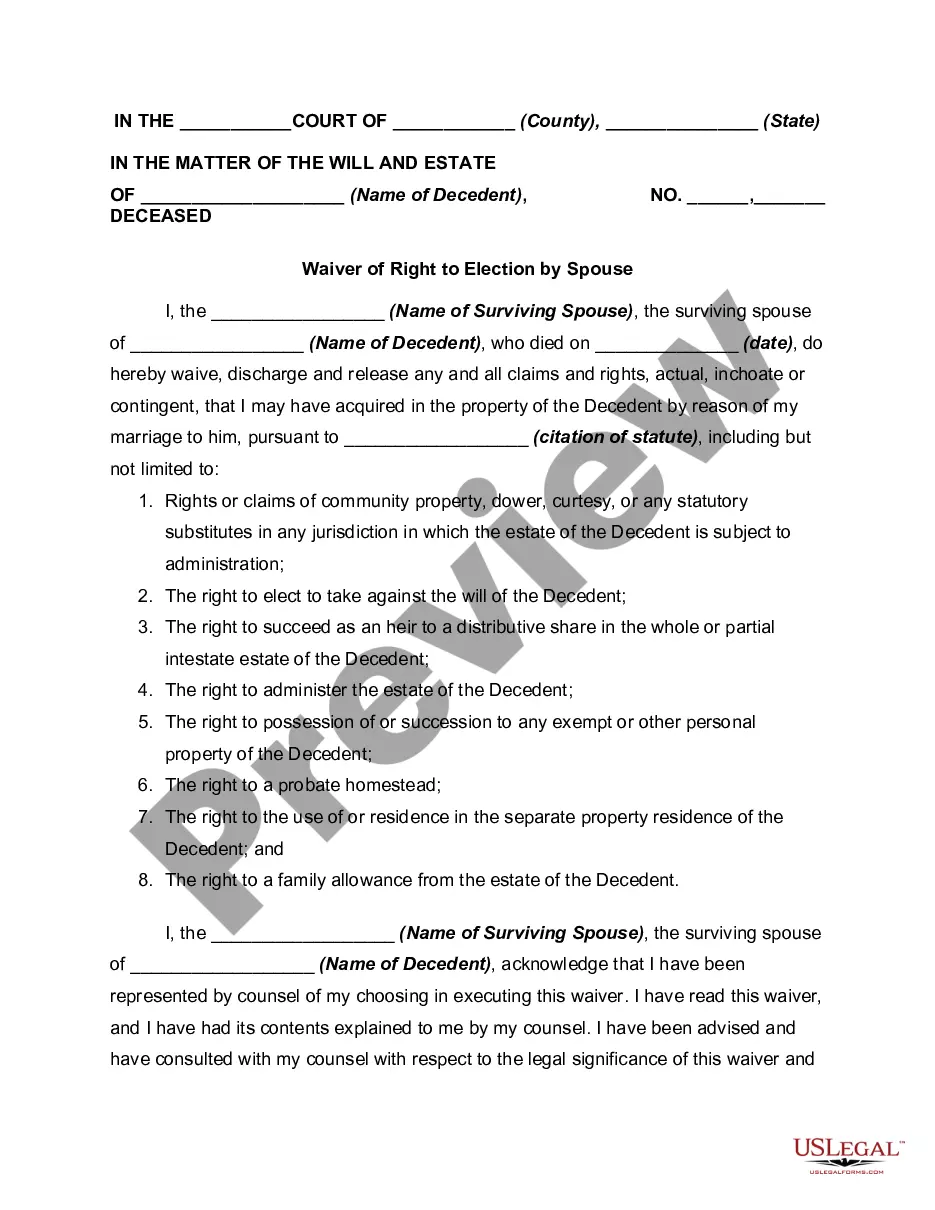
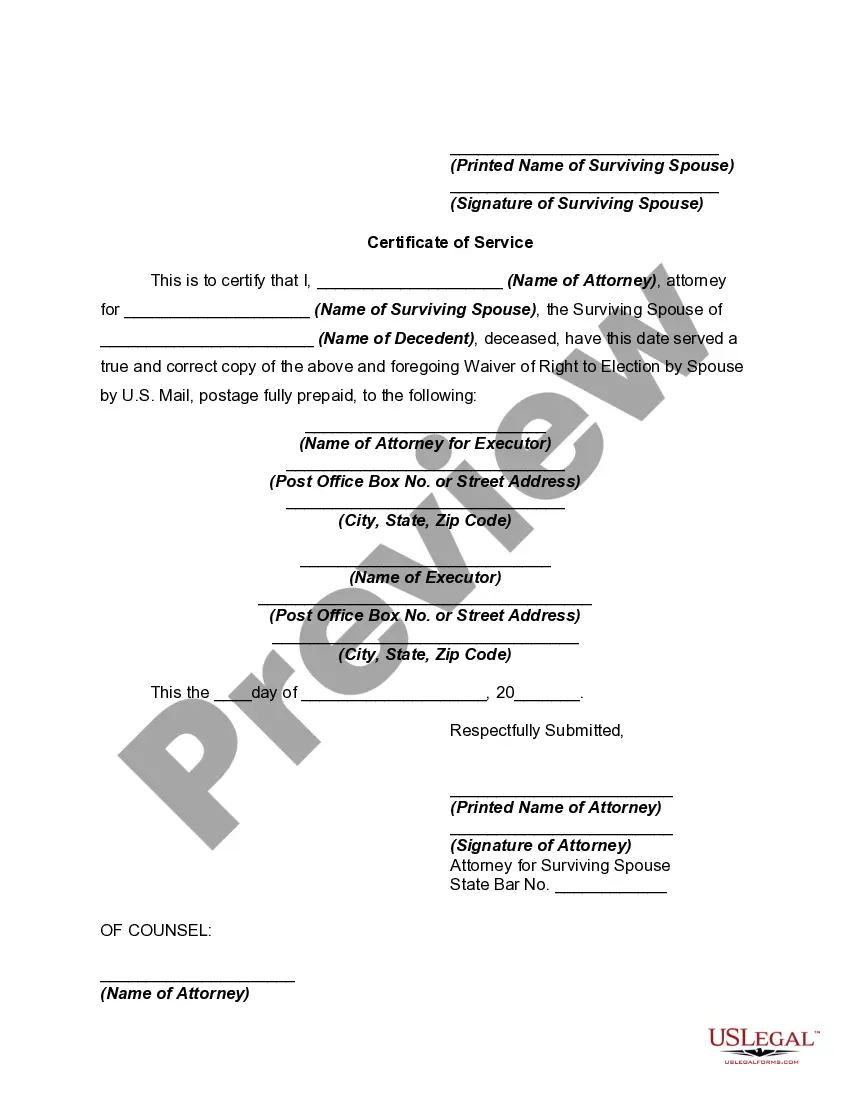
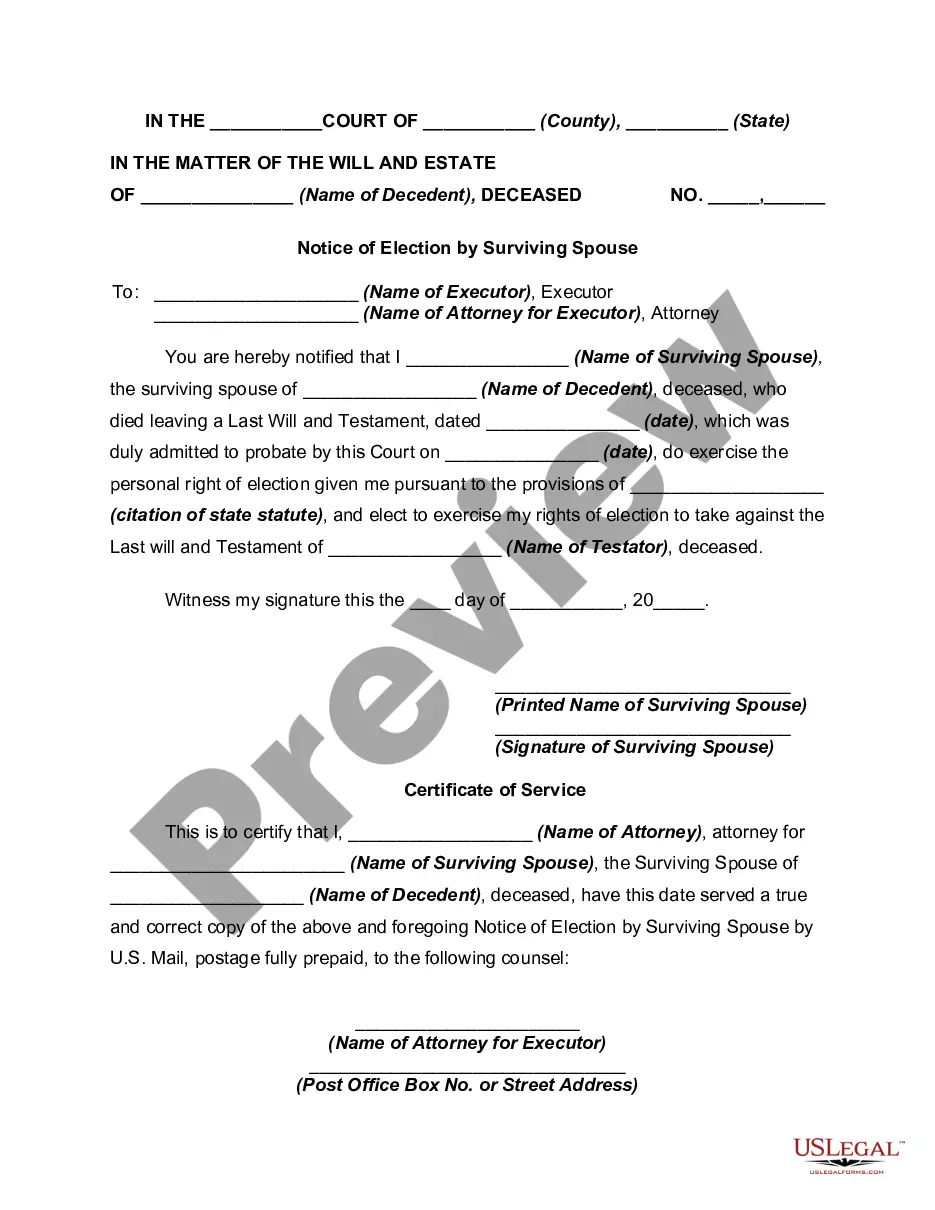
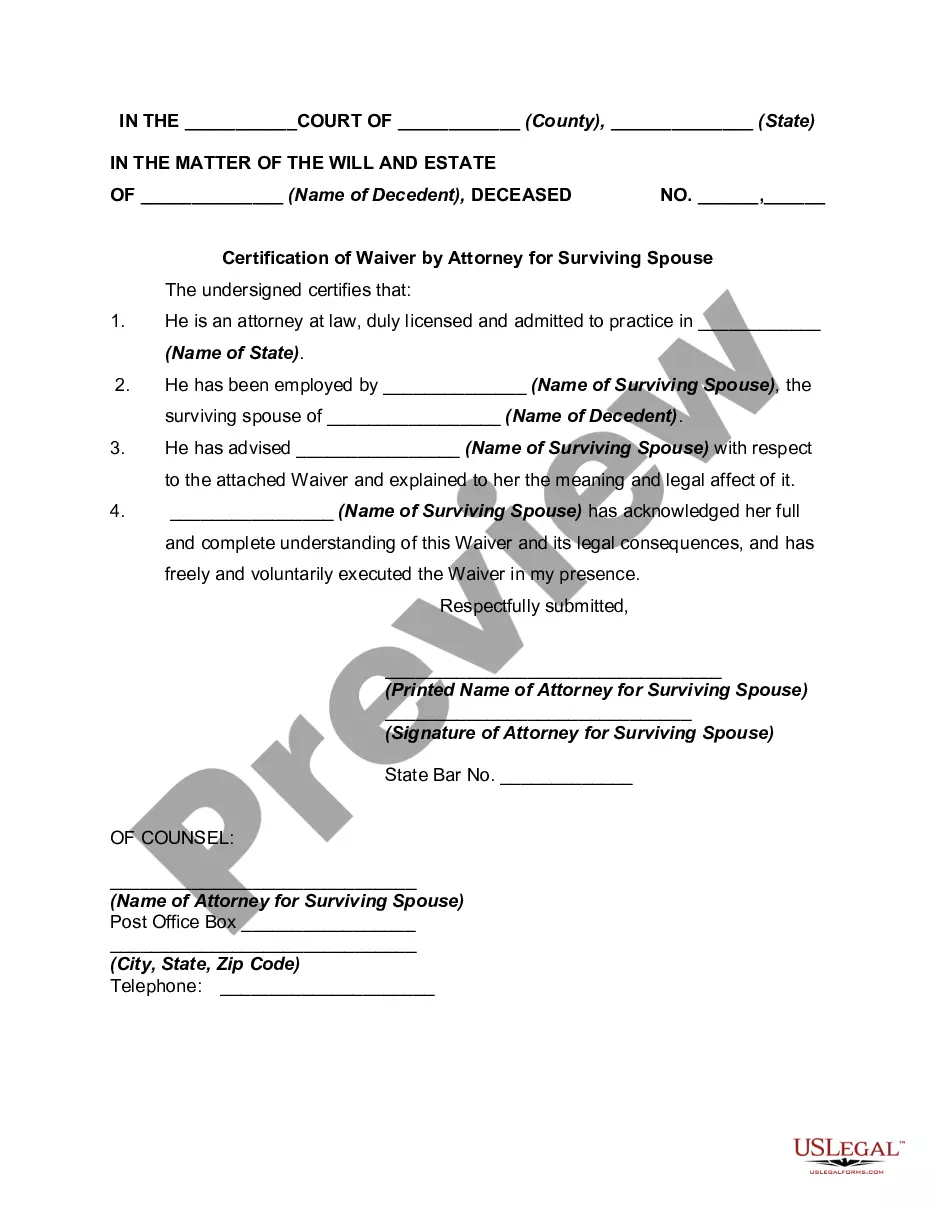
How to fill out Waiver Of Right To Election By Spouse?
- If you have previously utilized US Legal Forms, log in to your account and download the necessary form which suits your needs by clicking on the Download button. Ensure your subscription is currently active; renew it if required based on your payment plan.
- For first-time users, start by reviewing the Preview mode and form description. Confirm you've selected the appropriate form that aligns with your legal requirements and local jurisdiction.
- If you come across discrepancies, utilize the Search tab to find other relevant templates. Once you identify a satisfactory option, proceed to the next step.
- Select the desired document by clicking the Buy Now button and choose your preferred subscription plan. You will need to create an account for access to the legal resources available.
- Complete your purchase by inputting your credit card details or opting for PayPal payment for your subscription.
- Finally, download your chosen form and save it to your device for easy completion. You can always access it later from the My Forms section of your account.
US Legal Forms empowers users to manage legal documentation efficiently with over 85,000 fillable and editable forms. This extensive selection ensures you have access to the most relevant documents suited for your specific needs.
Experience the ease of legal form acquisition today. Visit US Legal Forms to streamline your legal documentation process!
Form popularity
FAQ
A wife typically has significant rights when her husband dies, especially if there are children involved. Under state law, she may be entitled to a portion of the marital assets, even if there is no will. This is particularly true in the context of a spouse surviving the estate with a child, as the law aims to protect the interests of the family. For specific guidance, utilizing platforms like uSlegalforms can provide valuable information tailored to your situation.
While often preferred, a spouse does not automatically become an executor without proper legal documentation. An individual must be formally named in the will or approved by the probate court. If you are navigating the complexities of a spouse surviving an estate with a child, using resources from uSlegalforms can help clarify executor responsibilities. It’s wise to understand your legal options ahead of time.
A spouse does not automatically become the executor of an estate. While many people choose their spouse for this role, an executor must be formally appointed by the court. If you are dealing with a spouse surviving an estate with a child and unsure about the executor process, consider reaching out for legal guidance. This can ensure that all necessary steps are correctly followed.
In cases where there is no will, the executor must follow state laws regarding the distribution of a spouse surviving the estate with a child. The law typically outlines how assets are divided among surviving family members. The executor cannot make arbitrary decisions but must adhere to these regulations to ensure equitable distribution. Consulting with a legal expert can clarify your situation.
Yes, adult children can receive survivor benefits under certain conditions, including when the deceased parent had sufficient work credits. Benefits can assist in covering living expenses, especially if a spouse survives the estate with a child. The eligibility criteria depend on factors such as age and disability status. It is useful to explore the options available through Social Security to ensure you receive the appropriate benefits.
To protect your child's inheritance from your husband, consider setting up a trust specifically designated for that purpose. Creating a trust allows you to dictate how the inheritance is managed and distributed, ensuring your child benefits directly. This strategy becomes particularly beneficial when a spouse survives the estate with a child, as it legally separates inherited assets from marital assets. Engaging a legal professional can further help tailor your approach.
The amount an adult child receives for a deceased parent can vary based on the parent's earnings record. Typically, adult children can receive up to 75% of the deceased parent's primary insurance amount. If a spouse survives the estate with a child, this additional family context can sometimes optimize benefit calculations. It’s wise to consult directly with Social Security to understand the specifics for your situation.
Yes, an adult child can receive survivor benefits based on the deceased parent's work record. If the deceased parent was deceased with a spouse surviving the estate and had a child, this benefit can extend to older dependents under certain conditions. Eligibility requirements often include age limits and disability status. It's important to gather the necessary documentation to apply for these benefits.
When one spouse passes away, the estate tax can affect the surviving spouse, though exemptions exist. Typically, the surviving spouse can benefit from the unlimited marital deduction, allowing them to inherit property without immediate tax implications. However, estate planning strategies can become complex, especially concerning children. Exploring options through platforms like uslegalforms can assist you in navigating these estate tax complexities effectively.
Setting up an estate for a deceased spouse involves a few key steps, including filing the will with a county court and appointing an executor. It is essential to gather all necessary documents, including any information related to your spouse surviving estate with a child. Consulting a legal professional can streamline the process, ensuring you follow all requirements accurately. This approach helps protect your interests and those of your children.