Deceased Without Will
Description
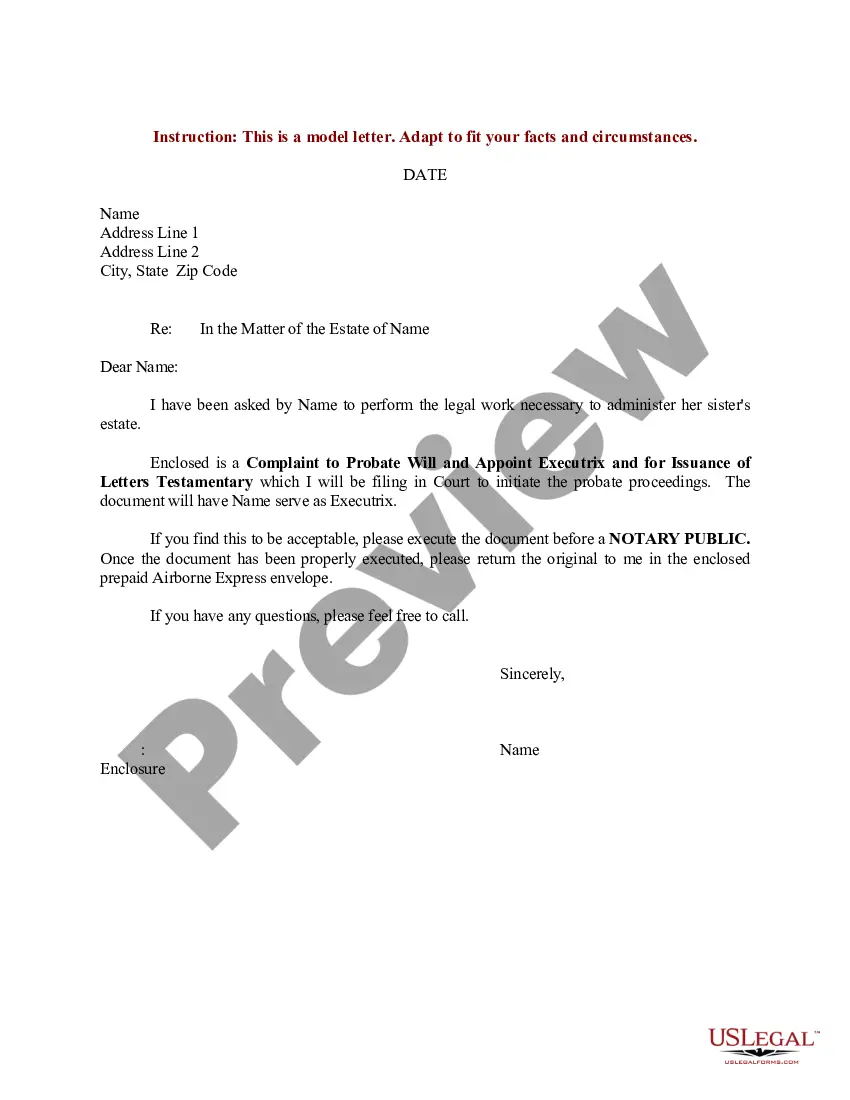
Get your form ready online
Our built-in tools help you complete, sign, share, and store your documents in one place.
Make edits, fill in missing information, and update formatting in US Legal Forms—just like you would in MS Word.
Download a copy, print it, send it by email, or mail it via USPS—whatever works best for your next step.
Sign and collect signatures with our SignNow integration. Send to multiple recipients, set reminders, and more. Go Premium to unlock E-Sign.
If this form requires notarization, complete it online through a secure video call—no need to meet a notary in person or wait for an appointment.
We protect your documents and personal data by following strict security and privacy standards.

Make edits, fill in missing information, and update formatting in US Legal Forms—just like you would in MS Word.

Download a copy, print it, send it by email, or mail it via USPS—whatever works best for your next step.

Sign and collect signatures with our SignNow integration. Send to multiple recipients, set reminders, and more. Go Premium to unlock E-Sign.

If this form requires notarization, complete it online through a secure video call—no need to meet a notary in person or wait for an appointment.

We protect your documents and personal data by following strict security and privacy standards.
Looking for another form?
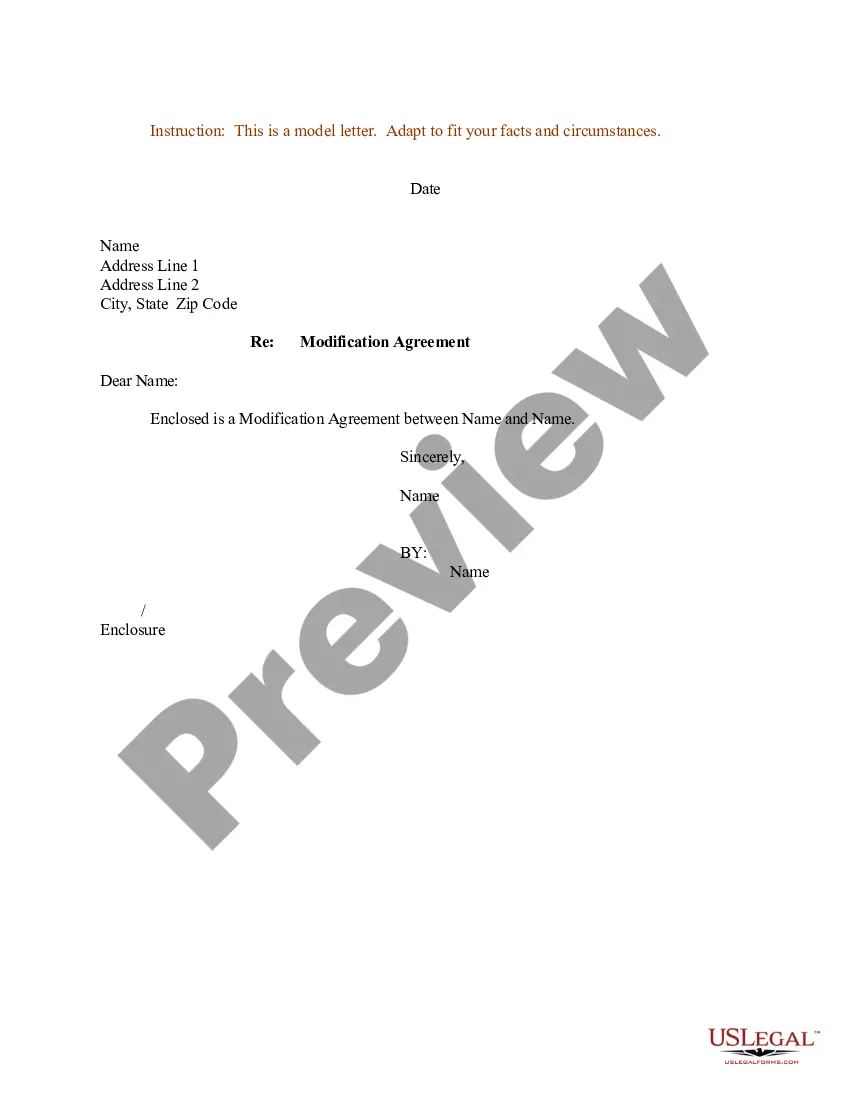
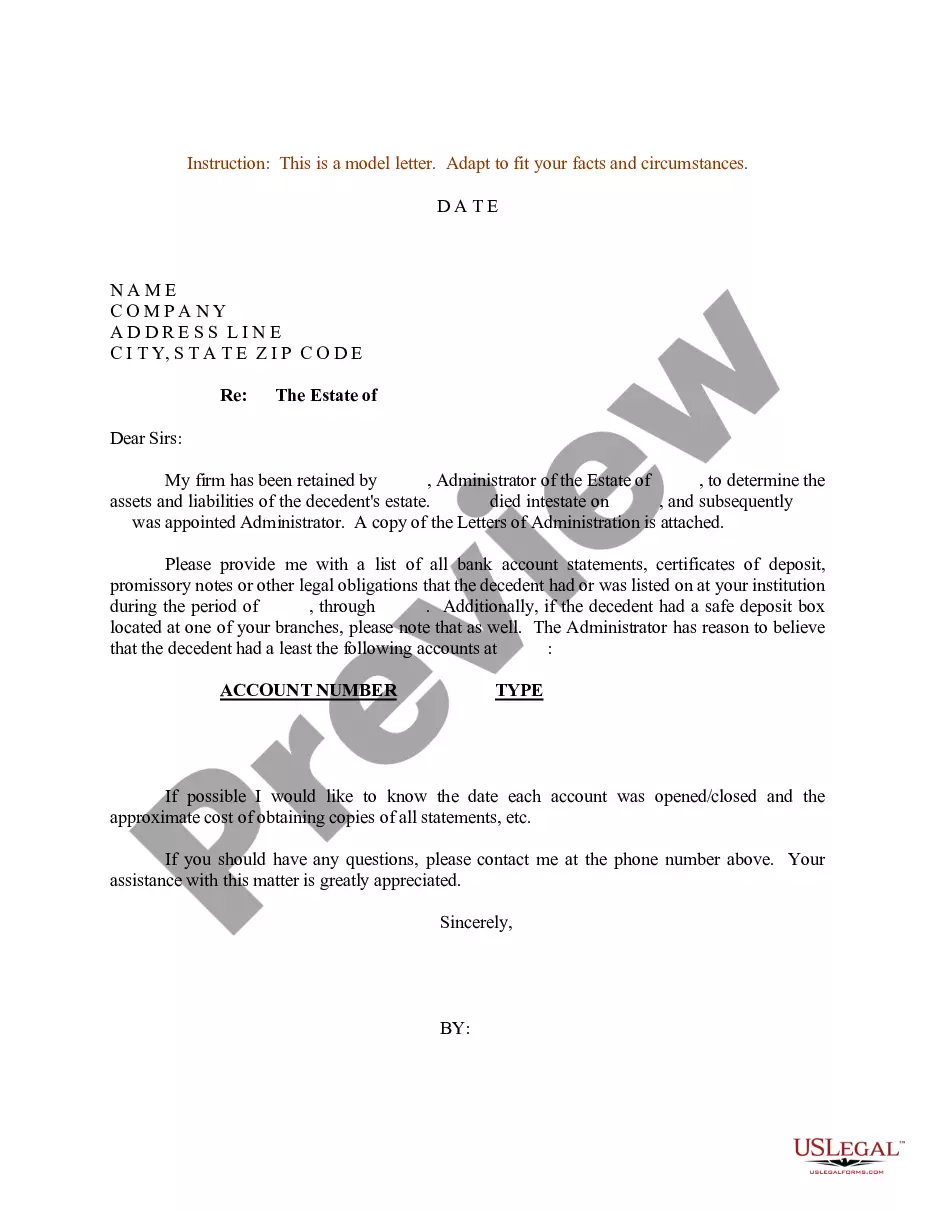
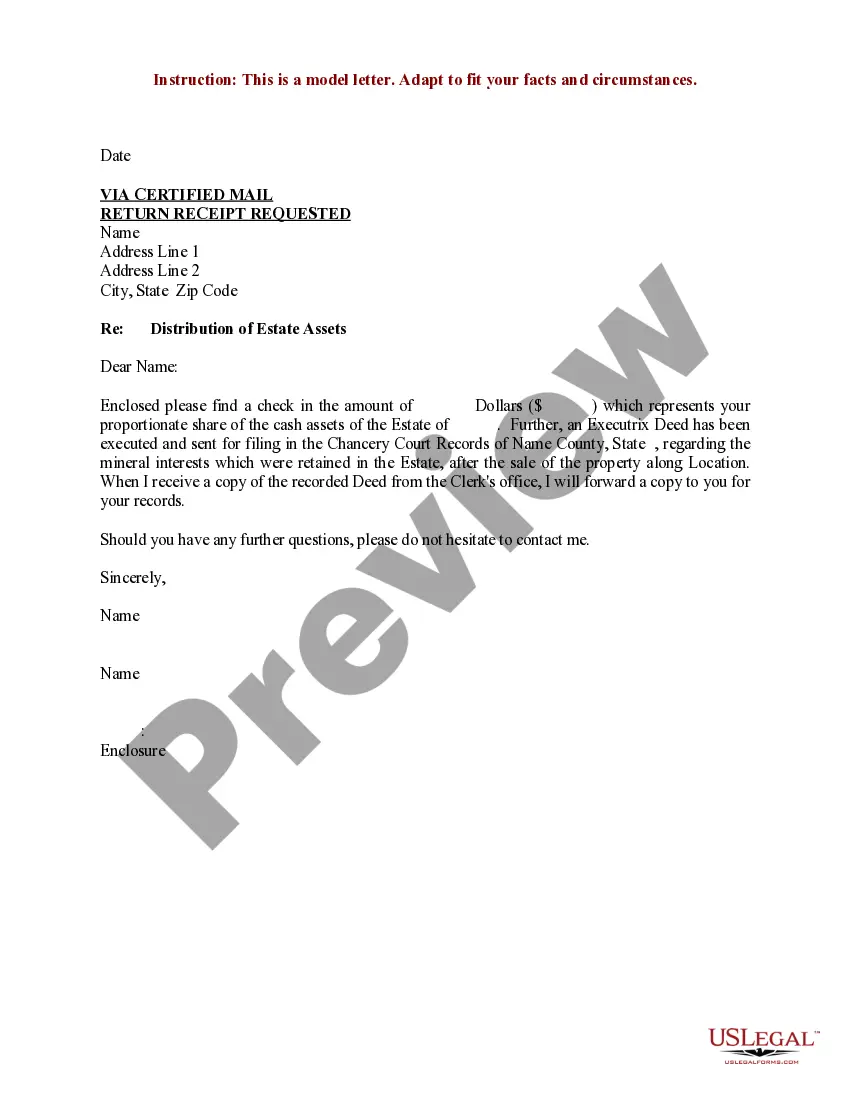
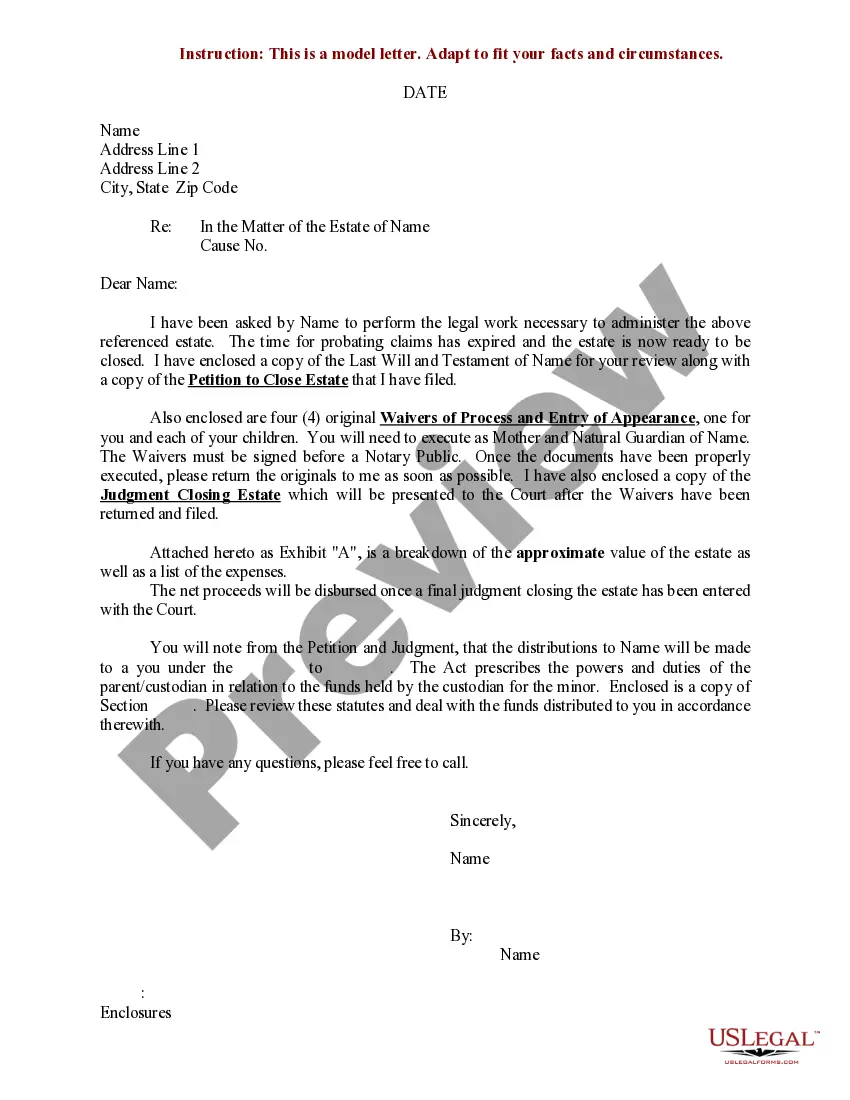
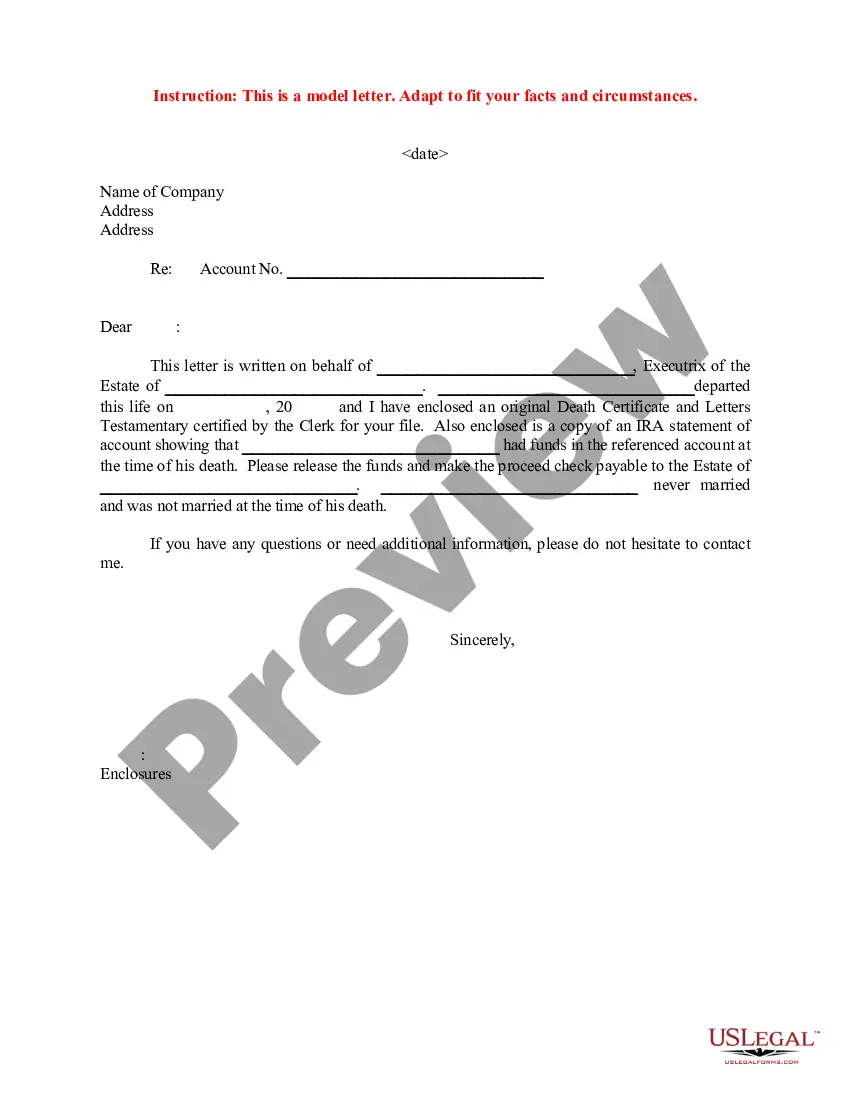
How to fill out Sample Letter For Assets And Liabilities Of Decedent's Estate?
It’s widely recognized that you cannot transform into a legal expert instantly, nor can you master how to swiftly prepare Deceased Without Will without having a specialized background.
Compiling legal documents is a lengthy procedure that demands specific training and expertise. So why not entrust the preparation of the Deceased Without Will to the experts.
With US Legal Forms, which boasts one of the most comprehensive legal document libraries, you can discover anything from court documents to templates for office correspondence.
You can revisit your documents from the My documents section at any time. If you are an existing client, you can simply Log In and locate and download the template from the same section.
No matter the reason for your documentation—whether it’s financial and legal, or personal—our website has what you need. Give US Legal Forms a try now!
- Identify the document you need using the search bar positioned at the summit of the page.
- Examine it (if this feature is available) and review the accompanying description to determine whether Deceased Without Will meets your requirements.
- Restart your search if you require any additional forms.
- Create a free account and select a subscription plan to acquire the template.
- Click Buy now. Once the payment is completed, you can download the Deceased Without Will, complete it, print it, and send or forward it to the relevant parties or organizations.
Form popularity
FAQ
In the aftermath of a death, it's crucial not to rush into decisions, particularly regarding the deceased's property and affairs. Avoid making commitments or distributing assets before understanding the legal implications of being deceased without will. It's wise to gather all important documents and consult with legal experts to navigate the complexities. Using resources like US Legal Forms can help you stay organized and informed during this challenging time.
When someone dies deceased without will, the state laws determine the inheritance process. Generally, the deceased’s closest relatives inherit first, such as spouses, children, and parents. If none are present, more distant relatives may step in. To ensure a smooth transition and understand your rights, consider consulting US Legal Forms for clear guidance.
In situations where someone is deceased without a will, inheritance is determined by state intestacy laws. Generally, spouses, children, and, in some cases, parents or siblings stand to inherit the estate. The distribution order often depends on familial relationships, and each state may have different rules. Consulting with professionals or using resources from USLegalForms can clarify the complexities of inheritance in these situations.
If a loved one is deceased without a will, it’s important to contact an estate attorney or a probate court for guidance. They can provide crucial information on how to handle the estate and navigate the probate process effectively. You may also want to reach out to financial advisors who can assist with managing the estate’s obligations and planning for the future. Using platforms like USLegalForms can help streamline this process with essential documents.
When someone dies without a will, the estate enters probate court to determine asset distribution according to state laws. The court will appoint an administrator to manage the estate and ensure debts are settled before distributing assets to heirs. This process can be lengthy and emotionally taxing for family members. Utilizing resources like USLegalForms can simplify the experience through step-by-step guidance.
When a person is deceased without a will in North Carolina, the state's intestacy laws dictate how their assets will be distributed. Typically, the estate will go to surviving relatives based on their relation to the deceased. This process can be complex and may involve court proceedings to determine the rightful heirs. It’s often beneficial to seek assistance from professionals who understand intestate succession.
When someone dies deceased without a will in New Jersey, the state's intestacy laws dictate how the estate is managed. An administrator will be appointed to oversee the estate’s distribution according to legal guidelines. It's often helpful to utilize platforms like US Legal Forms to ensure proper documentation and to assist in navigating this challenging process.
In New Jersey, when a person dies deceased without a will, the inheritance order follows a specific hierarchy. Spouses receive the first claim, followed by children and their descendants. If no immediate family exists, parents and siblings may inherit the estate next, demonstrating the state’s structured approach to intestate succession.
When dealing with a deceased without a will, you will typically need to file a petition for probate, along with the death certificate. It’s also important to fill out inventory forms to list the deceased’s assets. Depending on your situation, additional forms may be required to navigate the probate process smoothly.
In Tennessee, if someone dies without a will, intestacy laws dictate the inheritance order. Typically, the estate will be allocated to the spouse and children first. If there are no children, parents or siblings may then inherit the estate. This structured approach underscores the importance of understanding state laws when someone is deceased without a will.