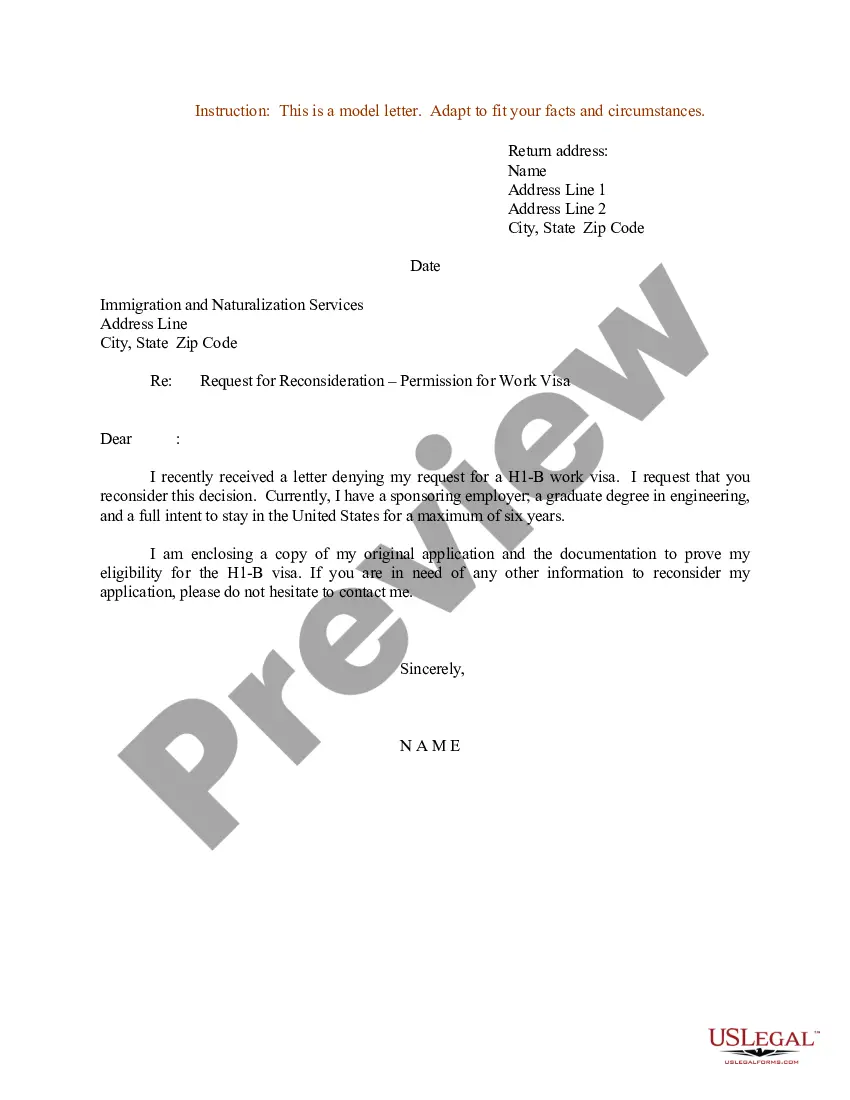
Request For Reconsideration Form For Ssa-561-u2
Description
Get your form ready online
Our built-in tools help you complete, sign, share, and store your documents in one place.
Make edits, fill in missing information, and update formatting in US Legal Forms—just like you would in MS Word.
Download a copy, print it, send it by email, or mail it via USPS—whatever works best for your next step.
Sign and collect signatures with our SignNow integration. Send to multiple recipients, set reminders, and more. Go Premium to unlock E-Sign.
If this form requires notarization, complete it online through a secure video call—no need to meet a notary in person or wait for an appointment.
We protect your documents and personal data by following strict security and privacy standards.

Make edits, fill in missing information, and update formatting in US Legal Forms—just like you would in MS Word.

Download a copy, print it, send it by email, or mail it via USPS—whatever works best for your next step.

Sign and collect signatures with our SignNow integration. Send to multiple recipients, set reminders, and more. Go Premium to unlock E-Sign.

If this form requires notarization, complete it online through a secure video call—no need to meet a notary in person or wait for an appointment.

We protect your documents and personal data by following strict security and privacy standards.
Looking for another form?
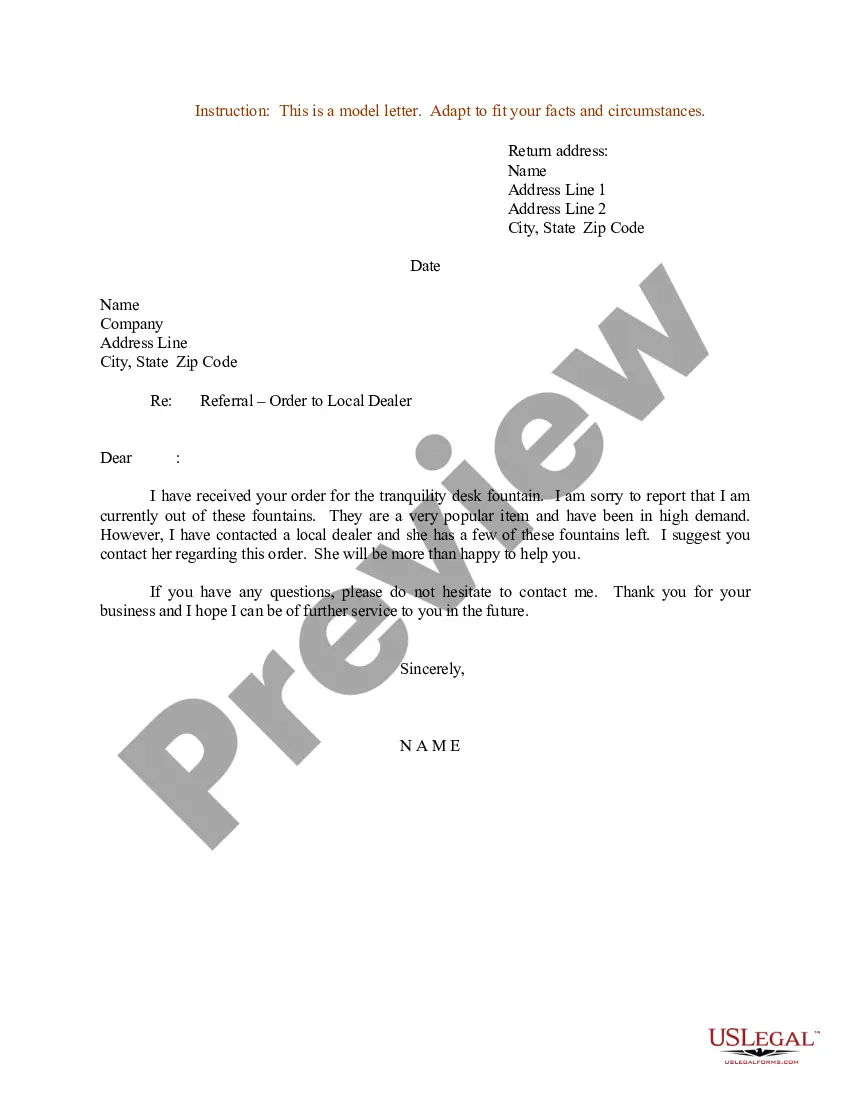
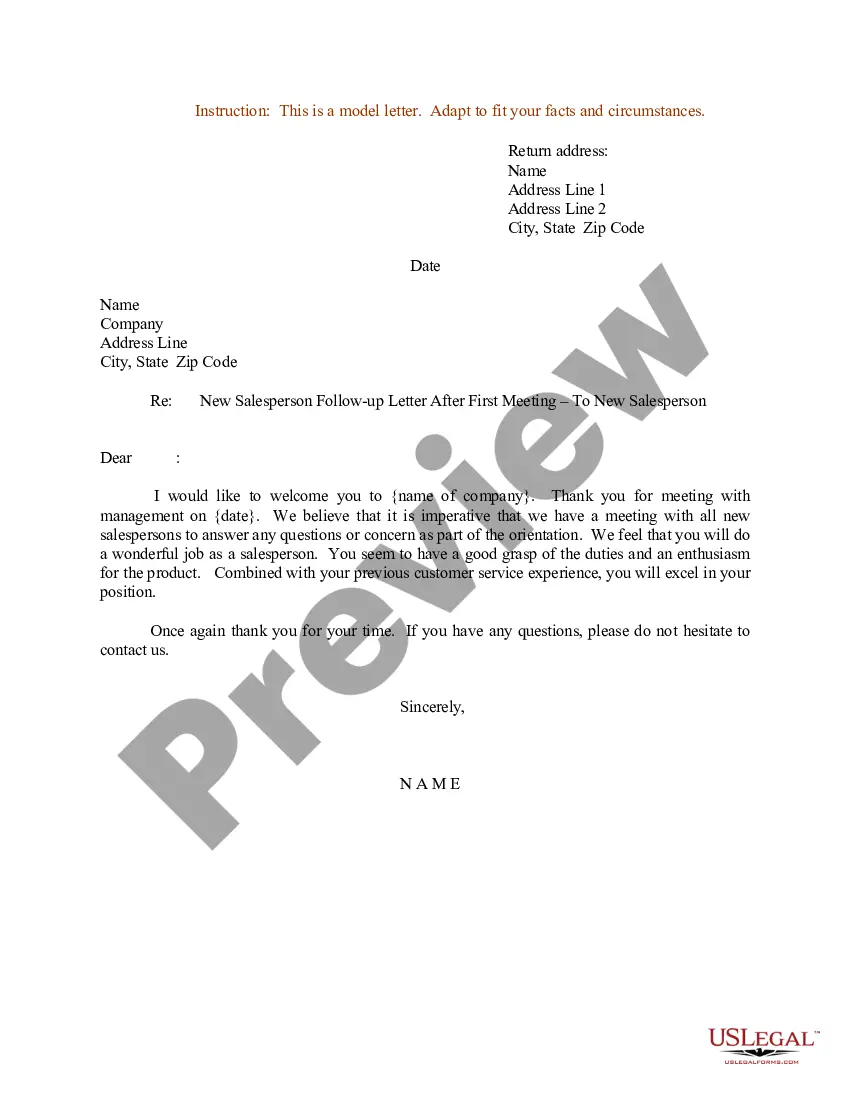
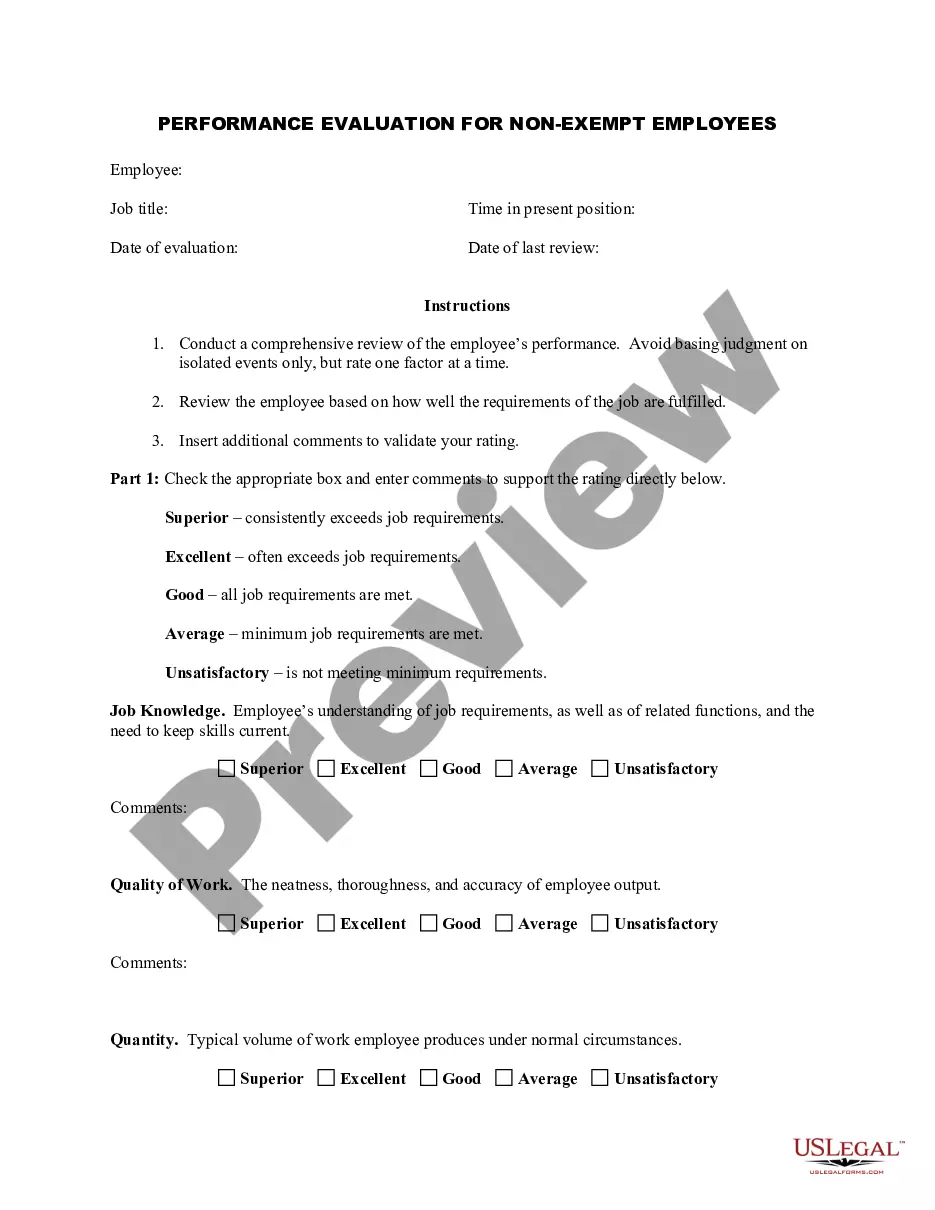
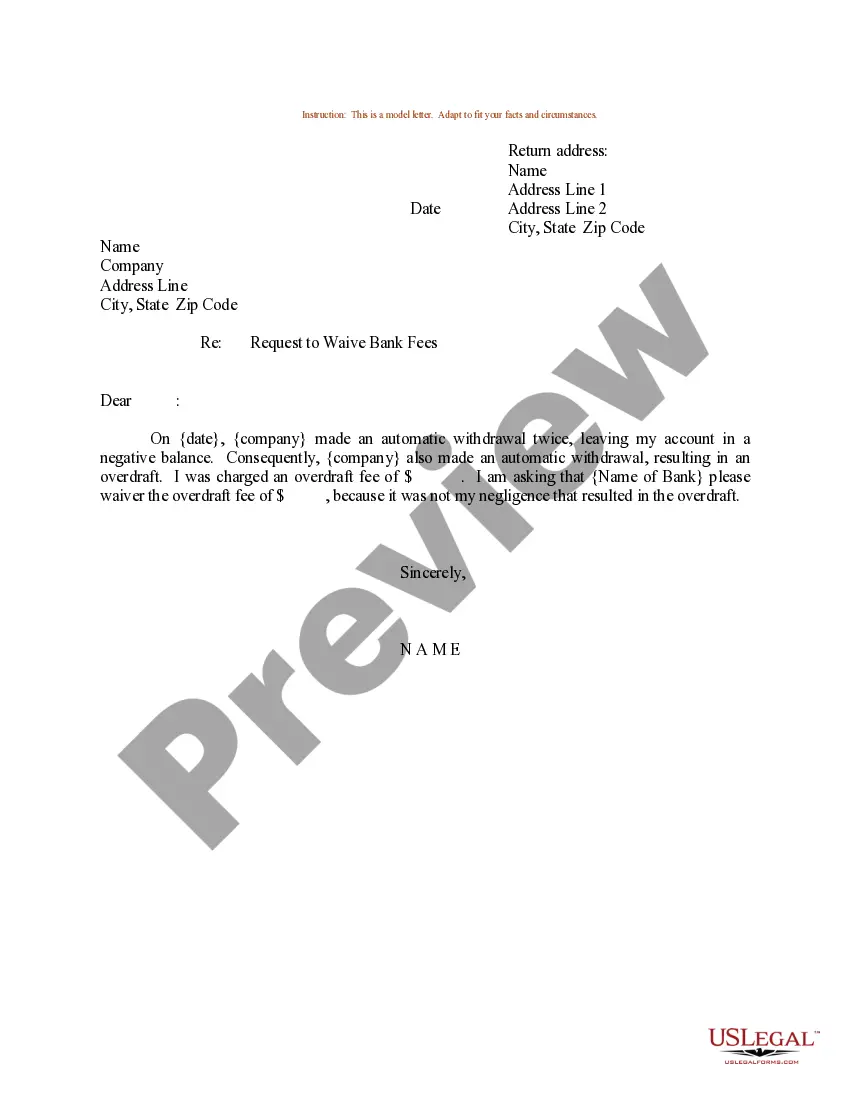
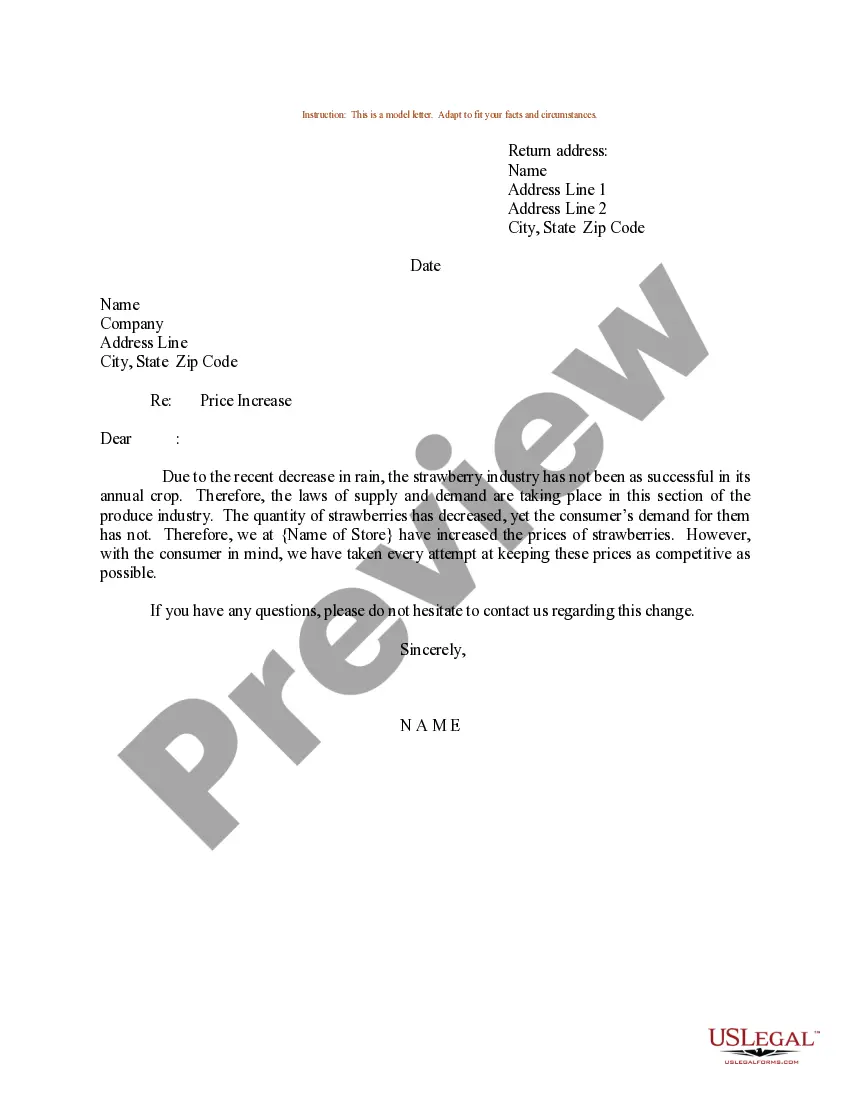
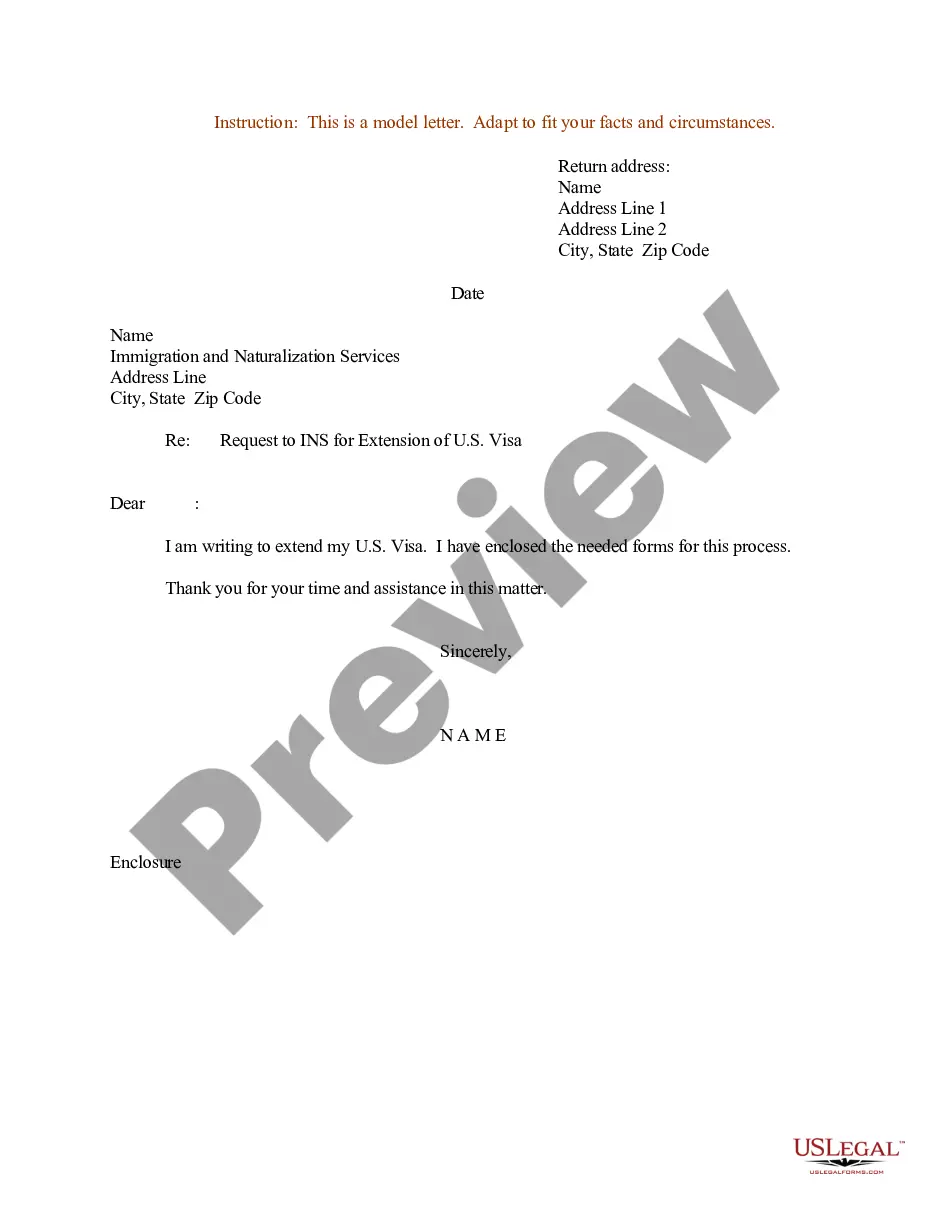
How to fill out Sample Letter For Request For Reconsideration - Permission For Work Visa?
Finding a go-to place to access the most recent and relevant legal samples is half the struggle of handling bureaucracy. Choosing the right legal documents calls for precision and attention to detail, which is why it is important to take samples of Request For Reconsideration Form For Ssa-561-u2 only from trustworthy sources, like US Legal Forms. An improper template will waste your time and hold off the situation you are in. With US Legal Forms, you have very little to be concerned about. You may access and see all the information regarding the document’s use and relevance for the circumstances and in your state or county.
Consider the listed steps to finish your Request For Reconsideration Form For Ssa-561-u2:
- Use the library navigation or search field to find your template.
- View the form’s information to see if it fits the requirements of your state and area.
- View the form preview, if there is one, to ensure the template is the one you are searching for.
- Return to the search and find the proper template if the Request For Reconsideration Form For Ssa-561-u2 does not match your needs.
- When you are positive about the form’s relevance, download it.
- When you are a registered customer, click Log in to authenticate and access your picked templates in My Forms.
- If you do not have a profile yet, click Buy now to obtain the form.
- Pick the pricing plan that suits your needs.
- Proceed to the registration to complete your purchase.
- Finalize your purchase by selecting a payment method (credit card or PayPal).
- Pick the file format for downloading Request For Reconsideration Form For Ssa-561-u2.
- Once you have the form on your gadget, you can modify it using the editor or print it and finish it manually.
Remove the headache that comes with your legal paperwork. Discover the comprehensive US Legal Forms library where you can find legal samples, check their relevance to your circumstances, and download them on the spot.
Form popularity
FAQ
Hawaii Revised Statute 231-51 to 231-53 allows the CSEA to setoff the State income tax refunds of those non-custodial parents (NCP) who are delinquent in the payment of child support. The debt may include delinquency in child support, medical support, and spousal support when ordered in conjunction with child support.
In Hawaii, if a child is in college, the court can mandate that the paying parent pay child support up until 23-years-of-age. If the child has special needs that require that they receive extra care, the court can require child support even beyond 23.
The Statewide Disbursement Branch or SDB processes all child support payments. Payments are received electronically via Electronic Funds Transfer or EFT and by mail. Checks should be made payable to the Child Support Enforcement Agency (CSEA) and mailed to P. O. Box 1860, Honolulu, HI 96805-1860.
This usually occurs when the child turns eighteen (18) years of age unless the child is attending high school or the child is under twenty-three (23) years of age and is presently enrolled as a full-time student or has been accepted into and plans to attend as a full-time student for the next semester a post-high ...
Hawaii's statute of limitations for child support enforcement is the child's 33rd birthday or 10 years after the judgement was entered, whichever is later.
In Hawaii, if a child is in college, the court can mandate that the paying parent pay child support up until 23-years-of-age.
Hawaii Child Support ing to Hawaii law, the ?non-custodial parent? ? the parent who does not have physical custody of the children ? must pay child support to the ?custodial parent.? The payment of child support is required by law and cannot be waived by the custodial parent.
What Age Does Child Support Stop in Hawaii? In Hawaii, the paying parent is required to support his or her children until the age of 18. However, the age limit may be extended to 23 if the child is enrolled full-time in an accredited college/university, or in a vocational/trade school.