Vacated With Prejudice
Description

Get your form ready online
Our built-in tools help you complete, sign, share, and store your documents in one place.
Make edits, fill in missing information, and update formatting in US Legal Forms—just like you would in MS Word.
Download a copy, print it, send it by email, or mail it via USPS—whatever works best for your next step.
Sign and collect signatures with our SignNow integration. Send to multiple recipients, set reminders, and more. Go Premium to unlock E-Sign.
If this form requires notarization, complete it online through a secure video call—no need to meet a notary in person or wait for an appointment.
We protect your documents and personal data by following strict security and privacy standards.

Make edits, fill in missing information, and update formatting in US Legal Forms—just like you would in MS Word.

Download a copy, print it, send it by email, or mail it via USPS—whatever works best for your next step.

Sign and collect signatures with our SignNow integration. Send to multiple recipients, set reminders, and more. Go Premium to unlock E-Sign.

If this form requires notarization, complete it online through a secure video call—no need to meet a notary in person or wait for an appointment.

We protect your documents and personal data by following strict security and privacy standards.
Looking for another form?










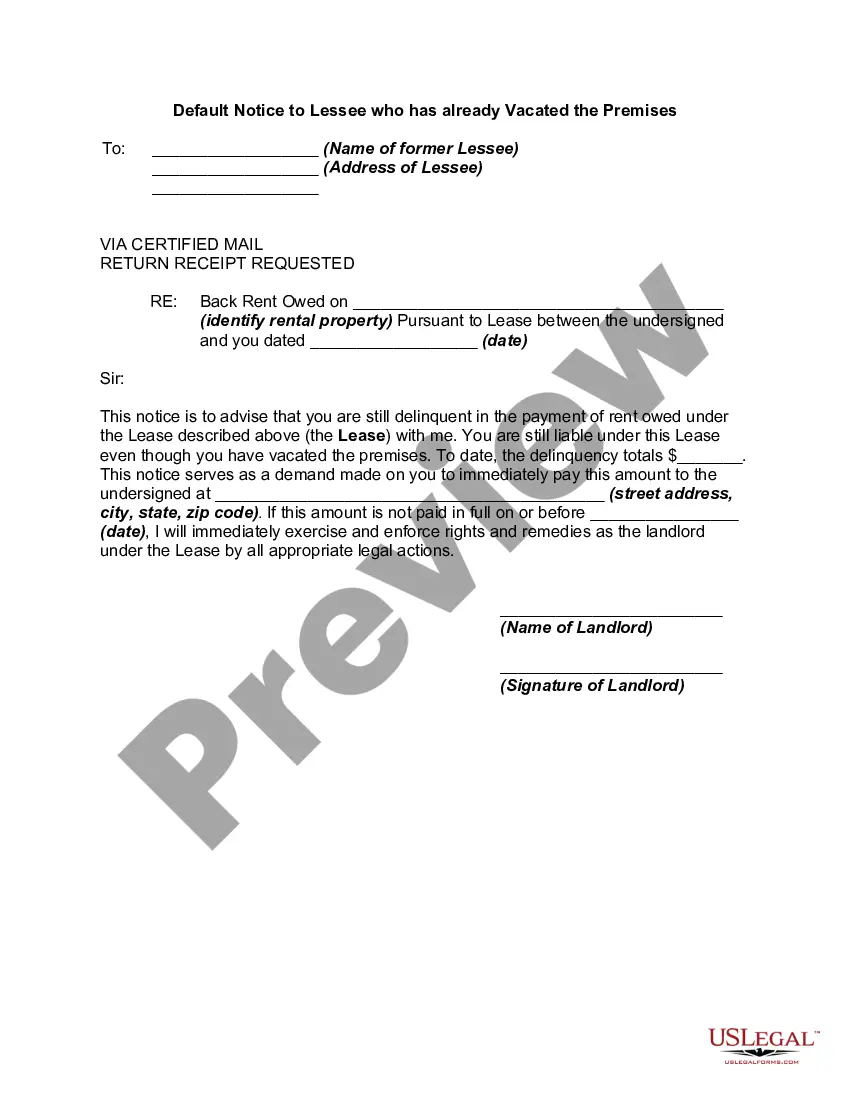
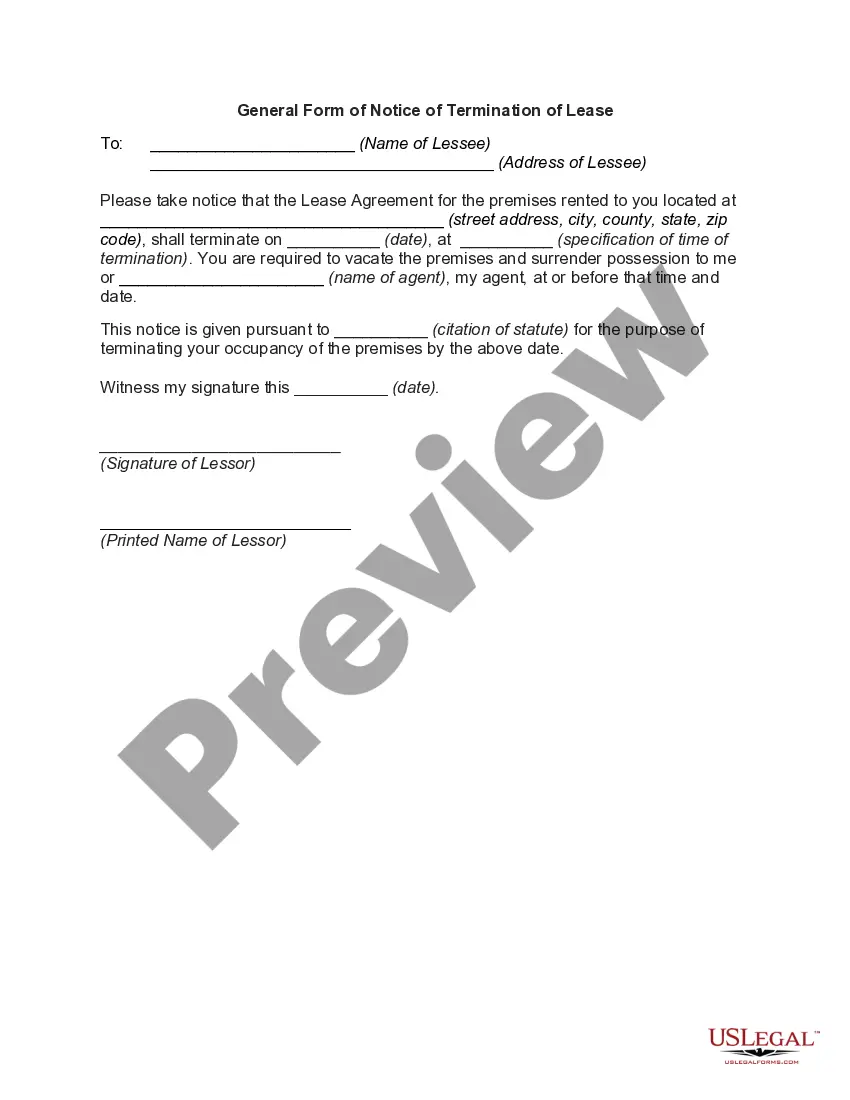
How to fill out Default Notice To Lessee Who Has Already Vacated The Premises?
Managing legal documents can be exasperating, even for the most skilled professionals.
If you're interested in a Vacated With Prejudice and lack the opportunity to invest time in searching for the proper and updated version, the processes can be stressful.
US Legal Forms meets all your requirements, from personal to business documentation, in a single location.
Leverage advanced tools to generate and manage your Vacated With Prejudice.
Here are the steps to follow after securing the form you desire: Confirm that it is the correct document by previewing it and reviewing its details.
- Access a valuable database of articles, guides, and handbooks relevant to your situation and requirements.
- Conserve time and energy in finding the documents you need by utilizing US Legal Forms' enhanced search and Review tool.
- If you hold a monthly subscription, Log In to your US Legal Forms account, search for the form, and obtain it.
- Visit the My documents tab to see the documents you have previously downloaded and to manage your folders as desired.
- If it’s your first time with US Legal Forms, create a complimentary account and gain unrestricted access to all the advantages the library offers.
- Utilize a robust online form repository that can prove to be transformative for anyone aiming to handle these matters effectively.
- US Legal Forms stands as a frontrunner in online legal forms, providing over 85,000 state-specific legal documents available for you at any time.
- With US Legal Forms, you have access to forms specific to your state or county.
Form popularity
FAQ
An example of someone being prejudiced might involve a hiring manager who overlooks qualified candidates based solely on personal biases, such as age or gender. This behavior negatively impacts both individuals and organizations, fostering an unfair work environment. Discussions around these examples can promote awareness and combat unfair treatment in various areas.
When someone accuses you of being prejudiced, they suggest that your views might not be fair or open-minded towards others. This terminology reveals biases in decision-making or interactions, which can have significant social implications. It is essential to reflect on such feedback for personal growth and improved communication.
Rule 41 A is a legal provision that allows a plaintiff to voluntarily dismiss a case. Typically, such dismissal can be done without prejudice, meaning the plaintiff can refile in the future. However, if a case is vacated with prejudice, it signifies that the plaintiff cannot pursue the same claims again. This can affect strategic legal decisions.
'Without prejudice' signifies a legal safeguard that allows parties to communicate without fear of repercussions. This protection is crucial during settlement discussions, as it fosters an environment for honest dialogue. In scenarios that may lead to a vacated with prejudice decision, knowing the implications of this term is vital.
A case that is ?dismissed with prejudice? is completely and permanently over. A case will be dismissed with prejudice if there is reason for the case not to be brought back to court; for example, if the judge deems the lawsuit frivolous or the the matter under consideration is resolved outside of court.
?With prejudice? means the decision is final. ?Without prejudice? means it's not final and subject to future inquiry. If the judge announces a case is dismissed with prejudice, that means it's permanently dismissed and can't be retried.
For example, an arrest without probable cause, violation of the right to a speedy trial, or an illegal search can lead to a case being dismissed with prejudice. Other errors in a case also may lead a court to dismiss a case with prejudice.
Dismissal without prejudice means that the judge dismissed the plaintiff's or prosecutor's case without damaging their right to have their matter heard in court later. A prosecutor may ask to withdraw the case against a person to have more time to make a case stronger, find more evidence or question other witnesses.
?With prejudice? means the decision is final. ?Without prejudice? means it's not final and subject to future inquiry. If the judge announces a case is dismissed with prejudice, that means it's permanently dismissed and can't be retried.