Amends (interlude)
Description
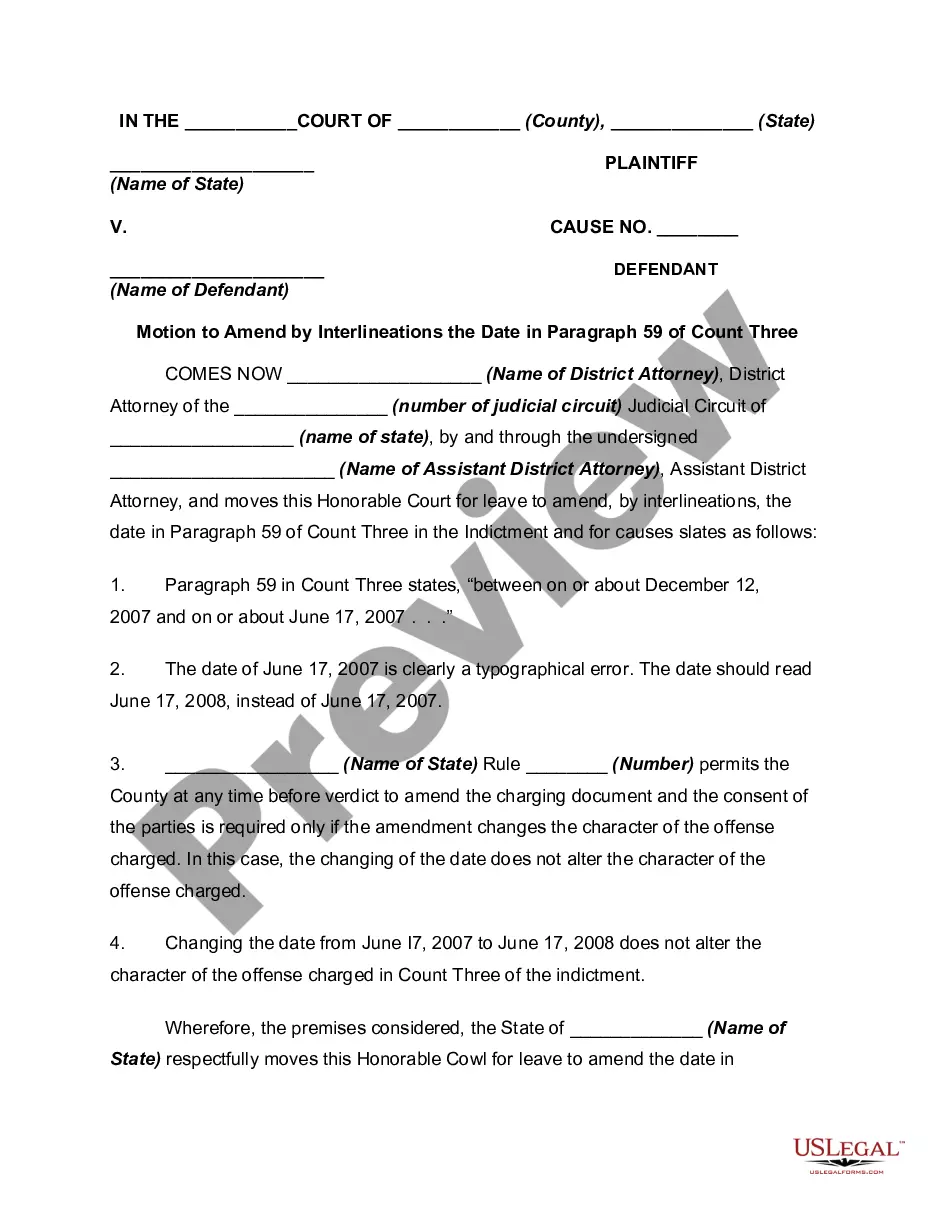
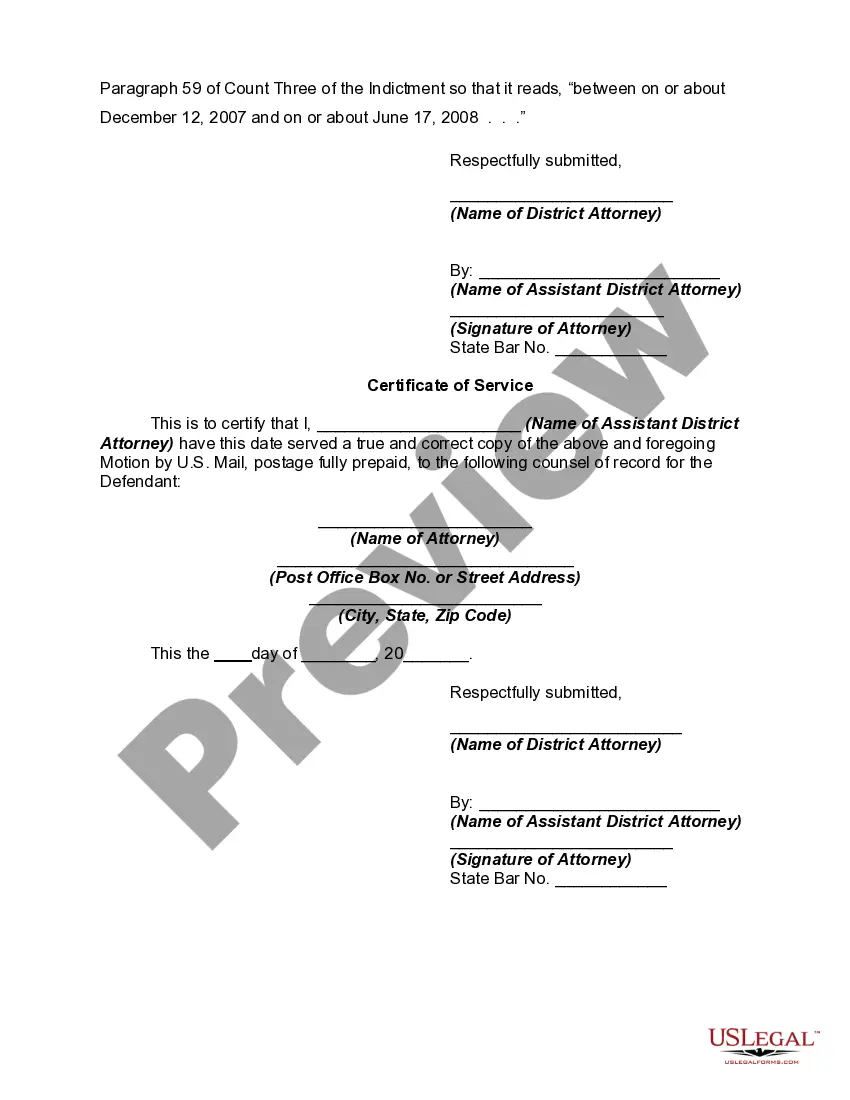
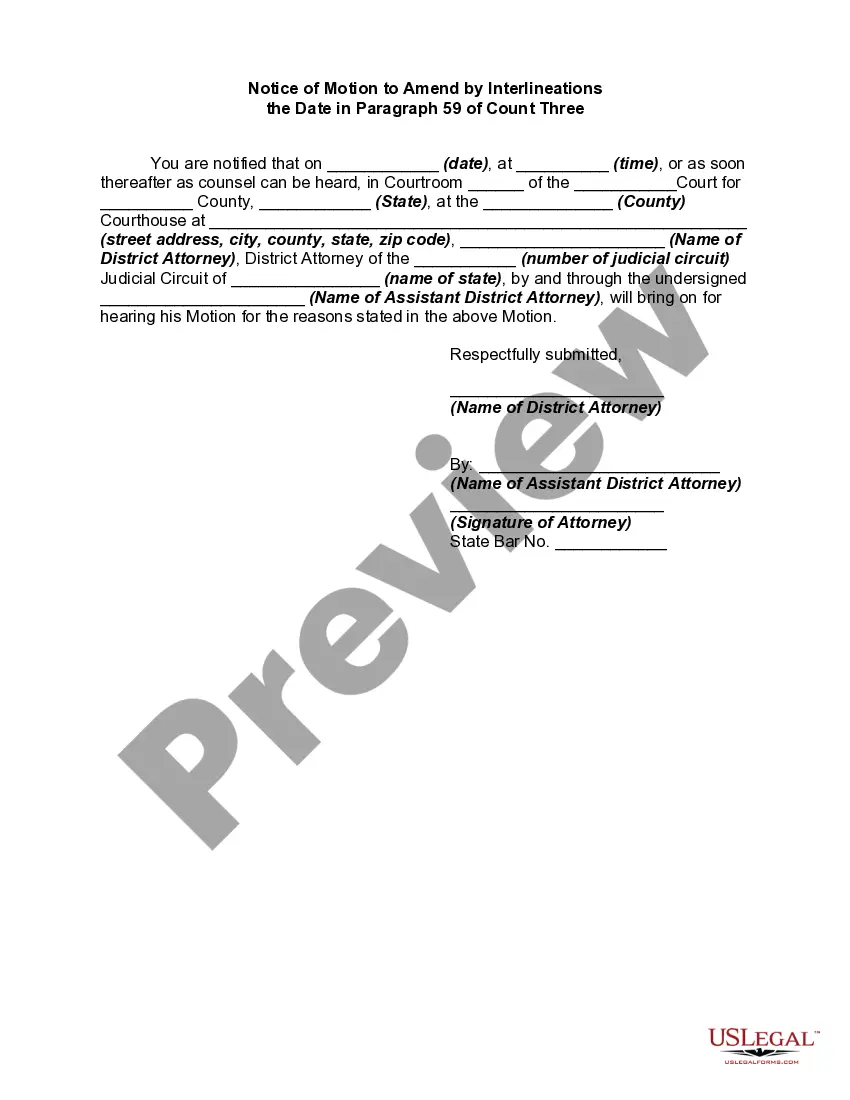
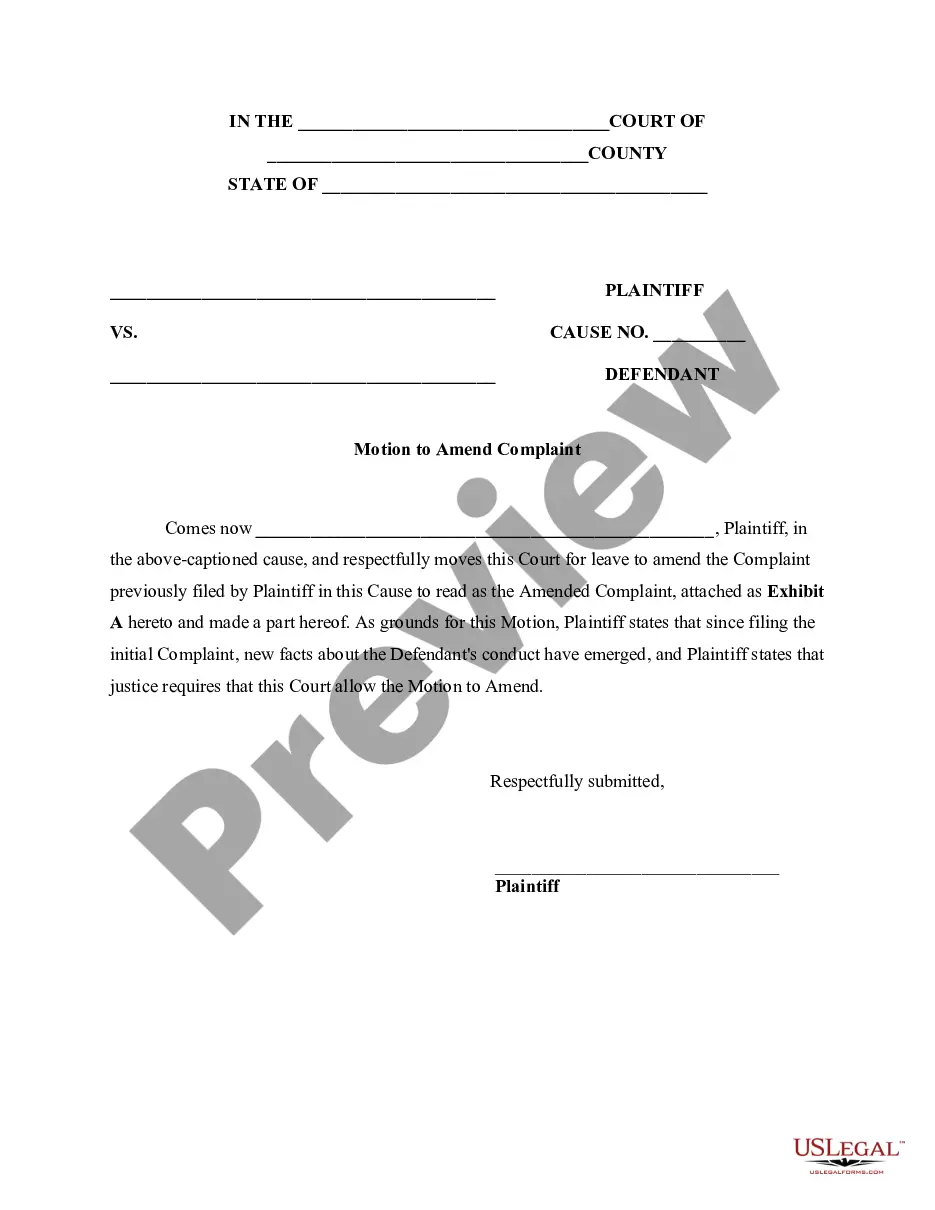
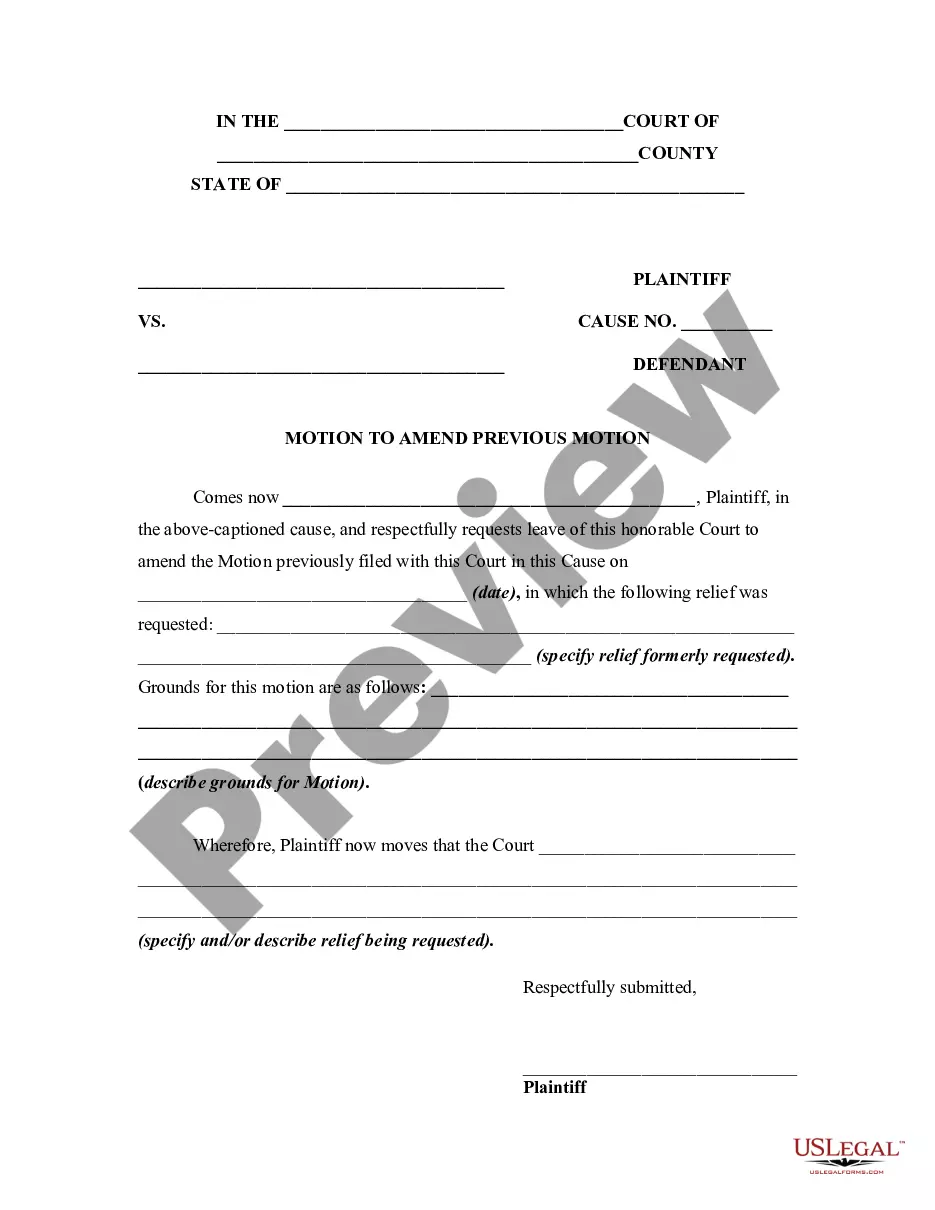

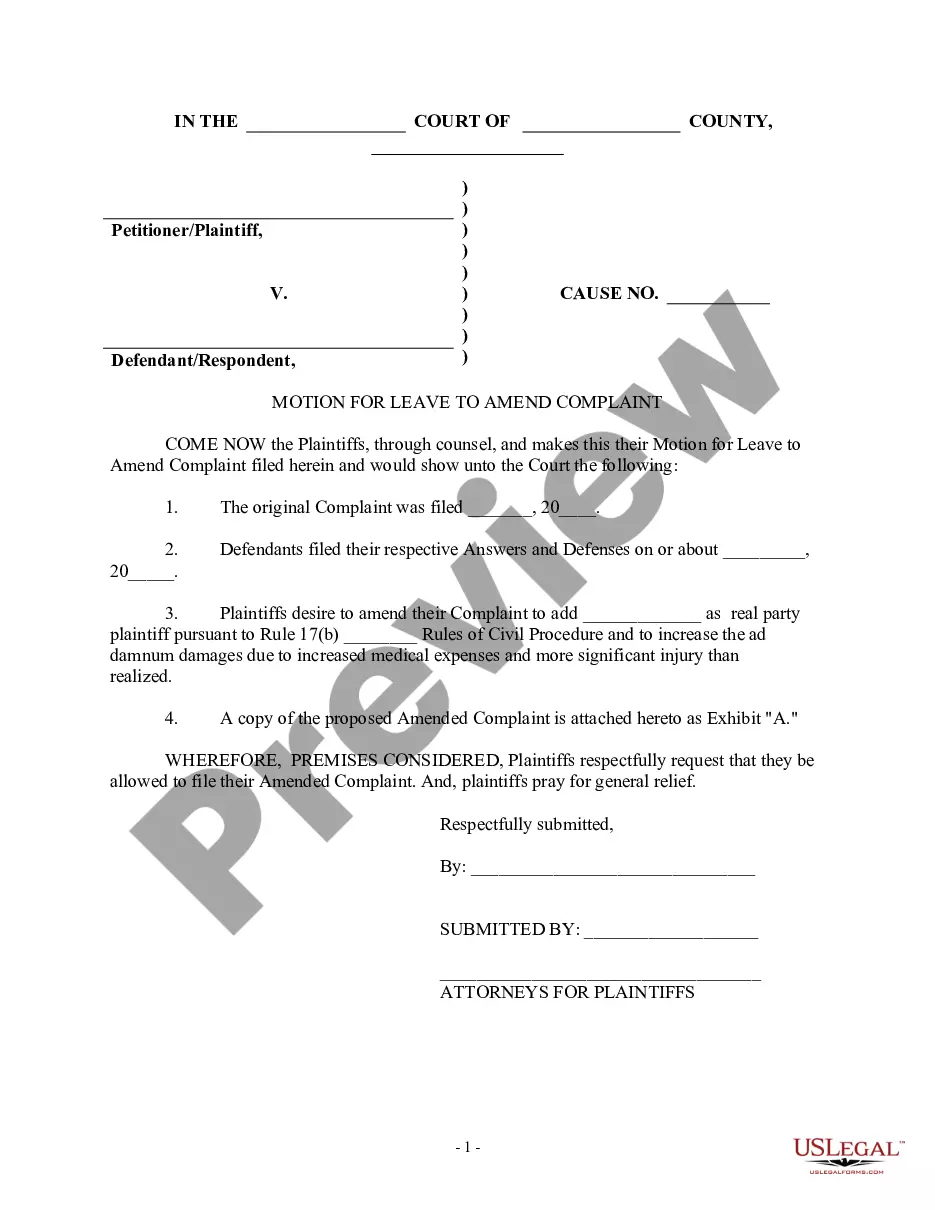
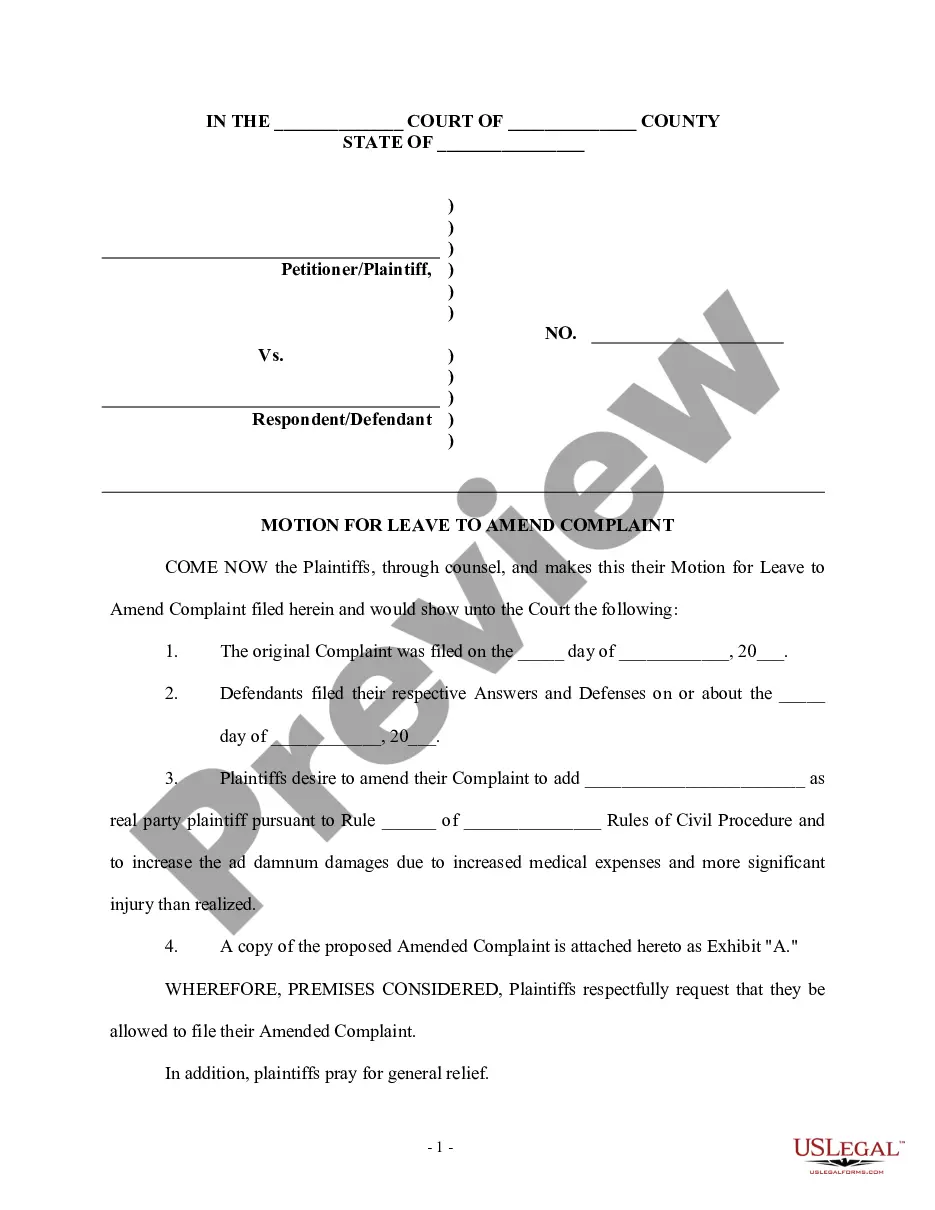
Get your form ready online
Our built-in tools help you complete, sign, share, and store your documents in one place.
Make edits, fill in missing information, and update formatting in US Legal Forms—just like you would in MS Word.
Download a copy, print it, send it by email, or mail it via USPS—whatever works best for your next step.
Sign and collect signatures with our SignNow integration. Send to multiple recipients, set reminders, and more. Go Premium to unlock E-Sign.
If this form requires notarization, complete it online through a secure video call—no need to meet a notary in person or wait for an appointment.
We protect your documents and personal data by following strict security and privacy standards.

Make edits, fill in missing information, and update formatting in US Legal Forms—just like you would in MS Word.

Download a copy, print it, send it by email, or mail it via USPS—whatever works best for your next step.

Sign and collect signatures with our SignNow integration. Send to multiple recipients, set reminders, and more. Go Premium to unlock E-Sign.

If this form requires notarization, complete it online through a secure video call—no need to meet a notary in person or wait for an appointment.

We protect your documents and personal data by following strict security and privacy standards.
Looking for another form?
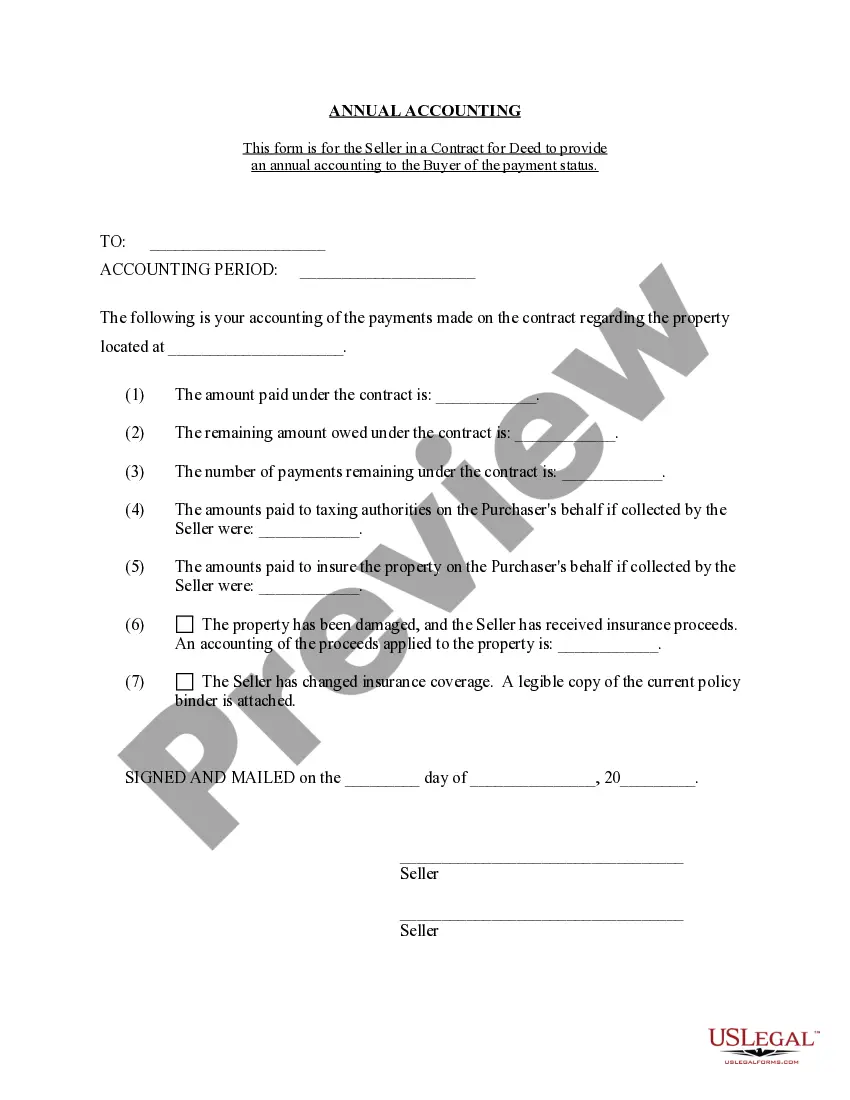
How to fill out Motion To Amend By Interlineations?
- If you're a returning user, log in to your account and ensure your subscription is active. Click the Download button to save your desired form template.
- For first-time users, start by reviewing the Preview mode and form descriptions available. Confirm that the selected document meets your requirements and aligns with local jurisdiction standards.
- If necessary, utilize the Search tab to find alternative templates that better suit your needs, and proceed once you find the right one.
- Purchase the document by clicking the Buy Now button. Choose your preferred subscription plan and create an account to unlock the full library.
- Complete the payment process by entering your credit card information or by using your PayPal account.
- Download your chosen form and save it to your device. Access it later through the My Forms section in your profile.
By utilizing US Legal Forms, you not only gain access to a vast array of legal templates but also the confidence of having accurate and compliant documents. With over 85,000 fillable forms and expert assistance available, your legal needs can be met efficiently.
Take control of your legal document needs today. Explore US Legal Forms and streamline your process.
Form popularity
FAQ
The step 8 amends list is a crucial inventory of individuals you have harmed through your actions. It serves as a foundation for identifying those to whom you need to apologize and repair relationships. This list is part of a broader recovery process that emphasizes accountability and personal growth. Utilizing resources like UsLegalForms can help you structure and communicate your amends effectively.
To determine who to include on your amends list, take time for introspection. Think about your relationships and consider anyone you have wronged, intentionally or unintentionally. It may help to discuss this with a trusted friend or counselor to gain perspective. Remember, this list is about accountability and healing for both you and the people involved.
Completing step 8 involves creating a comprehensive amends list of all the people you have harmed. Reflect on your past actions and identify individuals who may still be affected. Once you have your list, prioritize individuals and consider how you can reach out to them effectively. This process is a critical part of restoring relationships and personal growth.
Examples of amends can vary significantly. You might offer an apology followed by a commitment to change your behavior, or you could provide support or help to those you've hurt. Financial restitution or acts of service can also be appropriate forms of making amends. The key is to ensure your actions align with your words.
When making amends, start by expressing genuine regret for your actions and the pain they may have caused. Clearly articulate what you're apologizing for, and share what you intend to do to rectify the situation. It's essential to listen to the other person’s perspective and remain open to their feelings. This dialogue can facilitate healing and restore trust.
Making amends involves several key steps. Begin with acknowledging your mistakes and understanding the impact they had on others. Next, create a list of those affected, and then communicate with them, offering your apologies and solutions. Finally, take action to mend relationships and demonstrate your commitment to change.
To write a good letter of amends, start by clearly stating your intention. Acknowledge your actions that caused harm, express sincere remorse, and detail how you plan to make it right. Use a respectful tone, and be open and honest, inviting feedback. Remember, this letter is a step towards healing and rebuilding trust.
The best way to file an amended return involves gathering all necessary documentation and understanding the changes you need to make. Most people choose to complete IRS Form 1040-X, which is specifically designed for this purpose. Taking your time to fill it out accurately is crucial, as mistakes can lead to further issues. If you prefer, US Legal Forms offers resources that can help streamline this process, ensuring you cover all your bases.
Yes, you can file your amended return electronically, making the process much easier and faster. The IRS now allows electronic filing for certain types of amended returns, which helps you avoid delays. However, ensure that your initial return was also filed electronically. Using US Legal Forms can simplify this process by guiding you through the steps to file an amended return properly.