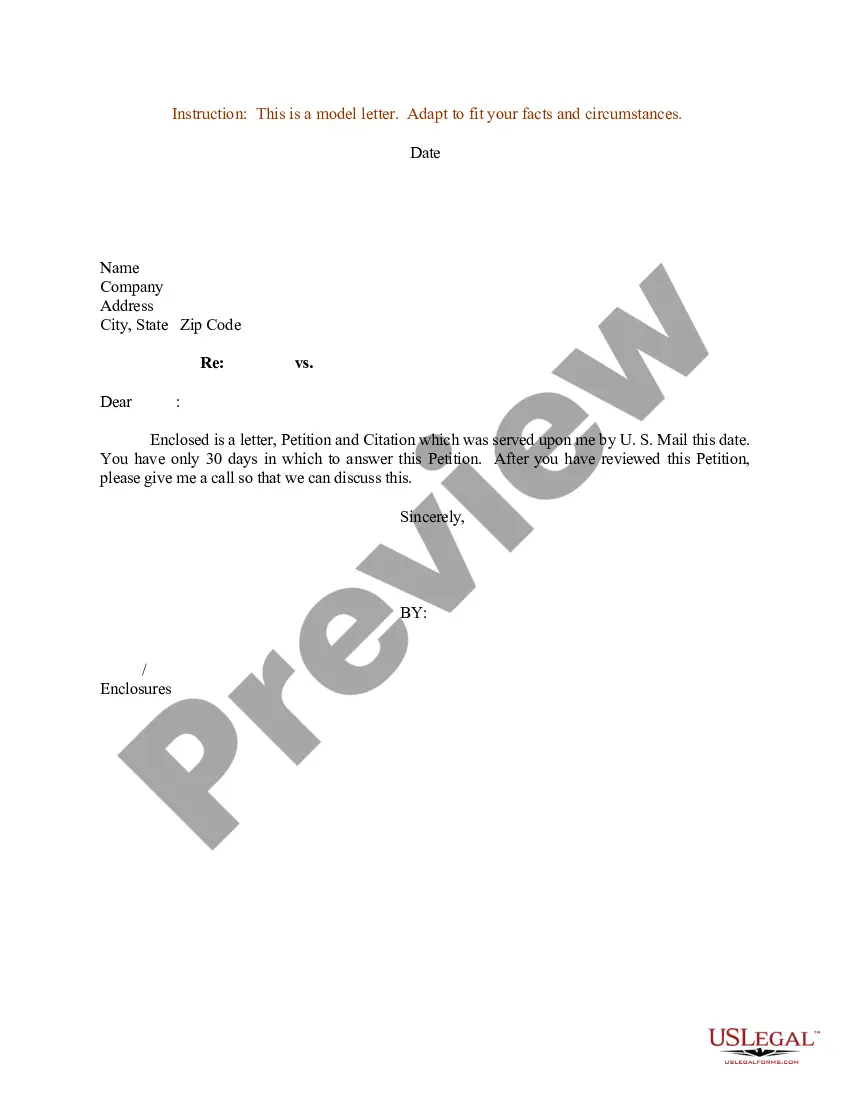
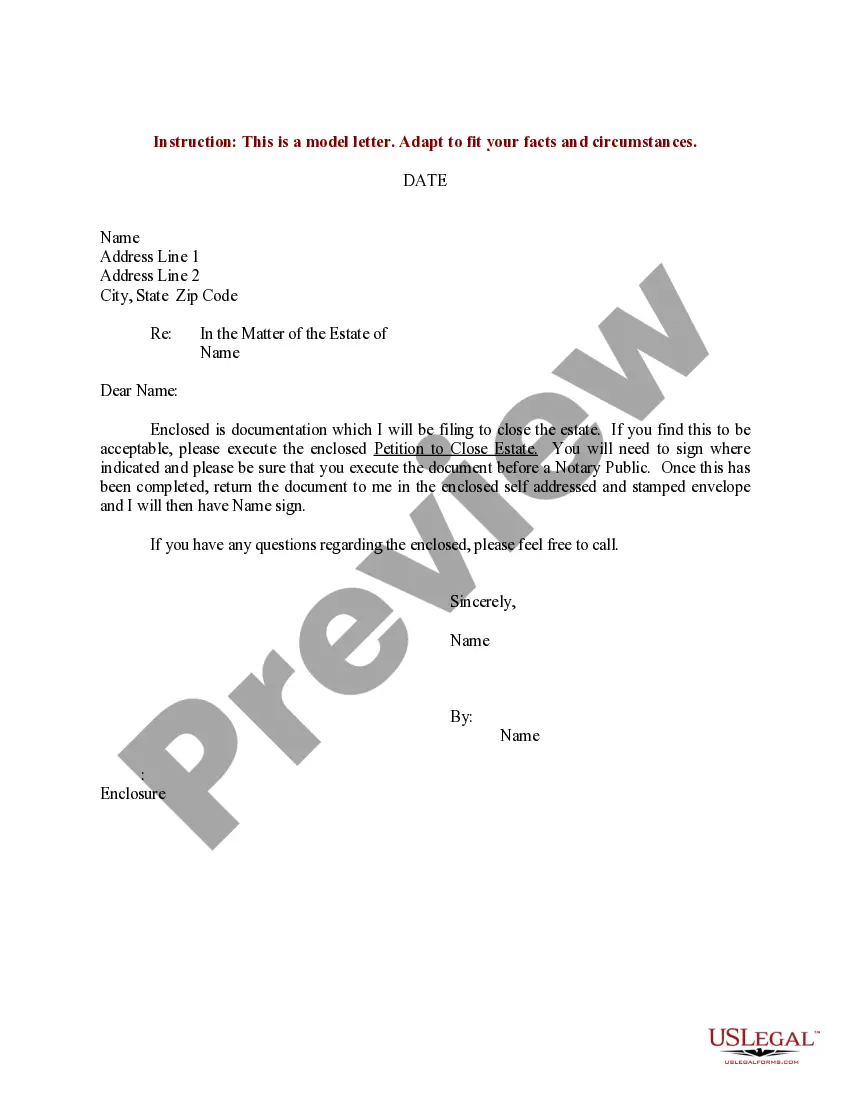
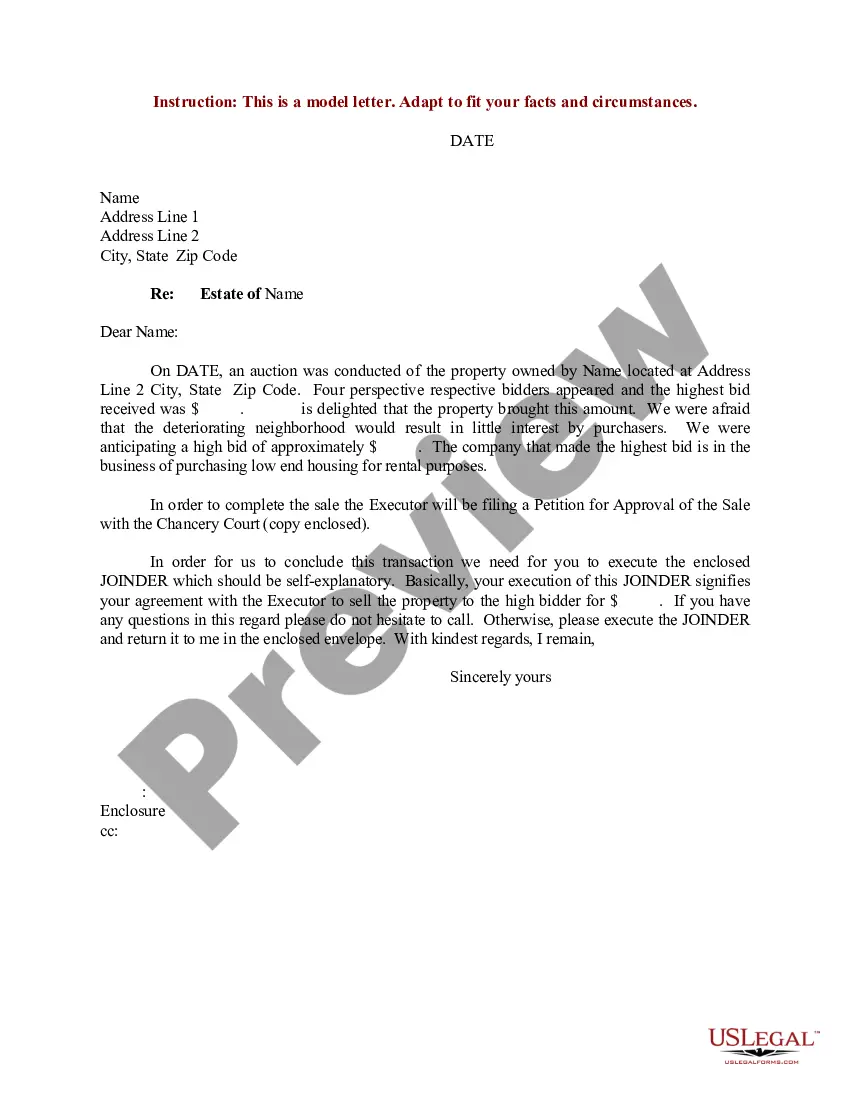
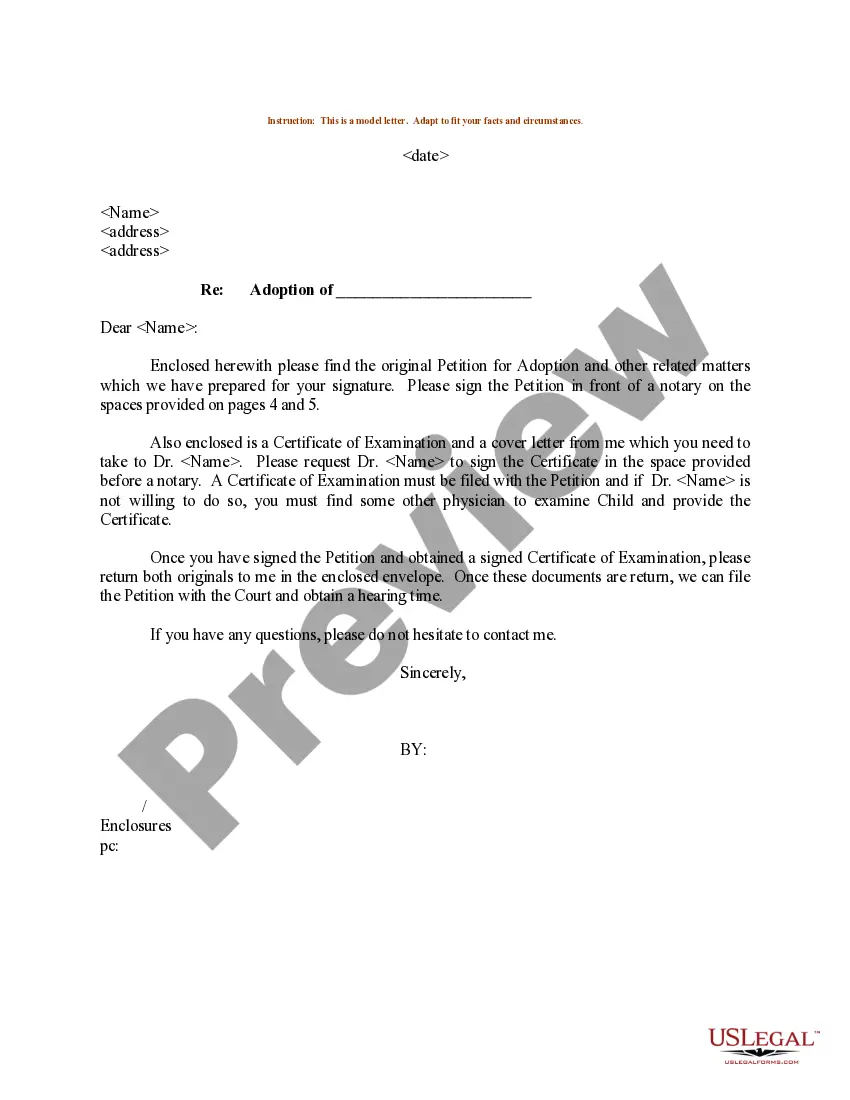
Sample Court Petition For Appeals
Description
Get your form ready online
Our built-in tools help you complete, sign, share, and store your documents in one place.
Make edits, fill in missing information, and update formatting in US Legal Forms—just like you would in MS Word.
Download a copy, print it, send it by email, or mail it via USPS—whatever works best for your next step.
Sign and collect signatures with our SignNow integration. Send to multiple recipients, set reminders, and more. Go Premium to unlock E-Sign.
If this form requires notarization, complete it online through a secure video call—no need to meet a notary in person or wait for an appointment.
We protect your documents and personal data by following strict security and privacy standards.
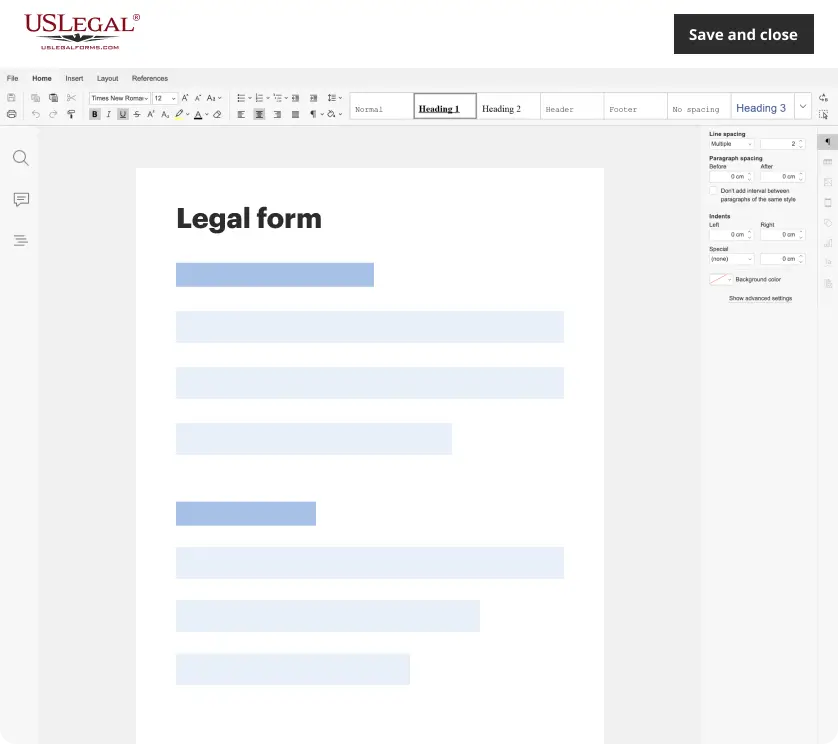
Make edits, fill in missing information, and update formatting in US Legal Forms—just like you would in MS Word.
Download a copy, print it, send it by email, or mail it via USPS—whatever works best for your next step.
Sign and collect signatures with our SignNow integration. Send to multiple recipients, set reminders, and more. Go Premium to unlock E-Sign.

If this form requires notarization, complete it online through a secure video call—no need to meet a notary in person or wait for an appointment.
We protect your documents and personal data by following strict security and privacy standards.
Looking for another form?
How to fill out Sample Letter For Petition?
Regardless of whether for corporate objectives or personal issues, everyone eventually has to handle legal affairs in their lifetime.
Filling out legal forms requires meticulous attention, beginning with choosing the appropriate template.
With an extensive US Legal Forms library available, you won’t need to waste time searching for the correct template online. Take advantage of the library’s straightforward navigation to find the appropriate form for any circumstance.
- Obtain the required sample by using the search feature or browsing the catalog.
- Review the details of the form to ensure it fits your situation, jurisdiction, and locality.
- Click on the preview of the form to examine it.
- If it is not the correct form, return to the search bar to locate the Sample Court Petition For Appeals template you need.
- Download the document if it aligns with your specifications.
- If you have a profile with US Legal Forms, click Log in to access previously stored files in My documents.
- If you do not have an account yet, you can obtain the form by clicking Buy now.
- Select the appropriate pricing option.
- Complete the profile registration form.
- Choose your payment method: you can pay with a credit card or PayPal account.
- Select the desired file format and download the Sample Court Petition For Appeals.
- After downloading, you can fill out the form using editing software or print it out and complete it manually.
Form popularity
FAQ
The best approach is to write a chronological description of the underlying facts of the case. Include the circumstances of the crime, the charges against the defendant, and then the trial. Create a narrative; do not recite all the facts of the entire crime or the trial. Use only what is necessary for your argument.
GET TO THE POINT ? IN A FOCUSED, CONCISE MANNER. ... SET UP THE BRIEF DOCUMENT EARLY ON. ... CHOOSE YOUR ISSUES WITH CARE. ... RESEARCH AND WRITE A STANDARD OF REVIEW THAT FITS YOUR CASE. ... TELL A STORY IN YOUR STATEMENT OF THE FACTS. ... WRITE THE ARGUMENT IN A CLEAR OUTLINE FORM USING DETAILED SUBHEADINGS.
There are several components that make up your Appellate Brief: Title Page; Table of Contents; Table of Authorities; Statutes Involved; Standard of Review; Question Presented; Statement of Facts; Summary of Argument, Argument and Citation of Authority; Point headings that are within Argument section; Conclusion; ...
In almost all cases, the appellate court only looks at two things: Whether a legal mistake was made in the trial court. Whether this mistake changed the final decision (called the "judgment") in the case.
Hear this out loud PauseThe brief is a party's written argument filed with the Court of Appeals. The brief argues why the trial court made a mistake. It must include citations to the record and to cases, rules, or statutes, to support that argument. The briefs must comply with specific format and length requirements.